VIVASTAR CS 3005 XV, Caesalpinia Spinosa Gum, Xanthan Gum, 50 g
Pre-order€6.99(€139.80/kg)

ACTIVE INGREDIENTS
ManufacturerClariant
CycloRetin is a plant-based active ingredient from the root of Pseudostellaria heterophylla. It triggers processes in the skin similar to those of retinol without irritating it, according to the manufacturer’s tests. full description
Lowest price in the last 30 days: €39.99
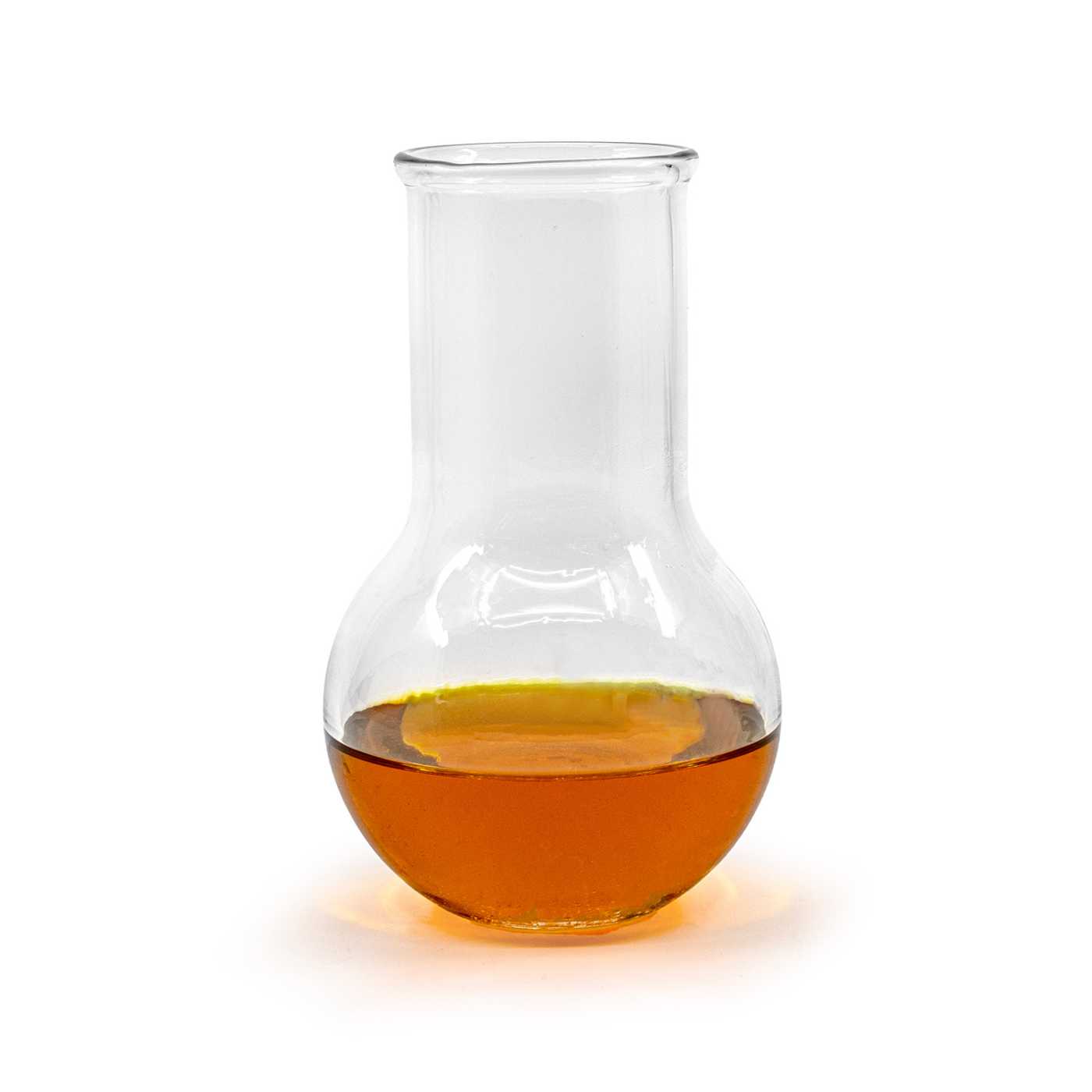
CycloRetin is a plant-based active ingredient from the root of Pseudostellaria heterophylla. It triggers processes in the skin similar to those of retinol without irritating it, according to the manufacturer’s tests. It is added to serums and creams to firm the skin, smooth wrinkles and revive radiance, including products for sensitive and mature skin. It is easy to work with: the liquid ingredient is mixed in once the emulsion or gel has cooled.
The active component is a concentrated root extract in which fractionation increases the proportion of the natural cyclic peptide heterophyllin B. The carrier is glycerine with water. In China the plant is known as Tai zi shen and is counted among the adaptogens.
The main difference is tolerance. Retinol remains the standard in mature skin care, but at common usage rates it often irritates the skin. In the manufacturer’s 48-hour patch test, a cream with 0.3%, 0.5% and 1% of CycloRetin did not irritate the skin, whereas retinol caused mild irritation even at 0.1% and 0.3%. In vitro tests showed no skin or eye irritation, no mutagenicity and no phototoxicity. The ingredient is suitable for both day and night care.
The direction of action is similar. In the manufacturer’s studies, CycloRetin stimulated seven targets of retinoid metabolism, that is, the pathways through which retinol acts in the skin. After exposure to it, fibroblasts increased their production of collagen and elastin and the organisation of the skin matrix improved. Compared with bakuchiol, another plant-based alternative to retinol, the in vitro test produced three times more collagen.
The type of molecule differs as well. Cyclic peptides have their chain closed into a ring, which makes them more resistant to chemical and enzymatic degradation than linear peptides. The ingredient is stable under normal conditions and has no known incompatible substances or conditions to avoid.
In a study of a cream with 0.3% of CycloRetin in 34 women aged 45 to 65, skin firmness increased by 12.6% after 28 days and by 19% after 56 days, which was comparable to a cream with 0.5% bakuchiol. Skin sagging decreased by 10.7% after 28 days. Skin radiance improved 1.4 times more than with bakuchiol and 9.5 times more than with placebo.
The second study compared a cream with 1% of CycloRetin with a cream with 0.3% retinol in 13 women of the same age. Wrinkles were reduced by 5.1% after only 14 days and by 7.1% after 28 days. The result was comparable to retinol and appeared faster.
CycloRetin is water-soluble. It is incorporated into the water phase of products without heating, into the emulsion during cooling, or afterwards into a finished gel or cream. It is not suitable for purely oil-based products such as balms or oil serums.
Add CycloRetin only to a base that has cooled below 40 °C. It does not belong in a hot water phase during heating.
The usage rate is 0.3–2.5%. In the manufacturer’s clinical studies, a cream with 0.3% was used for skin firmness and a cream with 1% for wrinkles. The ingredient consists of 75–85% glycerine and 15–25% water, with the root extract making up 0.1–0.3%. At the upper end of the usage rate, it therefore brings approximately 2% glycerine into the product.
The ingredient itself has a pH of 4.0–7.0 and tolerates both acidic and neutral product pH. It is also compatible with alcohol, so it is suitable for toners and essences containing ethanol.
The ingredient is intended for leave-on products for the face, the eye area and the body.
The ingredient contains no preservative or antioxidant. A finished product with a water phase must always be preserved, and adding CycloRetin does not change that.
Fractionation increases the proportion of heterophyllin B approximately 66 times compared with a standard Pseudostellaria heterophylla root extract.
The ingredient is COSMOS Approved and NATRUE Approved, of plant origin, free of animal-derived components and palm oil, suitable for vegan cosmetics and not tested on animals. The plant root comes from China, the glycerine from rapeseed or sunflower, and the ingredient is manufactured in France.
All the effects described above come from studies by the ingredient manufacturer. On the packaging and in the promotion of a finished product, only cosmetic claims that the cosmetic manufacturer can support with their own evidence may be used.