Spend over €100 for discounted shipping!

+421 950 333 113[email protected]

THICKENERS

Xanthan Gum, 50 g

Pack size50 g100 g1 kg5 kg

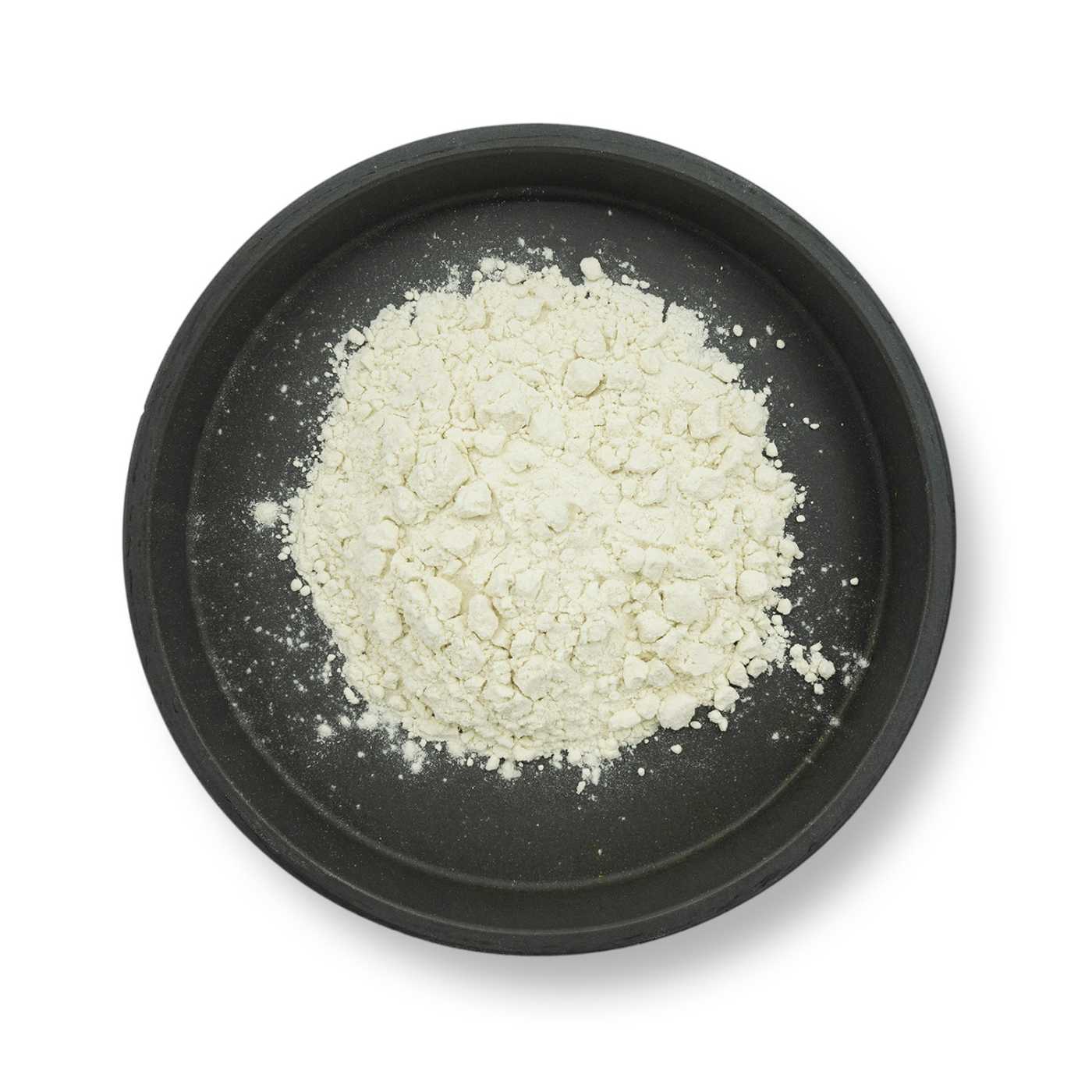
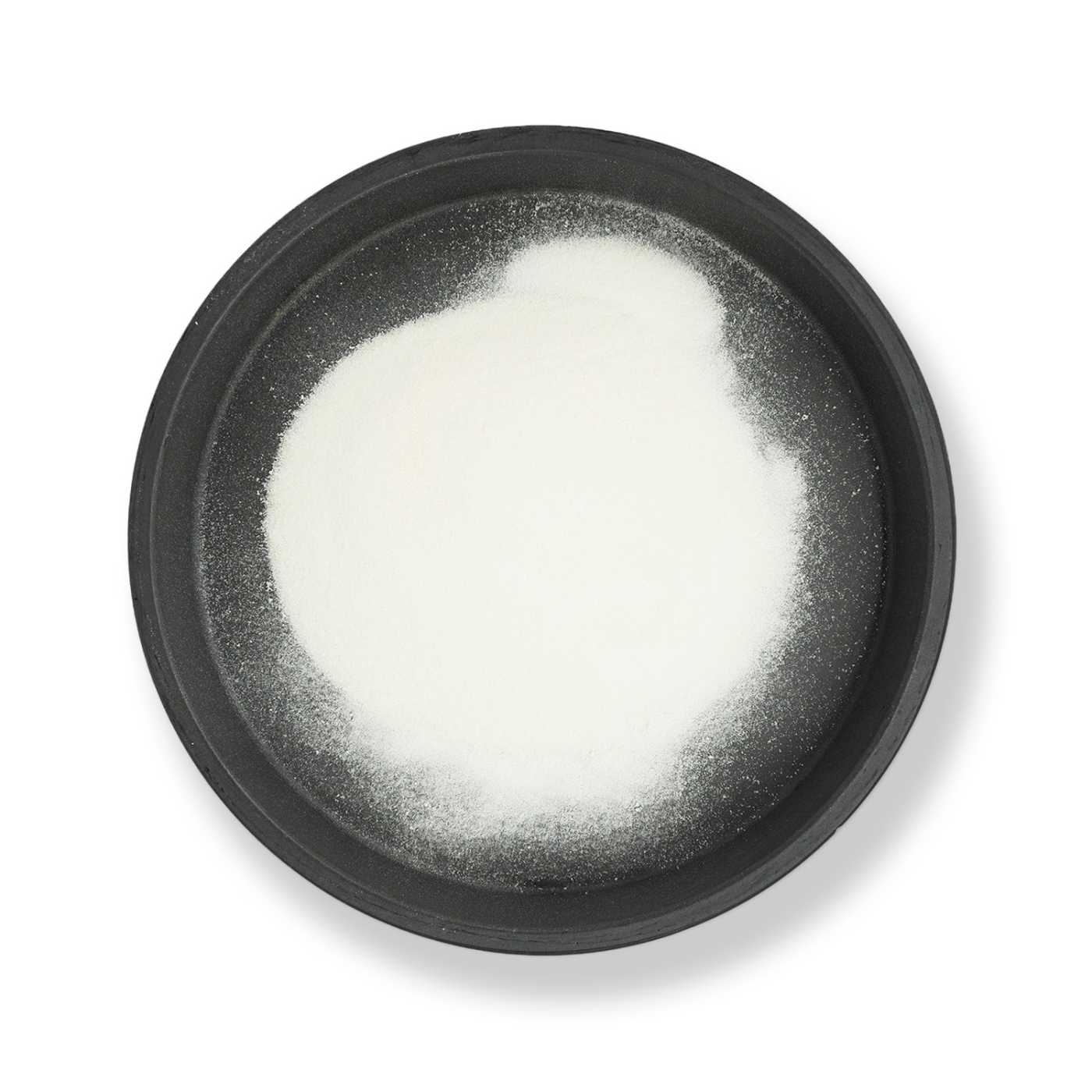
Xanthan gum thickens and stabilises the water phase of cosmetic formulations. Water combined with up to 1 % of the powder produces a gel that holds its shape, does not run and helps keep an emulsion together. full description

AvailabilityIn stock · 425 packs
Product codeSTA010_50
Batch38231185
Best before12/2027
€2.99incl. VAT€59.80/kg

Lowest price in the last 30 days: €2.99

Product description

Xanthan gum thickens and stabilises the water phase of cosmetic formulations. Water combined with up to 1 % of the powder produces a gel that holds its shape, does not run and helps keep an emulsion together. It is used in both home and professional production, as it handles a wide pH range, tolerates surfactants, electrolytes and alcohol, and can be worked cold.

A thickener of natural origin from European production, suitable for formulations for the face, body, hands, hair and scalp, for all skin types.


What it is suitable for

  • Thickening aqueous formulations – turns a toner, hydrolat or aqueous solution of active ingredients into a serum or gel that can be dispensed and applied without running.
  • Emulsion stabilisation – increases the viscosity of the water phase and slows the separation of oil droplets, so a cream or lotion is more resistant to phase separation.
  • Rheology modifier – alters the texture behaviour: the gel holds its shape in the container and spreads across the skin on application.
  • Particle carrier – in a thickened gel, exfoliant particles, flowers or pearls remain suspended instead of sinking to the bottom.
  • Thickening surfactant products – tolerates anionic, amphoteric, cationic and non-ionic surfactants, making it suitable for use in shower gels, shampoos and cleansing gels.

Use in formulation

It is added to the water phase, where the powder first disperses and then swells. It does not dissolve instantly; viscosity builds gradually as the powder hydrates. The recommended usage level is 0.1 – 1.0 %: at the lower end the result is a fluid serum or stabilised emulsion, at the upper end a firm gel. It thickens in the range of pH 3 – 12, working equally well in acidic toners with AHA acids and in alkaline cleansing formulations.

It is processed cold. If the formulation requires heating, the temperature should remain below 80 °C. In emulsions it is dispersed into the water phase before combining with the oil phase, and the viscosity is adjusted after cooling as needed.

Powder poured directly into water forms lumps that are difficult to disperse. Pre-mix it first in glycerin, in a small amount of oil or in alcohol to form a smooth paste, then pour that into the water with constant stirring.

It tolerates electrolytes and alcohol, so the viscosity of the gel does not drop after adding salt solutions, salts of active ingredients or alcoholic extracts. At higher alcohol content, check the final consistency in the finished formulation, as it depends on the ratio of water to alcohol.


Suitable for products such as

  • facial serums and gels with water-soluble active ingredients,
  • gel creams and light lotions for the face and body,
  • thickened hydrolats and toners,
  • shower gels, shampoos and cleansing gels for the scalp,
  • gel masks and scrubs with suspended particles,
  • creams and emulsions where it serves as a stabiliser.

What is good to know

A thickened gel contains water and therefore requires preservation like any aqueous formulation. The preservative is added after the gel is complete; verify that it does not alter the viscosity.

At higher concentrations, the gel may feel tacky on the skin, particularly in leave-on products. Tackiness can be reduced by lowering the concentration, combining with another thickener or adding an oil or emollient to the formulation.

Depending on the concentration and quality of dispersion, the gel ranges from clear to slightly hazy. Air bubbles from intensive mixing will disappear once the gel has been left to stand for a few hours.

Keep to the recommended maximum of 1 %. A higher dose will not improve the texture; the gel will become thick and stringy and difficult to apply.

It is not suitable for anhydrous oil-based formulations; it only thickens aqueous environments.


Frequently asked questions

Is xanthan gum soluble in water?
Xanthan gum disperses in water and then swells into a gel; it does not dissolve instantly like salt or sugar. The powder must be dispersed with constant stirring or pre-mixed in glycerin or oil, otherwise it will form lumps. Viscosity builds gradually, so allow the gel to stand for a while before further processing.
How is xanthan gum added to a cream?
Xanthan gum is dispersed in the water phase before combining with the oil phase, typically in the lower half of the 0.1 – 1.0 % range. The thickened water phase then helps the emulsifier maintain a stable emulsion and prevents phase separation. It is recommended to pre-mix the powder in glycerin and incorporate it into the water this way.
Is xanthan gum suitable for an anhydrous product?
No, xanthan gum only thickens aqueous environments and serves no function in a pure oil, butter or balm without water. It is suitable for gels, serums, toners, emulsions and surfactant formulations where water is present. Other materials, such as waxes, are used to thicken oils.
Does xanthan gum work in an acidic environment and with electrolytes?
Yes, xanthan gum thickens in the pH range of 3 – 12 and tolerates both electrolytes and alcohol. It is therefore suitable for toners with AHA acids, formulations with salts of active ingredients and alcoholic extracts. At higher alcohol content it is recommended to check the consistency in the finished formulation, as it depends on the ratio of water to alcohol.
Does a xanthan gum gel require a preservative?
Yes, every xanthan gum gel contains water and without a preservative microorganisms can multiply in it. The preservative is added after the gel is complete, at the dose recommended by its manufacturer, and it is advisable to verify that it does not alter the viscosity or clarity of the final formulation.

Parameters

INCI
Xanthan Gum
CAS No.
11138-66-2
EC number
234-394-2
Product color
White
Country of origin
European Union
Appearance
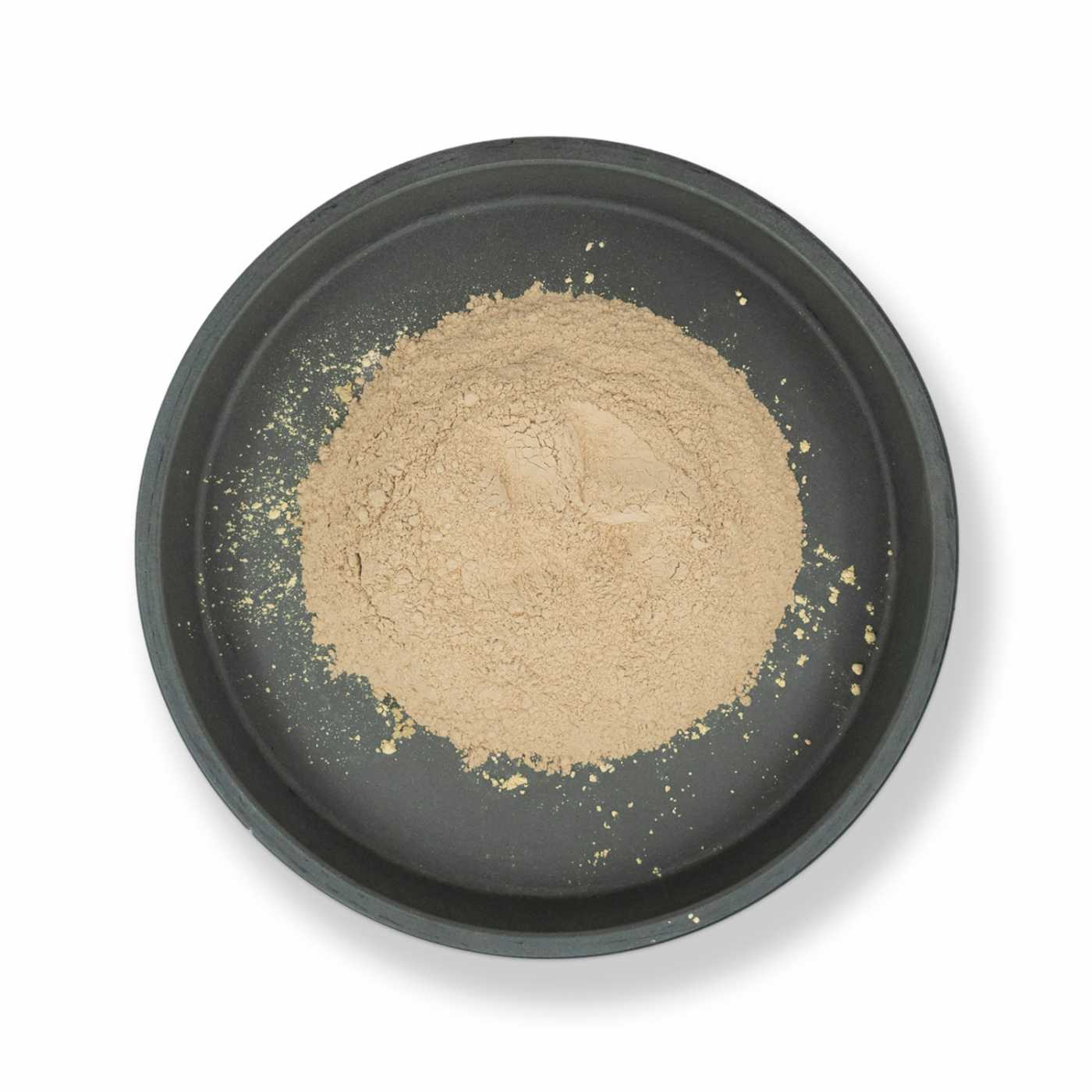
Powder
Formulation phase
Water phase
Application area
FaceHairScalpBodyHands
Recommended processing temperature
< 80 °C
Recommended dosage range
0,1–1,0 %
Recommended formulation pH range
3 – 12
Natural Index (NI ISO 16128)
1
Natural Origin Index (NOI ISO 16128)
1

Product documentation

CoACertificate of Analysis
batch 34250634PDF ↓
TDSTechnical Data Sheet
Physical parameters and processingPDF ↓
MSDSSafety Data Sheet
Available for purchased products —
Download all (ZIP)

2 PDF files in one archive

Learn how to work with it

From our blog
Viktorija2 Sept 2026EN

Verified purchase

Good — Great quality and very easy to work with. I used it to thicken my liquid formulations, and it worked perfectly. Will definitely order again!

María15 Oct 2026ES

Verified purchase

Variant: Xantánová guma, 100 g
Mario K.15 Oct 2026EN

Verified purchase

Variant: Xantánová guma, 1 kg

Matej S.6 Oct 2026SK

Verified purchase

Variant: Xantánová guma, 100 g
(4 reviews)