
+421 950 333 113info@handymade.store10% off all active ingredientsShop active ingredients

SALTS

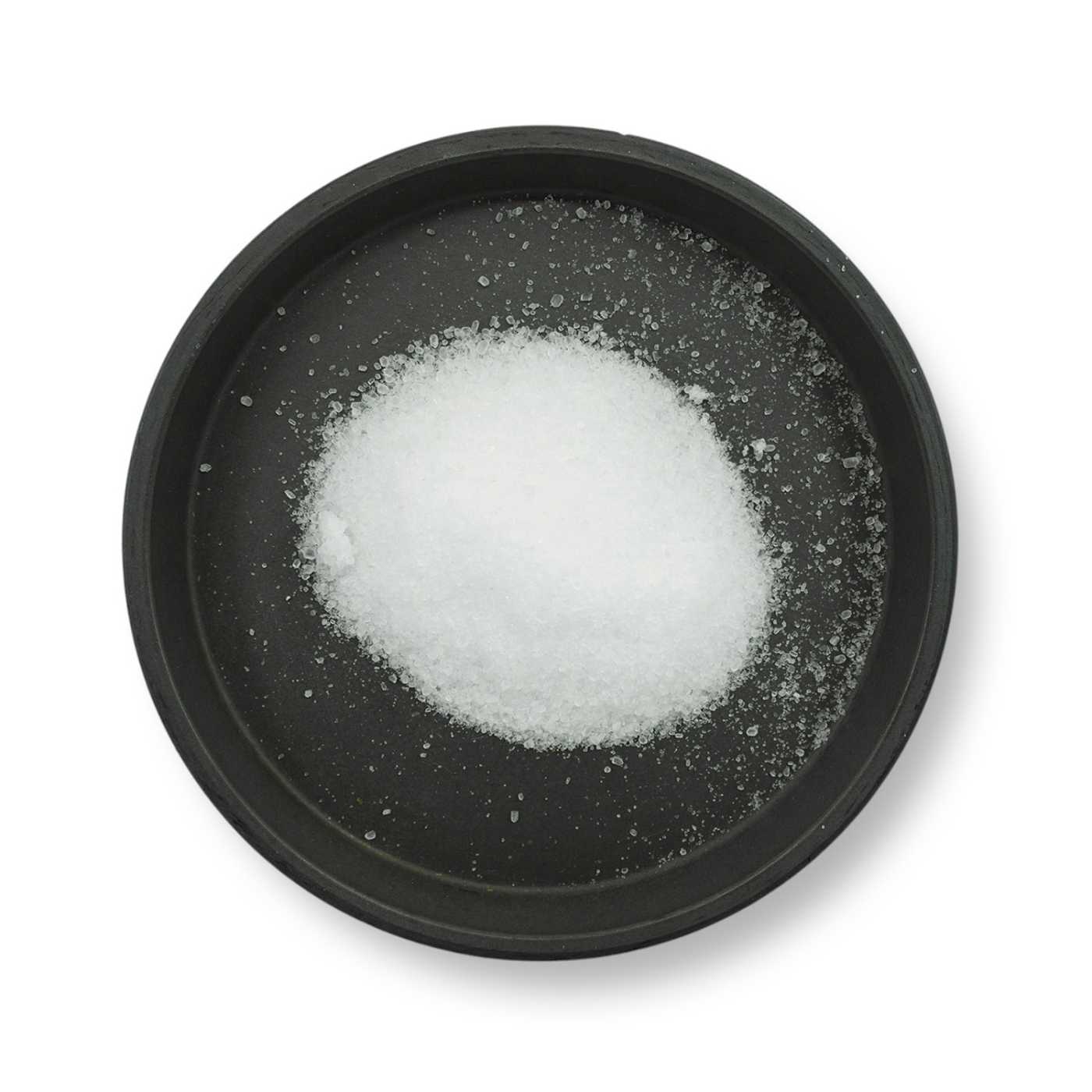
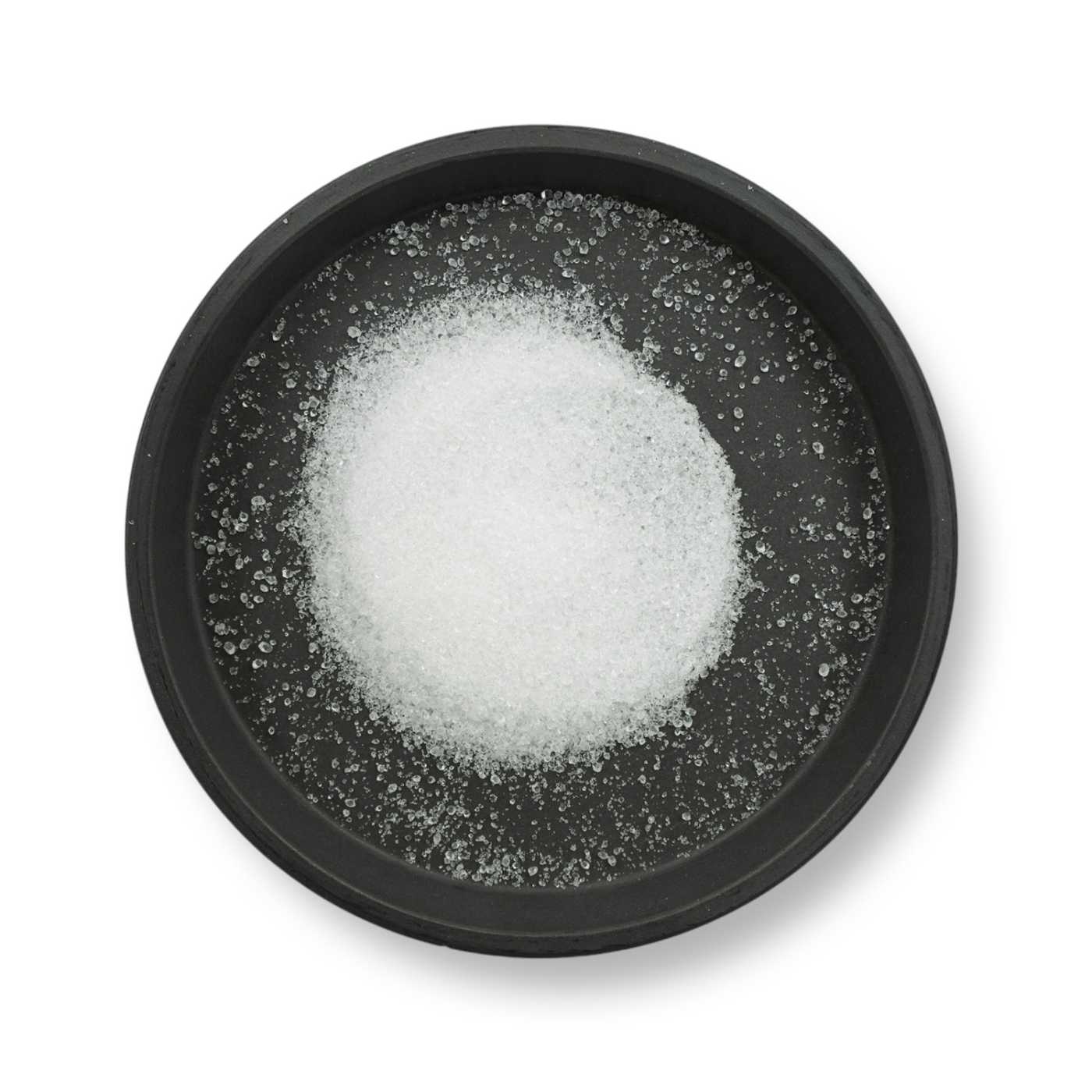
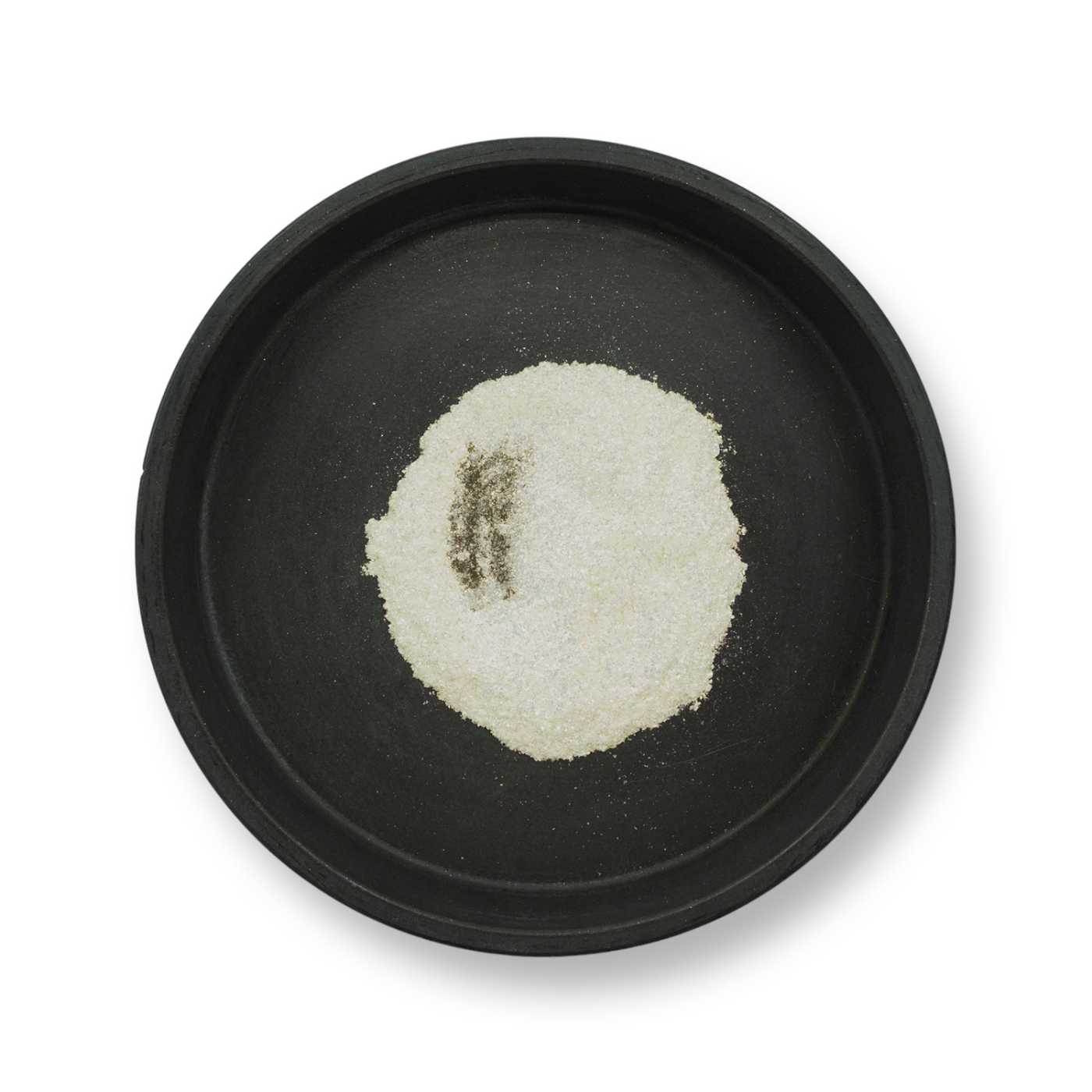
Epsom Salt, Magnesium Sulfate, 25 kg

Pack size1 kg5 kg25 kg

Epsom salt, magnesium sulfate heptahydrate, is the mineral base of most bath salts , foot baths and bath bombs . full description

AvailabilityIn stock · 25 packs
Product codeSOL100_25
Batch1125001464
Best before08/2030
€57.99incl. VAT€2.32/kg

Lowest price in the last 30 days: €52.19

Product description

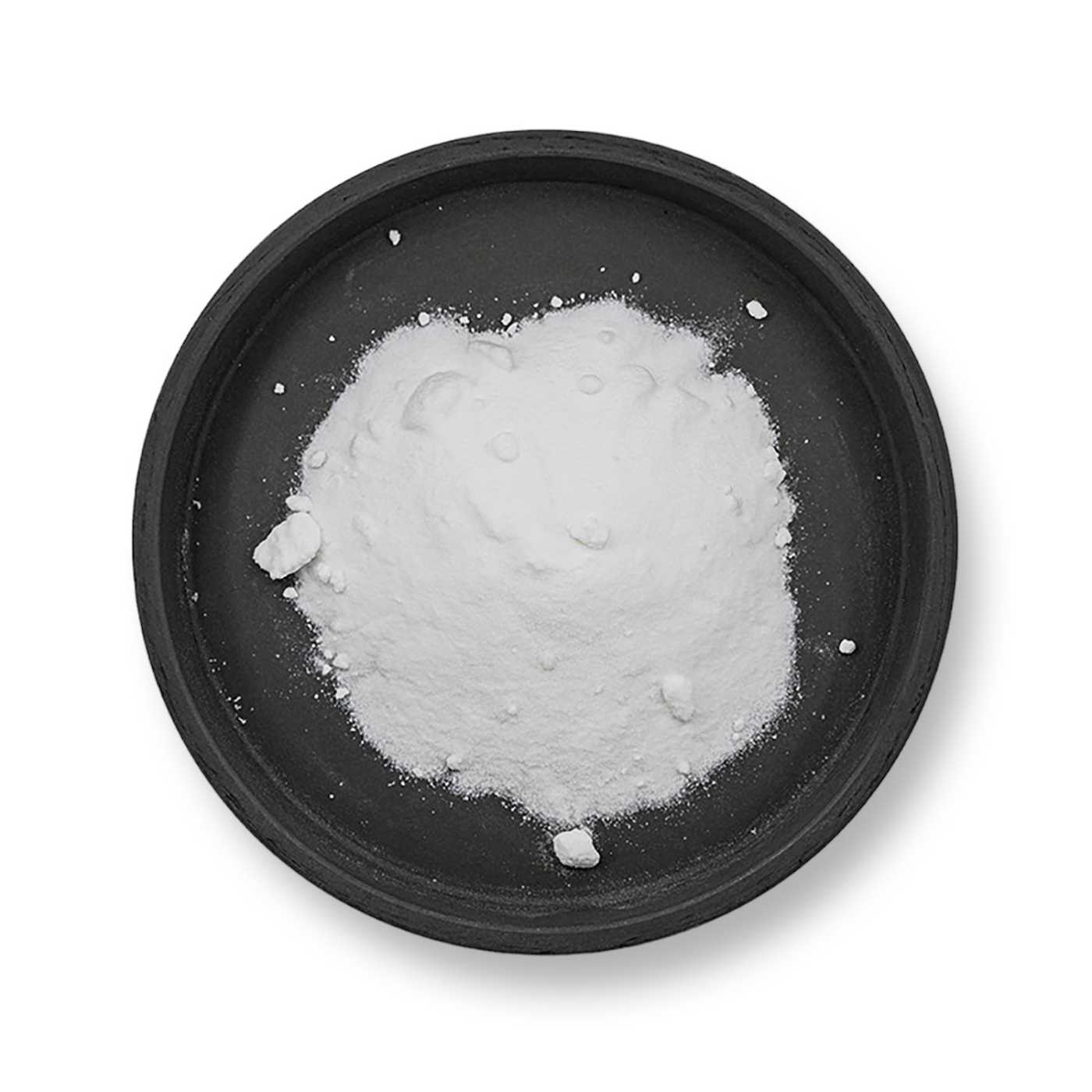
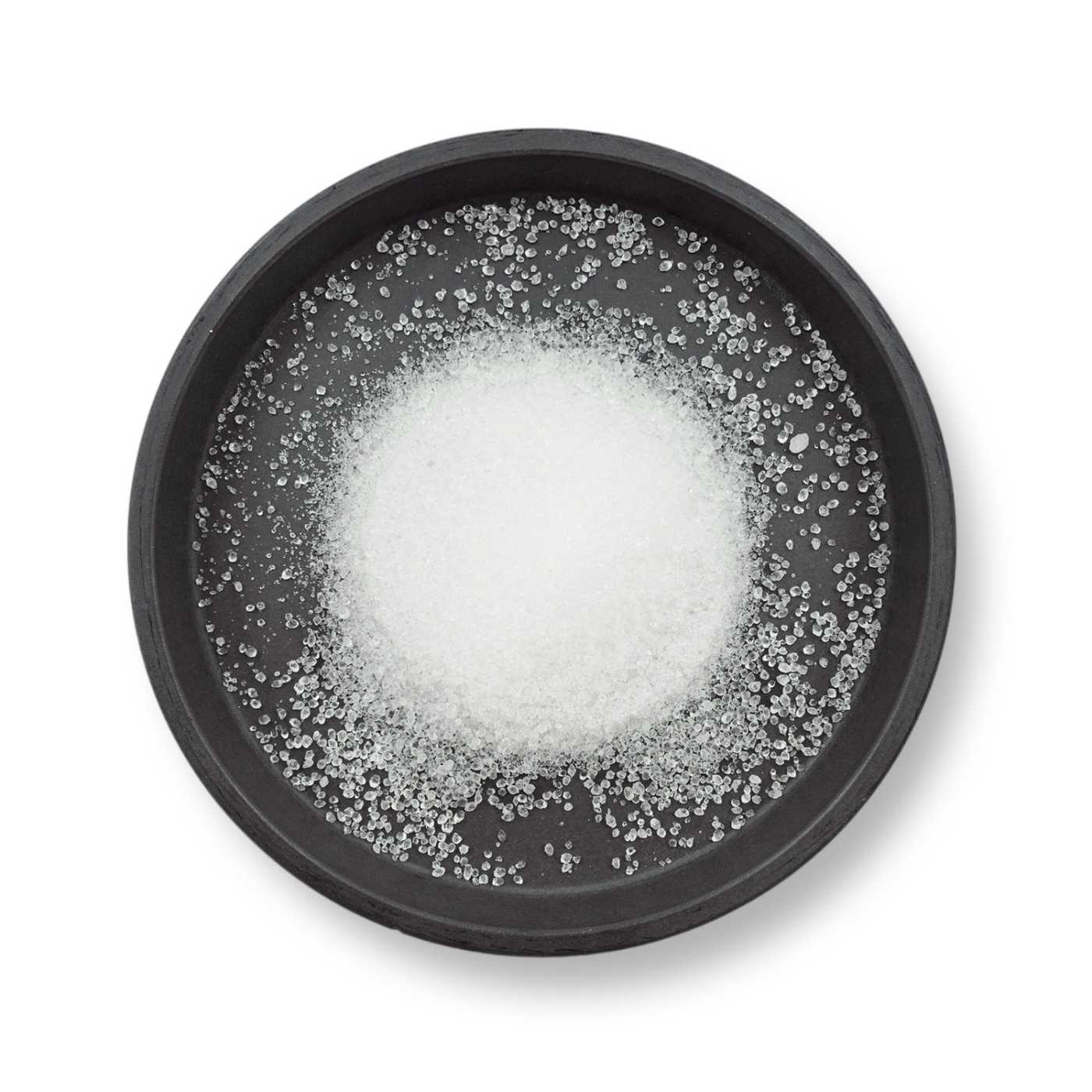
Epsom salt, magnesium sulfate heptahydrate, is the mineral base of most bath salts, foot baths and bath bombs. It brings magnesium to the bath, adds weight to the blend and gives the crystalline appearance that customers expect from salt products. It is supplied in chemically pure grade intended for cosmetics, without preservatives and without fragrance allergens.

Besides salt products, it also has a place in rinse-off cleansing products, where it acts as an electrolyte affecting viscosity, and in small amounts in the water phase of W/O emulsions as a stabiliser.


Key properties

  • Unlimited solubility in water – it dissolves completely in both warm and lukewarm water, so it suits products that are meant to dissolve quickly in a bath or a basin.
  • Source of magnesium in the bath – it is the main ingredient in bath salts and foot salts and gives the product the magnesium traditionally associated with salt baths. A higher proportion of salt in the water also increases the buoyancy of the body.
  • Compatibility with surfactants – it is compatible with non-ionic and amphoteric surfactants and with other electrolytes.
  • Neutral in odour and colour – a white crystalline raw material with almost no odour, which does not discolour the finished product and lets the fragrance composition or essential oils stand out.
  • Mineral origin – obtained by crystallisation in Germany, free of raw materials of animal origin, GMO-free, free of ingredients derived from palm oil and without intentionally added microplastics.

Use in formulations

Magnesium sulfate belongs exclusively in the water phase. In anhydrous salt blends it stays in crystalline form until use. The recommended usage rate is 1–100%; the specific rate depends on the type of product. In bath salts and foot salts it makes up tens of percent, often combined with sea salt, sodium bicarbonate or Himalayan salt. In W/O emulsions only 0.3–1.5% is added, most often around 0.8% in recipes.

When making bath salts, all salts must be dry, free-flowing and free of lumps before mixing. First mix the salts together, and only then drizzle a pre-mixed blend of vegetable oil with essential oils or a fragrance composition over them in portions, and mix until evenly distributed. A finer fraction of salt gives a more crumbly texture.

Magnesium sulfate is supplied as the heptahydrate, which contains approximately 26% bound water. If your recipe calls for the anhydrous salt, recalculate the weighed amount, otherwise the actual magnesium sulfate content will be lower than you plan.

In rinse-off cleansing products with anionic surfactants, for example with Sodium Laureth Sulfate, the salt first increases viscosity, but beyond a certain amount it lowers it again. It should therefore be added in small amounts, measuring each time. It thickens considerably more mildly than sodium chloride or sodium sulfate, so it is not a suitable choice for significantly thickening a gel.

In W/O emulsions with emulsifiers such as Polyglyceryl-3 Diisostearate or PEG-30 Dipolyhydroxystearate, it dissolves in the water phase, usually together with glycerine. An electrolyte in the internal phase prevents droplets from coalescing and improves the resistance of the emulsion to freezing and thawing. Even small changes in the amount alter the behaviour of the emulsion, so keep to the weighed amount exactly.

It decomposes above 150 °C. This is not a problem when dissolving in warm water, but do not expose the raw material to direct strong heat.


Suitable for products such as

  • Bath salts – as the main ingredient of both free-flowing and oil-enriched salt blends, on their own or with sea salt and Himalayan salt.
  • Foot baths – salt for a basin of warm water, commonly combined with menthol, allantoin or extracts; it dissolves quickly even in a small volume of water.
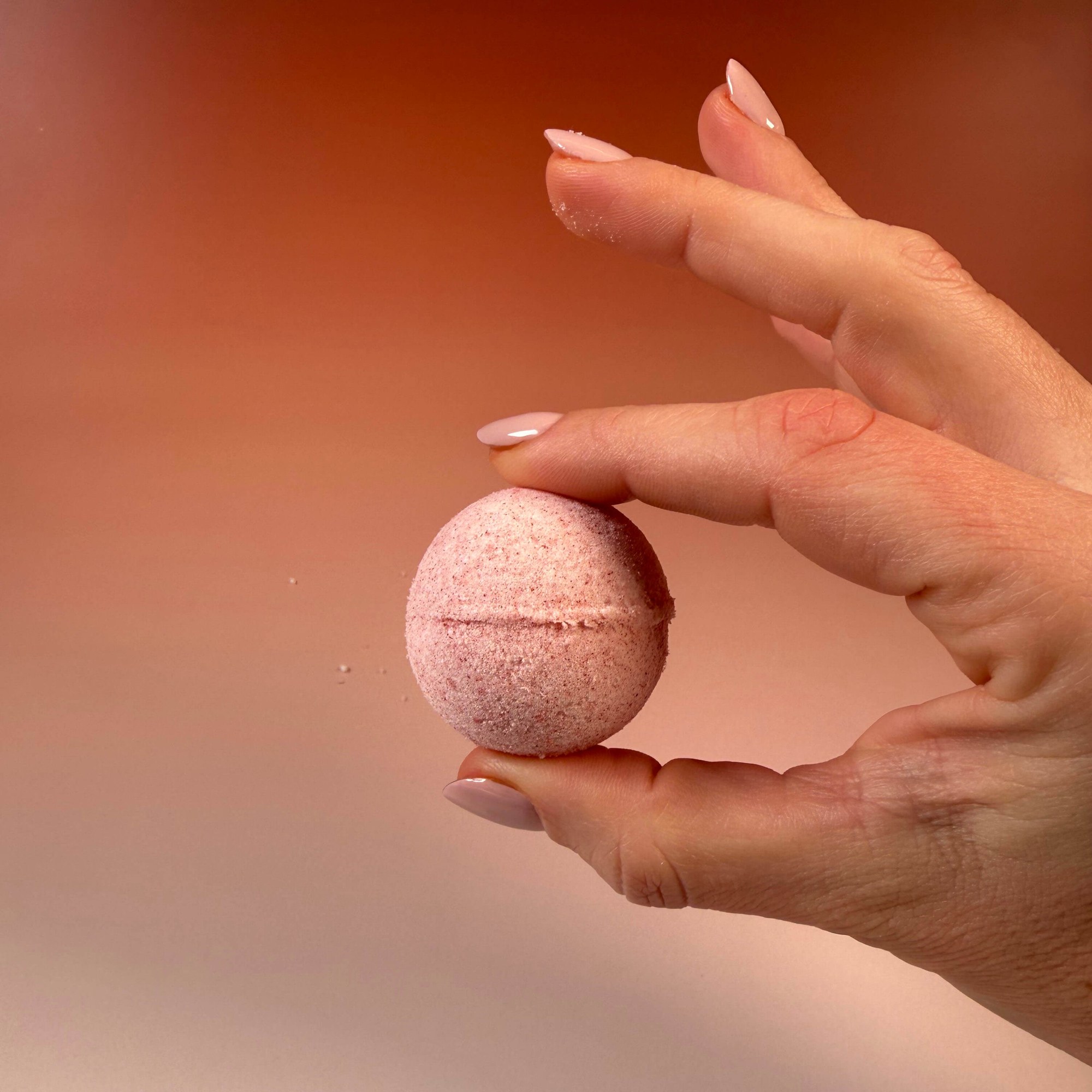
  • Bath bombs – as the salt component of a blend with sodium bicarbonate and citric acid, where it adds weight and magnesium.
  • Shower gels and cleansing products – in a small amount as an electrolyte for fine-tuning the viscosity of the surfactant system.
  • W/O emulsions – in a small amount as a stabiliser of the water phase.

Good to know

An aqueous solution of the salt is slightly alkaline, with a pH of around 8. In products with a low pH it can shift the value slightly, so measure the pH only after the salt has fully dissolved and make any correction at the end.

Salts attract moisture from the air. This applies to finished bath salts as well as to the raw material itself, which then hardens, clumps and loses its free-flowing quality.

Pack bath salts and bombs in airtight packaging and store the raw material in its original, tightly closed packaging in a cool, dry place.

Magnesium sulfate is not classified as hazardous under the CLP Regulation and is non-flammable. When weighing and mixing larger quantities, avoid raising dust and observe normal working hygiene.

The raw material is intended for cosmetic and technical use in rinse-off products.


Frequently asked questions

Is Epsom salt soluble in water?
Yes, Epsom salt has unlimited solubility in water. It dissolves completely in a warm bath and in lukewarm water. In an oil-enriched bath salt it stays in crystalline form: the oil only coats the crystals, and the salt dissolves only when it is used in water.
What is the difference between Epsom salt and sea salt in bath salts?
Epsom salt is magnesium sulfate, while sea salt is mainly sodium chloride. They are often combined in bath salts: Epsom salt gives the blend magnesium, while sea salt gives coarser crystals and a different texture. Both must be kept dry and free-flowing before mixing, otherwise the finished blend will harden.
Does Epsom salt thicken shower gel?
Only slightly. In shower gels with anionic surfactants, magnesium sulfate as an electrolyte first increases viscosity, but beyond a certain amount it lowers it again. Add it in small portions, measuring after each addition. Sodium chloride or sodium sulfate is more suitable for significant thickening; Epsom salt is better suited to fine-tuning.
How is Epsom salt added to a water-in-oil emulsion?
Dissolve it in the water phase before emulsification, at approximately 0.3–1.5%, most often together with glycerine. In W/O emulsions with emulsifiers such as Polyglyceryl-3 Diisostearate or PEG-30 Dipolyhydroxystearate, it stabilises the internal water phase and improves resistance to freezing and thawing. Keep to the amount exactly, because even a small change alters the behaviour of the emulsion.
Does Epsom salt change the pH of a product?
It can shift it slightly towards an alkaline value. An aqueous solution of magnesium sulfate has a pH of around 8, so in products with a low pH the value may rise after the salt is added. Measure the pH only after the salt has fully dissolved and make any adjustment at the end of production.
Why does bath salt made from Epsom salt harden and clump?
The cause is moisture from the air, which salts attract. Bath salt that is left open or not tightly closed gradually hardens and loses its free-flowing quality. It helps to work with dry, lump-free raw materials, pack quickly after production and use airtight packaging. Protect the raw material itself in the same way so that it stays free-flowing until weighing.

Parameters

INCI
Magnesium Sulfate
CAS No.
10034-99-8
EC number
231-298-2
Product colour
White
Country of origin
Germany
Processing method
Crystallisation
Formulation phase
Water phase
Function in formulation
Active ingredient
Application area
HandsFeetBody
Recommended usage rate
1 – 100 %
Solubility
Water-soluble
Application type
Rinse-off
Biodegradability
Not applicable
Natural Index (NI ISO 16128)
1,00
Natural Origin Index (NOI ISO 16128)
1,00

Product documentation

CoACertificate of Analysis
batch 1125001464PDF ↓
TDSTechnical Data Sheet
Physical parameters and processingPDF ↓
SDSSafety Data Sheet
Available for purchased products —
Download all (ZIP)

2 PDF files in one archive

Learn how to work with it

From our blog
Gábor P.2 Nov 2026HU

Verified purchase

With such a large package size, I would have been glad to get a plastic bucket. The product is flawless. I transferred it into a disinfected Duncos bottle. The one 5-liter bottle is not enough for it :-)

Translated automatically

Németh R.23 Oct 2026HU

Verified purchase

Marianna H.13 Oct 2026SK

Verified purchase

Variant: Epsomská soľ, síran horečnatý, chemicky čistá 1 kg
Nóra S.17 Sept 2026HU

Verified purchase

Variant: Epsomská soľ, síran horečnatý, chemicky čistá 1 kg
(4 reviews)