+421 950 333 113info@handymade.storeActive Days: −10 % with code ACTIVE10Shop now

Essential oils, 500 ml +

Cinnamon Leaf Essential Oil, 500 ml

Pack size10 ml100 ml500 ml

Cinnamon leaf essential oil brings the spicy, sweet scent of cinnamon to a product and works in the formulation as a fragrance ingredient . full description

AvailabilitySold out
Product codeEON080_500
€80.99incl. VAT€161.98/l

Lowest price in the last 30 days: €80.99

Availability watchThis variant is currently sold out.
Watch availability

Product description

Cinnamon leaf essential oil brings the spicy, sweet scent of cinnamon to a product and works in the formulation as a fragrance ingredient. It suits products for the body, hair and scalp, soaps, shower and bath products, candles and diffusers. It is obtained by steam distillation of the leaves of the Ceylon cinnamon tree (Cinnamomum zeylanicum), wild-harvested in Sri Lanka, and is supplied pure and undiluted.

The manufacturer attributes to it a warming sensation on the skin, which is used in massage oils, and a cleansing effect for oily skin. It is one of the regulated fragrance raw materials: it is subject to CLP classification and contains fragrance allergens. The raw material is Vegan certified.


What the manufacturer attributes to the oil

The effects in this section are stated by the manufacturer in its documentation and serve as a guide when choosing the type of product.

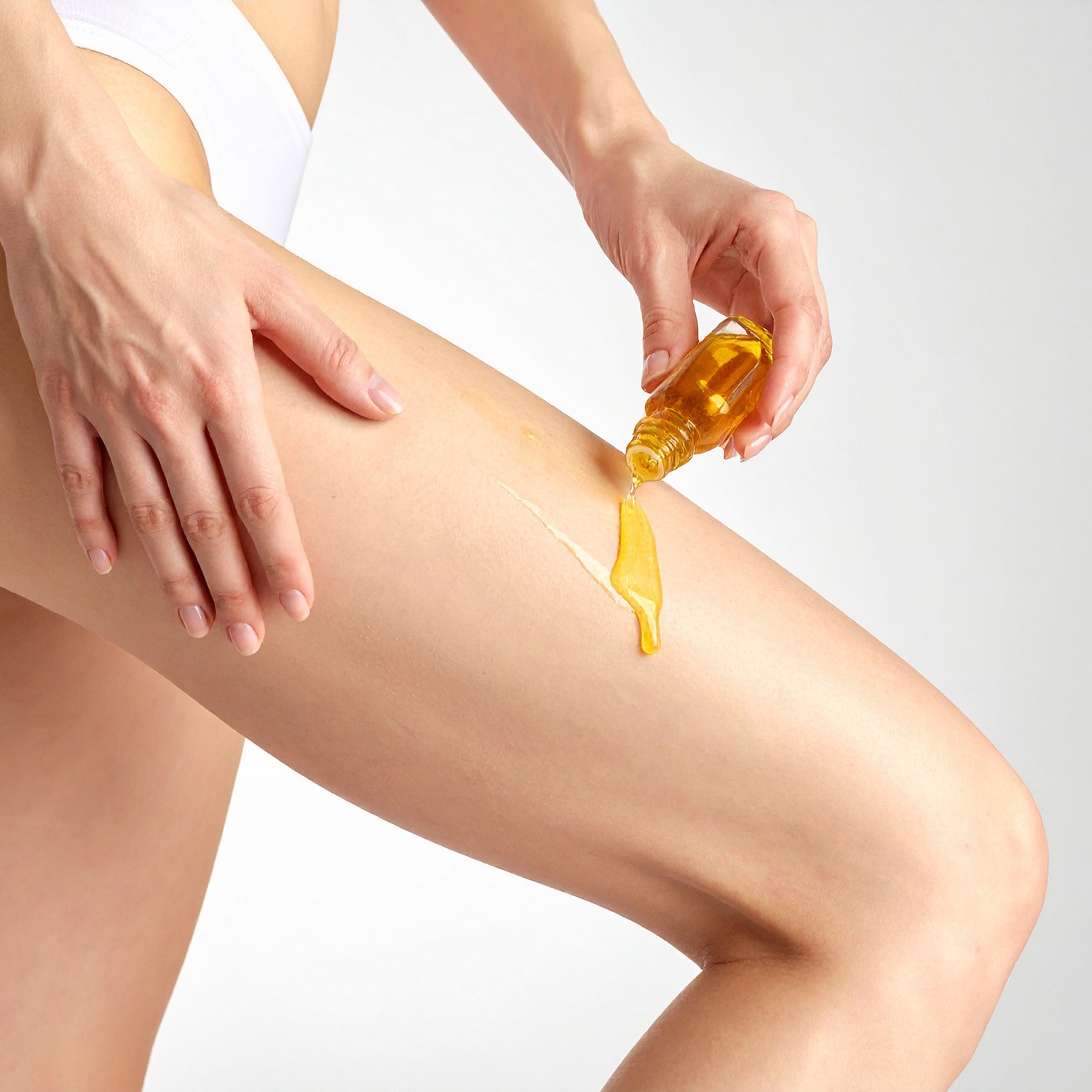
  • Warming and stimulating sensation – on the skin and scalp it creates a feeling of warmth and increased circulation. The manufacturer therefore recommends it for massage oils, body balms and scalp products.
  • Cleansing and astringent effect – it helps remove impurities and excess sebum and slightly tightens the skin. It is useful in products for oily and problem skin and in shampoos.
  • Antimicrobial action – according to the manufacturer, it acts against unwanted microorganisms on the skin and supports a clean-looking complexion.
  • Anti-inflammatory action – the manufacturer’s documentation mentions soothing irritated skin and reducing redness.

Use in formulations

The oil is added only in the cooling phase or afterwards to the finished base, at a temperature below 40 °C. At higher temperatures the volatile components of the fragrance escape and the scent profile changes.

It is insoluble in water. In a water-based product it separates without further treatment and floats to the surface, so it is easiest to incorporate into the oil phase of an emulsion or into a fragrance blend. Toners, sprays and other water-based products need a solubiliser.

There is no single universal usage rate. The manufacturer does not state a recommended range, and the maximum amount in the finished product is determined by the IFRA limit for the product category. Lip balm (category 1), face cream (category 5B), soap or shampoo (category 9) and candles (category 12) each have a different limit.

You can find the limits for all IFRA categories in the IFRA certificate in the Product documentation section. Before calculating your recipe, check which category your product belongs to and set the usage rate below the stated ceiling.


Which products it suits

  • Massage and body oils – both the warming sensation and the strong scent are put to use.
  • Soaps, shower gels and bath products – rinse-off products with a spicy scent.
  • Shampoos, conditioners and scalp products – especially for hair and scalp prone to oiliness.
  • Face products for oily and problem skin.
  • Candles, diffusers and fragrance blends for aromatherapy.

Good to know

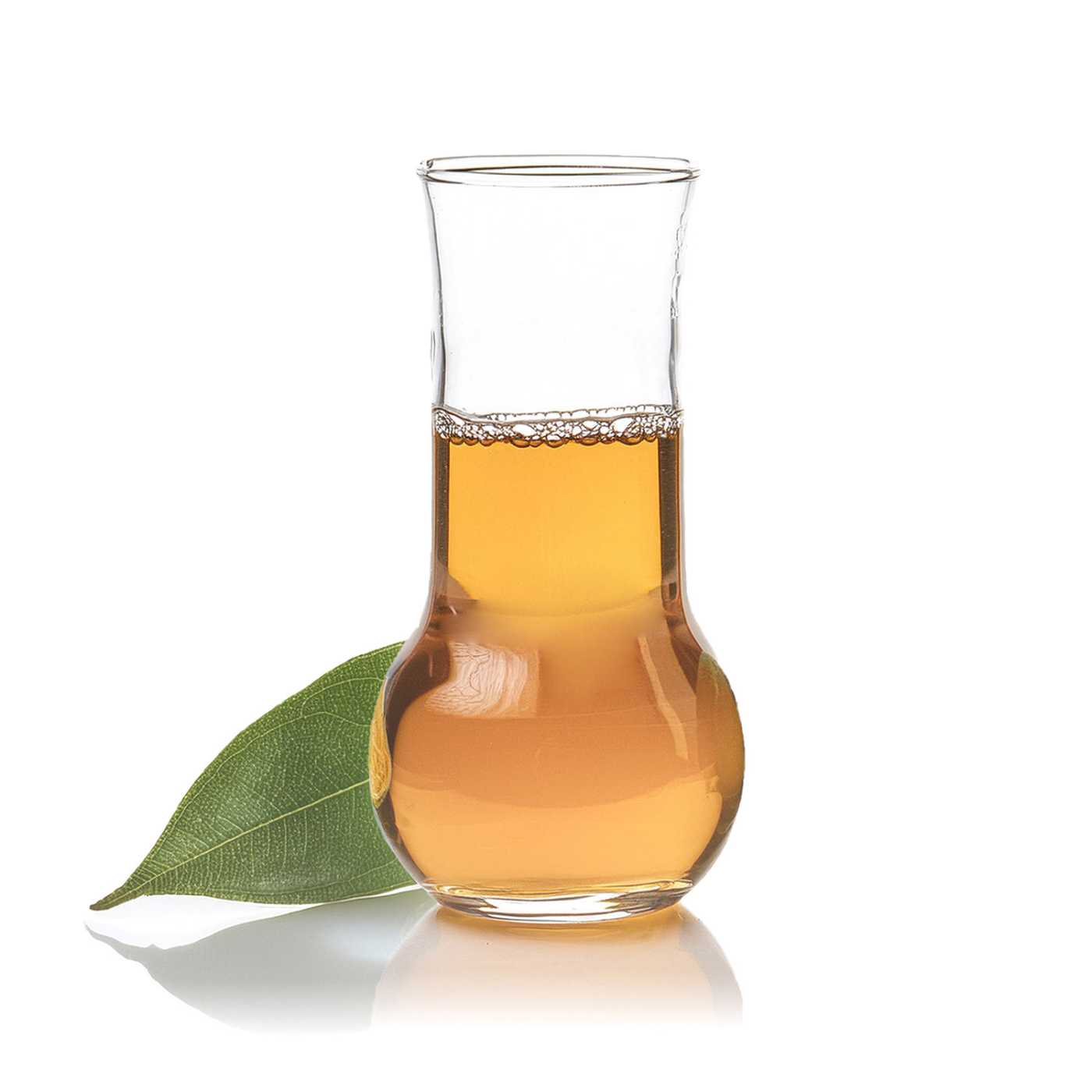
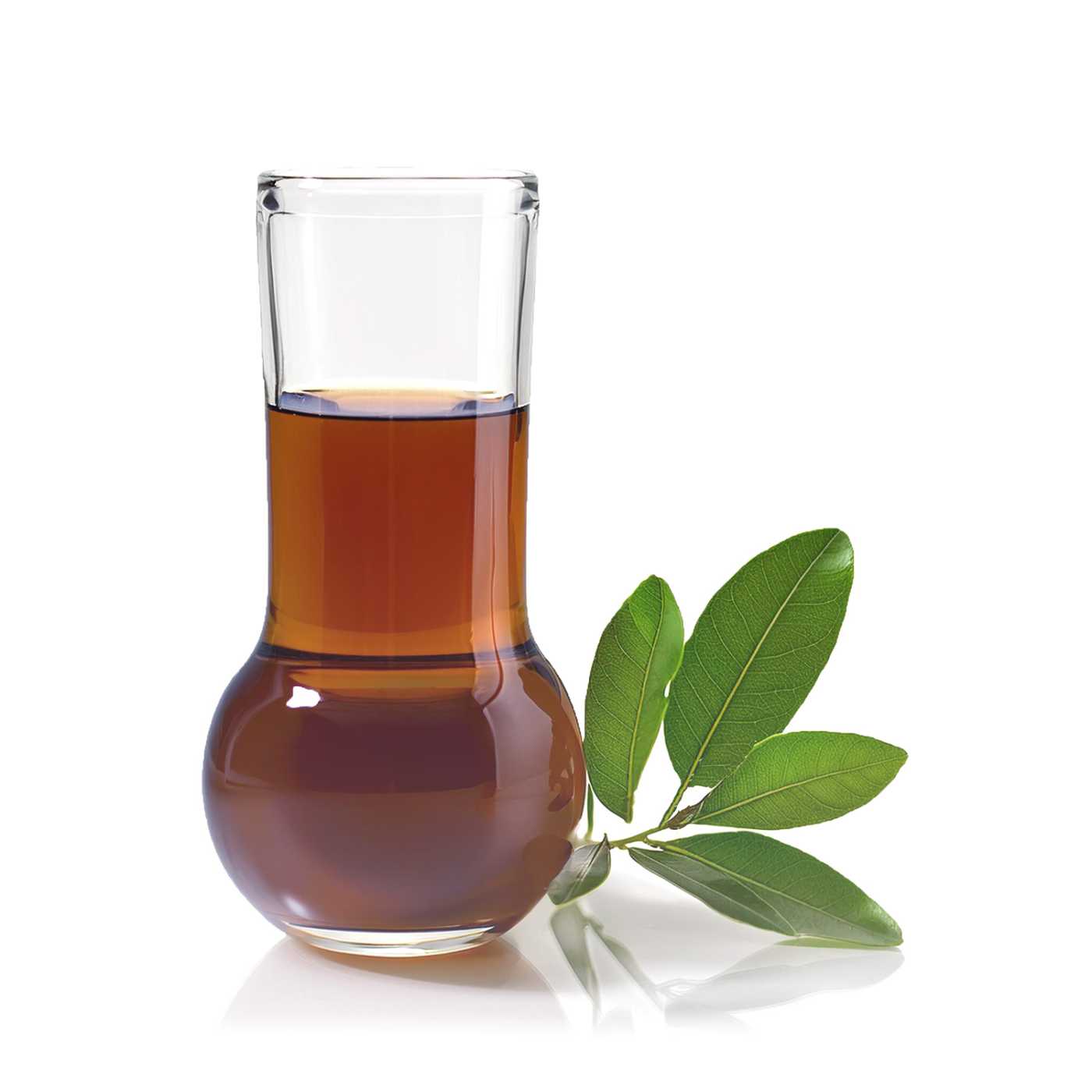
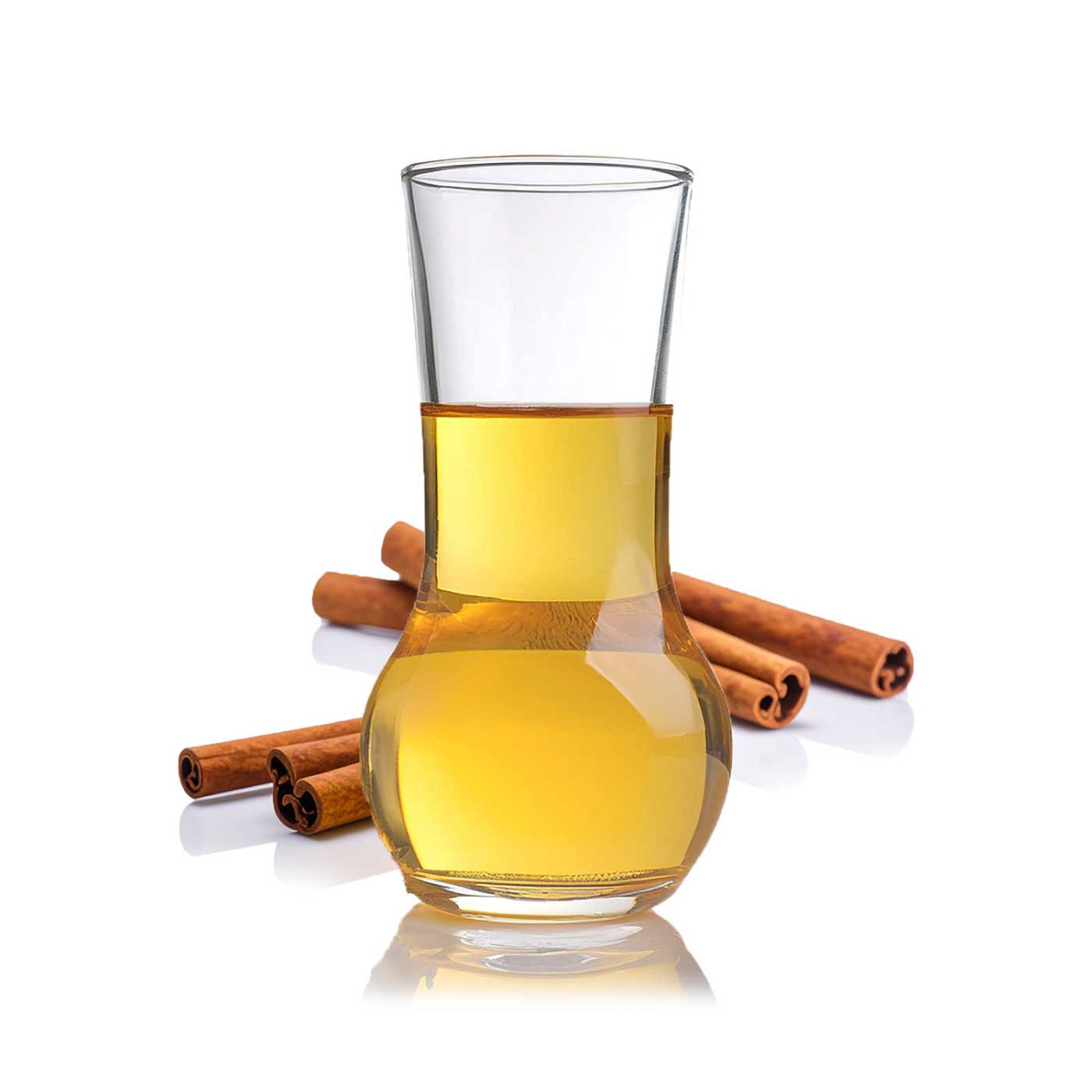
The oil is yellow-brown to dark brown and darkens and thickens on exposure to air. Close the bottle immediately after use and do not leave much air above the oil level. In light or white products, allow for a possible darkening of the shade.

It must not come into contact with strong acids, alkalis or oxidising agents, and extreme heat should be avoided. Under normal conditions it is not reactive, including in contact with water.

The oil is subject to CLP (GHS07, GHS08 and GHS09 pictograms) and contains components classified as CMR, as well as fragrance allergens under Annex III of Regulation (EC) No 1223/2009. The allergens are listed on the label of the finished product and are included in the safety assessment. The flash point is 90 °C.

Work in a ventilated area and away from open flame. For leave-on products, we recommend a skin tolerance test before placing the product on the market.


Cinnamon leaf oil and cinnamon bark oil

Both oils come from the same tree but from a different part of the plant, and they differ in composition and scent. Leaf oil usually contains mainly eugenol, while bark oil contains mainly cinnamaldehyde. Studies differ on the proportions of the individual components, and the manufacturer’s documentation gives cinnamaldehyde as the main component of this oil. For labelling and calculations, therefore, always take the allergen profile from the documentation for the specific batch. General data on cinnamon oil are not sufficient.


Frequently asked questions

Is cinnamon leaf essential oil soluble in water?
No, cinnamon leaf essential oil is insoluble in water. In a water-based product it separates without treatment and floats to the surface. In emulsions it is added to the oil phase or to a fragrance blend. Toners and sprays need a solubiliser, which disperses the oil in the water-based formula.
How much cinnamon leaf essential oil can be added to a cream or soap?
The maximum amount of cinnamon leaf essential oil is determined by the IFRA limit for the product category. The manufacturer does not state a single recommended usage rate. A different ceiling applies to face cream, another to soap or shampoo and another to a candle. The limits for all categories are in the IFRA certificate in the Product documentation section, and the usage rate should be set below the stated value.
At what temperature is cinnamon leaf essential oil added to an emulsion?
Cinnamon leaf essential oil is added at a temperature below 40 °C, in the cooling phase or afterwards to the finished base. At higher temperatures the volatile components escape and the scent of the finished product changes. The same rule applies to any base into which the oil is added afterwards.
Can cinnamon leaf essential oil change the colour of the finished product?
Yes, in light and white products cinnamon leaf essential oil can darken the shade. The oil itself is yellow-brown to dark brown and continues to darken and thicken on exposure to air. For this reason, close the bottle immediately after use and do not leave much air above the oil level. For products where a pure white colour matters, allow for a change of shade already when designing the recipe.
What is the difference between cinnamon leaf oil and cinnamon bark oil?
Leaf oil usually contains mainly eugenol and bark oil mainly cinnamaldehyde, so they differ in both scent and allergen profile. Both are obtained from the same tree, but they are not interchangeable in a recipe without recalculation. Studies differ on the proportions of the components, so always determine the allergens for labelling from the documentation for the specific batch.
Is cinnamon leaf essential oil suitable for leave-on skin products?
Yes, cinnamon leaf essential oil suits both leave-on and rinse-off products for the body, hair and scalp. For leave-on products such as massage oils or body balms, we recommend a skin tolerance test before placing the product on the market. The oil contains fragrance allergens under Annex III, which are listed on the label of the finished product.

Parameters

INCI
Cinnamomum Zeylanicum Leaf Oil
CAS No.
84649-98-9
EC number
283-479-0
Product colour
Brown
Country of origin
Sri Lanka
Odour
Spicy
Appearance
Oily liquid
Function in formulation
Fragrance component
Recommended processing temperature
< 40 °C
Application area
HairScalpBody
Solubility
Water-insoluble
Application type
Leave-onRinse-off
Certifications
Vegan
Manufacturer's certificate
BRC
Natural Index (NI ISO 16128)
1,00
Natural Origin Index (NOI ISO 16128)
1,00
Renewable Carbon Content (RCC)
100 %
Volume
500 ml

Product documentation

CoACertificate of Analysis
batch 24219PDF ↓
batch 22418PDF ↓
TDSTechnical Data Sheet
Physical parameters and processingPDF ↓
IFRAIFRA Certificate
batch 24219PDF ↓
AllergensAllergen Declaration
batch 24219PDF ↓
SDSSafety Data Sheet
Available for purchased products —
Download all (ZIP)

5 PDF files in one archive

Learn how to work with it

From our blog
Jiří20 Oct 2026CS

Verified purchase