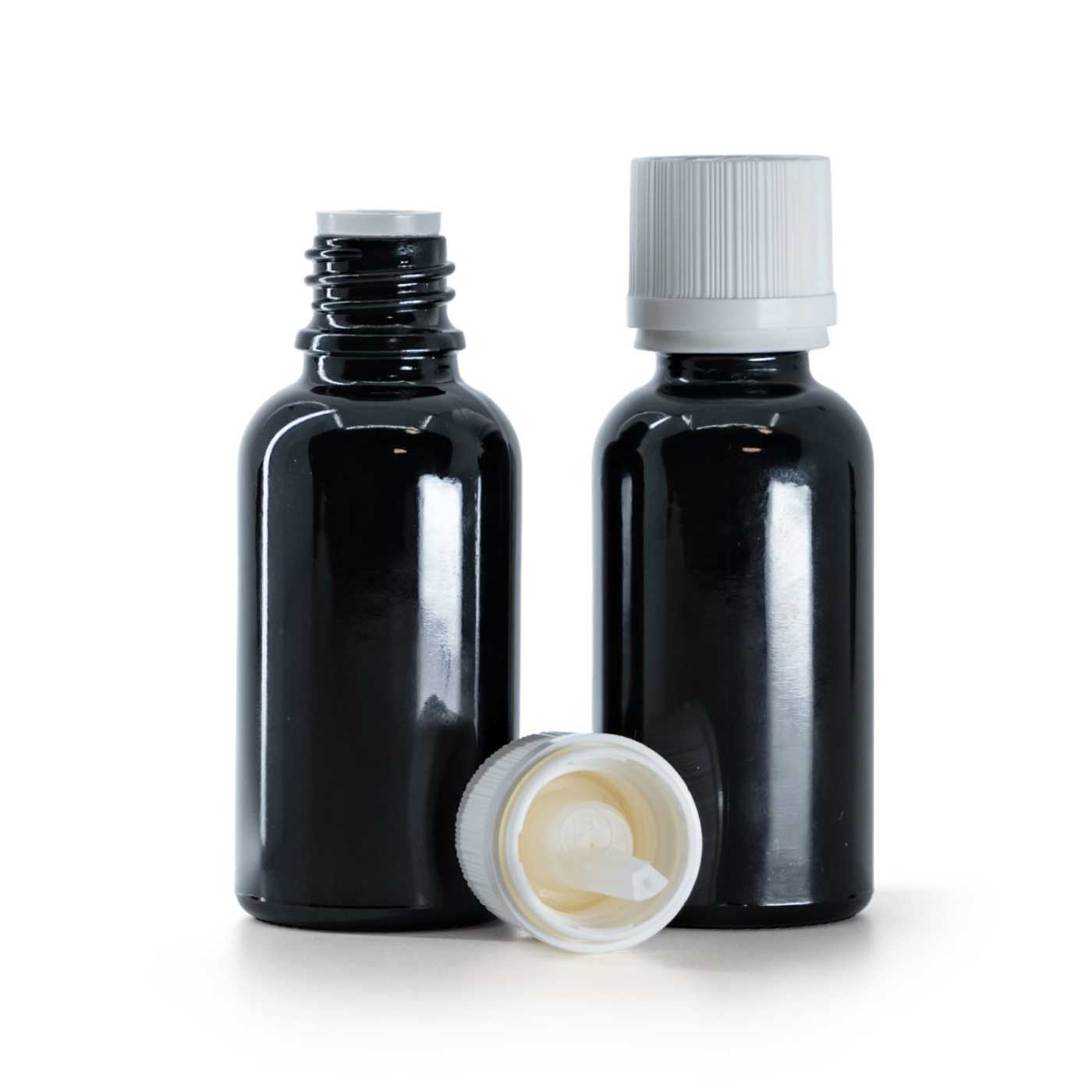
Gloss Black Glass Bottle, White Tamper Evident Safety Cap & Dropper, 30 ml
Pre-order€0.82

Essential oils, 10 ml
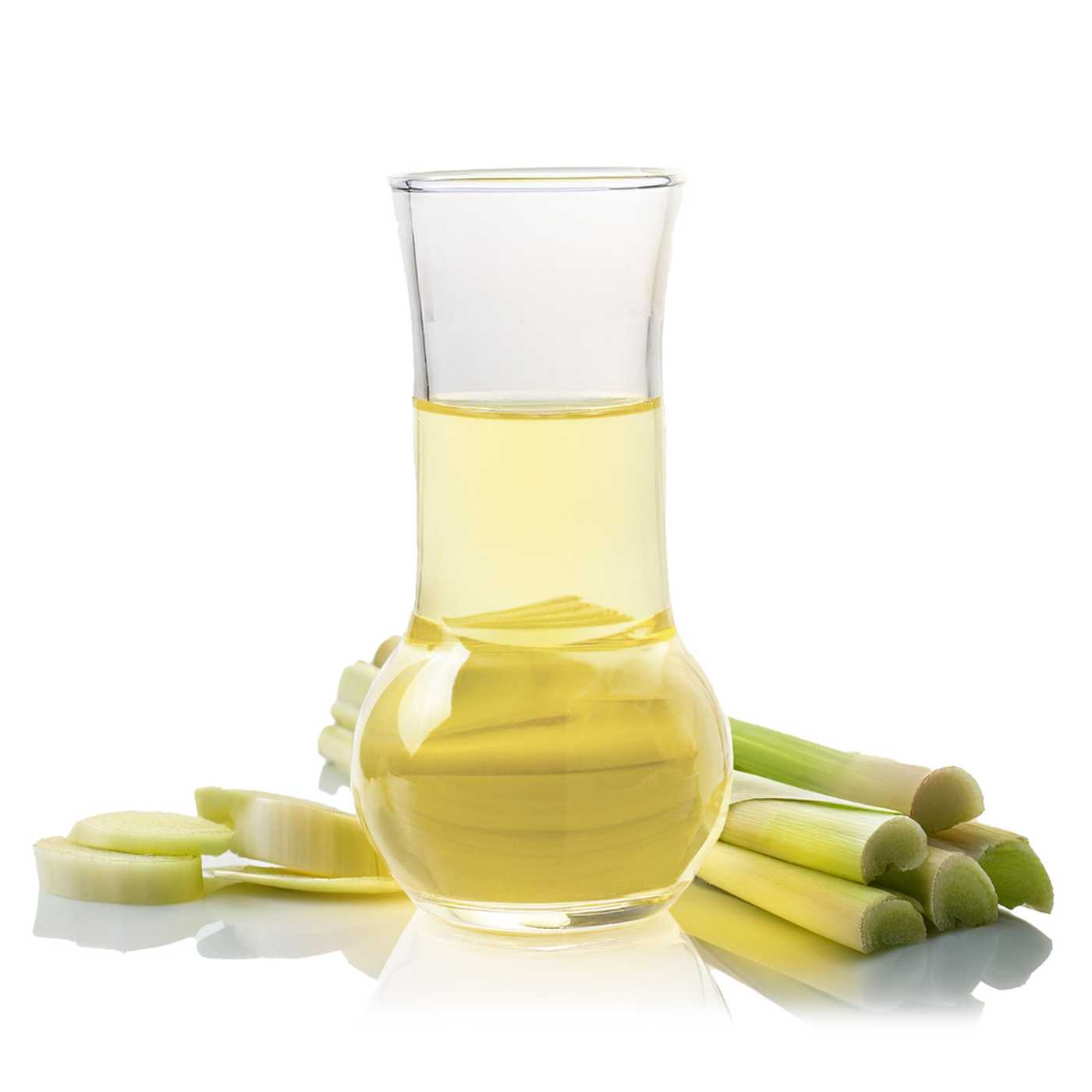
Citronella essential oil is added to cosmetics primarily as a fragrance ingredient with a fresh citrus scent that masks unpleasant odours and gives the product a refreshing character. full description
Lowest price in the last 30 days: €1.79
Citronella essential oil is added to cosmetics primarily as a fragrance ingredient with a fresh citrus scent that masks unpleasant odours and gives the product a refreshing character. It is obtained by steam distillation from the grass Cymbopogon winterianus, that is, Java-type citronella grown in South-East Asia. It is suitable for soaps, shower and bath products, body and hair cosmetics, and for aromatherapy diffusers.
According to the manufacturer, the fragrance and functional properties are due mainly to the monoterpenes citronellal, geraniol and citronellol, complemented by limonene, geranyl acetate and camphene. The manufacturer also states that the oil has insect-repellent properties, which is why it is traditionally used in products intended for outdoor use, in candles and in perfumes.
The oil is soluble in vegetable oils and in alcohol and does not dissolve in water. In anhydrous products such as body oils, balms and ointments, simply mix it into the oil phase at room temperature. In emulsions, it is added during the cooling phase, when the cream is below 40 °C, or at the very end as a final addition. The oil is a mixture of volatile substances, and some of them evaporate at higher temperatures.
In water-based products without an oil phase (toners, water-based body mists, shower gels), first mix the oil with a solubiliser and only then add it to the water phase. Without a solubiliser, it will float on the surface.
If the base of the mist or perfume is alcohol, citronella dissolves in it directly. In soaps, it is added in the same way as other essential oils.
No exact usage rate is given in the source material. When determining the amount, follow the IFRA limits for the specific product category. Soaps and shampoos belong to category 9, body creams and oils to category 5A, and face creams and toners to 5B. In leave-on face products, citronella is used more cautiously than in rinse-off and body products.
The product is subject to the CLP Regulation and is labelled with the pictograms GHS07 (irritant, sensitisation), GHS05 (corrosive) and GHS09 (hazardous to the environment). It contains one or more ingredients classified as carcinogenic, mutagenic or toxic for reproduction (CMR), and the fragrance allergens listed in Annex III of Regulation (EC) No 1223/2009. For details on classification and safe handling, see the safety data sheet on the product page.
Undiluted essential oil must not be applied to the skin. When handling the concentrate, wear gloves and work in a well-ventilated area. Take the allergens contained in the oil into account when labelling the finished product.
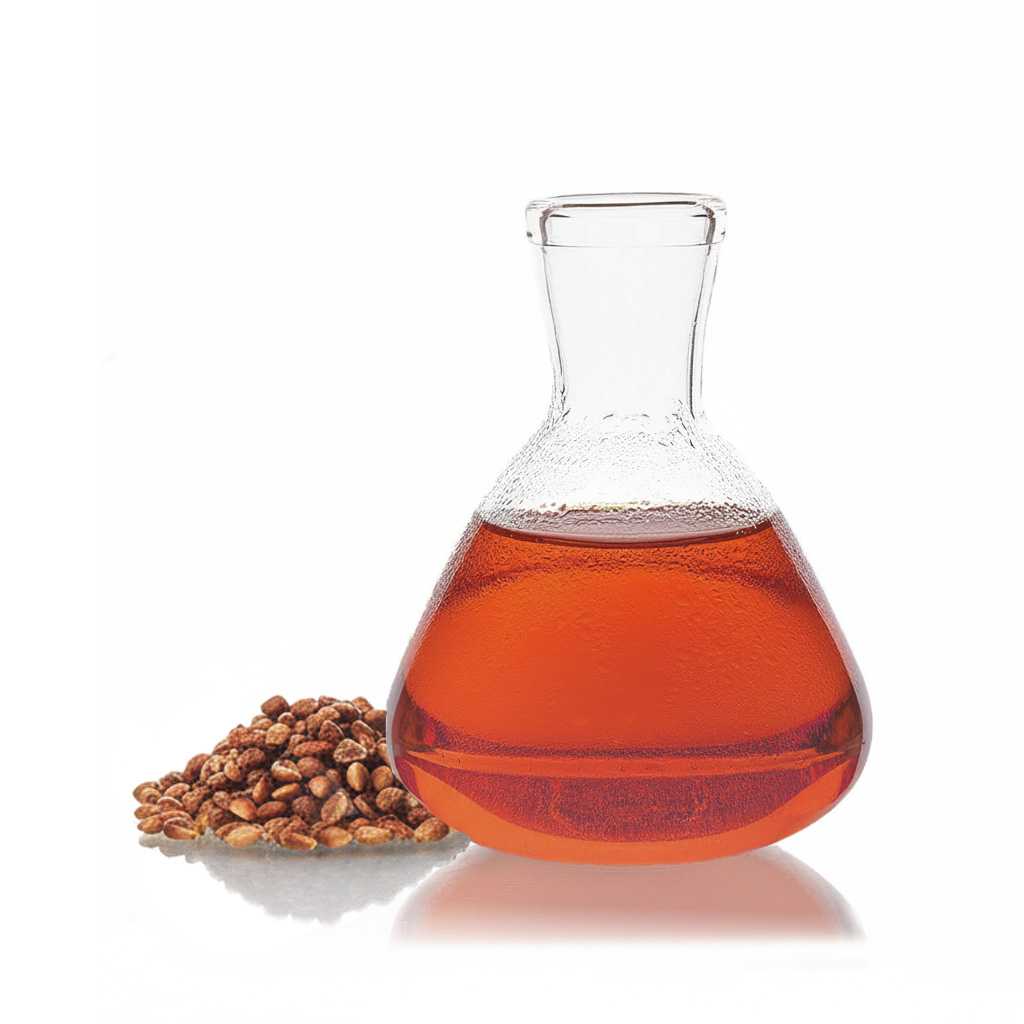
The oil has a yellow to brownish-yellow colour. In white creams or clear gels, it may cause a slight discolouration, which is best checked on a test sample.

Citronella — nice scent, repels insects well
Translated automatically

Variant: Esenciálny olej, citronella, 10 ml