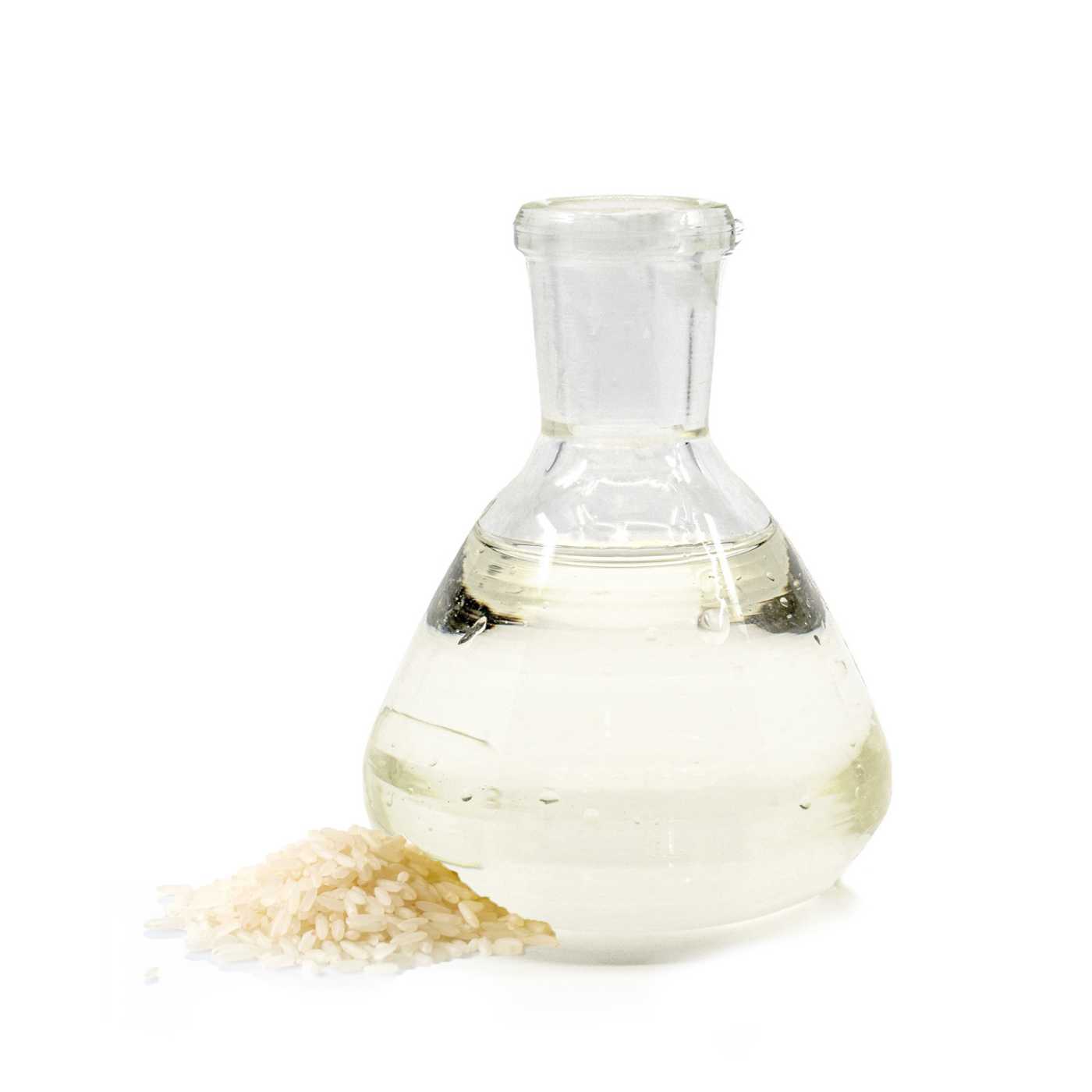
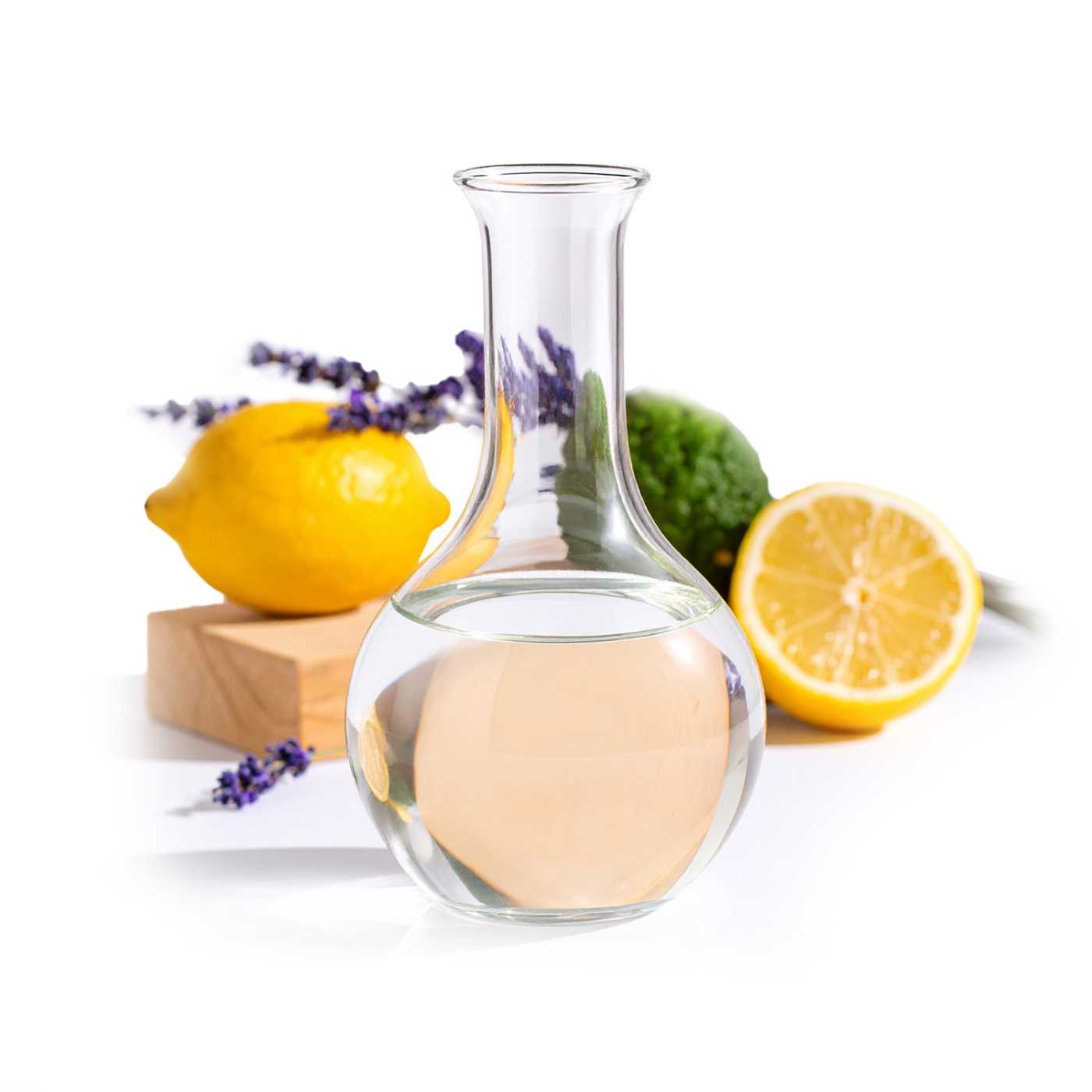
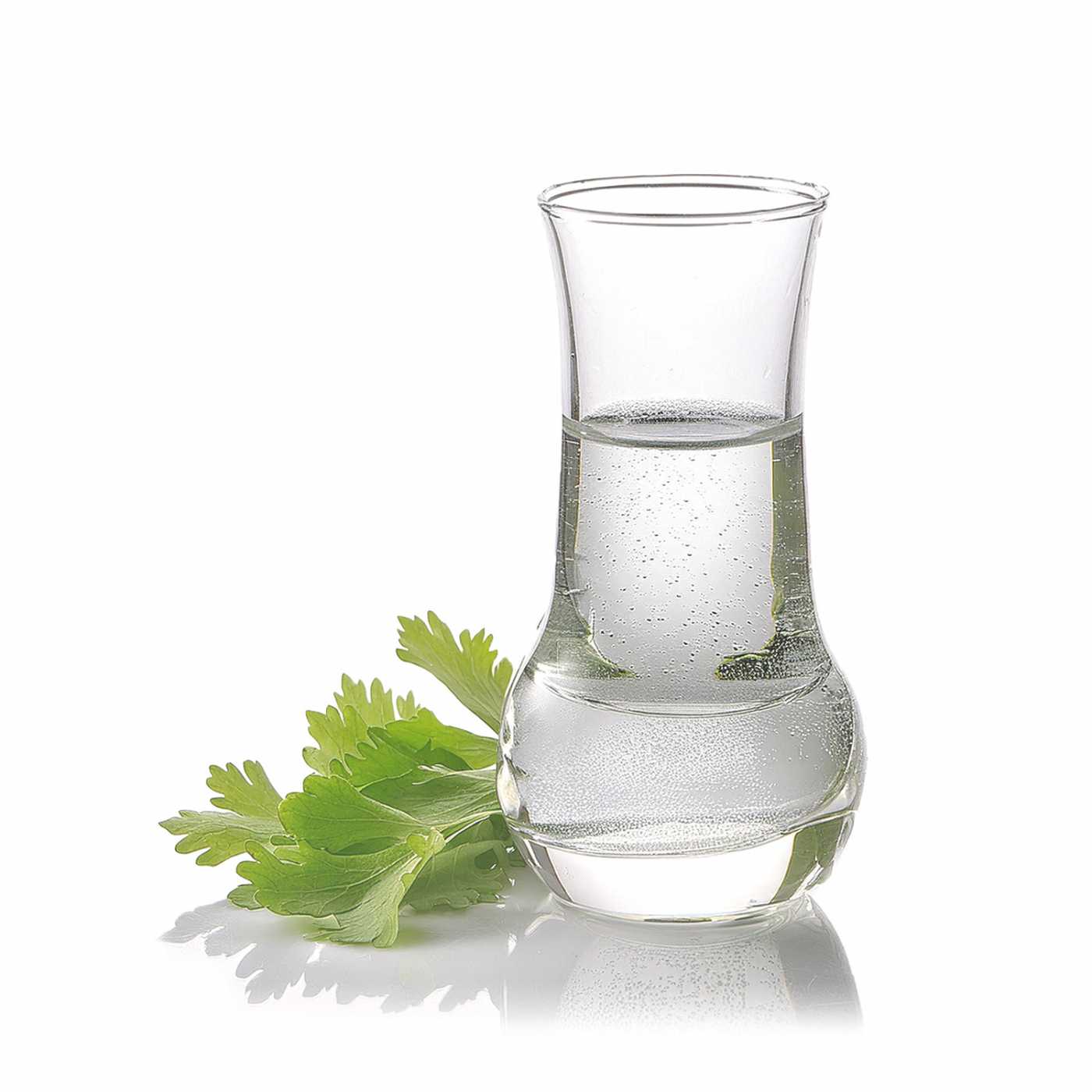
Manuka Honey hydrosol is produced by steam distillation of manuka (Leptospermum scoparium), the shrub from whose flowers bees collect the nectar for the well-known manuka honey. In a formulation it replaces water and brings the soothing properties of manuka and its sweet fragrance to the product. It is used mainly in products for oily, problem and sensitive skin, in body cosmetics and in hair and scalp care.
It contains no honey. The hydrosol is a plant distillate with no ingredients of animal origin and is also suitable for vegan cosmetics.
Key properties
- Soothing the skin – manuka is valued in cosmetics for its soothing effect. The hydrosol is also tolerated by sensitive skin.
- Care for oily and acne-prone skin – manuka is credited with antimicrobial properties, so the hydrosol is added to products for skin with imperfections. The result depends on the usage rate and on the composition of the whole product.
- Hydration – as a water component, it adds moisture to the skin. In an emulsion or gel, humectants and the oil phase help to retain it.
- Evening out skin tone – supports a more even-looking complexion.
- Its own fragrance – distinctive and sweet. In a facial toner or spray, it can serve as the sole source of fragrance.
Use in a formulation
The hydrosol belongs in the water phase. It is miscible with water and does not dissolve in oil. Do not add it to the oil phase or to anhydrous products such as oils, butters and balms without an emulsifier, as it would separate.
The usage rate is 1–100%, so it can replace the water in a formulation partially or completely. It is suitable for both leave-on and rinse-off products.
The more water the hydrosol replaces in the formulation, the more pronounced its fragrance will be. In a facial toner or spray, it can make up the whole water component; in creams, it commonly replaces part of the water.
The finished product can have a pH of 3.0–8.0. The hydrosol tolerates both acidic and neutral environments and is compatible with electrolytes, preservatives, fragrances, and oxidising and reducing agents.
Suitable for products such as
- facial toners, tonics and face sprays for oily, problem and acne-prone skin
- water-based serums and gels
- O/W creams and lotions
- cleansing gels, foams and other rinse-off products for the face and body
- body lotions and sprays
- hair waters, scalp tonics, shampoos and conditioners
Good to know
Because of the water used in distillation and purification, the hydrosol may contain traces of calcium, magnesium, zinc, sodium, chlorine, fluoride and phenoxyethanol. Take this into account in sensitive systems, for example in gels that are sensitive to electrolytes.
The hydrosol is an unpreserved water-based raw material. Always preserve a product with a water phase. The antimicrobial properties of manuka and the traces of phenoxyethanol do not replace a preservative.
Work with the hydrosol hygienically, using clean tools and containers, so that microorganisms do not get into it.
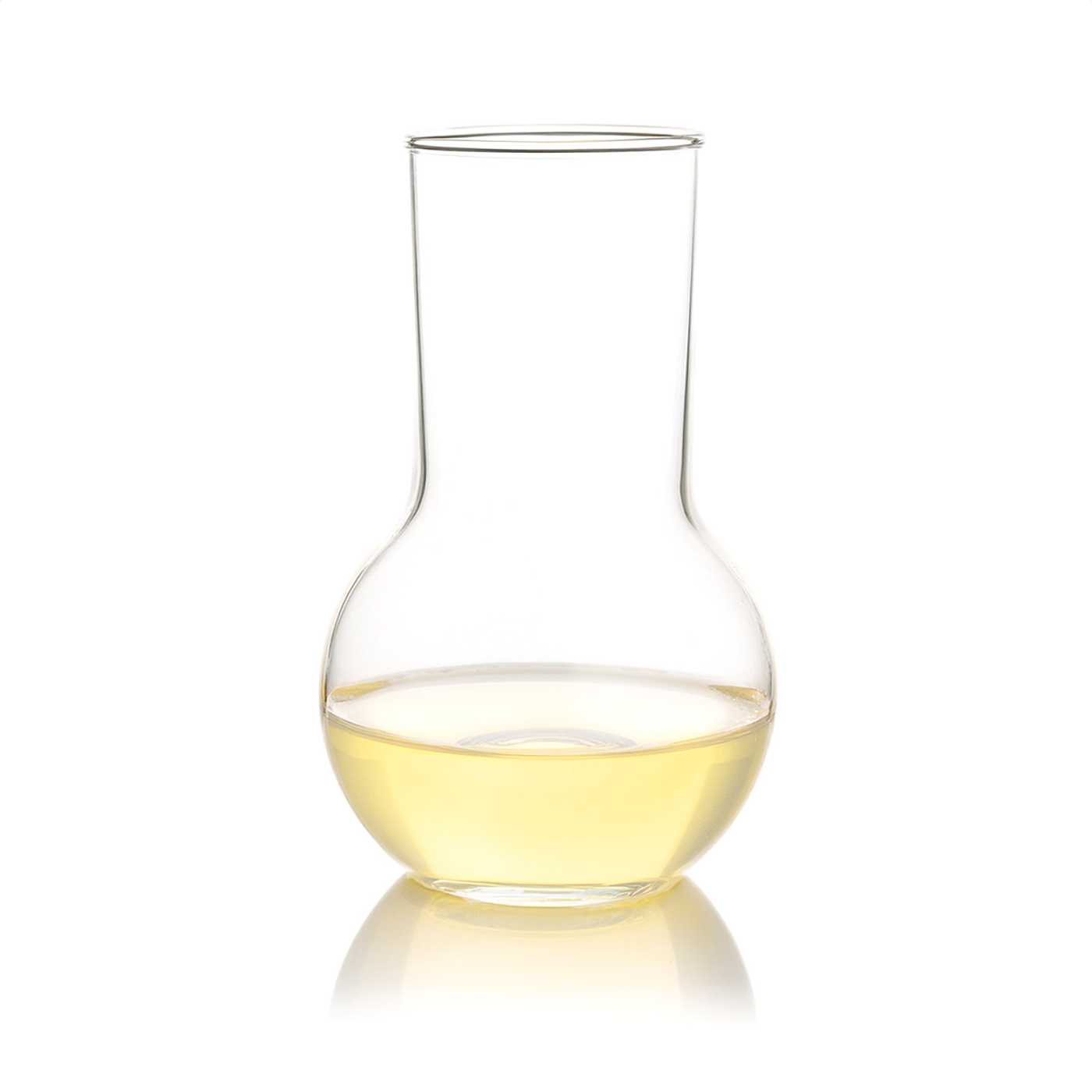
The raw material is colourless and does not change the colour of the product. It contains no alcohol, parabens or fragrance allergens listed in Annex III of the Cosmetics Regulation. It is readily biodegradable.
Frequently asked questions
Does Manuka Honey hydrosol contain honey?
No, Manuka Honey hydrosol does not contain honey. It is produced by steam distillation of the manuka plant (Leptospermum scoparium), whose flowers provide the nectar for manuka honey. It is of plant origin, with no ingredients of animal origin, and is also suitable for vegan cosmetics. It has a characteristic sweet fragrance.
Can Manuka Honey hydrosol be used undiluted?
Yes, Manuka Honey hydrosol can be used undiluted. The usage rate is 1–100%, so in a facial toner or spray it can make up the whole water component. In creams and lotions, it commonly replaces part of the water. The higher its share in the formulation, the more pronounced its sweet fragrance will be.
Is Manuka Honey hydrosol suitable for oily and acne-prone skin?
Yes, Manuka Honey hydrosol is suitable for oily, problem and acne-prone skin. Antimicrobial and soothing properties are attributed to manuka, which is why it is added to tonics, gels and light creams for skin with imperfections. Sensitive skin also tolerates it. The hydrosol is intended for cosmetic care and does not replace acne treatment.
What is the difference between a hydrosol and manuka essential oil?
A hydrosol is the water component produced during steam distillation of a plant, while an essential oil is the concentrated oil component from the same distillation. The hydrosol is miscible with water, belongs in the water phase and can make up a large part of the product in a formulation. The essential oil does not dissolve in water and is used at low concentrations.
Does a product with Manuka Honey hydrosol need to be preserved?
Yes, every product with a water phase that contains Manuka Honey hydrosol needs a preservative. The hydrosol is an unpreserved water-based raw material and does not protect the finished product against microorganisms. The antimicrobial properties of manuka and the traces of phenoxyethanol that the hydrosol may contain do not replace a preservative. It is compatible with preservatives, and a product made with it can have a pH of 3.0–8.0.