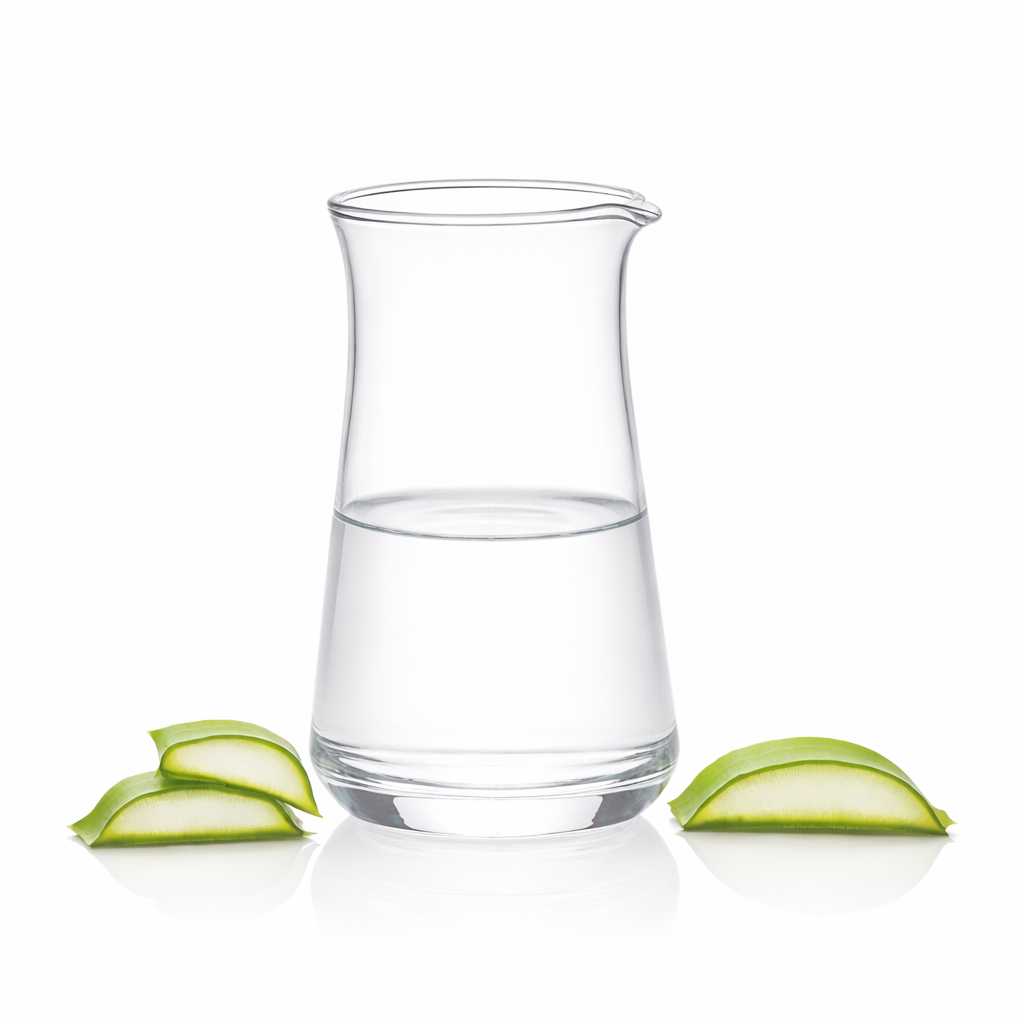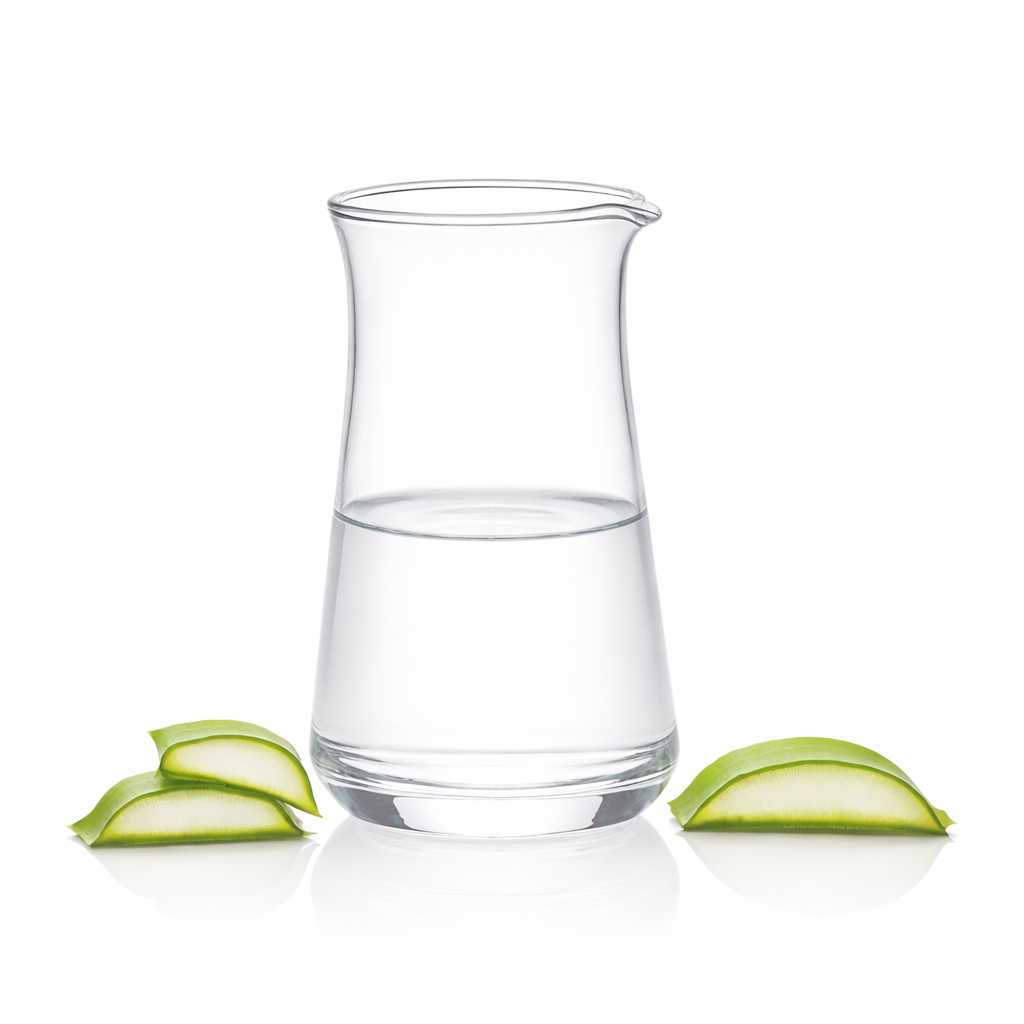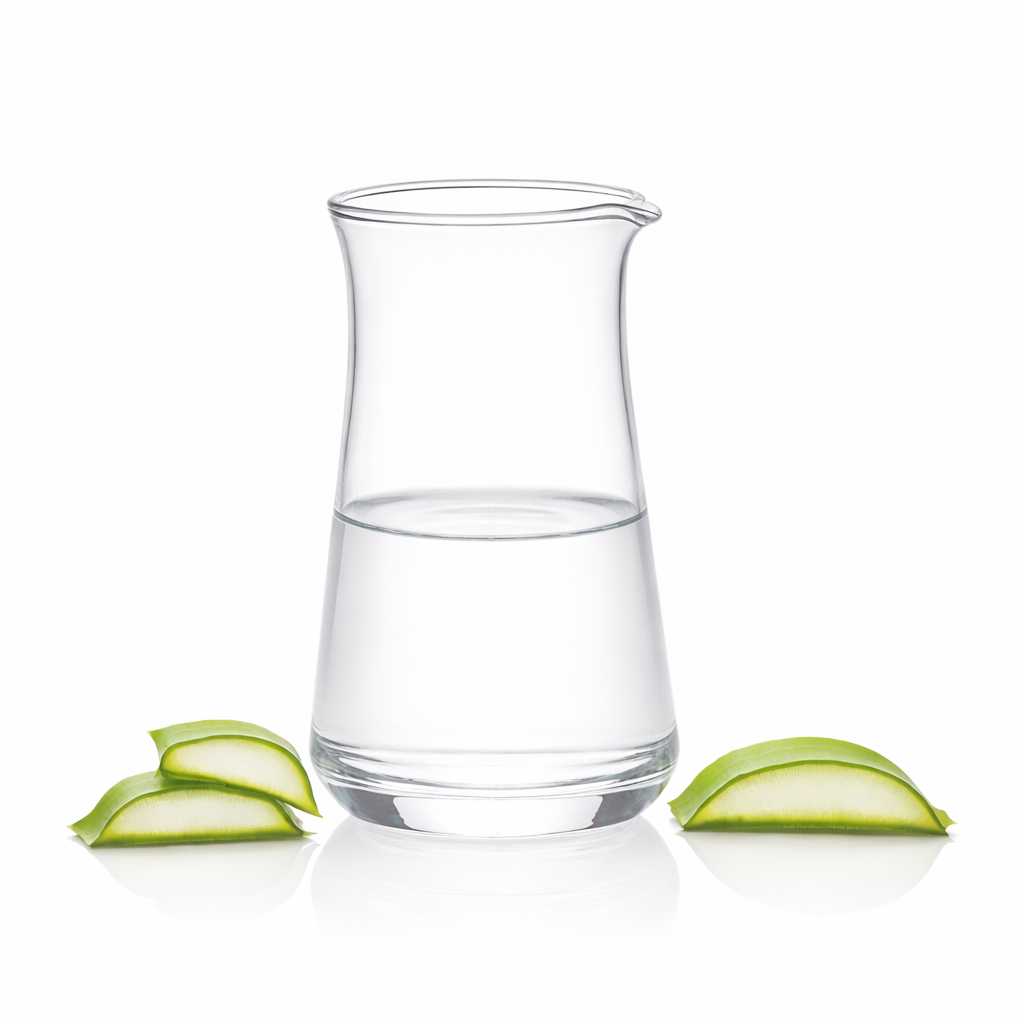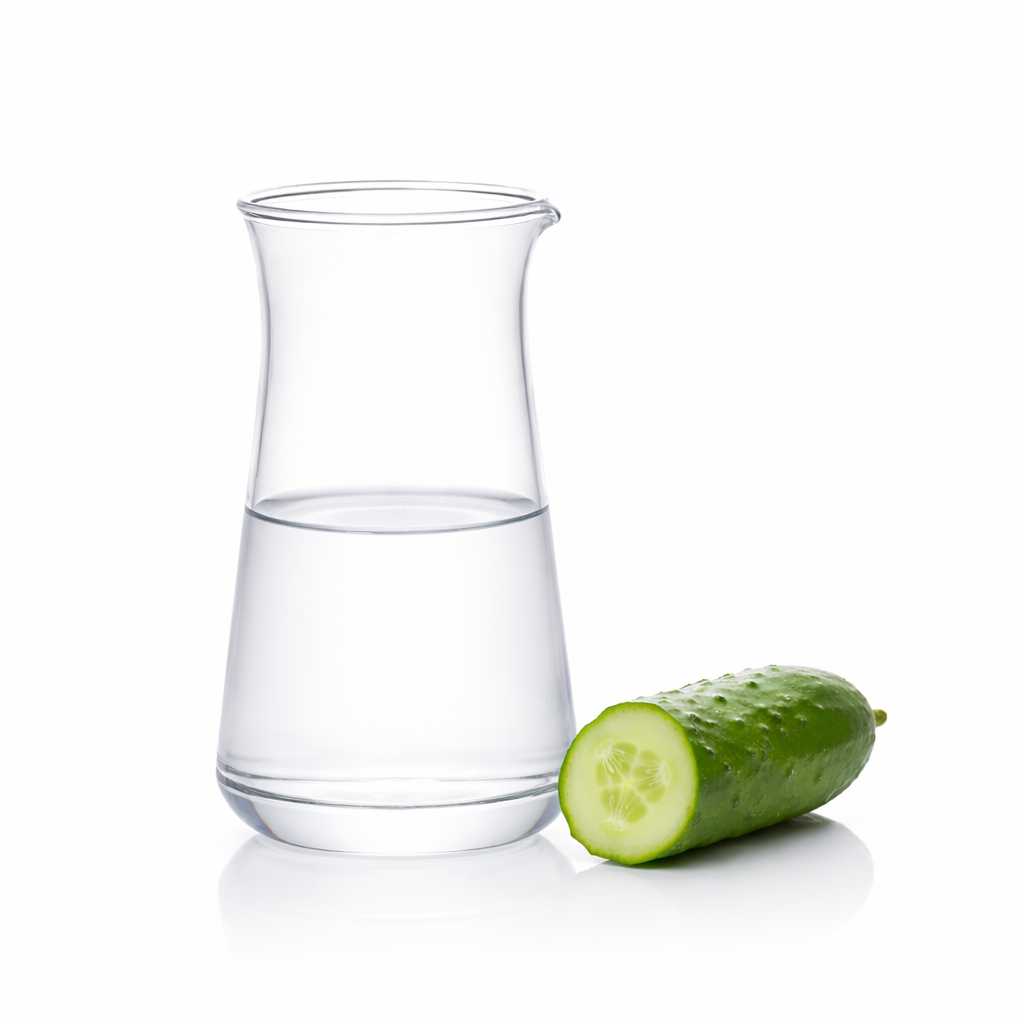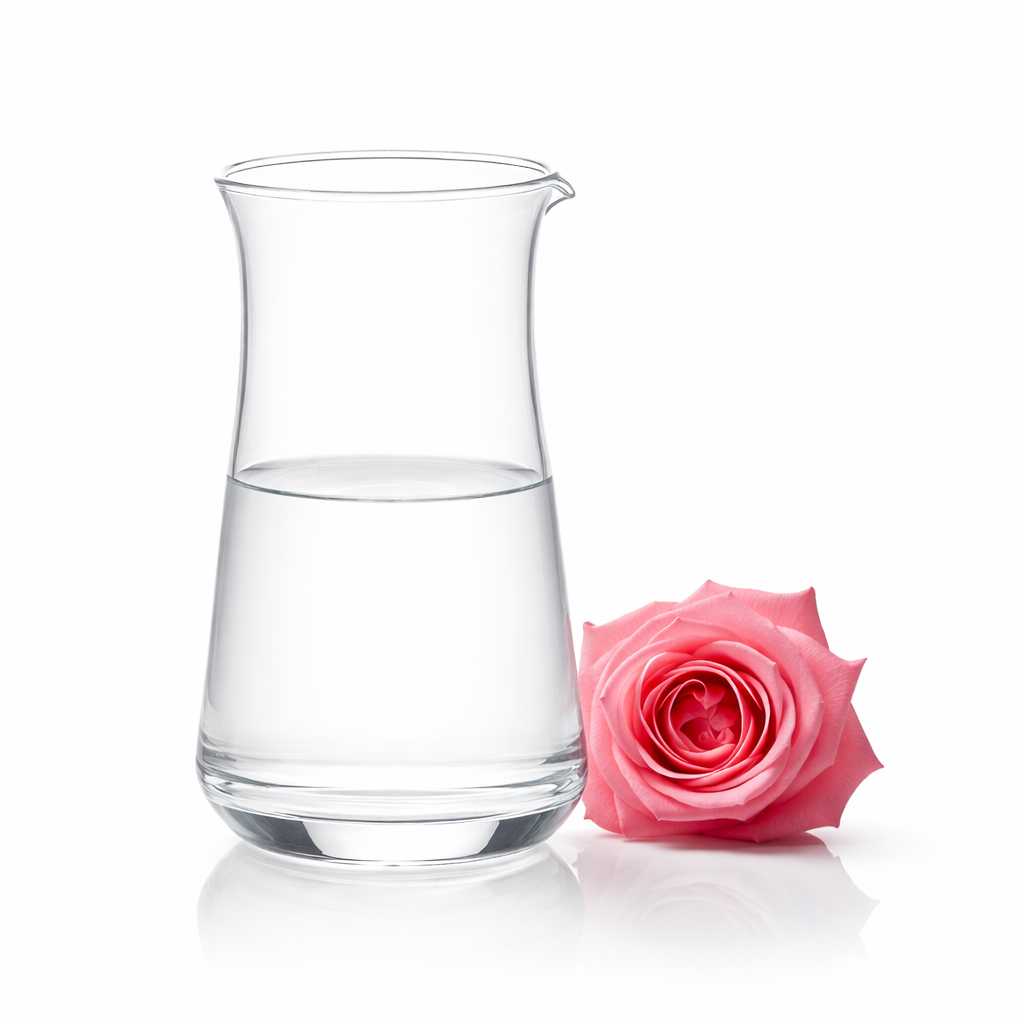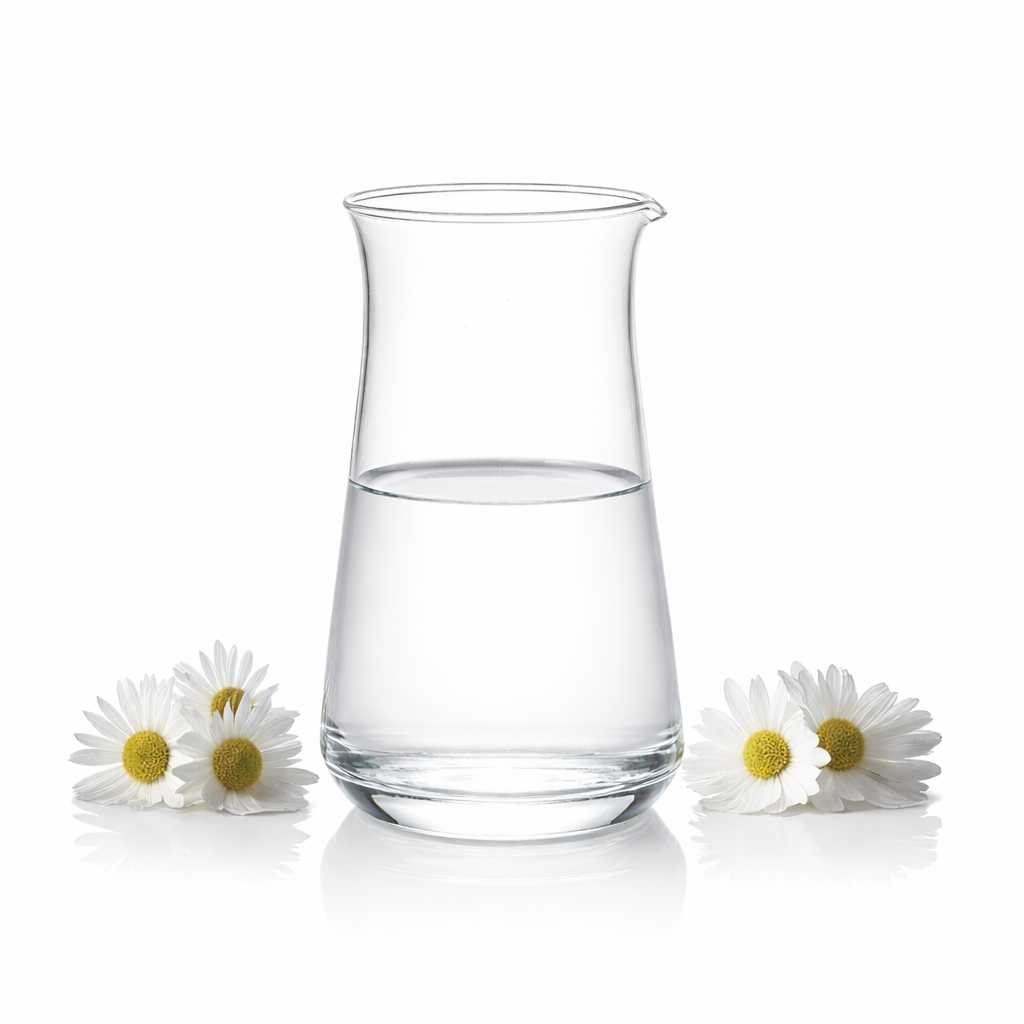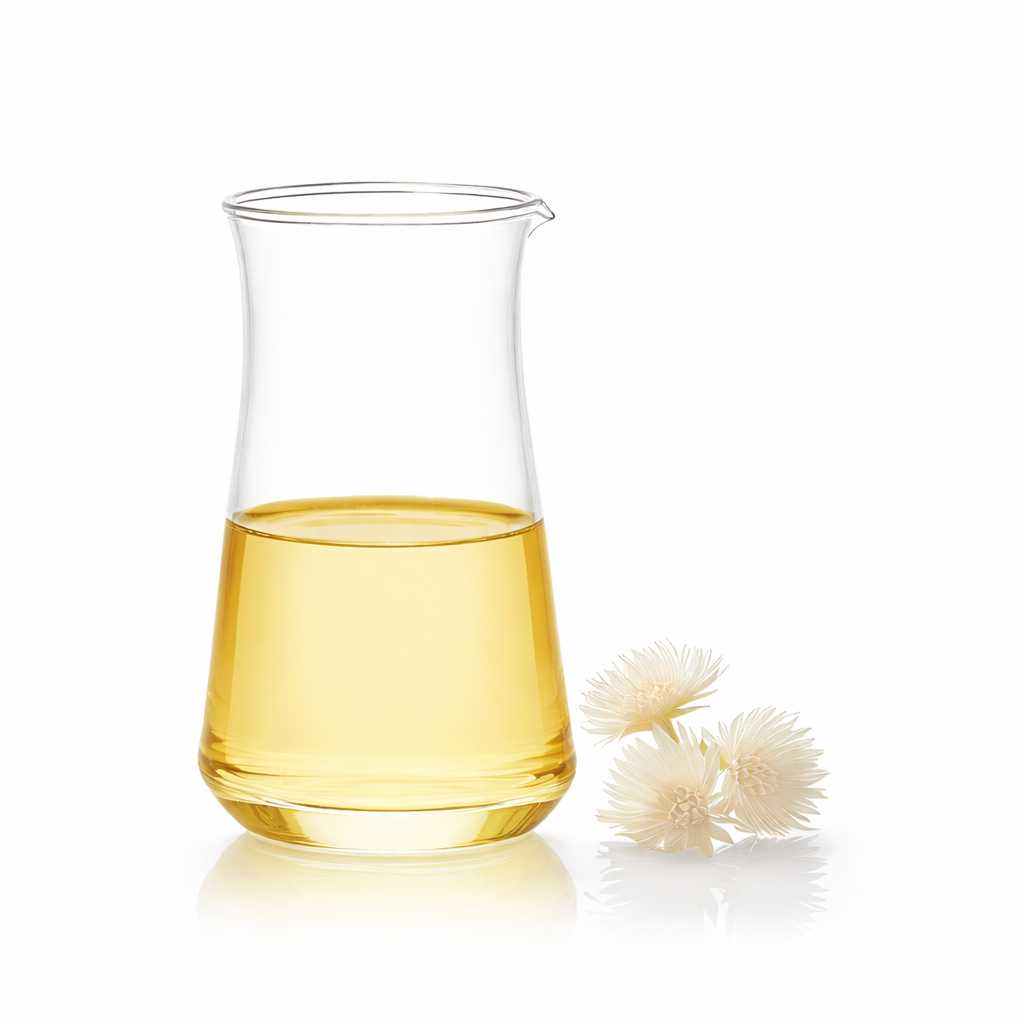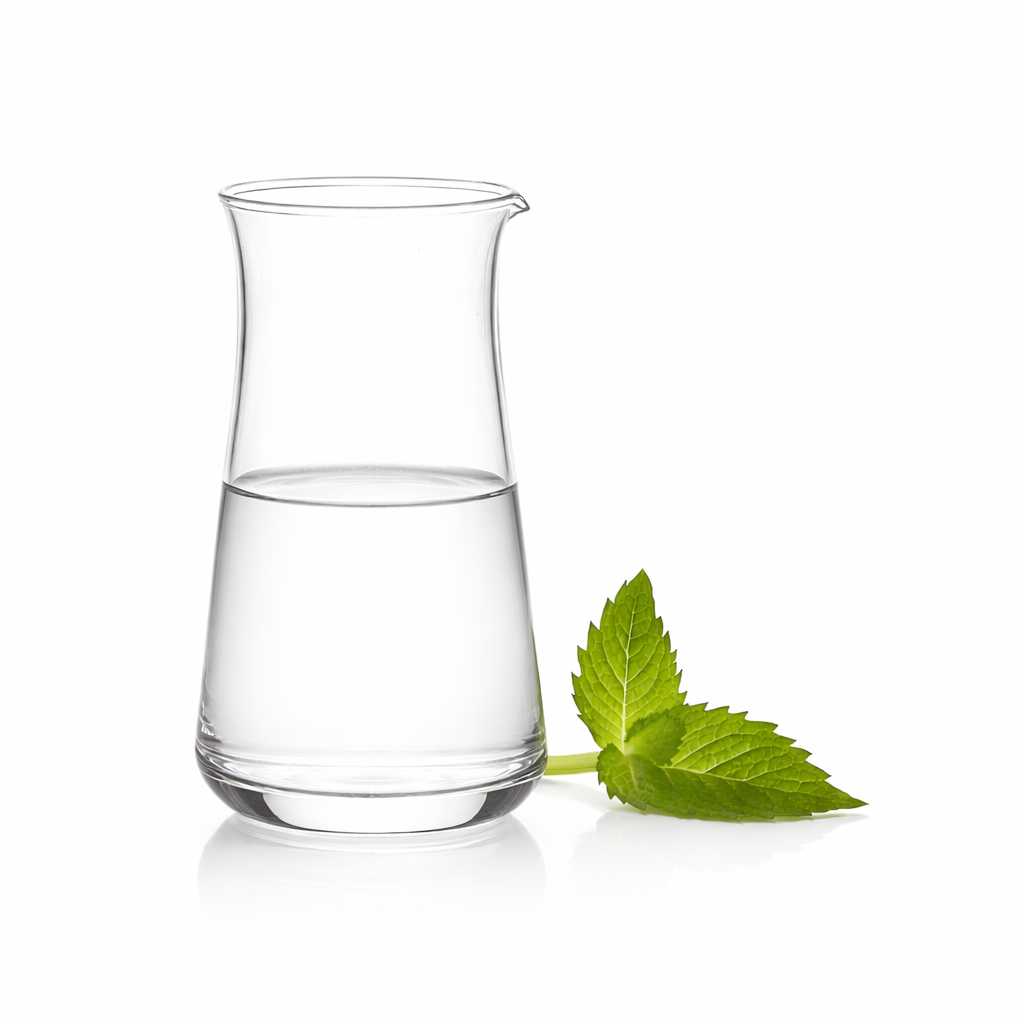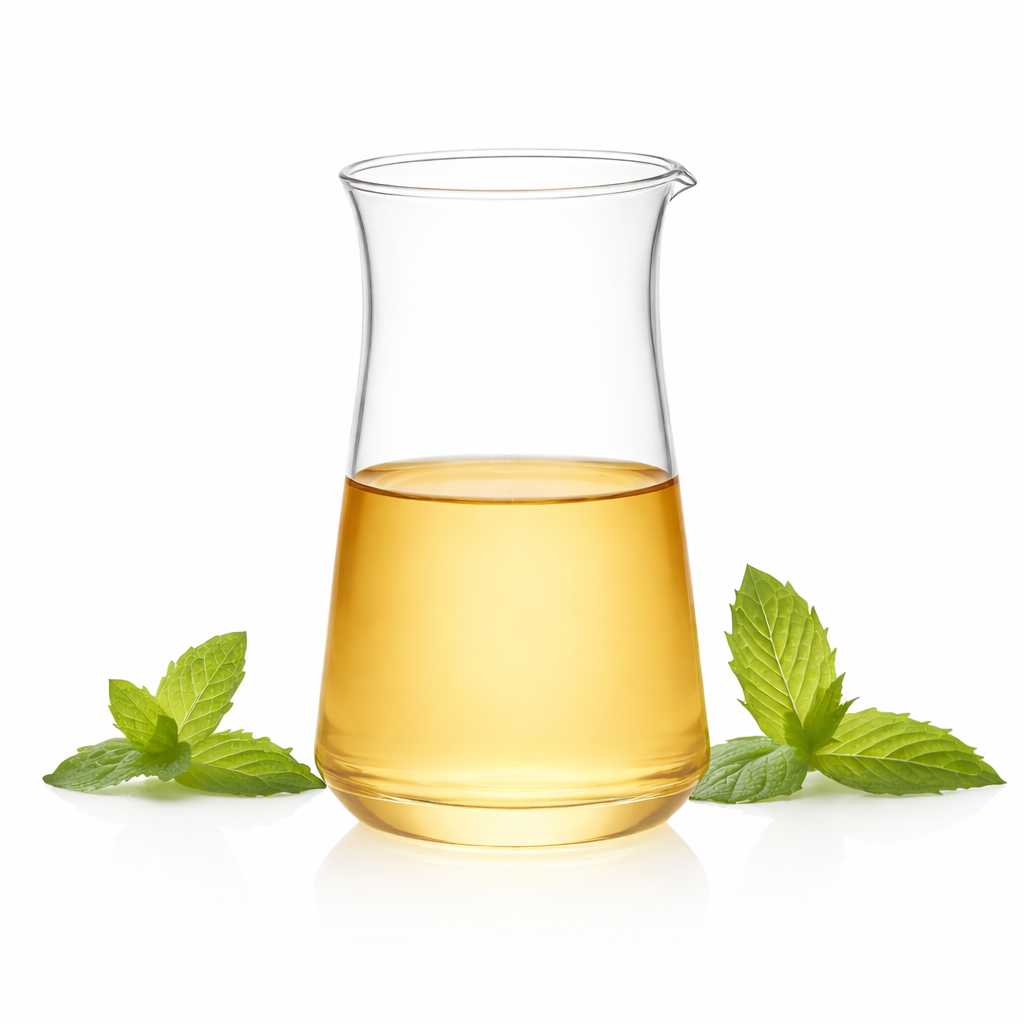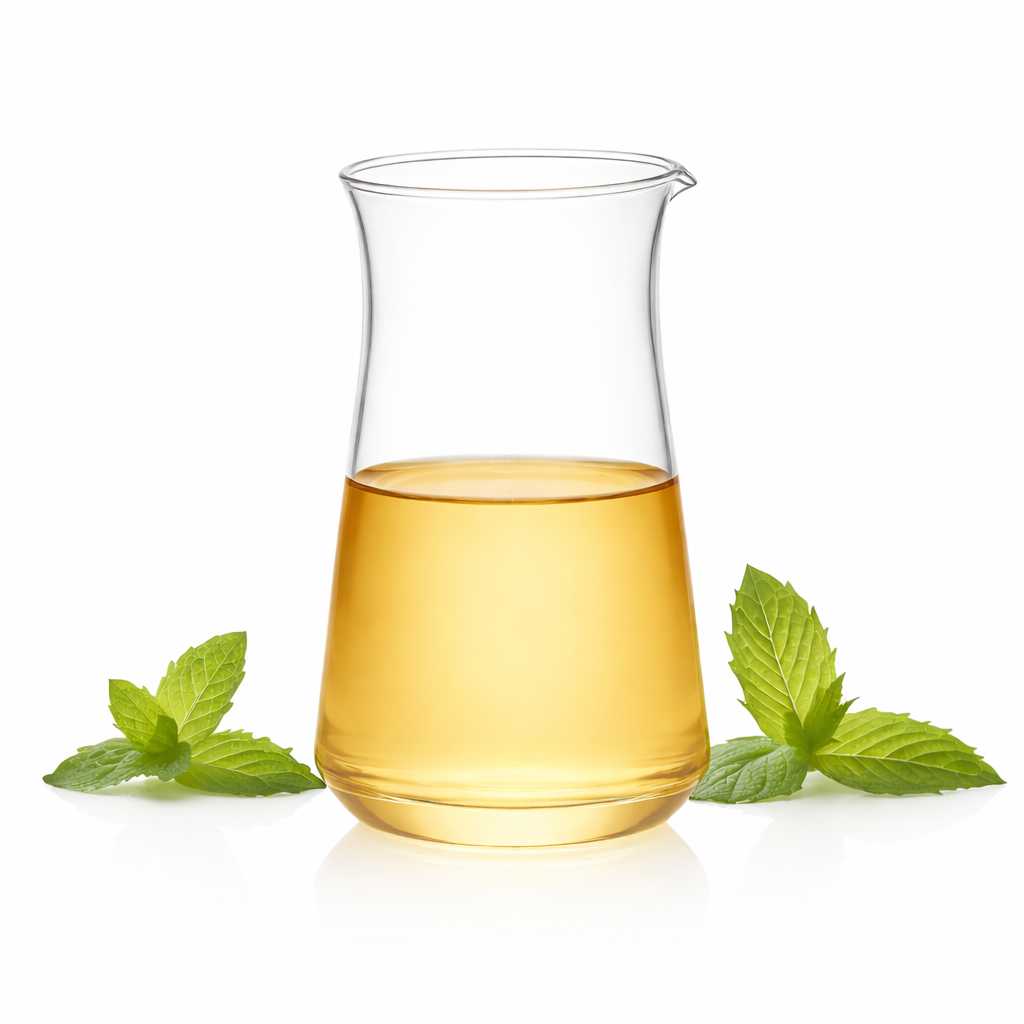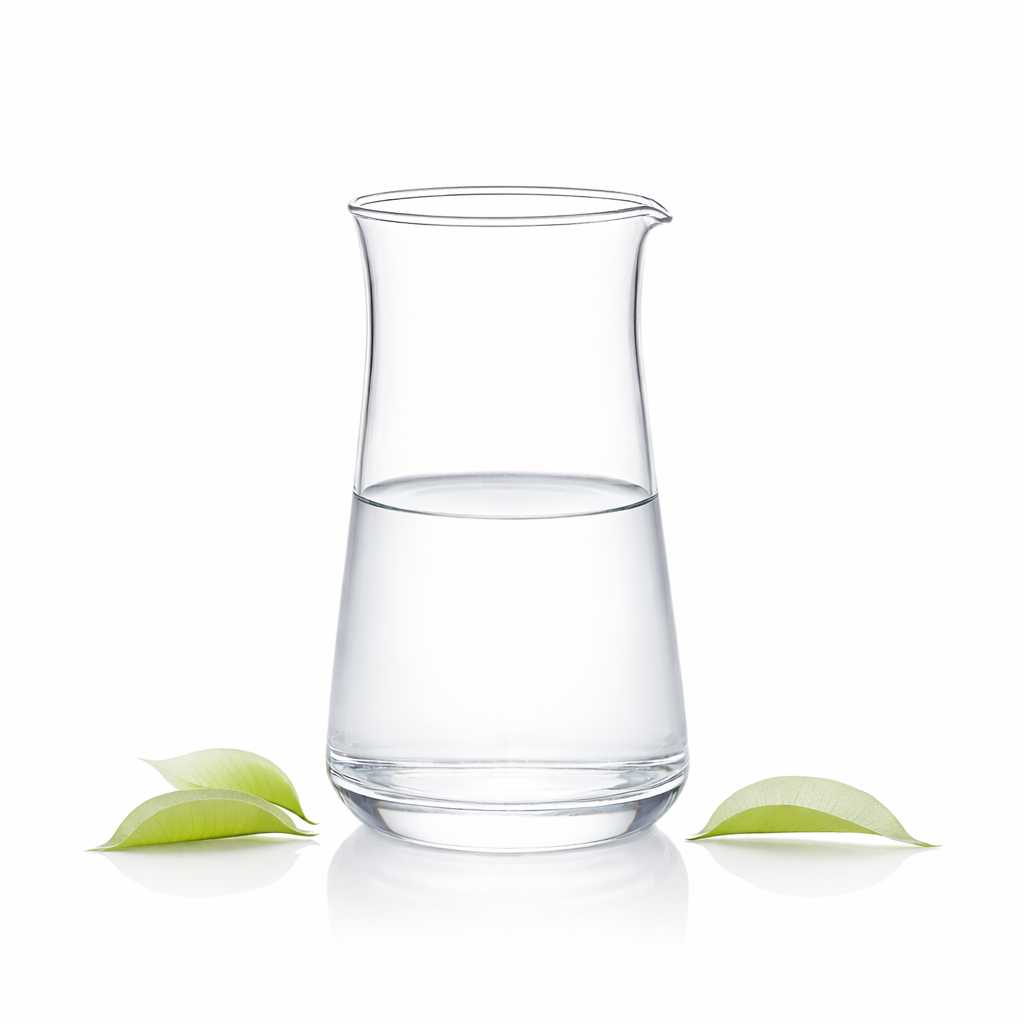
Aloe Vera Juice 1:1, 1 l
Pre-order€22.19(€22.19/l)

Documentation for every product
77 products in this category
64 in stock now
4.9 out of 5 · 663 ratings
Showing 60 of 77 products
A hydrolat is the water fraction of steam distillation — the steam passes through flowers or herbs, and while the essential oil separates off, the plant’s delicate aromatic components stay dissolved in the water. The result works two ways: straight from a spray bottle as a toner after cleansing, and in formulations as the water phase, giving a cream scent and effect on top of moisture.
In a cream, body lotion or mist, a hydrolat replaces water 1:1 with no other change to the recipe. Every skin type has its own: damask rose (also in BIO quality) suits dry and mature skin, BIO mint with BIO rosemary suits oily skin, BIO Roman chamomile sensitive skin, and lavender is the all-rounder that never lets you down. The range is rounded out by 1:1 aloe vera juice, alcohol-free BIO witch hazel, BIO calendula and the hair-care classic, BIO white birch. Pick the oil phase for your emulsion from the oils, and the emulsifier and preservative from cosmetic additives.
Hydrolats are a water-based medium, so treat them like any other water-based raw material: keep an opened pack cool, pour through clean utensils and buy a size you will realistically use up. A toner in a spray bottle needs no preservative on its own, but the moment you work a hydrolat into a cream, lotion or mist with a longer shelf life, preservation is a must — as it is for every product with a water phase.
Most varieties come in three sizes: 100 ml to try (lavender at €3.59, geranium from just €2.19), 1 l for regular production and a 5 l canister for manufacturers — with BIO lavender, a litre out of the canister works out at €13.52 instead of €17.84 for a litre bottle bought on its own. A large part of the range carries BIO certification, every batch comes with an SDS and a COA certificate, and 66 of the 77 items are in stock right now, ready to ship.
Most often as a facial toner — after cleansing you spray it onto the face or apply it with a cotton pad, and the skin is ready for a cream. In formulations it makes up the water phase of emulsions, facial mists and masks instead of plain water, so it brings the gentle effect and scent of the distilled plant into the product as well. It is also popular as a refreshing mist during the day or as a hair rinse.
Reach for BIO mint or BIO rosemary — they refresh and help regulate oiliness — or for alcohol-free BIO witch hazel, which has an astringent effect on enlarged pores. For irritated, problem skin, lavender is a safe bet. You can try them all in 100 ml packs from €2.19 before you commit to a litre bottle for your formulations.
An opened hydrolat belongs in the fridge, tightly closed and out of the light. Pour it through a clean spray bottle or pipette — dipping fingers or cotton pads straight into the bottle shortens its shelf life. Buy a size you will realistically use up: 100 ml is plenty for several weeks of daily use as a toner.
Yes. Any product with a water phase — a cream, a lotion, a mist — is a breeding ground for micro-organisms, so it always needs a preservative, even when you replace the water with a hydrolat. Only water-free products such as balms made from butters and waxes can do without preservation. Suitable preservatives and emulsifiers are in the cosmetic additives category.