+421 950 333 113info@handymade.store−10 %Shop now

HYDROLATES, FLOWER WATERS

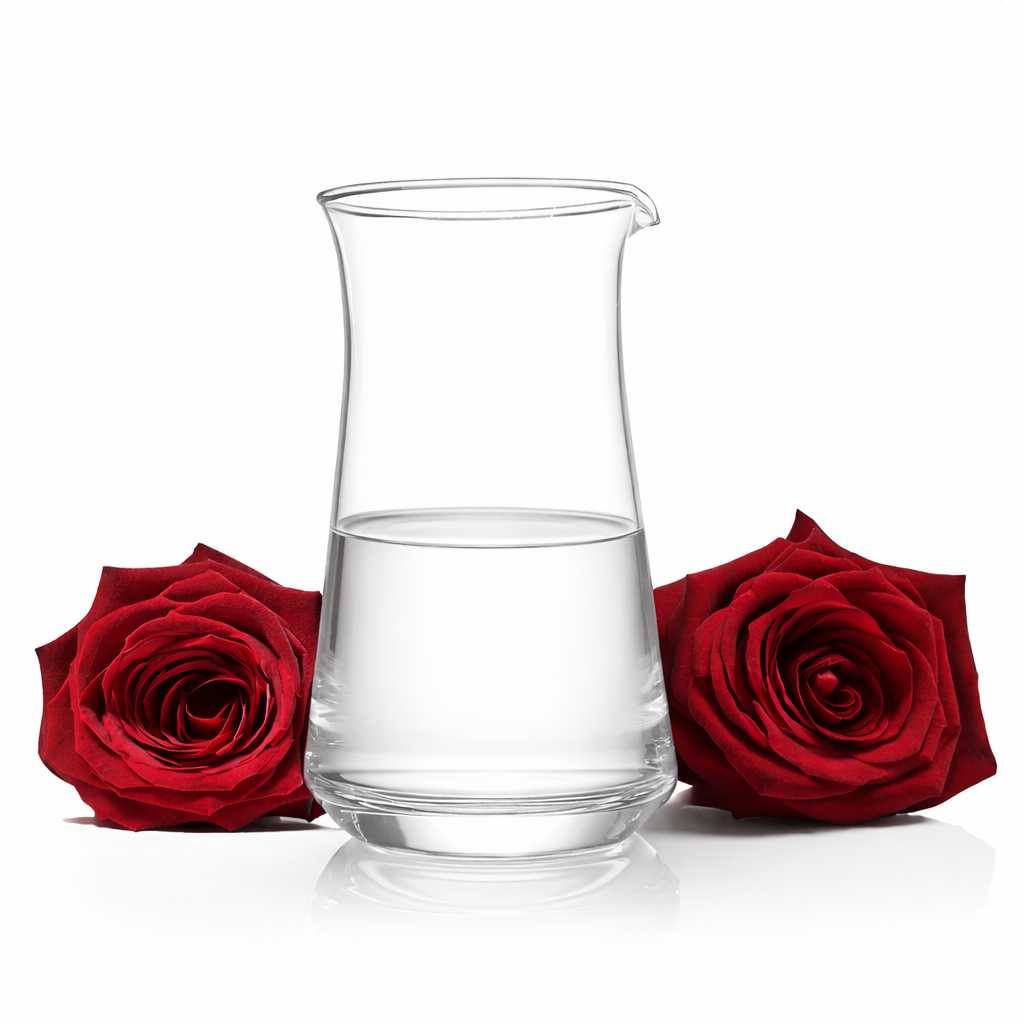
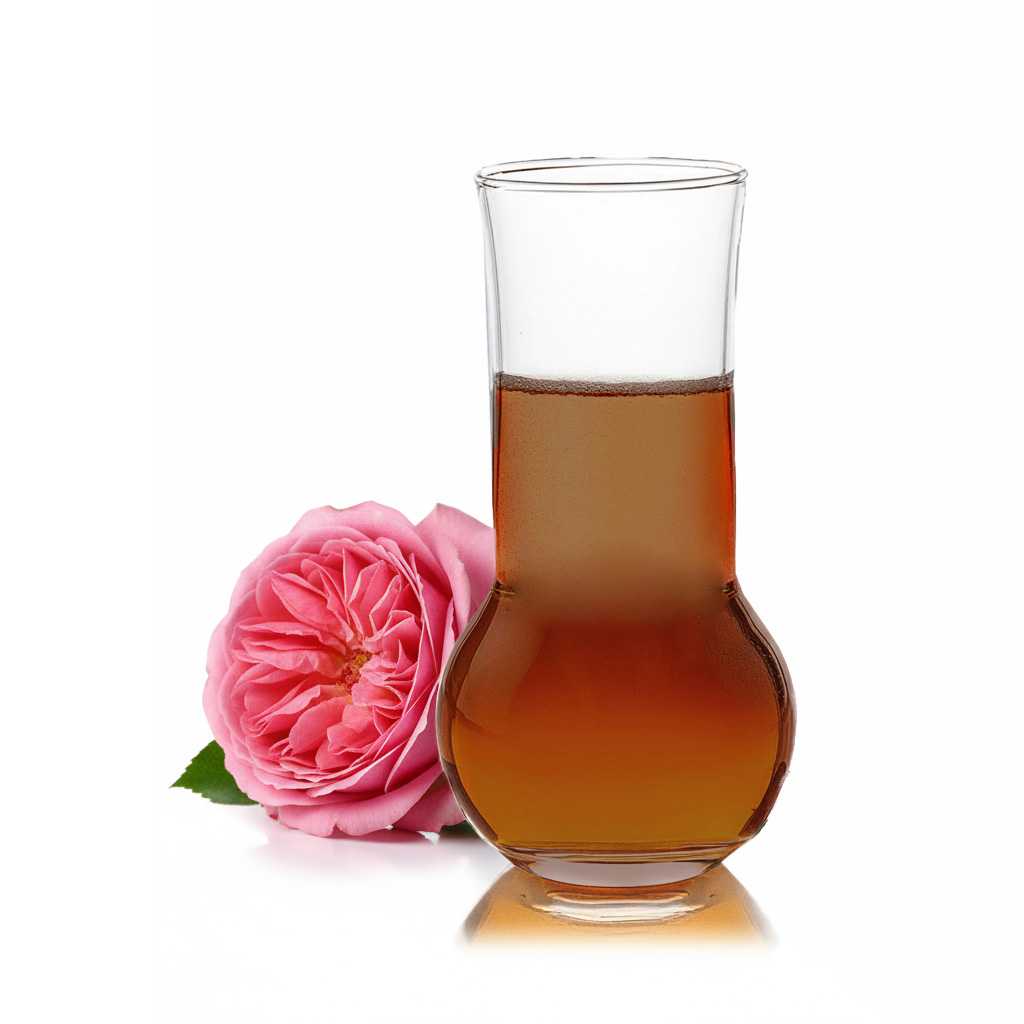
Floral Water, Rosa Damascena, 5 l

Pack size100 ml1 l5 l

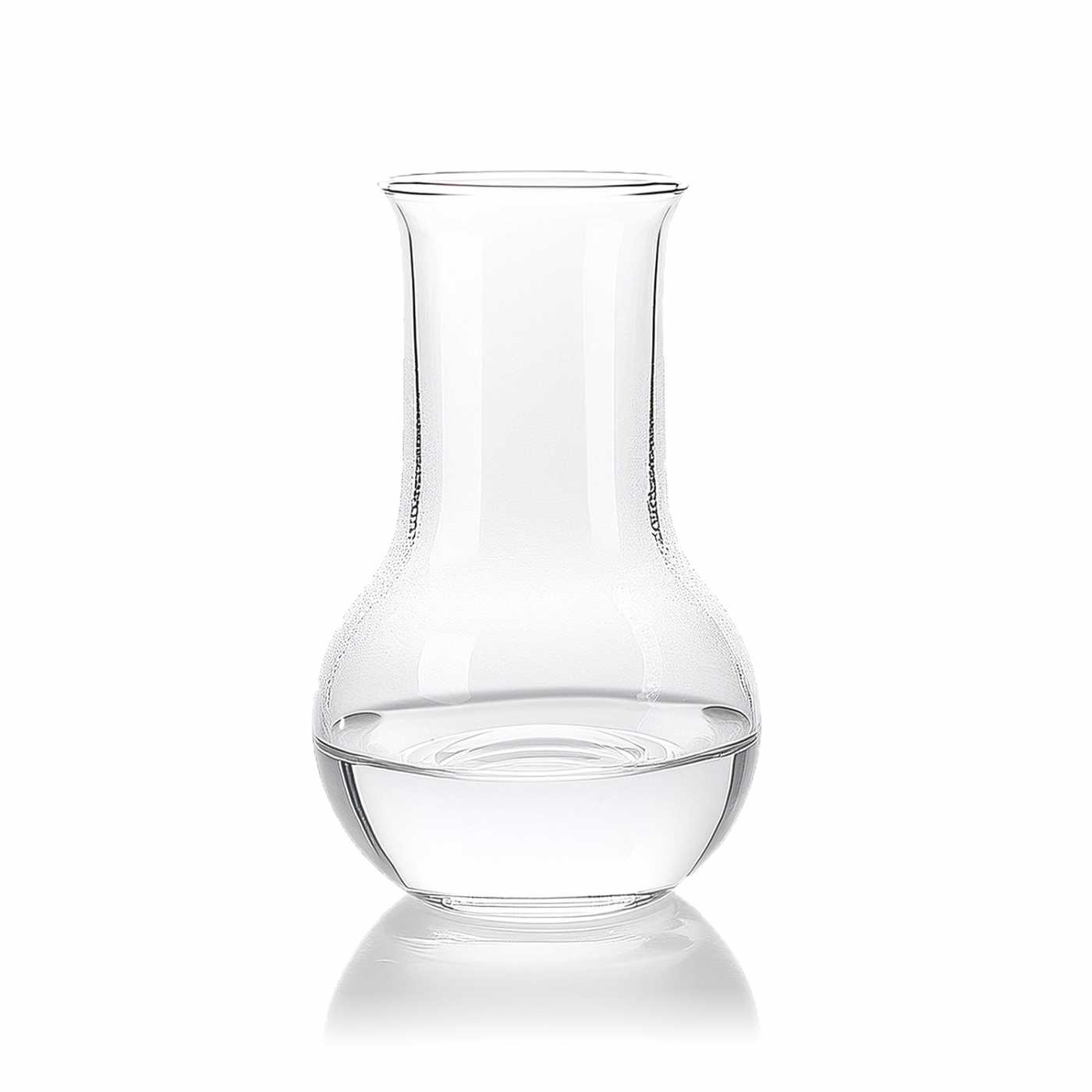
Damask rose hydrosol is a rose water obtained by steam distillation of the flowers of Rosa damascena. It tones, soothes and supports skin hydration and gives the product a typical rose fragrance. full description

AvailabilityPre-order
Product codeHYD722_5000
€104.19incl. VAT€20.84/l

Lowest price in the last 30 days: €93.77

Pre-orderThis variant is currently out of stock — your order will be a pre-order and delivery may take longer.

Product description

Damask rose hydrosol is a rose water obtained by steam distillation of the flowers of Rosa damascena. It tones, soothes and supports skin hydration and gives the product a typical rose fragrance. It can be used on its own as a facial toner or as a replacement for part or all of the water in toners, serums and creams. It is of European origin, Vegan certified and alcohol-free.


What it does for the skin

  • Toning – after cleansing it refreshes the skin and prepares it for a serum or cream. Rose water is therefore a classic base for facial toners and tonics.
  • Soothing – suitable for products for sensitive skin.
  • Hydration support – the hydrosol itself supplies water to the skin. Longer-lasting hydration in the product is provided by humectants, with which it is commonly combined, for example glycerine or panthenol.
  • Antioxidant action – complements the composition of products for mature and dry skin.

It can be used in care for the face, body, eye area, hair and scalp, in both rinse-off and leave-on products.


Rose hydrosol and essential oil

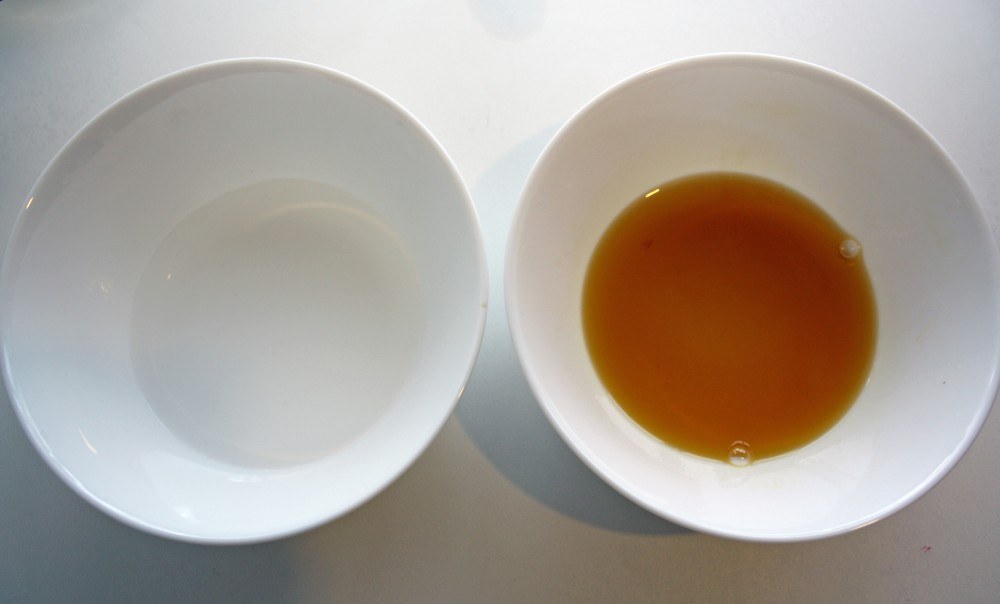
Both ingredients come from the same distillation. Steam passes through the flowers, carries away the volatile compounds and, after cooling, separates into two parts: the essential oil and the aqueous distillate, that is, the hydrosol.

They differ mainly in concentration. The hydrosol consists almost entirely of the aqueous distillate and contains 0.02–0.10% of rose oil. It smells weaker than the essential oil and can also be applied to the skin undiluted.

They are also handled differently. The essential oil belongs in the oil phase and is used in very small amounts. The hydrosol is a water-based ingredient that is measured out like water and replaces it in the product.


Use in a formulation

The hydrosol belongs in the water phase or the cool-down phase. It mixes fully with water and with 90% ethanol in a 1:1 ratio. It is insoluble in oil, so without an emulsifier it is not suitable for balms, body oils and other anhydrous products.

The usage rate is wide, 1–100%. In a facial toner or tonic it can replace all of the water. In serums and creams it is used rather as a supplement to the water phase, usually 4–12%, most often around 6%. It is commonly combined with glycerine, pentylene glycol, allantoin and panthenol.

The hydrosol does not tolerate strong heat. Do not add it to the hot water phase before emulsification; add it to the emulsion once it has cooled below 40 °C.


pH and preservation of the finished product

The hydrosol itself has a pH of 5.5–7.5, but the finished product should have a pH of 4.5–5.5. The reason is the benzoic acid and dehydroacetic acid contained in the hydrosol. Both act only in their undissociated form, and above pH 5.5 their protection drops sharply.

Acidify a product containing the hydrosol to a pH range of 4.5–5.5. At a higher pH, verify the preservation with a challenge test.

The finished product is always preserved, even when the hydrosol is its only water component. The rose oil content is too low to protect the product against microorganisms.


Suitable for products such as

  • facial toners and tonics, where it can form the entire base
  • hydrating serums and gels with humectants
  • O/W creams and facial lotions, added after the emulsion has cooled
  • products for the eye area
  • face masks
  • hair tonics, conditioners and scalp products
  • body sprays and refreshing mists

Good to know

Hygiene while working. Hydrosols are easily contaminated once opened, especially by airborne bacteria during decanting. Even a refrigerator does not stop the growth of microorganisms. Decant the hydrosol hygienically into disinfected containers and do not leave the packaging open. Protect your eyes while working.

Allergens. The hydrosol contains fragrance allergens listed in Annex III of Regulation (EC) No 1223/2009, mainly citronellol and geraniol. At a higher usage rate they must be calculated for the finished product and stated on the label. The product will also contain benzyl alcohol.


Frequently asked questions

Can Damask rose hydrosol be used on its own as a facial toner?
Yes, Damask rose hydrosol can be used undiluted as a facial toner or tonic. The usage rate goes up to 100%, so it replaces all of the water in a product. When decanting it into your own bottle with a fine mist sprayer, use a clean, disinfected container so that no microorganisms get into the hydrosol.
Can rose hydrosol replace the water in a cream?
Yes, rose hydrosol can replace part of the water in a cream. It does not belong in the hot water phase, however; add it to the emulsion once it has cooled below 40 °C. In creams and serums it is commonly used as a supplement to the water phase at 4–12%.
Does a product with rose hydrosol need to be preserved?
Yes, every product with rose hydrosol must be properly preserved. The hydrosol does contain benzoic acid and dehydroacetic acid, but once diluted in the product their amount drops and they act only at a pH up to 5.5. We recommend adjusting the pH of the product to 4.5–5.5 and adding your own preservative system.
Is Damask rose hydrosol suitable for a body oil or balm?
No, Damask rose hydrosol is not suitable for anhydrous oil-based products without an emulsifier. It is a water-based ingredient that mixes fully with water but is insoluble in oil and would separate. It can be incorporated into products with an oil phase only as part of an emulsion, for example a cream or body lotion.
Why is rose hydrosol slightly cloudy?
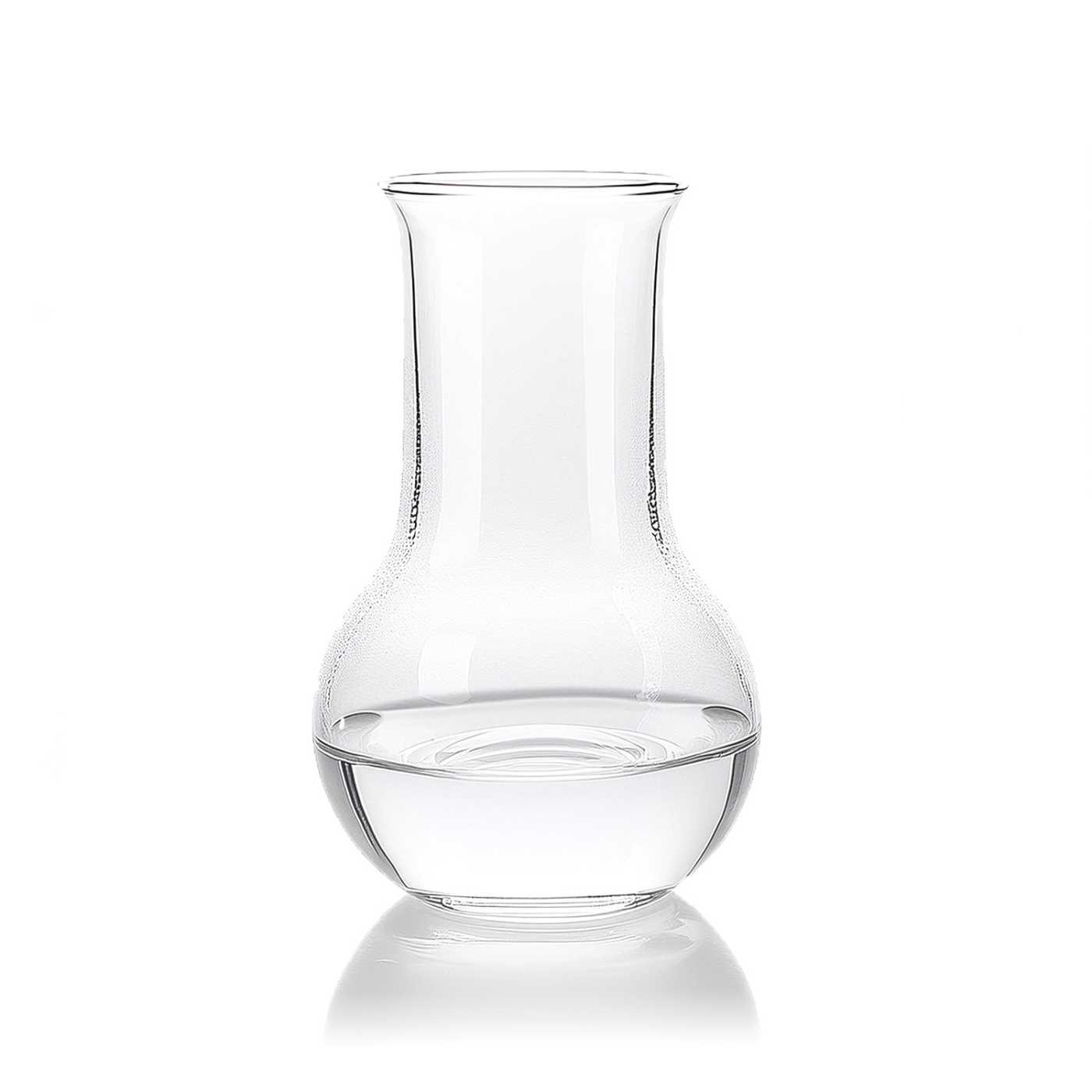
The slight cloudiness of rose hydrosol is caused by traces of rose oil, of which it contains 0.02–0.10%. This is a normal property of the hydrosol and does not indicate reduced quality. The hydrosol can be completely clear or slightly cloudy; in both cases it is colourless and has a typical rose fragrance.
Is rose hydrosol suitable for sensitive skin?
Yes, rose hydrosol is also used in products for sensitive skin, where it has a soothing effect. However, it contains fragrance allergens, mainly citronellol and geraniol, as well as benzyl alcohol. At a higher usage rate the allergens must be calculated for the finished product and stated on the label.

Parameters

INCI
Rosa Damascena Flower Water, Benzyl Alcohol, Benzoic Acid, Dehydroacetic Acid, Tocopherol
CAS No.
90106-38-0, 100-51-6, 65-85-0, 520-45-6, 1406-66-2
EC number
290-260-3, 202-859-9, 200-618-2, 208-293-9, 604-195-9
Product colour
Colourless
Country of origin
European Union
Processing method
Steam distillation
Odour
Floral
Appearance
Liquid
Free from
alcohol
Function in formulation
Active ingredientCarrier
Recommended processing temperature
< 40 °C
Recommended usage rate
1 – 100 %
Recommended formulation pH range
4,5 – 5,5
Solubility
Water-soluble
Application type
Leave-onRinse-off
Biodegradability
Readily biodegradable
Certifications
Vegan
Natural Index (NI ISO 16128)
0.99
Natural Origin Index (NOI ISO 16128)
0,99
Volume
5000 ml

Product documentation

CoACertificate of Analysis
batch 260510DPDF ↓
batch 180226RDPDF ↓
batch HRD27052026PDF ↓
TDSTechnical Data Sheet
Physical parameters and processingPDF ↓
SDSSafety Data Sheet
Available for purchased products —
Download all (ZIP)

4 PDF files in one archive

Learn how to work with it

From our blog
Dana20 Aug 2026SK

Verified purchase

excellent hydrosol — this is the hydrosol I use most often when making face cream

Translated automatically
Vladimira W.9 Nov 2026SK

Verified purchase