Chamomile Roman Essential Oil, 5 ml
Pre-order€19.99(€3,998.00/l)

Essential oils, 10 ml
Pack size5 ml10 ml
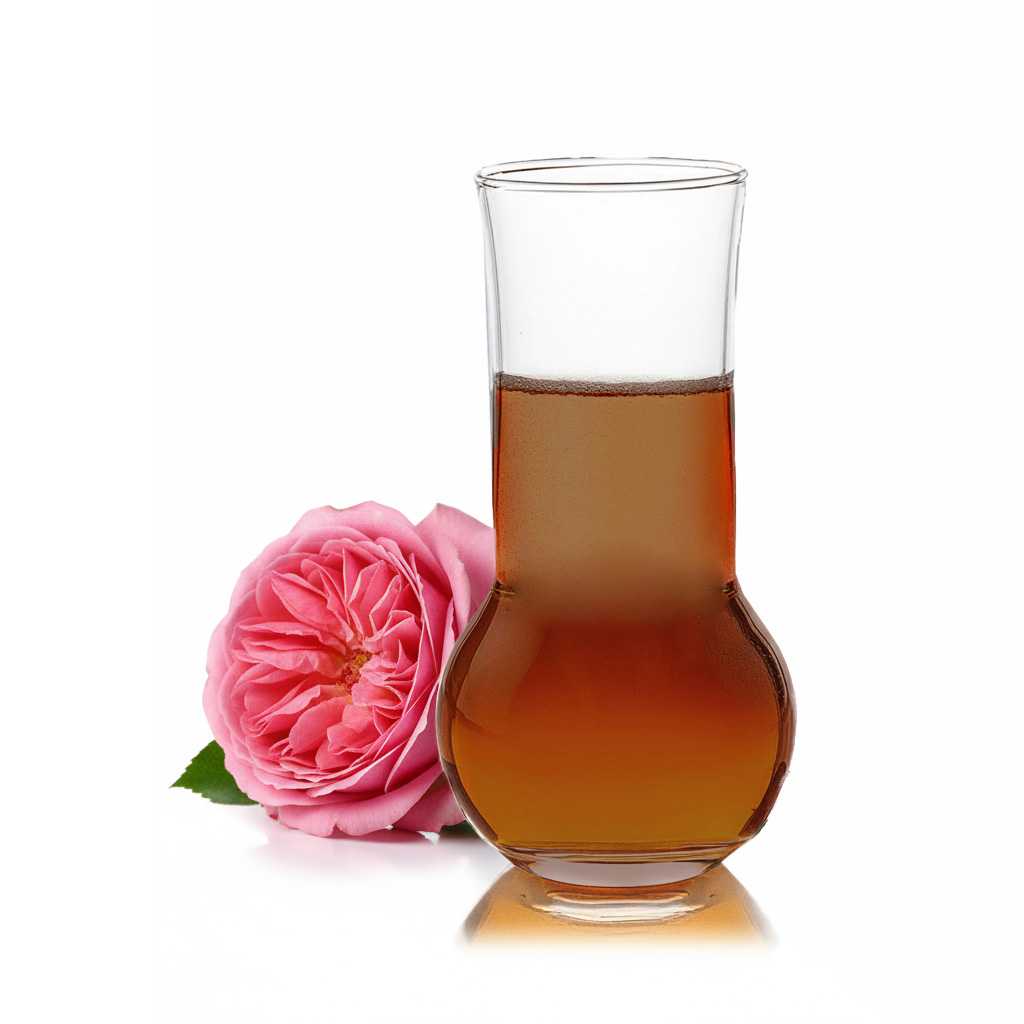
Essential oil of Rosa × centifolia 10 % delivers the full floral rose fragrance in a form that handles like a regular oil ingredient. full description
Lowest price in the last 30 days: €16.66
Essential oil of Rosa × centifolia 10 % delivers the full floral rose fragrance in a form that handles like a regular oil ingredient. It is the essential oil from Rosa × centifolia flowers diluted to 10 % in a neutral plant carrier, fractionated coconut oil. In cosmetics it serves as a fragrance ingredient and is far easier to work with than pure rose oil. Pure rose oil is among the most expensive and concentrated essential oils available, which is why recipes call for it in fractions of a percent. The diluted form allows precise measurement even in small batches, easy blending into the oil phase, and an affordable entry point to rose fragrance.
Pure rose essential oil is obtained by hydrodistillation of the flowers, and it takes a large quantity of petals to yield only a small volume of oil. In home formulation, this creates two practical problems: high cost and doses that are difficult to measure, where a single extra drop can change the scent of the entire product.
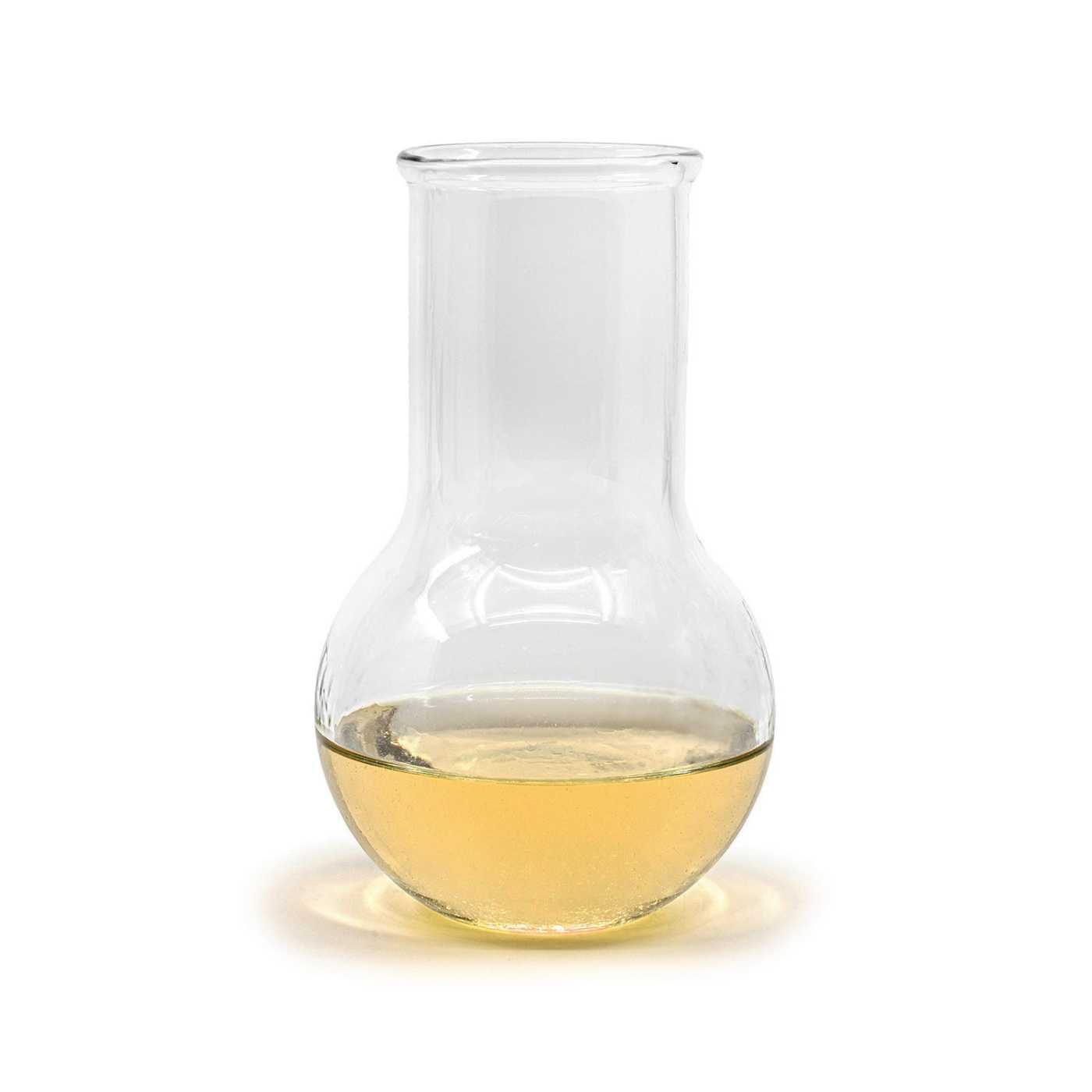
Dilution in Caprylic/Capric Triglyceride solves both problems. The carrier has no scent of its own, is light and stable, so it does not distort the rose fragrance. The result is a yellow oil that is dosed like any regular oil ingredient. When working from recipes written for pure essential oil, the quantity needs to be recalculated: to achieve the same fragrance intensity, approximately ten times the amount of the diluted form is required.
Rosa centifolia gives a rich, sweetly floral scent with a honey undertone, which positions it as a heart note in compositions. It pairs well with geranium, palmarosa, sandalwood, bergamot, or vanilla and can soften harsher essential oils.
A distinction should be made regarding skin effects. In aromatherapy and traditional use, rose oil is attributed with a soothing and toning effect, support for skin regeneration, and antioxidant activity from its natural fragrance constituents. In a cosmetic product, however, it functions primarily as a fragrance ingredient at a low concentration. The main benefit is sensory and emotional — the sense of care experienced during product use. The effect of a finished product always depends on the full formulation, not on a single ingredient. Given its traditional use, rose is most commonly associated with products for normal, dry and mature skin.
The oil is oil-soluble and insoluble in water. In emulsions, it is added to the finished emulsion only in the cool-down phase, once the temperature has dropped below 40 °C. Higher temperatures accelerate evaporation of the volatile fragrance constituents and alter the scent character. In anhydrous products — body and massage oils, balms, and butters — it is simply stirred into the finished base.
Add it as the last ingredient, at a temperature below 40 °C and with gentle stirring. Allow the scent to “settle” in the finished product for a day or two before assessing its intensity. Freshly blended, it will be more pronounced.
In water-based products (tonics, hydrolat sprays, gels) it cannot be incorporated without a solubiliser — it will separate on the surface. In such cases a solubiliser suitable for fragrance oils is required, along with clarity testing in the finished formulation. Keep the carrier in mind: the full oil volume needs to be solubilised, not just the fragrance itself, so the required amount of solubiliser is typically higher than for a pure essential oil.
Dosage is governed by IFRA limits for the specific product category. Lip and eye-area preparations, face creams, candles, and rinse-off products each have different limits. Maximum values for individual categories are listed in the product parameters. The diluted form is always assessed based on the content of the rose oil itself.
The product contains fragrance allergens listed in Annex III of the Cosmetics Regulation and is subject to CLP classification. When selling finished products, the allergens present must be declared in the ingredient list, IFRA limits for the relevant category must be observed, and work must proceed in accordance with the safety data sheet.
The carrier makes the fragrance a full-weight oil ingredient. At 1 % fragrance oil in the recipe, you are actually adding 0.9 % triglyceride and 0.1 % rose oil. In light emulsions this may slightly alter the skin feel; in oils and balms it is imperceptible.
The yellow colour will not tint a white emulsion at normal usage levels. In clear oils and colourless products, a faint yellowish hue may appear, particularly at higher concentrations.
The product is not intended for direct application to the skin in undiluted form or for internal use. For products intended for children, the lips, and the eye area, the lowest IFRA limits apply; verify suitability for these categories in the product parameters.
The oil is readily biodegradable, free from animal-derived ingredients, palm oil-free, and alcohol-free, making it suitable for formulations that emphasise a natural ingredient profile.
Pure rose essential oil is dosed in drops, often below 0.1 %. The diluted form matches it in scent but is handled like any regular oil ingredient: measured by weight, not by drops. For small batches in home production, the diluted form is more precise and economical.
Rose hydrolat is the aqueous by-product of the same distillation. It is water-soluble, suitable for tonics and the water phase of emulsions, has a gentle, rather green and fresh scent, and carries no oil components. Essential oil and hydrolat do not substitute for each other; in a single formulation they complement each other: hydrolat in the water phase, essential oil in the oil phase.
Rose absolute is obtained by solvent extraction, has a heavier, richer scent, and a different composition. This product is a distilled essential oil, not an absolute.
Only customers with a delivered order can write reviews.