Raspberry Seed CO2-to Extract, Organic, 10 ml
Pre-order€4.69(€469.00/l)

HYDROLATES, FLOWER WATERS
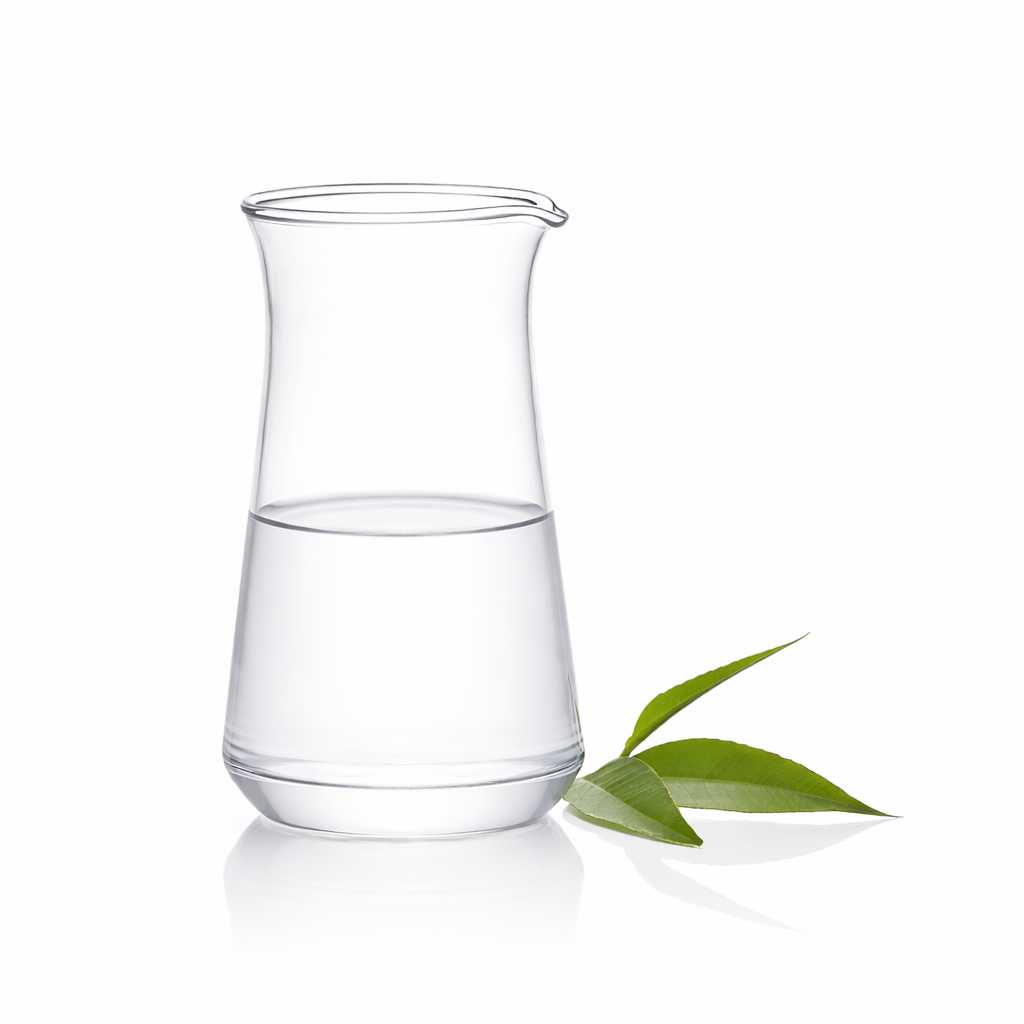
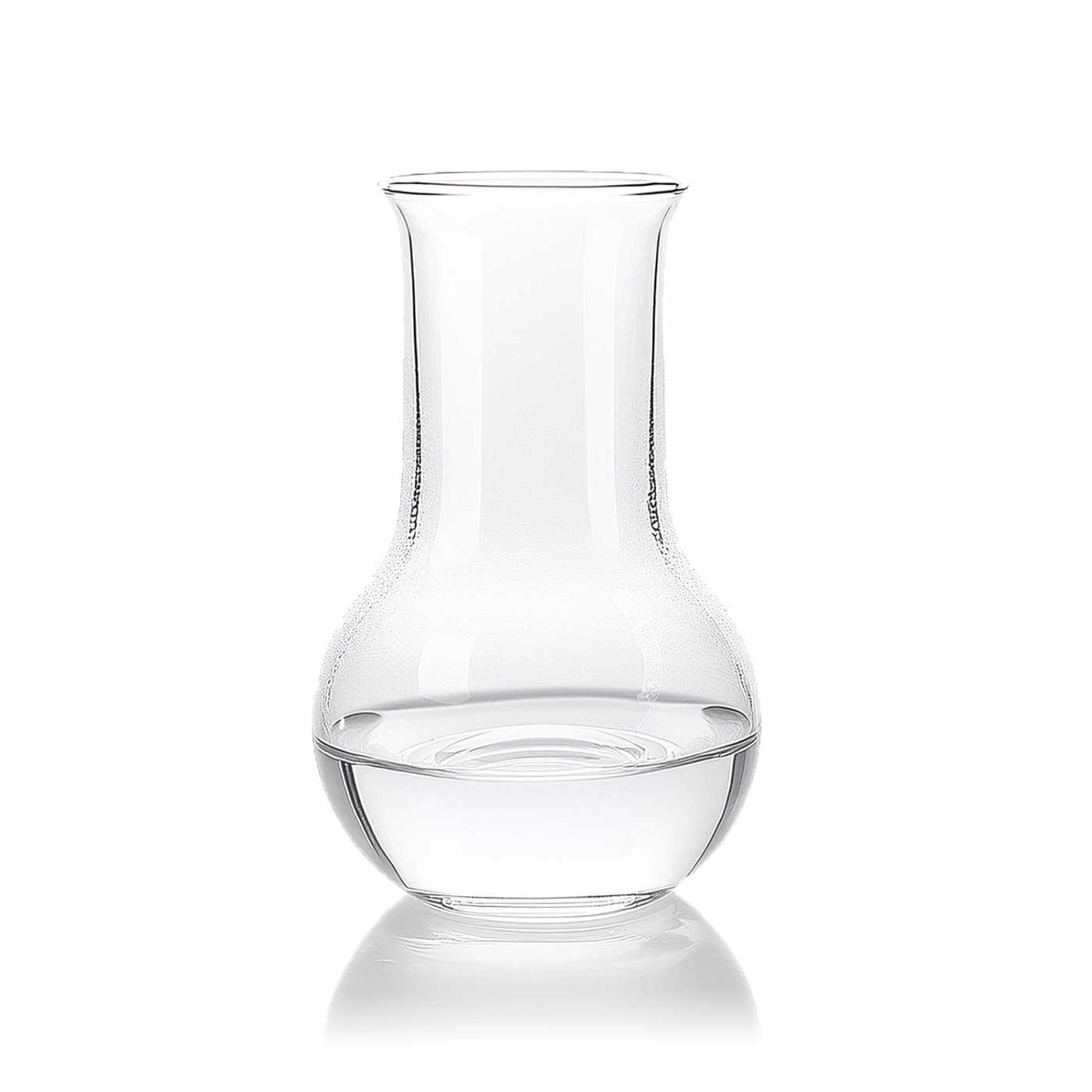
Tea tree hydrosol is a floral water from the tea tree obtained by steam distillation . It is used in the care of oily, combination and problem skin , where it helps cleanse the skin and regulate sebum. full description
Lowest price in the last 30 days: €482.31
Tea tree hydrosol is a floral water from the tea tree obtained by steam distillation. It is used in the care of oily, combination and problem skin, where it helps cleanse the skin and regulate sebum. In a toner or facial mist, it can make up the entire water phase.
The main area of use is skin that quickly becomes oily. The hydrosol supports regulation of sebum production and helps keep the skin clean. It suits products for oily, combination and acne-prone skin, and it is also suitable for normal skin.
The tea tree is known for its antimicrobial effect, and the hydrosol carries part of it. In cosmetics, this is used in cleansing products and in the care of skin prone to imperfections. The result depends on the usage rate and the type of product.
It is also used for hair and scalp. In shampoos and hair lotions, it is especially useful where the scalp quickly becomes oily.
Both raw materials come from the same distillation, but they behave differently. The essential oil is a concentrated mixture of volatile compounds. The hydrosol is the water part of the distillate. It contains the water-soluble components of the plant and only traces of essential oil.
The main difference is the strength of the effect. The hydrosol is milder and can be used at a high usage rate, while the essential oil is added to a product only in a small amount.
There is also a difference in how you work with the raw material. The hydrosol is added directly to the water phase, without a solubiliser. The essential oil does not mix with water, so for a water-based product it must first be solubilised or incorporated into the oil phase.
The hydrosol belongs in the water phase. It is water-soluble and does not dissolve in oil, so it is not suitable for anhydrous products. It is colourless and does not affect the colour of the finished product. It can be used in both rinse-off and leave-on products.
The recommended usage rate is 1–100%. In emulsions, you will also come across lower rates: in creams, lotions, balms and serums, around 0.1–0.6% is commonly used. Higher amounts appear in cleansing products (up to approximately 9%), in shower gels (10%) and in gels (30%).
Add the hydrosol only to a mixture that has cooled below 40 °C. At higher temperatures, volatile fragrance and active components are lost.
The finished product should have a pH in the range of 3.0–8.0. The hydrosol tolerates electrolytes, fragrance, preservatives, oxidising and reducing agents, and acidic to neutral environments. In formulations, it is often combined with glycerine, allantoin, xanthan gum and tocopherol; in cleansing products with Cocamidopropyl Betaine; and, among essential oils, with lavender and rosemary.
Hydrosols are microbiologically sensitive, and the antimicrobial effect of the tea tree does not replace a preservative.
Every product containing a hydrosol must be preserved. This works best at an acidic pH of around 5 and with a preservative rate close to the upper permitted limit. Lower rates may not suppress Pseudomonas bacteria.
In preservative systems, it is most often combined with benzyl alcohol, sorbic acid and salicylic acid.
The raw material is not classified as hazardous under the CLP Regulation. It contains fragrance allergens listed in Annex III of Regulation (EC) No 1223/2009. If their limits are exceeded, they must be declared in the ingredients of the finished product. The hydrosol is Vegan certified and is supplied in cosmetic grade.
Only customers with a delivered order can write reviews.