+421 950 333 113info@handymade.storeHandymade Days: −10 % on all ready-made productsShop now

Candle fragrance oils

Fragrance Oil, Boutique, 1l

Pack size10 ml100 ml500 ml1 l

Boutique fragrance oil scents your own cosmetics, perfume and soap with a single fragrance composition of European origin. full description

AvailabilityPre-order
Product codeVO338_1000
€103.55incl. VAT€103.55/l

Lowest price in the last 30 days: €103.55

Pre-orderThis variant is currently out of stock — your order will be a pre-order and delivery may take longer.

Product description

Boutique fragrance oil scents your own cosmetics, perfume and soap with a single fragrance composition of European origin. In a formulation it acts as the fragrance component, is added in a small amount to the oil or alcohol part of the recipe, and suits both leave-on and rinse-off products, from face creams and body oils to shower gels and bar soaps. In a practical test in cold process soap, it did not accelerate trace or discolour the batter.


What it brings to your formulation

  • One fragrance for a whole range of products – you can use the same composition in soap, body lotion and alcohol-based perfume, so your fragrance line stays consistent.
  • Proven behaviour in cold process soap – the batter does not thicken after the addition and does not change colour, so the soap keeps the original shade of your dyes and pigments.
  • Wide range of IFRA categories – the certificate covers categories from lip products to candles, so the maximum permitted amount is available for each type of product.
  • Solubility in oil and alcohol – it is incorporated directly into the oil phase of emulsions, into anhydrous balms and butters, and into alcohol-based perfumes without any additional auxiliary ingredients.

Use in formulations

The fragrance oil is soluble in oil and alcohol and does not dissolve in water. In creams and lotions, you incorporate it into the oil phase. For facial toners, body sprays or clear gels without an oil component, you need to combine it with a solubiliser first, otherwise droplets appear on the surface and the product turns cloudy. Test the ratio of solubiliser to fragrance oil on a small sample.

It is added in the cooling phase, when the mixture is below 40 °C. In an emulsion, this is after the phases have been combined and cooled, together with the preservative and other heat-sensitive ingredients. For anhydrous balms and butters, the fragrance oil is stirred into the melted and slightly cooled mixture just before pouring into containers.

There is no single universal usage rate. The manufacturer does not state a recommended range, and the maximum amount in the finished product is determined by the IFRA limit for the given category. A lip balm (category 1) has a different limit than a body cream (category 5A) or a shower gel (category 9), so check the limit again for each new type of product.

Before your first weighing, open the IFRA certificate in the Product documentation section and find the category of your product. The limit in the certificate is the maximum for the finished product; the usual working usage rate is typically lower and depends on the desired fragrance intensity.

In cold process soap, the fragrance passed a soapmaker’s practical test without complications. After the fragrance oil was added, the soap batter did not accelerate trace or thicken, so there is still time for colouring, layering and swirling. The batter did not discolour either. The fragrance oil is added at light trace together with the dyes and stirred in at a calm pace.

Boutique does not accelerate trace or change the colour of the soap batter, so it also suits more demanding techniques such as marbling or multicolour pouring.

In the IFRA certificate, candles have a separate category with their own limit. Before larger production, pour a test candle and assess the fragrance both cold and while burning.


Suitable for products such as

  • Body creams, lotions and oils – dissolve in the oil phase without a solubiliser, limit according to category 5A.
  • Face creams and hand creams – categories 5B and 5C, check the limit in the certificate.
  • Solid and liquid soaps, shower gels, shampoos – rinse-off products of category 9, in cold process soap with verified behaviour.
  • Alcohol-based and solid perfumes – solubility in alcohol allows direct incorporation into an alcohol base, category 4.
  • Lip balms – category 1 with its own limit in the certificate.
  • Toners and body sprays – after pre-mixing with a solubiliser.
  • Candles – candles of all types, including container candles, in an amount up to the IFRA limit for category 12.

Good to know

The product is subject to CLP and is classified as a mixture containing hazardous substances, with the GHS07, GHS08 and GHS09 pictograms. Musk Ketone is listed among the CMR components. You will find details on the composition, classification and safe handling in the safety data sheet (SDS), which is available with the product together with the UFI number.

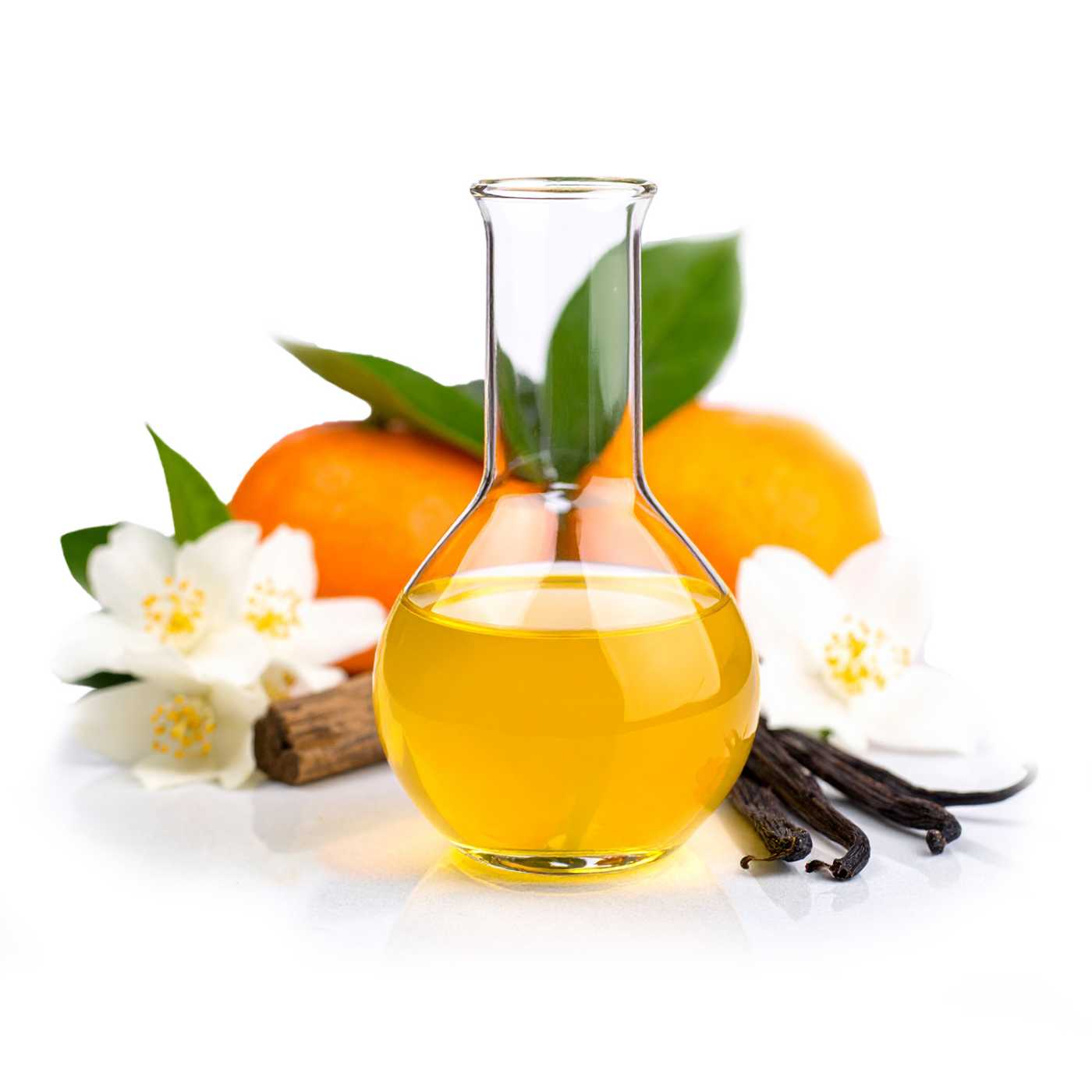
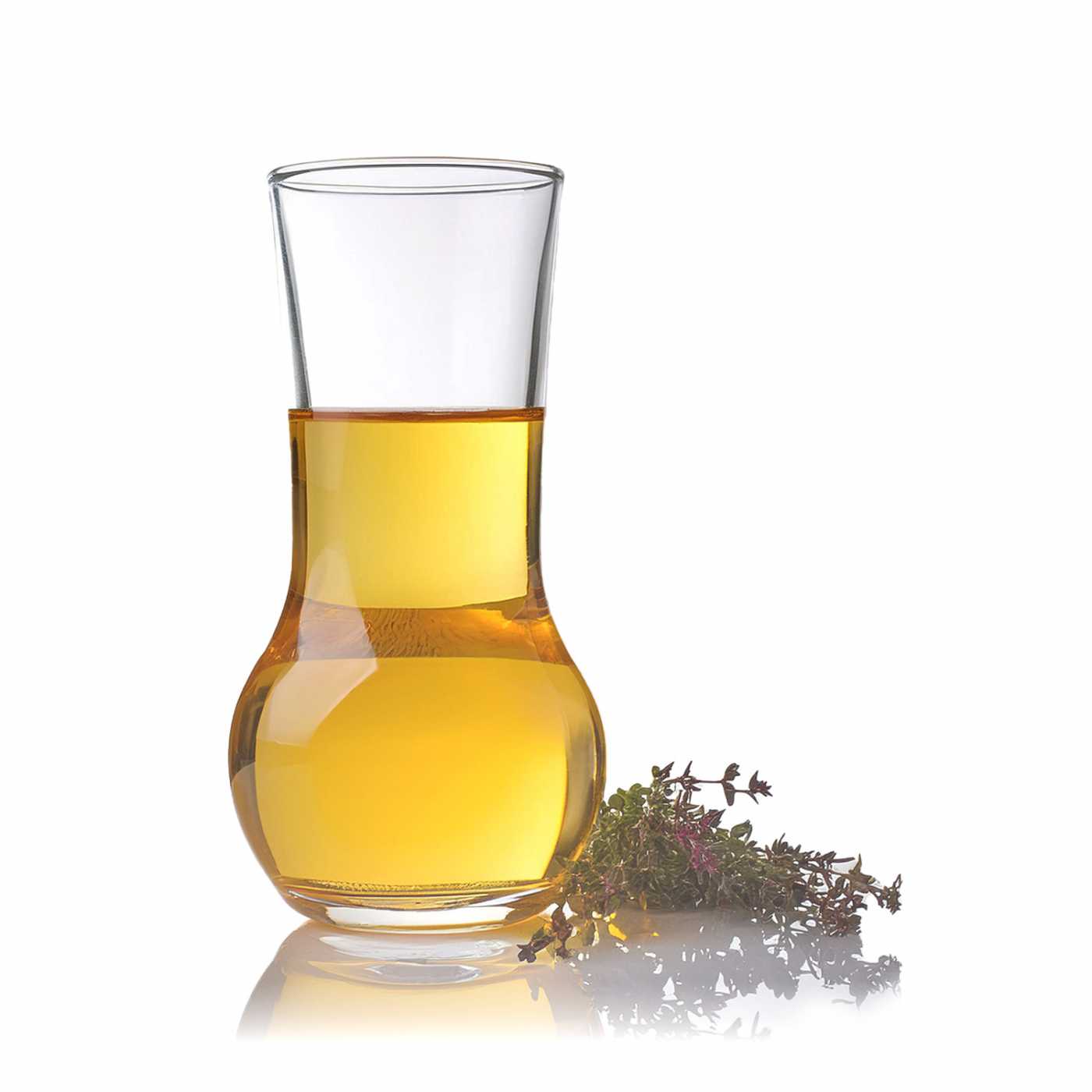
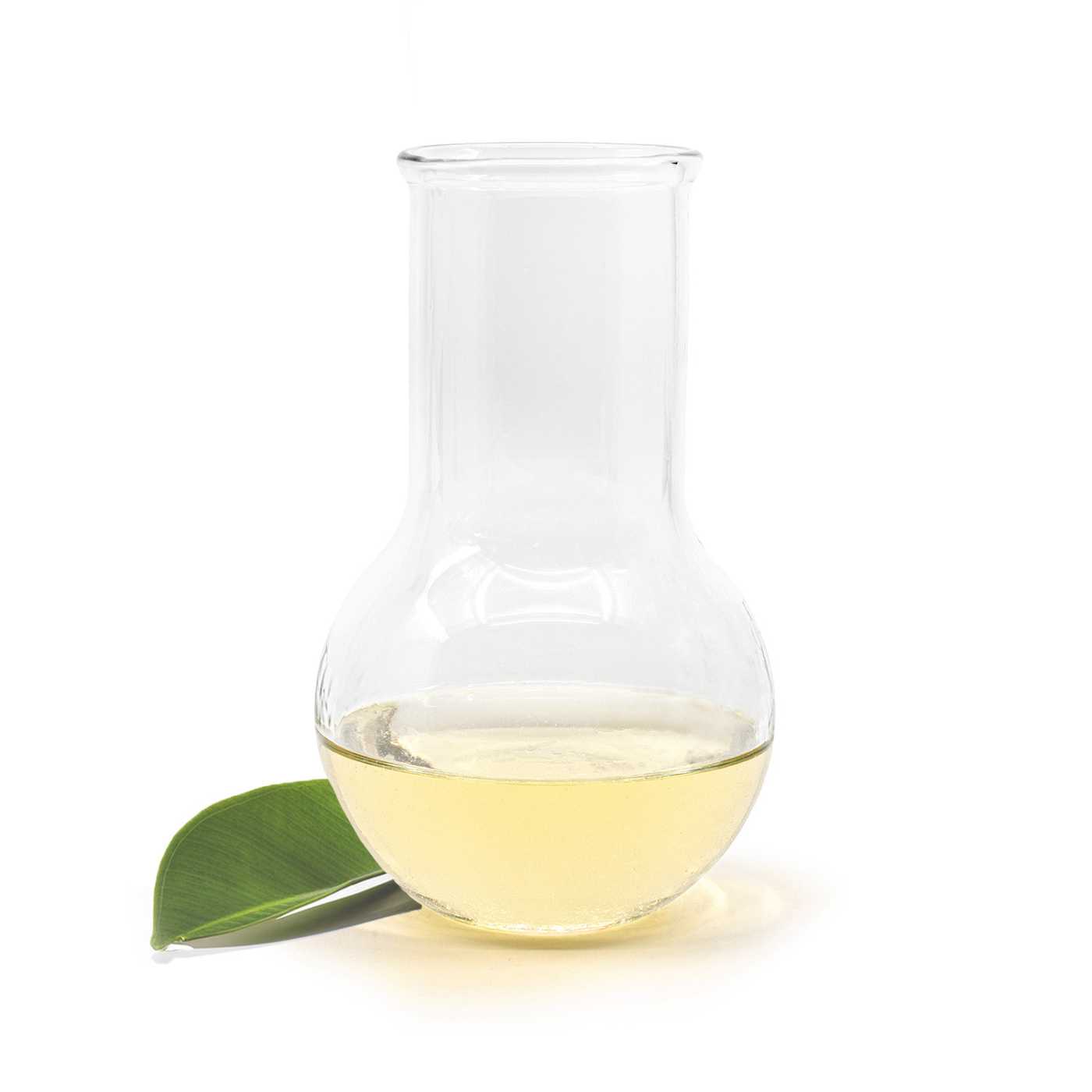
The fragrance oil has a yellow colour. For clear toners and colourless gels, check the shade on a sample at your chosen amount.

The fragrance composition may affect the viscosity and stability of an emulsion, especially at a higher usage rate. After adding the fragrance, leave a cream sample to stand for several days and check that it does not separate and that the texture has not changed.

The origin of the ingredients is mixed. Boutique is a fragrance composition, not an essential oil, so do not label a product made with it as natural.


Frequently asked questions

Is Boutique fragrance oil suitable for cold process soap?
Yes, in a practical test in cold process soap, it behaved without complications. After the addition, the soap batter did not accelerate trace, did not thicken and did not change colour, so there is enough time for colouring and layering. The fragrance oil is added at light trace together with the dyes, and the amount follows the IFRA limit for category 9.
Is Boutique fragrance oil soluble in water?
No, Boutique fragrance oil is insoluble in water. It dissolves in oils and alcohol, so in creams it is incorporated into the oil phase and in perfumes into the alcohol base. It is added to toners, hydrosols and water-based sprays only after pre-mixing with a solubiliser, otherwise the product turns cloudy and the fragrance separates on the surface.
How much Boutique fragrance oil should I add to a cream or soap?
There is no single usage rate; the maximum amount is determined by the IFRA limit for the specific product category. The manufacturer does not state a recommended range. The limits for all categories, from lip balms to soaps and candles, are in the IFRA certificate in the Product documentation section. The actual usage rate is usually below the limit and is set according to the desired fragrance intensity on a test sample.
At what temperature is Boutique fragrance oil added to an emulsion?
Boutique fragrance oil is added in the cooling phase, when the emulsion is below 40 °C. In this step, it is incorporated together with the preservative and heat-sensitive active ingredients. For anhydrous balms, the fragrance is stirred into the slightly cooled mixture just before pouring into containers.
What is the difference between Boutique fragrance oil and an essential oil?
Boutique fragrance oil is a compound fragrance composition of mixed origin, whereas an essential oil is a distillate or an expressed oil from a single plant. On the label of the finished product, the fragrance oil is listed as Parfum (Fragrance), and a product made with it is not labelled as natural. The usage rate of fragrance oil follows the IFRA limit for the product category, not the usage rate common for essential oils.

Parameters

INCI
ParfumParfum/Fragrance
Product colour
Yellow
Country of origin
France
Processing method
Blending
Appearance
Liquid
Formulation phase
Cool-down phase
Function in formulation
Fragrance component
Recommended processing temperature
< 40 °C
Application type
Leave-onRinse-off
Volume
1000 ml

Product documentation

CoACertificate of Analysis
batch 2035848173PDF ↓
TDSTechnical Data Sheet
Physical parameters and processingPDF ↓
IFRAIFRA Certificate
batch 2035848173PDF ↓
AllergensAllergen Declaration
batch 2035848173PDF ↓
SDSSafety Data Sheet
Available for purchased products —
Download all (ZIP)

4 PDF files in one archive

REVIEWS

Verified by customers.

No reviews yet.

Only customers with a delivered order can write reviews.