+421 950 333 113info@handymade.storeHandymade Days: −10 % on all ready-made productsShop now

COSMETIC CLAYS

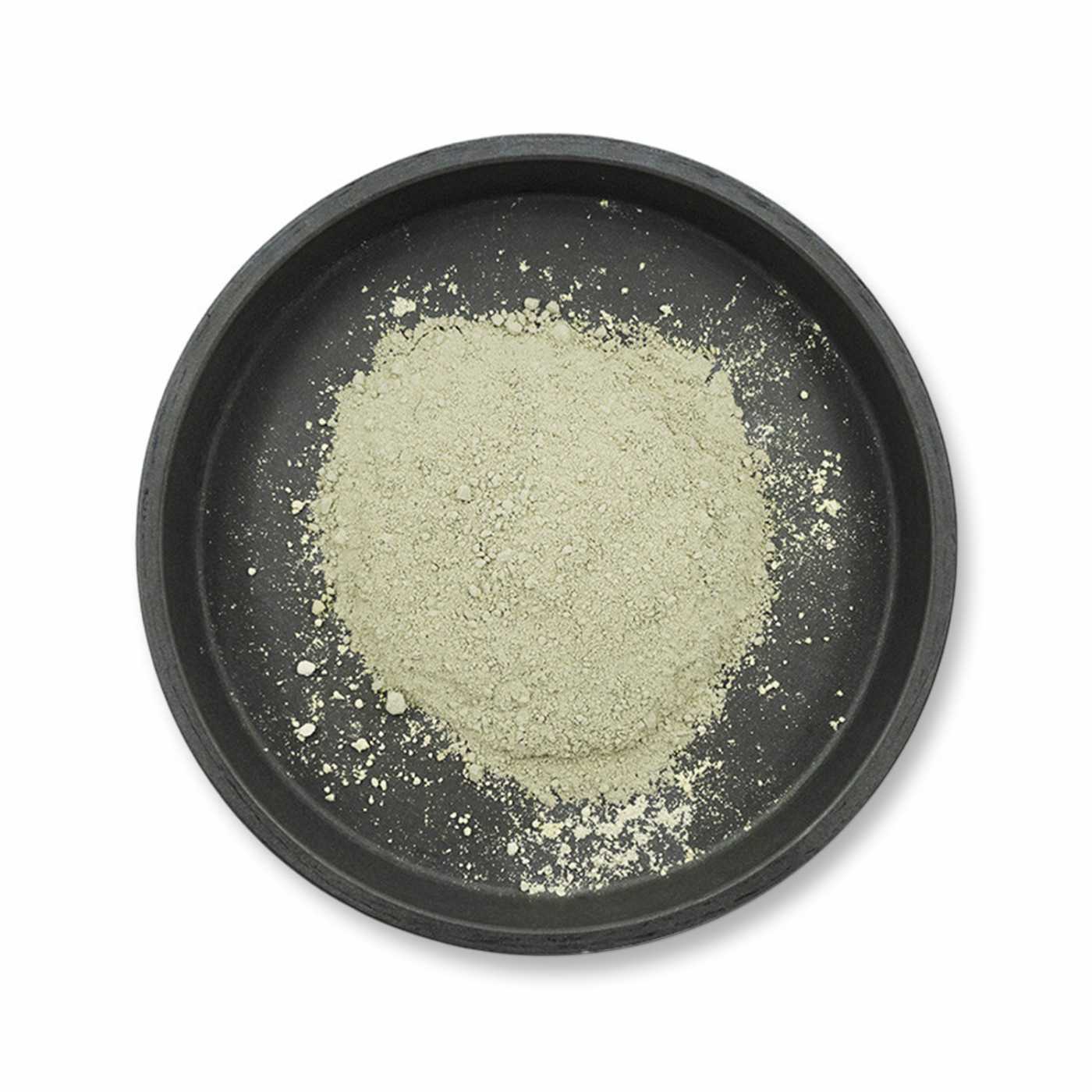
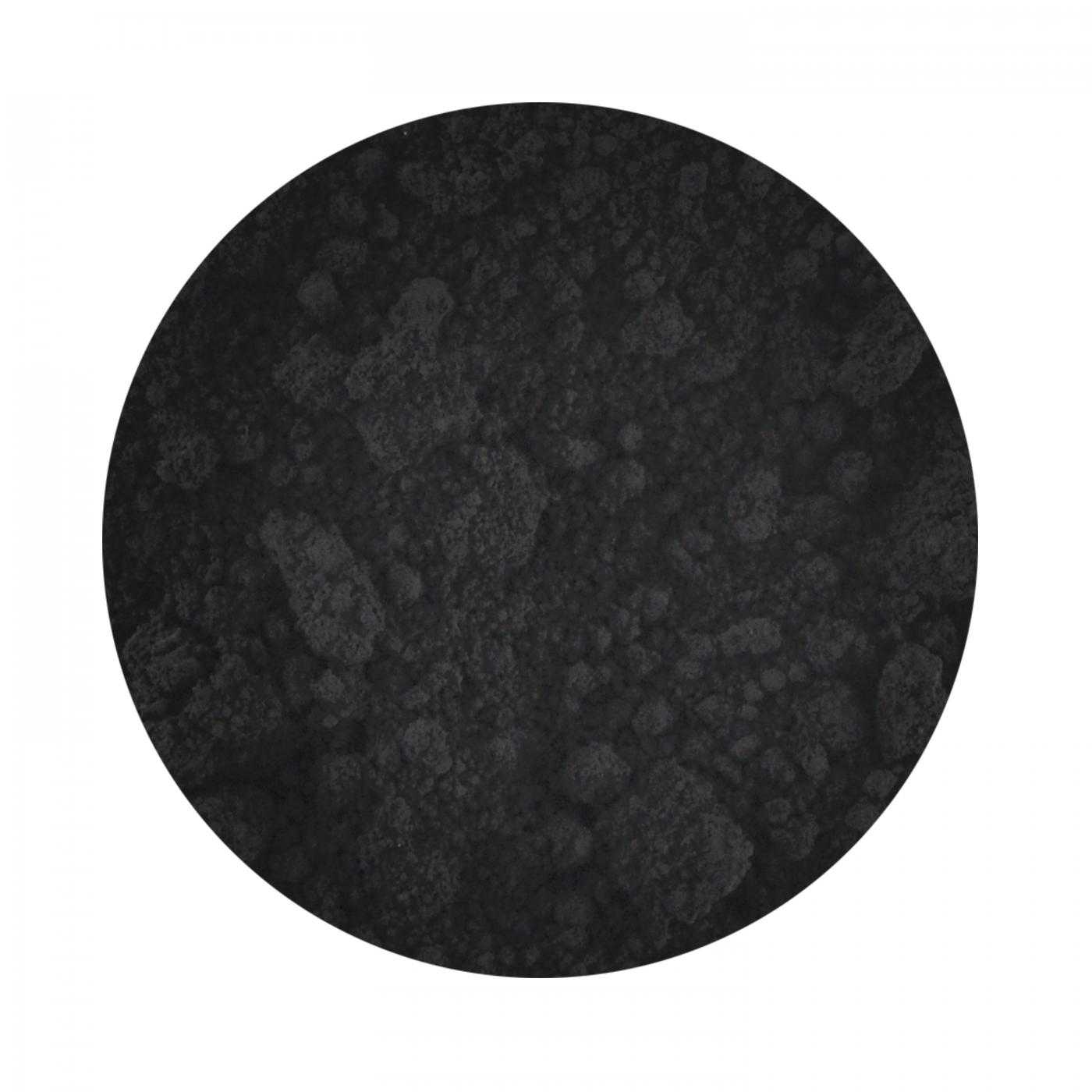
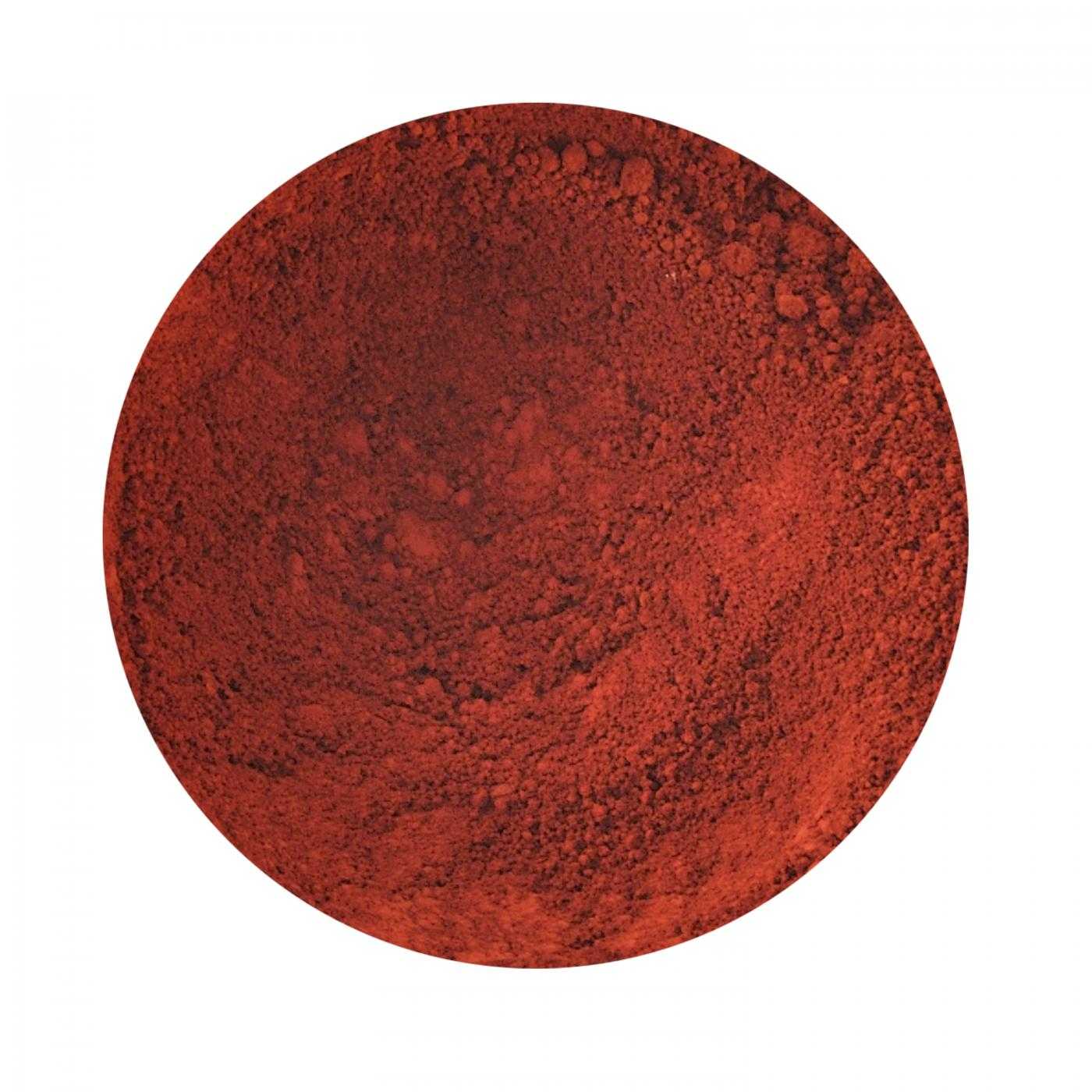
French Blue-green Cosmetic Clay, 100 g

Pack size100 g500 g1 kg5 kg

French blue-green clay is a blend of montmorillonite and illite that binds excess sebum and impurities from the skin and hair and leaves the complexion matte after use. full description

AvailabilityIn stock · 85 packs
Product codeKIL021_100
Batch50.22-S2624BIS
Best before12/2027
€3.19incl. VAT€31.90/kg

Lowest price in the last 30 days: €2.87

Product description

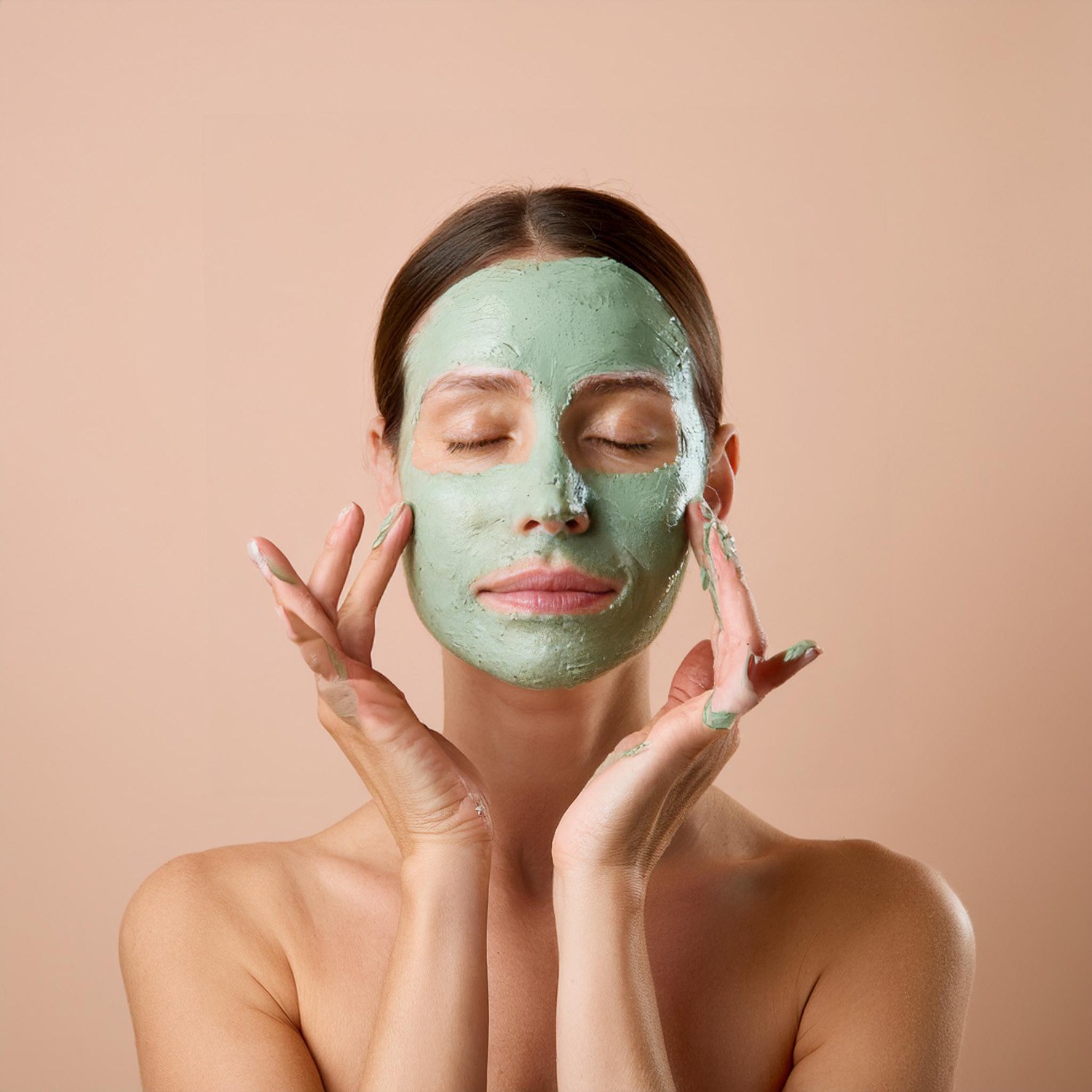
French blue-green clay is a blend of montmorillonite and illite that binds excess sebum and impurities from the skin and hair and leaves the complexion matte after use. When mixed with water, it forms a ready-to-use mask. In formulations, it also thickens, opacifies and colours the product blue-green. It is used mainly in the care of oily, problem and acne-prone skin and of hair that tends to get greasy.

The ingredient is of mineral origin. The clay is processed only mechanically, by drying and grinding, without chemical processes, and it contains no quartz. It is certified COSMOS Approved and NATRUE Approved and is vegan.


How it works on the skin and in the hair

The effect of the clay is based on its ability to bind substances to the surface of its particles. Montmorillonite swells in water and captures water, sebum and impurities. Illite is one of the highly absorbent clays. Together, they remove the shine-causing sebum from the skin surface.

On oily skin, this shows as a matte finish and a feeling of cleansed, tightened skin.

The particles also act mechanically. 90% of them are smaller than 80 µm. When rinsing off the mask or during a scalp massage, they help remove dead cells.


Key properties

  • Sebum regulation – binds excess sebum on the face, body and scalp and mattifies.
  • Cleansing and exfoliation – the ground powder captures impurities and helps remove dead skin cells when rinsed off.
  • Astringent effect – after the mask, the skin feels tightened and the pores are less visible.
  • Odour absorption – absorbs odours in body care products.
  • Thickening and opacifying – in water-based products, it increases viscosity, changes the flow behaviour of the product and gives it an opaque blue-green appearance.
  • Odourless – does not affect the fragrance of the finished product.

Use in formulations

The clay does not dissolve in water, oil or alcohol. However, it can be dispersed, that is, evenly distributed, in both water and oil. It is added to the water phase or afterwards to the finished base, at a temperature below 80 °C. It is suitable for both rinse-off and leave-on products.

The usage rate is 1–100%. The upper limit means pure clay, which is mixed with water into a paste before use. Finished masks use around 25%, shampoos around 2%.

First mix the clay with glycerine and only then add it to the mixture. This prevents lumps.

The clay raises the pH of the product. It has a pH of 8–9 and is suitable for products with a pH of 7–9. Always measure the pH after adding it and allow for adjustment in acidic products.


Suitable for products such as

  • powder face masks and ready-made paste masks for oily and problem skin,
  • cleansing pastes and scrubs for the face and body,
  • shampoos and scalp masks for hair that tends to get greasy,
  • soaps, where it cleanses and acts as an abrasive ingredient,
  • bath bombs and bath salts,
  • body care products in which it absorbs odours,
  • decorative cosmetics with a mattifying effect.

Good to know

The clay settles in liquid products. Its particles clump together and sink to the bottom over time. In warm conditions, settling is faster because the thickener thins out. Liquid and cream products need a sufficiently viscous base that holds its thickness even at higher temperatures, and a stability test at 40–45 °C.

The colour of the product comes from the dispersed clay. When a product fades during storage, the clay has usually settled at the bottom and the stabilisation of the suspension needs to be improved. A different dye will not solve the problem.

The dry powder does not need preservation, but every product containing water does. The clay is a natural mineral with its own microbial load (total microbial count up to 1 000 CFU/g), so verify the efficacy of the preservative directly in the product containing the clay.

Montmorillonite binds positively charged substances. Cationic preservatives and conditioning ingredients can bind to the clay and lose part of their effect. With such combinations, verify the efficacy.

Blends with quartz and kaolin are also sold under the name blue-green clay. When comparing raw materials, it is worth checking the INCI.

When weighing, limit dust, work in a ventilated room and protect your eyes. If ventilation is insufficient, use an FFP3 respirator. Wet clay is slippery.

Frequently asked questions

Is French blue-green clay soluble in water?
No, French blue-green clay does not dissolve in water; it only disperses in it. It is also insoluble in oil and alcohol. In water, it forms a cloudy suspension or paste from which the particles gradually settle. In liquid products, they therefore need to be kept suspended by a sufficiently thick base.
How much blue-green clay should go into a face mask and a shampoo?
A finished face mask contains around 25% blue-green clay and a shampoo around 2%. The overall usage rate range is 1–100%. The pure powder can also be used on its own, mixed with water just before application. In a formulation, the clay is added to the water phase or afterwards to the finished base.
Does a mask with blue-green clay need to be preserved?
Yes, every mask, paste or suspension with blue-green clay that contains water must be preserved. The clay is a natural raw material with its own microbial load, and microorganisms multiply in a moist environment. A dry powder mask that is mixed with water only before use and used up at once does not need to be preserved.
What is the pH of blue-green clay, and is it suitable for acidic products?
Blue-green clay has a pH of 8–9 and works in products with a neutral to alkaline pH, that is, 7–9. In an acidic product, it raises the pH. After incorporating the clay, it is therefore necessary to measure the pH and adjust it as needed.
Why does blue-green clay settle in a shampoo or a cream mask?
Blue-green clay settles because its particles clump together in the liquid and sink to the bottom. In warm conditions, the process is faster because the base thins out. A thickener that holds viscosity even at higher temperatures helps. Settling often shows up as the product fading, although the colour of the clay has not changed.
What skin type is French blue-green clay suitable for?
French blue-green clay is suitable mainly for oily, problem and acne-prone skin, and it is also used on normal skin. It binds excess sebum, mattifies and cleanses. In hair care, it is added to products for the scalp and for hair that gets greasy quickly.

Parameters

INCI
Montmorillonite, Illite
CAS No.
1318-93-0 & 12173-60-3
EC number
215-288-5 & 601-803-4
Product colour
GreenBlue
Country of origin
France
Processing method
DryingMilling
Appearance
Powder
Formulation phase
Water phasePost-addition
Recommended processing temperature
< 80 °C
Application area
FaceHairScalpBody
Recommended usage rate
1 – 100 %
Recommended formulation pH range
7 – 9
Application type
Leave-onRinse-off
Biodegradability
Not applicable
Certifications
Vegan
Natural Index (NI ISO 16128)
1,00
Manufacturer's certificate
COSMOS ApprovedNATRUE Approved
Natural Origin Index (NOI ISO 16128)
1,00
Renewable Carbon Content (RCC)
0 %

Product documentation

CoACertificate of Analysis
batch 50.22-S2624BISPDF ↓
TDSTechnical Data Sheet
Physical parameters and processingPDF ↓
SDSSafety Data Sheet
Available for purchased products —
Download all (ZIP)

2 PDF files in one archive

Learn how to work with it

From our blog
Veronika F.19 Nov 2026SK

Verified purchase