Spend over €100 for discounted shipping!

+421 950 333 113[email protected]

Essential oils, 10 ml

White Grapefruit Essential Oil, 10 ml

Pack size10 ml100 ml500 ml1 l

White grapefruit essential oil gives products a fresh, clean citrus scent and is particularly suited to products intended to refresh and help skin or hair rid itself of excess sebum: shower gels, shampoos, tonics for… full description

AvailabilityIn stock · 8 packs
Product codeEON025_10
Batch21815
Best before10/2028
€3.45incl. VAT€345.00/l

Lowest price in the last 30 days: €3.45

Product description

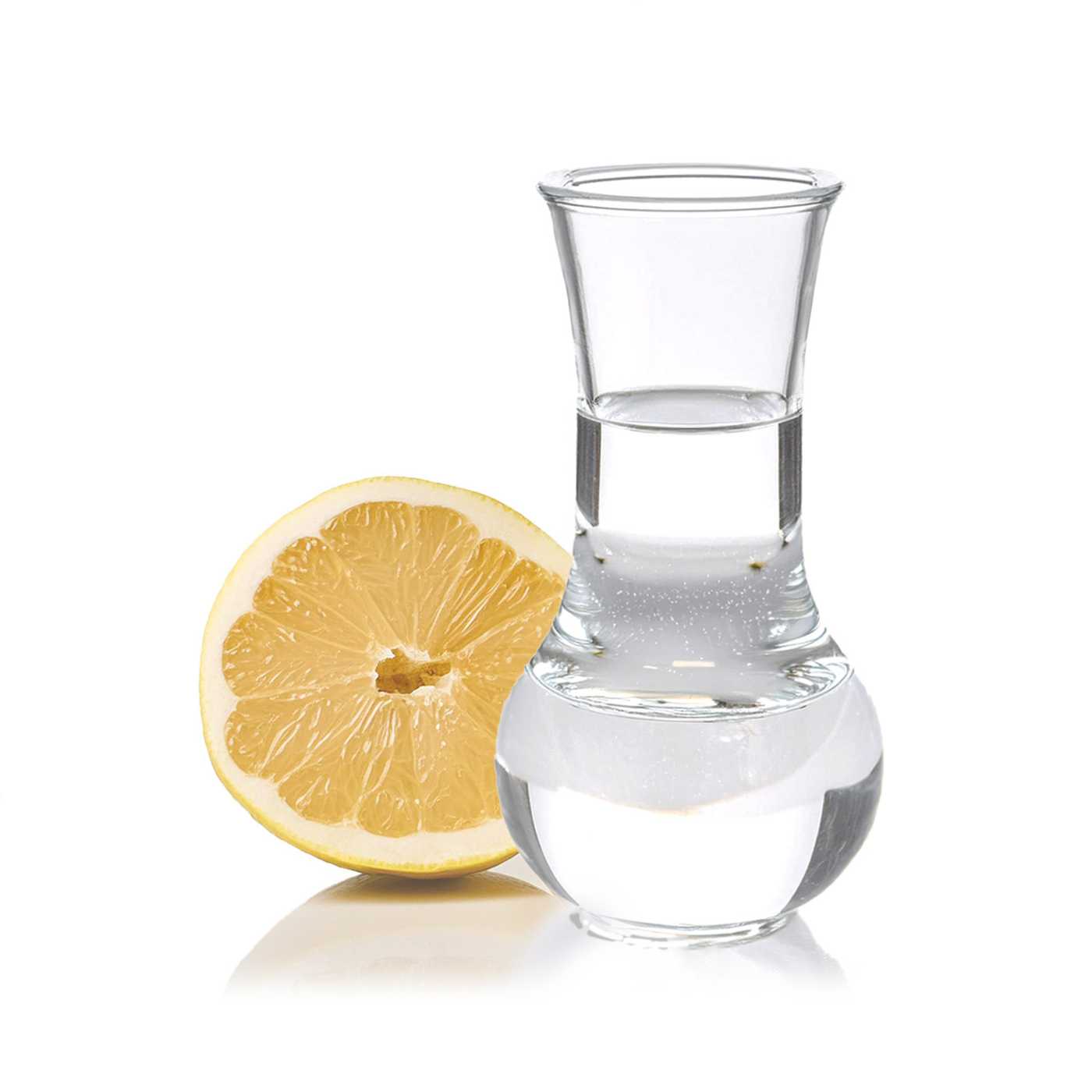
White grapefruit essential oil gives products a fresh, clean citrus scent and is particularly suited to products intended to refresh and help skin or hair rid itself of excess sebum: shower gels, shampoos, tonics for oilier skin, bath salts and candles. It is obtained by cold pressing from the peel of grapefruit fruits, without the use of heat or solvents, which is why it retains the character of fresh peel (Citrus Paradisi Peel Oil).

In a formulation it serves two roles at once. It is primarily a fragrance ingredient with a light, energetic tone that blends well with other citruses, mint, rosemary or herbal oils. At the same time, the manufacturer attributes astringent and cleansing properties to it, which is why it is used in care products for oily skin and scalp.


What to expect from the oil

  • Fragrance – fresh, clean grapefruit scent, a typical citrus top note that opens the product and develops quickly.
  • Oily skin – according to the manufacturer's data, the oil has an astringent and cleansing effect, helping to balance oily skin and reduce the appearance of imperfections. For this reason it is used in cleansing gels, tonics and masks.
  • Scalp – the manufacturer states that it helps remove excess sebum and styling product residue from the scalp, which is why it is added to shampoos and rinse-out conditioners.
  • Cooling and refreshing sensation – according to manufacturer data, it has a refreshing and cooling effect on the skin, which is utilised in after-sun products and bath preparations.
  • Origin – according to the manufacturer, the oil is vegan and not tested on animals; it comes from North American fruits.

Use in formulation

The essential oil is not water-soluble. In anhydrous products (oil serums, massage blends, balms, bath salts with a carrier oil) it is simply blended into the oil phase. In emulsions it is added to the oil phase or at the very end into the cooled emulsion. For water-based products such as tonics, refreshing sprays or shower gels with a low surfactant content, a solubiliser is required (for example Polysorbate 80 or PEG-40 Hydrogenated Castor Oil), otherwise the oil will separate on the surface. In shampoos and shower gels with a sufficient amount of surfactants it will usually disperse even without one, but it is advisable to check clarity on a test batch.

The oil is volatile, so always add it as the last ingredient, at a temperature of approximately below 40 °C and with continuous stirring. If added to the hot phase, part of the fragrance will be lost before filling into the container.

Dosage depends on the type of product. For products that come into contact with skin, IFRA limits apply for the individual product categories; the categories to which this oil belongs are listed in the product parameters. Leave-on products (creams, body oils, deodorants) generally have stricter limits than rinse-off products (soaps, shampoos, shower gels). Separate, strictest categories apply for products intended for children and for lip products.

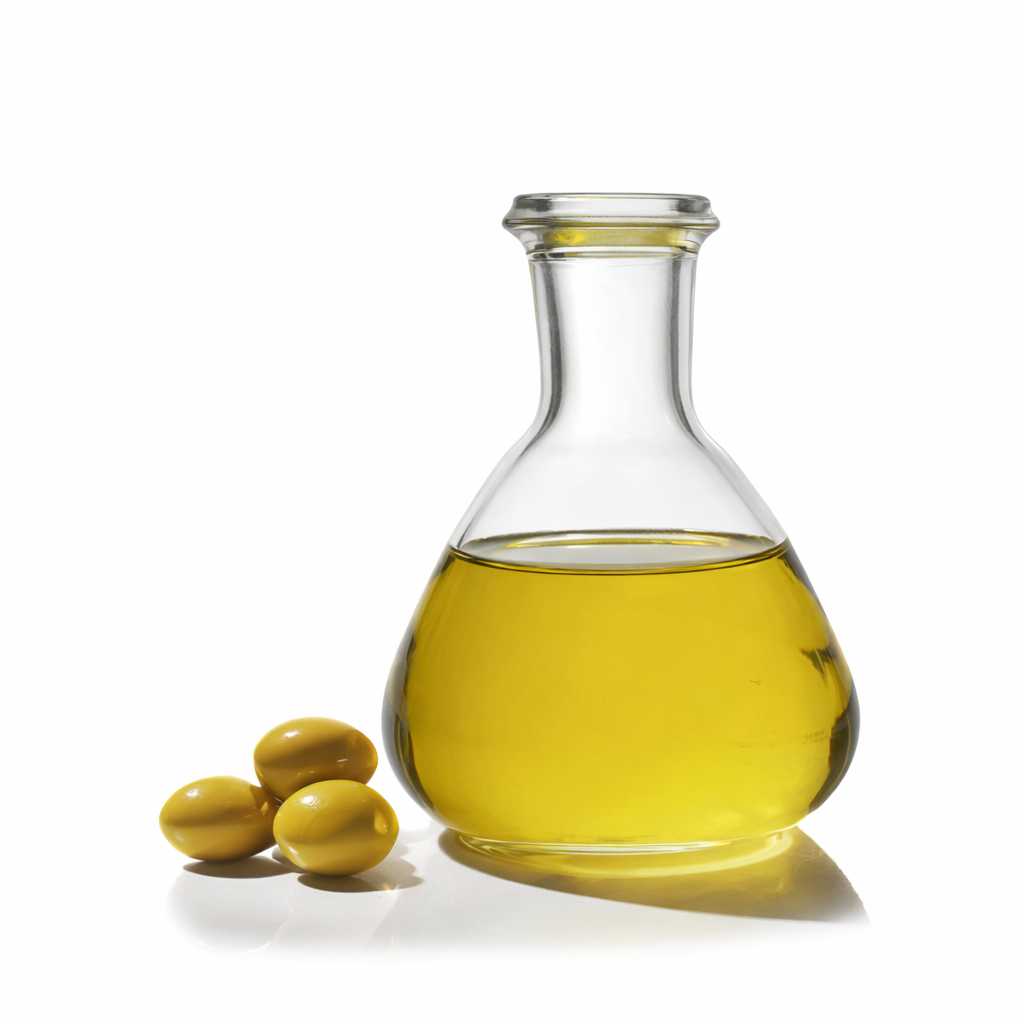
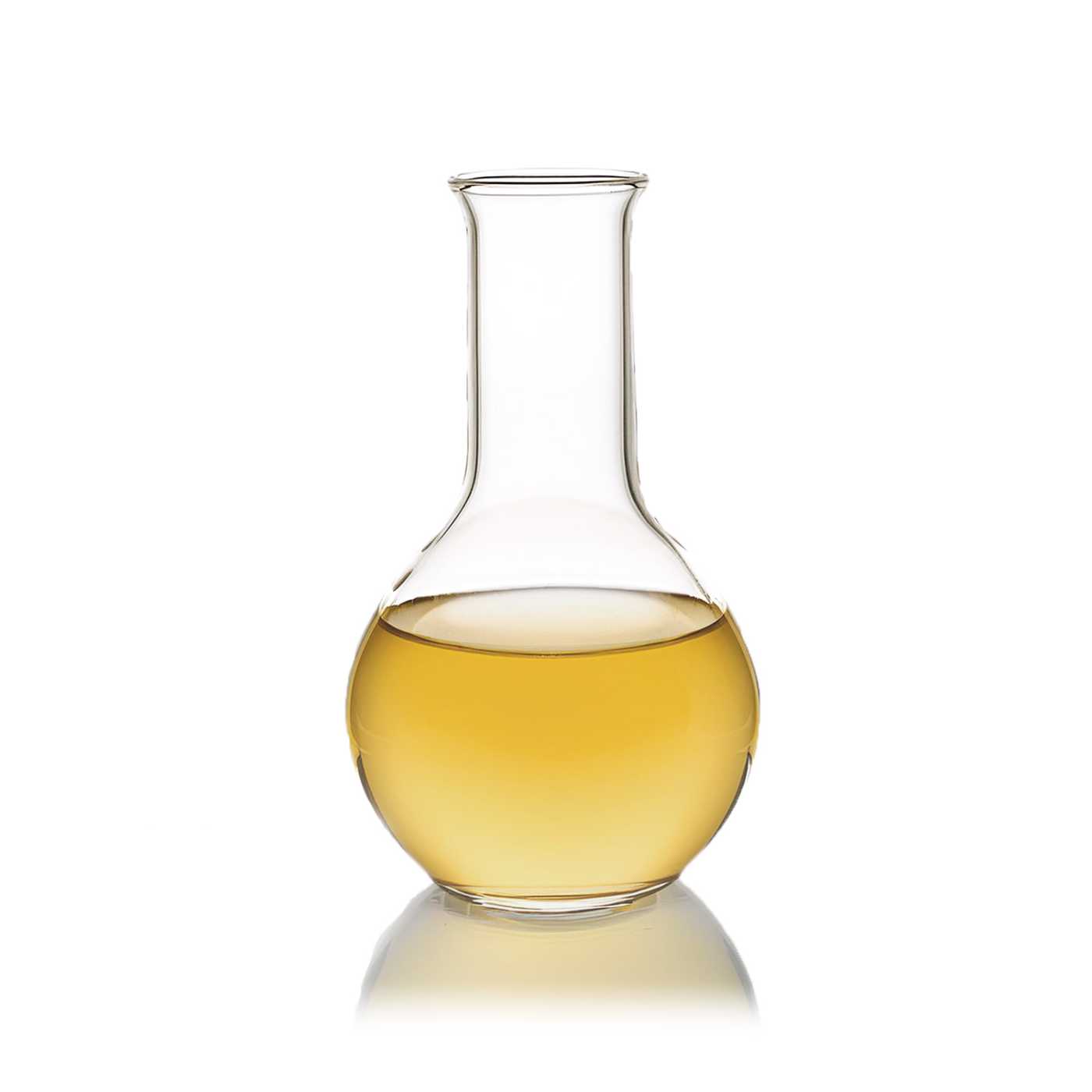
The colour of the oil ranges from colourless to dark yellow depending on the batch. In white creams and clear tonics it will not show at typical dosages; at a higher proportion in a clear bottle the product may turn slightly yellow.

The oil is classified under the CLP Regulation as a hazardous substance: flammable, irritant, sensitising, with serious health risks and hazardous to the environment. When working with the concentrate, follow the safety data sheet available with the product.


Suitable for products such as

  • Rinse-off cosmetics – shower gels, liquid and solid soaps, shampoos and conditioners, where both the fresh fragrance and the cleansing character of the oil come into play.
  • Oily skin care – cleansing gels, tonics (with a solubiliser) and masks.
  • Body products – massage oils, body oils, bath salts, after-sun products; always within IFRA limits for the given category.
  • Room fragrances and candles – aroma lamps, diffusers, container candles and scented waxes, where grapefruit complements other citruses and herbs well.

What is worth knowing

Citrus oils are among the top notes that evaporate from a finished product more quickly than woody, resinous or floral oils. If the fragrance is to last longer, combining it with heavier ingredients (cedarwood, patchouli, benzoin) or with a fixative works well. With candles and scented waxes it is worth testing the intensity on a small sample, as a light citrus note may perform more weakly in hot wax than the scent from the bottle suggests.

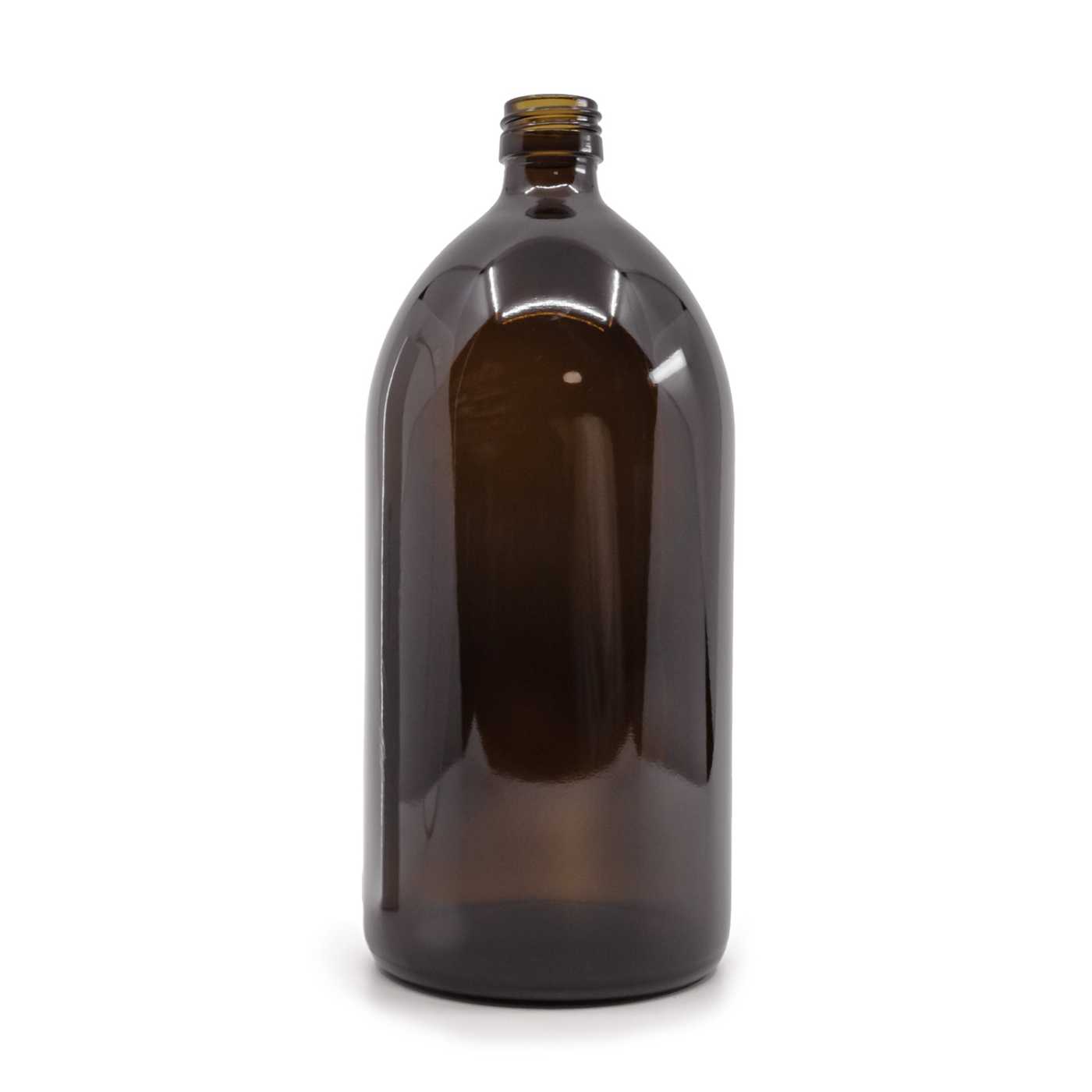
Cold-pressed citrus oils are prone to oxidation. In a finished product with an oil phase, adding an antioxidant such as vitamin E helps slow down fragrance change. When choosing packaging, bear in mind that concentrated essential oils can attack certain plastics; glass is more suitable for storing blends with a higher oil content.

The oil itself does not require preservation, but every water-based product to which it is added must have its own preservation system. The essential oil does not replace it.


Frequently asked questions

Is white grapefruit essential oil water-soluble?
No, white grapefruit essential oil does not dissolve in water and will separate on the surface without an auxiliary substance. It is added to tonics, sprays and other water-based products together with a solubiliser, for example Polysorbate 80 or PEG-40 Hydrogenated Castor Oil. In oils, balms and emulsions it is blended into the oil phase without additional auxiliary substances.
How is grapefruit essential oil added to a cream?
It is added to the cream at the very end, into the cooled emulsion, at a temperature of approximately below 40 °C. The oil is volatile and part of the fragrance would evaporate in the hot phase. It is blended in with continuous stirring to ensure even dispersion. Dosage in leave-on creams must comply with IFRA limits for the relevant product category.
Can white grapefruit essential oil be used in candles?
Yes, candles of all types including container candles fall within the IFRA category in which this oil is used. The citrus fragrance is, however, light and in hot wax it may perform more weakly than from the bottle, so we recommend testing the intensity on a trial candle and, if needed, combining the oil with woody or resinous fragrances to anchor it.
What is the difference between grapefruit essential oil and grapefruit fragrance oil?
Grapefruit essential oil is a natural substance obtained by pressing the fruit peel; grapefruit fragrance oil is a composite perfume composition that mimics the scent of grapefruit. The essential oil has more variable colour and fragrance from batch to batch, is subject to oxidation, and the IFRA limits for natural citrus oil apply to it. Fragrance oil tends to be more stable and often lasts longer in a product, but it has no plant-based origin.
Is white grapefruit essential oil suitable for soap?
Yes, both solid and liquid soaps fall within the IFRA category in which the oil is used. For cold-process soap, we recommend checking the fragrance behaviour on a small batch, as citrus oils often fade during soap curing. Dosage in soap is governed by the IFRA limit for rinse-off products, which is less strict than for leave-on products.
Does a product containing grapefruit essential oil need a preservative?
The oil itself does not need a preservative, but a water-based product containing this oil does. The essential oil does not replace a preservation system, even though the manufacturer attributes cleansing properties to it. Anhydrous products such as massage oils or balms do not require a preservative, but it is advisable to add an antioxidant to slow down oxidation of the citrus oil.

Parameters

INCI
Citrus Paradisi Peel Oil
CAS No.
8016-20-4
Country of origin
USA
Volume
10 ml

Product documentation

TDSTechnical Data Sheet
Physical parameters and processingPDF ↓
IFRAIFRA Certificate
batch 21815PDF ↓
AllergensAllergen Declaration
batch 21815PDF ↓
Download all (ZIP)

3 PDF files in one archive

Learn how to work with it

From our blog
REVIEWS

Verified by customers.

No reviews yet.

Only customers with a delivered order can write reviews.