+421 950 333 113info@handymade.storeHandymade Days: −10 % on all ready-made productsShop now

ACTIVE INGREDIENTS

Hyaluronic Acid, vegetable, LMW, less than 10 kDa, 10 g

Pack size1 g5 g10 g100 g500 g

Hyaluronic acid XS hydrates the skin more deeply than standard high molecular weight hyaluronic acid. Its very short chains with a molecular weight below 10 kDa penetrate beneath the skin surface and bind water there. full description

AvailabilityIn stock · 56 packs
Product codeAD027_10
Batch2277
Best before09/2027
€15.99incl. VAT−30 %Previous price €22.99€1,599.00/kg

Lowest price in the 30 days before the discount: €22.99

Product description

Hyaluronic acid XS hydrates the skin more deeply than standard high molecular weight hyaluronic acid. Its very short chains with a molecular weight below 10 kDa penetrate beneath the skin surface and bind water there. It barely thickens the formulation, so a serum or toner made with it stays liquid.

It belongs in products for hydration, skin elasticity and mature skin care.


How it differs from high molecular weight hyaluronic acid

The main difference is where it works. Long chains stay on the skin surface, bind a lot of water and form a hydrating film that you can feel straight after application. The shorter the chain, the less water it binds, but the deeper it reaches into the skin. Type XS has the shortest chains. It penetrates the skin deeper than any other molecular weight and forms only a weak instant film on the surface.

The behaviour in the formulation differs as well. High molecular weight hyaluronic acid swells in water and forms a gel even at tenths of a percent. Type XS thickens only minimally and a solution made with it stays thin.

Both forms can be combined. Long chains provide the film and the feeling of hydration on the surface, while short chains add hydration deeper in the skin.


Origin of the ingredient

It is produced by microbial fermentation of plant carbohydrates from maize, wheat and sugar cane. The fermentation is carried out by a non-genetically modified strain of Streptococcus zooepidemicus. The ingredient contains no materials of animal origin, is vegan, GMO-free, gluten-free and free from palm oil derivatives. It is COSMOS Approved and NATRUE Approved.


Key benefits

  • Hydration deeper in the skin – supports hydration also below the skin surface, where long chains do not reach.
  • Appearance of fine lines and wrinkles – well-hydrated skin looks smoother and more elastic, and fine lines are less visible.
  • Liquid texture – suitable for toners, sprays and micellar waters, where a gel is not wanted.
  • Conditioning ingredient – also used in hair care and scalp care products.

Use in formulations

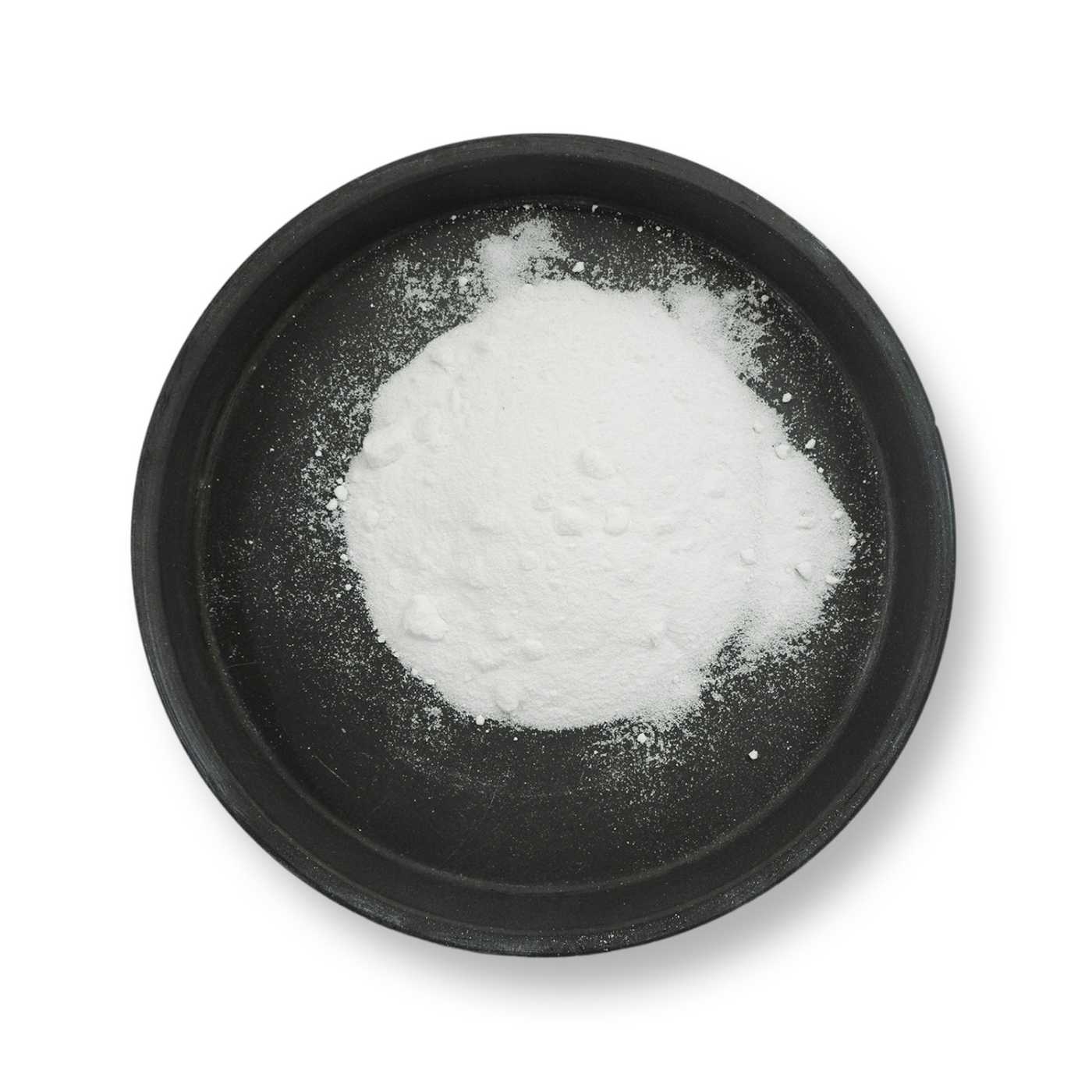
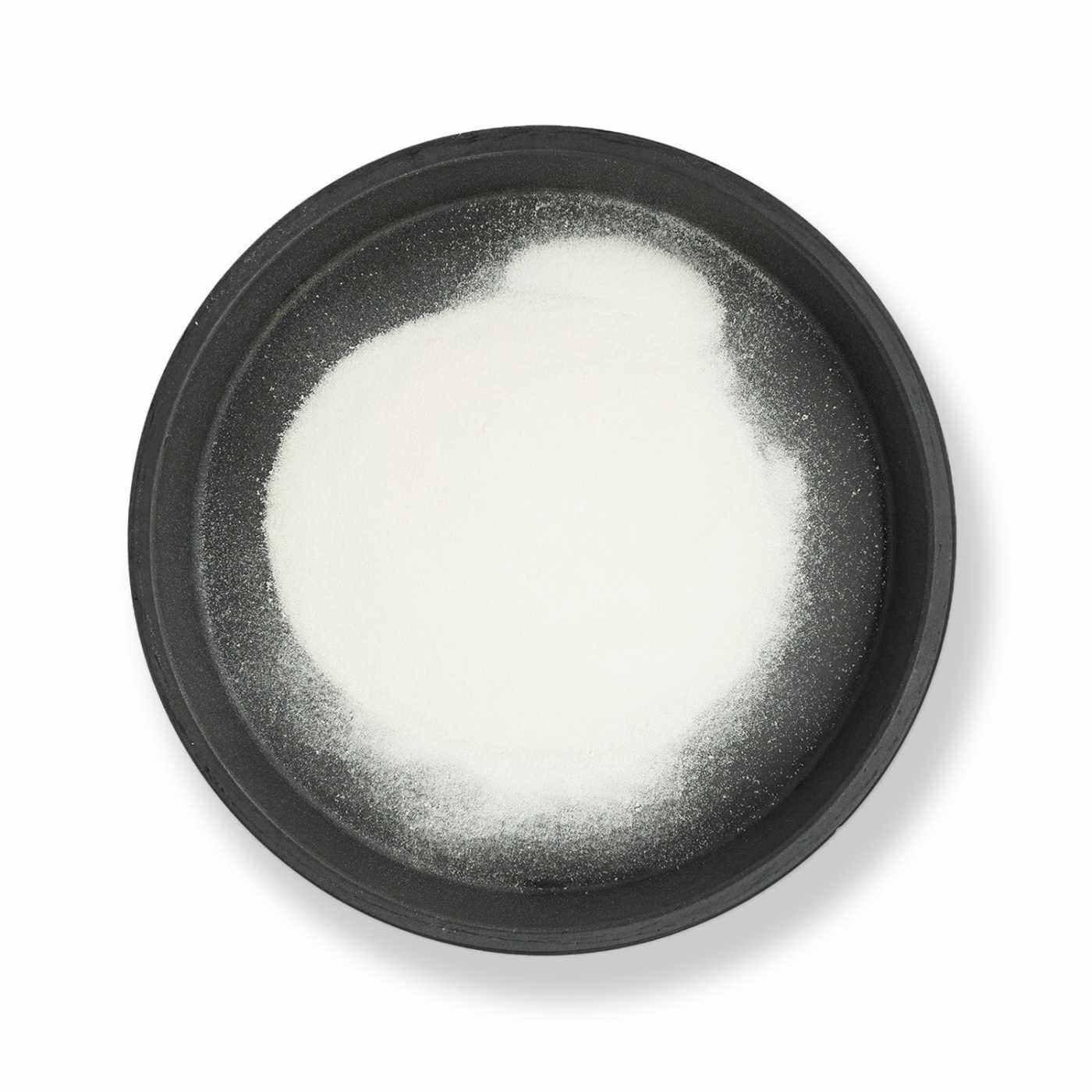
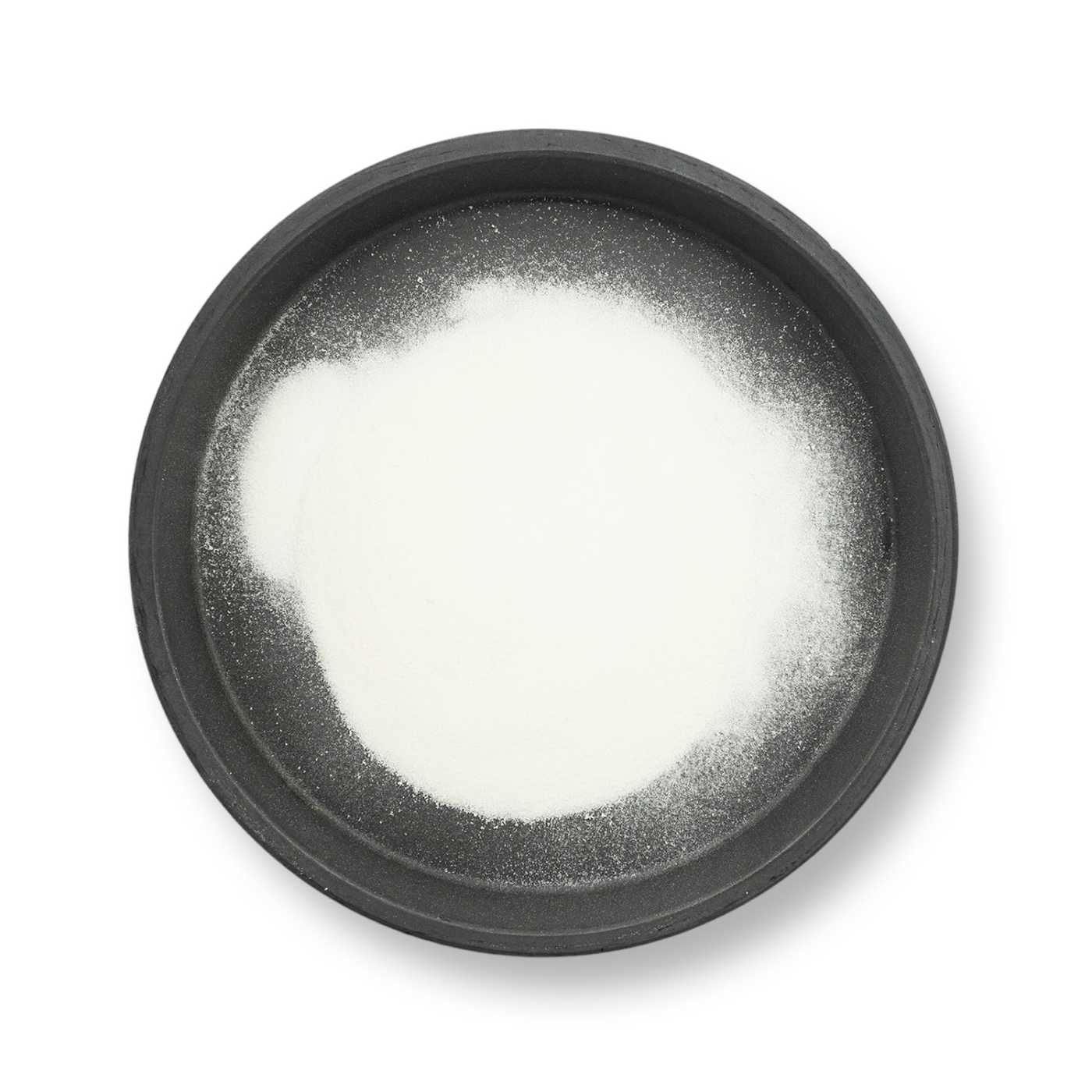
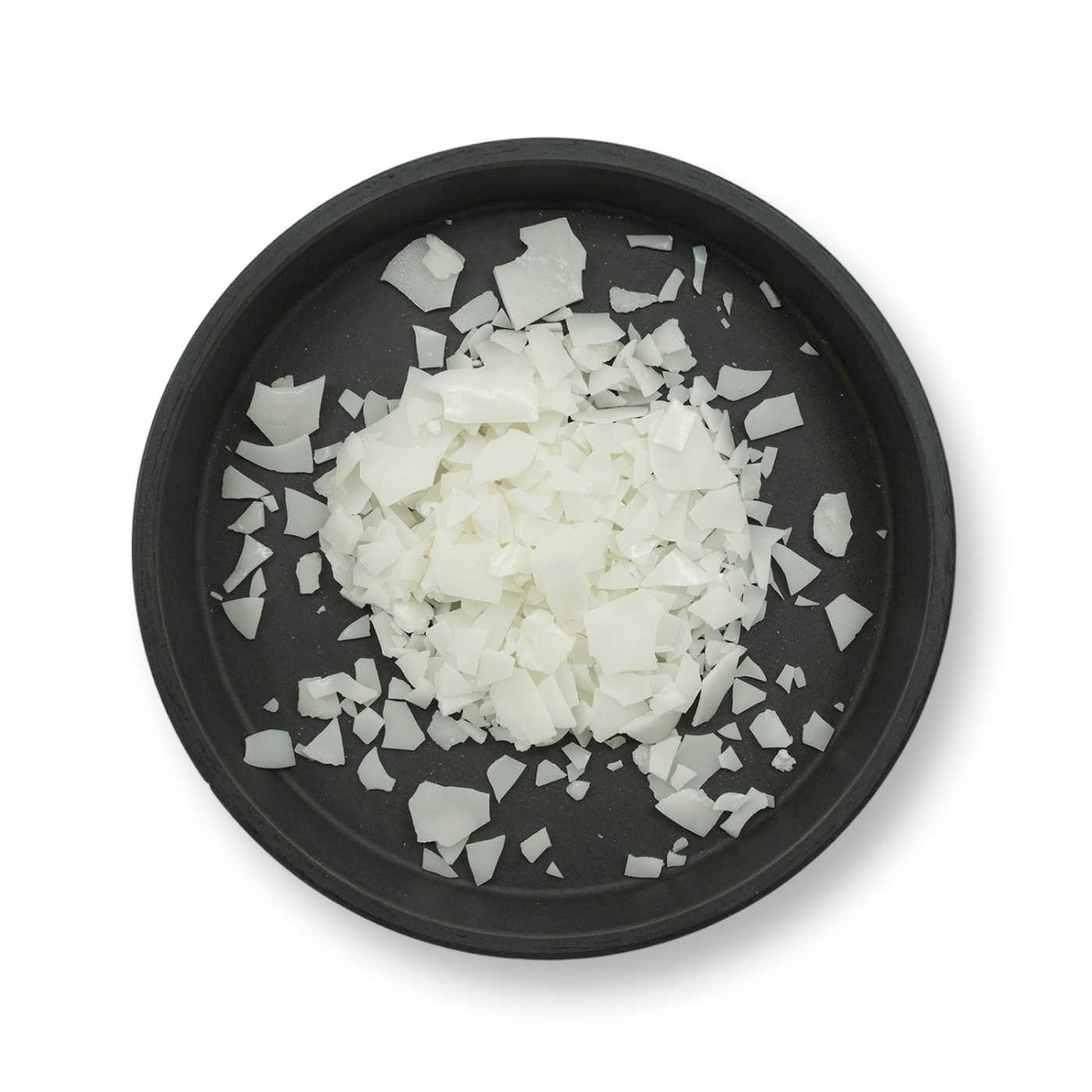
The white to beige powder is water-soluble and belongs in the water phase. Sprinkle it slowly into the water while stirring intensively until it dissolves completely. If it dissolves with difficulty, a short homogenisation at low speed will help.

Process it at a temperature below 40 °C. In emulsions, add it only during cooling.

The usage rate is 0.05–0.5%. The recommended pH of the finished product is 5–8. The ingredient is compatible with anionic, non-ionic and amphoteric surfactants and with alcohol. It is therefore also suitable for micellar waters and cleansing products.

Do not pour the powder into the water all at once, as it will form lumps. Also avoid high shear forces, which can damage the hyaluronate chains.


Suitable for products such as

  • facial serums and toners where the texture should stay liquid
  • micellar waters and facial cleansing products
  • creams and facial lotions to which it is added during cooling
  • products for the eye area
  • body lotions and hydrating sprays
  • shampoos, hair toners and scalp care

Good to know

You cannot achieve a gel texture with this ingredient. If you want a thicker serum, add a separate thickener, for example hydroxyethylcellulose or xanthan gum.

A stock solution must be preserved. An unpreserved aqueous solution of low molecular weight hyaluronate degrades microbially over time at room temperature. For this reason, prepare the solution fresh and store it in a cool place, or add a preservative to it.

On the label of the finished product, the ingredient is listed as Sodium Hyaluronate or Hydrolyzed Sodium Hyaluronate. When weighing, do not stir up the powder and do not inhale the dust.

The ingredient is not compatible with oxidising agents, strong acids and strong alkalis. Hydrogen peroxide cleaves the chains, and traces of copper significantly accelerate this degradation, especially around pH 4 and at higher temperatures. Avoid contact with copper and consider adding a chelating agent.


Frequently asked questions

What is the difference between low molecular weight and high molecular weight hyaluronic acid?
Low molecular weight hyaluronic acid penetrates deeper into the skin, while high molecular weight hyaluronic acid stays on the surface and forms a hydrating film. Long chains bind more water and thicken the formulation into a gel. Short chains of type XS with a weight below 10 kDa barely thicken and form only a weak film on the surface. Both forms can be combined in one product.
How does hyaluronic acid XS dissolve in water?
Hyaluronic acid XS dissolves directly in water, into which it is sprinkled slowly while stirring intensively. If added all at once, it forms lumps. If it dissolves with difficulty, a short homogenisation at low speed will help. The processing temperature should stay below 40 °C, so in emulsions it is added only during cooling.
How much hyaluronic acid XS should go into a serum?
In a serum, hyaluronic acid XS is used at 0.05–0.5%. For 100 g of product, that means 0.05–0.5 g of powder. The same range applies to leave-on and rinse-off products for the face, eye area, body, hair and scalp.
Will hyaluronic acid XS thicken a serum into a gel?
No, hyaluronic acid XS thickens only minimally and a serum made with it stays liquid. A thicker texture can be achieved with a separate thickener, for example hydroxyethylcellulose or xanthan gum. Another option is to combine it with a hyaluronic acid of higher molecular weight, which forms a gel in water.
Is hyaluronic acid XS vegan?
Yes, hyaluronic acid XS is vegan. It is produced by microbial fermentation of plant carbohydrates from maize, wheat and sugar cane and contains no materials of animal origin. It is GMO-free and free from palm oil derivatives. It is COSMOS Approved and NATRUE Approved, so it can also be used in certified natural cosmetics.
Can hyaluronic acid XS be used in a shampoo or micellar water?
Yes, hyaluronic acid XS is suitable for shampoos, micellar waters and other rinse-off products. It is compatible with anionic, non-ionic and amphoteric surfactants and with alcohol. It is added to the water phase and the pH of the finished product should be in the range of 5–8. In hair care, it acts as a conditioning ingredient.

Parameters

INCI
Sodium Hyaluronate OR Hydrolyzed Sodium Hyaluronate
CAS No.
9067-32-7
EC number
618-620-0
Product colour
BeigeWhite
Country of origin
China
Appearance
Powder
Original best before date
31. 3. 2027
Formulation phase
Water phase
Recommended processing temperature
< 40 °C
Recommended usage rate
0,05 – 0,5 %
Recommended formulation pH range
5 – 8
Solubility
Water-soluble
Application type
Leave-onRinse-off
Certifications and declarations
Vegan
Natural Index (NI ISO 16128)
0,00
Manufacturer's certificate
COSMOS ApprovedNATRUE Approved
Natural Origin Index (NOI ISO 16128)
1,00

Product documentation

CoACertificate of Analysis
batch 2277PDF ↓
TDSTechnical Data Sheet
Physical parameters and processingPDF ↓
SDSSafety Data Sheet
Available for purchased products —
Download all (ZIP)

2 PDF files in one archive

Learn how to work with it

From our blog
Ružena M.3 Nov 2026SK

Verified purchase

ORGANIC HARMONY s. r. O.13 Oct 2026CS

Verified purchase