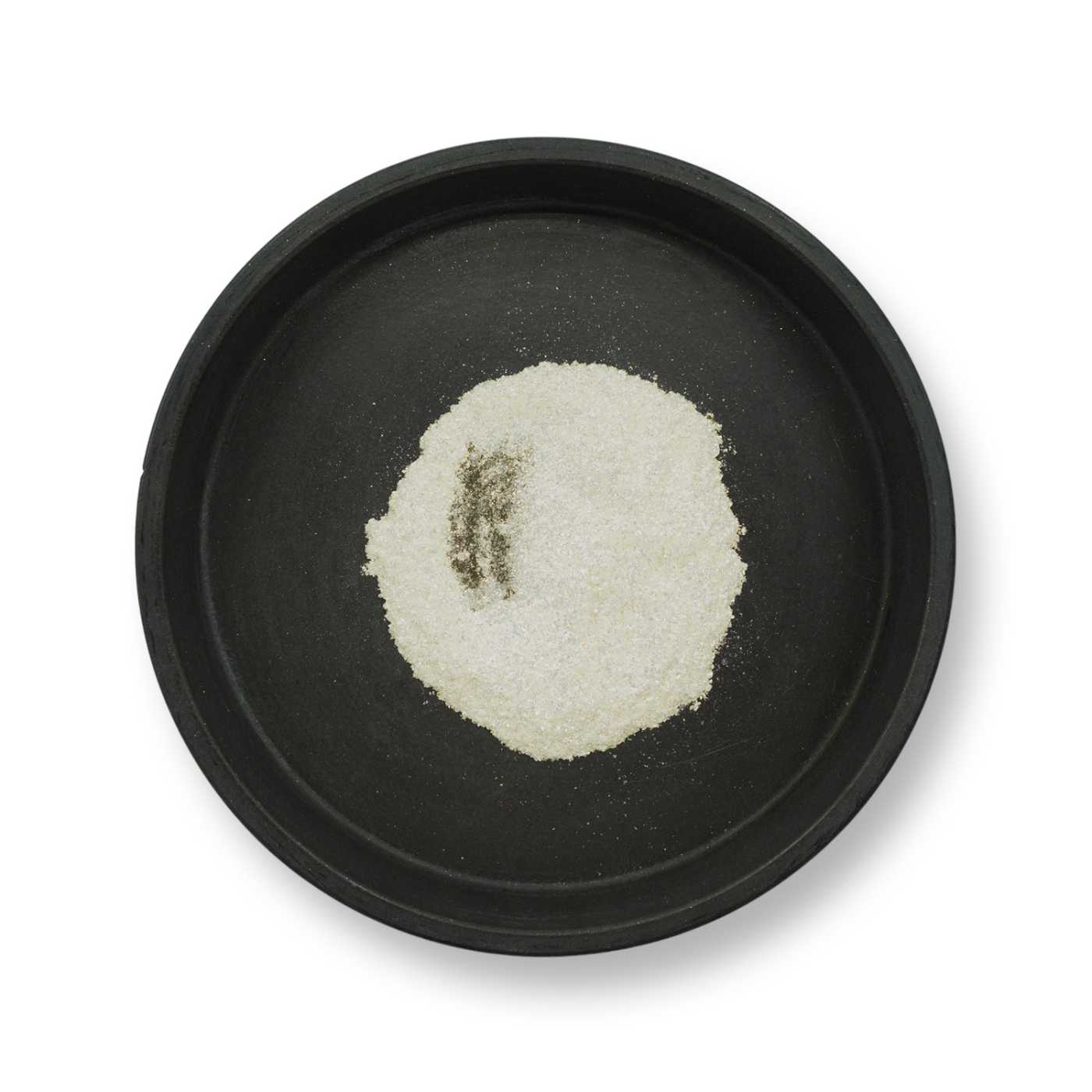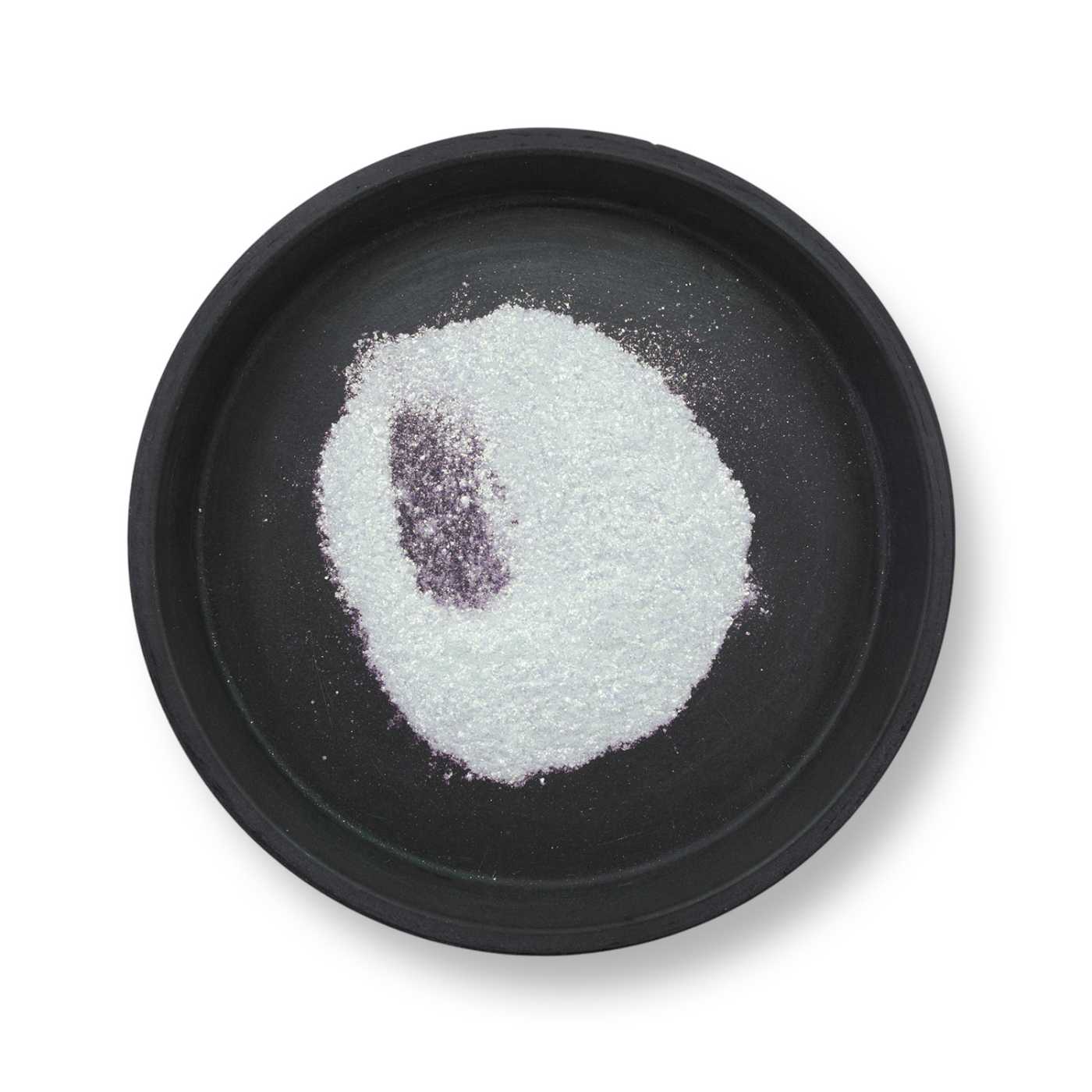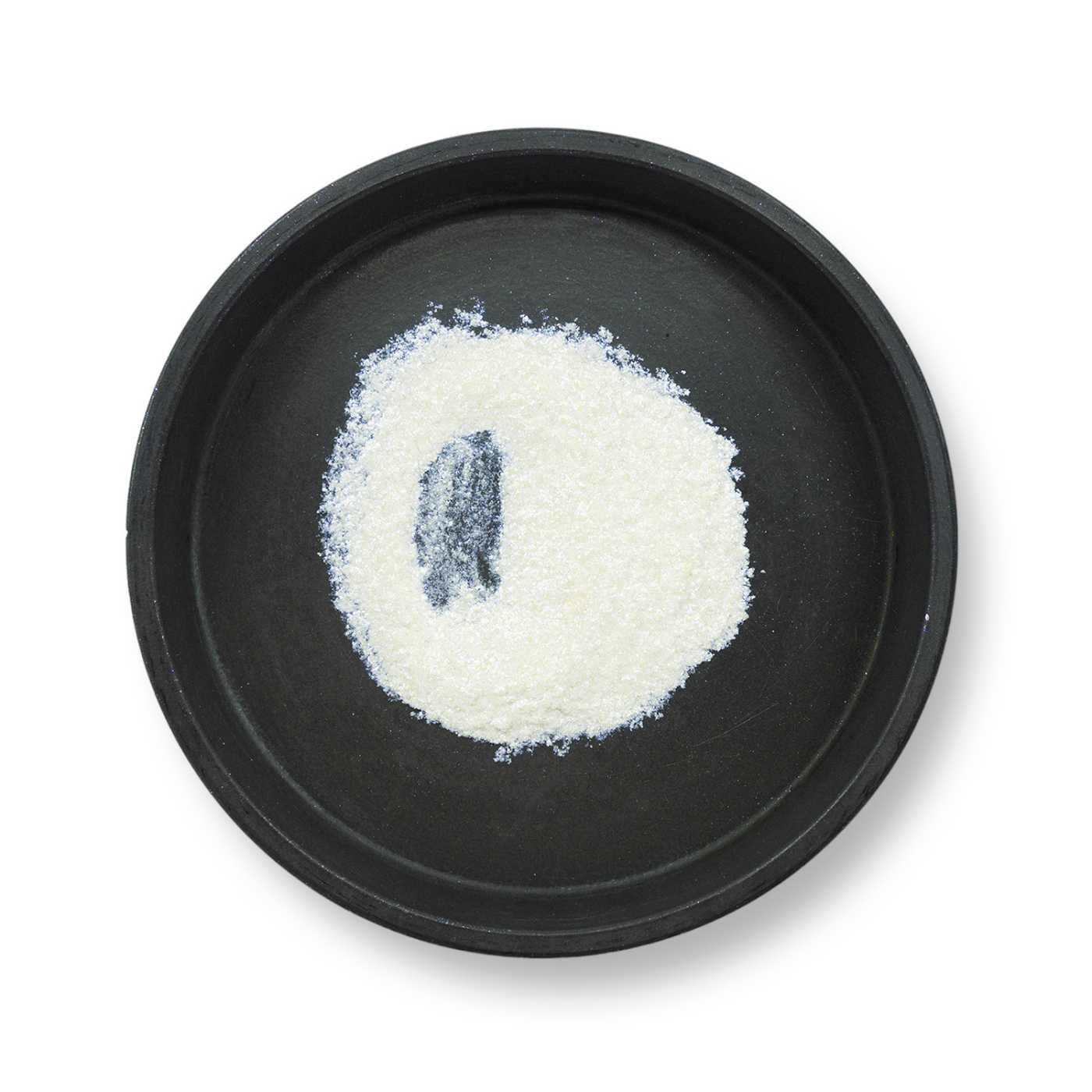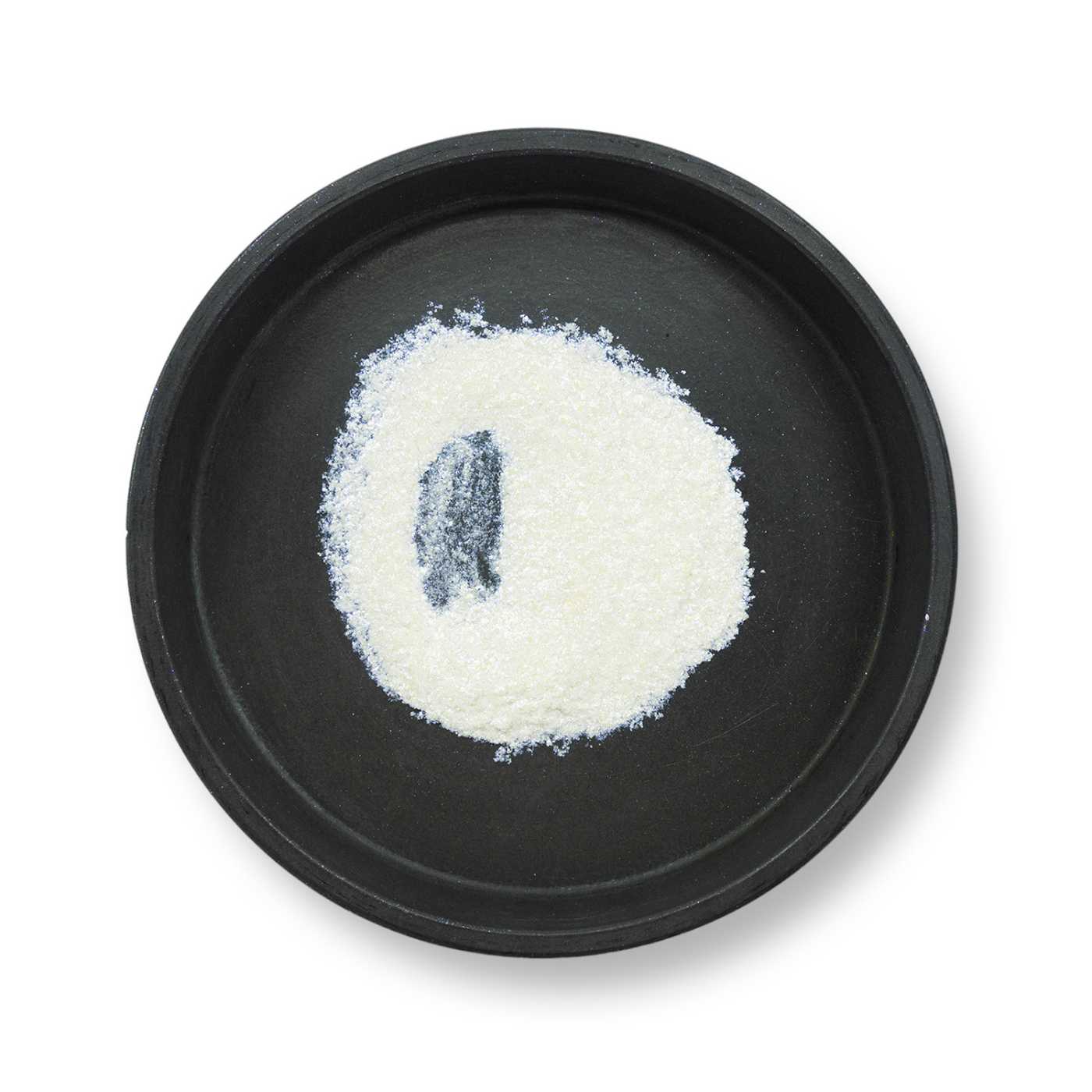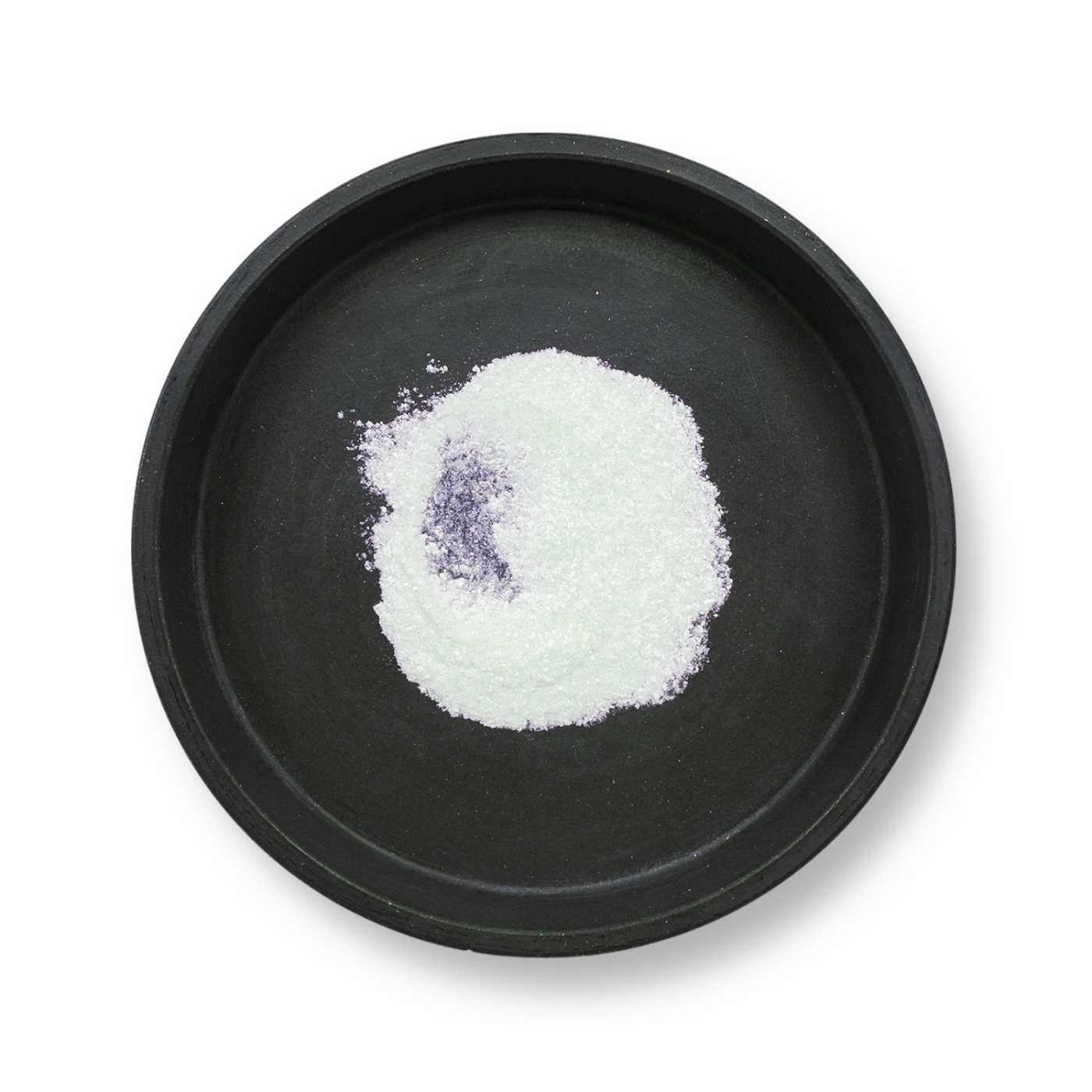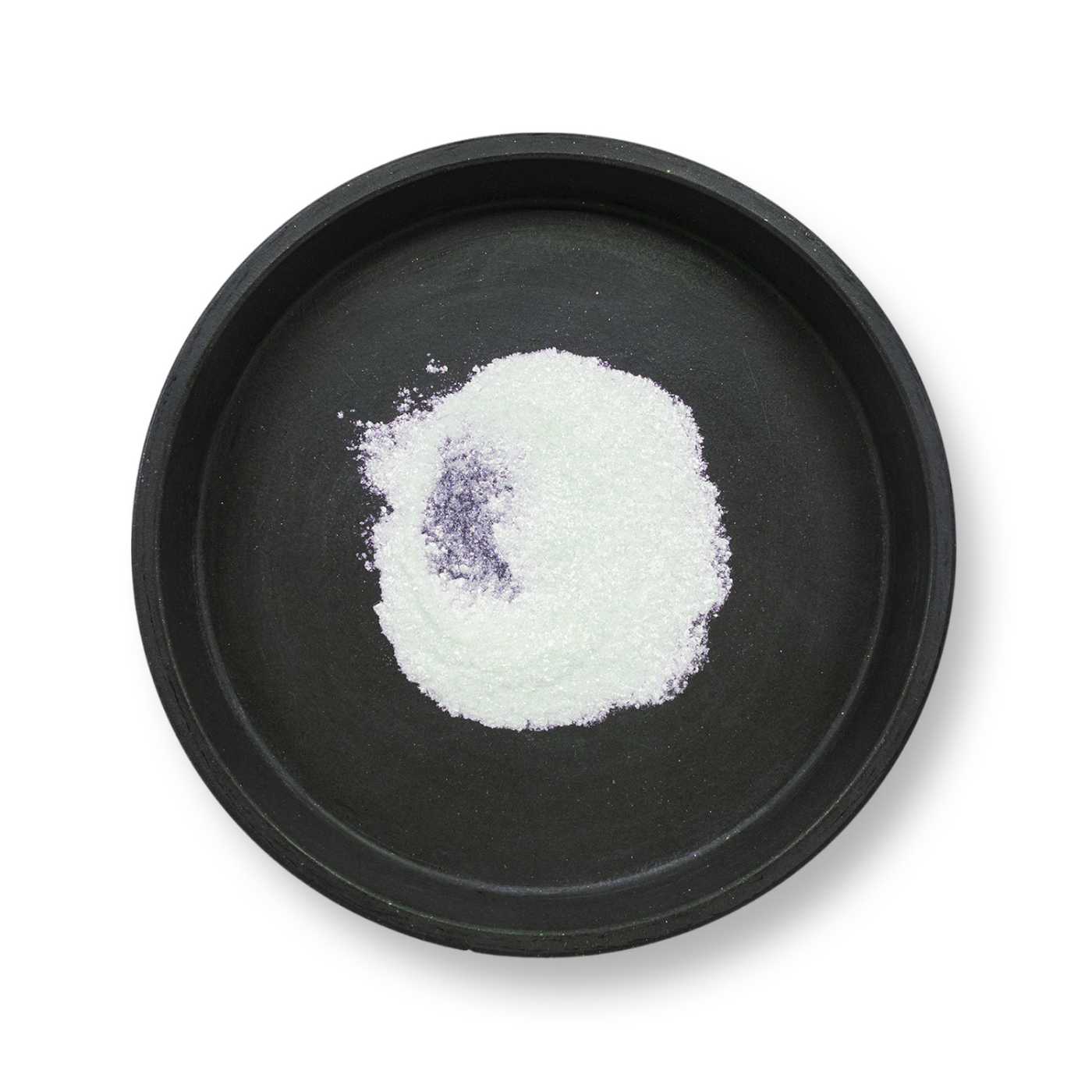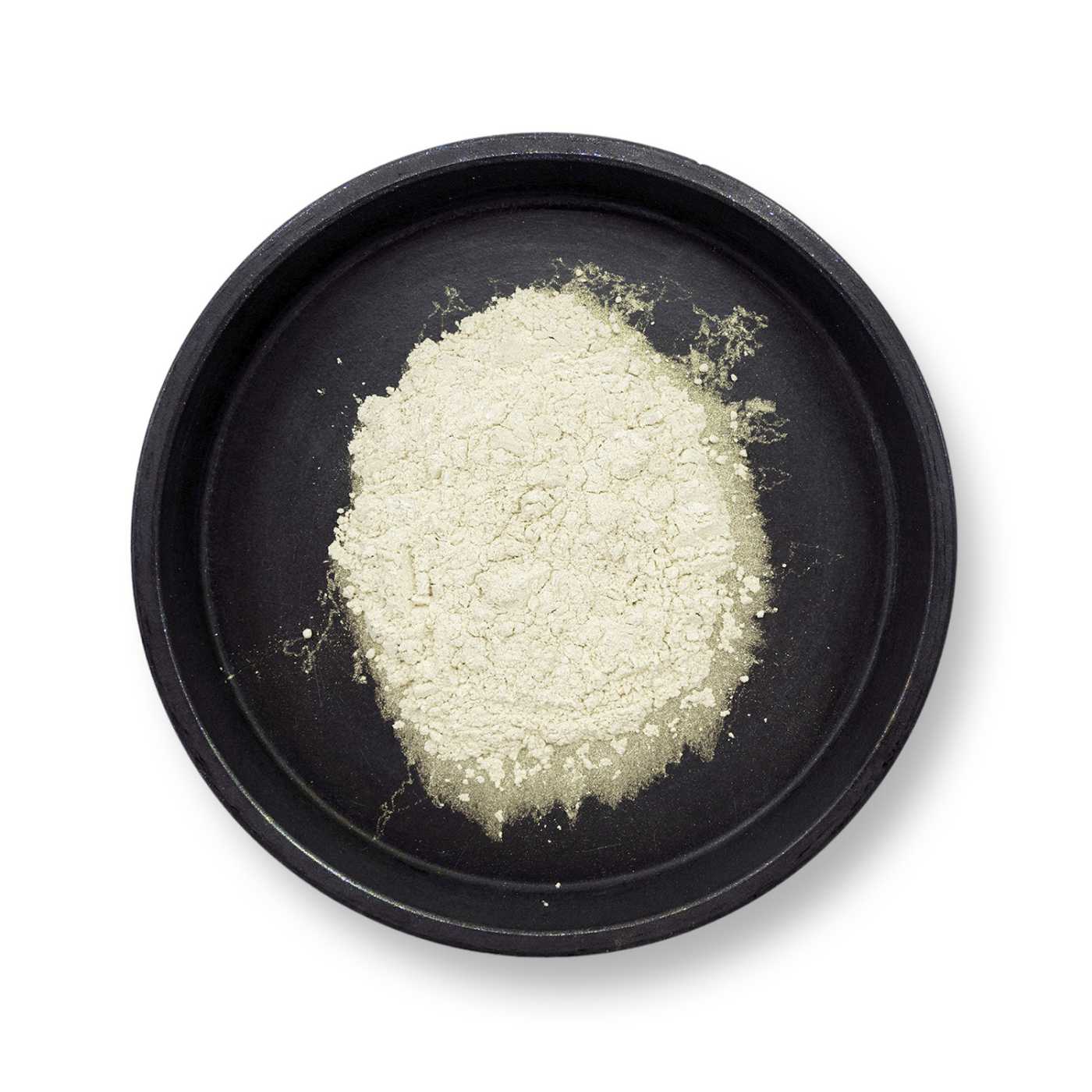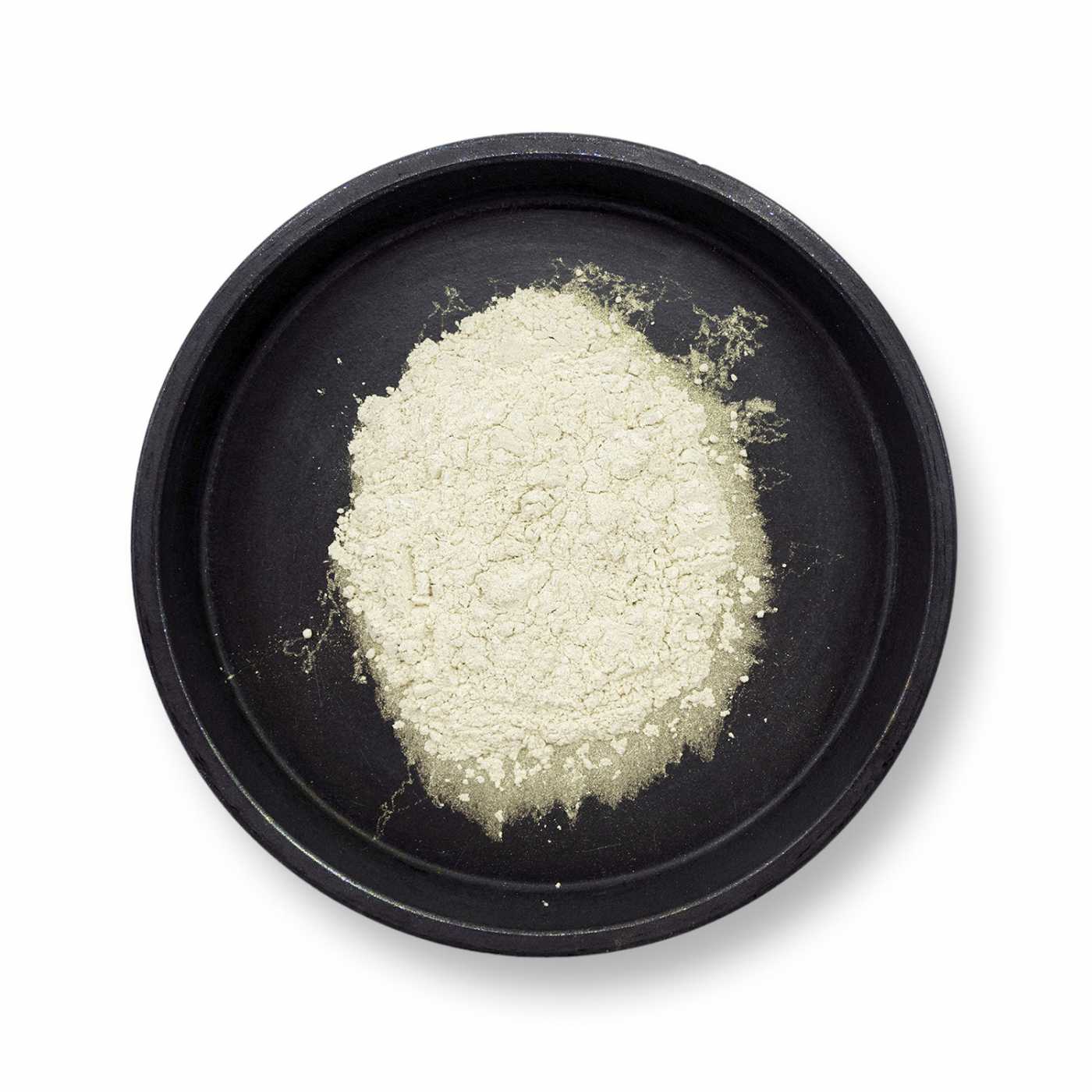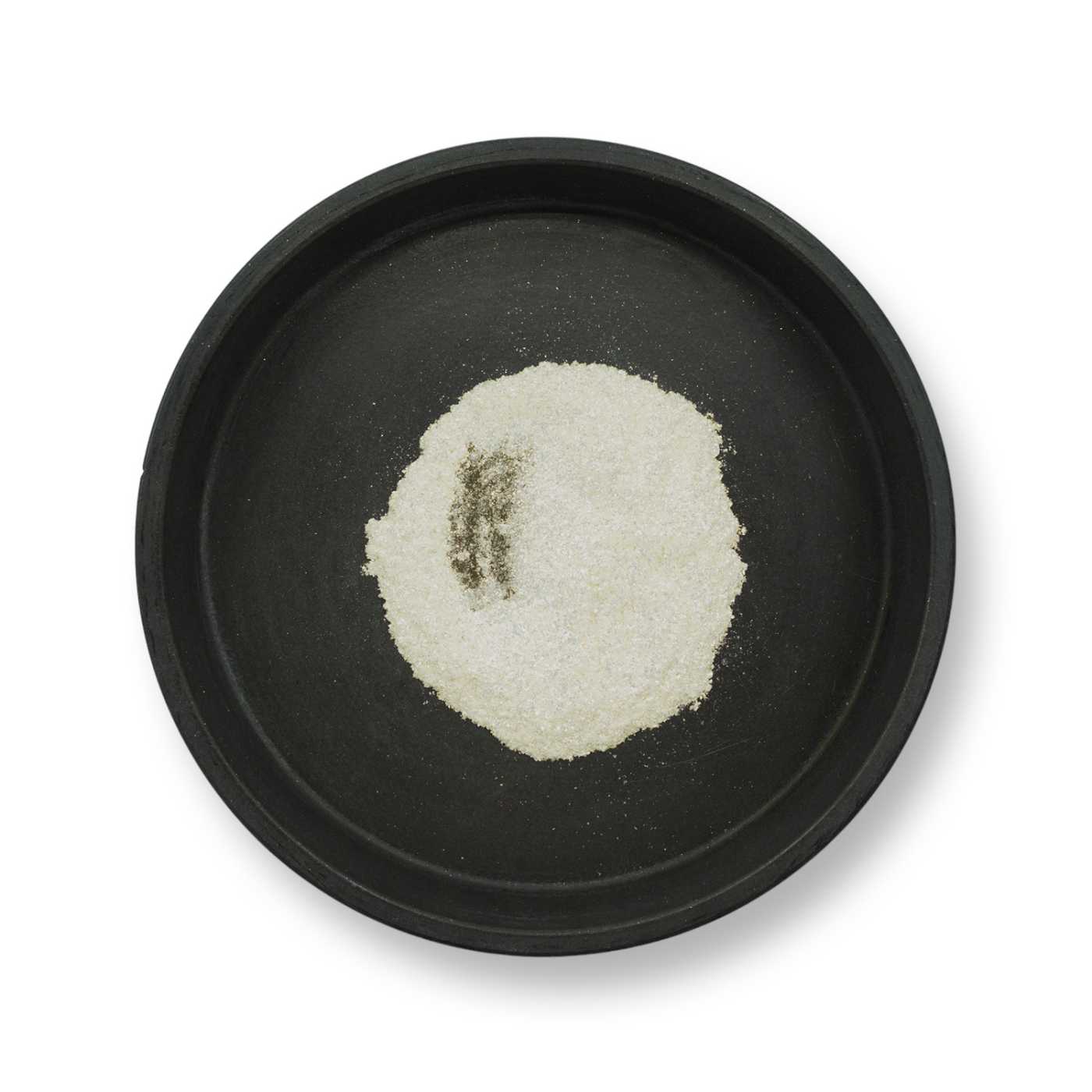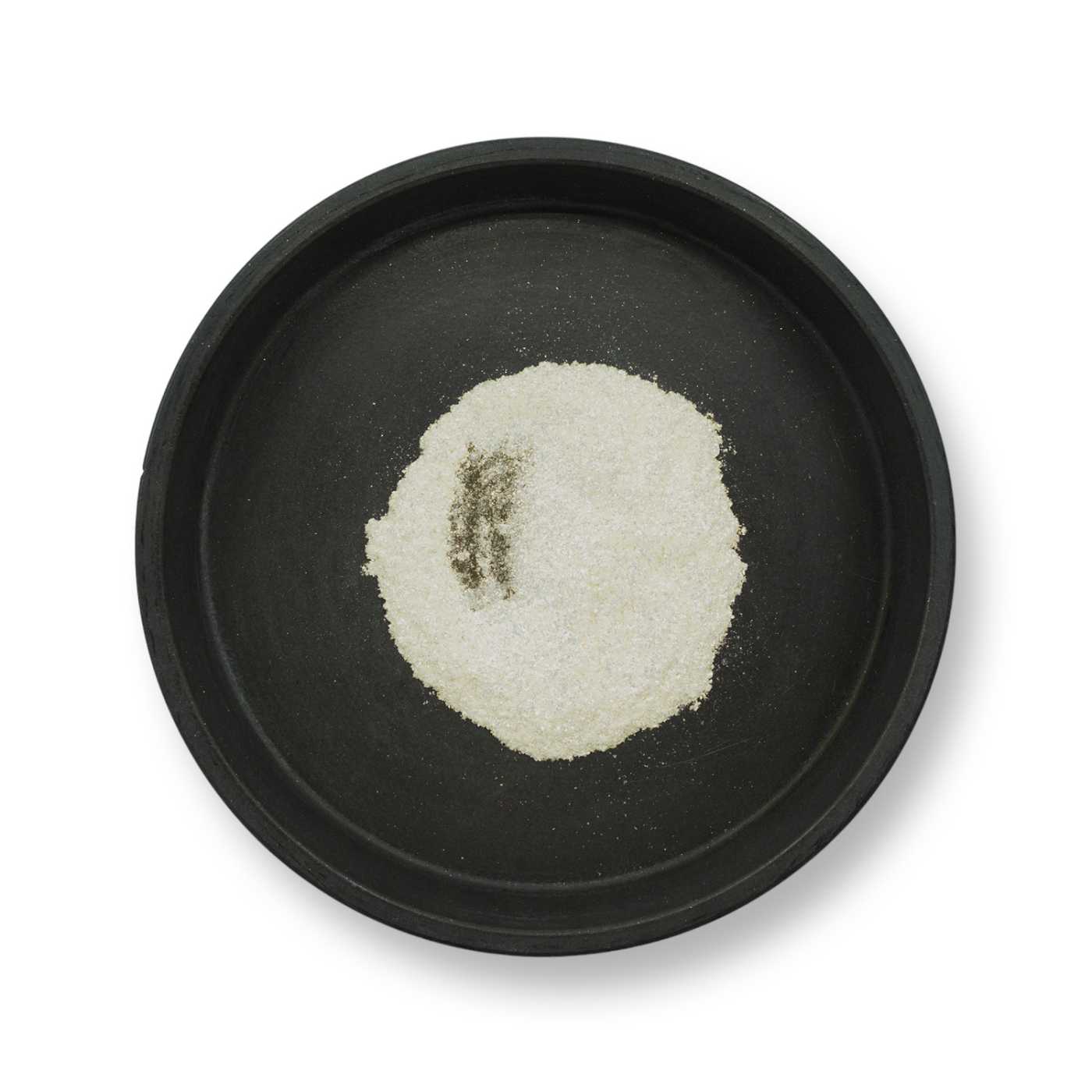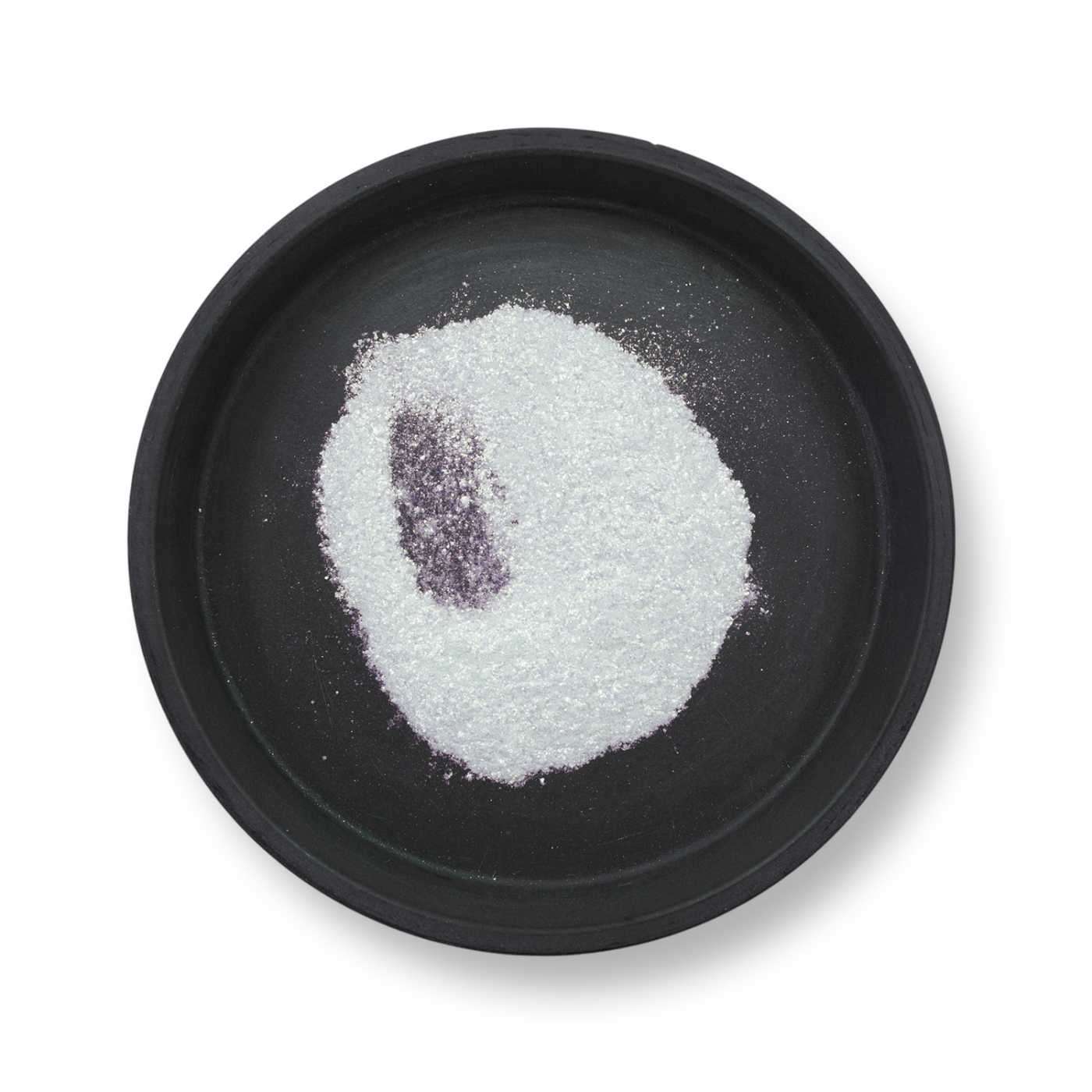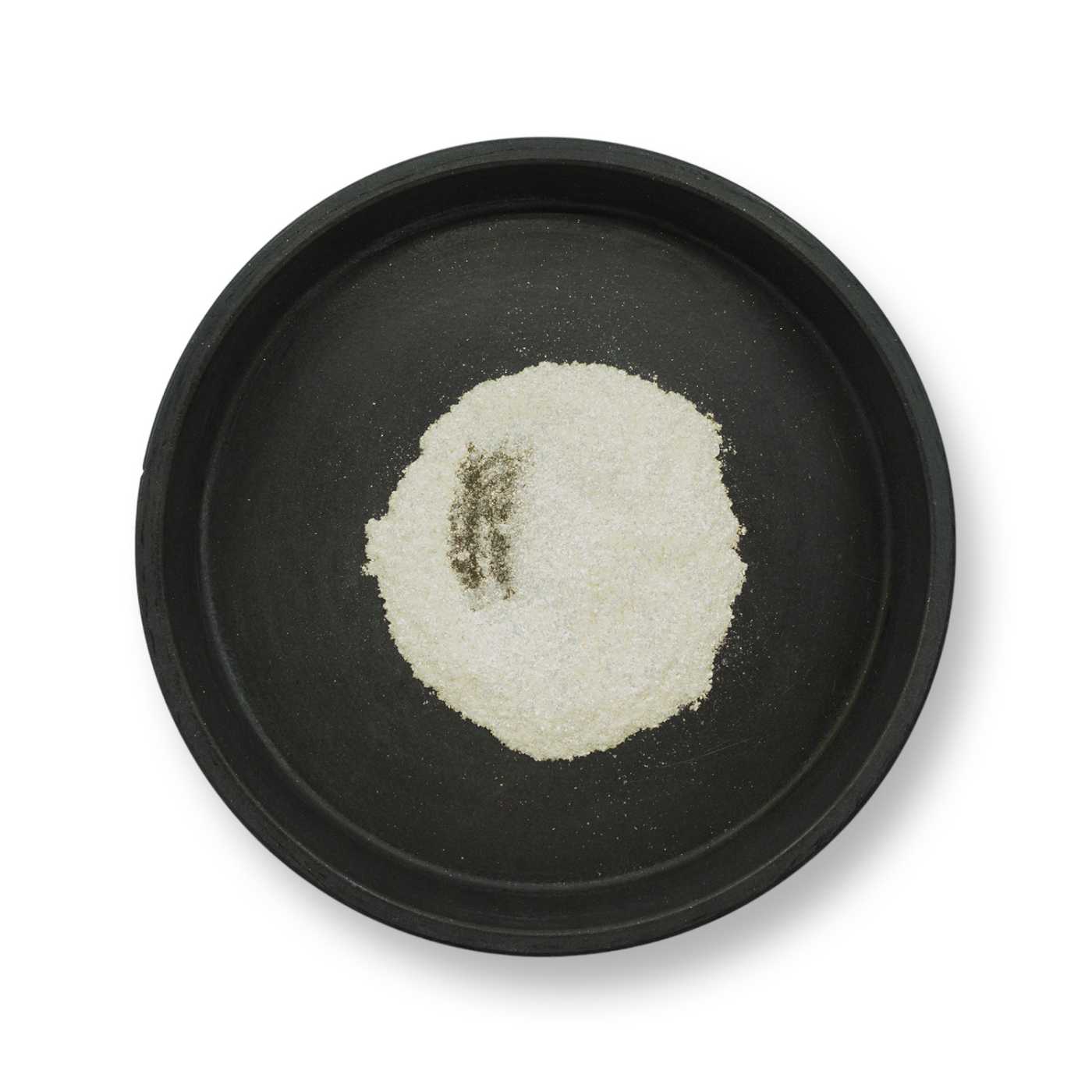
EcoSparks Reflection Dual-Color Pigment, Gold, 10 g
Pre-order€3.14(€314.00/kg)

15 products in this category
11 in stock now
4.9 out of 5 · 661 ratings
Documentation for every product
Showing 15 of 15 products
15 two-tone pigments that shift shade with the angle at which the light falls. The range consists of the EcoSparks line (blue, pink, gold and purple) and the classic two-tone pigment in gold and red – in packs from a 10 g sample up to 1 kg.
The chameleon effect shows best on accents: in decorative cosmetics and in glycerine soaps, where a clear base lets the shifting sheen do its work. Like other powder pigments they are insoluble – disperse them in a small amount of oil or glycerine before use and add them gradually, in small amounts.
Matte solid shades to combine with them are among the oxides, pearlescent ones in the MICA category, and the full overview in powder colourants.
A powder pigment whose shade changes with the angle at which the light falls – the so-called chameleon effect. That is why it is used for accents, where the movement of light across the surface of the product brings the effect out.
Decorative cosmetics and glycerine soaps – the shifting sheen shows best in a clear or glossy base. Dose gradually and disperse the pigment in oil or glycerine beforehand.