+421 950 333 113info@handymade.store

Spend over €100 for discounted shipping!

INTERFERENCE PIGMENTS

Interference Pigment, Red, 100 g

Pack size10 g100 g

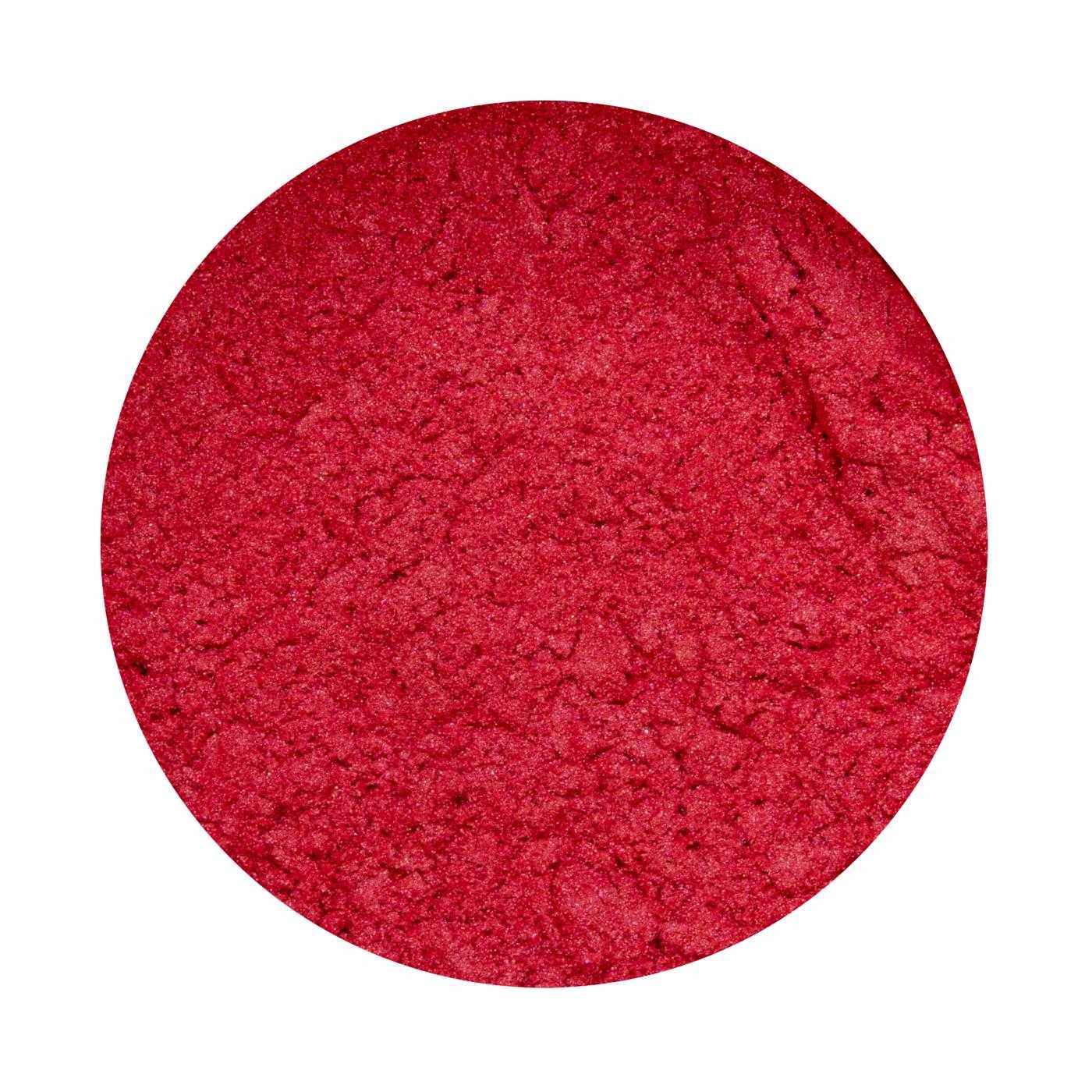
Interference pigment, red is a pearlescent interference pigment that gives products a pearlescent shine with a red sheen . full description

AvailabilityIn stock · last 1 pack
Product codeFGD002_100
Batch968484
Best before12/2031
€17.84incl. VAT€178.40/kg

Lowest price in the last 30 days: €17.84

Product description

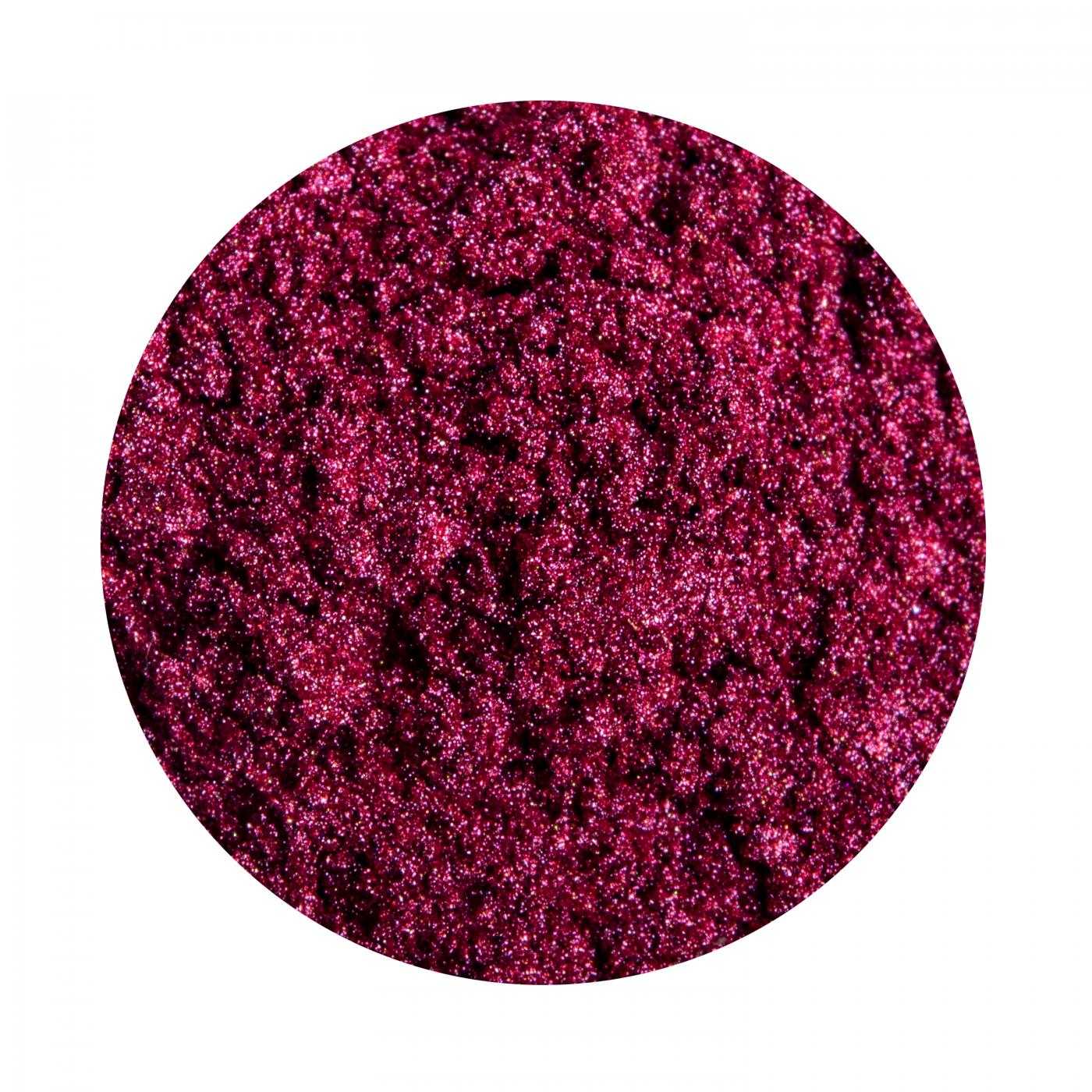
Interference pigment, red is a pearlescent interference pigment that gives products a pearlescent shine with a red sheen. The colour changes depending on the angle of the light, so the same layer looks whitish at one angle and red at another. It is used in decorative cosmetics for the eyes, lips and body, especially in eyeshadows, highlighters and lip glosses.


How the red sheen is created

The pigment is based on sericite mica flakes (50–75%) coated with titanium dioxide (25–50%), supplemented by tin oxide (<1%). The red does not come from any dye. It is created by the interference of light on a thin layer of titanium dioxide, and the shade is determined by the thickness of this layer.

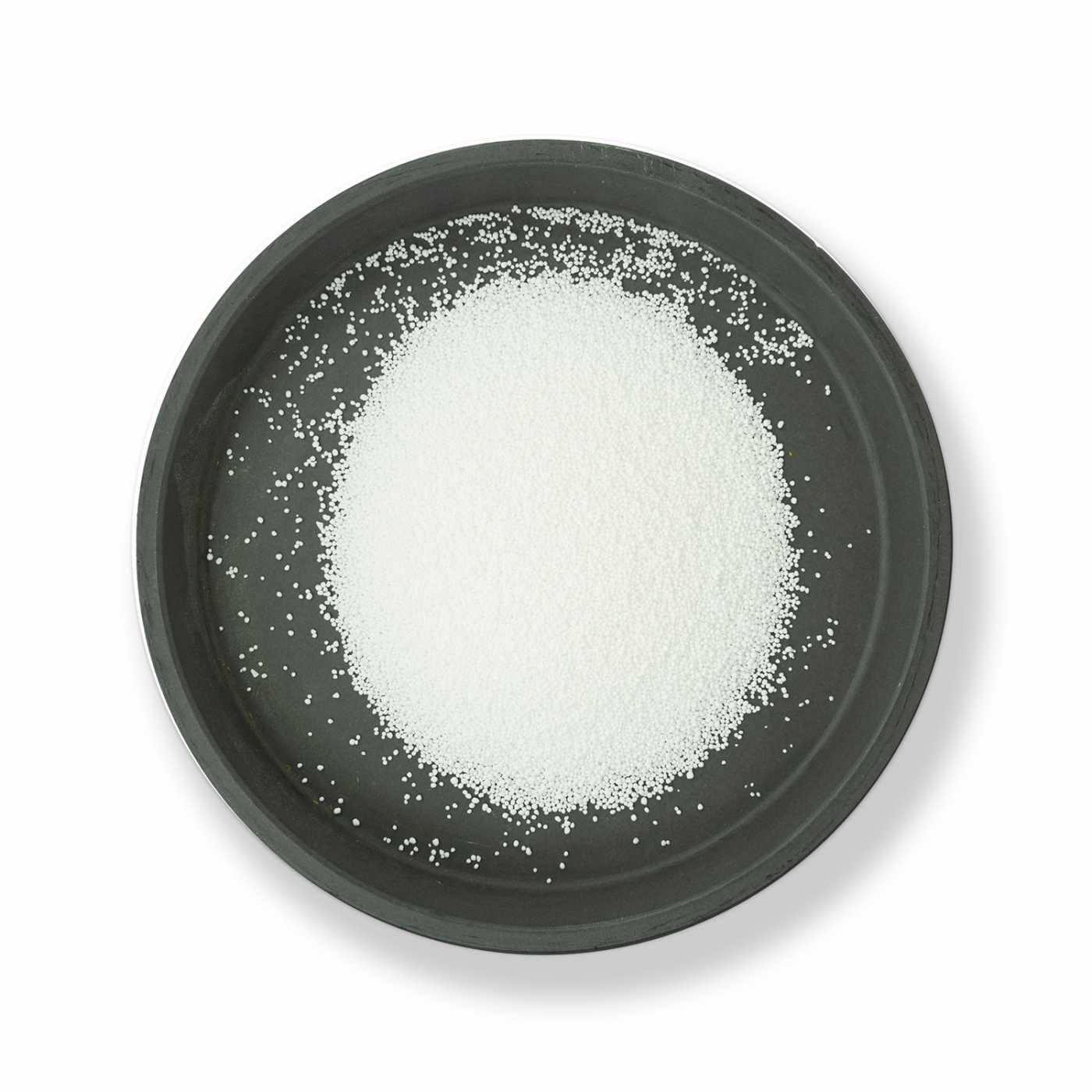
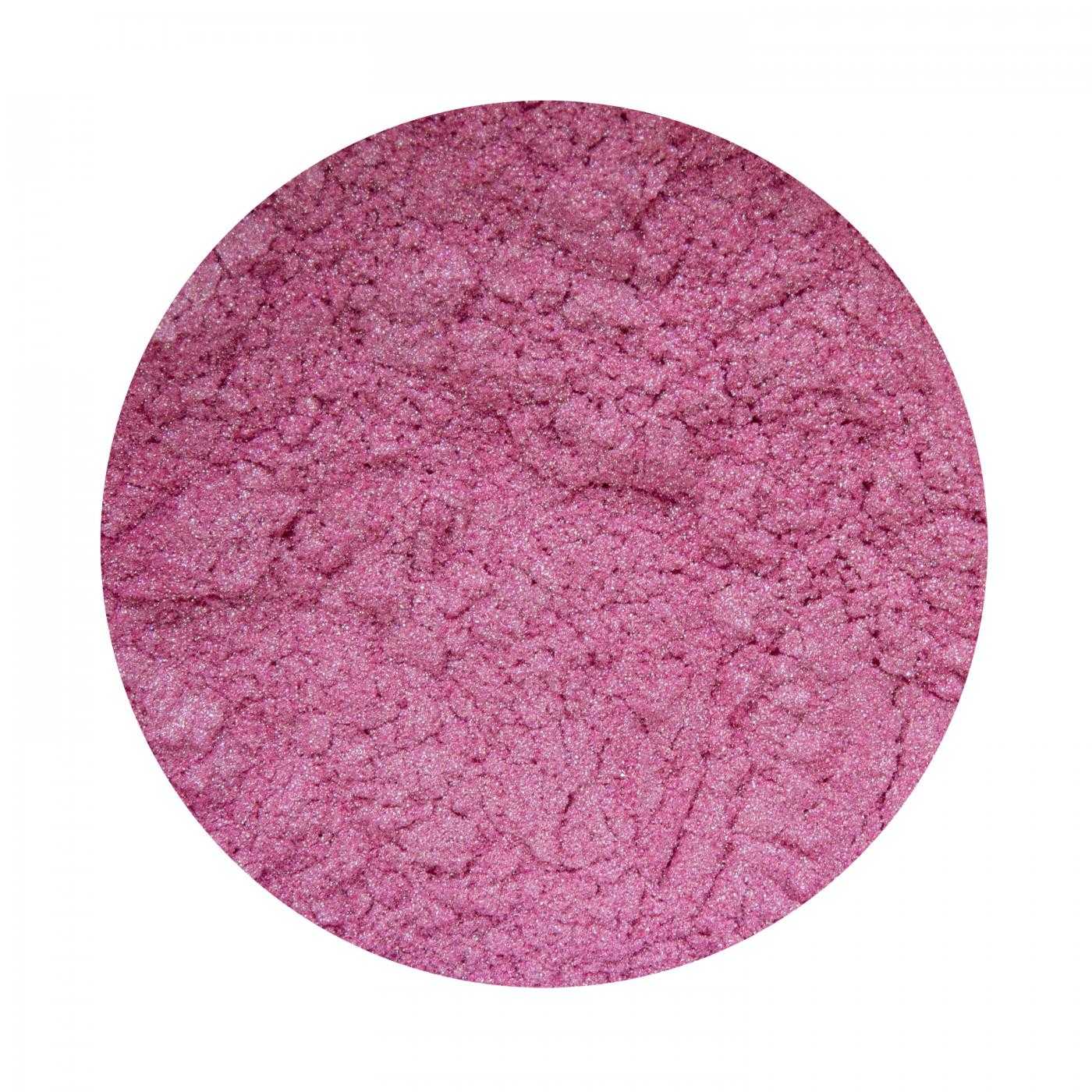
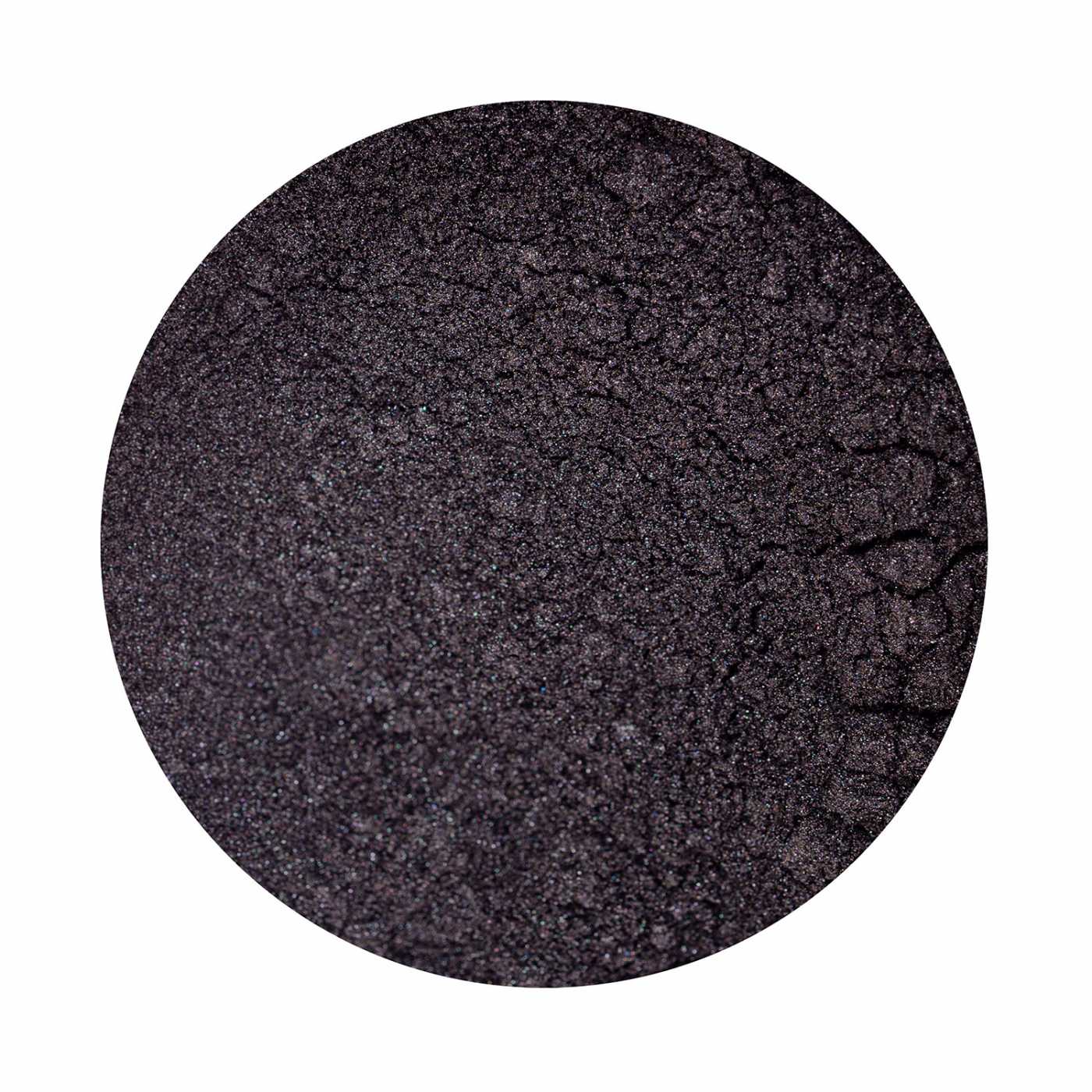
This is also reflected in the appearance of the raw material. The powder is white and shiny, and the red only appears as a sheen. The pigment layer is translucent, and the colour of the base can also be seen in the result. On a dark base the red sheen stands out more, while on a light base it looks more subdued.

The shine depends on the particle size. The particles average 20–80 µm, which gives a clearly visible pearlescent shine.


Use in formulations

The pigment does not dissolve in water or in oil; it only disperses in both. It is incorporated into the oil phase, during the cooling phase or afterwards into the finished base. As an effect pigment, it is best added at a later stage of production.

First mix the pigment in a small amount of oil and only then add it to the rest of the formulation. It will disperse evenly and without lumps.

The usage rate is in the range of 10–30%, in eyeshadows around 30%. The recommended pH range of the finished product is 6–9.

Heat is not a problem for the pigment. It is resistant up to 800 °C. It withstands hot processing and melted bases without any risk of damage.

For pressed powders and eyeshadows, allow for an oil absorption of 50–65 g per 100 g of pigment. Formulations with a higher pigment dose need more binder.


Suitable for products such as

  • Eyeshadows – pearlescent effect on the eyelids, also in pressed eyeshadows.
  • Highlighters and powders – pearlescent shine with a red sheen for the body.
  • Lip glosses and lip balms – a translucent sheen that does not cover the colour of the lips or the base.
  • Body oils and butters with a shimmering effect – the pigment disperses in the oil base.

It is intended for leave-on and rinse-off products and for all skin types.


Good to know

In formulations, it is combined with mica, kaolin and clays, cellulose, surface-treated mica, mica with iron oxides and Glyceryl Caprylate.

The pigment is odourless and chemically stable, so it does not affect the fragrance of the product. It comes from Spain and does not contain nanomaterials. According to the CLP regulation, it is not classified as hazardous.

The purity meets the requirements for cosmetic dyes. The total number of microorganisms is below 100 CFU/g and pathogens are not present. Heavy metals are within the limits, for example lead below 5 ppm, arsenic below 2 ppm, mercury and cadmium below 1 ppm.

Do not inhale the pigment dust. When weighing it out, use a respirator and eye protection, and wash your hands after handling.


Frequently asked questions

Why is the red interference pigment white in the pack?
The red interference pigment is a white, shiny powder because it does not contain a red dye. The red sheen is created by the interference of light on a thin layer of titanium dioxide that coats the mica flakes. The colour is therefore only visible after application and at a certain angle of light. On a dark base the sheen is more pronounced than on a light one.
How much interference pigment is added to eyeshadows?
In eyeshadows, the interference pigment is added at around 30%, in other products at 10–30%. It is added at a later stage of production as an effect pigment. For pressed eyeshadows and powders, keep in mind that the pigment binds 50–65 g of oil per 100 g. At a higher dose, the formulation needs more binder.
Is the red interference pigment soluble in water or oil?
The red interference pigment is not soluble in water or in oil; it only disperses in both. It is incorporated into the oil phase, during the cooling phase or afterwards into the finished base. Mixing the pigment in a small amount of oil first and only then adding it to the rest of the formulation helps it disperse evenly.
Can the red interference pigment be used on the lips and around the eyes?
Yes, the red interference pigment is intended for the lips, the eye area and the body. It is suitable for leave-on and rinse-off products for all skin types. It meets the purity criteria for cosmetic dyes under Annex IV of Regulation (EC) No 1223/2009, including the limits for heavy metals.
Can the interference pigment withstand heating in a melted base?
Yes, the interference pigment is heat-resistant up to 800 °C, so heating during cosmetics production does not damage it. It can be added to a heated oil phase and to a melted base, for example for lip balms. As an effect pigment, however, it is usually added only at a later stage of production.

Parameters

INCI
Mica, Titanium Dioxide, Tin Oxide
CAS No.
12001-26-2 & 13463-67-7 & 18282-10-5
EC number
310-127-6 & 236-675-5 & 242-159-0
Product colour
RedWhite
CI number
CI 77019, CI 77891, CI 7786177019, 77891, 77861
Country of origin
Spain
Appearance
Powder
Function in formulation
Colorant
Recommended formulation pH range
6,00 – 9,00
Application area
Eye areaBodyLips
Application type
Leave-onRinse-off
Suitable for
All skin types
Biodegradability
Not applicable
Natural Index (NI ISO 16128)
0,00
Natural Origin Index (NOI ISO 16128)
1,00
Organic content
0 %
Renewable Carbon Content (RCC)
0 %

Product documentation

CoACertificate of Analysis
batch 968484PDF ↓
TDSTechnical Data Sheet
Physical parameters and processingPDF ↓
SDSSafety Data Sheet
Available for purchased products —
Download all (ZIP)

2 PDF files in one archive

REVIEWS

Verified by customers.

No reviews yet.

Only customers with a delivered order can write reviews.