+421 950 333 113info@handymade.store

Spend over €100 for discounted shipping!

EMOLLIENTS

Isoamyl Laurate, 1 l

Pack size100 ml500 ml1 l5 l

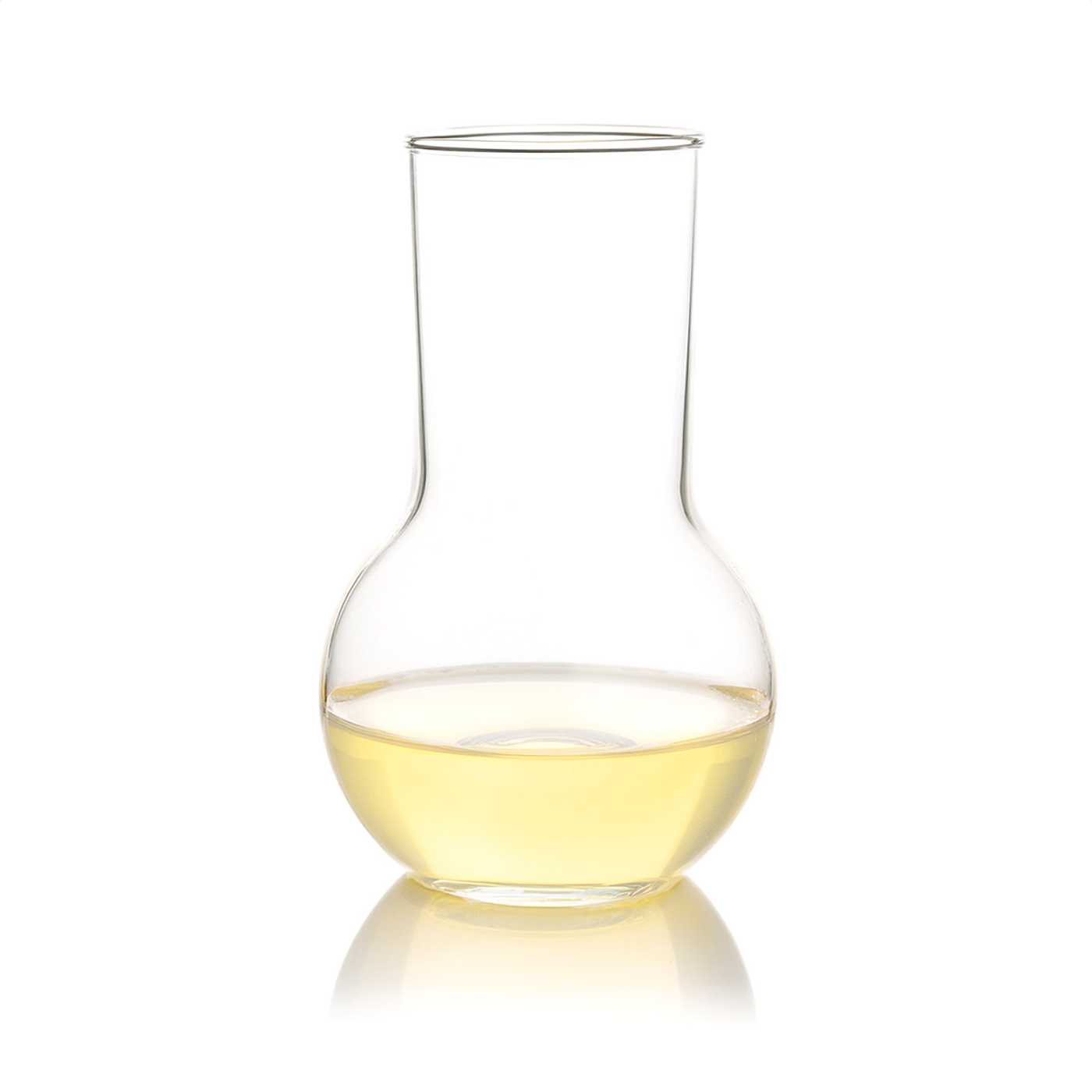
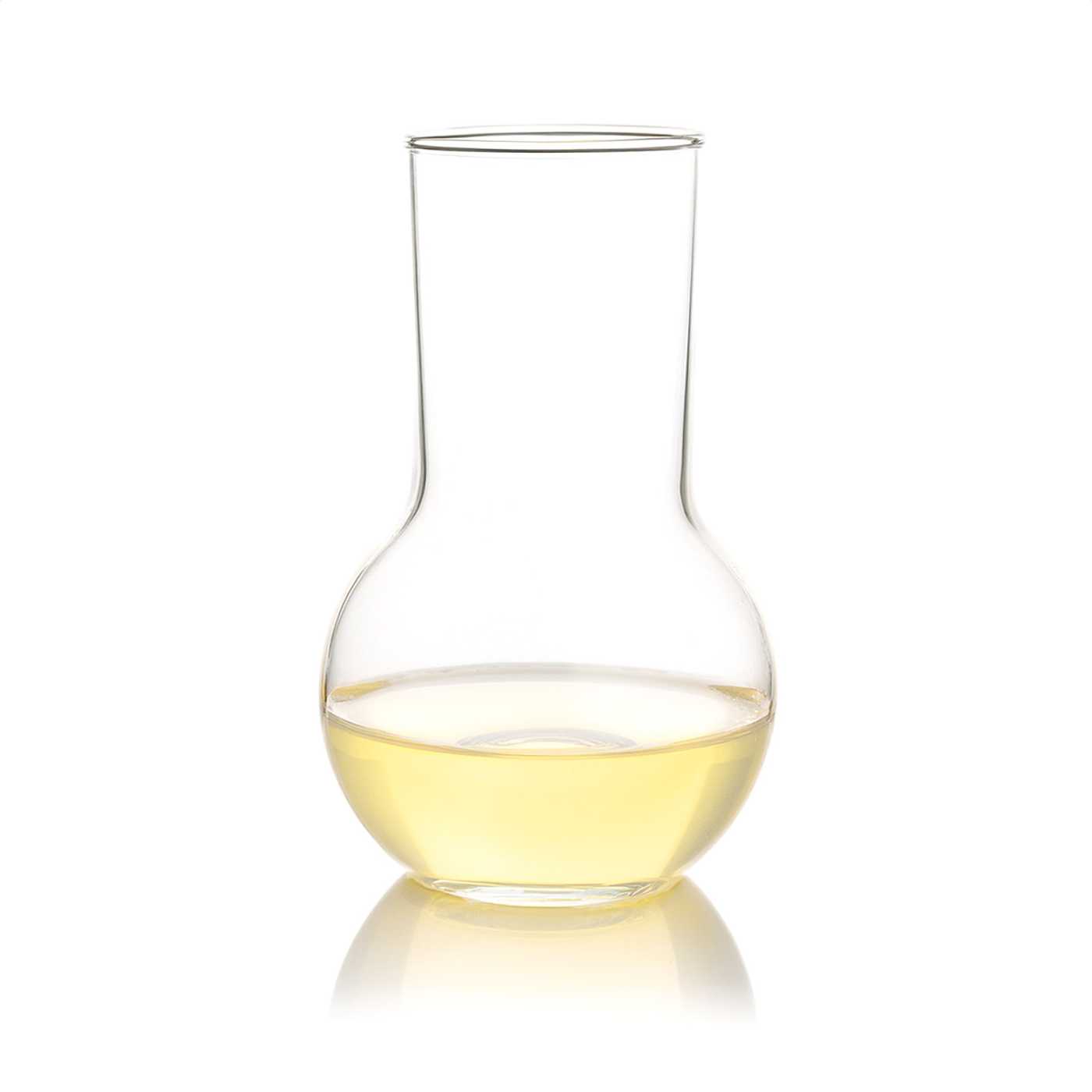
Isoamyl Laurate is a light ester oil of plant origin that spreads quickly on the skin and leaves no greasy feel . full description

AvailabilityIn stock · 22 packs
Product codeEML003_1000
BatchEVI0002824
Best before12/2028
€49.99incl. VAT€49.99/l

Lowest price in the last 30 days: €49.99

Product description

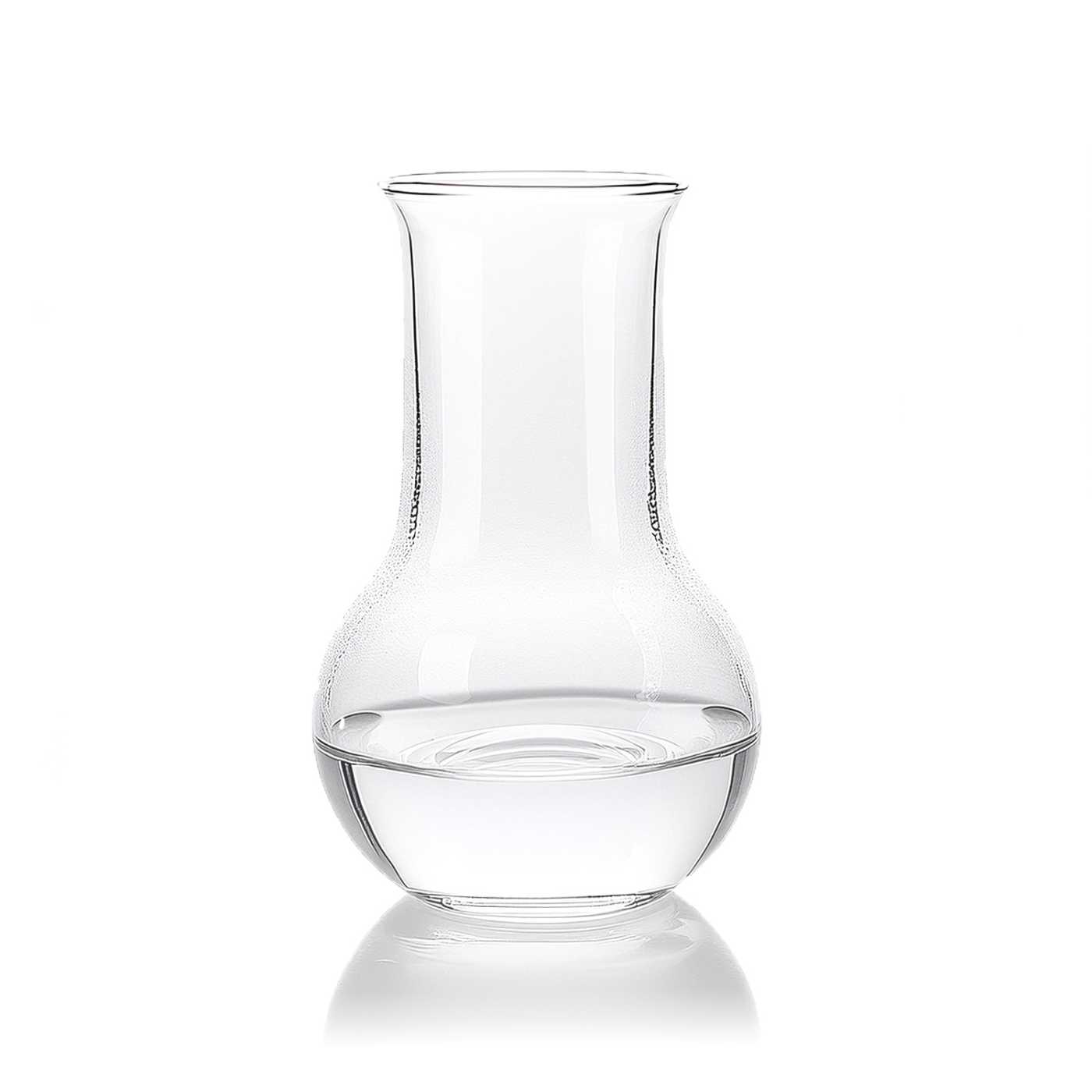
Isoamyl Laurate is a light ester oil of plant origin that spreads quickly on the skin and leaves no greasy feel. In creams, body lotions and oils it softens the skin and lightens the oil phase, and in hair care it improves conditioning. On the skin it feels similar to silicone oils, so it often replaces them in formulations.

Its second role is as a solvent. As a polar oil it dissolves active ingredients and UV filters well and wets pigments, which then disperse faster.


Key properties

  • Light emollient – softens the skin and spreads quickly over it, without the greasy film left by richer vegetable oils.
  • Solvent and wetting agent – makes it easier to incorporate active ingredients, UV filters and pigments into the oil phase.
  • Hair conditioning – works in both rinse-off and leave-in hair products.
  • Oxidation stability – unlike vegetable oils, it does not turn yellow or develop an odour over time.
  • Plant origin – made from renewable sources and readily biodegradable.

Origin and certification

The ester is made by combining two plant-based raw materials. Lauric acid comes from palm oil, and isoamyl alcohol is obtained by fermenting sugar cane. The palm raw material is sourced exclusively in RSPO MB (Mass Balance) quality.

The ingredient is COSMOS Approved and NATRUE Approved and is vegan. This makes it suitable for formulations that are meant to meet natural cosmetics requirements.


How it works on the skin and in the hair

On the skin it acts as an emollient with a very light touch. It spreads quickly and leaves a smooth, non-greasy feel. In emulsions it improves spreadability, reduces tackiness and can reduce the whitening of a cream when it is rubbed in.

The similarity to silicones was also confirmed by the manufacturer’s sensory study. In it, a group of volunteers rated an O/W emulsion containing this ester similarly to products with dimethicone and cyclopentasiloxane. Sunflower oil, included in the comparison as a rich, nourishing emollient, produced a markedly different feel.

In hair care it is used in two ways. In anhydrous hair oils it lightens a blend of heavier oils, and in shampoos and conditioners it improves conditioning. In foaming cleansing products it also has a refatting effect and makes the foam richer and creamier.


Use in formulations

The usage rate depends on the type of product. As an emollient in face and body care it is used at 1–20%, and as a conditioning ingredient in hair care 0.5–1.5% is enough. As a guide, body lotions and creams use 3–8%, sun care products 2–11% and cleansing balms 4–15%.

The method of incorporation differs by product:

  • Emulsions – add it to the oil phase, mix it with the other oils and then homogenise the phases.
  • Shampoos and hair conditioners – add it only to the finished formulation.
  • Hair and body oils – it mixes well with the other oil ingredients.

It mixes with all types of oils. The processing temperature should stay below 80 °C and the finished product should have a pH in the range of 4.0–8.0.

First mix the pigment or active ingredient in this ester as a premix, and only then add it to the rest of the formulation. It also helps to disperse powders that are difficult to mix with oil, such as spirulina.


Suitable for products such as

  • Light face creams and body lotions – improves spreadability and reduces the greasiness of the oil phase.
  • Body and hair oils – lightens a blend of vegetable oils. When a body oil is too greasy, increasing the proportion of this ester at the expense of richer oils helps.
  • Hair conditioners and shampoos – improves hair conditioning.
  • Cleansing balms and foaming cleansing products – forms a light oil component and has a refatting effect.
  • Products with pigments – wets pigments and speeds up their dispersion.
  • Sun care products – dissolves UV filters.

Good to know

Replacing another oil may change the consistency of an emulsion. A polar ester affects viscosity differently than less polar oils. After adjusting the formulation, we recommend checking the consistency of the cream.

At a pH below 4.0 or above 8.0, avoid prolonged heating, otherwise the ester may be damaged. The ingredient is not compatible with strong oxidising agents, strong acids and alkalis.

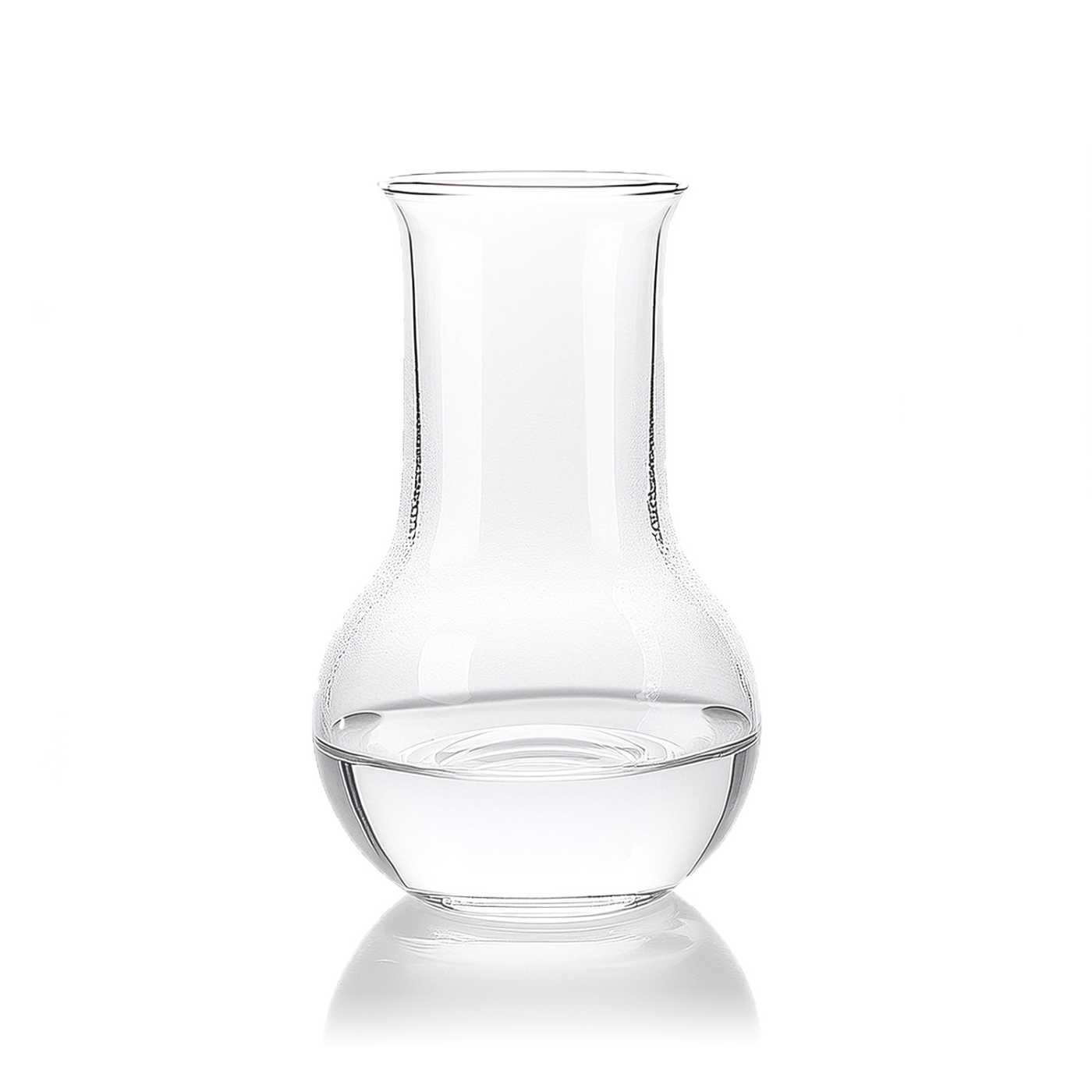
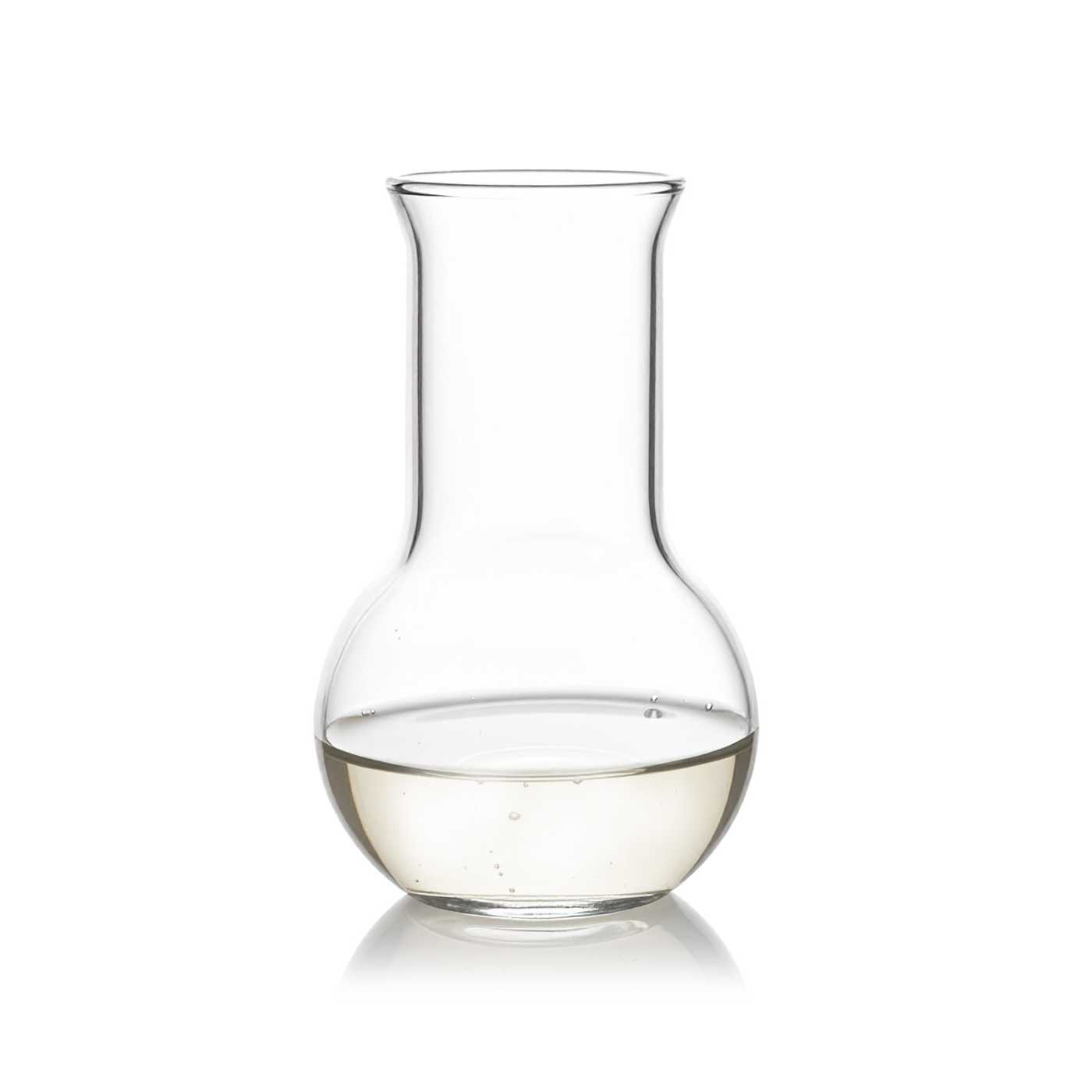
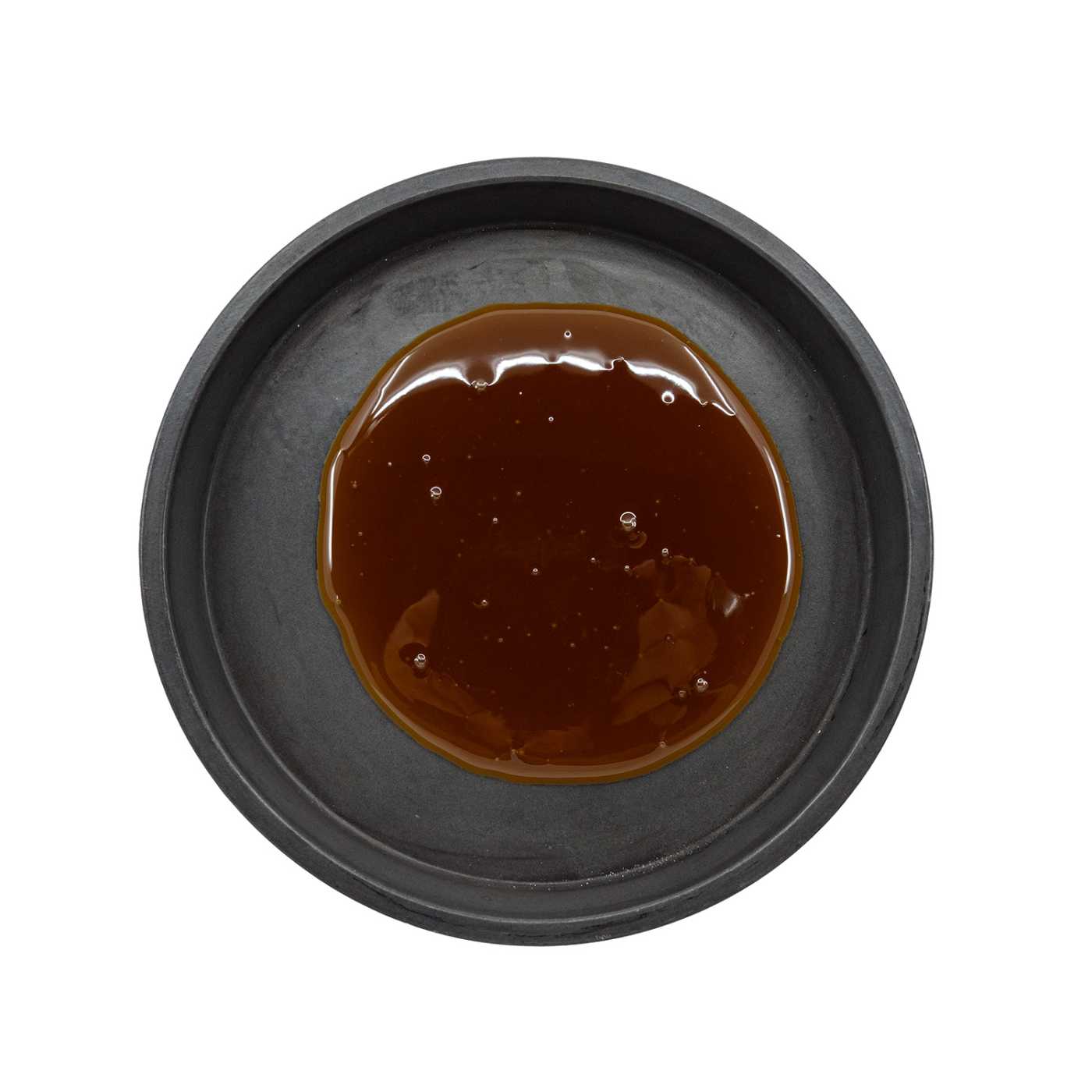
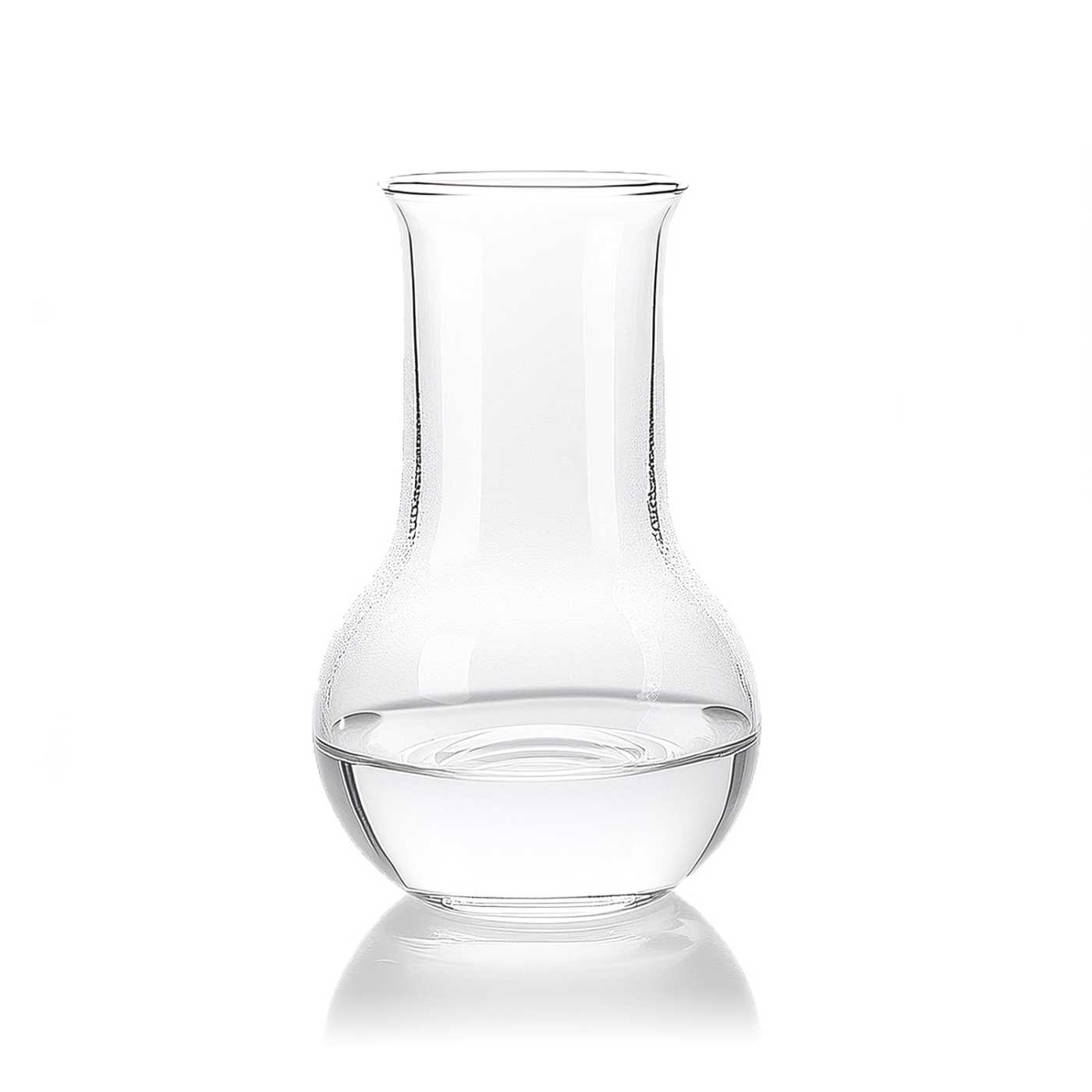
The ingredient is practically colourless and odourless and does not affect the colour or scent of the finished product. This makes it suitable for unscented formulations as well.

Its resistance to oxidation makes it a stable base for light oil blends.

When developing sun care products, patent protection must be taken into account. The use of this ester in combination with certain UV filters is protected by European patent EP2421614B1.


Frequently asked questions

Is Isoamyl Laurate a silicone substitute?
Yes, Isoamyl Laurate is used as a plant-based substitute for silicone oils in face and hair care. It spreads quickly on the skin and leaves a smooth, non-greasy feel. In the manufacturer’s sensory study, volunteers rated an O/W emulsion containing this ester similarly to products with dimethicone and cyclopentasiloxane. When substituting, we recommend checking the consistency of the finished product.
What is the usage rate of Isoamyl Laurate in a cream and in hair care?
In face and body care, the usage rate of Isoamyl Laurate is 1–20%, and in hair care 0.5–1.5%. As a guide, 3–8% is used in creams and body lotions, 2–11% in sun care products and 4–15% in cleansing balms. The finished product should have a pH of 4.0–8.0.
Is Isoamyl Laurate soluble in water?
No, Isoamyl Laurate is an oil ingredient. It mixes with oils but does not combine with water. In creams and body lotions it is added to the oil phase, and an emulsifier links it to the water phase. In anhydrous products such as body and hair oils or cleansing balms, it mixes with the other oil ingredients.
How is Isoamyl Laurate added to a shampoo or conditioner?
In shampoos and hair conditioners, Isoamyl Laurate is added only to the finished formulation. Some formulations also pre-dissolve it in a surfactant blend or mix it with a cationic conditioning agent and fatty alcohols before incorporation. In shampoos and other foaming products it has a refatting effect and makes the foam richer and creamier, and in conditioners it improves hair conditioning.
Does Isoamyl Laurate oxidise like vegetable oils?
No, Isoamyl Laurate has no tendency to oxidise. It does not turn yellow over time and does not develop the unpleasant odour familiar from ageing vegetable oils. It is practically colourless and odourless, so it does not affect the colour or scent of the product. It is suitable as a stable base for light oil blends.
Is Isoamyl Laurate suitable for natural cosmetics?
Yes, Isoamyl Laurate is made from 100% renewable plant sources and is both COSMOS Approved and NATRUE Approved. Lauric acid comes from palm oil in RSPO MB quality, and isoamyl alcohol from sugar cane fermentation. The ingredient is vegan and readily biodegradable.

Parameters

Chemical name
Isopentyl laurate
CAS No.
6309-51-9
EC number
228-626-1
Product colour
Colourless
Country of origin
South KoreaMalaysia
Processing method
EsterificationFiltration
Appearance
Oily liquid
Formulation phase
Oil phasePost-addition
Function in formulation
EmollientConditioning agentSolvent
Ionic character
Non-ionic
Application area
Hair
Recommended processing temperature
< 80 °C
Recommended usage rate
0,5 – 20 %
Recommended formulation pH range
4,0 – 8,0
Solubility
Oil-miscible
Application type
Leave-onRinse-off
Biodegradability
Readily biodegradable
Certifications and declarations
Vegan
Natural Index (NI ISO 16128)
0,00
Natural Origin Index (NOI ISO 16128)
1,00
Renewable Carbon Content (RCC)
100 %
Volume
1000 ml

Product documentation

CoACertificate of Analysis
batch EVI0002824PDF ↓
batch EVI0003021PDF ↓
batch 1969PDF ↓
TDSTechnical Data Sheet
Physical parameters and processingPDF ↓
SDSSafety Data Sheet
Available for purchased products —
Download all (ZIP)

4 PDF files in one archive

Learn how to work with it

From our blog
Nataliya20 Aug 2026DE

Verified purchase

Excellent quality, fast shipping, and outstanding customer service. The products are always carefully made, and whenever I have a question, the seller is very helpful and responsive. Highly recommended!

Translated automatically

Cecile B.4 Nov 2026FR

Verified purchase

Kateřina P.23 Oct 2026CS

Verified purchase

(3 reviews)