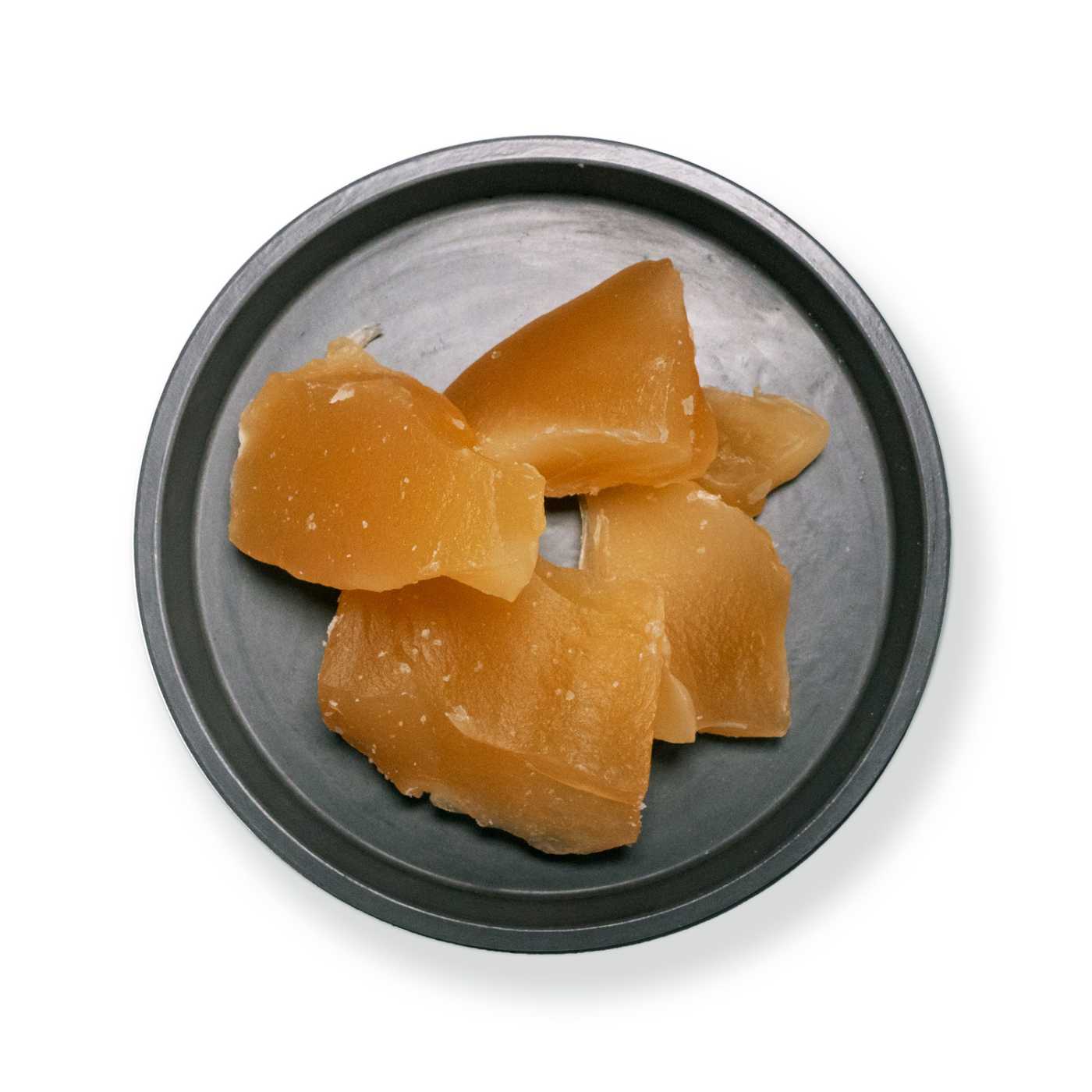
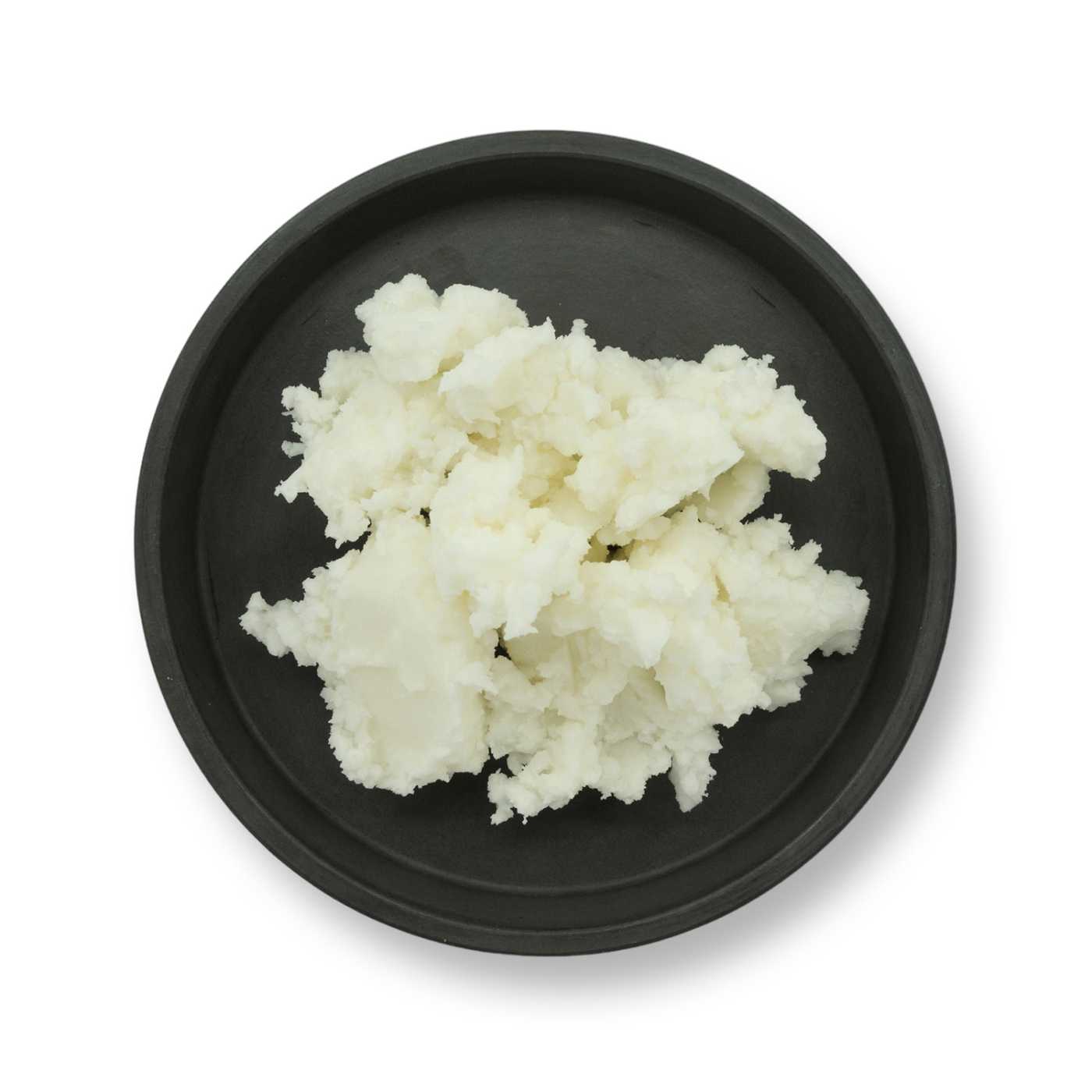
Jojoba wax
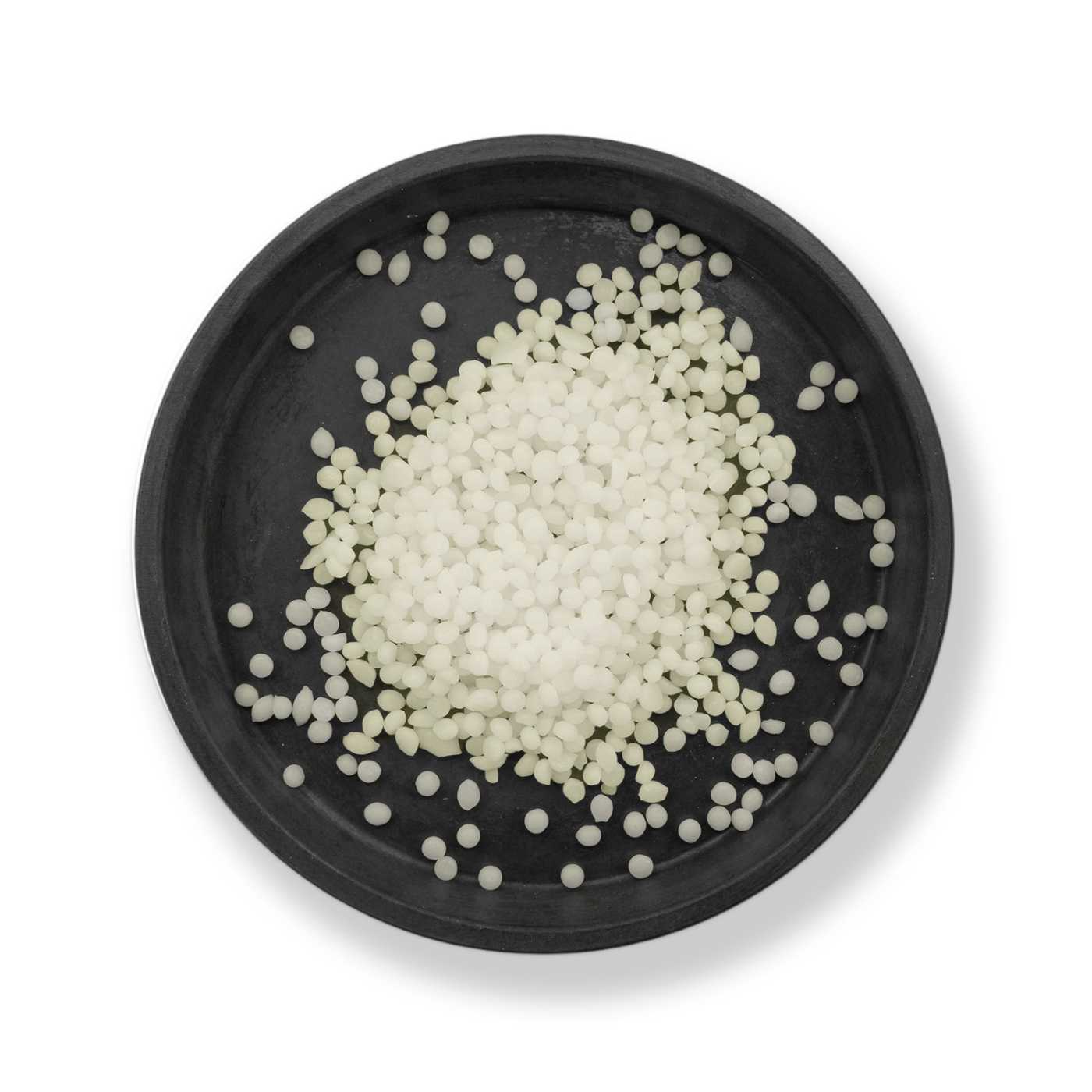
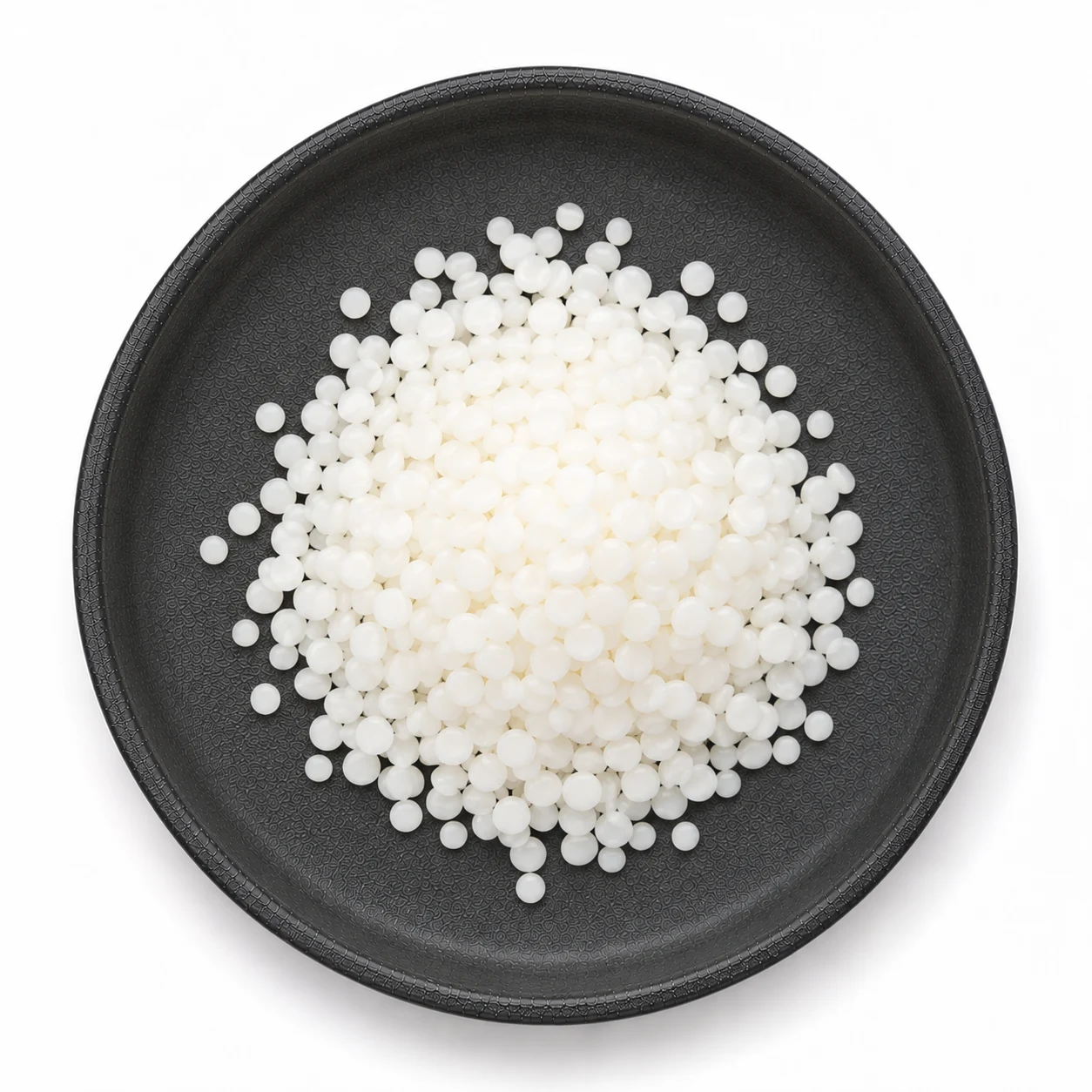
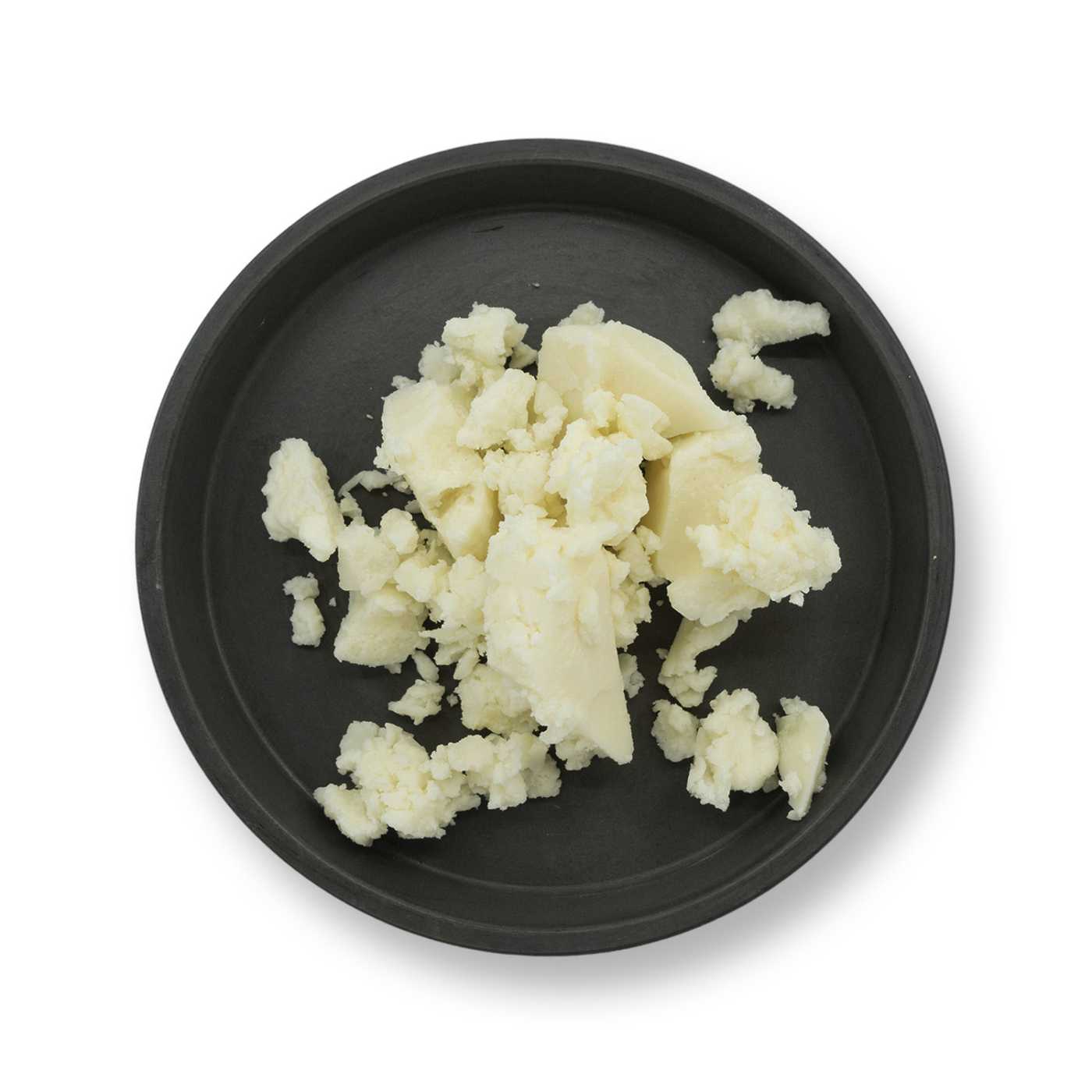
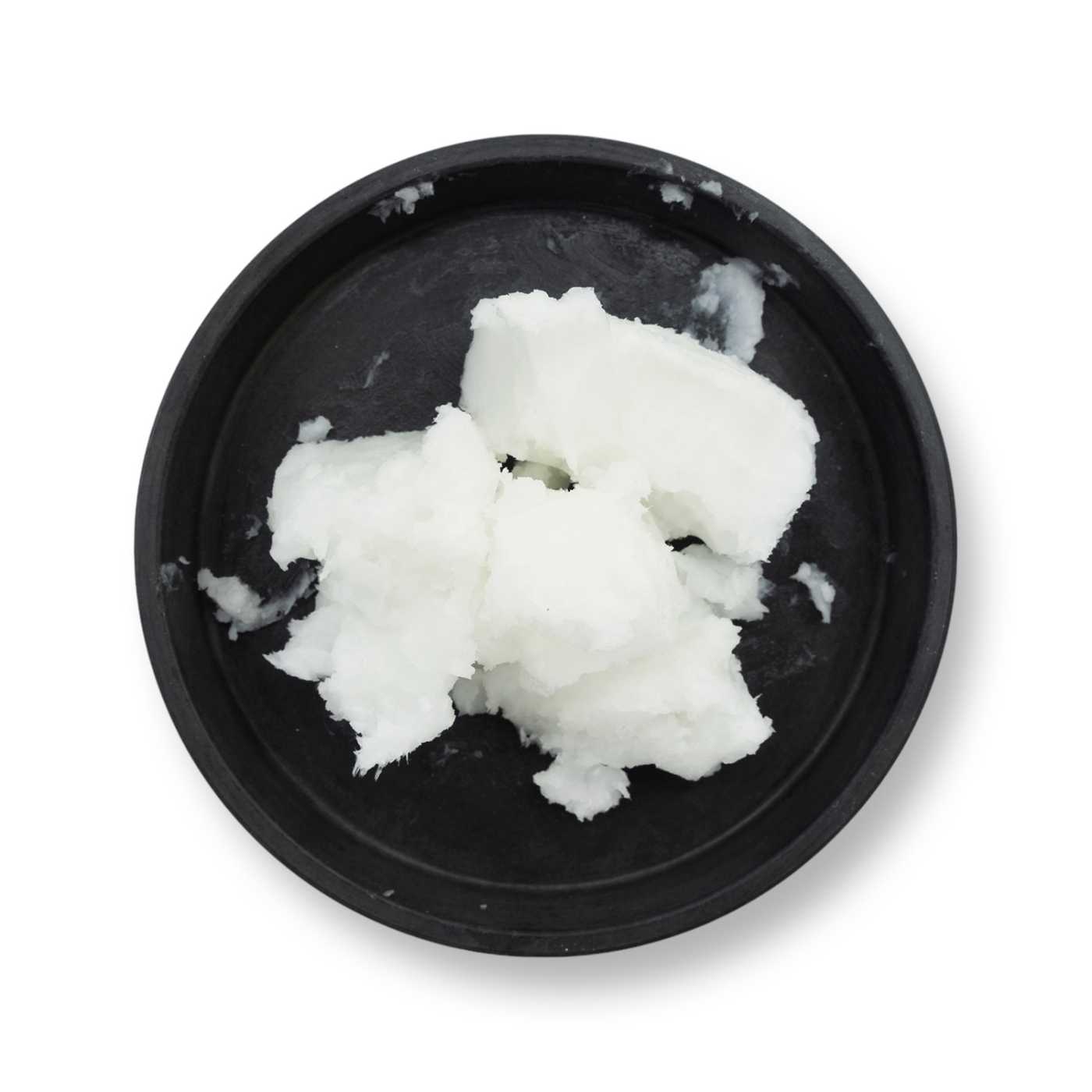
Jojoba wax gives balms, lip balm sticks and hair pomades a firmer consistency while also bringing in the softening properties of jojoba oil. In a formulation it acts as an emollient: it softens and smooths the skin and, according to the manufacturer, leaves a protective layer on it that limits moisture loss. It is therefore most often used in anhydrous products for dry and chapped skin and in conditioning hair care.
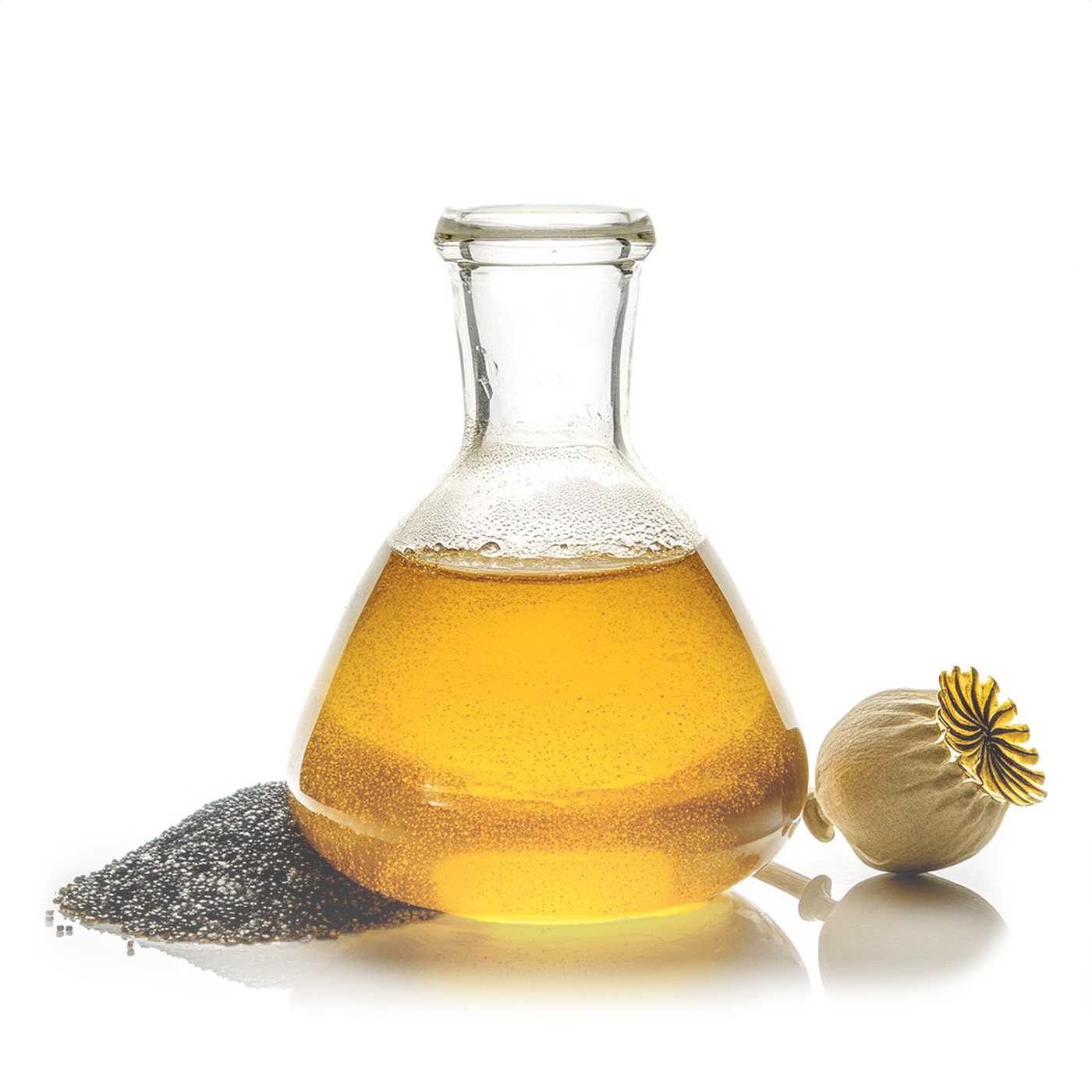
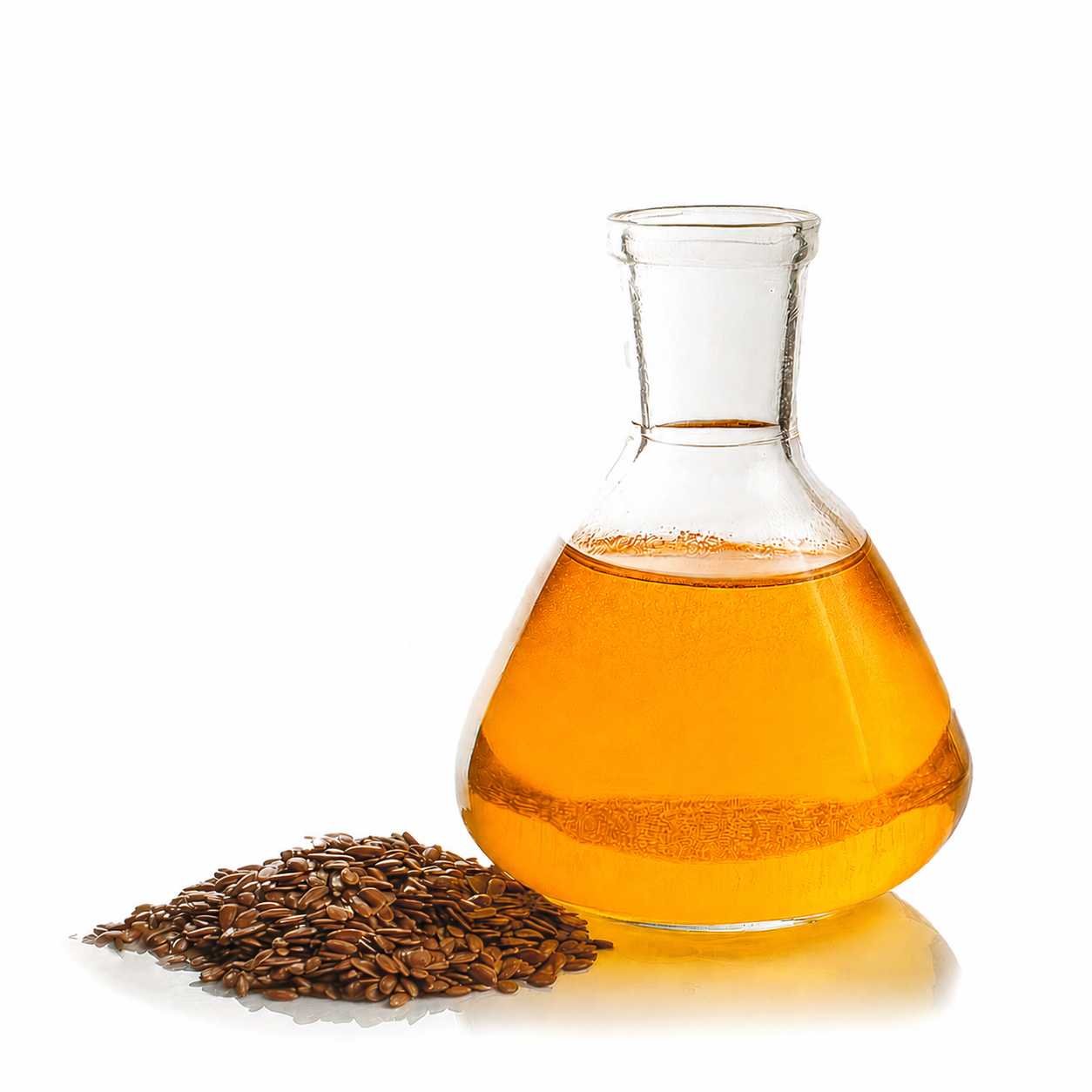
It is made by mixing jojoba oil from the seeds of the Simmondsia chinensis shrub with hydrogenated vegetable oil. The raw material is vegan, palm oil-free and has not been tested on animals.
Key benefits
- Softening and smoothing the skin – as an emollient, it softens dry and rough skin; the manufacturer states that it forms a layer on the skin’s surface that retains moisture, which is particularly useful for cracked lips, elbows or heels.
- Hydration and nourishment – according to the manufacturer, it supports skin hydration and provides nourishment, so it belongs in balms and ointments intended for longer-lasting action.
- Conditioning hair and scalp – the manufacturer recommends it for hair balms, pomades and leave-in care, where it is meant to help reduce dryness of the hair and scalp.
- Soothing irritated skin – as part of cosmetic care, it reduces redness.
- Vegan structure – gives firmness and body to formulations without beeswax.
Use in formulations
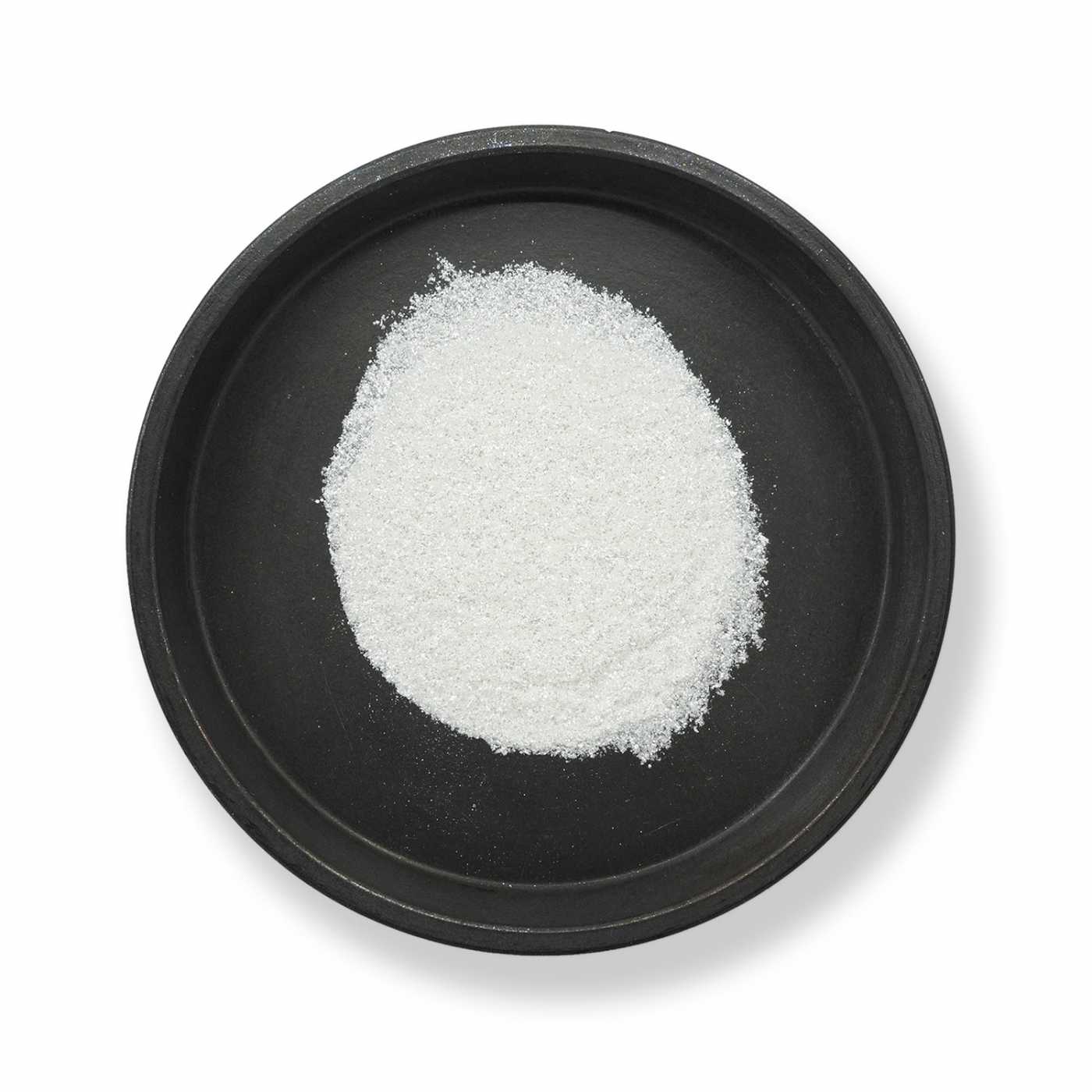
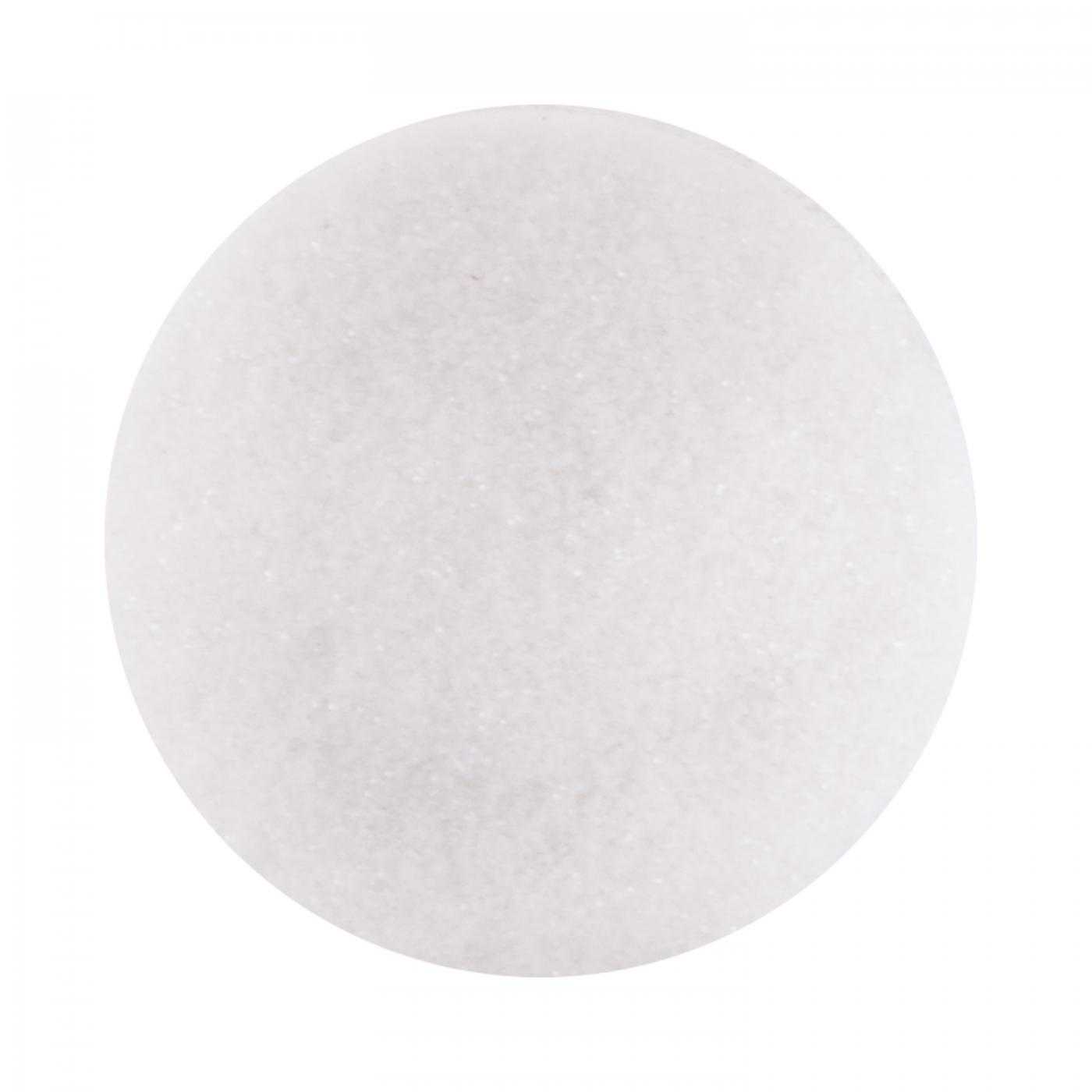
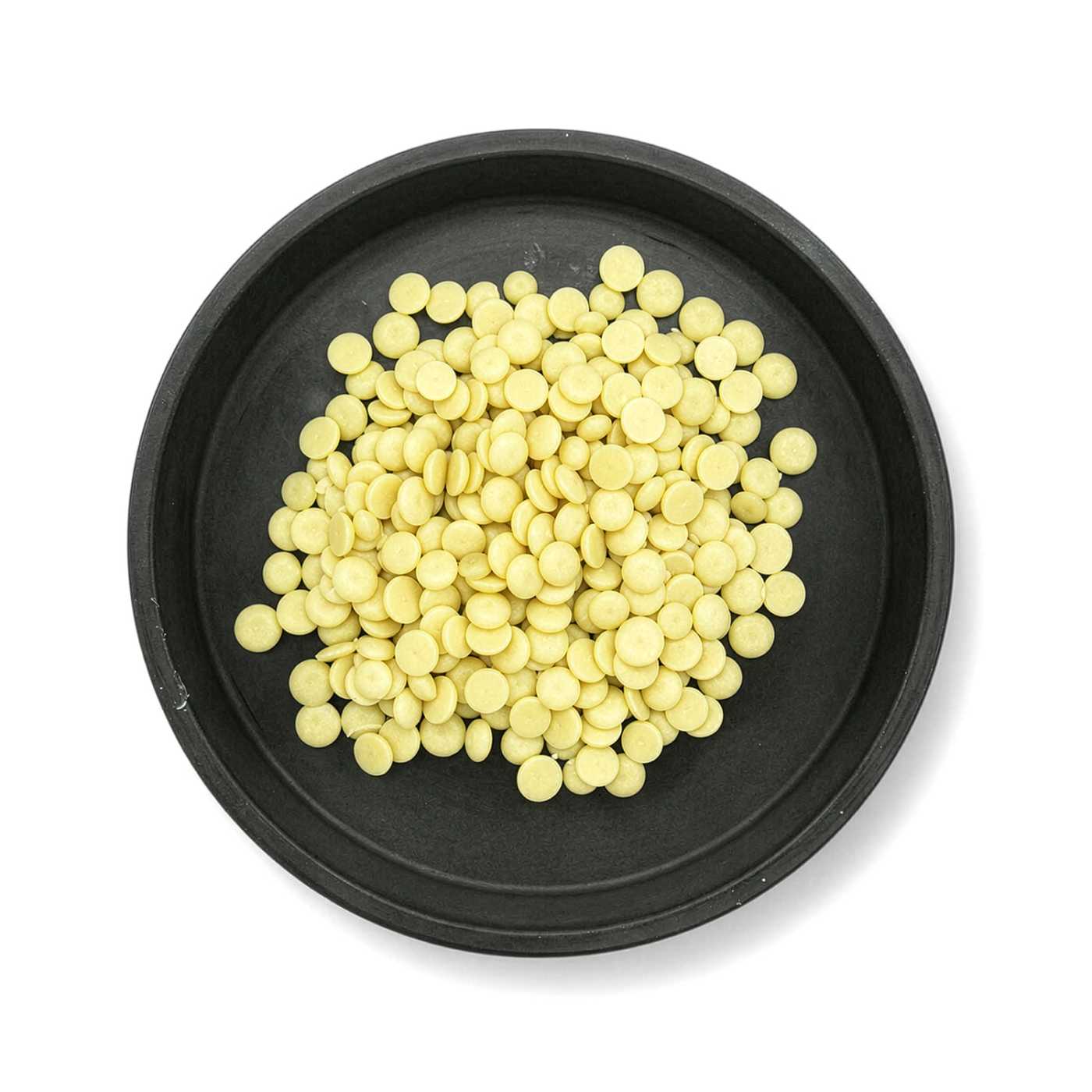
Jojoba wax belongs in the oil phase. It is supplied as pellets, which are easy to weigh out. It melts at 60–70 °C and a processing temperature above 70 °C is recommended so that the wax melts completely and blends evenly with the other oils and butters. In anhydrous balms it is melted first, together with the harder components, and then the liquid oils and sensitive ingredients are stirred in. In emulsions it is melted in the oil phase before emulsification.
The recommended usage rate is 2–30%. Low rates in creams and body lotions adjust the consistency and supplement the emollients, while higher rates in sticks, lip balms and pomades determine the hardness of the finished product. It is insoluble in water and dissolves in oils. It is used in both rinse-off and leave-on products.
When developing a stick or balm, start in the middle of the recommended range and adjust the proportion of wax only after the sample has cooled completely. The consistency settles only once the whole volume has solidified; a freshly poured mixture feels softer.
Suitable for products such as
- Lip balms – firmness in the stick and smooth application.
- Body balms and ointments – for dry, rough and chapped areas, for example hands, elbows and heels.
- Massage and body sticks – solid anhydrous products to which it gives shape.
- Pomades and hair waxes – styling and conditioning of hair, scalp care.
- Creams and conditioners – a smaller proportion to adjust the consistency and supplement the emollients.
- Candles – a vegetable wax component; we always recommend testing the wick selection and the burn with your specific blend.
Good to know
Anhydrous products do not need a preservative; it is enough to protect the oil phase from oxidation with an antioxidant. As soon as the formulation contains water, a preservative is necessary regardless of the proportion of wax.
The scent of the wax is characteristic, slightly nutty. For sticks and balms with a high proportion of it, take this into account when choosing a fragrance composition.
In vegan formulations it replaces beeswax. After the swap, compare the consistency on a sample and adjust the usage rate as needed.
Pour balms and sticks into the packaging immediately after melting and mixing. A mixture with a higher proportion of wax starts to set as it cools.
The ingredient does not contain fragrance allergens under Annex III of the Cosmetics Regulation, is palm oil-free, free from GMO-derived ingredients and is not subject to classification under CLP.
Frequently asked questions
Is jojoba wax soluble in water?
No, jojoba wax is insoluble in water and dissolves only in oils and fats. It is therefore not suitable for water-based products such as toners or gels. In creams and lotions it is processed in the oil phase and enters the emulsion only thanks to the emulsifier during emulsification.
At what temperature does jojoba wax melt and how is it added to a cream?
Jojoba wax melts at 60–70 °C and is added to a cream by melting it in the oil phase heated to above 70 °C. The oil phase with the wax is combined with a water phase of the same temperature, and the emulsion is cooled while stirring continuously until the wax is evenly dispersed.
What is the difference between jojoba wax and jojoba oil?
Jojoba wax is a solid blend of jojoba oil and hydrogenated vegetable oil, whereas jojoba oil is liquid. The oil is used as an emollient in serums and light emulsions, while the wax gives balms, sticks and pomades their shape and firmness. The jojoba component of the wax comes from the seeds of the same shrub as jojoba oil, and the two raw materials are commonly combined in a formulation.
Can jojoba wax replace beeswax in a vegan balm?
Yes, jojoba wax is used as a vegetable replacement for beeswax in vegan balms and sticks. A one-to-one swap without testing is not recommended. Prepare a small sample, let it cool completely and adjust the proportion of wax within the 2–30% range according to the result.
Is jojoba wax suitable for leave-in hair products?
Yes, jojoba wax is used in both leave-in and rinse-off hair products. The manufacturer recommends it for hair balms, pomades and leave-in care, where it is meant to support the hydration of the hair and scalp. In pomades it determines the styling firmness, and in conditioners it is added at lower rates for conditioning and consistency adjustment.
How much jojoba wax should I put in a lip balm?
Jojoba wax is used at a rate of 2–30%, and firm lip balms in a stick need a proportion from the upper part of this range. Balms in a jar that are applied with a finger need a lower proportion. The final amount depends on the other butters and oils in the formulation, so always check the firmness on a solidified sample.