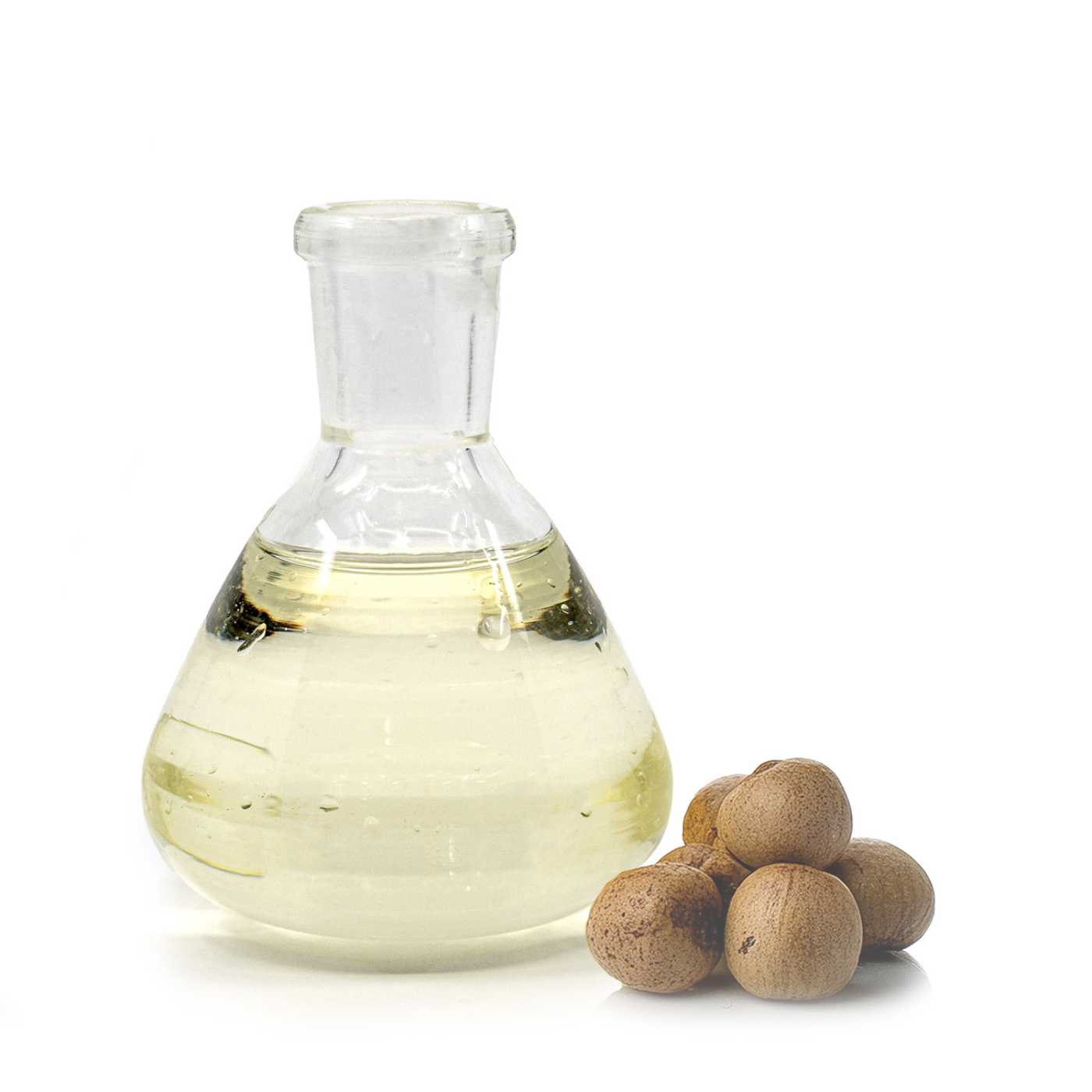
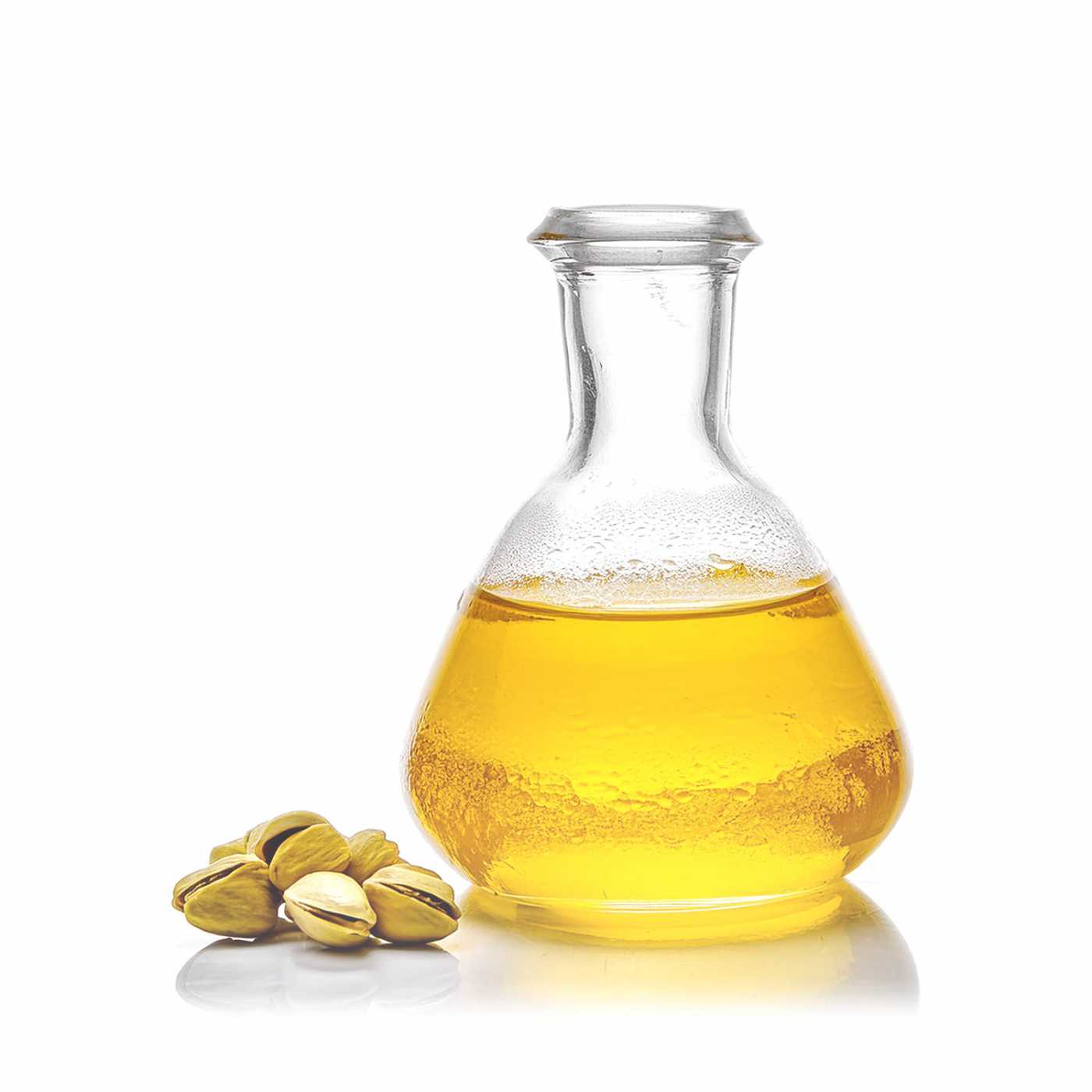
Pistachio Oil Refined 100 ml
Pre-order€4.99(€49.90/l)

Cold pressed oils 1 l +

Cold-pressed flaxseed oil is a vegetable oil from the seeds of common flax (Linum usitatissimum) with a high proportion of alpha-linolenic acid (omega-3) . full description
Lowest price in the last 30 days: €17.09
Cold-pressed flaxseed oil is a vegetable oil from the seeds of common flax (Linum usitatissimum) with a high proportion of alpha-linolenic acid (omega-3). It softens and nourishes the skin and hair, absorbs quickly and leaves no greasy film. It is used on its own or as part of the oil phase in face and body oils, serums, creams and hair care. Among vegetable oils, it is one of those that oxidise most easily, and the formulation must take this into account from the start.
The composition is dominated by alpha-linolenic acid. It makes up 35–71% of the fatty acids, complemented by oleic acid (13–35%) and linoleic acid (10–20%). Alpha-linolenic acid is an essential fatty acid that the body cannot produce on its own. In cosmetics, it is valued in the care of sensitive and mature skin.
On the skin, the oil acts as an emollient. It softens the skin and forms a protective layer on the surface that limits water loss. The skin stays supple and hydrated for longer. It is also used in products for soothing skin prone to redness and irritation and in regenerating care.
In hair cosmetics, it nourishes the hair and the scalp. Hair is easier to style after using it.
Flaxseed oil belongs in the oil phase and does not dissolve in water. The usage rate ranges from 1% to 100%, so it can also be used as a standalone oil. In face and cleansing oils, 12–25% is used in combination with light oils such as rosehip, safflower, jojoba or prickly pear oil, and with squalane.
Heat damages it. It is incorporated cold and is never heated together with waxes and butters.
In creams and body butters, add flaxseed oil only to a mixture that has cooled below 40 °C, together with the other heat-sensitive ingredients.
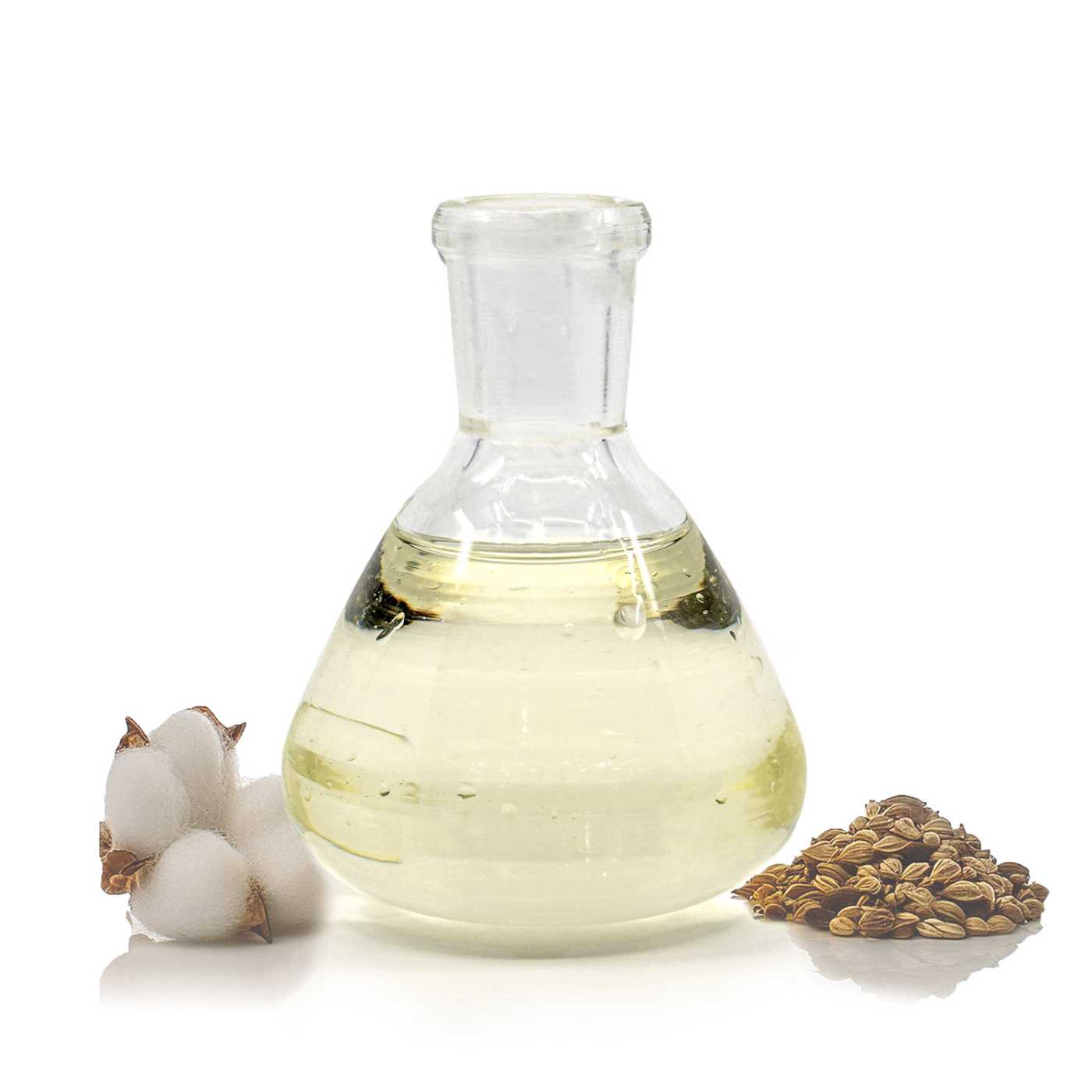
After pressing, the oil is only filtered, not refined. It retains its yellow to light brown colour and its earthy, nutty scent. At a higher usage rate, it may tint the product yellow, and its scent may overpower a delicate fragrance.
The high proportion of omega-3 acids makes flaxseed oil an ingredient that oxidises exceptionally easily. This happens in air and also in the dark at room temperature. Natural tocopherols and carotenoids are depleted in the process, and the oil gradually turns yellow. Oxidised oil has a pungent scent and is less well tolerated by the skin.
The choice of antioxidant has a major influence on stability. Ascorbyl Palmitate protects well even at a rate of 0.02–0.04%, and so does rosemary extract. Tocopherol or tocopheryl acetate alone slows the oxidation of flaxseed oil only slightly. It is commonly added to formulations, but it should not be the only protection.
Caution is needed when combining it with carotenoids and coenzyme Q10. A small amount of beta-carotene slows oxidation. Higher doses of carotenoids (approximately above 5 mg/100 g) and coenzyme Q10 (above 100 mg/100 g), on the other hand, accelerate it, and the oil turns yellow faster. It is therefore worth keeping the share of oils and extracts rich in carotenoids low.
Fill finished products containing flaxseed oil into smaller packs that are used up quickly and leave little air above the contents.
Flaxseed oil is drying. It polymerises in air, hardens and becomes sticky on the surface, and this process continues over the long term. It is not suitable for candles, wax products or anywhere a sticky film would be a problem.
Be careful with rags soaked in flaxseed oil. Heat is released when the oil oxidises.
In the formulation, it should not come into contact with strong acids, alkalis or oxidising agents.
The ingredient is 100% pure oil from flax seeds of European origin, without additives. It is supplied in cosmetic and food grade, with Vegan certification and a Kosher certificate. It contains no fragrance allergens and is not classified as hazardous under the CLP Regulation.
Only customers with a delivered order can write reviews.