We have a new shop — reset your password to sign inWhat's new →

+421 950 333 113[email protected]

COSMETIC CLAYS

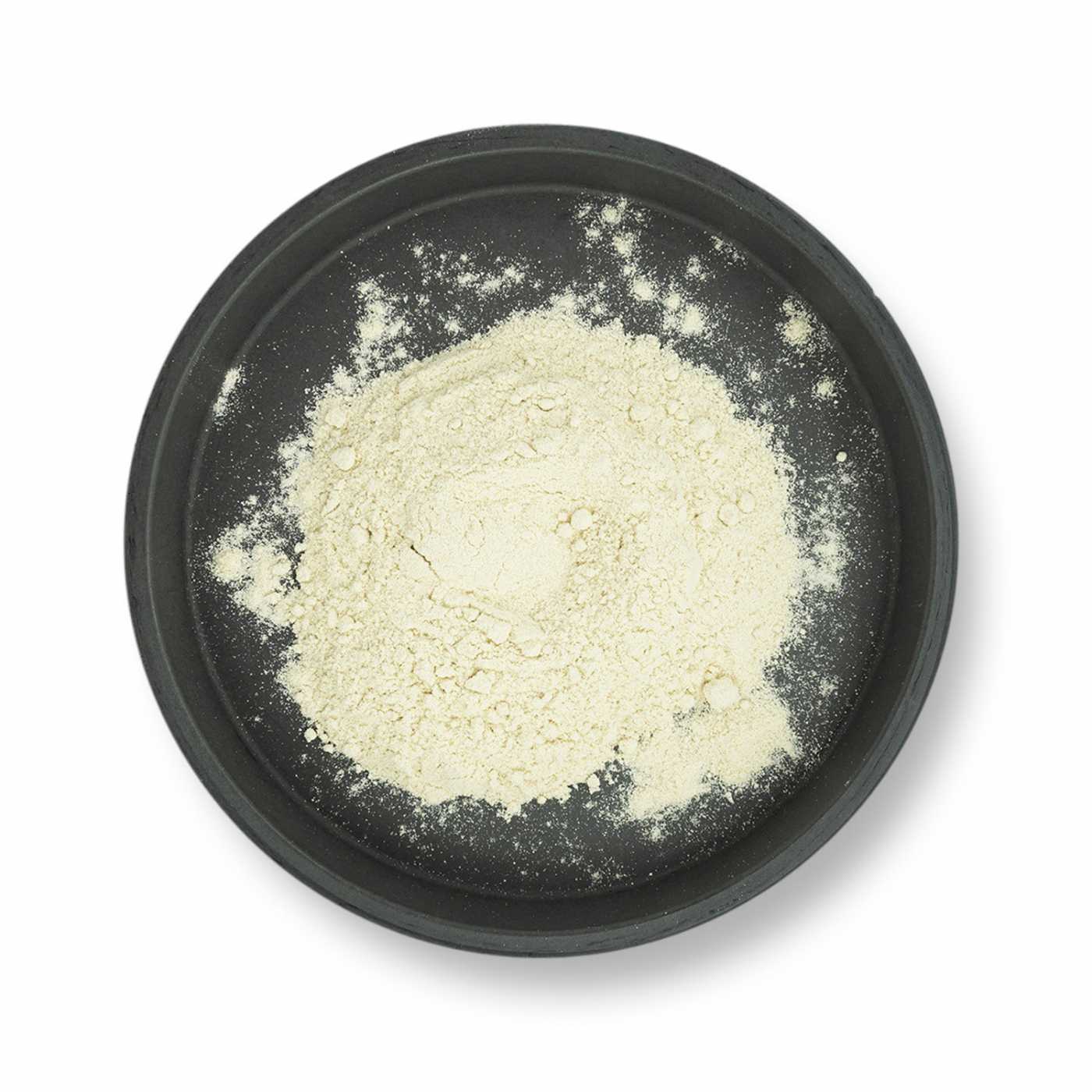
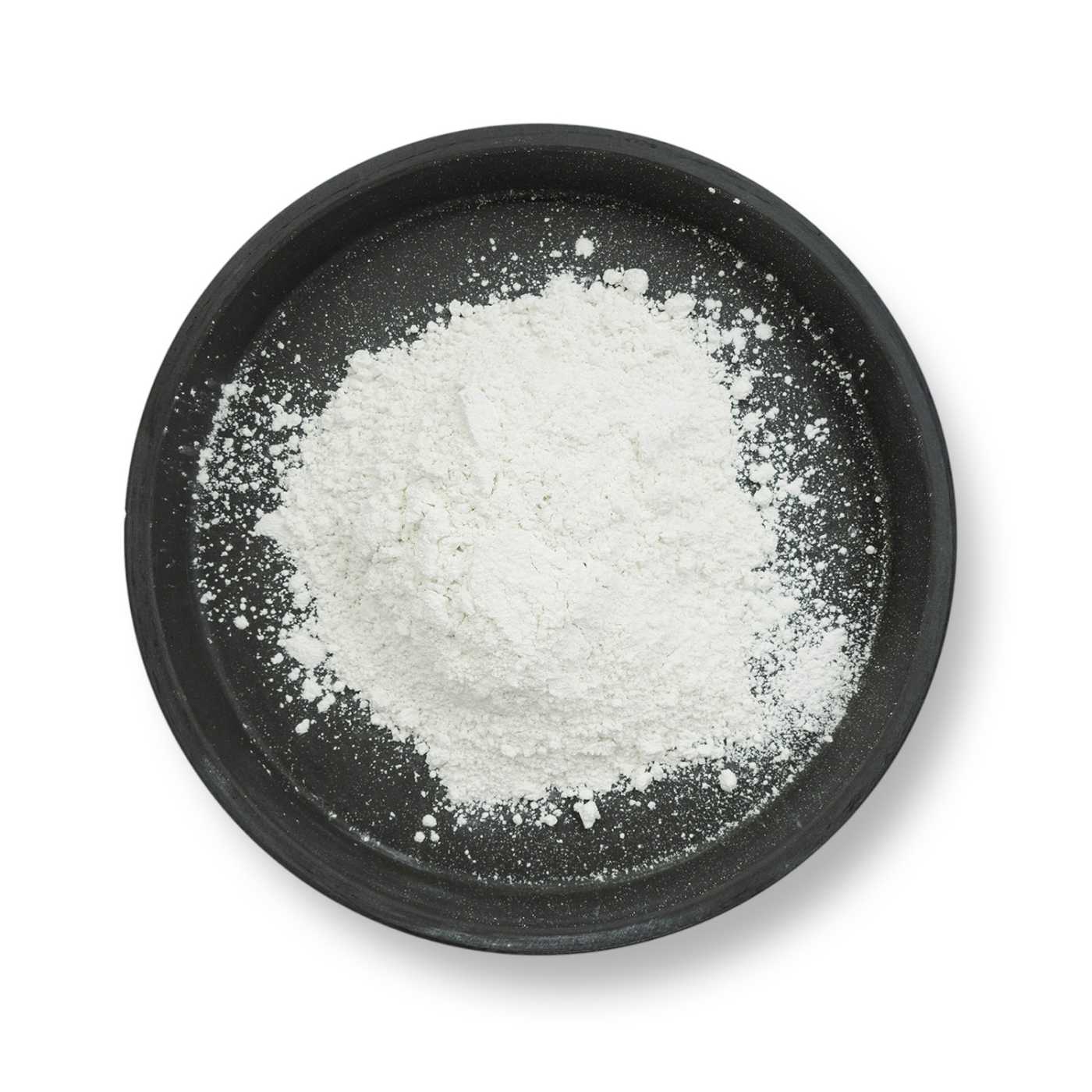
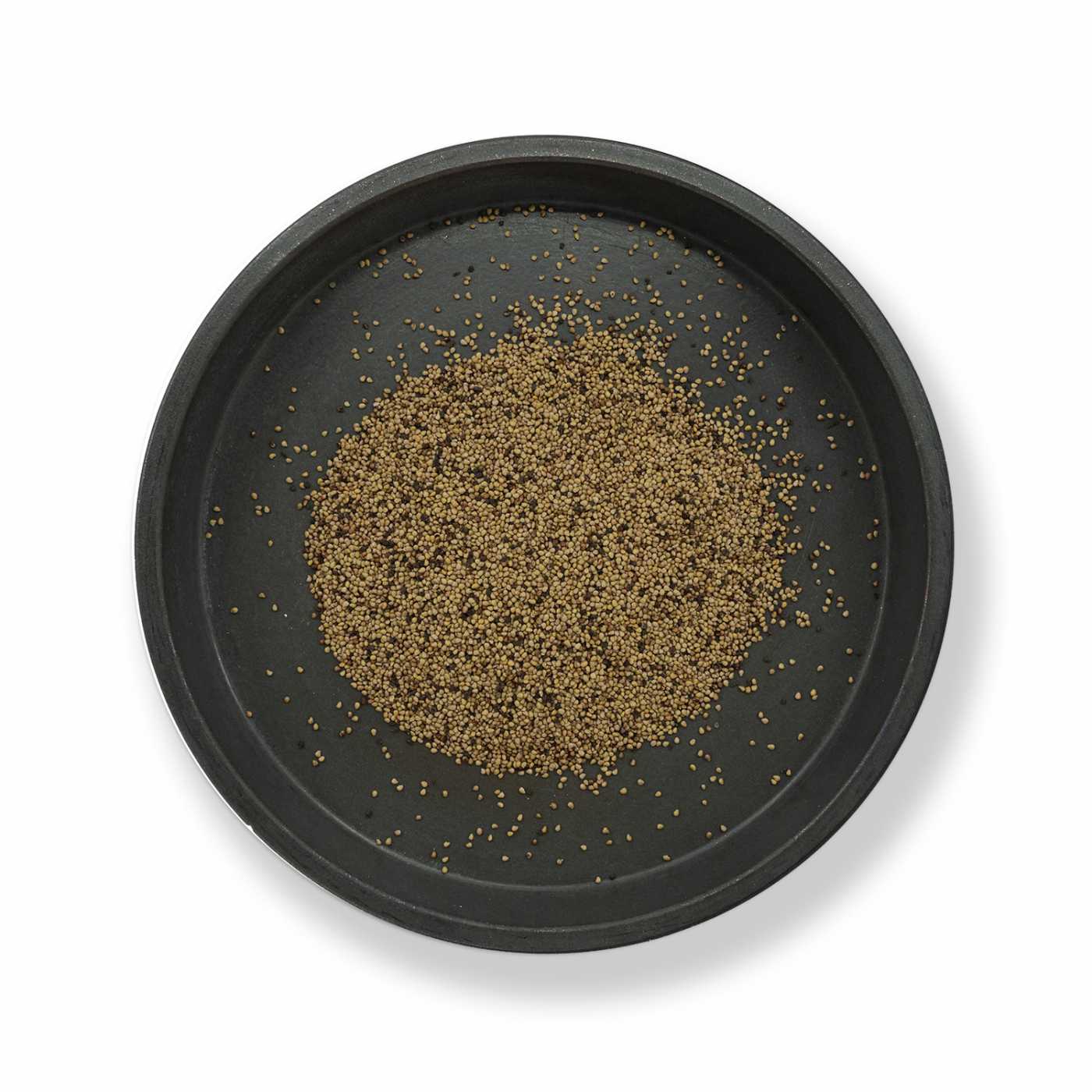
Moroccan Cosmetic Clay, Rhassoul, 500 g

Pack size100 g500 g1 kg

Cosmetic Moroccan clay rhassoul (also known as ghassoul ) is a natural mineral raw material traditionally used in Morocco. full description

AvailabilityIn stock · 21 bal.
Product codeKIL020_500
Batch1523-S1224
Best before04/2028
€16.16incl. VAT€32.32/kg

Lowest price in the last 30 days: €16.16

Product description

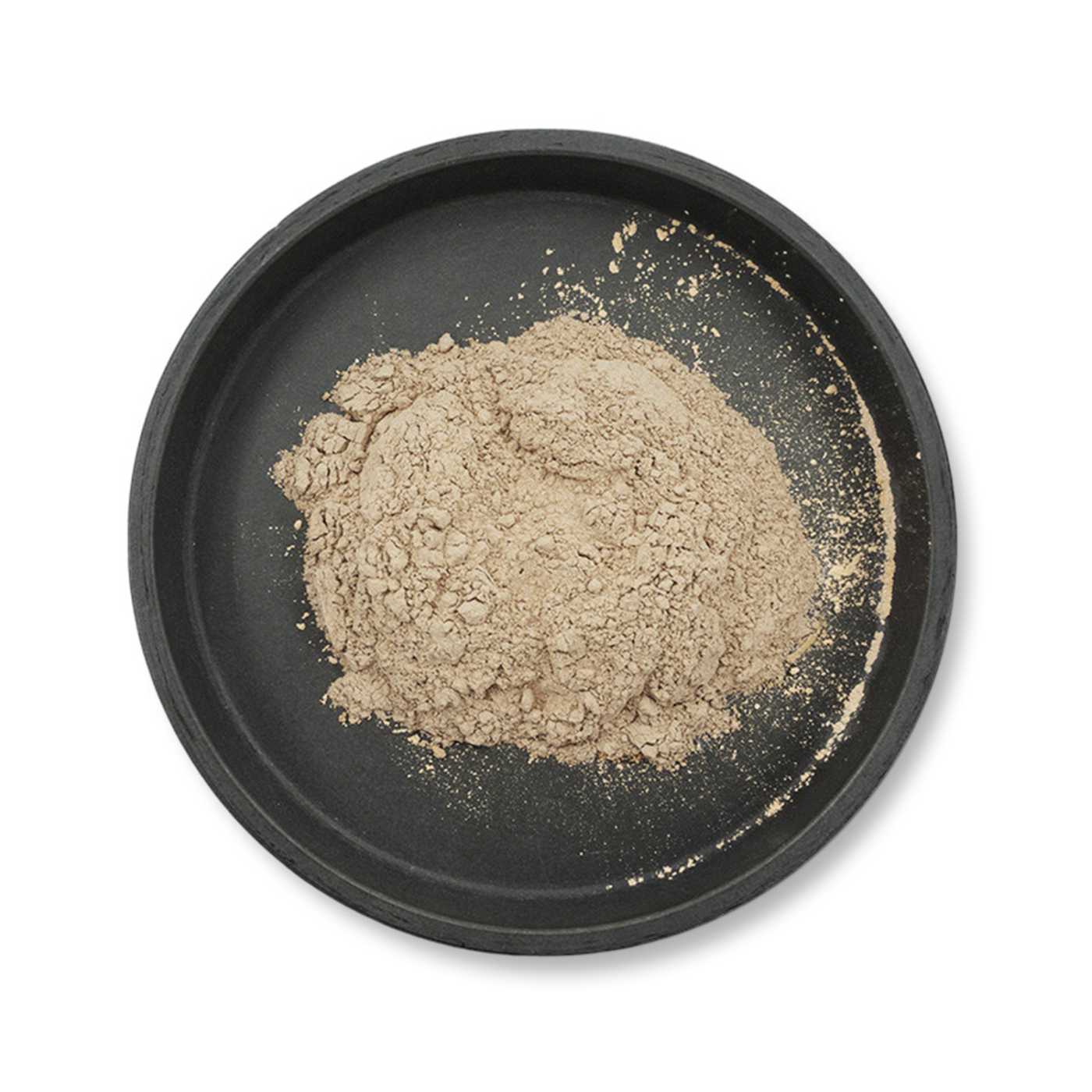
Cosmetic Moroccan clay rhassoul (also known as ghassoul) is a natural mineral raw material traditionally used in Morocco. It is obtained by mining in the Atlas Mountains, then mechanically purified, dried and milled into a fine powder suitable for cosmetic applications.
Rhassoul is valued especially for its ability to bind sebum and impurities without aggressive degreasing – therefore it is often used for both skin and hair. In formulations it acts as a gentle adsorbent and leaves the skin looking cleaner and velvety mattified.


Key benefits

  • Gentle cleansing of facial skin and scalp – binds excess sebum and impurities.
  • Mattifying effect – helps unify appearance and reduce shine.
  • Soft sensory profile – improves “slip” and skin feel in powder blends.
  • Supports a smooth appearance – suitable for masks and wash-off pastes.
  • Mineral composition – popular in minimalist, naturally oriented formulations.

Suitable for products such as

  • Face masks – cleansing, mattifying, for combination and oilier skin.
  • Hair and body wraps – traditional “mud” treatments.
  • Cleansing powders and ubtan-type blends, powder masks.
  • Wash pastes and gentle scrub blends (depending on particle size and formulation).
  • Soaps – to modify feel and appearance (depending on formulation).

Use in formulation

  • Insoluble in: water and oils – used as a suspension/powder phase.
  • Mixable with: aqueous phases (forms a paste), hydrolats, gels; in anhydrous products it is used as a powder additive.
  • Compatible with: surfactants, emulsions, oils and butters (as a powder phase); for a more pleasant feel in masks it is often combined with humectants (e.g. glycerin) or a few drops of oil.
  • Technological tip: sieve the powder and add gradually; to minimise lumps it is practical to first disperse it in a small amount of liquid to a smooth slurry and only then add the rest.

Safety and storage

  • Avoid inhaling fine dust; handle slowly and in a well-ventilated area.
  • Avoid contact with eyes; in case of contact rinse with water.
  • Store in a dry place and in a tightly closed container so that the raw material does not absorb moisture and odours from the surroundings.
  • For sensitive skin, first test a shorter exposure time and a lower concentration in the mask.

FAQ

Is there a difference between the names rhassoul and ghassoul?

In practice the names are used as synonyms for the same raw material; the difference lies mainly in transcription/naming according to region and supplier.


Why can a clay mask “crack” on the face?

This is typical when the mineral paste dries and shrinks. It helps to apply a thinner layer, shorten the exposure time, or lightly mist the mask with a hydrolat so it does not dry out completely.


Can a prepared clay paste be stored until the next day?

It is not recommended without preservation. After mixing with water, an environment suitable for microbial growth is created; it is safer to mix a fresh portion each time.


Can rhassoul affect the colour of the finished product?

Yes, its natural mineral colouring can tint emulsions, soaps and powders. For colour-sensitive products, carry out a test on a small batch.


How best to combine rhassoul with acids (AHA/BHA) in a single mask?

When combining with acids, work carefully: reduce the acid concentration, shorten the exposure time and always test compatibility and tolerability on a small area. For sensitive skin it is more suitable to alternate products rather than mixing them into a single mask.


If you want to learn more about the benefits and use of cosmetic clays, read our article Cosmetic clays and their use.
Also have a look at other cosmetic clays offered by Handymade.sk.

Parameters

INCI
Moroccan Lava Clay
Solubility
Insoluble

Learn how to work with it

From our blog
REVIEWS

Verified by customers.

No reviews yet.

Only customers with a delivered order can write reviews.