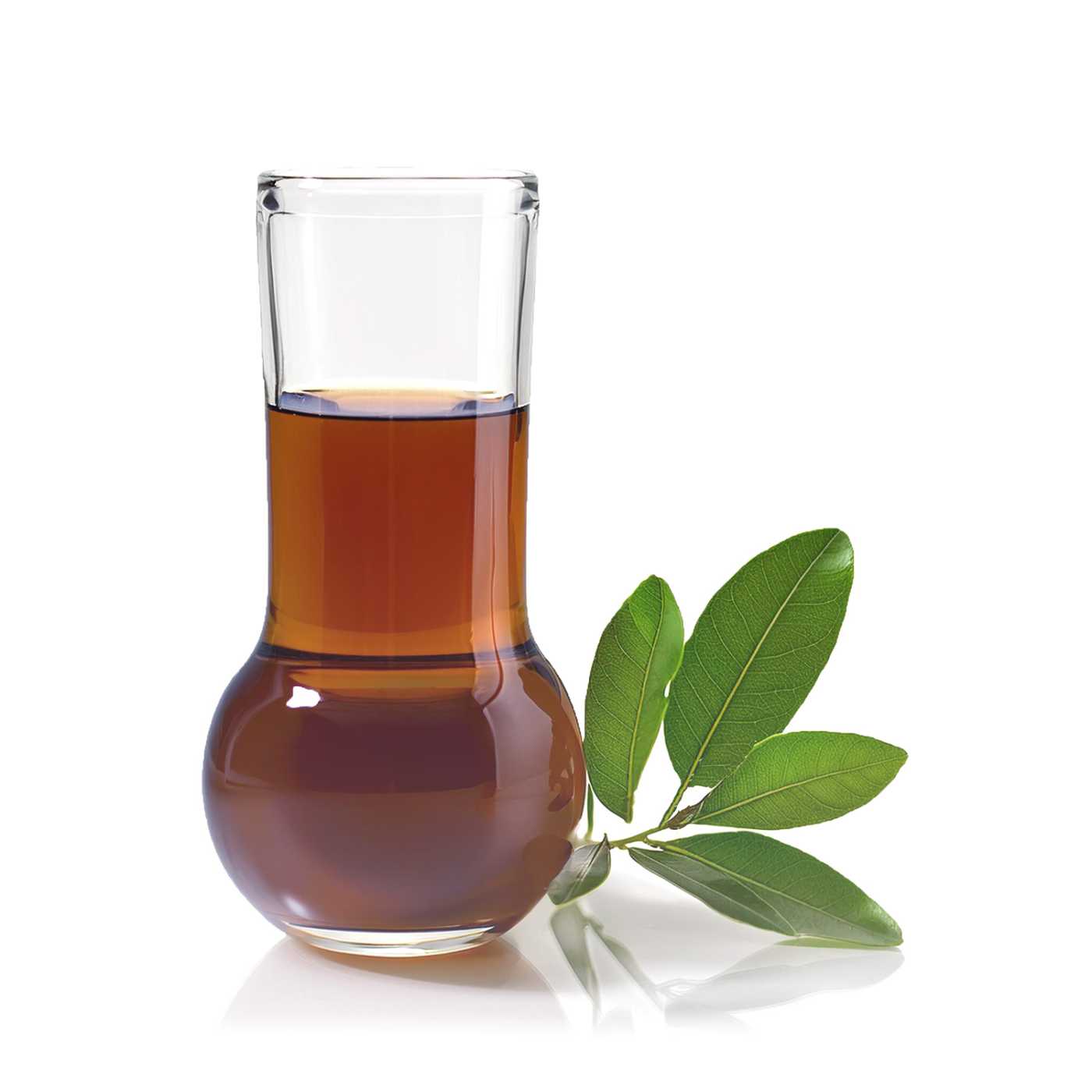
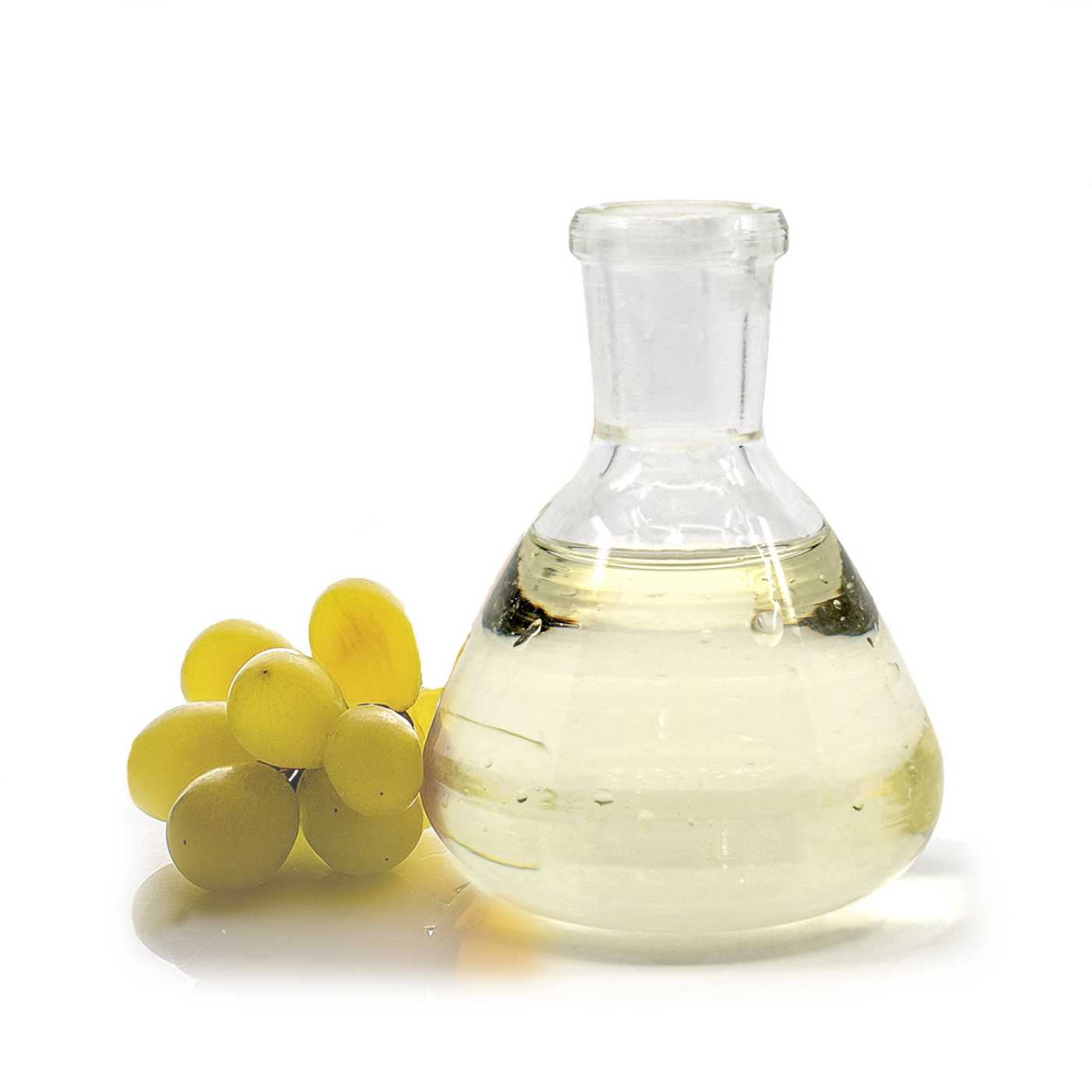
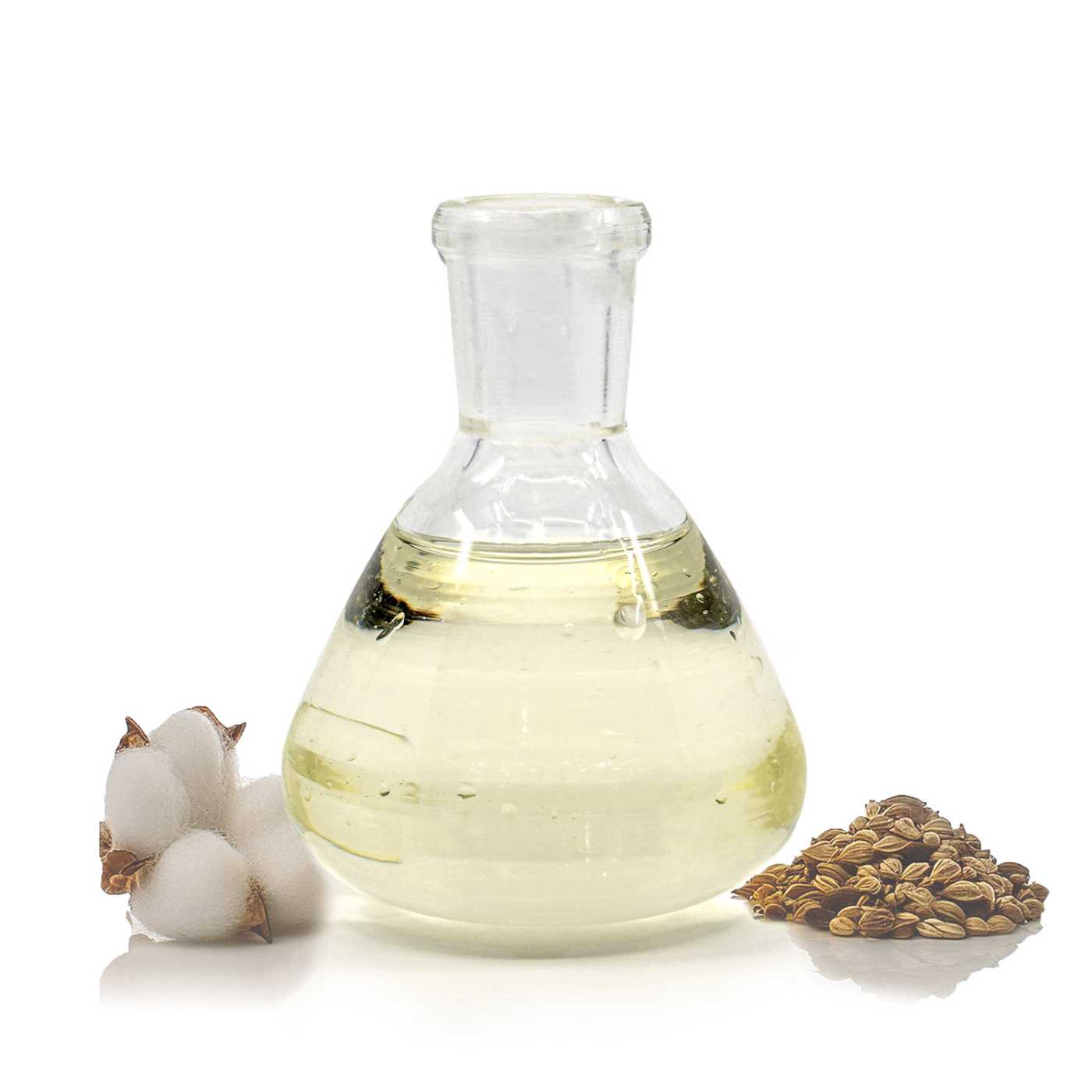
Niaouli essential oil is added to cosmetics for its fresh cineole scent and for its effect on oily and problem skin. It is obtained by steam distillation of the leaves of the Melaleuca viridiflora tree, which belongs to the same genus as the tea tree, and in a formulation it acts as a fragrance component, an active ingredient and, in hair care, a conditioning agent.
The oil is solvent-free and of both cosmetic and food grade. It is suitable for facial oils, serums, cleansing products, toners, lip balms, after-sun products, massage blends and hair products for the scalp. The fragrance is herbal and medicinal, with a pronounced cineole and camphor note.
What it is used for
- Cleansing effect – the manufacturer states that the oil helps remove impurities and excess sebum from the skin and hair and supports a clean appearance of the pores. For this reason it is used in products for oily and acne-prone skin.
- Soothing irritated skin – according to the manufacturer’s documentation it has an anti-inflammatory effect, which shows as reduced redness and a reduced feeling of discomfort. It can be used in rinse-off and leave-on products for the face and body.
- Antimicrobial effect – the manufacturer describes it as an ingredient that supports clean skin and limits unwanted microorganisms on its surface. In a formulation this is a supporting effect and it does not replace a preservative.
- Cooling sensation – it leaves a refreshing, slightly cooling feel on the skin. The manufacturer therefore recommends it for after-sun products and for products that relieve the feeling of heat.
- Fresh fragrance in hair care – in shampoos and scalp products it acts mainly as an invigorating fragrance component. The manufacturer does not state any specific effects on the hair fibre.
Use in formulations
Niaouli is a volatile essential oil, so it is added only in the cooling phase or to the finished base afterwards, at a temperature below 40 °C. At higher temperatures some of the fragrance components evaporate and the resulting fragrance is weaker.
In emulsions it is incorporated into the oil phase in cold-process production, or stirred into the cooled emulsion while mixing continuously. In anhydrous products, for example facial oils, balms or solid massage bars, it is enough to mix the oil into a carrier oil or into a melted and partly cooled base.
The essential oil does not dissolve directly in water-based products such as toners and facial mists. It needs a solubiliser, or it is first dissolved in alcohol, with which it is compatible. In rinse-off products, for example shampoos and cleansing gels, it is added cold to the finished surfactant blend.
The manufacturer does not state an exact recommended usage rate. Follow the IFRA maximum levels for the product category you are making (the categories are listed in the parameters) and the safety data sheet. Essential oils are used at low rates, and you should test a new formulation in a small batch first.
Suitable for products such as
- Facial oils and serums for oily skin – the oil dissolves in a carrier oil without heating, and the fragrance and cleansing effect come through in a leave-on product.
- Cleansing gels and facial toners – in toners with a solubiliser or alcohol, and in cleansing products as a fragrance component and a supporting active ingredient.
- After-sun products – for a cooling sensation in light emulsions and gels.
- Lip balms, oils and scrubs – the manufacturer states that it is suitable for the whole group of lip products. A separate IFRA category with its own limit applies here.
- Shampoos and scalp oils – as a fragrance and conditioning component, added cold.
- Massage oils and diffuser blends – for a herbal, fresh fragrance.
Good to know
When composing the fragrance, the share of niaouli counts towards the total content of fragrance components in the formulation. This must be added up with all the other essential oils and compared with the limits for the given type of product.
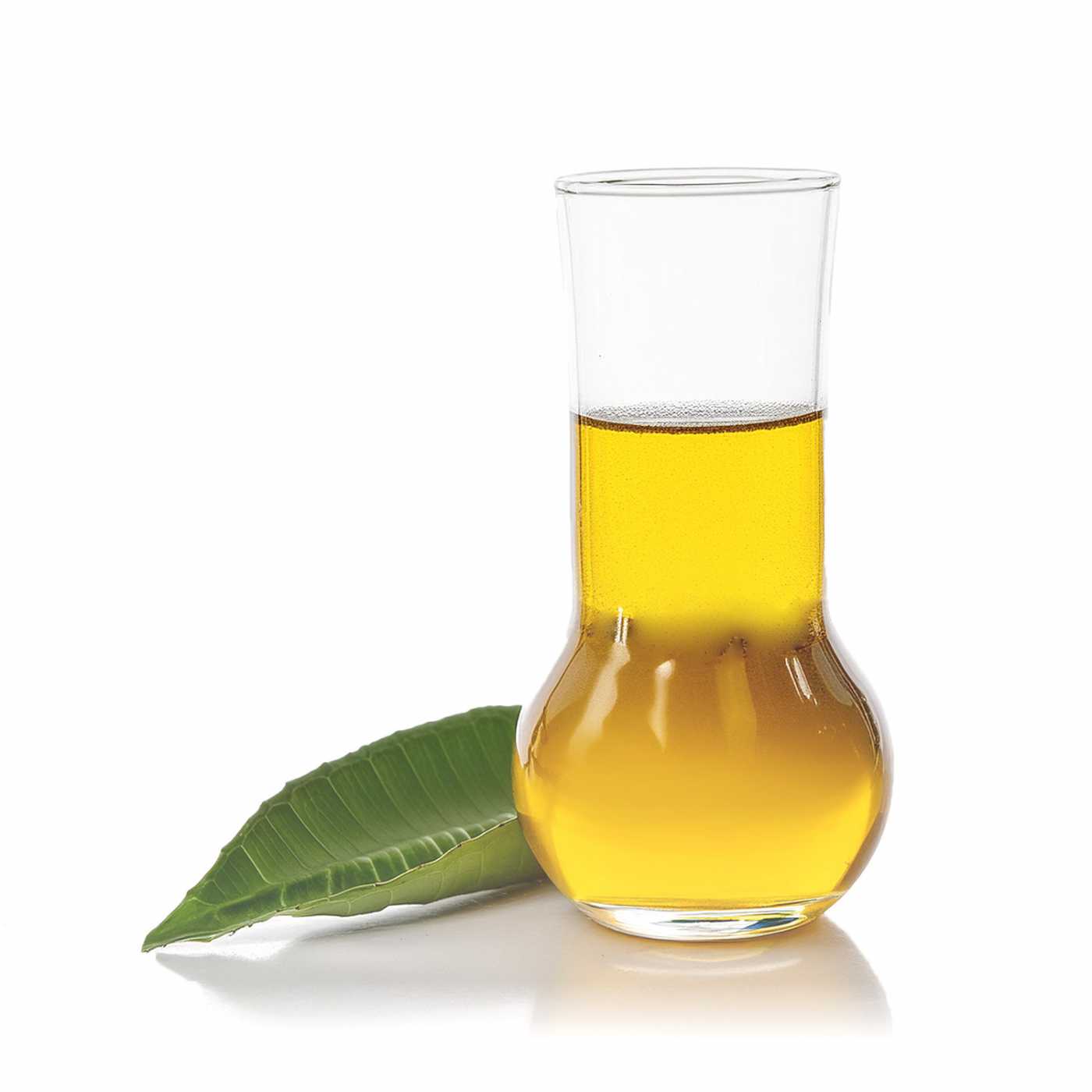
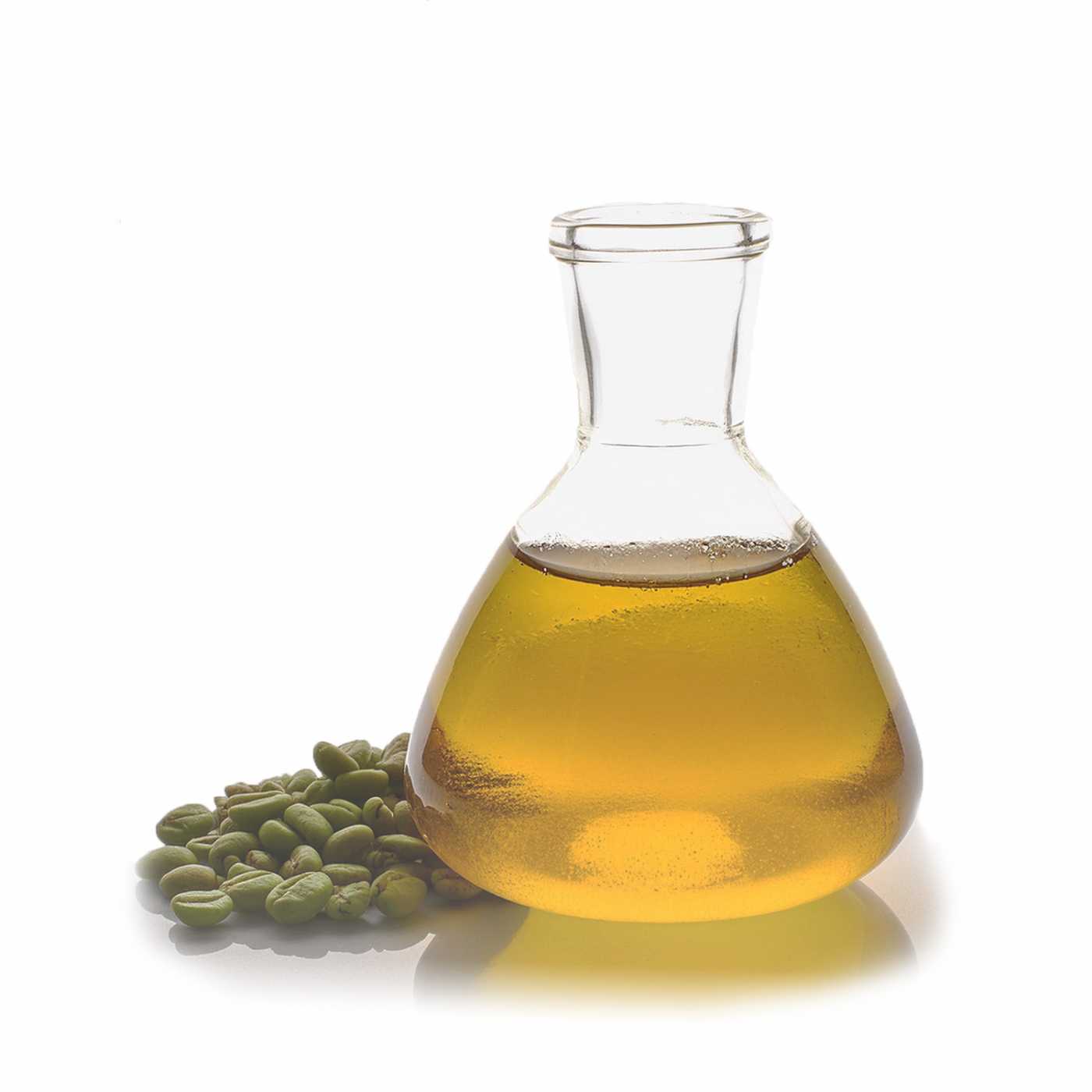
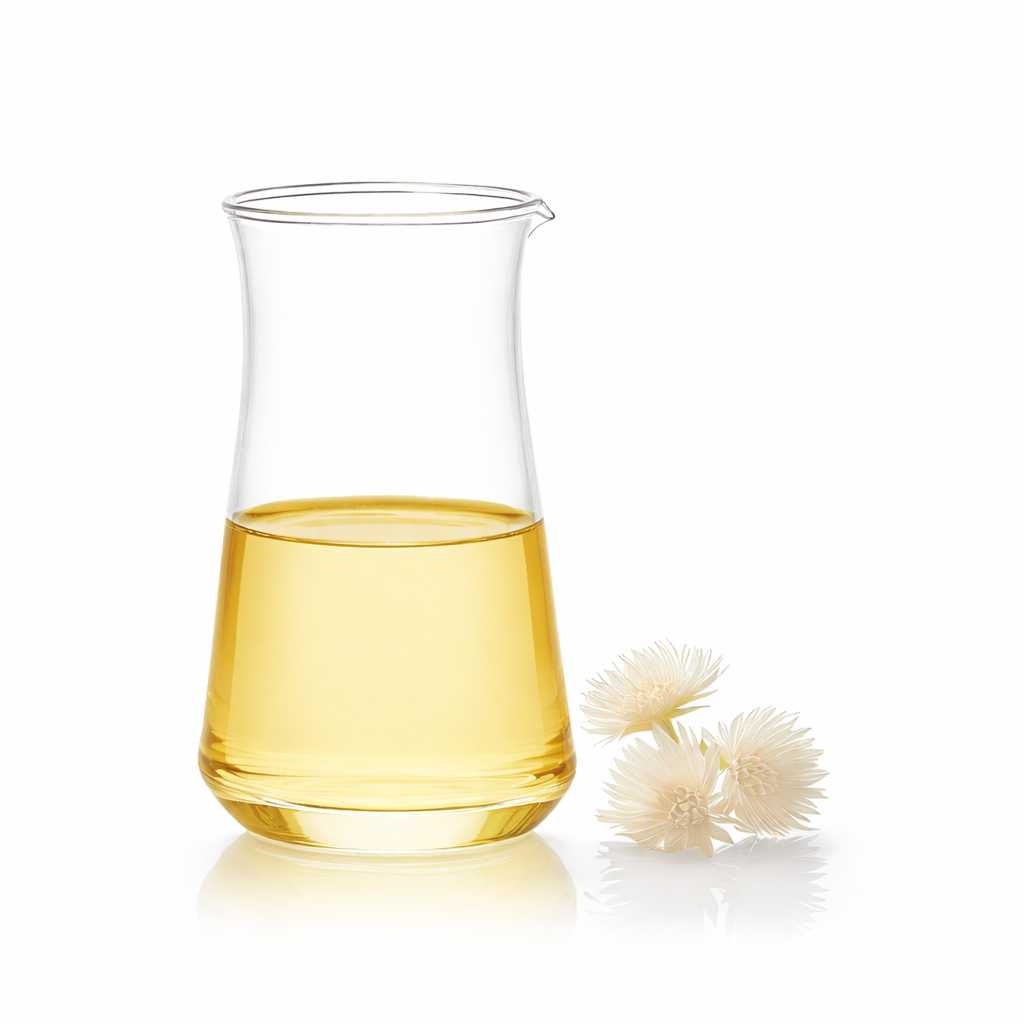
The oil is colourless to light yellow, so at normal usage rates it does not change the appearance of light emulsions and gels. Clear water-based systems become cloudy without a solubiliser, or the oil settles on the surface in droplets. All essential oils behave this way, and it has nothing to do with the raw material itself.
Niaouli belongs to the same genus as tea tree oil, but it is a different species with its own INCI name and its own safety documentation. This batch comes from Madagascar and holds a Vegan certification.
The oil is classified under the CLP Regulation and contains hazardous substances, including components classified as CMR. When working with the undiluted oil, follow the safety data sheet, and for finished products observe the IFRA limits for the relevant category.
Frequently asked questions
Is niaouli essential oil soluble in water?
No, niaouli essential oil does not dissolve in water. It is incorporated into water-based products such as toners or facial mists with the help of a solubiliser, or it is first dissolved in alcohol, with which it is compatible. Without a solubiliser the oil separates from the water and the product becomes cloudy.
At what temperature is niaouli essential oil added to a cream?
Niaouli essential oil is added to a cream at a temperature below 40 °C, in the cooling phase. Essential oils are volatile and lose some of their fragrance components at higher temperatures. The oil is stirred into the cooled emulsion while mixing continuously, so that it disperses evenly throughout the whole volume.
Is niaouli essential oil suitable for oily and acne-prone skin?
Yes, niaouli essential oil is suitable for oily, acne-prone and problem skin. The manufacturer cites a cleansing effect, which helps remove excess sebum and impurities, and an antimicrobial effect that supports a clean appearance of the skin. It is most often used at a low rate in cleansing products, toners, facial oils and serums.
What is the difference between niaouli and tea tree essential oil?
Niaouli and tea tree oil come from different species of the same genus, Melaleuca. Niaouli is obtained by steam distillation of the leaves of Melaleuca viridiflora and has a herbal, medicinal fragrance with a pronounced cineole note. It is a separate raw material with its own INCI name, its own safety data sheet and its own IFRA limits, so the two cannot simply be swapped in the same amount in a formulation.
Can niaouli essential oil be used in a lip balm?
Yes, niaouli essential oil can be used in lip balms, oils and scrubs. The manufacturer lists them among the recommended product types. Lip products fall into a separate IFRA category with its own limit, so you should check the usage rate against the current IFRA standard and the safety data sheet.
Does niaouli essential oil replace a preservative in cosmetics?
No, niaouli essential oil does not replace a preservative. The antimicrobial effect stated by the manufacturer is a supporting effect on the surface of the skin, not protection of the product against microbial spoilage. Every product that contains water needs its own preservative system, and its efficacy is verified by a challenge test.