Pre-orderSold out
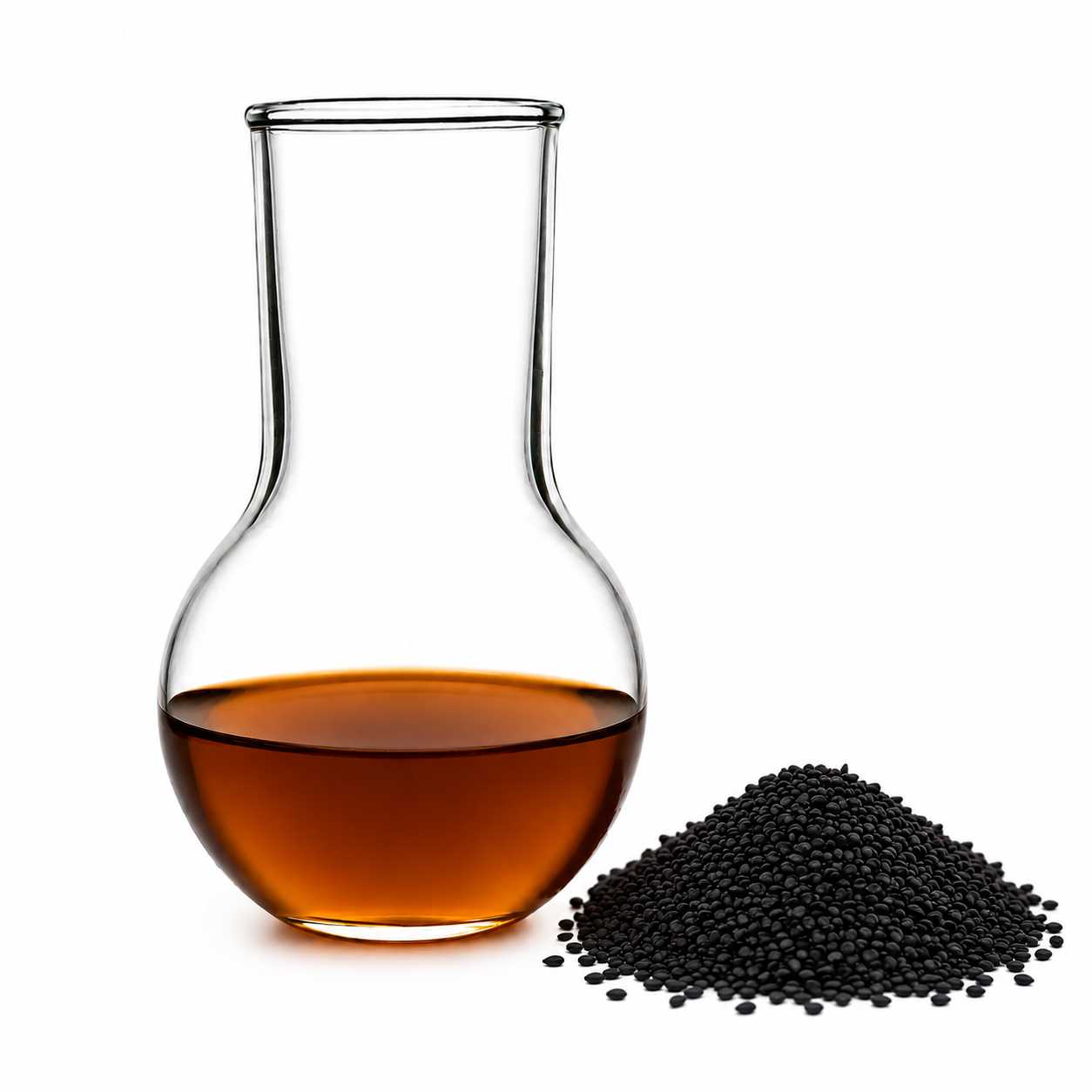
Black Cumin CO2-to Extract, Organic, 10 ml
€3.89(€389.00/l)

ACTIVE INGREDIENTS
Oat Lipid e is an oat oil obtained from the kernels of common oat (Avena sativa). In addition to triacylglycerols, it contains ceramides, sterols and phospholipids . full description
Lowest price in the last 30 days: €33.99
Oat Lipid e is an oat oil obtained from the kernels of common oat (Avena sativa). In addition to triacylglycerols, it contains ceramides, sterols and phospholipids. In face and body products it softens dry skin and supports its protective barrier. On hair it smooths the cuticle and adds shine.
It is added to the formulation at a low usage rate as an active ingredient of the oil phase. The raw material is of European origin and is suitable for both rinse-off and leave-on products.
The main difference is in the lipid composition. Most vegetable oils consist almost exclusively of triacylglycerols. Besides these, the oat oil Oat Lipid e contains polar lipids, which make up 5–16% of all lipids. They include ceramides, glycolipids and phospholipids. As a guide, it contains 56% triacylglycerols, 14% sterols and 1% ceramides. Values vary slightly between batches depending on the oat harvest.
The fatty acid profile is balanced as well. Oleic acid accounts for approximately 40%, omega-6 fatty acids for at least 36% and palmitic acid for around 15%. In the manufacturer’s comparative analysis, it was the only one of the tested cosmetic oils that had a polar lipid fraction and, at the same time, a balanced ratio of saturated, monounsaturated and polyunsaturated fatty acids.
The oil is more oxidatively stable than its share of unsaturated fatty acids would suggest. It is protected by its own antioxidants: tocopherols and tocotrienols (vitamin E, approximately 300 ppm), ferulic acid and caffeic acid. In the manufacturer’s study, it was more stable than sunflower oil and wheat germ oil. Adding 3% to sunflower oil extended the time to the oxidation limit by 10% in that study.
Ceramides are a natural component of the skin barrier and make up 40–50% of the lipids of its horny layer. Together with sterols and fatty acids, they fill the space between the cells of the top layer of the skin and limit water evaporation. The ceramides in oat oil are identical to those found in the skin. The oil therefore has its place above all in products for dry and stressed skin, for example for hands dried out by frequent washing.
On the skin it acts as an emollient, softens it and absorbs well. In the manufacturer’s studies, it proved to be non-comedogenic, with a moisturising and soothing effect. Besides dry and mature skin, it is also used in the care of acne-prone skin.
In hair, ceramides are found in the cuticle, the outer layer of the hair that protects and strengthens the hair fibre. The oil smooths the cuticle, so the hair is easier to comb and shinier.
In the manufacturer’s study, a shampoo with 0.5% of the oil was tested. After a single application, the ceramide content in the cortex of hair exposed to UV radiation increased by 67%. Hair shine was 52% higher than after a shampoo with silicone.
The oil belongs in the oil phase and is insoluble in water. In a formulation it tolerates pH 3.0–8.0.
Temperature is decisive during processing. The oil is stable up to 45 °C, so it is not added to the hot oil phase. It is added to the emulsion during cooling, once the temperature drops below 45 °C, and below 40 °C for face products. Mix it into the finished base and stir until the mixture is homogeneous.
The usage rate depends on the type of product:
In formulations, it is most often used at around 2–3%, and higher rates are rare. In its consumer test involving frequent hand washing, the manufacturer used a hand cream with 5% of the oil.
It is often combined with oat flour (Avena Sativa Kernel Flour), glycerine and cetearyl alcohol (Cetearyl Alcohol).
The oil is obtained from oat kernels by solvent extraction, then refined and filtered. It is not cold-pressed. It contains a maximum of 500 ppm of residual ethanol.
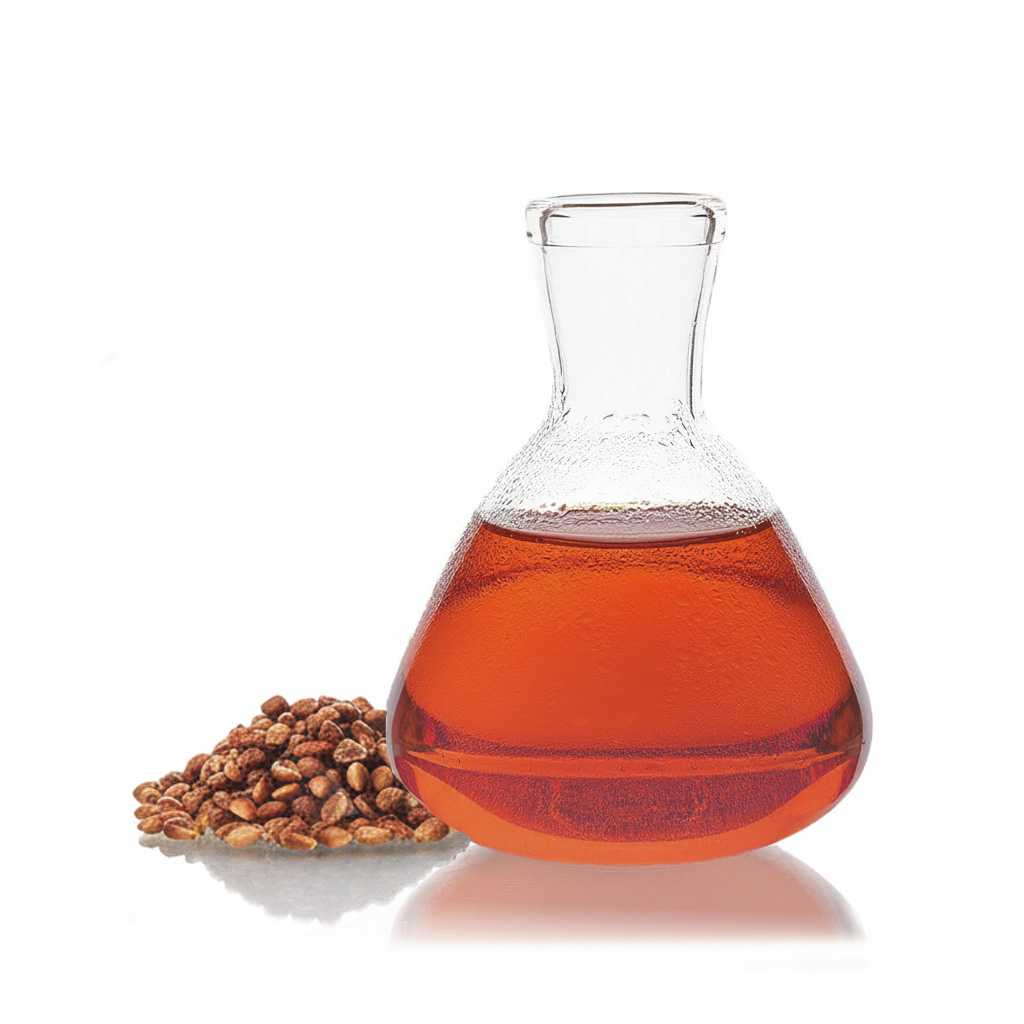
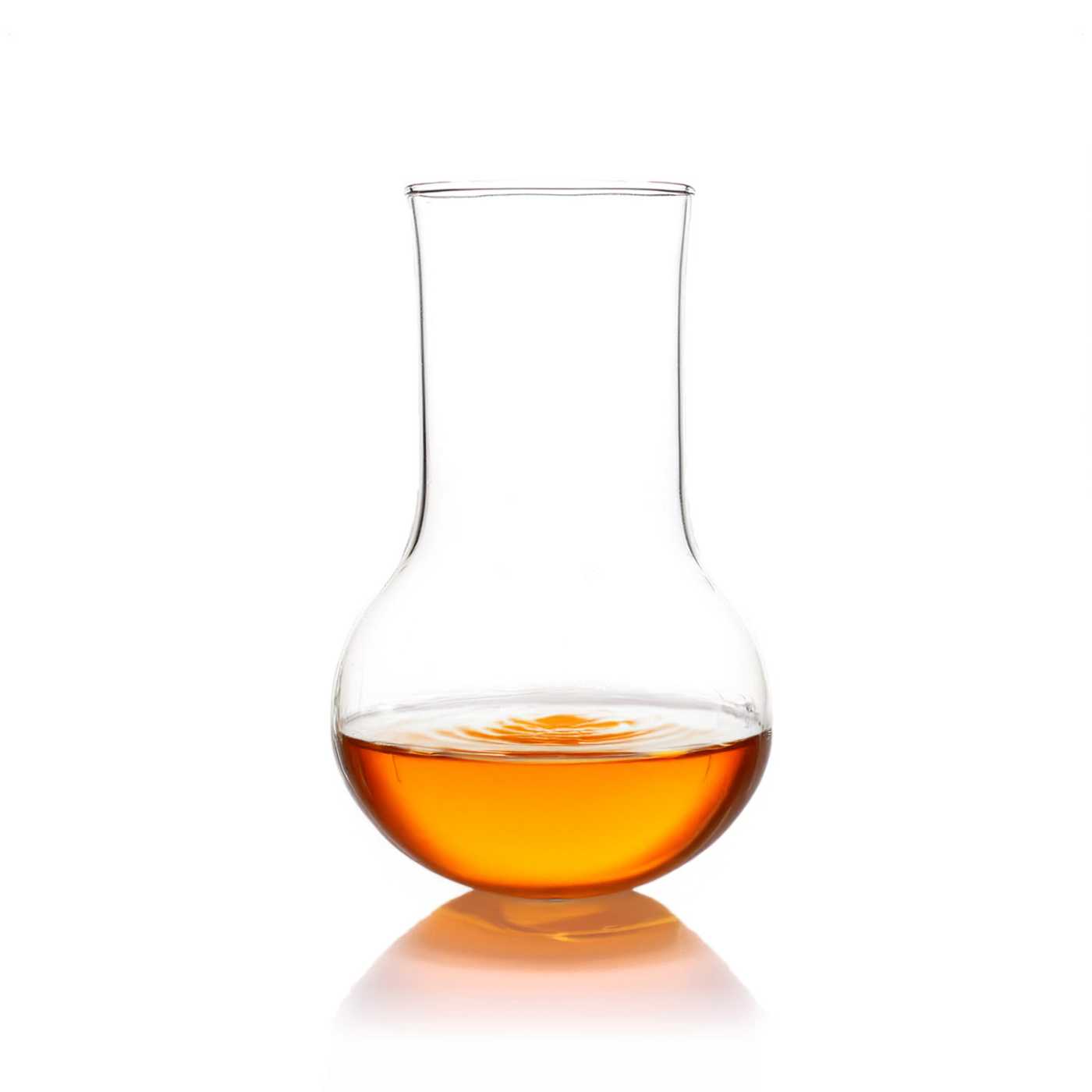
The oil is clear, yellow to brown and has a mild natural scent of oats. We recommend checking the colour and scent of the finished product on a trial sample. For shampoos, also test the effect on clarity and viscosity.
In the cold, the oil may become cloudy and thicken because natural waxes precipitate out of it. This is not a defect of the raw material. Before weighing it, warm it gently, to 45 °C at most, and mix thoroughly so that each portion has the same composition.
The raw material is of plant origin and vegan, free from preservatives and fragrance allergens. It contains a maximum of 20 ppm of gluten, which corresponds to the gluten-free designation. It is readily biodegradable. It has ECOCERT Natural certification according to the COSMOS standard and NATRUE approval, and it also meets Halal and Kosher requirements.

Premium-quality oat oil with a beautiful skin feel. A lovely addition to both emulsions and anhydrous formulations.
Translated automatically