Olive squalane is a lightweight plant-based emollient that hydrates, softens and smooths the skin in cosmetics without a greasy feel. It is produced from an olive source (Olea europaea) by hydrogenation, which gives squalene a stable, saturated form suitable for cosmetic formulations.
According to manufacturer data, it absorbs quickly and leaves no greasy film. It is suitable for facial oils, serums and creams, as well as hair and body care. The raw material is of plant origin, vegan, palm oil-free and readily biodegradable.
Key benefits
- Hydration without a greasy film – it forms a thin layer on the skin that limits water loss without leaving a shine or sticky feel. It absorbs quickly.
- Skin barrier support – the manufacturer states that it strengthens the skin's natural barrier and maintains suppleness. Mature skin shows the most visible response.
- Anti-aging – it contains antioxidants. According to manufacturer studies, it helps neutralise free radicals, improves skin elasticity and firmness, and reduces the appearance of fine lines and wrinkles.
- Formulation stability – after hydrogenation it is saturated, so it does not turn yellow or change scent the way unsaturated vegetable oils do.
- Hair care – in hair oils and leave-in serums it smooths unruly hair, adds shine and does not weigh it down. The manufacturer also indicates support for scalp hydration.
Use in formulation
It is added to the oil phase. It dissolves in oils and anhydrous bases and does not mix with water, so it requires an emulsifier in creams and lotions. It can be processed cold or hot; when heating, keep the temperature below 80 °C.
Dosage is flexible, in the range of 1 – 100 %. At lower percentages it improves spreadability and the feel of the emulsion on the skin; at higher percentages it replaces part of the carrier oil and lightens the texture. On its own, without other ingredients, it serves as a single-ingredient facial oil.
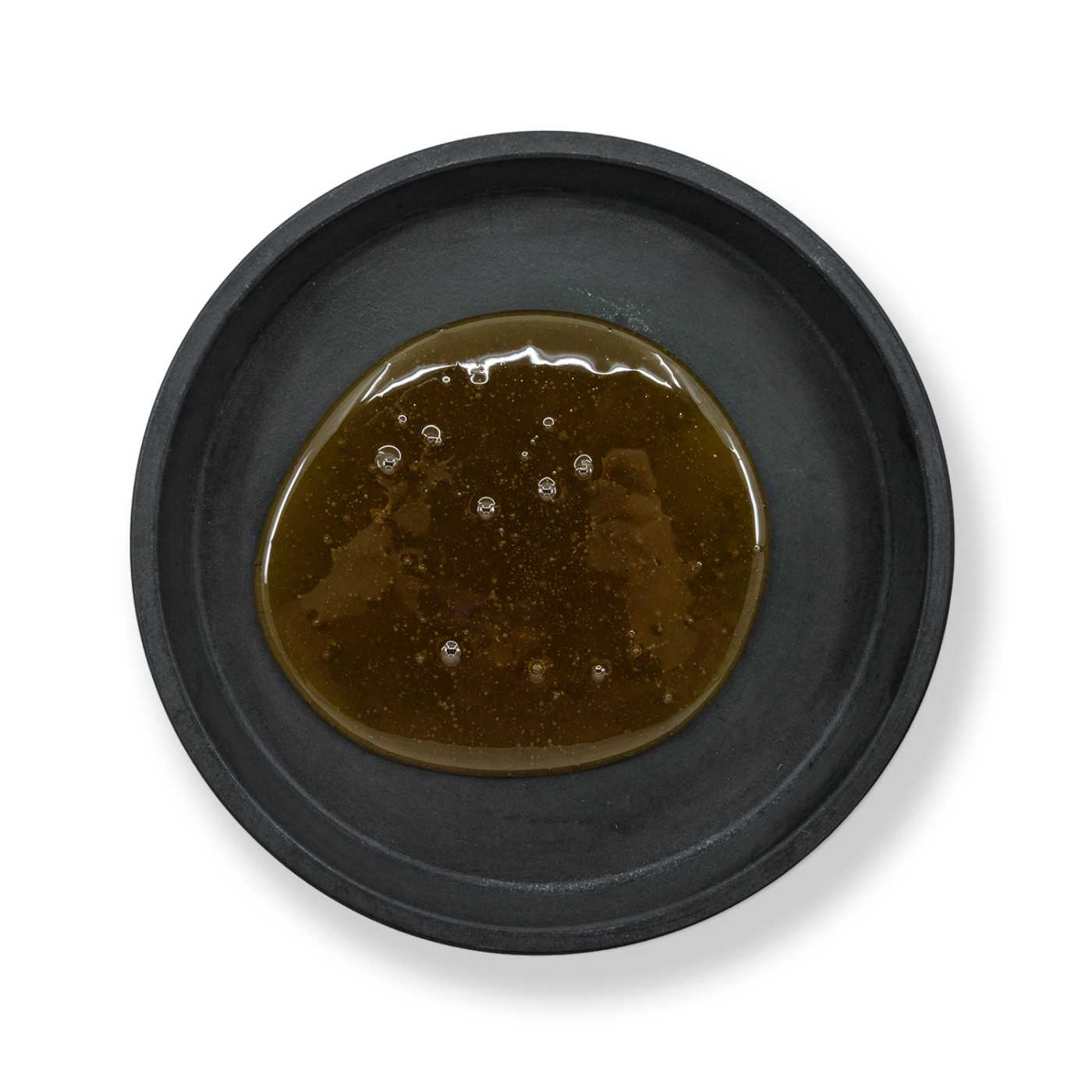
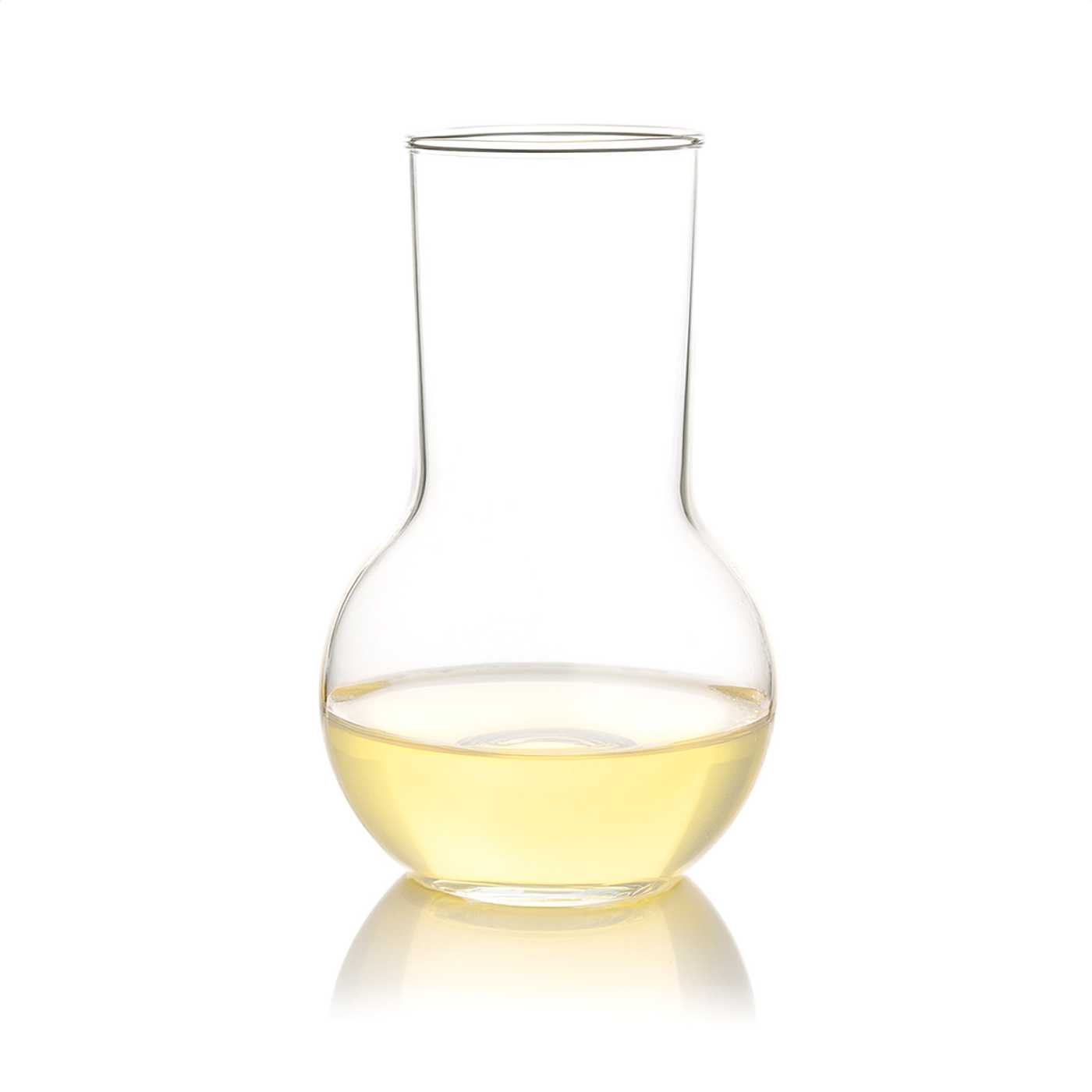
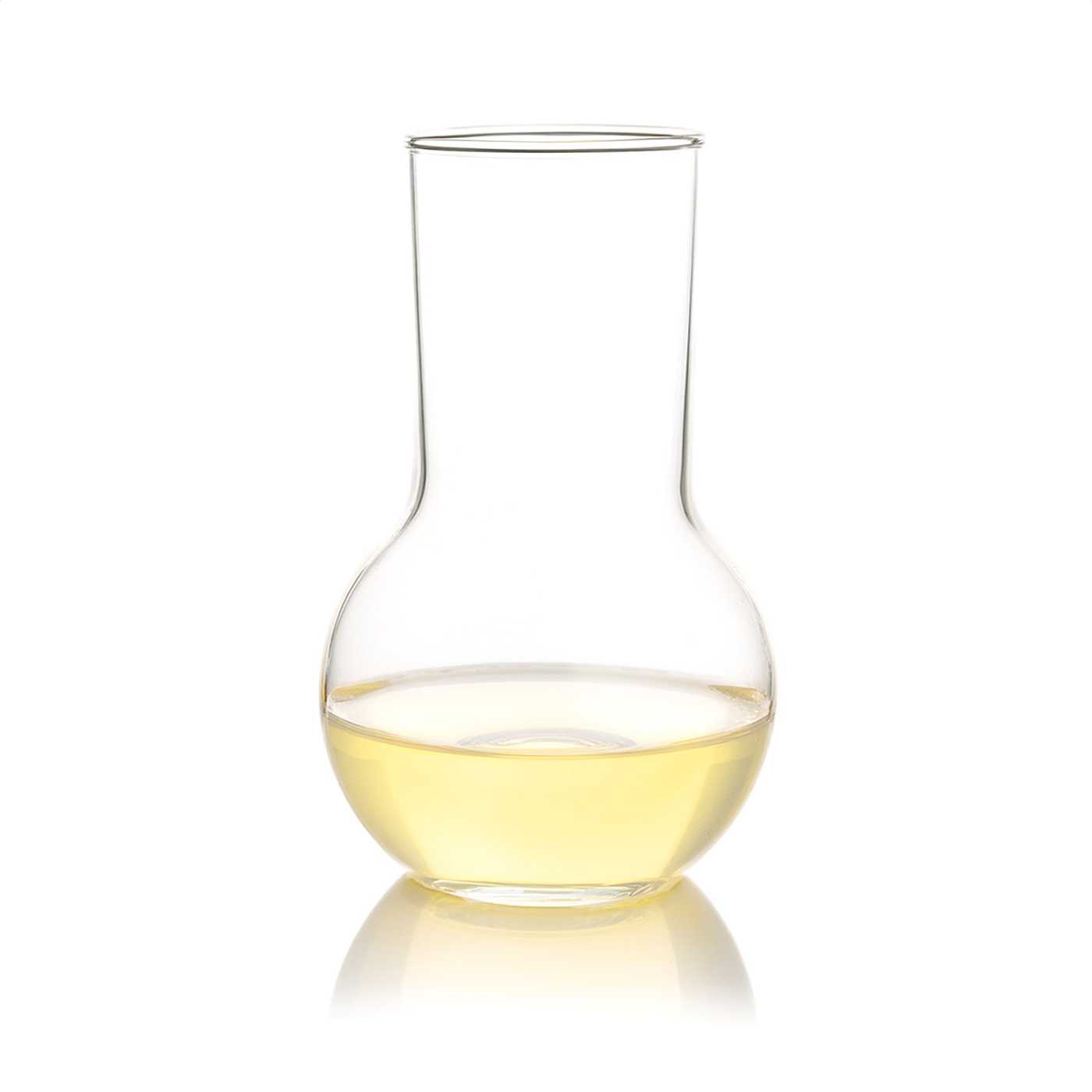
It is colourless and odourless, so it adds neither colour nor scent to the formulation. It is suitable for unscented products as well as products where the scent is determined by another ingredient.
You can lighten a heavy formulation with butters or thick oils by replacing part of the oil phase with squalane. The product will absorb faster and the greasy feel after application will be reduced.
Compatibility with common cosmetic ingredients is unrestricted. It mixes with vegetable oils, butters, waxes, esters and essential oils.
Suitable for products such as
- Facial oils and serums – on their own or as a base to which oil-soluble actives and essential oils are added.
- Face and body creams and lotions – in the oil phase of O/W and W/O emulsions it softens the skin feel and reduces greasiness.
- Body butters and oils – they lighten a heavy butter base.
- Hand and foot creams – fast hydration without a slippery film.
- Hair oils and leave-in treatments – for the lengths and ends of hair, and for scalp products.
The application type is leave-in. The raw material is intended for products that remain on the skin or hair.
Good to know
Squalane is a lightweight oil and will not thicken a formulation. If you need a denser consistency, add a wax or an oil-based thickener.
When choosing an emulsifier, the oil phase is calculated as a whole. Squalane itself does not require any special emulsification system.
During processing it does not evaporate, has no odour and adds neither fragrance nor food allergens to the formulation. It is therefore also suitable for fragrance-free formulations.
Frequently asked questions
Can olive squalane be used on its own, directly on the skin?
Yes, olive squalane is also used as a stand-alone facial oil without other ingredients; the dosage allows up to 100 %. A few drops are enough — they absorb quickly and leave no greasy film. It is odourless and does not colour the skin, so you can leave it unscented or add a fragrance oil of your choice.
How is olive squalane added to a cream?
Olive squalane is added to the cream's oil phase together with the other oils and the emulsifier. It can be heated up to 80 °C, which is sufficient for melting common emulsifiers and waxes. In cold-process emulsions, it is mixed into the oil phase before combining with the water phase. The proportion is chosen based on the texture you want to achieve; the recommended range is 1 – 100 %.
Is olive squalane water-soluble?
No, olive squalane is soluble only in oils and does not mix with water. To incorporate it into water-based products such as tonics or hydrogels, it must be worked in through an emulsifier or solubiliser, otherwise it will separate. In anhydrous formulations — oils, balms and oil-based serums — it blends without restriction.
Does olive squalane turn yellow over time like other vegetable oils?
No, olive squalane does not turn yellow because it is saturated after hydrogenation and is not prone to oxidation. It does not change colour or scent the way unsaturated vegetable oils do. It is therefore also suitable for formulations where the base should remain neutral for a long time without any change in appearance or scent.
Is olive squalane suitable for hair care?
Yes, olive squalane is used in hair oils, leave-in serums and treatments for the ends. It smooths unruly hair and adds shine without weighing it down. The manufacturer also indicates support for scalp hydration. For fine hair, a small amount rubbed between the palms is enough; for thick and dry hair, a more generous dose can be applied.
Is olive squalane the same as olive oil?
No, olive squalane is not olive oil. It is obtained from an olive source by hydrogenation as a distinct substance that is colourless and odourless. In a formulation it acts as a lightweight emollient, while olive oil serves as a nourishing carrier oil with its own colour and scent. Both ingredients can be combined in the same formulation.