PhytoCellTec Goji Exosomes, 1 g
Pre-order€6.69(€6,690.00/kg)

SOLVENTS
Pack size100 g500 g1 kg5 kg10 kg20 kg
PEG-40 Hydrogenated Castor Oil is a non-ionic solubiliser of vegetable origin. It dissolves fragrance oils and essential oils, plant extracts and vitamins in water so that the product stays clear . full description
Lowest price in the last 30 days: €250.79
PEG-40 Hydrogenated Castor Oil is a non-ionic solubiliser of vegetable origin. It dissolves fragrance oils and essential oils, plant extracts and vitamins in water so that the product stays clear. It is used mainly in facial toners, body and room sprays and shampoos, where the oil component would otherwise float on the surface. It also works as an O/W emulsifier.
The ingredient is made from castor oil by hydrogenation and ethoxylation. The part of the molecule derived from the oil binds to oily substances, while the polyethylene glycol chain binds to water. In an aqueous solution, the solubiliser encloses small amounts of oil in particles so tiny that they do not scatter light, and the solution stays clear.
Solubilisation differs from emulsification in the amount of oil and in the result. Only a small proportion of the oil component is solubilised, usually fragrance, essential oil or a vitamin, and the result is a clear liquid. In emulsification, the whole oil phase is combined with water and the result is a milk or a cream. With an HLB of approximately 13.9, this ingredient can handle both tasks, but its main use is as a solubiliser.
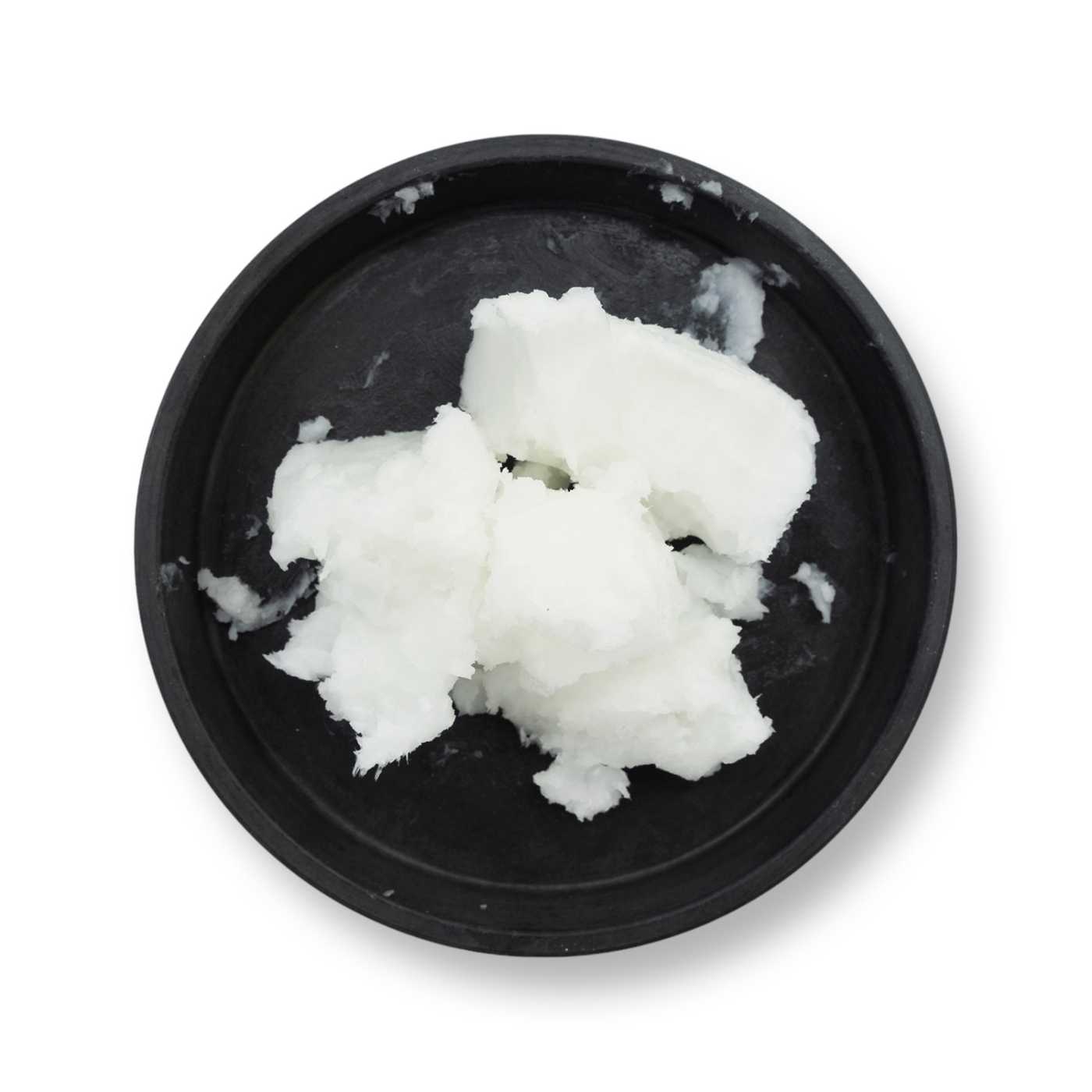
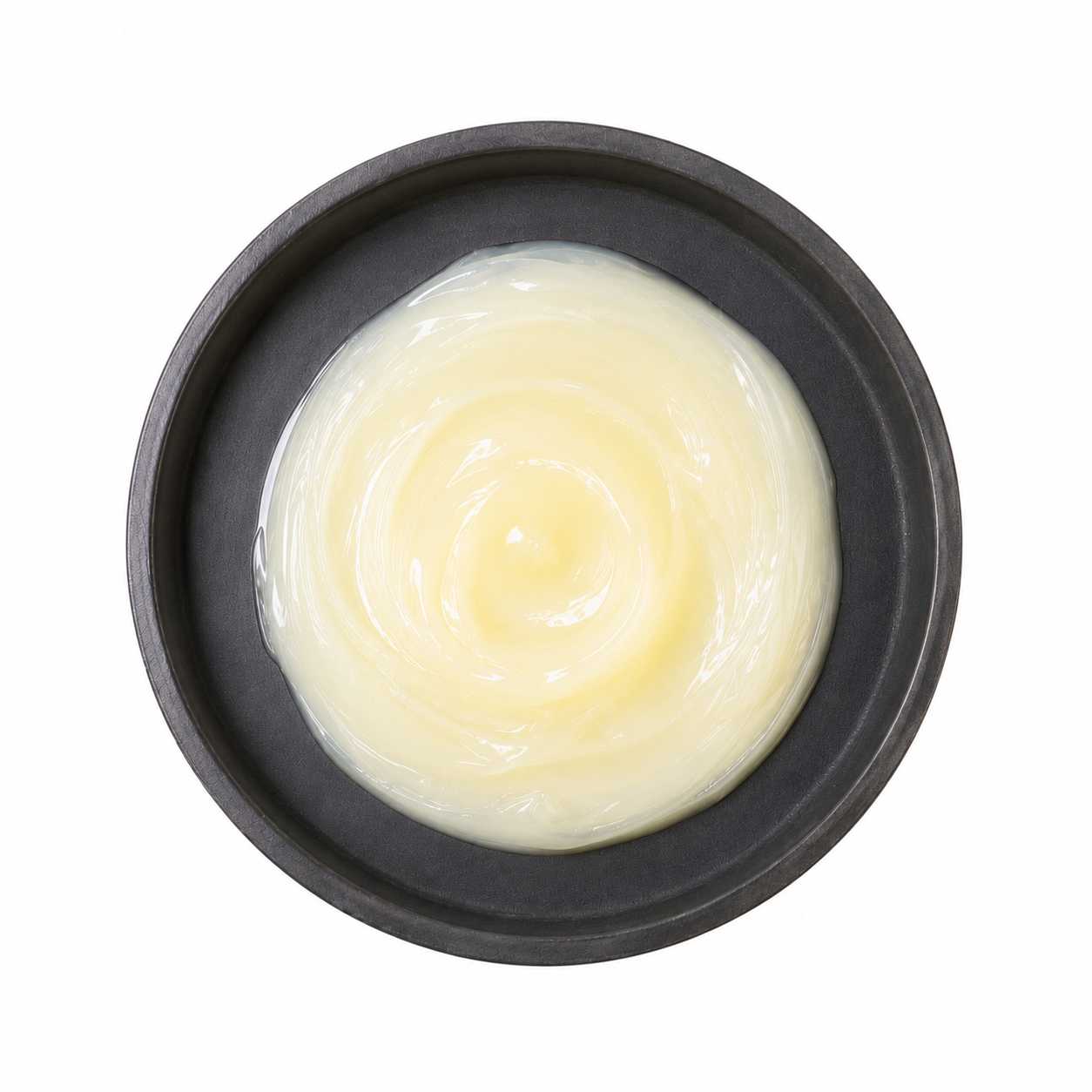
At room temperature, it is a thick liquid to soft paste, white to yellowish in colour, with a characteristic odour. It melts at 32–36 °C, so before weighing it out, melt it completely in gentle heat and stir.
The order of mixing determines whether the product is clear. First, thoroughly mix the melted solubiliser with the oil component, that is, with the fragrance, essential oil or vitamin. Only then gradually stir this mixture into the water. Oil added directly to water containing the solubiliser usually leaves the product cloudy.
Add the mixture of solubiliser and fragrance oil or essential oil to the water in portions, stirring constantly. If the solution remains cloudy, add more solubiliser gradually until it clears.
Work at a temperature of up to 50 °C. As the temperature rises, the solution may turn cloudy. For this reason, clear products should not be overheated, either during production or afterwards. If a finished product is cloudy, the first thing to check is whether it has been exposed to heat.
It dissolves in water and in ethanol, so it is suitable for both aqueous and water-alcohol products. A 10% aqueous solution has a pH of 6.0–7.0, and the same pH range is recommended for the finished formulation. As a non-ionic substance, it is compatible with anionic, cationic, non-ionic and amphoteric surfactants.
The recommended usage rate is 0.5–5%. The actual amount needed depends on the type and quantity of the oil component. In general, you need several times the amount of oil. Always test the ratio, because every fragrance oil and essential oil behaves differently.
In shampoos, the usage rate is usually around 0.6–3.7%, in air fresheners around 1%. In hair waxes and gel oils, where the ingredient also forms the texture, it is typically 4–7%.
In formulations, it is often combined with glycerine, propanediol or propylene glycol and with xanthan gum. It is also combined with other solubilisers and emulsifiers, for example Ceteareth-25 or PEG-7 Glyceryl Cocoate. It does not contain any preservatives itself, so products containing water are preserved as usual.
The quality of the ingredient meets the requirements of the European Pharmacopoeia. The active ingredient content is approximately 100%, and the ingredient contains no water or carrier.
The ingredient is produced by ethoxylation and is a PEG derivative. As a technological impurity, it contains traces of 1,4-dioxane in a concentration below 0.1%. It is not classified as hazardous under the CLP Regulation.
We recommend checking the clarity, pH and stability of the finished product on a small test batch, especially when you change the fragrance oil or its amount.


Variant: PEG-40 Hydrogenovaný ricínový olej, 500 g