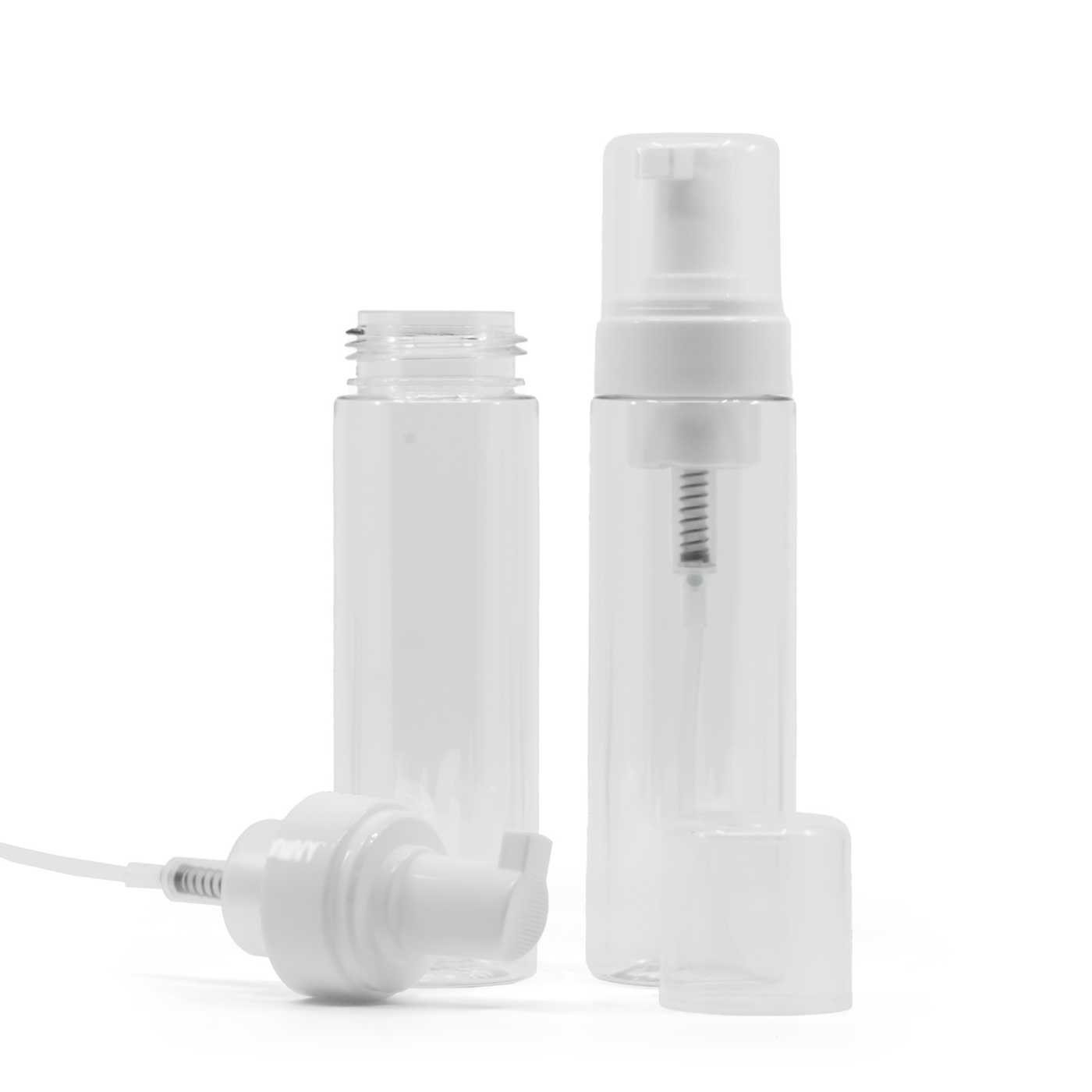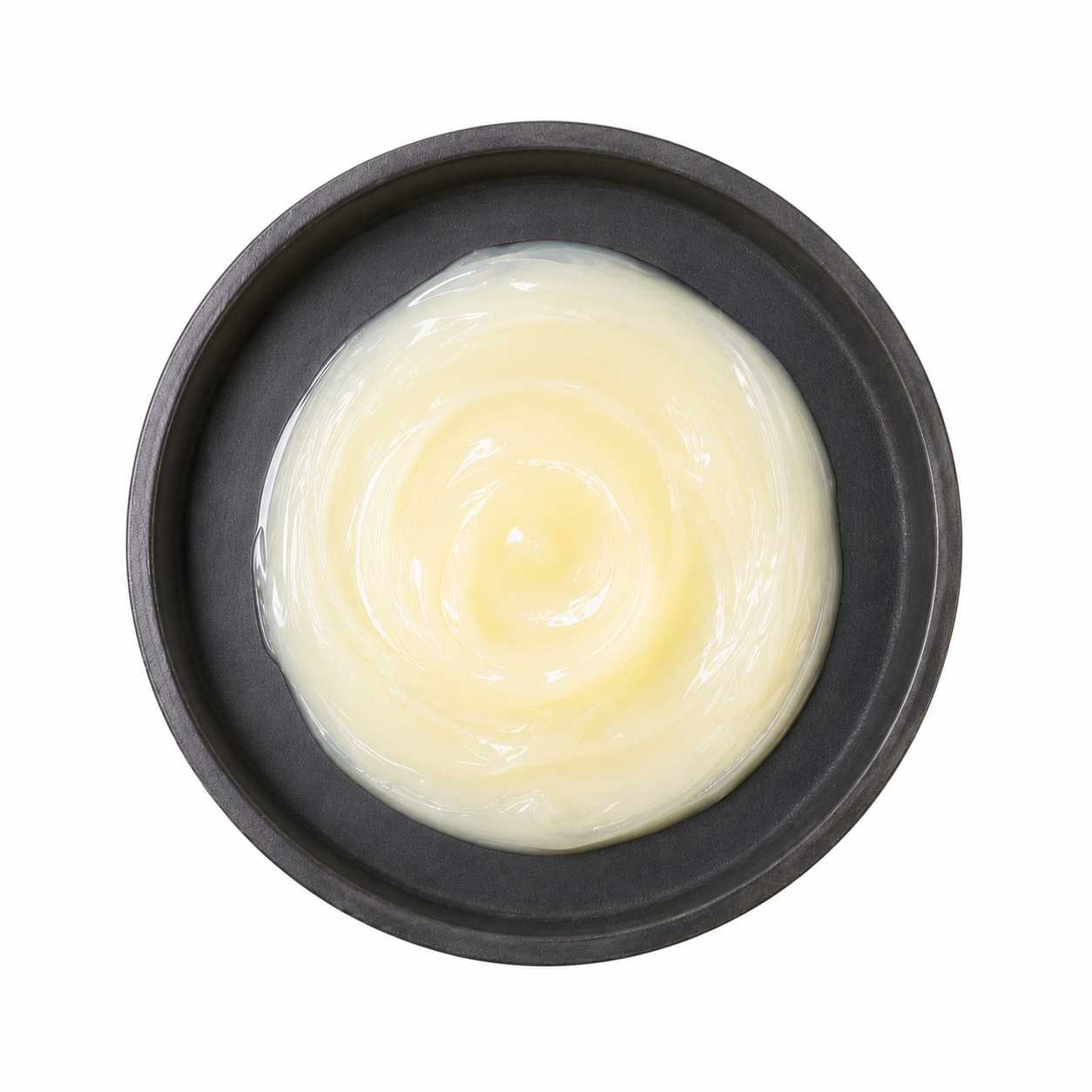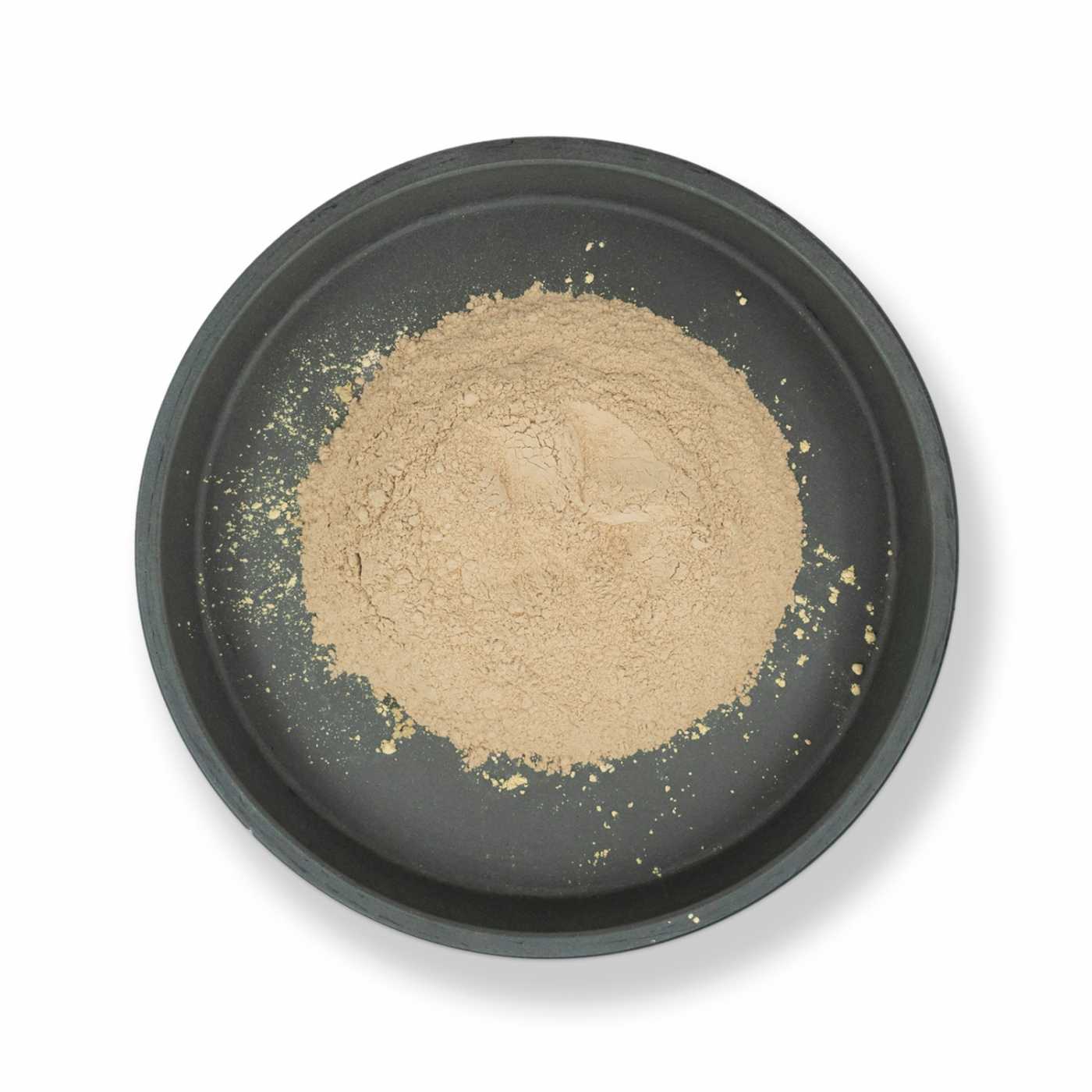
HoliSurf High Foam, Sophorolipids, 100 ml
Pre-order€7.49(€74.90/l)

THICKENERS
Pack size10 g50 g100 g500 g1 kg
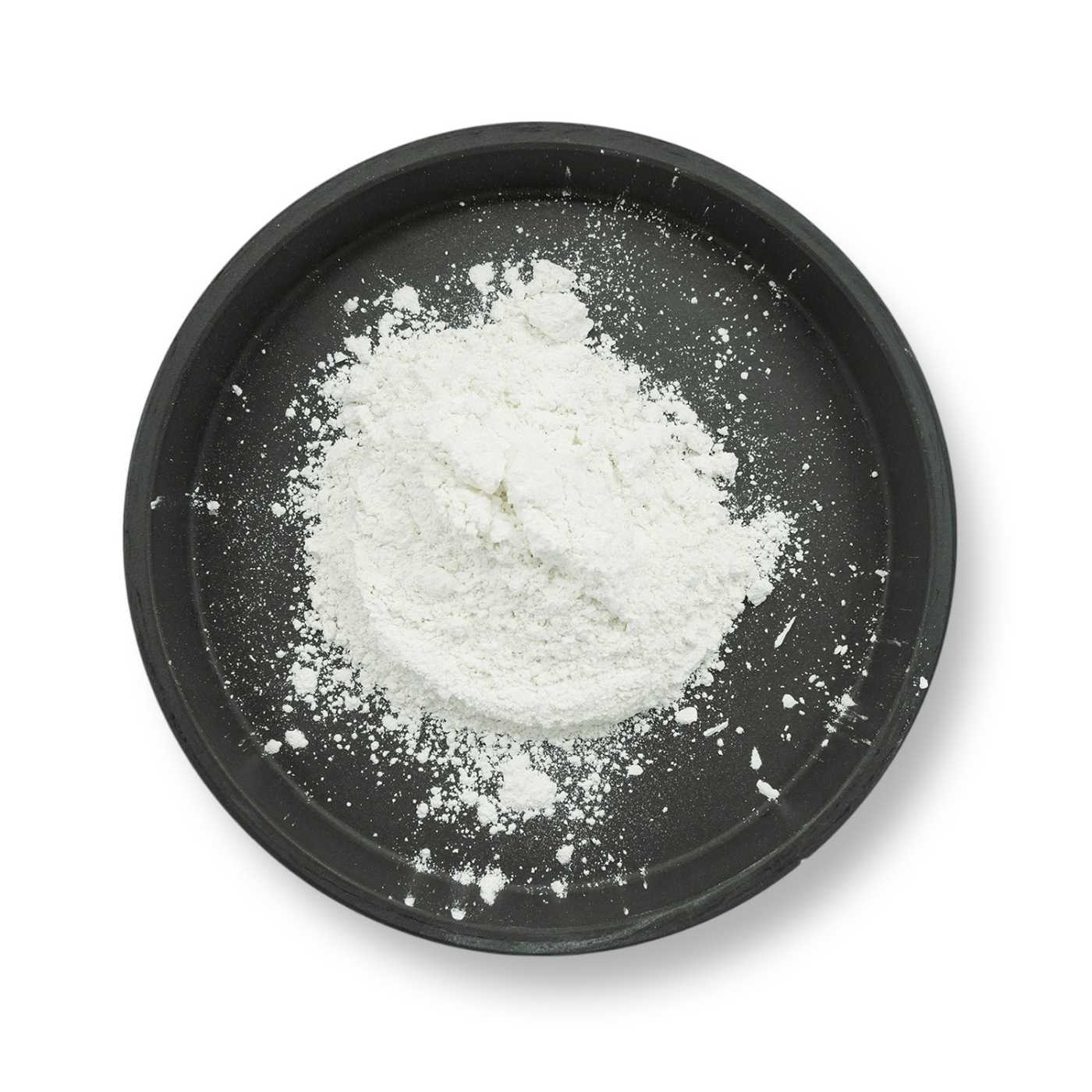
Natrosol 250 HHR PC, Hydroxyetylcelulóza A water-phase thickener that turns water into a clear gel and increases viscosity in shampoos and shower gels without being broken down by salt or surfactant. full description
Lowest price in the last 30 days: €10.99
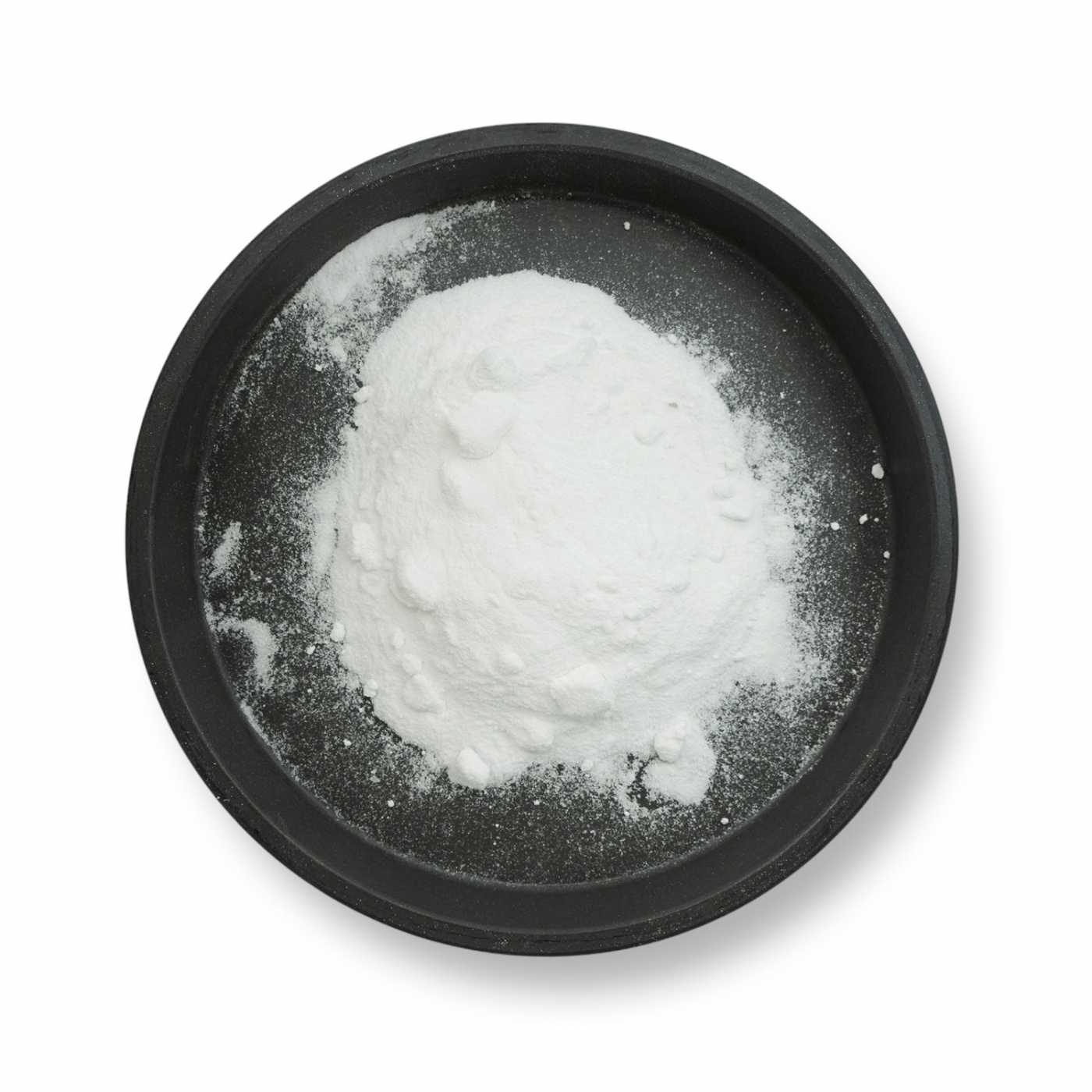
A water-phase thickener that turns water into a clear gel and increases viscosity in shampoos and shower gels without being broken down by salt or surfactant. Natrosol 250 HHR PC is hydroxyetylcelulóza, a water-soluble cellulose derivative. In a formulation it serves two purposes: it thickens and leaves a light film on skin or hair that improves spreadability and helps hold the shape of a hairstyle.
It tolerates both acidic and alkaline conditions in the range of pH 2 – 12 and works with every type of surfactant, with electrolytes, and with alcohol. It is therefore suited to formulations where carbomer loses viscosity after adding salts and where the result needs to remain clear.
It is added to the water phase at a dose of 0.1 – 2 %. Lower doses are sufficient for light thickening of toners and facial waters; higher doses give a gel suitable for jars or hair styling. We recommend testing the specific dose on a small batch, as the final viscosity depends on pH, salt content, and the other ingredients.
The powder is added slowly to vigorously stirred water. It first disperses and the liquid turns hazy, then gradually hydrates and clears. The processing temperature should remain below 80 °C. Other ingredients, especially surfactants, salts, and preservative, are added only once the powder has fully dissolved into a gel.
Lumps can be prevented by pre-mixing the powder in glycerin, propanediol, or a small amount of alcohol from the formulation. The powder wetted in this way is then poured into water and hydrates evenly, without hard lumps.
In emulsions it is dissolved in the water phase before combining with the oil phase. The gel tolerates heating to standard emulsification temperature; however, it can also be added to finished water bases cold. For surfactant products it is sufficient to mix the prepared gel with the surfactant blend and adjust the pH.
A finished water gel or surfactant system requires a preservative. The thickener itself has no preservative effect, and the preservative is added only after the powder has fully dissolved.
Do not add the preservative, acid for pH adjustment, or salt to the water before dissolving the powder. Let the gel fully hydrate first, and only then add the remaining water-soluble ingredients; otherwise viscosity will develop more slowly and unevenly.
When working with alcohol, the gel is prepared in water and the alcohol is blended in only at the end. Compatibility with alcohol makes it possible to thicken even a toner containing alcohol; however, the final stability of every combination should be verified in the finished formulation.
Carbomer gives a glass-clear gel but is sensitive to salts and requires neutralisation. Hydroxyetylcelulóza tolerates electrolytes and works across the full range of pH 2 – 12, making it suitable for surfactant products and formulations with higher levels of extracts or salts. Compared with xanthan gum it gives a clearer gel and tolerates alcohol better.

Variant: Natrosol 250 HHR PC, Hydroxyetylcelulóza, 100 g
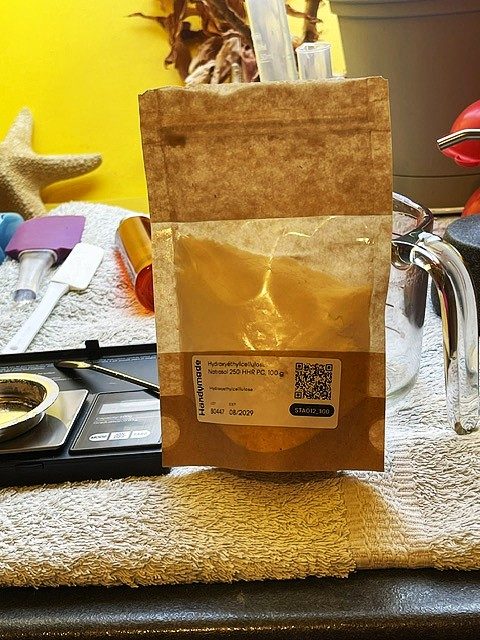
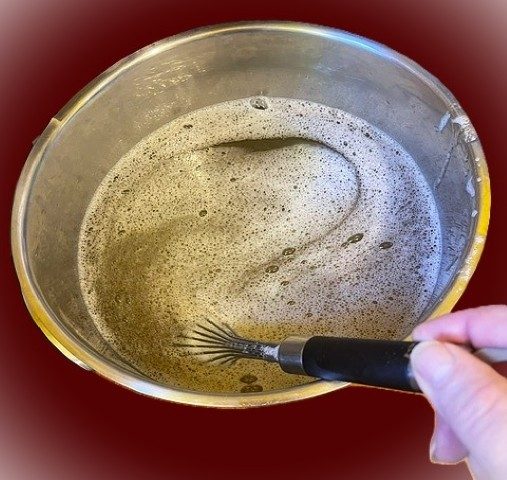
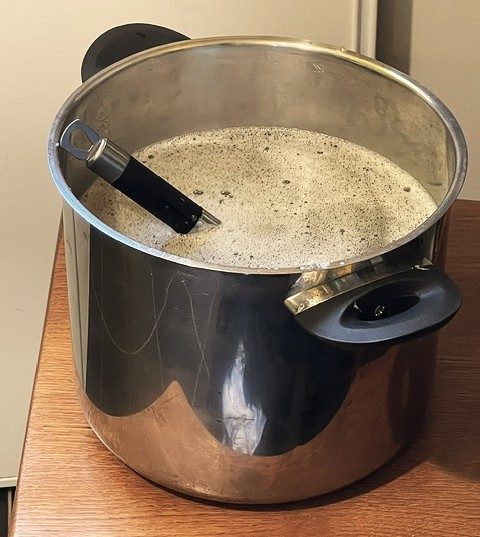
This is a product that "hits hard"! HEC is something else compared to guar gum or gum tragacanth which give a stringy/mucilaginous feel. Agar, arrow-root or waxes don't work here. It was ChatGPT that found me the right product! "HEC, HydroxyEthylCellulose", a marvel, I didn't know about it, and it's "solid"! Finally you can dose it gradually he he, no need to go all the way! First, (if possible) mix it in lukewarm water, then pour it gently into the product to thicken, in this case 5 liters of shower gel/shampoo. I had tested on 200 ml, up to 1.5g of HEC, it became quite correct. So I planned to put 37.5g into my 5000 ml (5 L). I put in - 10g diluted in 400 ml of water - 3 times, it really thickened my solution well which became very creamy and no longer "strings"! I'll wait 24 hours stirring from time to time. I don't think I'll need to add more (don't want mayo or flambi!). I really recommend this thickener that does the job! - and my pH of 5.3 hasn't changed!
Translated automatically