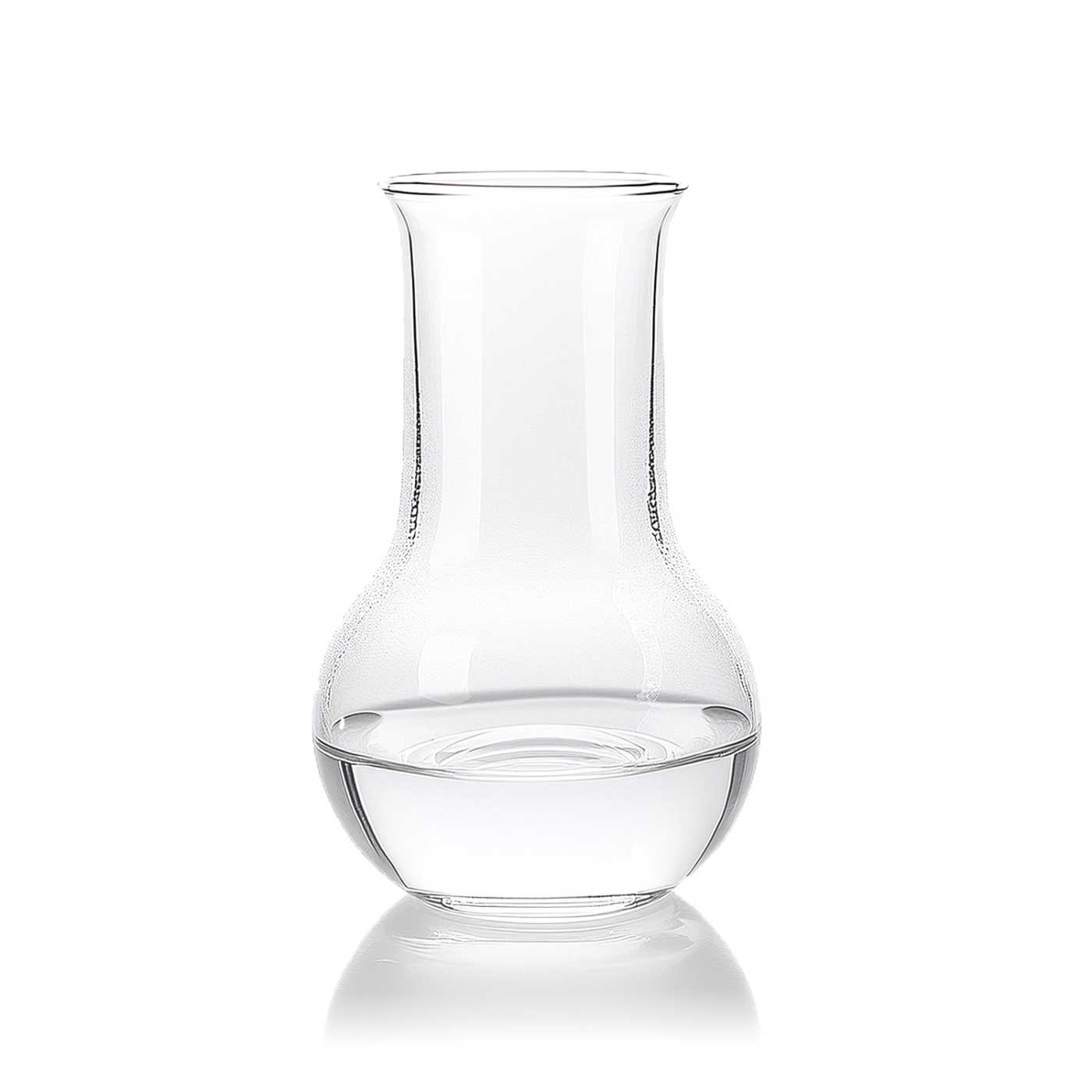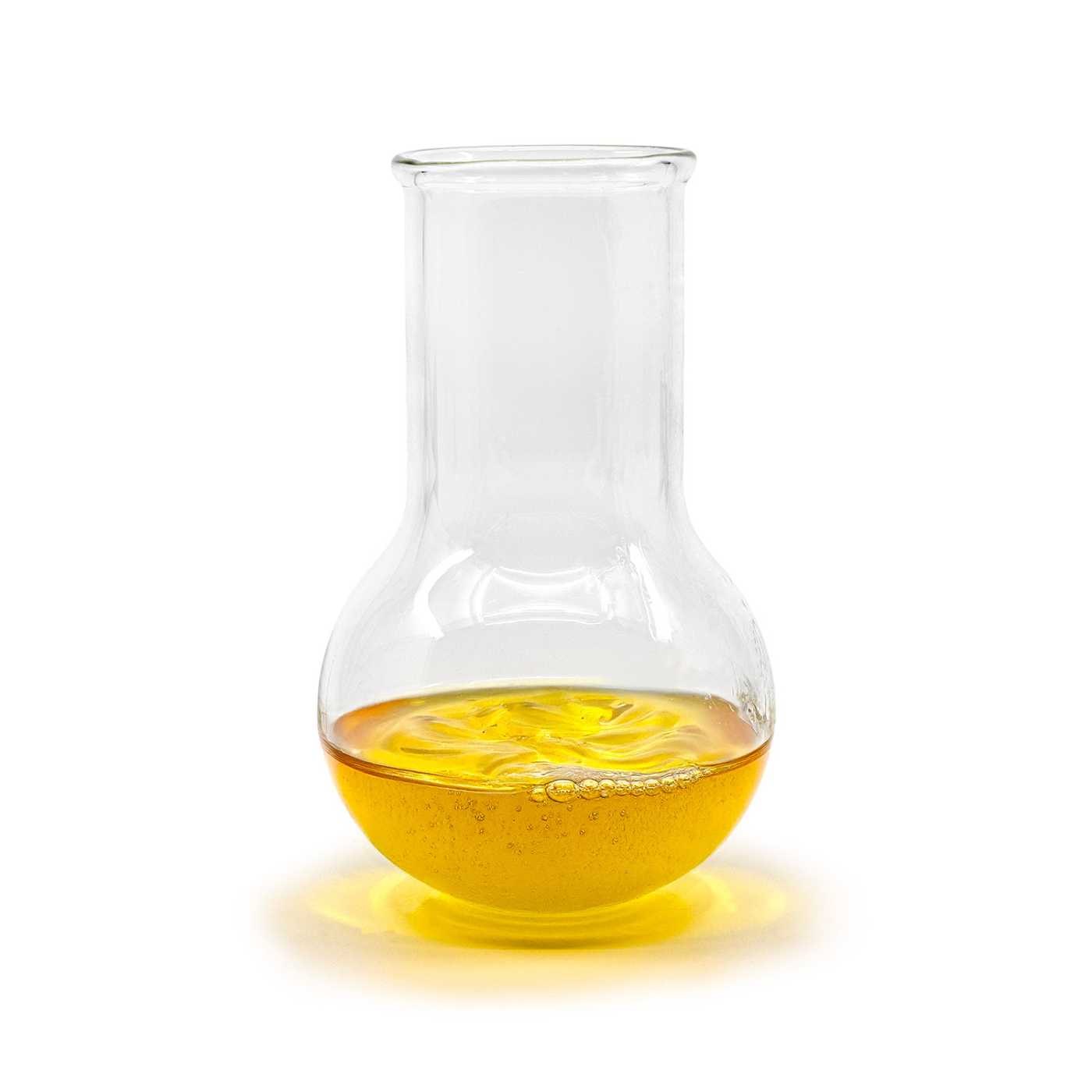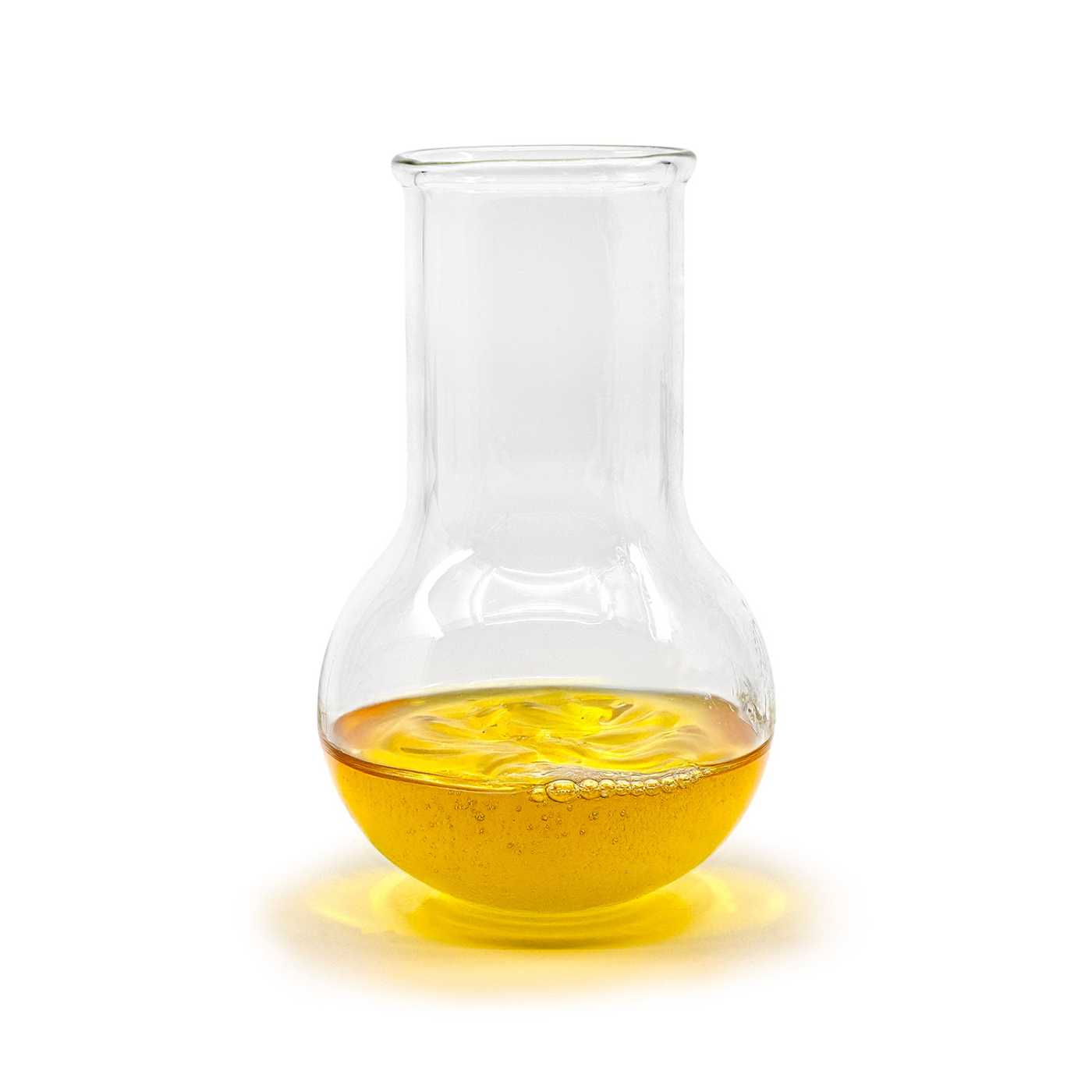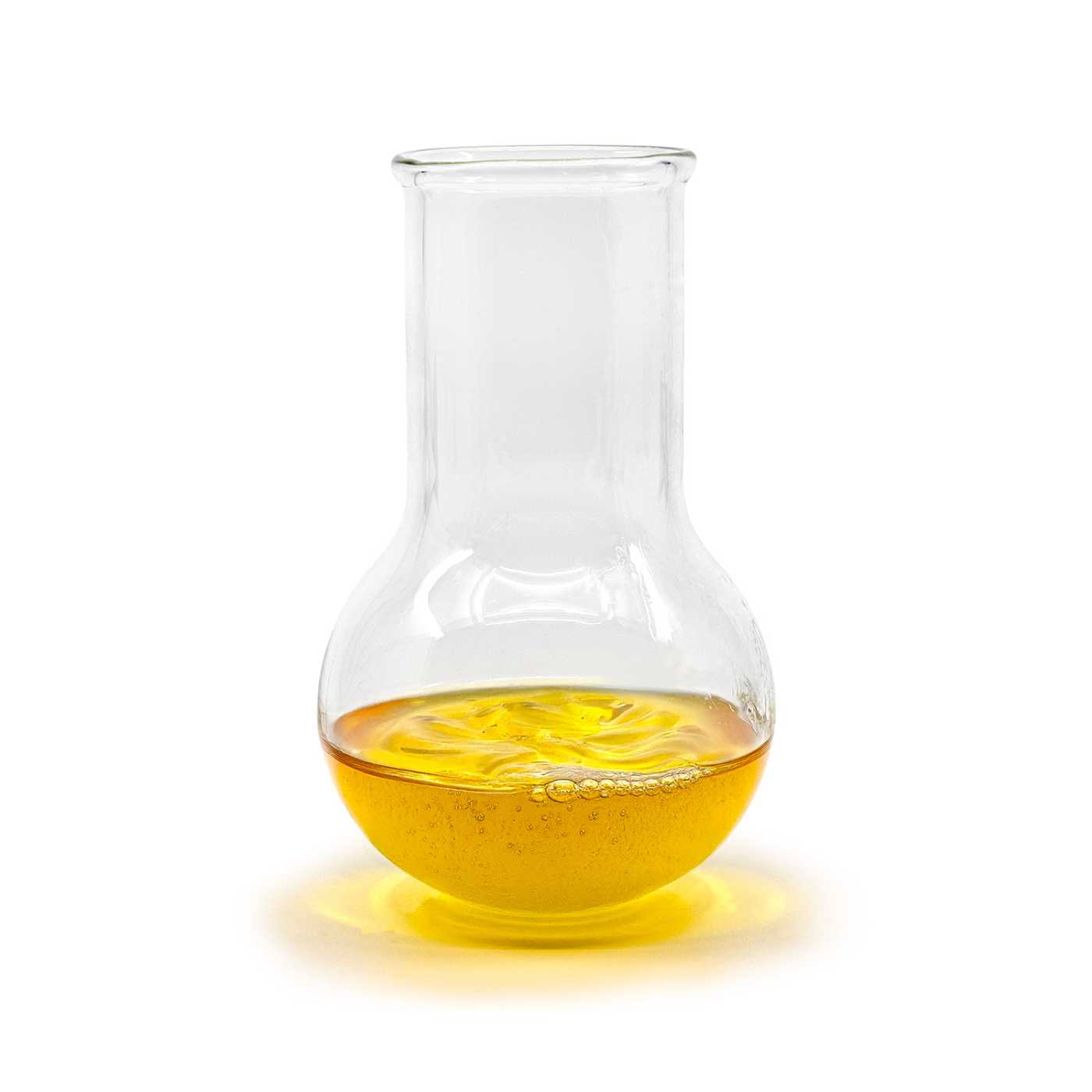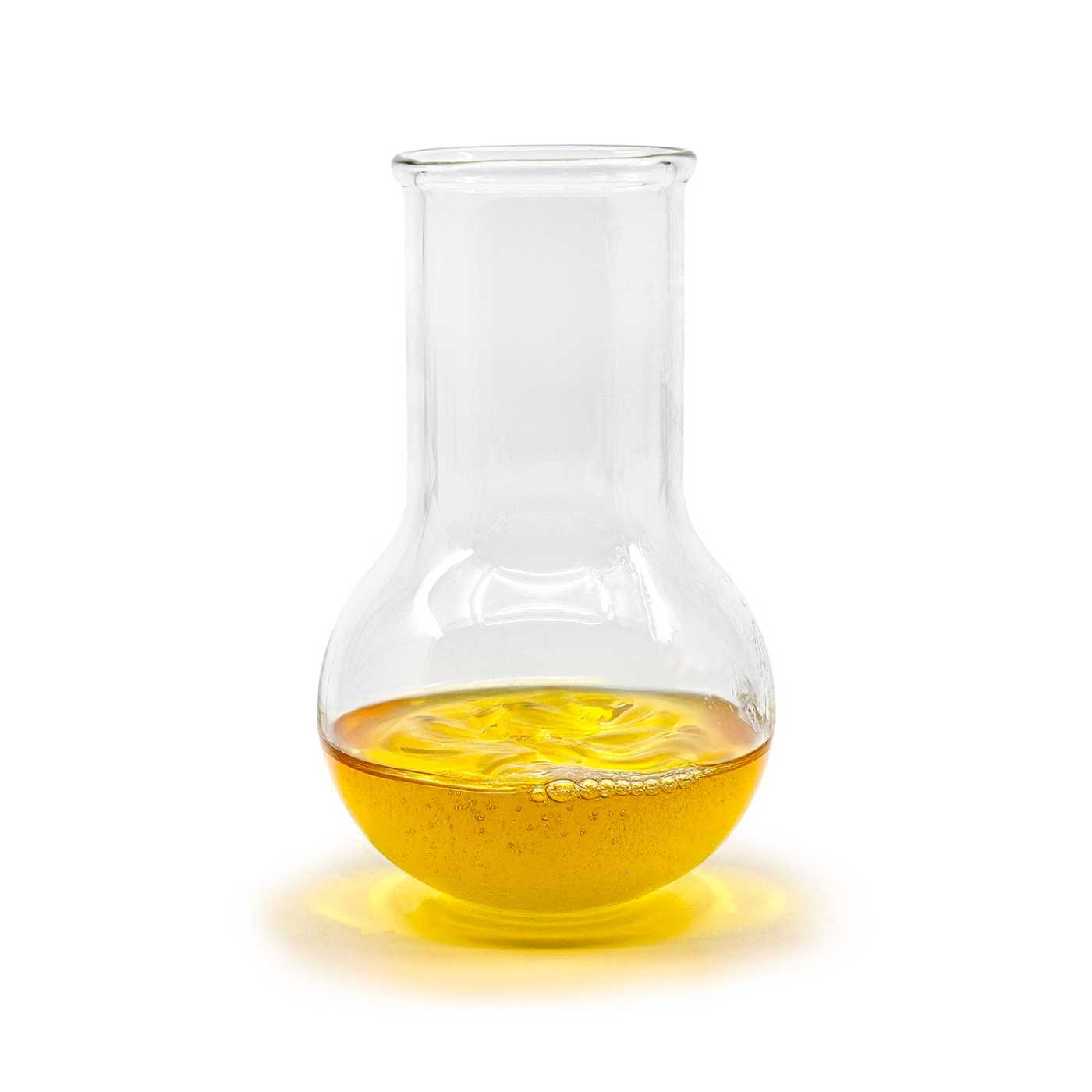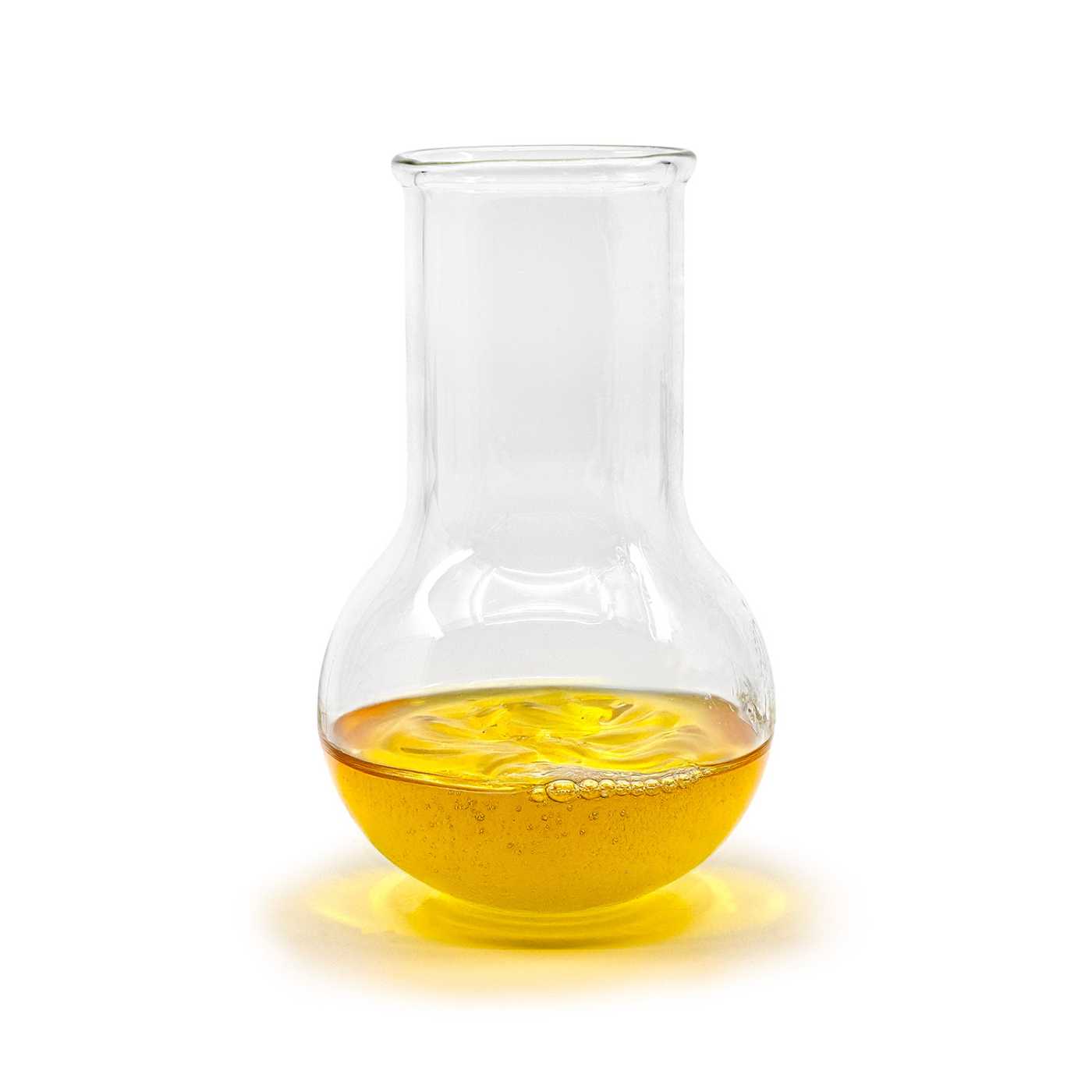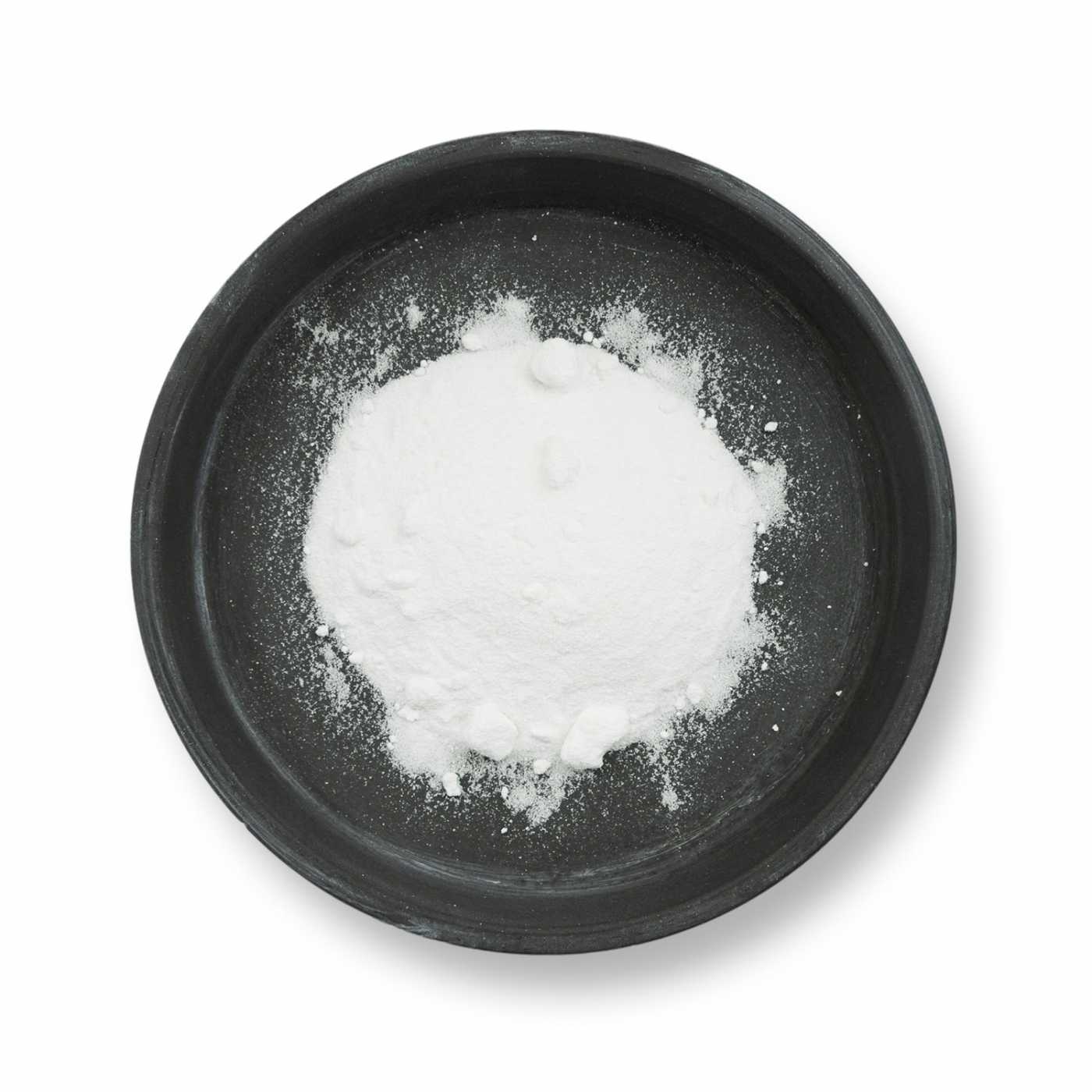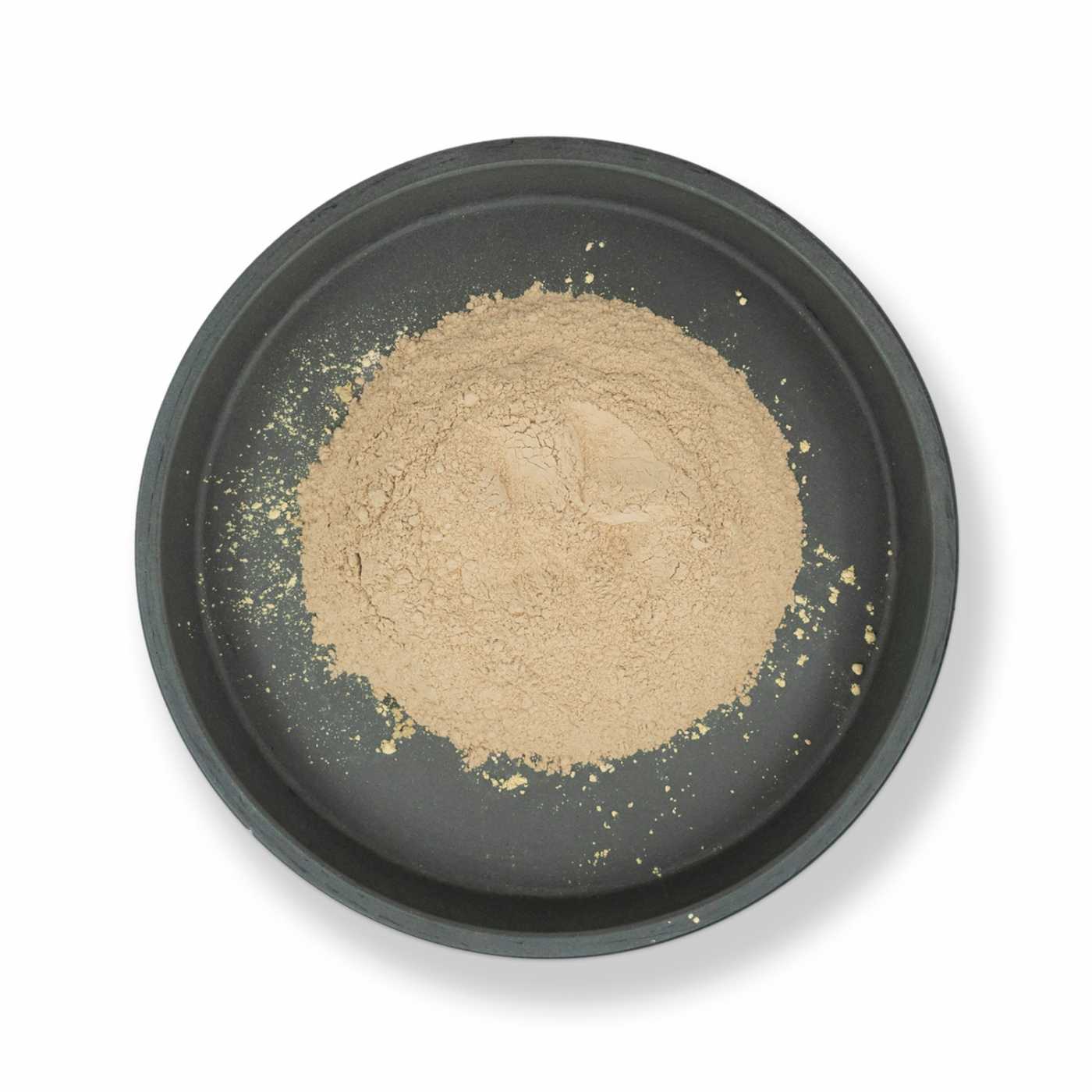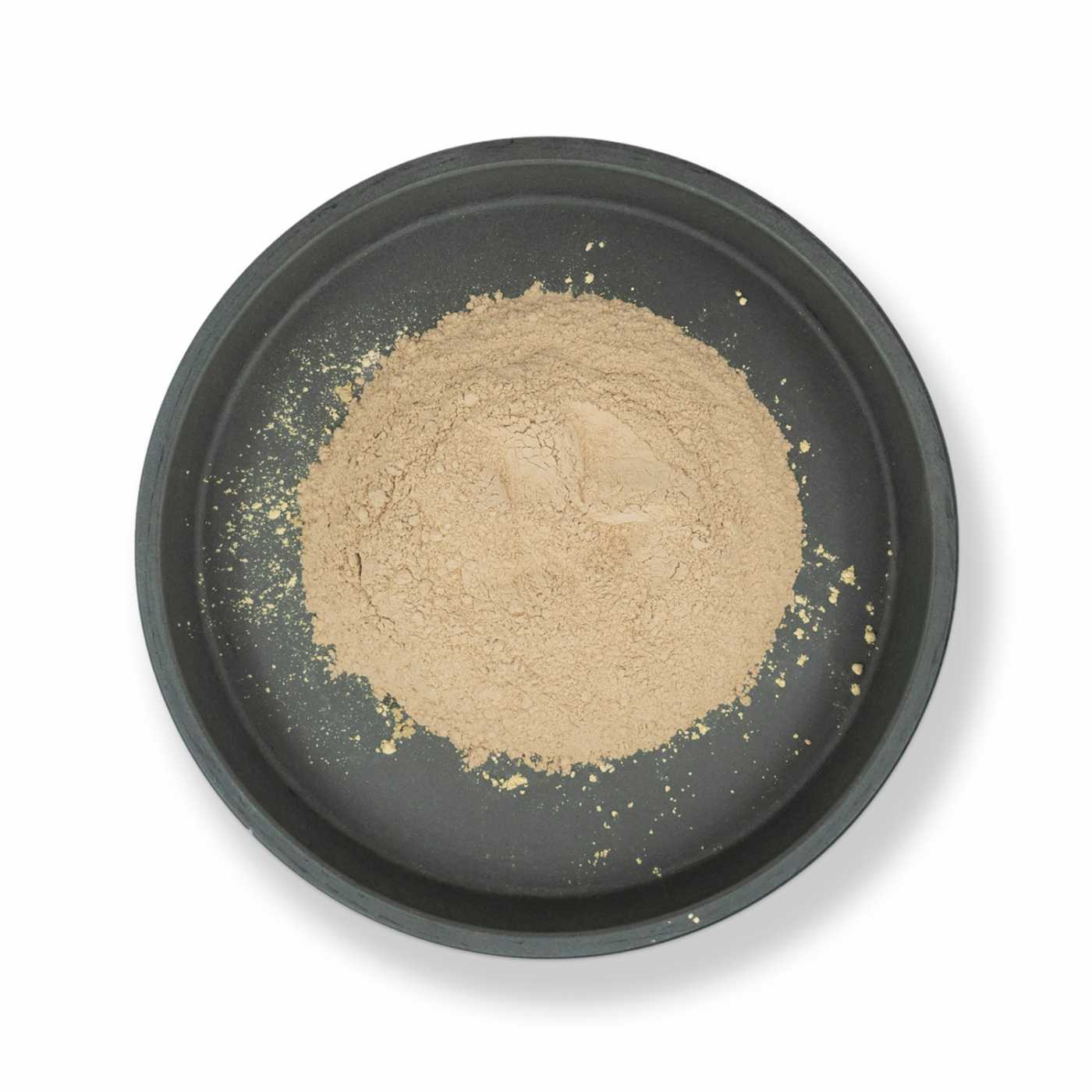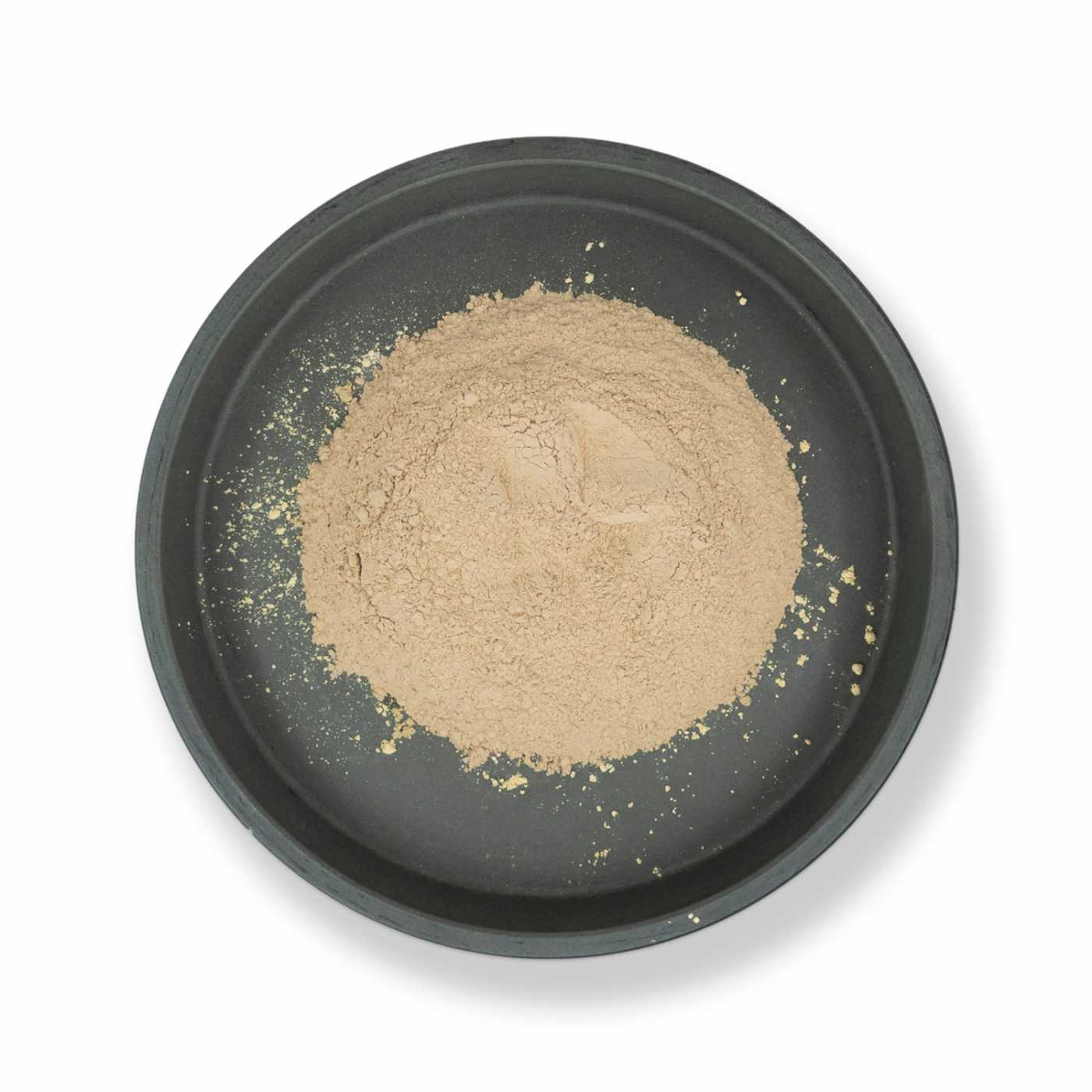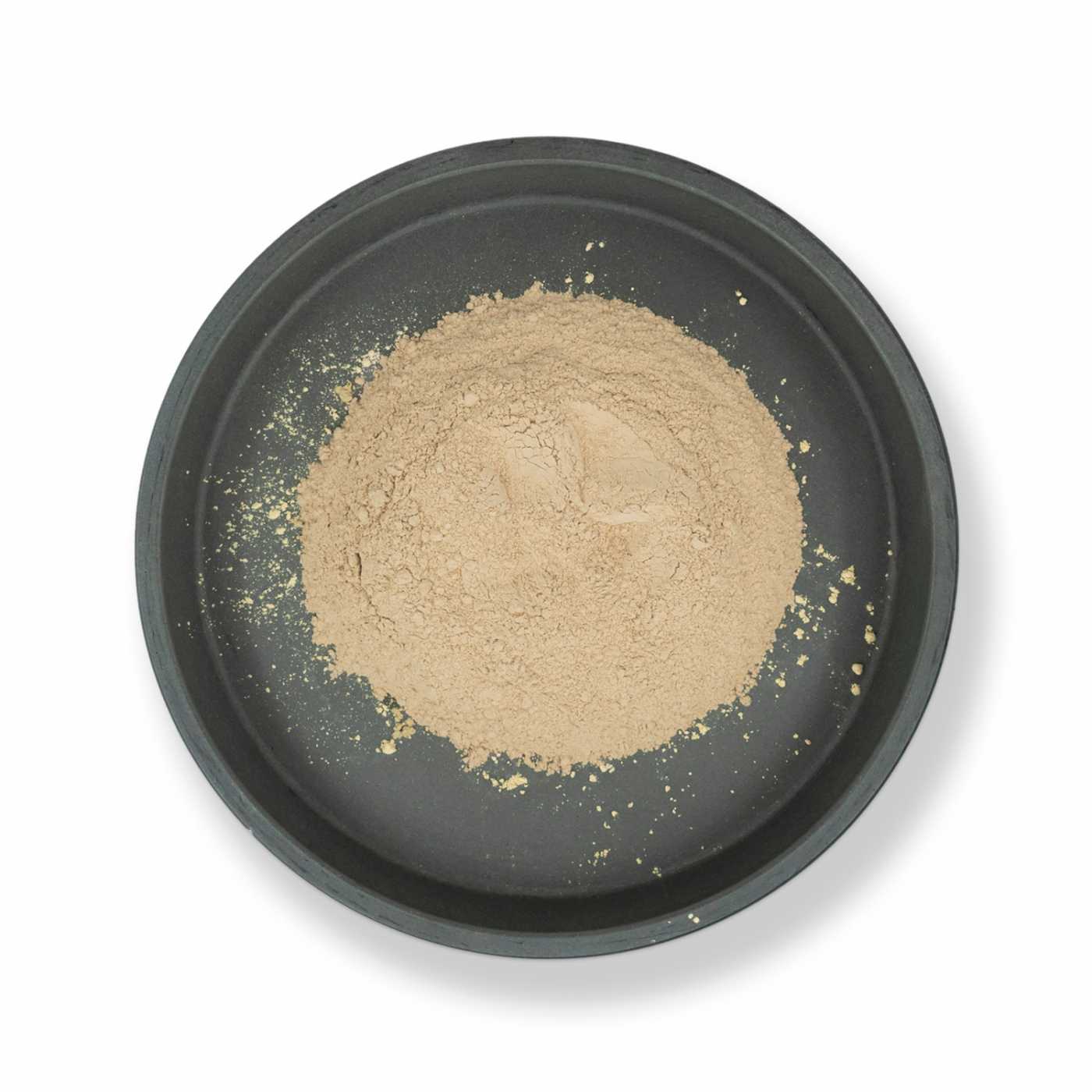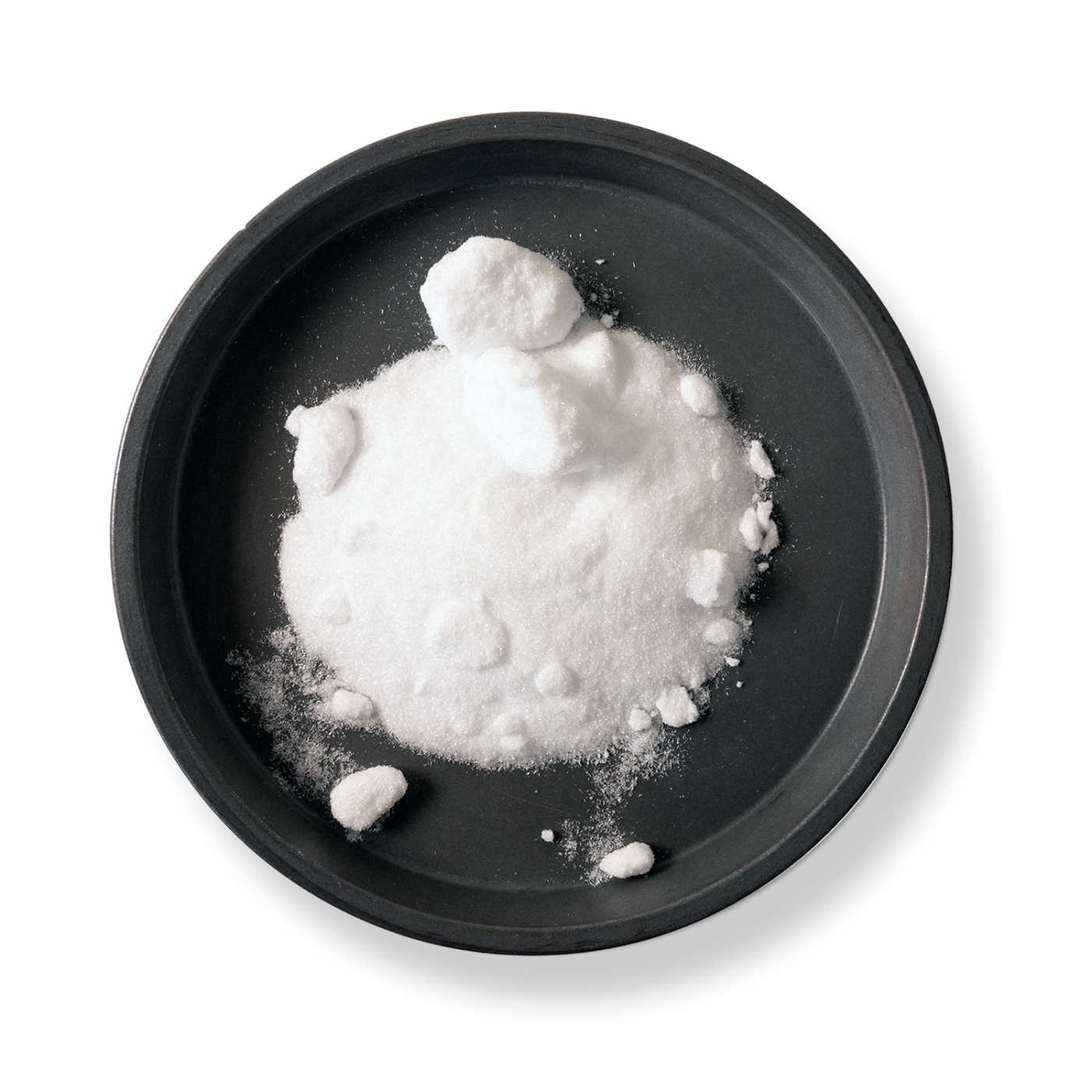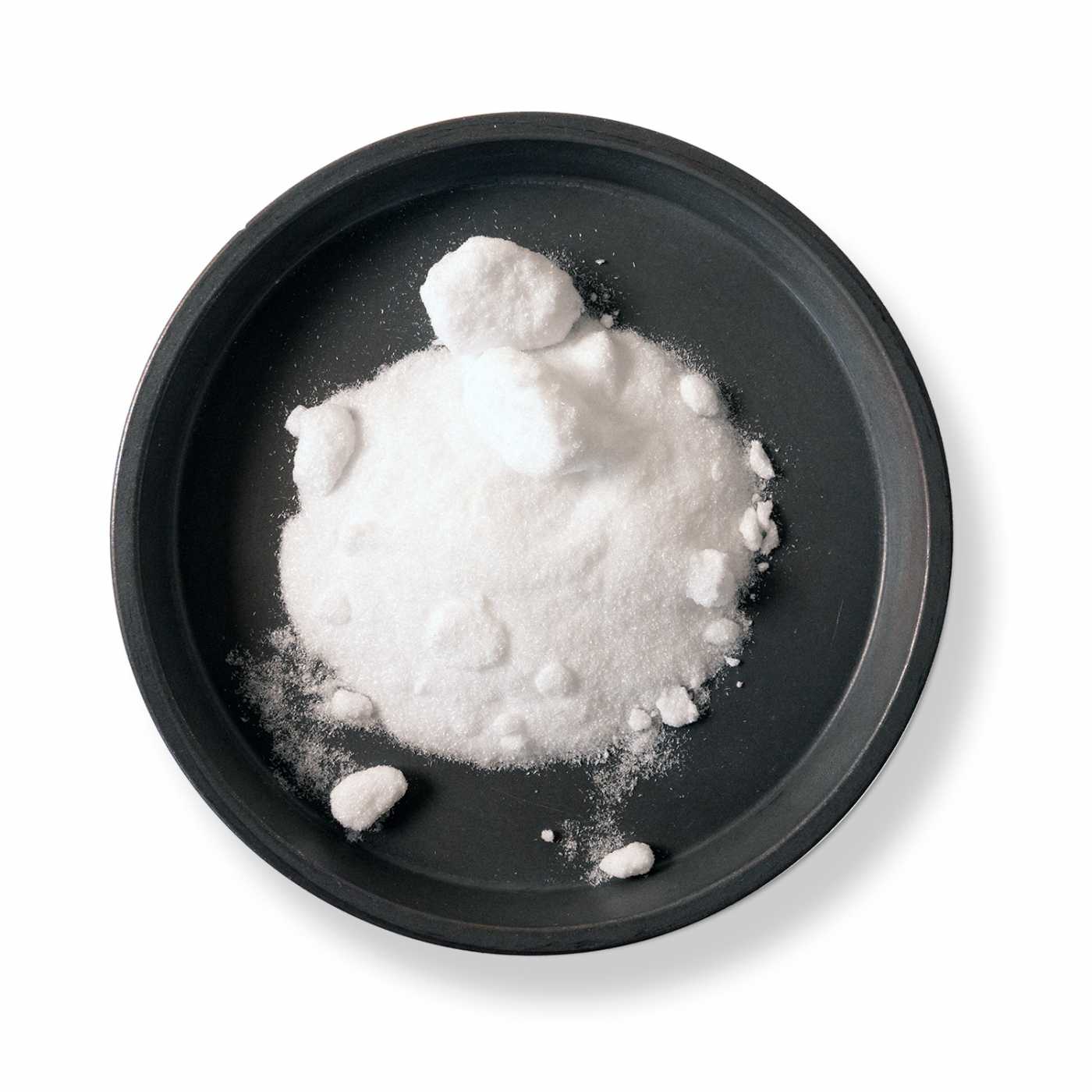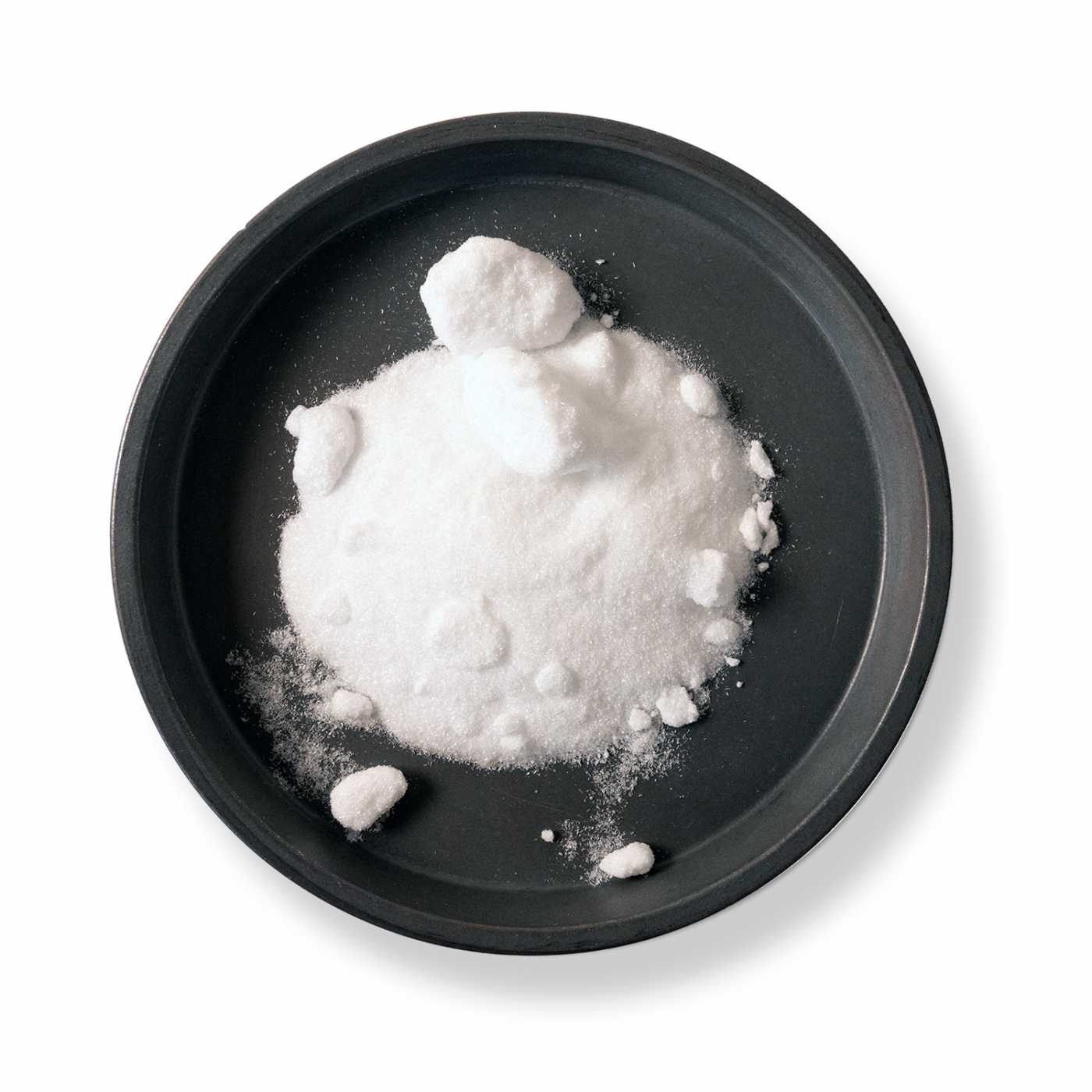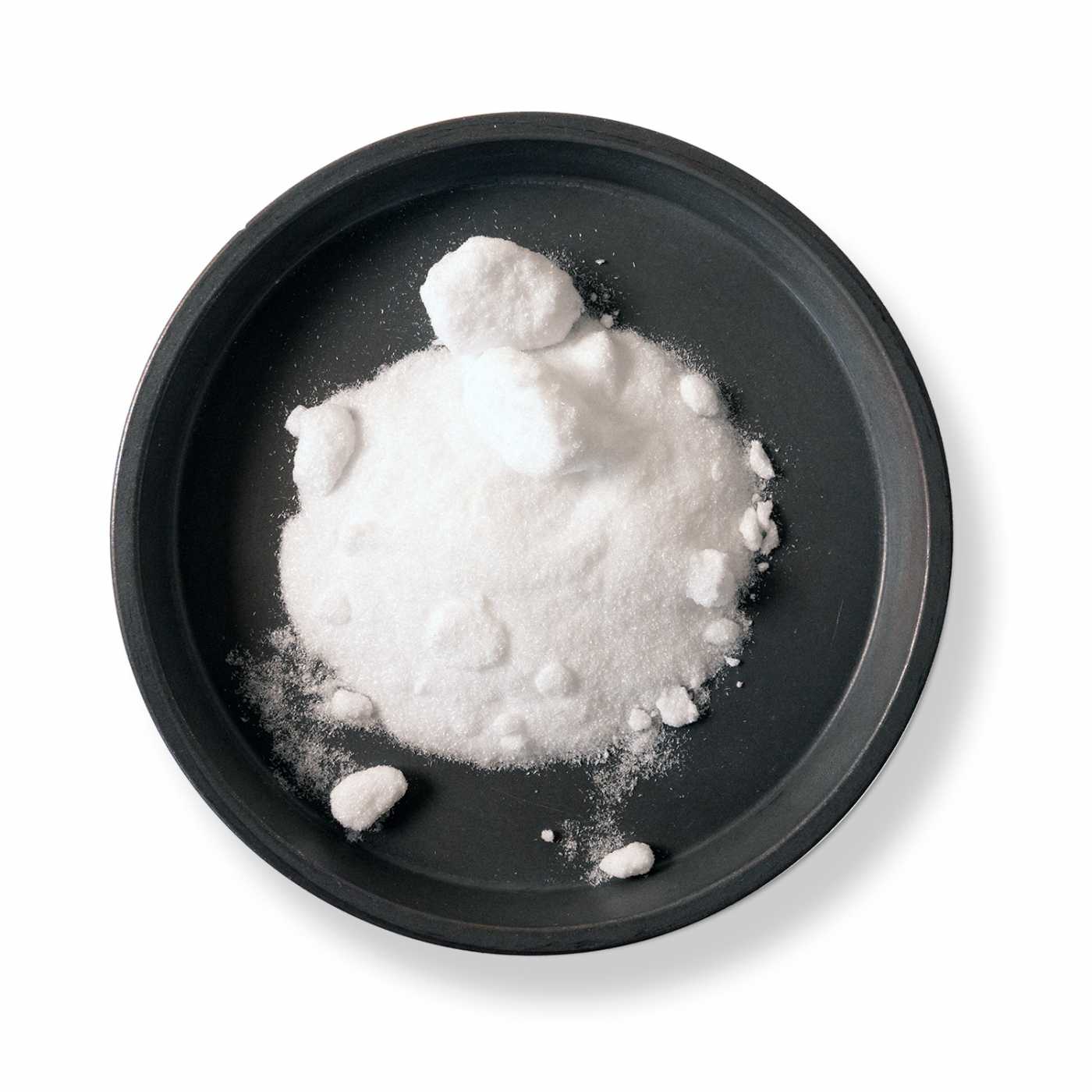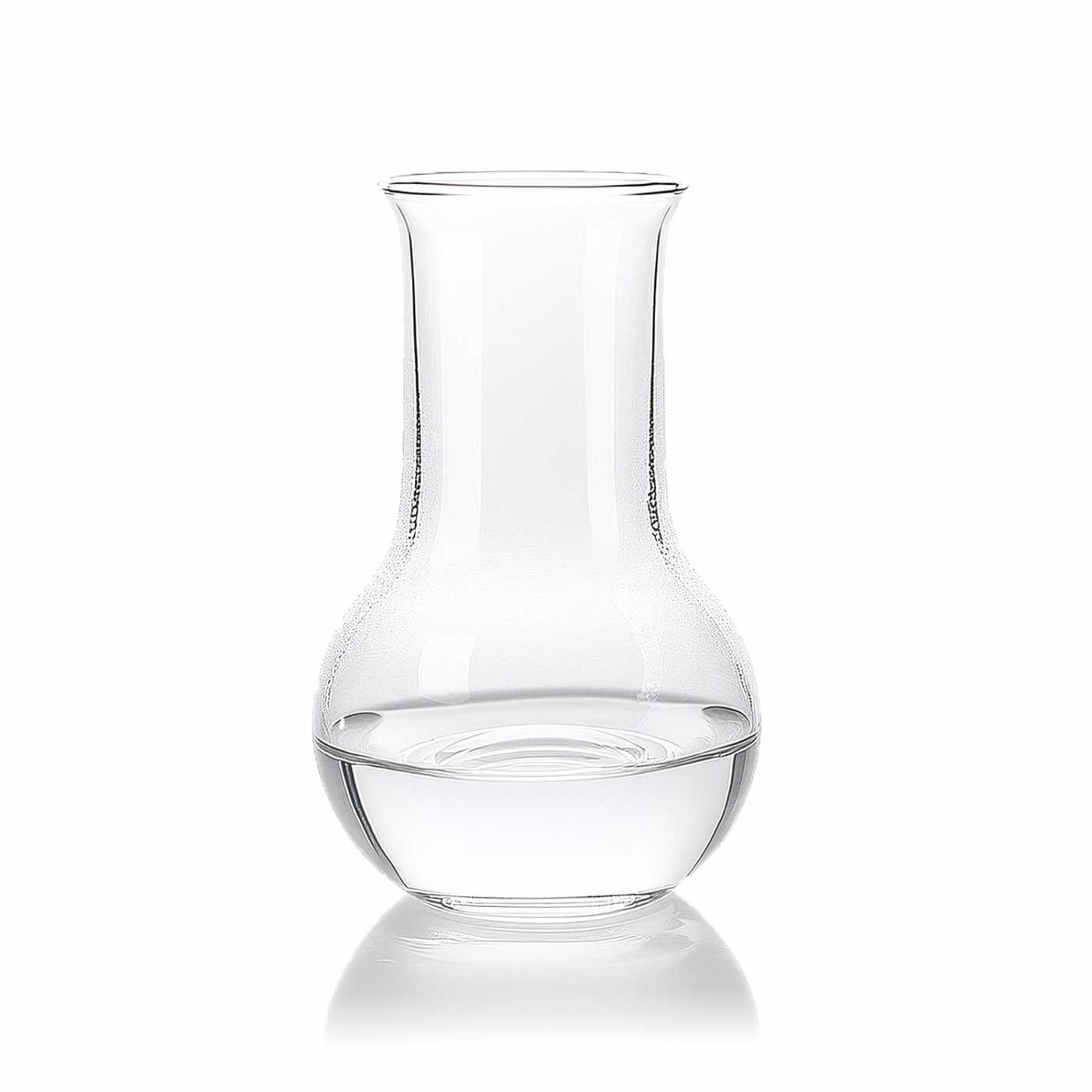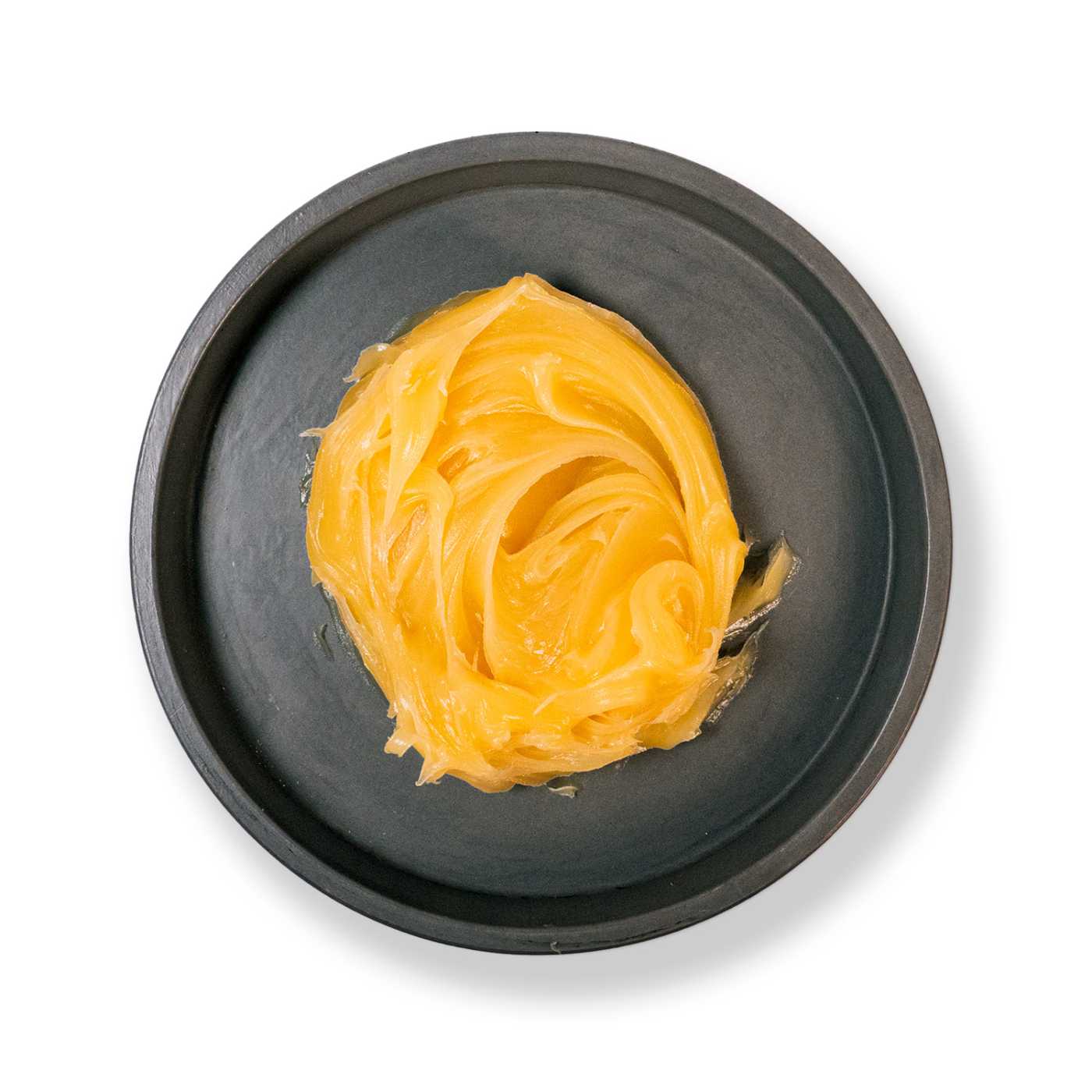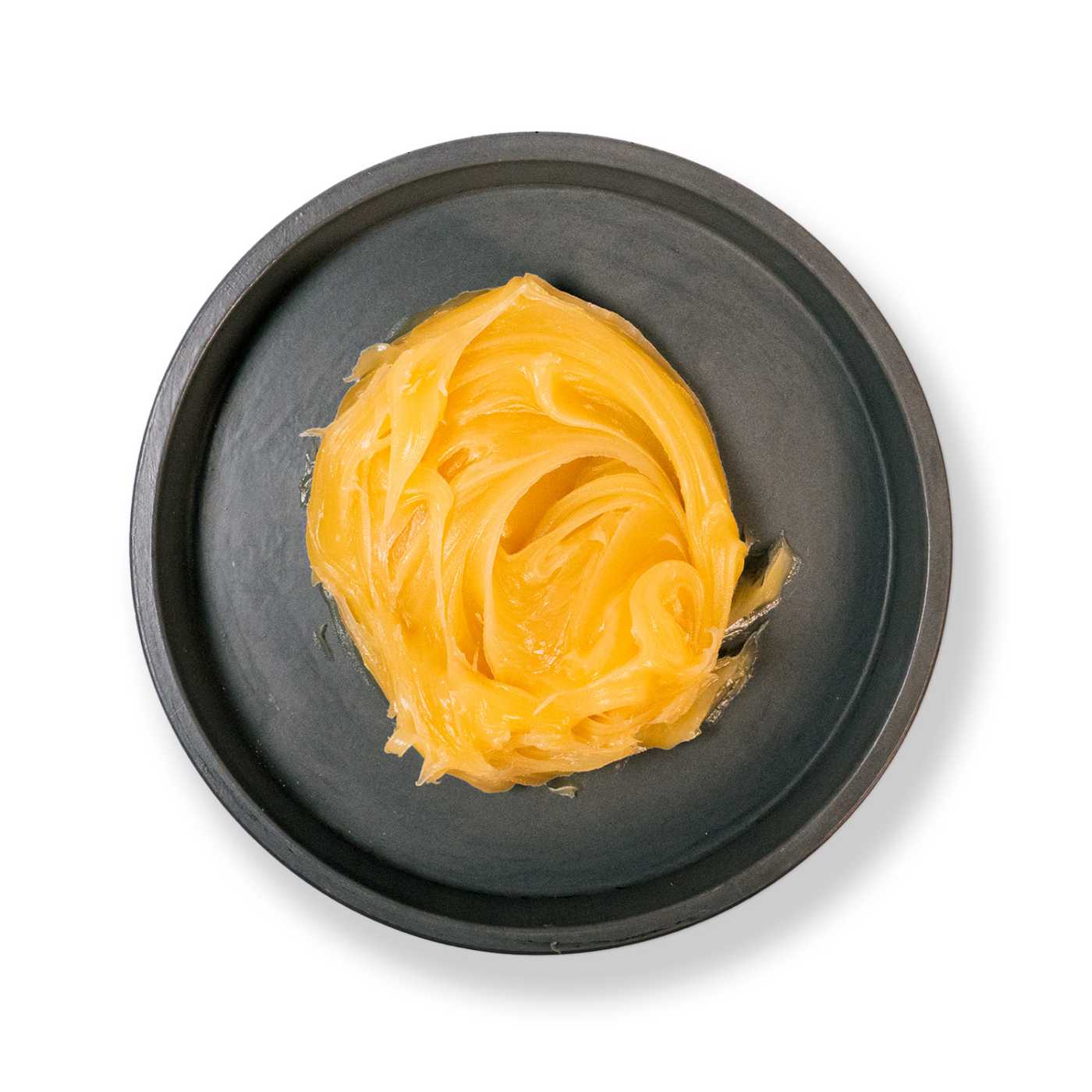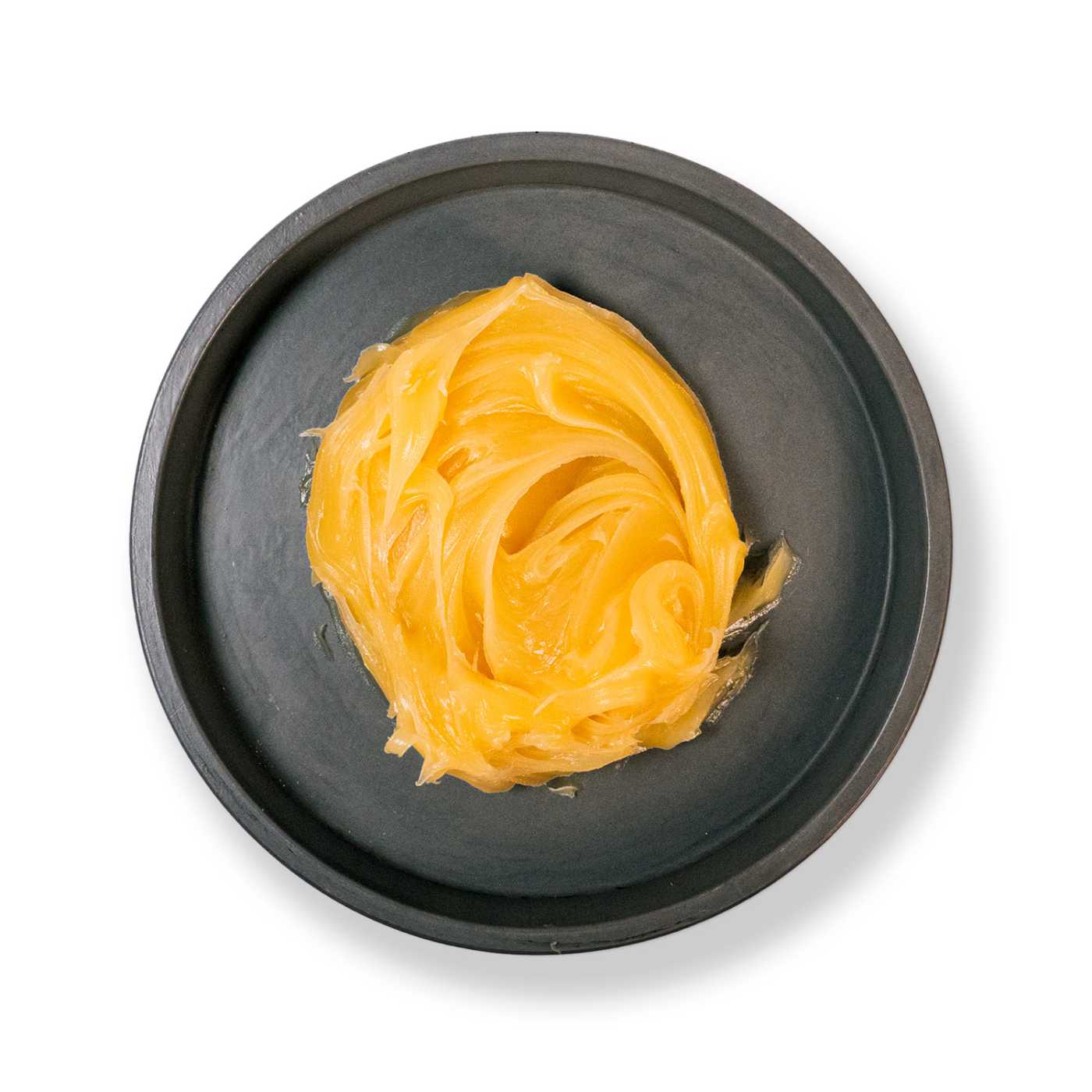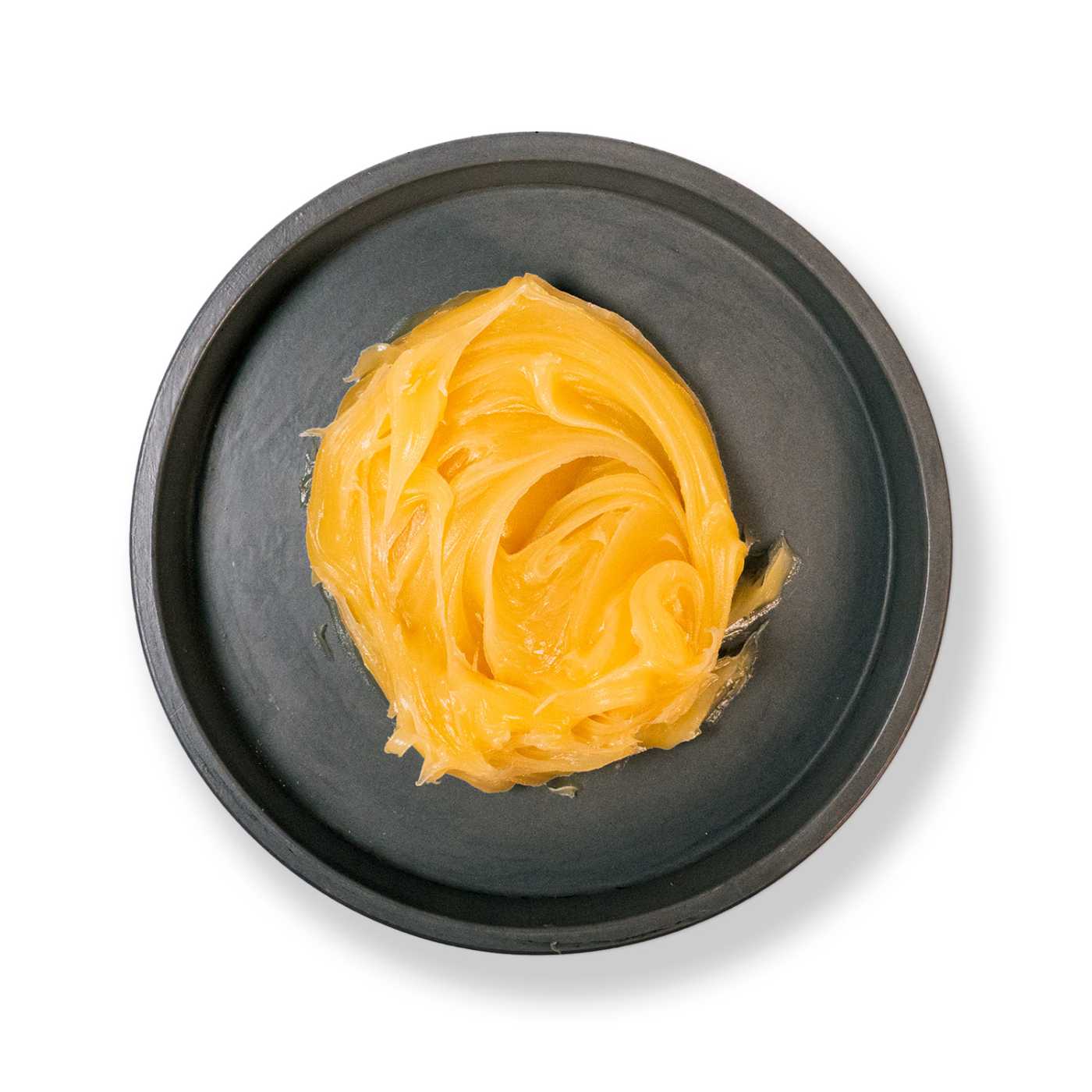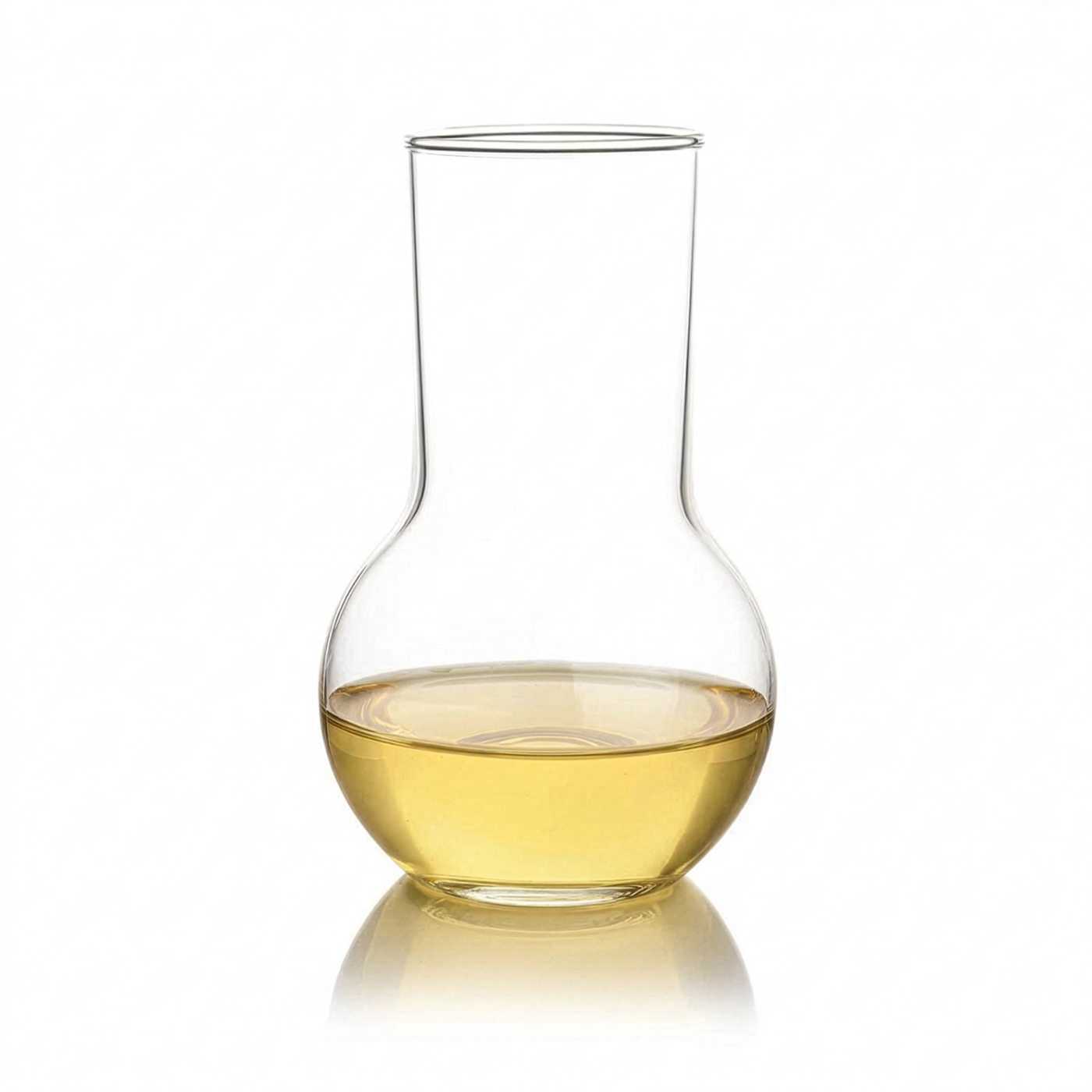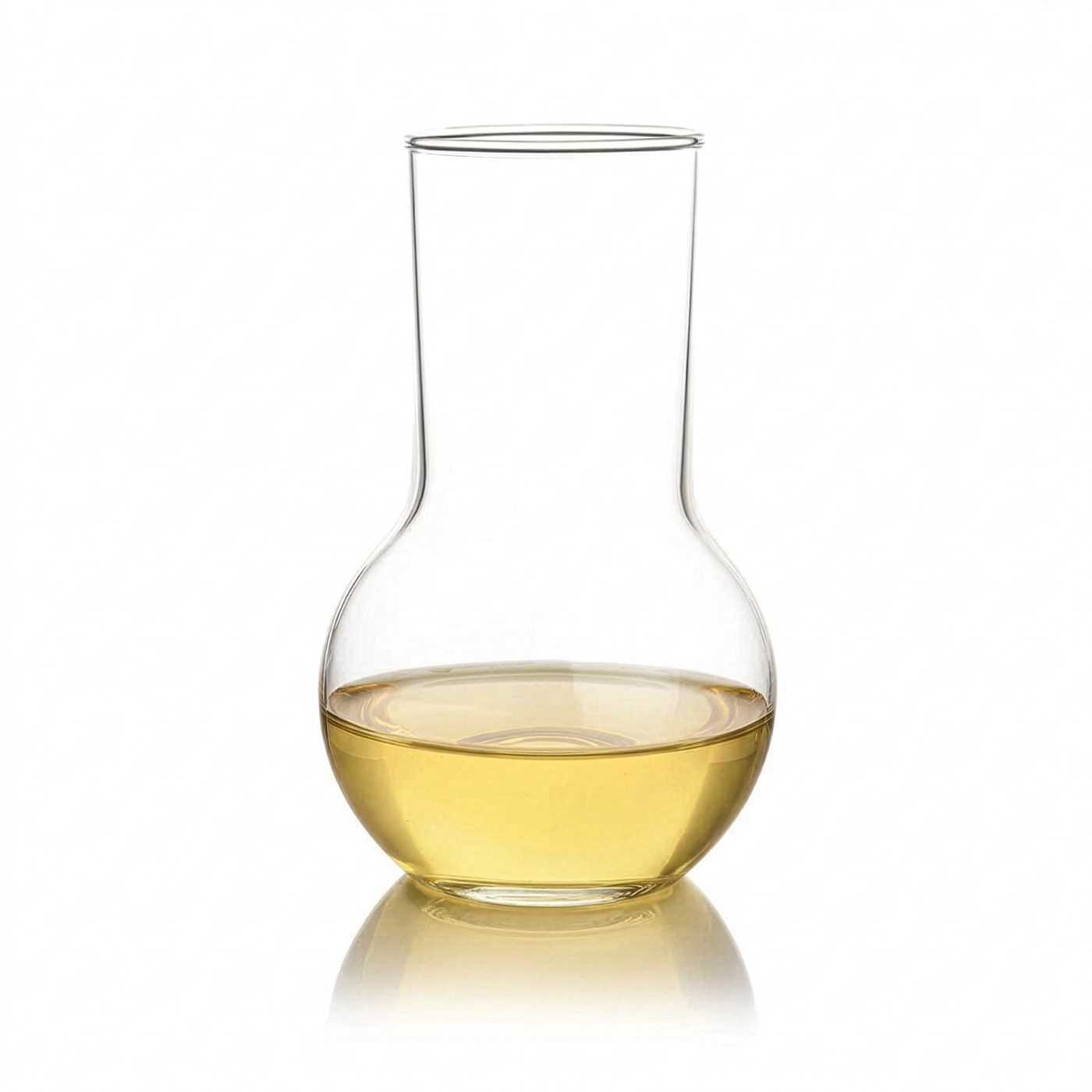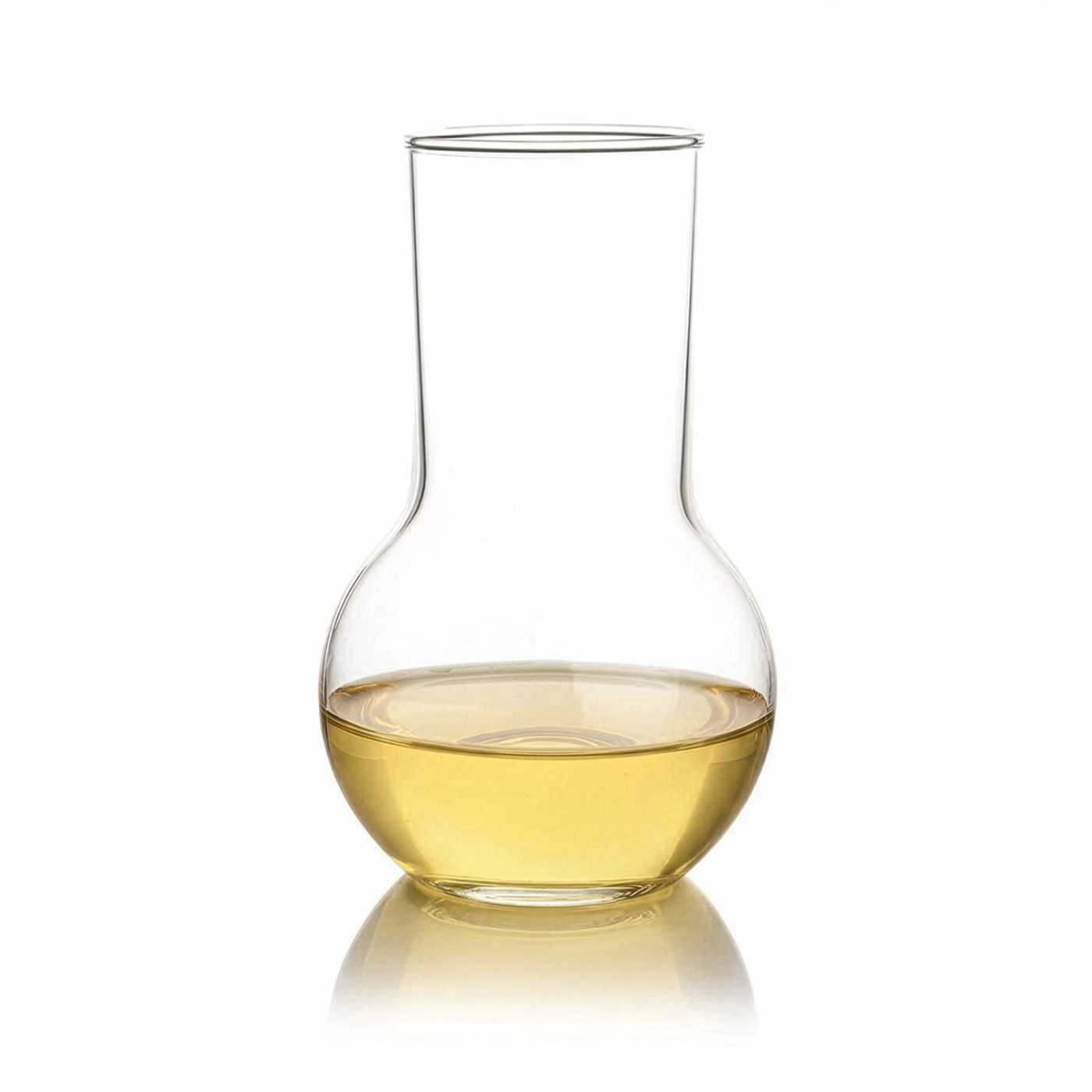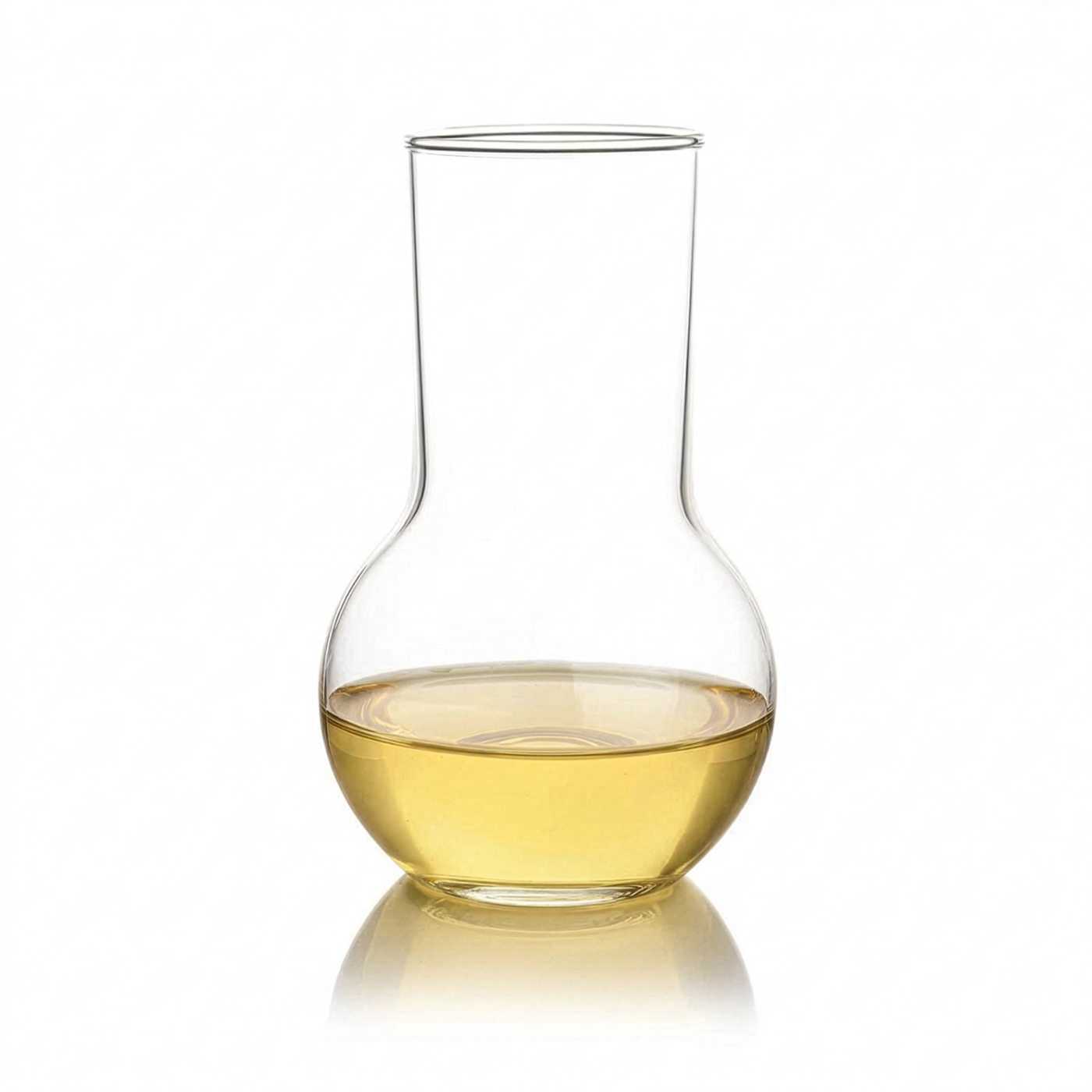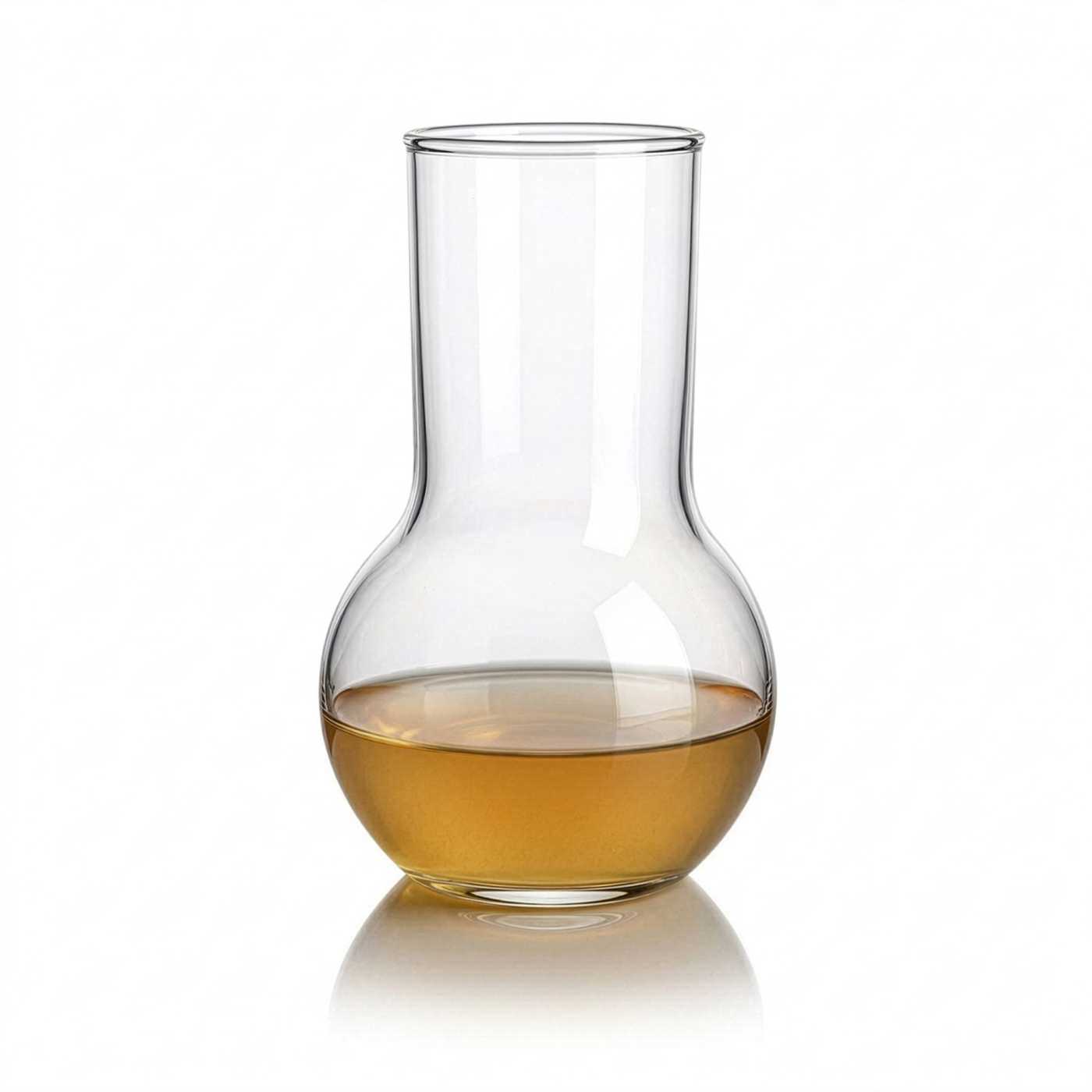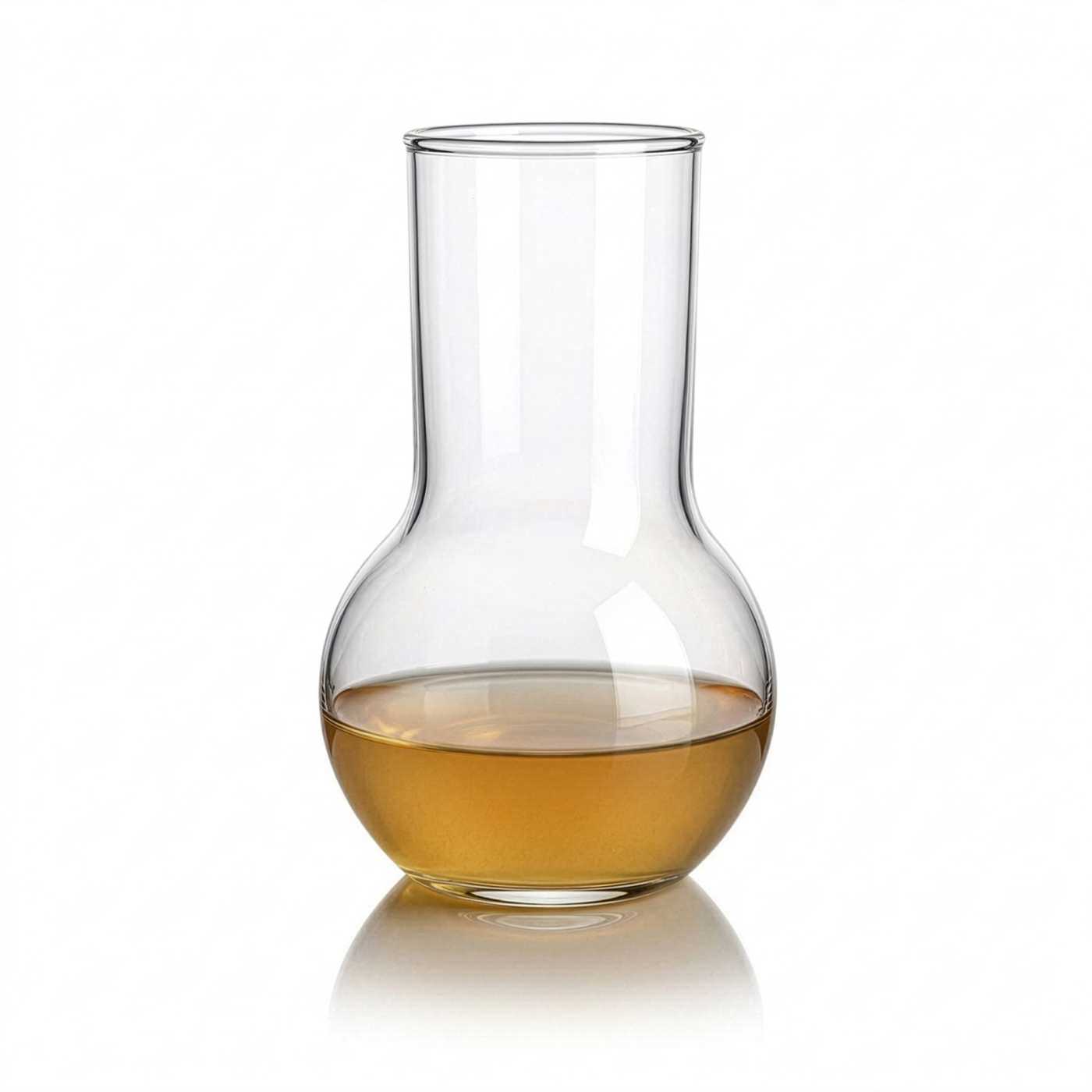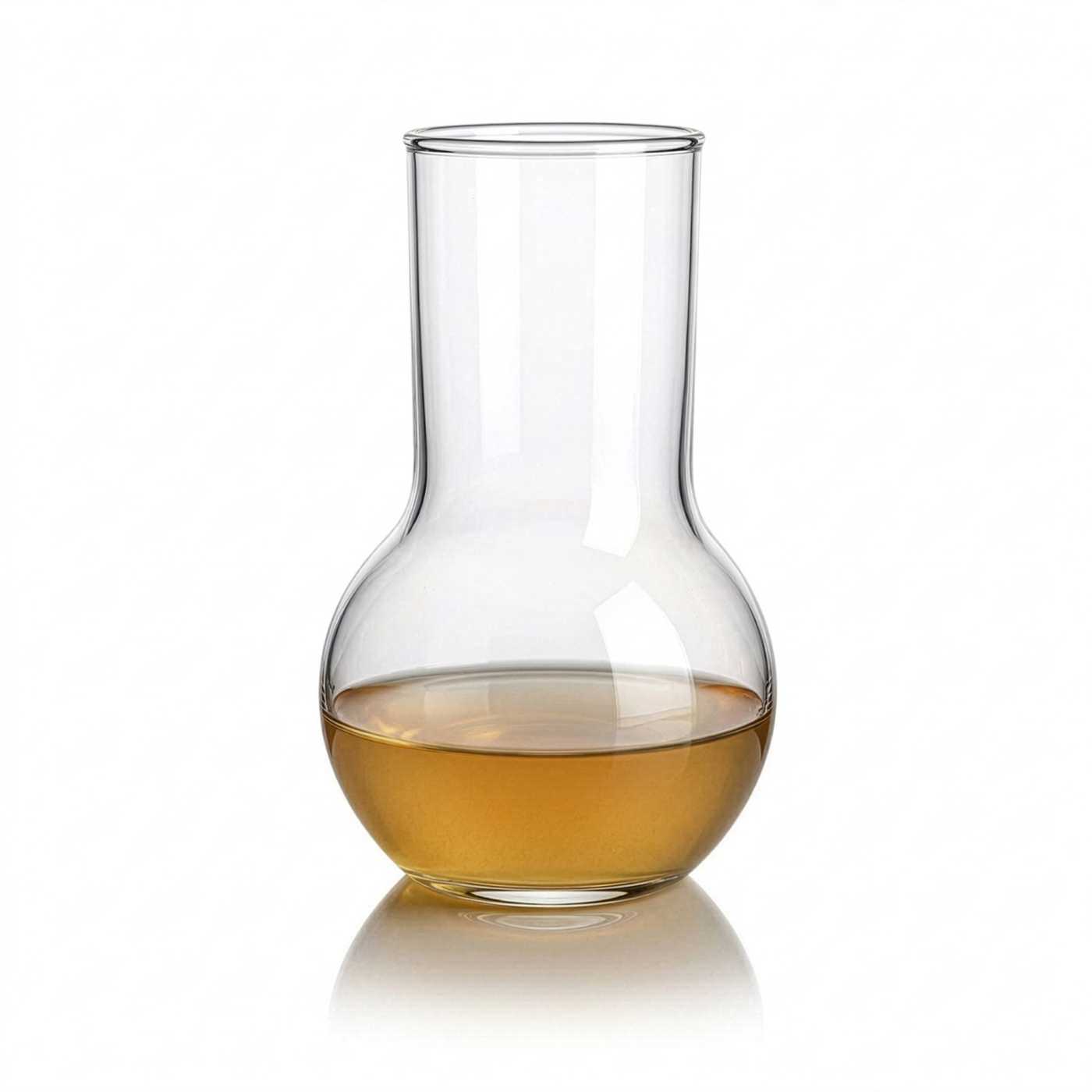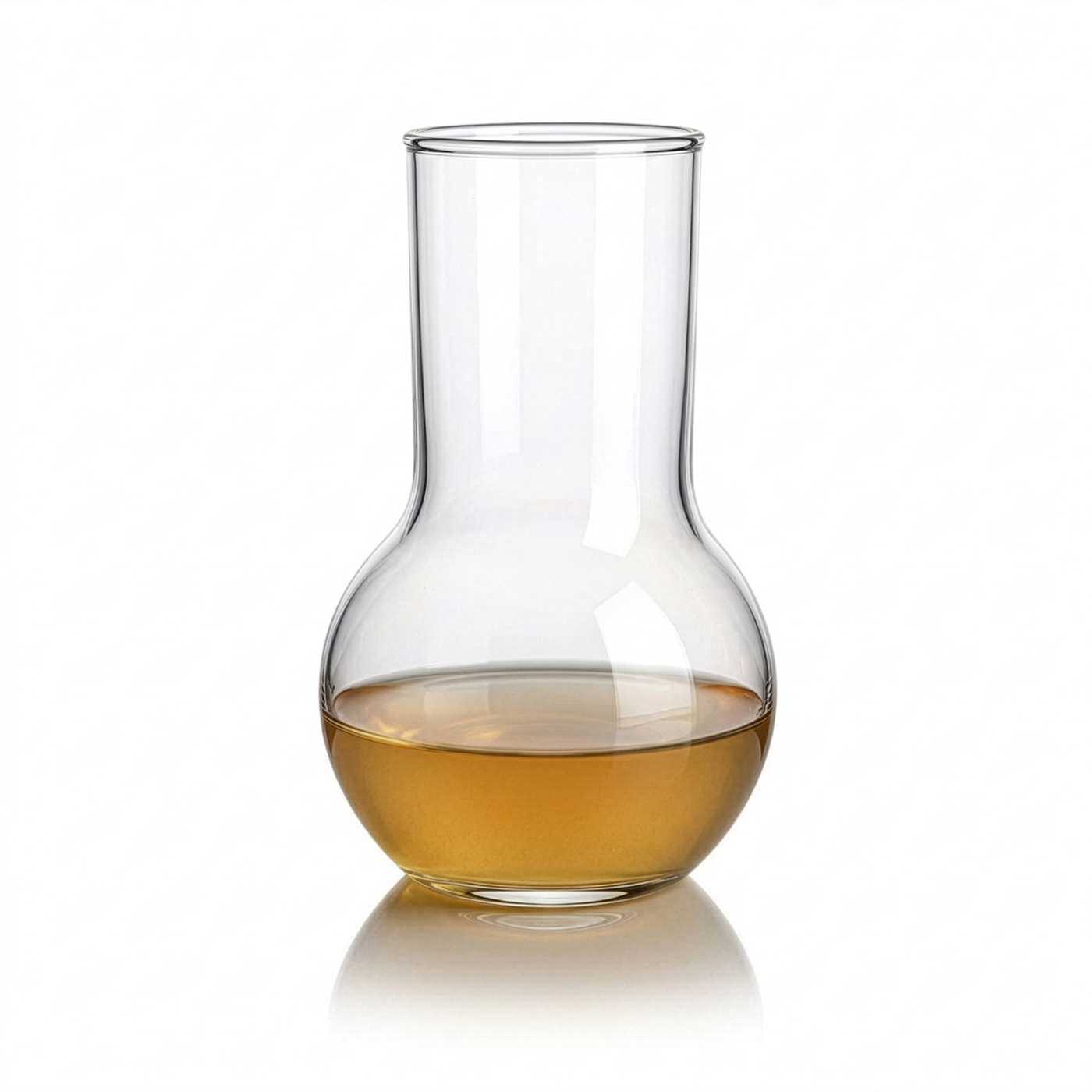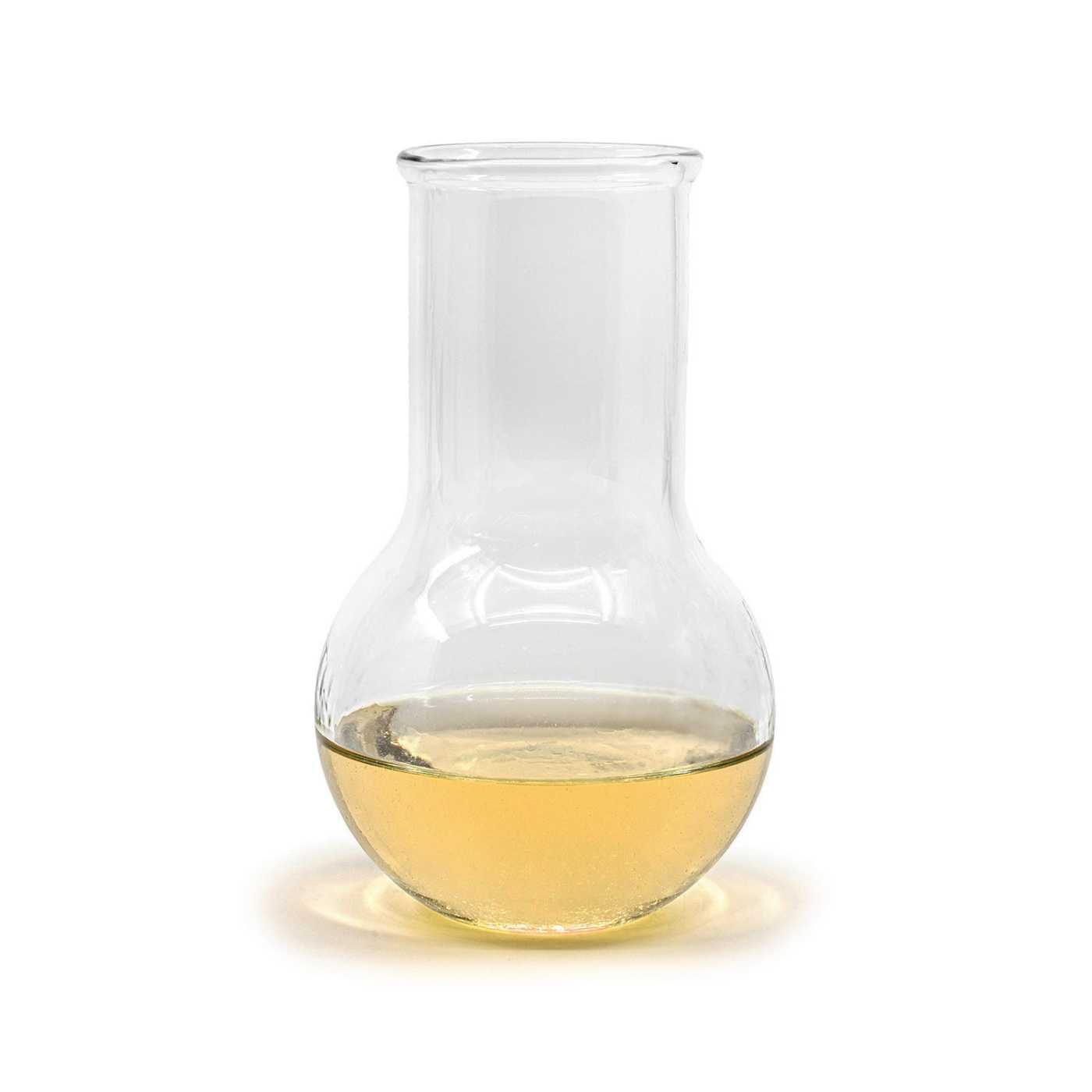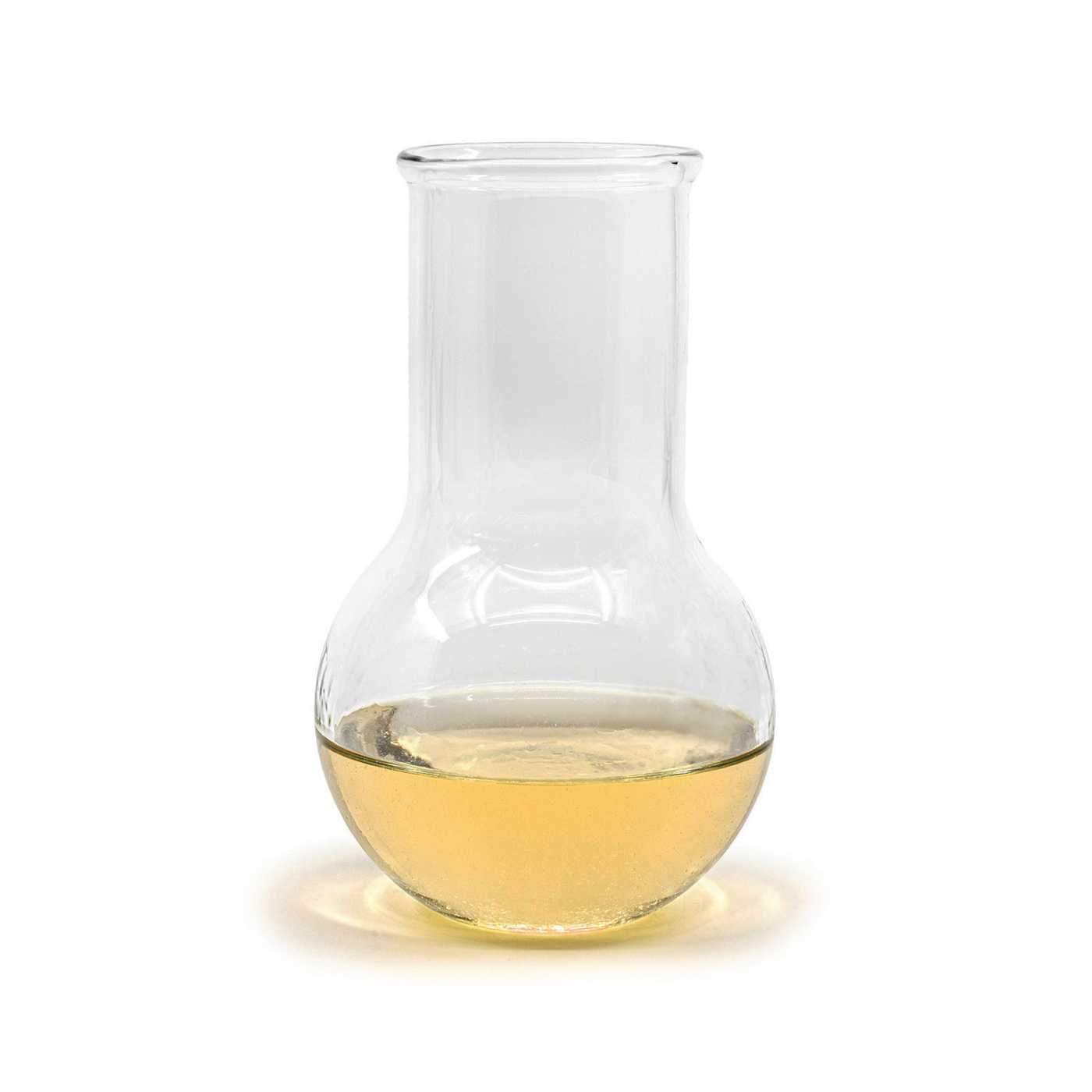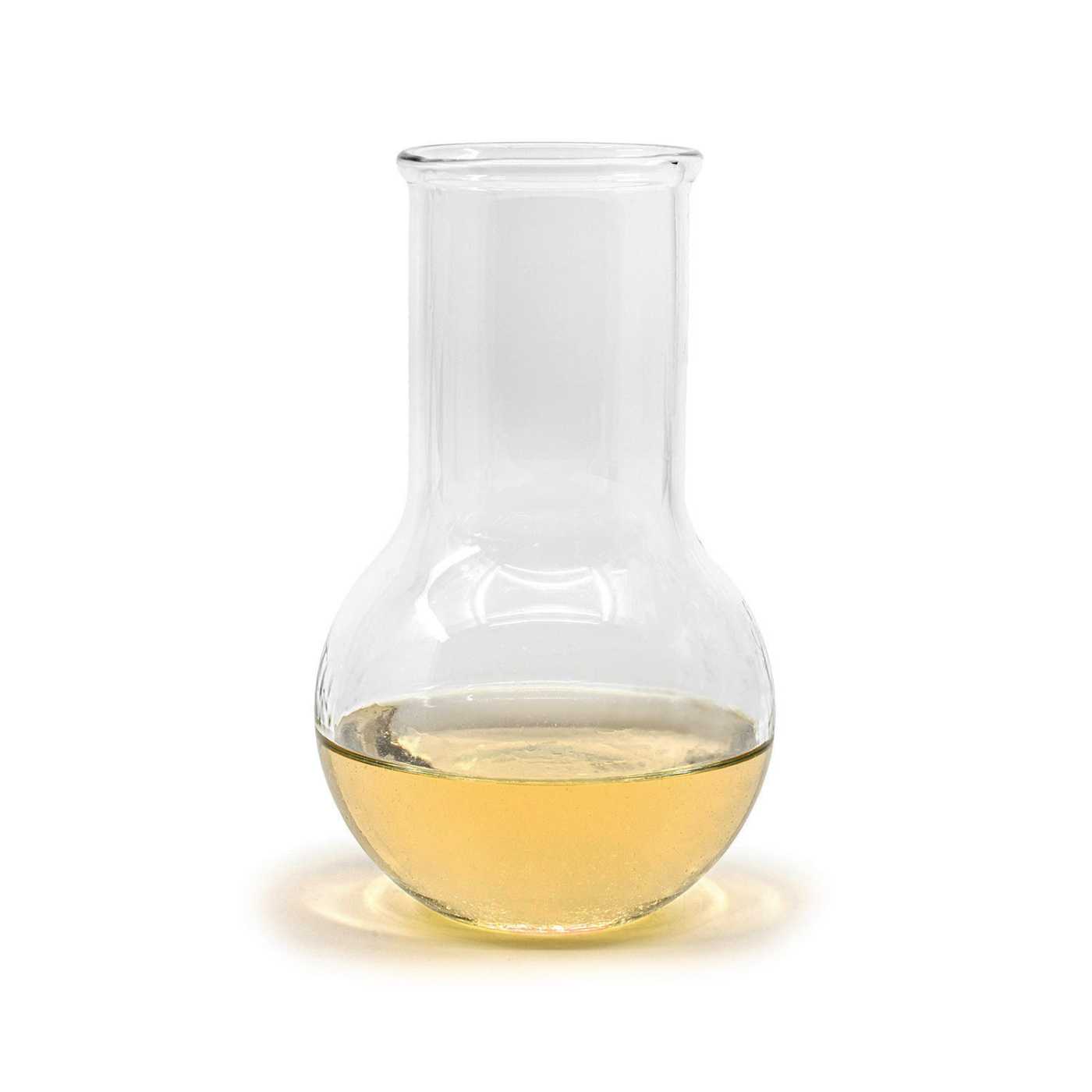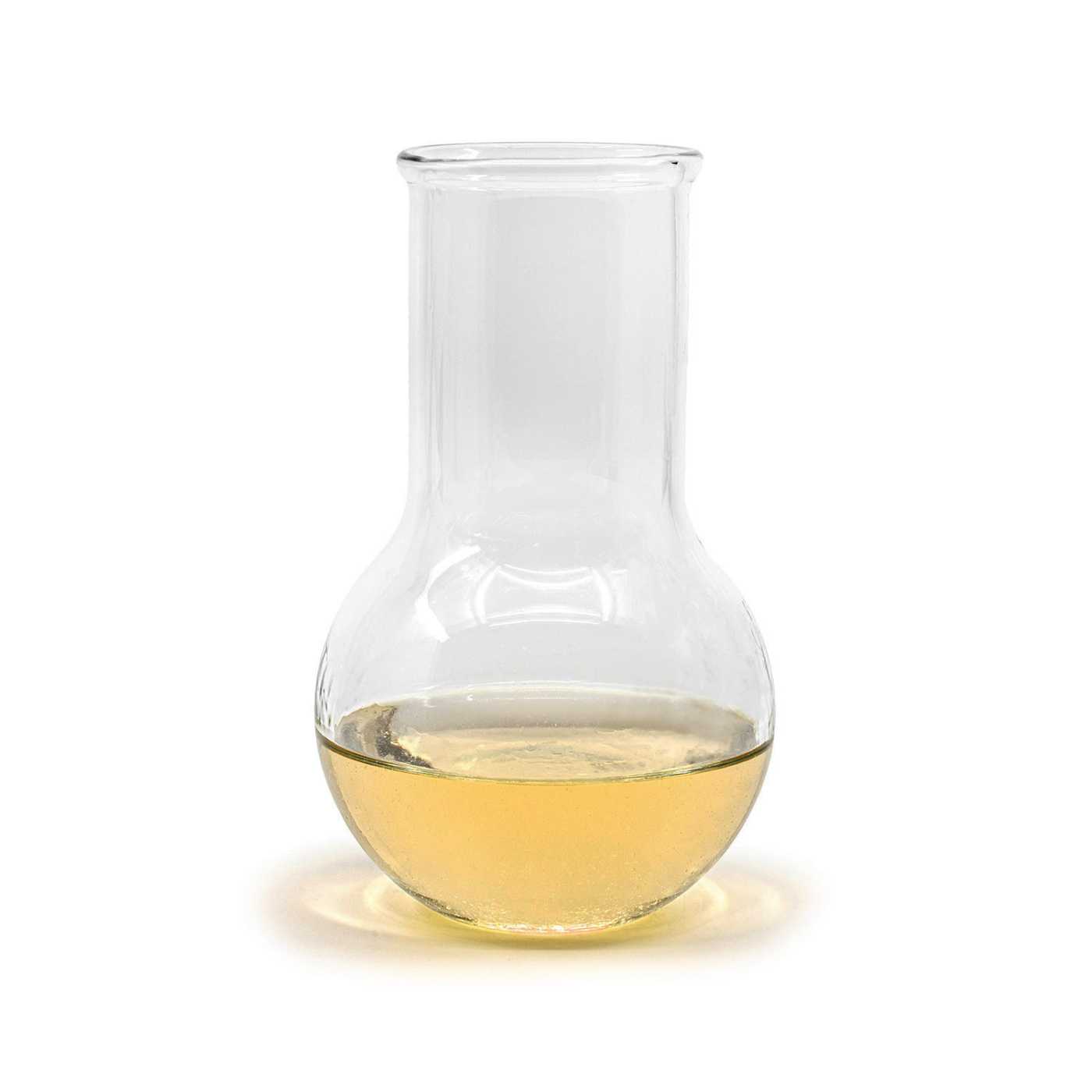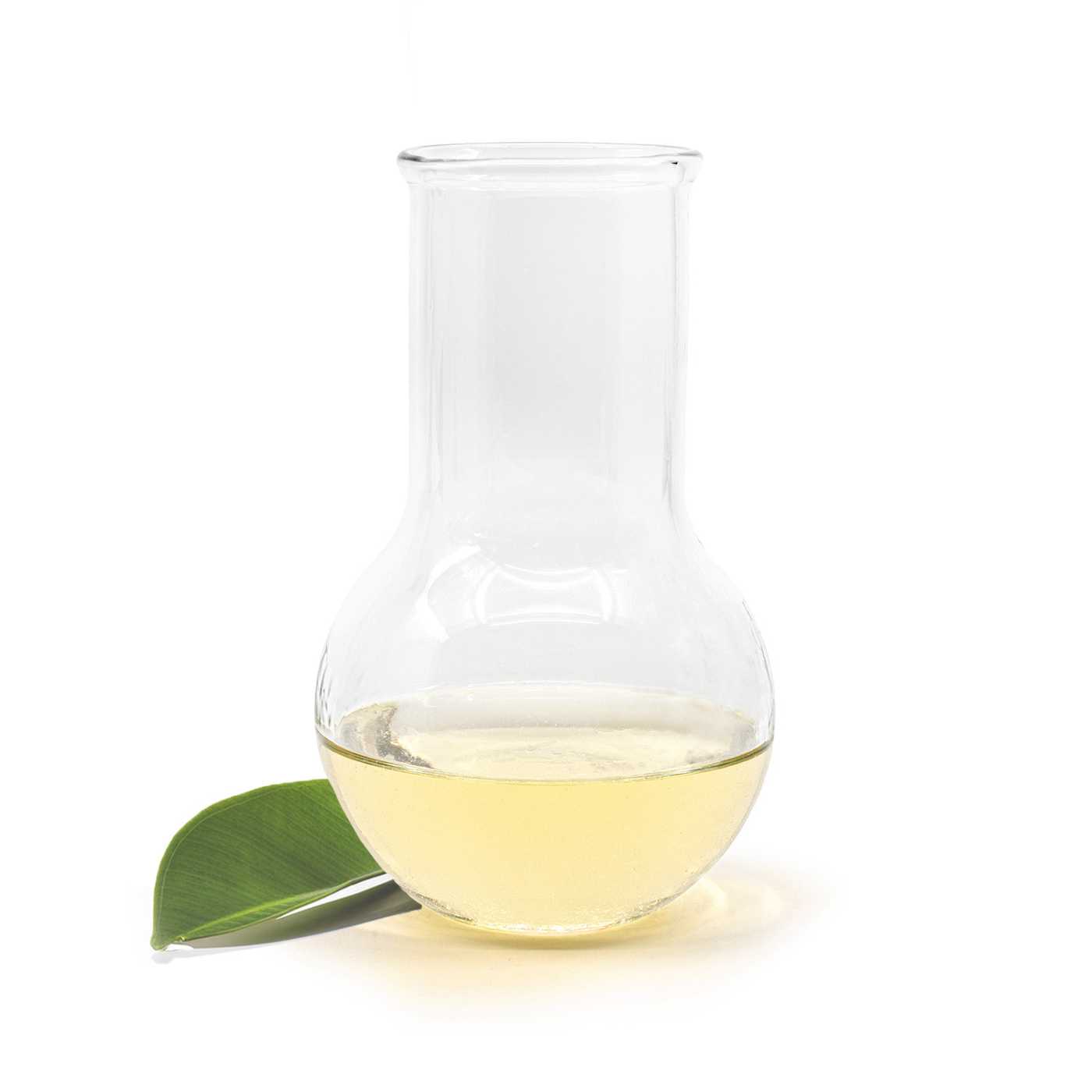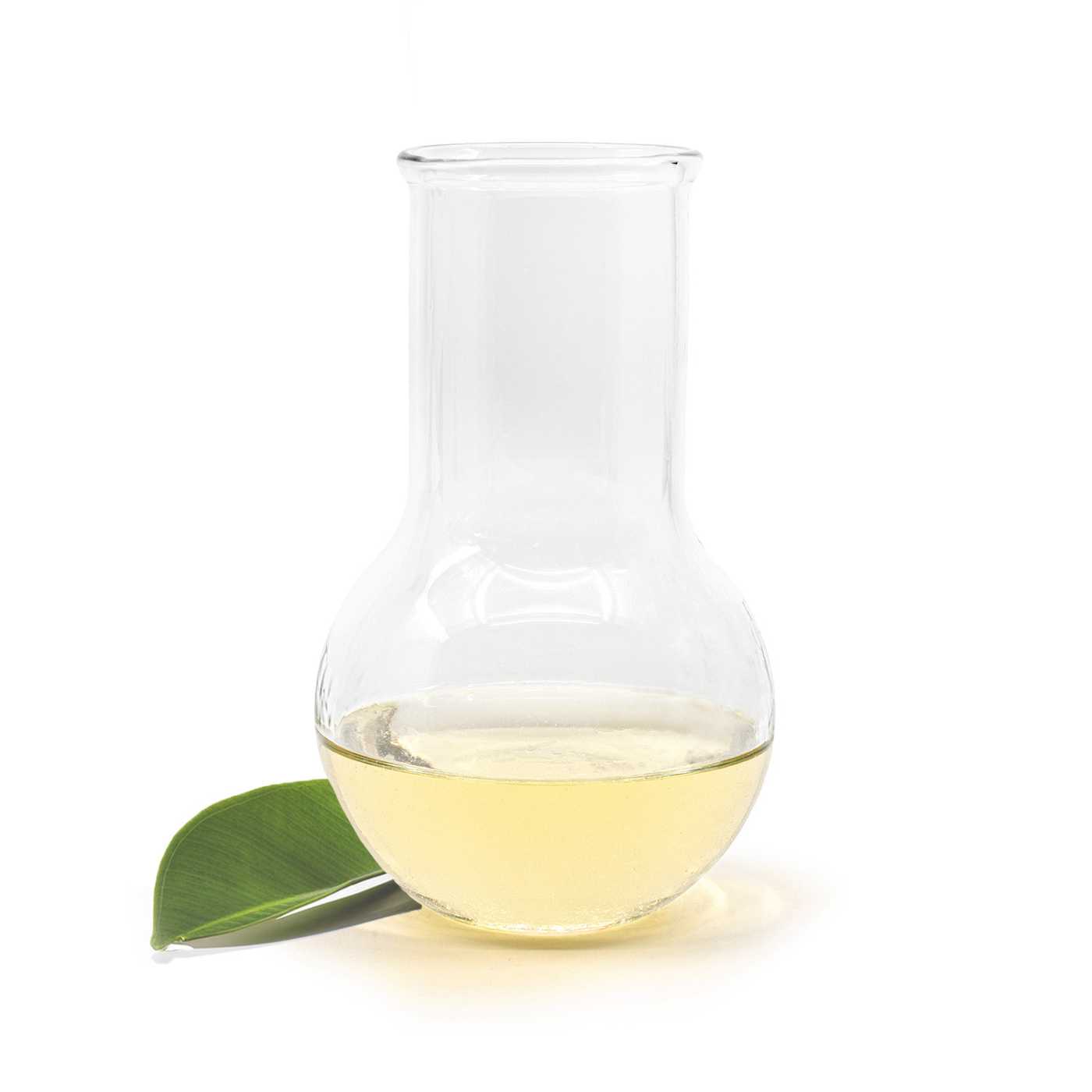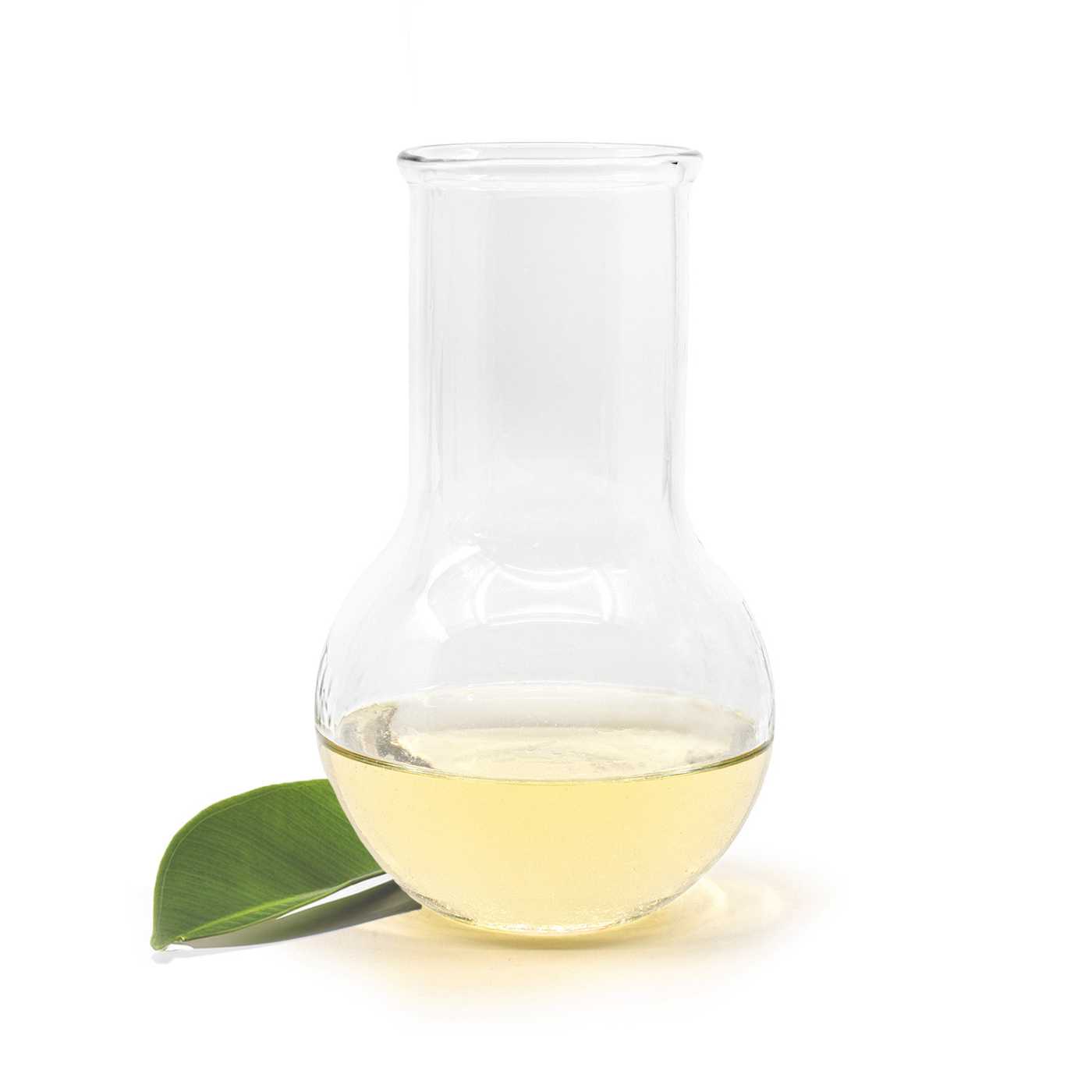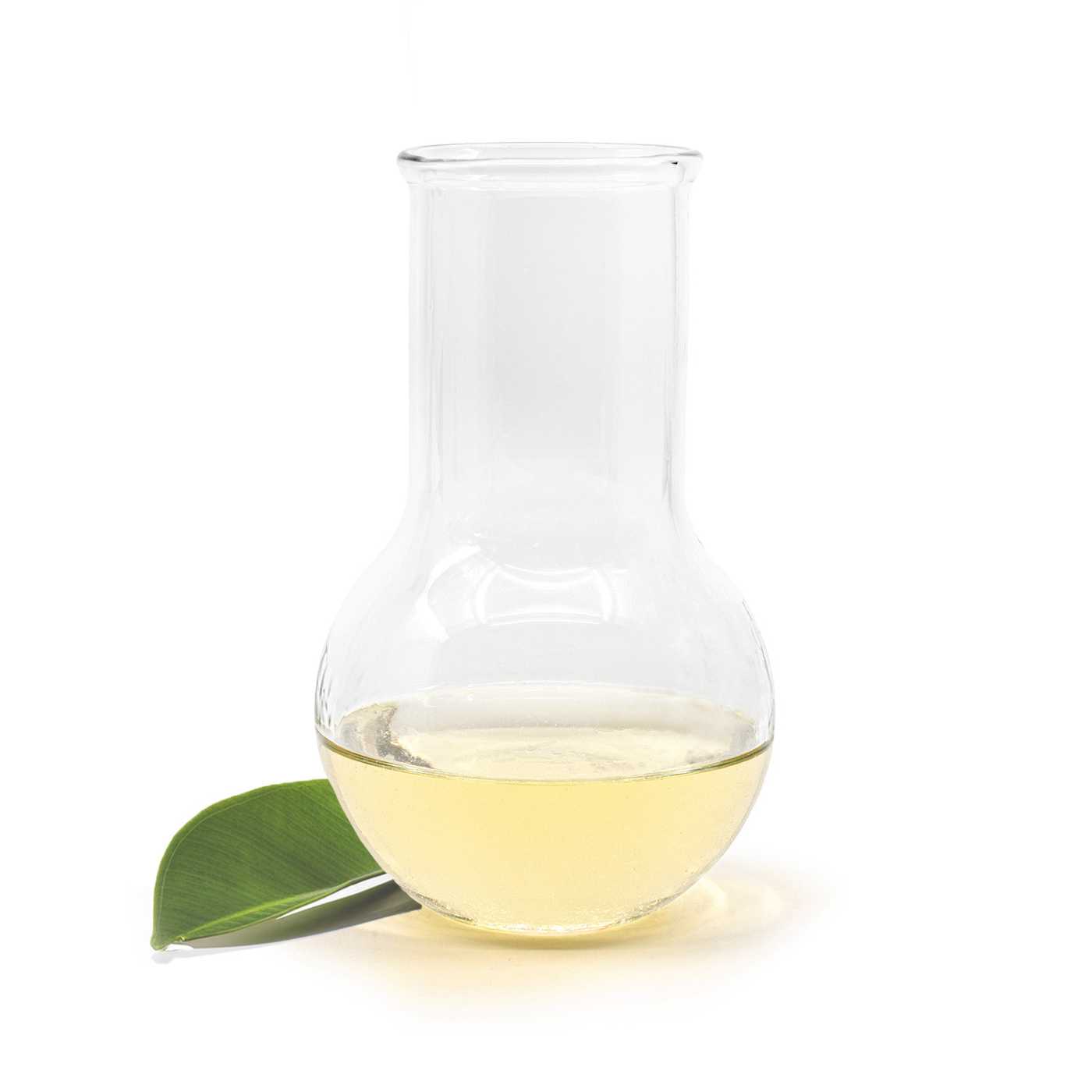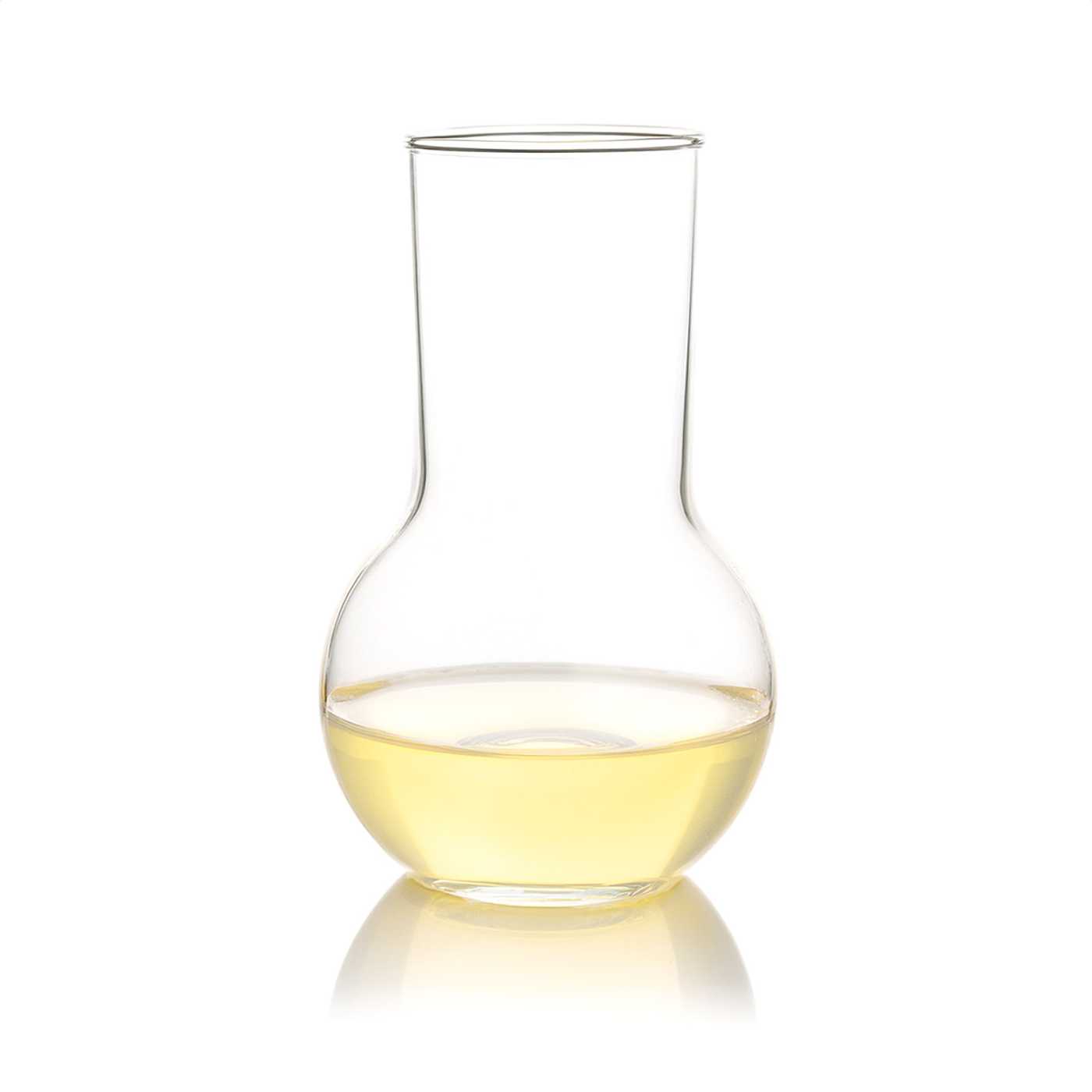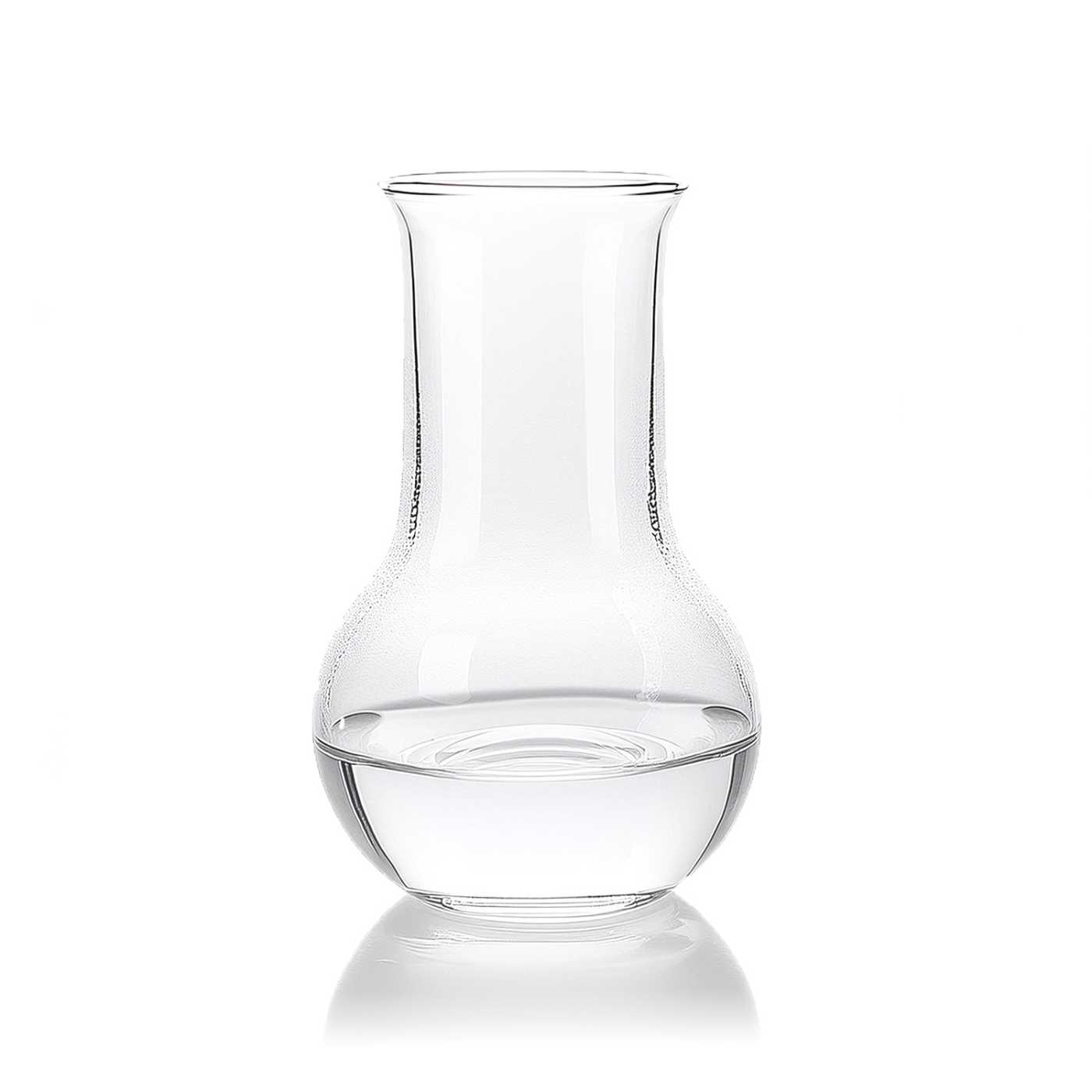
1,3-Propanediol, 1 l
Pre-order€38.82(€38.82/l)

4.9 out of 5 · 663 ratings
Documentation for every product
694 products in this category
537 in stock now
Showing 60 of 694 products
Cosmetic additives decide whether a formulation turns into a stable, safe and pleasant product. This category holds 706 functional raw materials in 15 sections — from emulsifiers and thickeners through preservatives and surfactants to 201 active ingredients — for making creams, serums, body lotions, shampoos and cleansing products.
While basic raw materials form the body of a formulation — the oil phase and the water phase — additives give it function. Emulsifiers bring water and oil together into a homogeneous cream, thickeners fine-tune viscosity and texture, preservatives protect water-based formulations from bacteria, yeasts and moulds, and surfactants take care of cleansing and foam. Active ingredients then deliver a targeted effect: hydration, exfoliation or a more even skin tone. The range is rounded out by emollients for a silky slip without a heavy film, conditioners for hair care, vitamins and antioxidants that protect oils from oxidation, mineral oxides, solvents, chelating agents, humectants and dried herbs for macerates and bath blends.
Every raw material is of cosmetic grade with complete documentation: the INCI name, a technical data sheet (TDS) with the recommended dosage and processing temperatures, a safety data sheet (SDS/MSDS) and a COA certificate. The TDS is the single most important document when working with additives — stay within the recommended ranges, respect both the pH and the phase (water or oil), and choose the lower end of the range when several active ingredients work together. You can trial a formulation on samples from just 1 g; for workshops and production sites we keep over a hundred items in packs from 5 kg or 5 l — including 25 kg sacks, 20 l jerrycans and a 210 l drum. Same raw material, same documentation, different scale. Not sure what to choose? Write to us at [email protected] — we work with these materials every day.
A preservative belongs in every formulation with a water phase and is added only to a cooled base, at a temperature below 40 °C. The exact dosage is set by the technical data sheet: Cosgard, for example, is dosed at 0.5–1.1% and works in products with a pH of 2–7, most effectively below 5.5. Check both the pH and the viscosity before you stir it in.
The recommended dosage of niacinamide (vitamin B3/PP) is usually 2–5%, depending on the type of product. It has only a mild effect on the pH of the finished product, though checking it is advisable especially in formulations with an acidic environment. Where several active ingredients work together, stay at the lower end of the ranges given in the technical data sheets.
High-molecular-weight hyaluronic acid (HMW, 1.5–2 MDa) is dosed at 0.1–0.5%. It is water-soluble and can bind many times its own weight in water, which makes it one of the most effective ways of rehydrating the skin. We stock it in four molecular weights (from HMW down to XS) — in packs from just 1 g.
Bakuchiol 99% is a highly pure active ingredient obtained by CO2 extraction from the seeds of Psoralea corylifolia (babchi). The specialist literature compares it with retinol for its similar cosmetic effects, without the irritation — suitable for skin that does not tolerate retinoids. It is oil-soluble: dose it at 0.5–2% into the oil phase of an emulsion or straight into a finished oil serum. It is stable in the pH range 4–6.5 and at temperatures up to 70 °C.
Alpha arbutin of 100% plant origin is dosed up to 2% in facial creams and up to 0.5% in body products (the limit in Annex III to Regulation 1223/2009 as amended by 2024/996). For oily skin there is Azeloglicina, which reduces sebum — a water-soluble form of azelaic acid dosed at 3–10%, stable at roughly pH 5–11, added during cooling below 40 °C. Both can be combined with niacinamide and panthenol.
For every raw material we give the INCI name, a technical data sheet (TDS) with the recommended dosage, a safety data sheet (SDS/MSDS) and a COA certificate — the paperwork you need for the safety assessment and notification of your own product. Samples are sold from just 1 g; for production sites we keep over a hundred items in packs from 5 kg or 5 l, including 25 kg sacks and a 210 l drum.