+421 950 333 113info@handymade.storeBlack Friday SUN: −10% on everything with code SUN10Shop now

HUMECTANTS

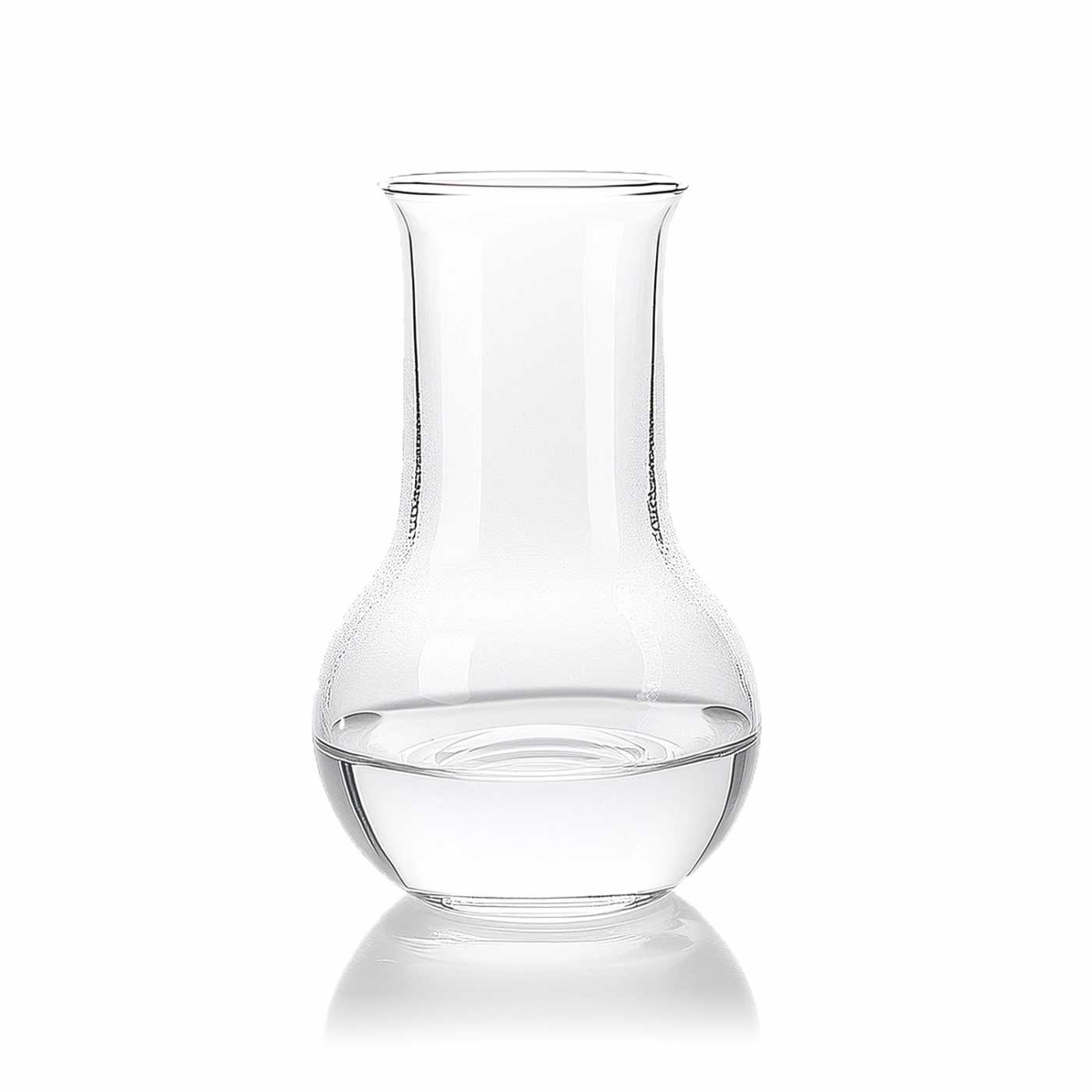
1,3-Propanediol, 1 l

Pack size100 ml500 ml1 l5 l20 l

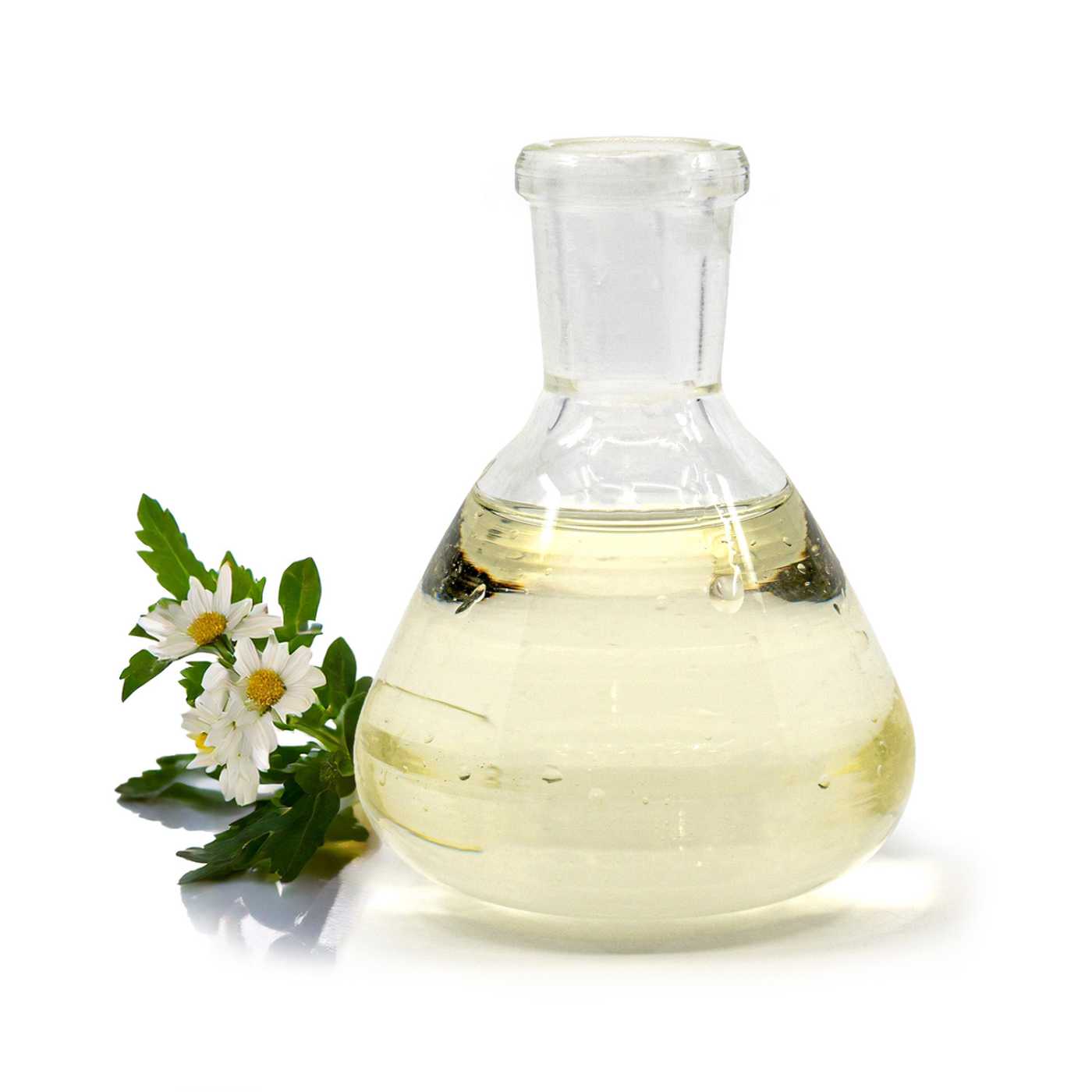
1,3-Propanediol (propanediol) is a plant-derived humectant and solvent . In the finished product it binds water and supports skin hydration. full description

AvailabilityIn stock · 90 packs
Product codeAD201_1000
BatchEVI0003044
Best before03/2029
€38.82incl. VAT€38.82/l

Promotion until 29 Nov

with code SUN10 €34.94 (−10 %)

All promotion items

Lowest price in the last 30 days: €38.82

Product description

1,3-Propanediol (propanediol) is a plant-derived humectant and solvent. In the finished product it binds water and supports skin hydration. During production it helps dissolve or disperse ingredients that are difficult to process in water. It also boosts the effect of preservatives.

For natural cosmetics, it has the manufacturer’s COSMOS Approved and NATRUE Approved certificates and is vegan.


How it works in a product

On the skin it acts as a humectant. It binds water and keeps it in the surface layers of the skin.

Its second role is dissolving. It helps bring substances that dissolve poorly in water alone into the water phase, for example salicylic acid. It is also often the carrier of hydroglycolic plant extracts.

The third role concerns preservation. In the manufacturer’s study, a serum with 0.8% phenethyl alcohol at pH 6.5 failed the challenge test. The same serum with 5% propanediol added achieved grade A.

Propanediol does not preserve a product on its own. A preservative is still needed in a formulation containing water; propanediol only boosts its effect.


Key benefits

  • Hydration – supports skin hydration in both leave-on and rinse-off products.
  • Water phase solvent – makes it easier to incorporate substances that dissolve poorly in water alone.
  • Help with gums – xanthan gum, tara gum or sodium alginate disperse in it without lumps.
  • Use on sensitive areas – also suitable for eye-area products and intimate hygiene products.
  • Plant origin – made by fermentation and distillation from plant sources, without the use of GMOs.

Use in a formulation

Add it to the water phase, during emulsification or not until the cooling phase. It tolerates heating; the processing temperature should stay below 80 °C. If the product does not require heating, it can simply be mixed in cold.

It mixes with water in any ratio. It also mixes with glycols and dissolves in alcohol. It is insoluble in oil and is not added to the oil phase.

A simple procedure has proven effective for thickening with gums. First mix the gum with propanediol into a smooth paste, and only then slowly add water or hydrosol. The glycol disperses the gum evenly, so no lumps form during hydration.

Mix powder extracts into the propanediol until no visible particles remain.

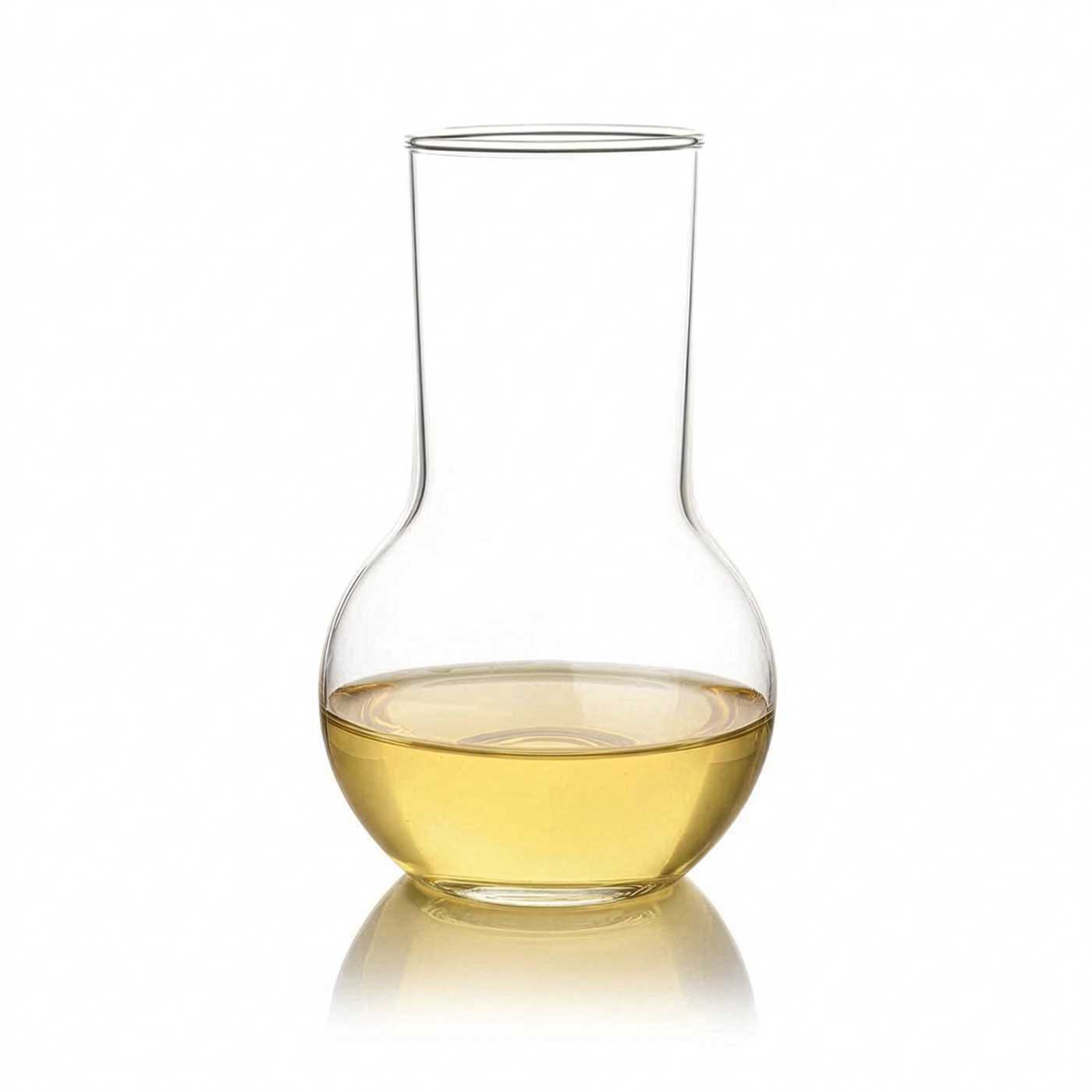
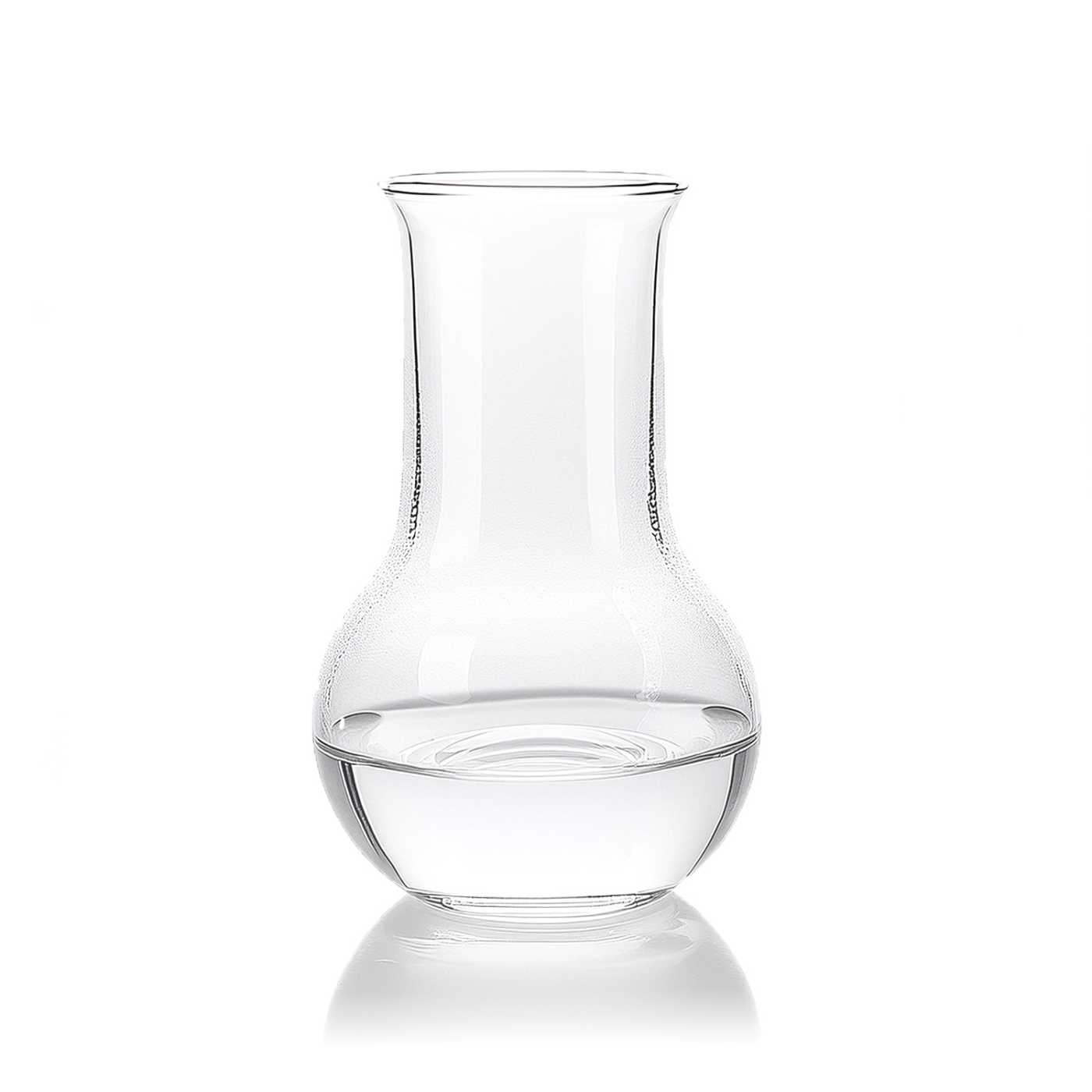
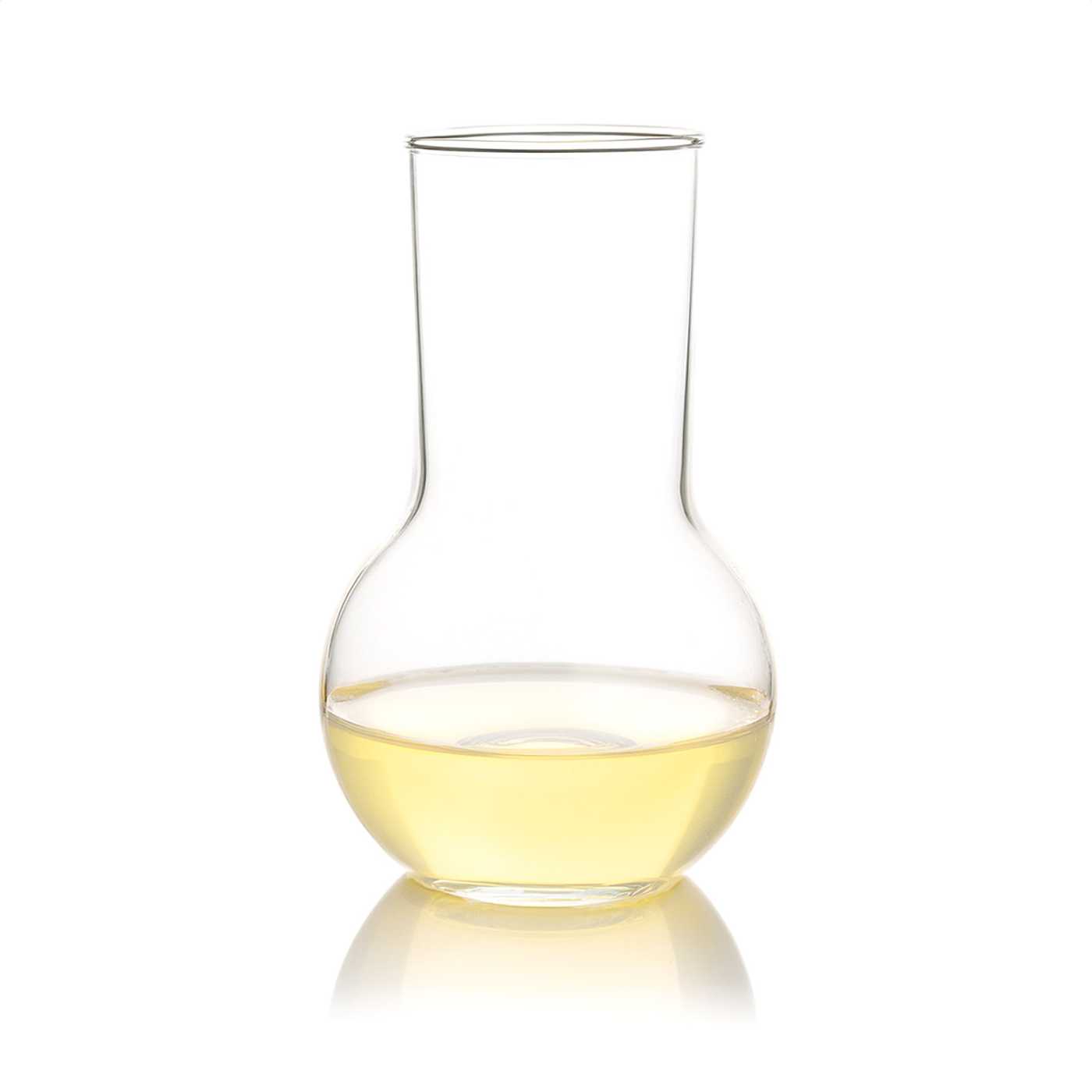
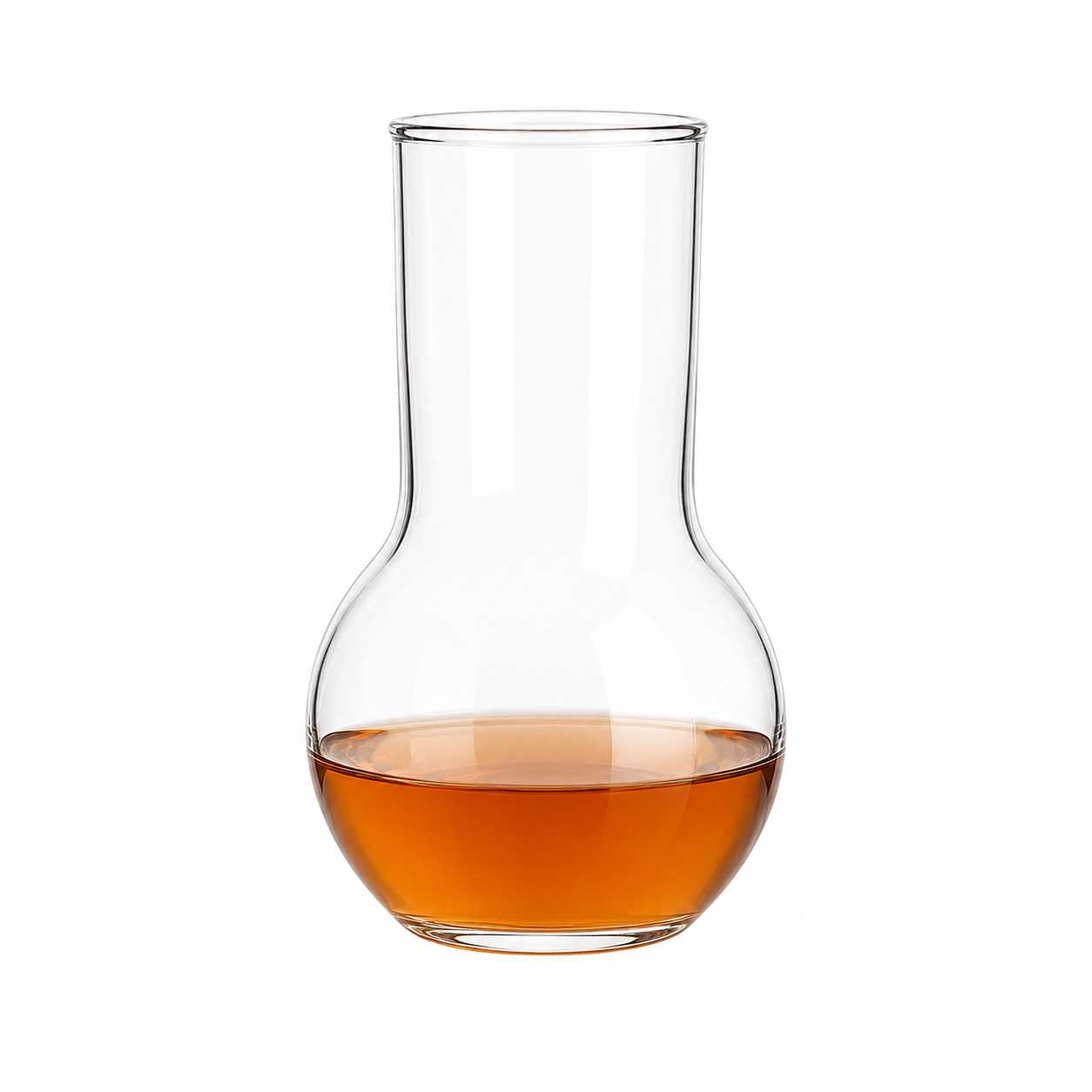
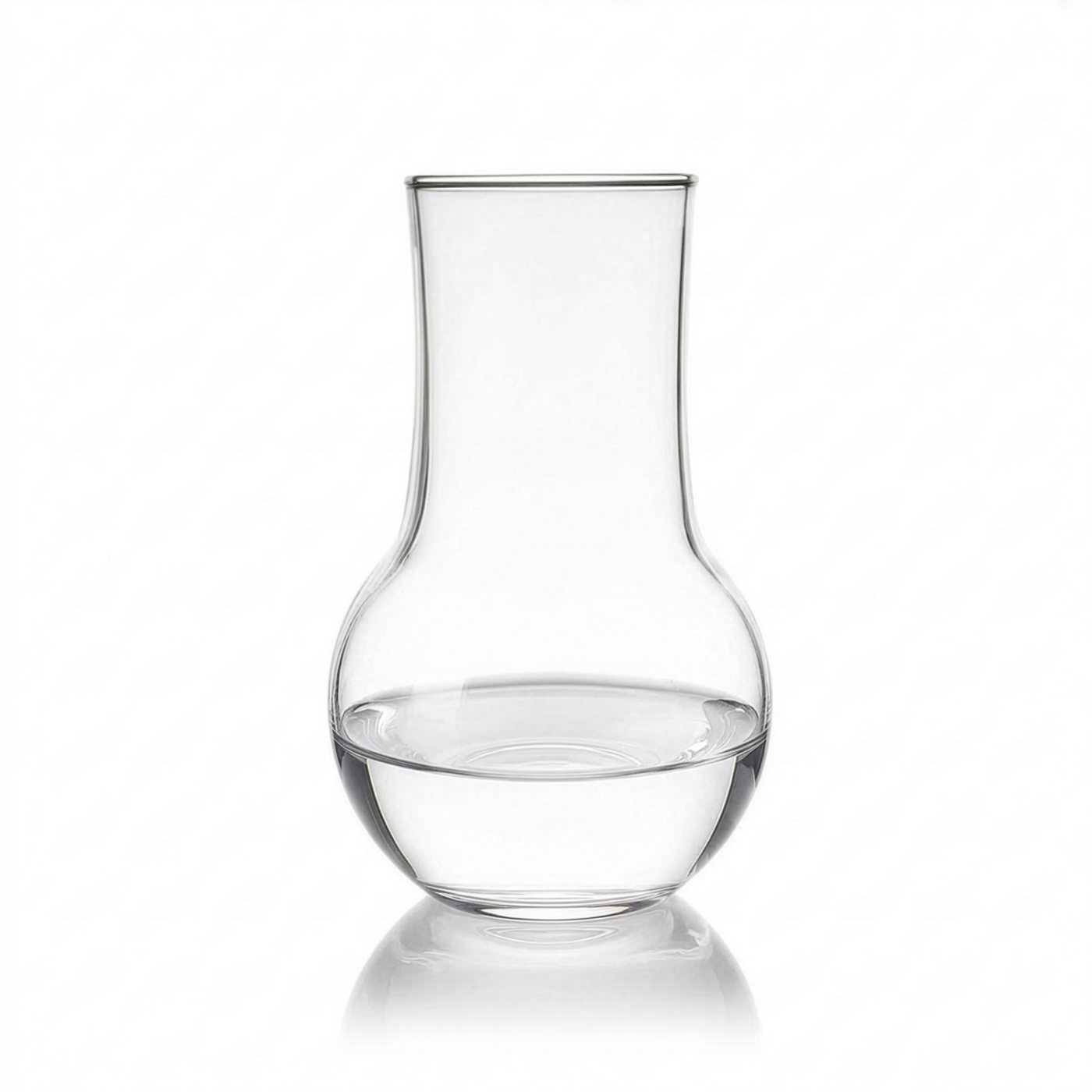
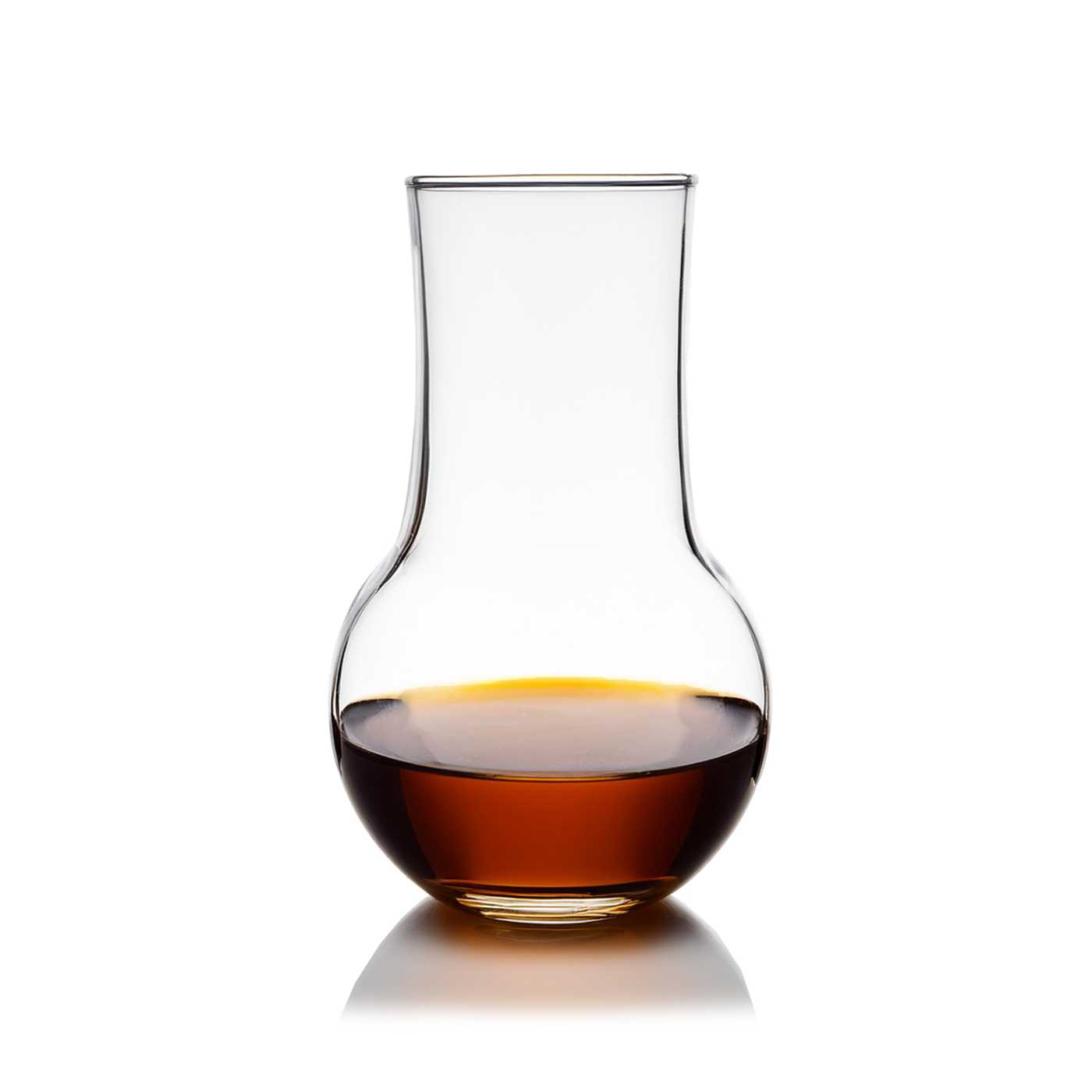
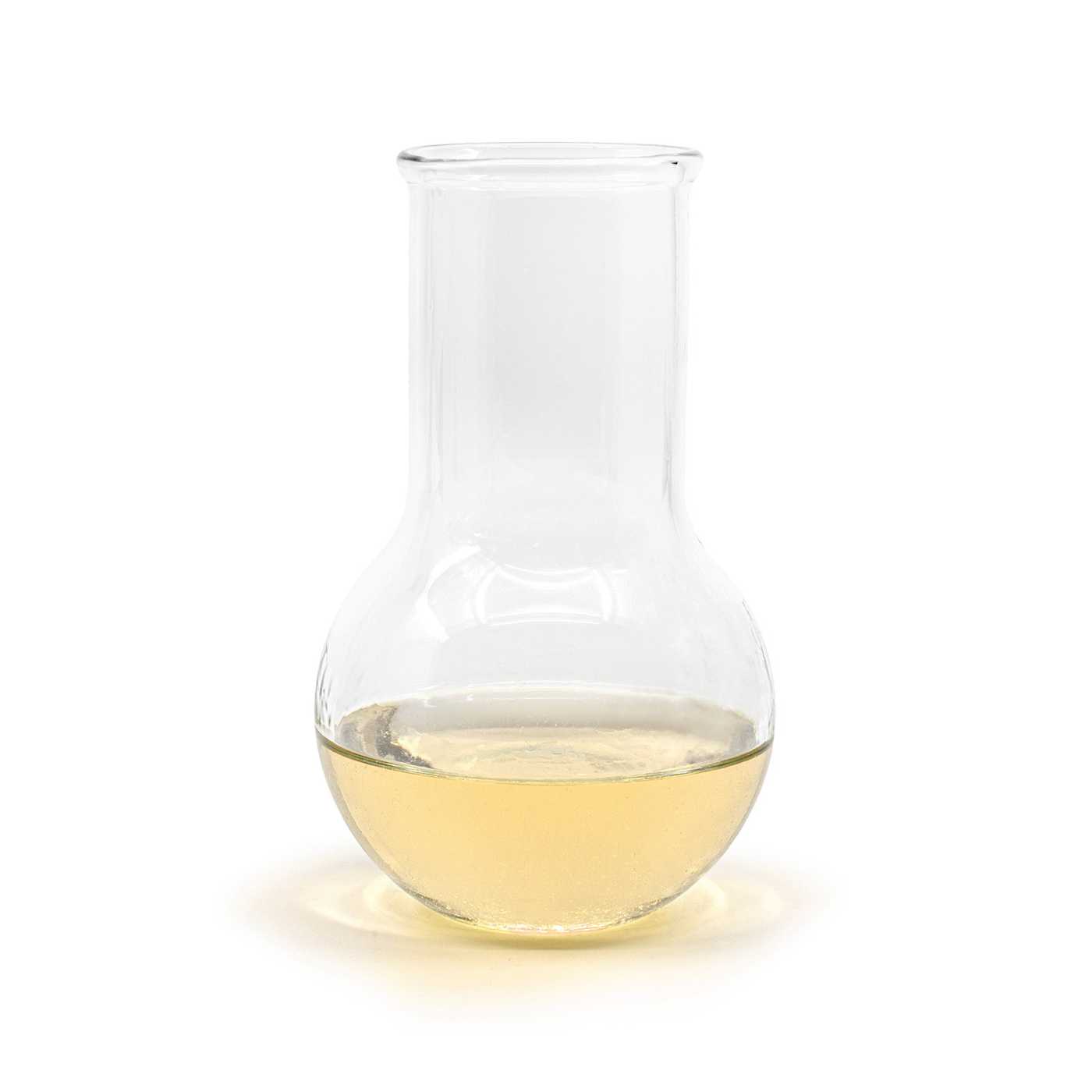
The ingredient has a purity of at least 99.8% and contains at most 0.1% water. This clear, colourless, viscous liquid does not change the colour of the product.


Usage rate

The recommended range is 1–50%. In formulations, 0.5–28% is used, most often around 4%. In creams and lotions it is typically 3–5%, in facial creams usually 3–8%.

A higher usage rate affects the feel during application. The product may feel tacky on the skin. From approximately 3%, this depends on the rest of the formulation. It is worth comparing samples with different usage rates.


Suitable for products such as

  • facial serums, toners and micellar waters, where it hydrates and helps dissolve active ingredients,
  • facial creams, body milks and lotions,
  • sun care products,
  • shampoos, conditioners and scalp care,
  • shower gels, liquid soaps and intimate hygiene products,
  • deodorants and antiperspirants,
  • gels thickened with gums.

Difference compared with propylene glycol and glycerine

It shares its function with propylene glycol. Both are humectants and water phase solvents. The manufacturer’s corneometer measurement showed the difference: skin hydration with propanediol was higher than with placebo, 1,3-butanediol and propylene glycol.

They also differ in origin. Propylene glycol is 1,2-propanediol and is made mostly from petroleum-based raw materials. 1,3-Propanediol is produced by fermentation of plant raw materials. In a formulation, both are handled in a similar way. Propanediol is a common replacement where the product should be made from plant sources.

Glycerine is a strong humectant, but at higher usage rates it feels sticky on the skin. Propanediol is often combined with it in formulations.


Good to know

With plant extracts in a glycol carrier, the glycol adds up. If a formulation contains several such extracts, their carrier must be counted towards the total humectant content, otherwise the feel during application will deteriorate.

Propanediol is commonly combined with pentylene glycol, xanthan gum and sclerotium gum, potassium sorbate, lactic acid, or with phenoxyethanol and ethylhexylglycerin. It is not compatible with oxidising substances, strong acids and strong alkalis.

The substance is not classified as hazardous, but it is flammable. Keep it away from ignition sources when working with it and avoid contact with the eyes.

Frequently asked questions

Is 1,3-Propanediol soluble in water?
Yes, 1,3-Propanediol mixes with water in any ratio. It also dissolves in alcohol and mixes with other glycols, but it is insoluble in oil. It is added to a formulation through the water phase, during emulsification or into the finished emulsion during cooling. It is not suitable for purely oil-based products such as balms and body butters.
What is the difference between 1,3-Propanediol and propylene glycol?
1,3-Propanediol is a glycol of plant origin produced by fermentation, whereas propylene glycol (1,2-propanediol) is made mainly from petroleum-based raw materials. In a product, they perform a similar function: they moisturise and dissolve. In the manufacturer’s corneometric measurement, propanediol showed higher skin hydration than propylene glycol. 1,3-Propanediol has the manufacturer’s COSMOS Approved and NATRUE Approved certificates.
How much 1,3-Propanediol should be added to a cream or serum?
In facial creams, 1,3-Propanediol is usually added at 3–8%, and in creams and lotions generally at 3–5%. The recommended range is 1–50%, and in formulations it most often appears at around 4%. At a higher usage rate, the product may feel tacky on the skin. We recommend starting lower and checking the feel during application on a sample.
Can 1,3-Propanediol replace a preservative?
No, 1,3-Propanediol does not replace a preservative; it only boosts its effect. In the manufacturer’s study, a serum with 0.8% phenethyl alcohol at pH 6.5 failed the challenge test, and with 5% propanediol added it achieved grade A. A product containing water still needs a preservative, and we recommend verifying its effectiveness in your specific formulation.
How is 1,3-Propanediol used with xanthan gum?
First mix the xanthan gum with 1,3-Propanediol into a smooth paste, and only then slowly add water or hydrosol. The glycol disperses the gum evenly, so it does not form lumps on contact with water. The same procedure works with tara gum and sodium alginate.
Can 1,3-Propanediol be added cold?
Yes, 1,3-Propanediol can be mixed in cold if the product does not require heating. It also tolerates heating in the water phase; the processing temperature should stay below 80 °C. It can also be added during emulsification or in the cooling phase. When it is used to disperse a gum, it is added together with the gum before the water.

Parameters

Chemical name
1,3-Propanediol
CAS No.
504-63-2
EC number
207-997-3
Product colour
Colourless
Country of origin
China
Processing method
FermentationDistillation
Appearance
Liquid
Recommended processing temperature
< 80 °C
Recommended usage rate
1 – 50 %
Application type
Leave-onRinse-off
Effects
Hydration
Biodegradability
Readily biodegradable
Certifications and declarations
Vegan
Natural Index (NI ISO 16128)
0,00
Manufacturer's certificate
COSMOS ApprovedNATRUE Approved
Natural Origin Index (NOI ISO 16128)
1,00
Organic content
0 % %
Renewable Carbon Content (RCC)
100 %
Volume
1000 ml

Product documentation

CoACertificate of Analysis
batch EVI0002422PDF ↓
TDSTechnical Data Sheet
Physical parameters and processingPDF ↓
SDSSafety Data Sheet
Available for purchased products —
Download all (ZIP)

2 PDF files in one archive

Learn how to work with it

From our blog
Greta T.21 Sept 2026IT

Verified purchase

A versatile humectant and solvent that's easy to work with. A very useful staple for water-based formulations.

Translated automatically

Nataliya20 Aug 2026DE

Verified purchase

Excellent quality, fast shipping, and outstanding customer service. The products are always carefully made, and whenever I have a question, the seller is very helpful and responsive. Highly recommended!

Translated automatically

Antje C.2 Nov 2026CS

Verified purchase

Radoslav Š.25 Sept 2026SK

Verified purchase

Variant: 1,3-Propanediol, 500 ml
(4 reviews)