Pre-orderSold out
Myristyl Myristate, 100 g
€5.39(€53.90/kg)

ACTIVE INGREDIENTS
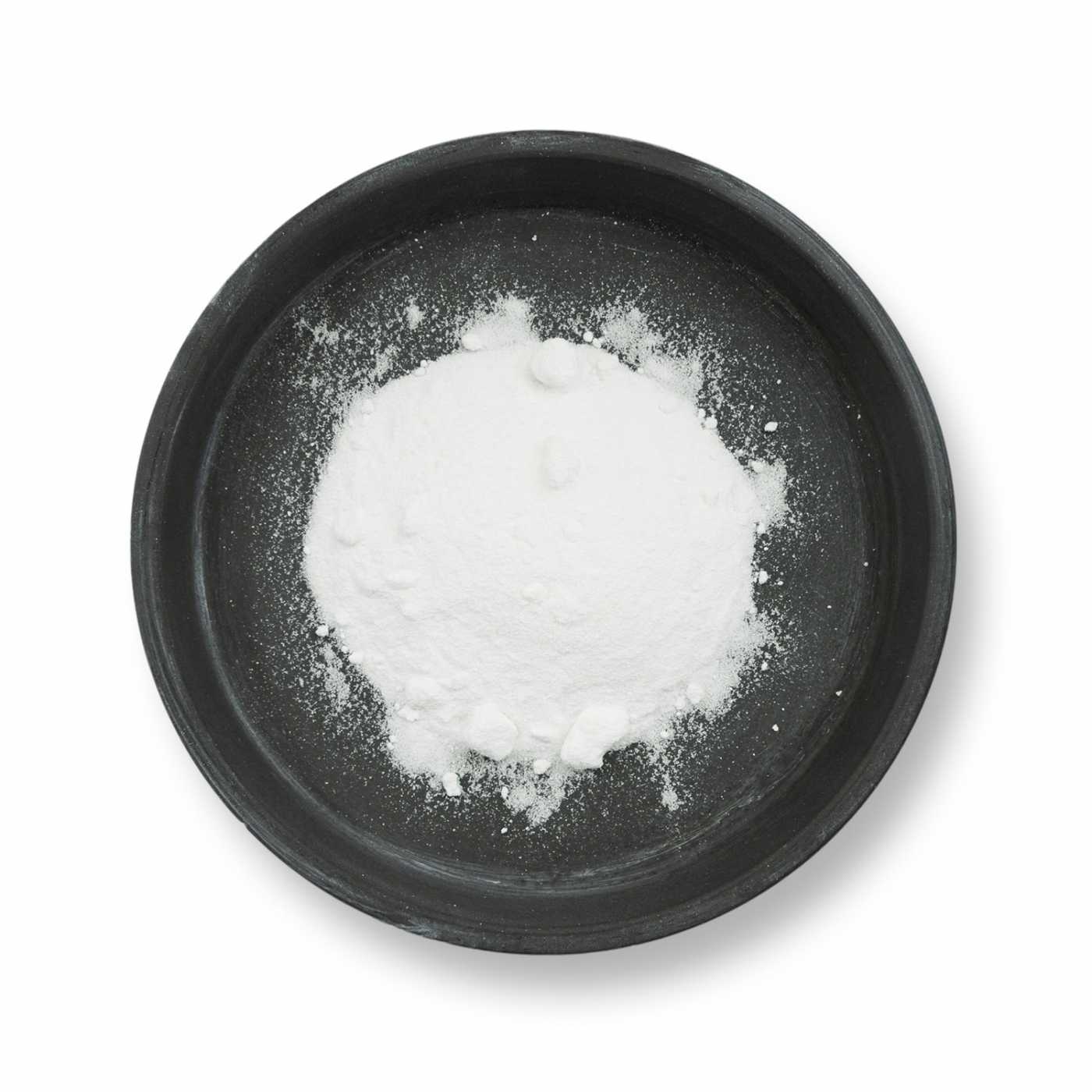
Allantoin soothes irritated skin, supports its regeneration and softens it. It works even at low usage rates and is compatible with most common cosmetic raw materials, so it can be added to most formulations with a… full description
Lowest price in the last 30 days: €3.24
Allantoin soothes irritated skin, supports its regeneration and softens it. It works even at low usage rates and is compatible with most common cosmetic raw materials, so it can be added to most formulations with a water phase.
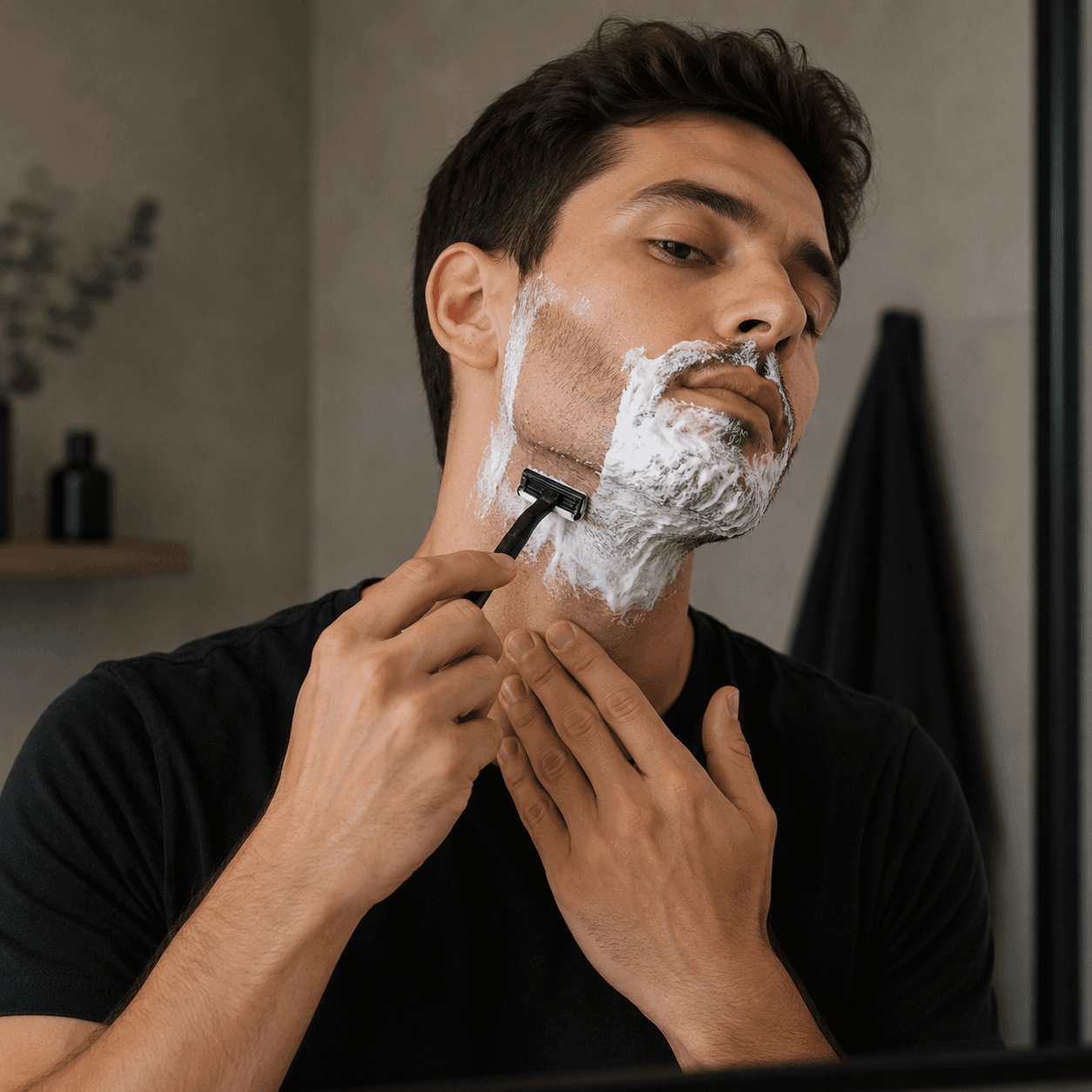
It is used mainly in care products for sensitive and baby skin, from hand creams and aftershave products to shampoos and toothpastes.
The main effect is soothing. Allantoin relieves irritation, which is why it is added mainly to products for sensitive, irritated, dry or cracked skin. It suits both rinse-off and leave-on products.
The second property is skin softening. Allantoin loosens the cohesion of dead cells on the skin surface, so they shed more easily and the skin feels smoother to the touch. On healthy skin, a low usage rate is enough.
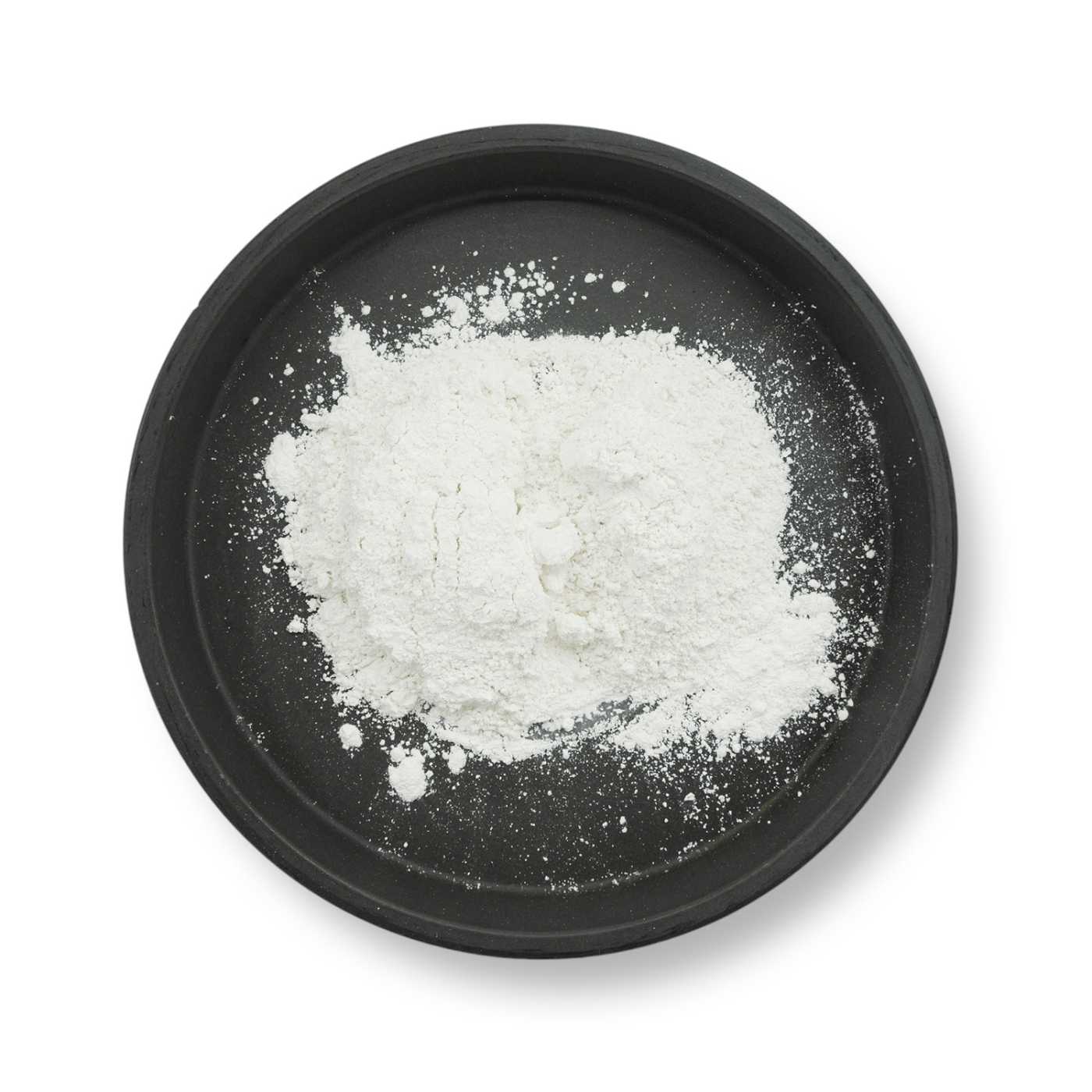
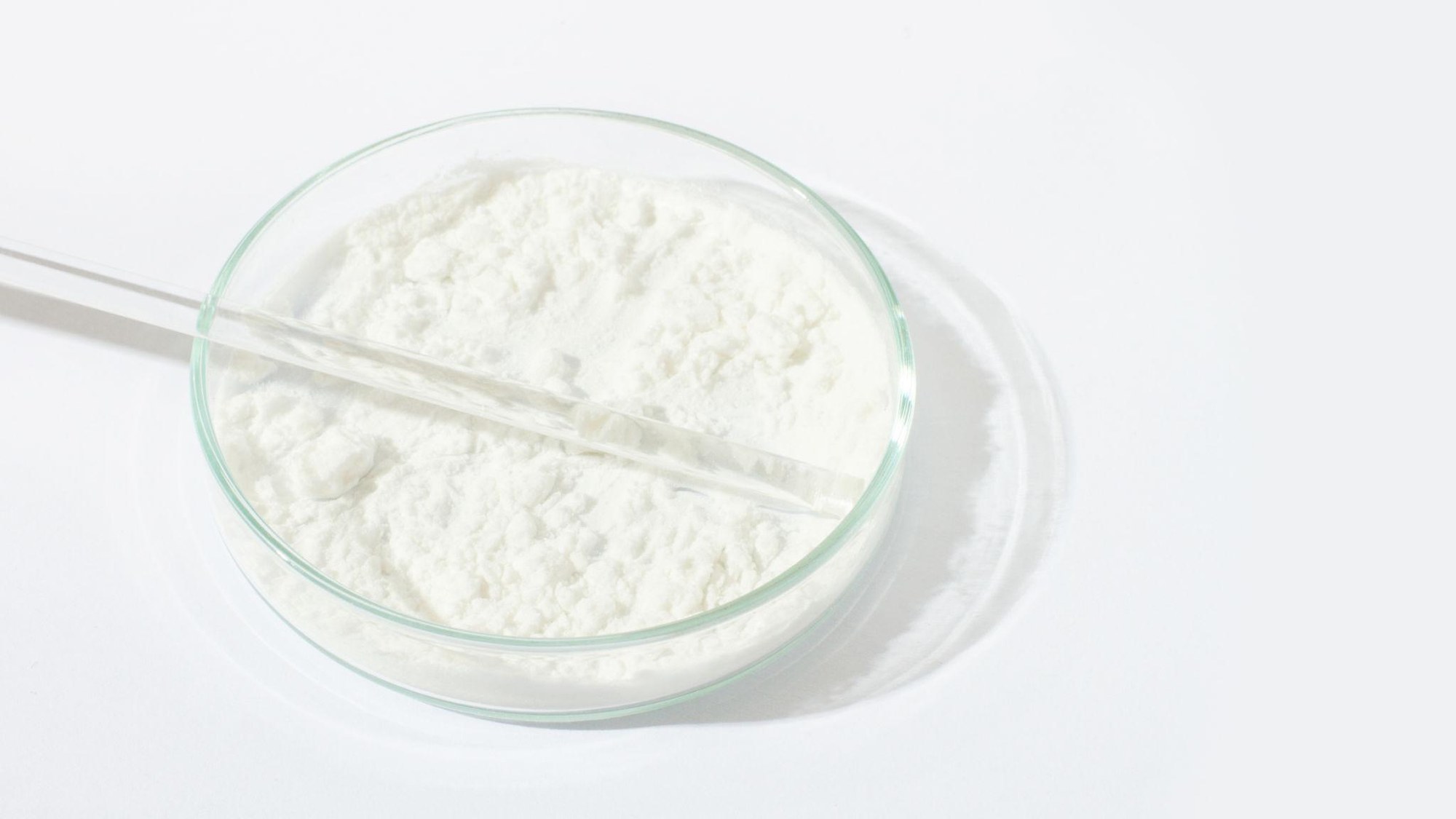
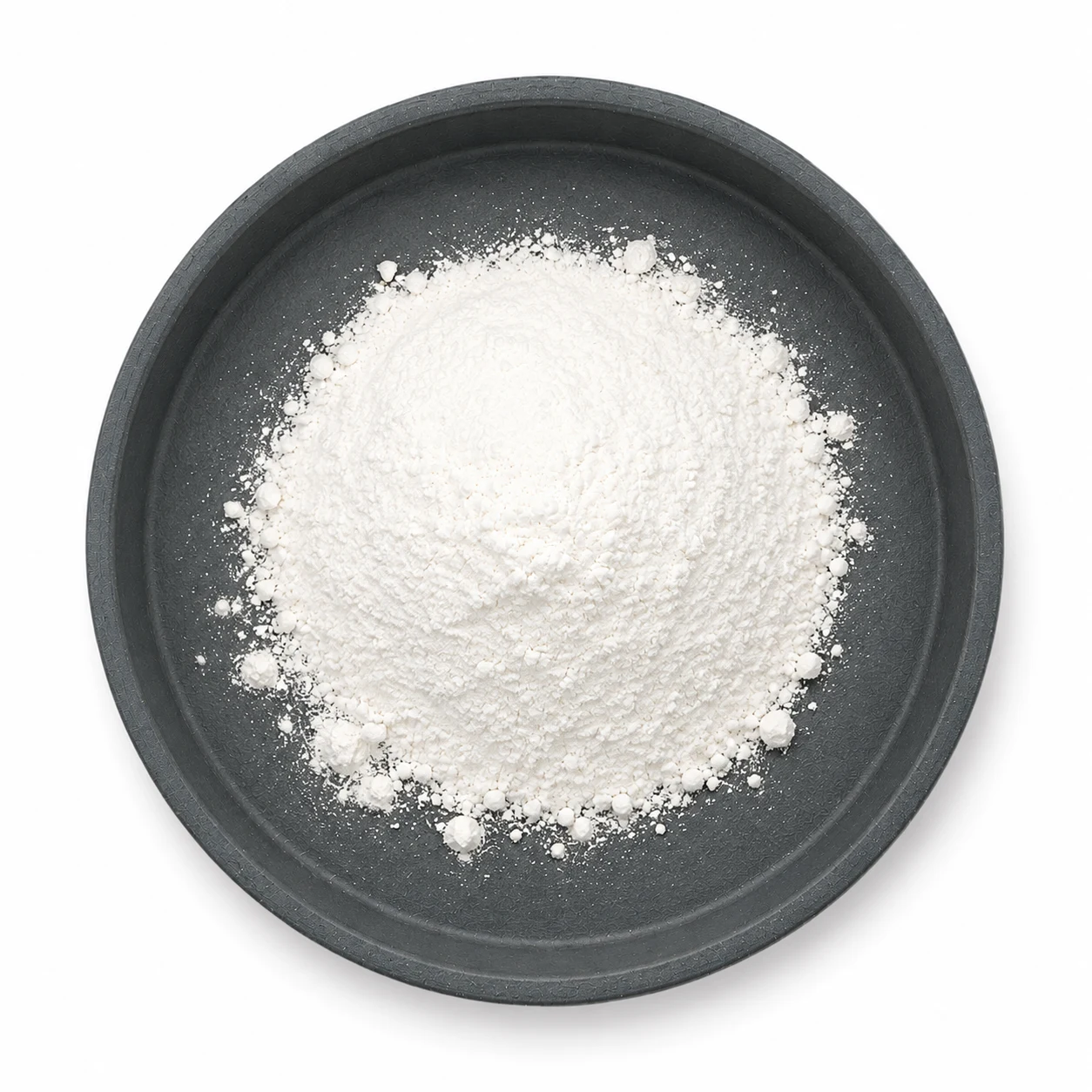
In nature, allantoin is found, for example, in comfrey root. This raw material is of synthetic origin and contains no materials of animal origin. It is a pure substance of cosmetic and pharmaceutical grade with an allantoin content of at least 99%.
An aqueous extract of comfrey root cannot fully replace it, because it contains little allantoin and the amount varies.
Solubility needs to be considered already when designing the formulation. In water at 20 °C, approximately 4.9 g/l dissolves, which is about 0.5%. Warm water dissolves more: a 2% solution is clear at 70 °C. It dissolves well in alkaline environments, and it does not dissolve in oils or non-polar solvents.
The usage rate follows from the solubility. The recommended range is 0.1–2%, most often around 0.3%. At a usage rate above 0.5%, allantoin may crystallise back out after cooling, and the product then becomes grainy or cloudy.
Indicative usage rates by product type:
In clear toners and mists, keep the usage rate below the solubility limit at room temperature. Higher usage rates suit creams better, where small crystals do not matter.
Allantoin belongs in the water phase. It can be added to the heated water phase or only during the cooling phase, and the processing temperature should stay below 80 °C. It is often dissolved first in warm water at around 50 °C or in a hydrosol, and only then mixed into the finished emulsion.
Stability is affected by pH. The recommended pH of the finished product is 4.0–6.0, and allantoin remains stable the longest at a pH of around 5–6. The raw material itself has a pH of 4.0–6.0 in a 0.5% aqueous solution.
At a pH of around 7 and higher, allantoin in the finished product gradually decomposes, especially at elevated temperature. Do not heat it in alkaline solutions.
It can also be used in anhydrous products, where it remains dispersed as a powder. In a balm, it is mixed in only during cooling, when the mixture begins to thicken, and stirred until the powder is evenly dispersed. In bath salt, it is simply mixed with the salt.
It is compatible with other ingredients in anionic, non-ionic and cationic systems. In formulations, it is often combined with glycerine, panthenol, niacinamide, betaine, trehalose, gluconolactone and calendula extract.