
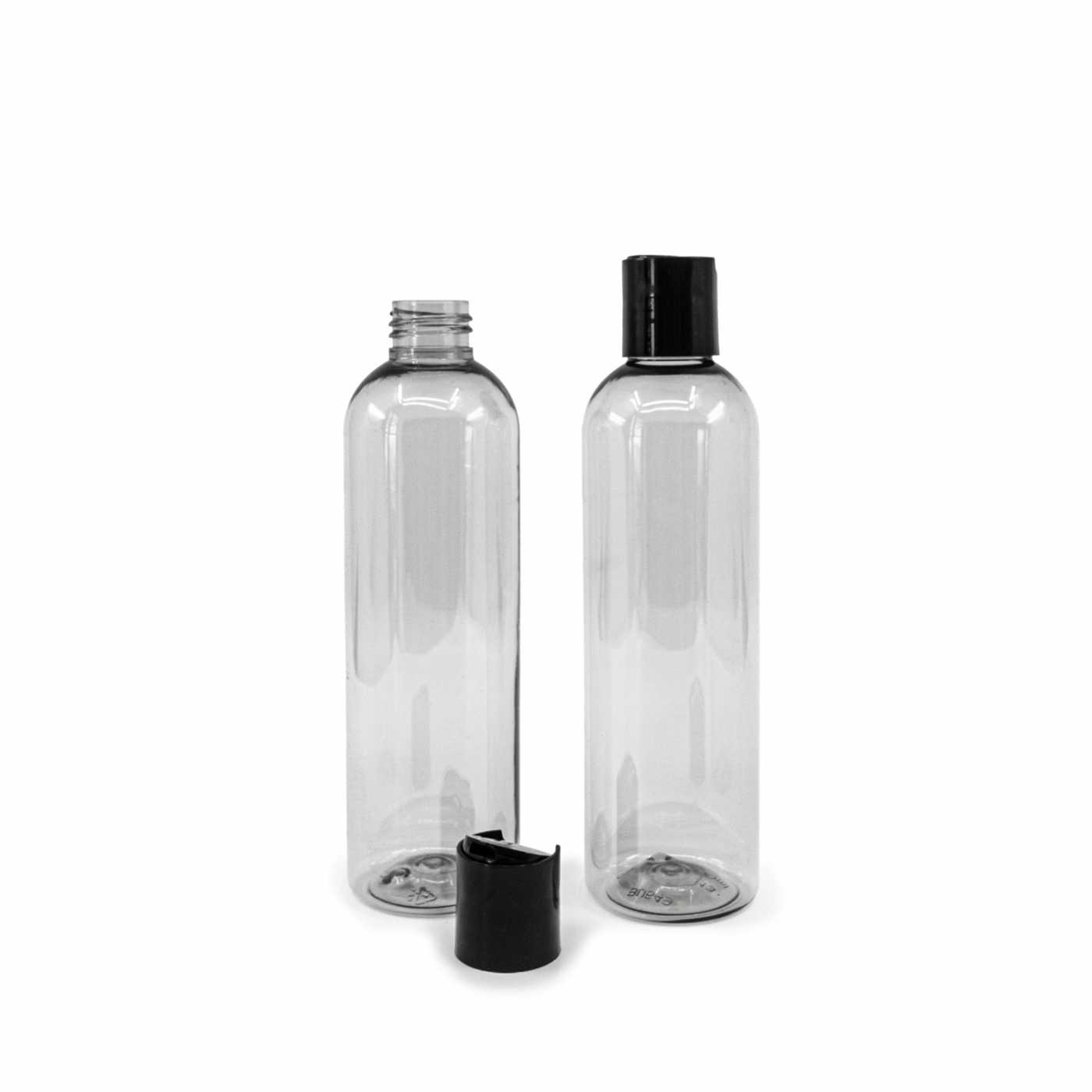
Recycled Plastic Bottle, Black Disc Top, 250 ml
Pre-order€1.12

SALTS
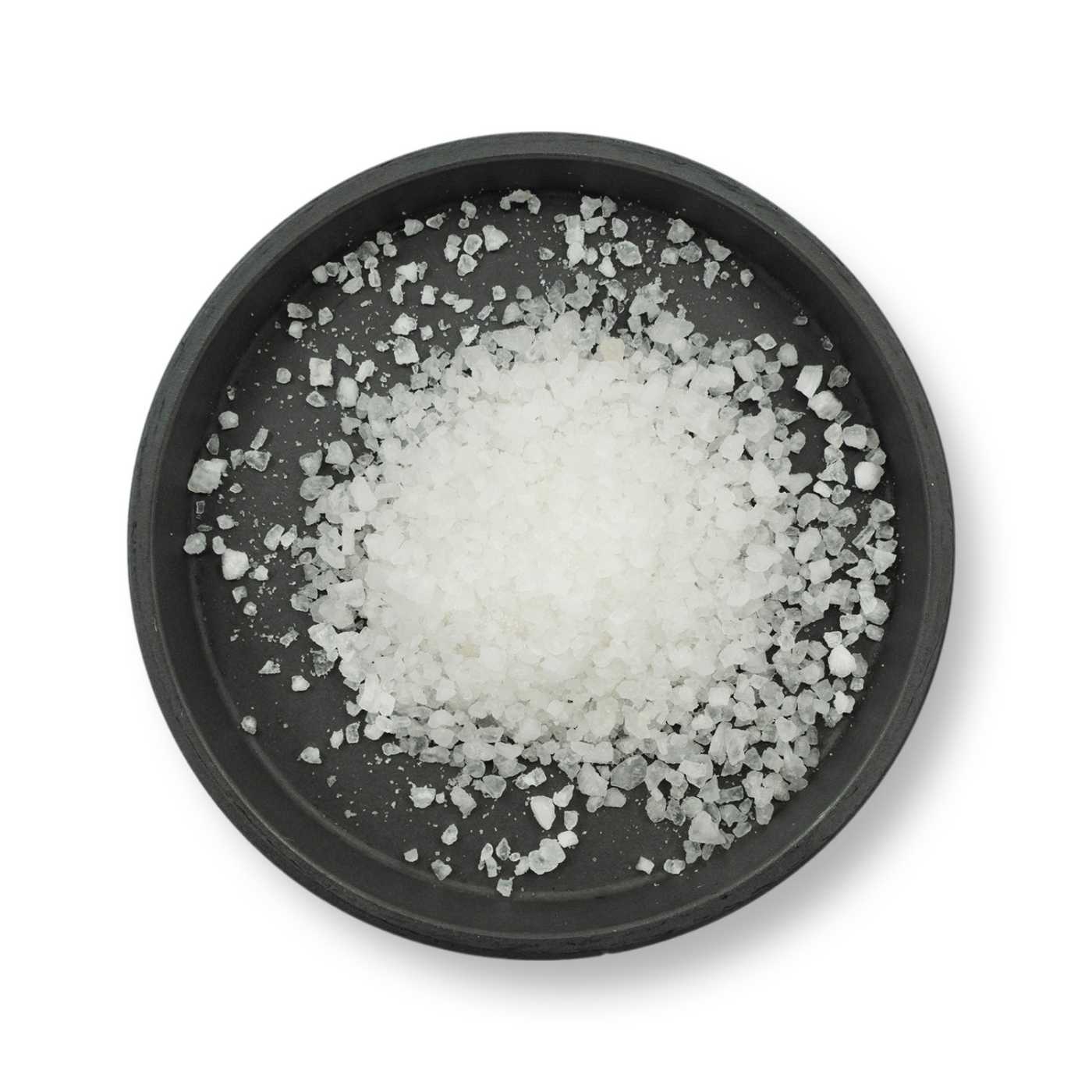
# Sea salt, coarse Coarse sea salt of European origin has two distinct roles in cosmetic making. In shampoos, shower gels and liquid soaps, it adjusts the viscosity of the surfactant base. full description
Lowest price in the last 30 days: €17.99
# Sea salt, coarse
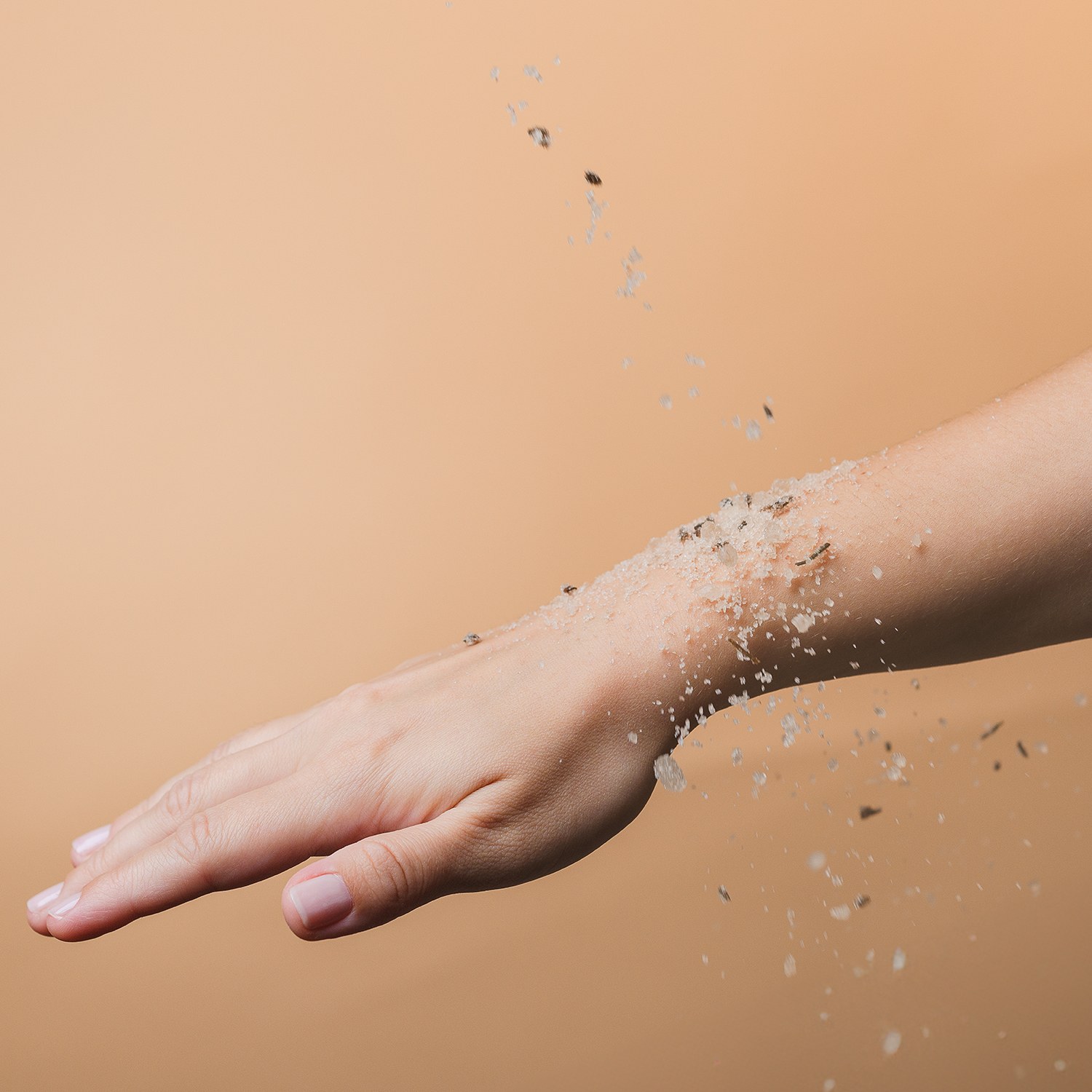
Coarse sea salt of European origin has two distinct roles in cosmetic making. In shampoos, shower gels and liquid soaps, it adjusts the viscosity of the surfactant base. In bath salts, it is the main ingredient, onto which oils and fragrances are applied.
The raw material is mineral-origin sodium chloride, obtained by crystallisation and drying of seawater and supplied in cosmetic grade. In liquid products it is used as a solution, and in bath salts it is used directly as grains.
In liquid surfactant products, salt is added at the very end of production, usually only after the pH has been adjusted with citric acid. Shampoos commonly contain it in an amount of approximately 0.4–1.2%. Before adding, the coarse grains are dissolved while stirring in a portion of the water set aside, or together with glycerine, and then poured into the product as a solution. Undissolved crystals thicken unevenly.
As the amount of salt increases, viscosity first rises, but after reaching its maximum it drops again and the gel becomes thinner. For this reason, salt is not added in the full dose all at once.
Add the salt solution in small portions, stir after each one and check the thickness. When the next portion no longer thickens the product, stop.
The recommended processing temperature is below 80 °C. In shampoos, the salt solution is often added while the finished base is cooling. Salt is compatible with acidic, neutral and alkaline pH and with anionic, amphoteric and non-ionic surfactants. In recipes, it is most often combined with glycerine, butylene glycol, Sodium Laureth Sulfate, Cocamidopropyl Betaine and citric acid. In W/O emulsions, it is dissolved directly in the water phase before emulsification.
Bath salts are made the other way round, with the grains left undissolved. Oils and fragrances are poured onto the salt gradually, in small amounts, while gently stirring with a spoon or spatula so that they are spread evenly over all the grains.
Salt attracts moisture from the air. At a humidity above approximately 75%, it starts to dissolve on the surface of the grains, and when it dries it crystallises again, so the grains fuse into lumps. Sea salt is more sensitive to this than ordinary cooking salt, and at a higher temperature this threshold is lowered even further.
Close the packaging tightly after each use and do not leave the salt open in a damp workshop.

flawless
Translated automatically
Sea salt — I use it as an additive
Translated automatically

Good salt — An ingredient
Translated automatically
It is a great product — Excellent sea salt as an additive to the bath.
Translated automatically
Variant: Morská soľ, hrubozrnná, 1 kg