ZENISOAPBASE Melt & Pour, Shea-W, 1 kg
Pre-order€8.21(€8.21/kg)

Silicone molds
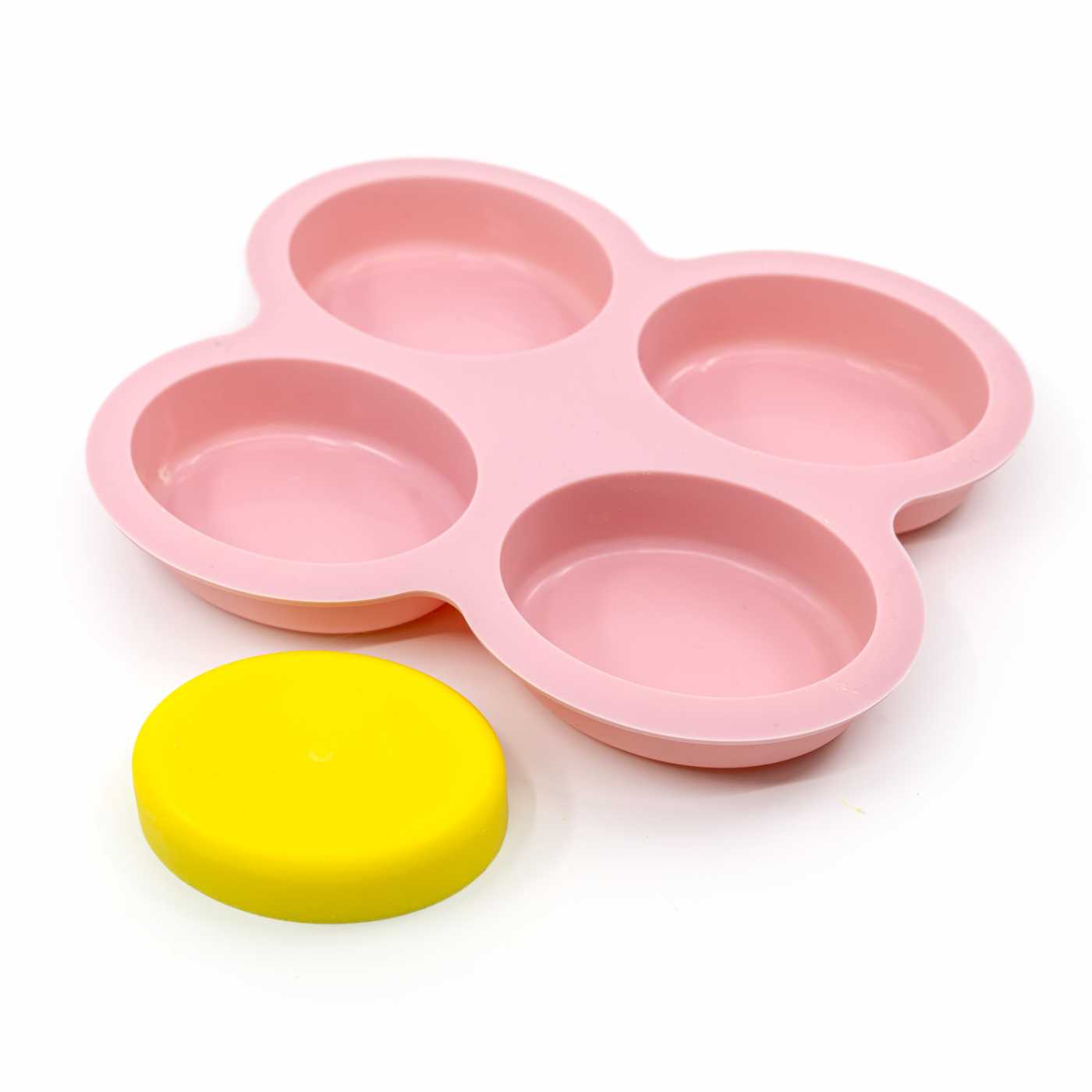
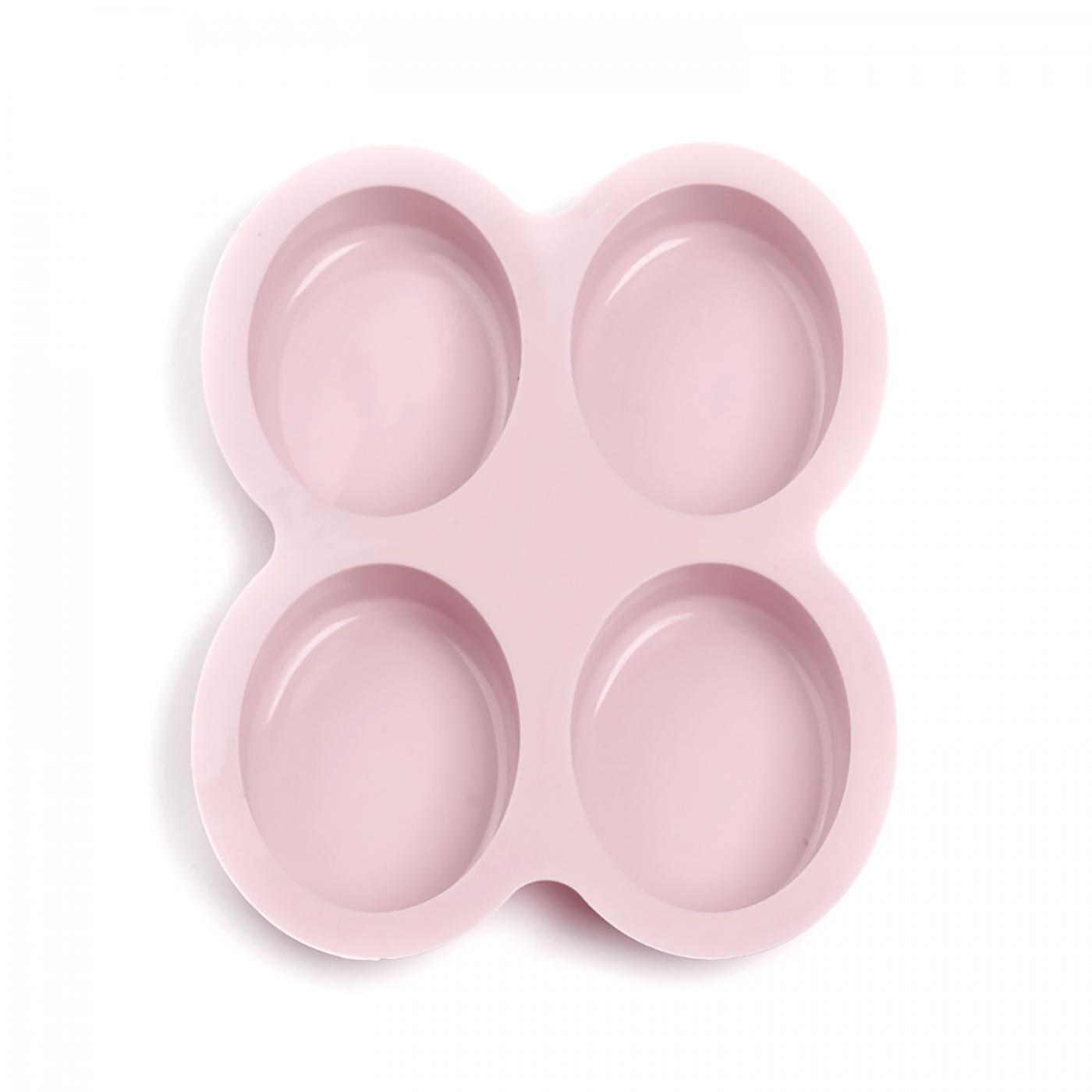
This silicone mould for four oval pieces is a tool for casting solid cosmetic products – soap , massage and bath tablets, shampoo bars or butter bars. full description
Lowest price in the 30 days before the discount: €5.76
This silicone mould for four oval pieces is a tool for casting solid cosmetic products – soap, massage and bath tablets, shampoo bars or butter bars. The main advantage of soft silicone is easy release: the finished piece is pushed out of the cavity by flexing the wall, without a release agent and without damaging the edges. The result has a smooth surface and a repeatable shape.
The oval shape is practical for products that are held in the hand. It sits well in the palm, has no sharp corners that would chip off a soap, and is easy to label or wrap in paper or cellophane. The mould lets you cast four identical pieces at once, which is enough for testing a new recipe as well as for a smaller batch of gifts.
Before first use, wash the mould in warm water with washing-up liquid and leave it to dry completely. Moisture in the cavity would leave uneven marks on the surface of the soap. When pouring, it is best to have the mould standing on a firm surface (a board or a tray). Soft silicone bends when a filled mould is carried, and the contents spill or set crooked.
Before your first batch, check the volume of one piece in a simple way – fill the cavity with water and measure it in a measuring jug. From this you can calculate the weight of the soap or butter batch for four pieces, including a small reserve for losses in the container.
With cold process soap, bear in mind that silicone does not let air and heat through in the way a wooden mould does. The mixture in the cavities cools more slowly, the gel phase may take place only in the centre of the piece, and removal from the mould takes longer. It is usual to wait until the piece is hard to the touch, which is typically a few days depending on the recipe. Recipes with a higher share of hard oils and butters or with added sodium lactate come out of the mould sooner and more cleanly than soft recipes dominated by liquid oils. If a piece sticks, put the mould in the freezer for a short time and remove the pieces immediately after taking it out.
With glycerine soap and melted butters, the mould is filled with a warm liquid mixture. Do not pour boiling mixture into the mould. Let it cool slightly before pouring, which also reduces the formation of bubbles. After setting, the oval pieces are pushed out from underneath, not pulled out by the edge.
Remove the finished pieces by hand or with a blunt plastic spatula. Knives and metal tools do not belong in the cavity – even a tiny cut in the silicone is transferred to the surface of every subsequent piece. Wash the mould by hand in warm water with washing-up liquid and store it on a flat surface so that the cavities do not become deformed.
Over time, silicone absorbs fragrances and dyes. If you alternate strongly scented soaps, bath tablets and waxes in the mould, traces of the previous fragrance and a slight discolouration of the wall may show up in the next batch. It is a good idea to dedicate the mould to one type of product, or at least to keep waxes separate from products for the skin.
Silicone is not suitable for prolonged contact with concentrated solvents, and some essential oils in undiluted form may soften it with repeated exposure. For this reason, work in the mould with the finished mixture, not with pure fragrance ingredients. The shape of the cast piece also depends on the fill height: the same level of mixture in all four cavities ensures pieces of equal thickness, which is important for soap that is meant to dry evenly.