

Pre-orderSold out
White Plastic Bucket with Lid, 5000 ml
€2.99

EMULGATORS
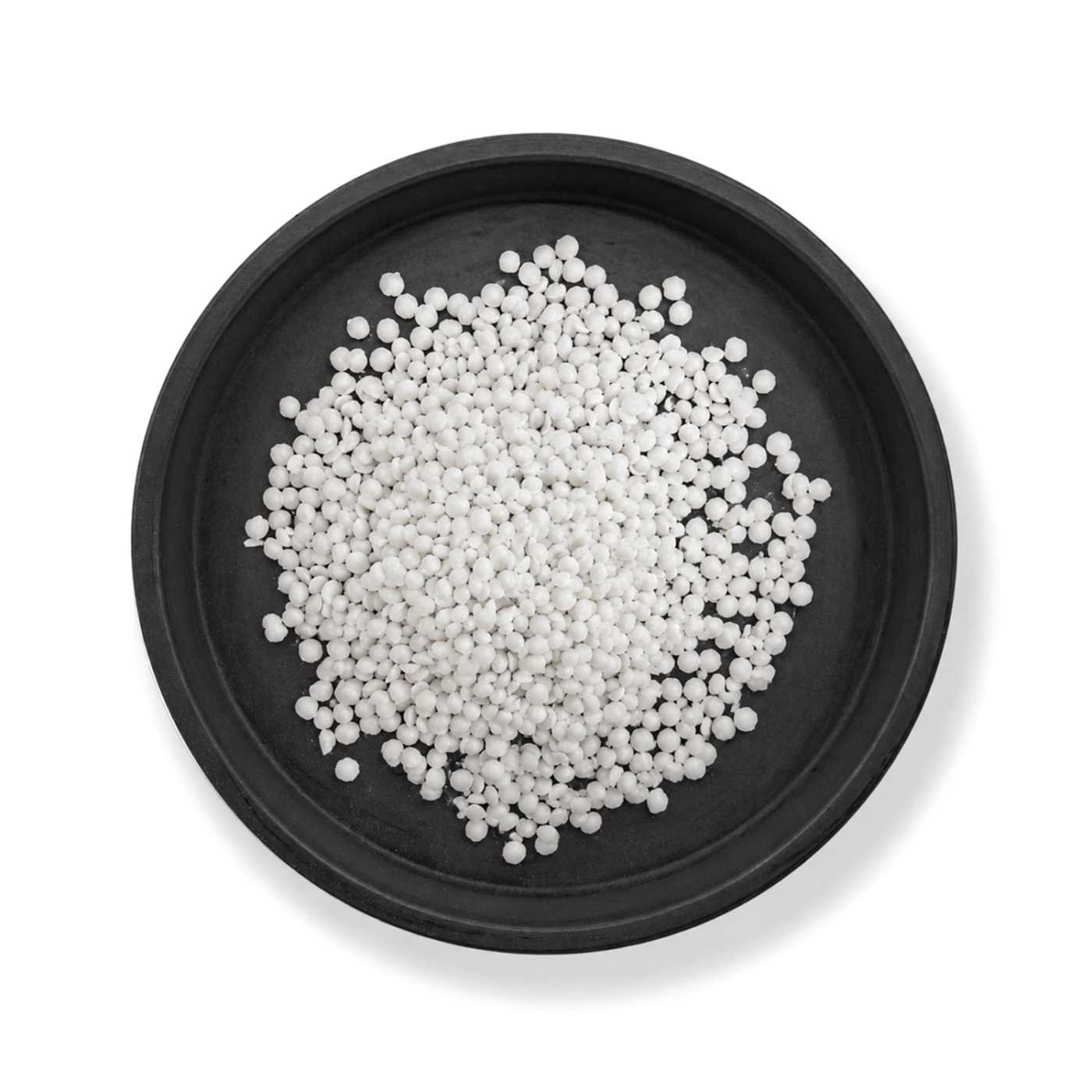
Cetearyl alcohol (TEGO Alkanol 1618 MB) is a blend of cetyl alcohol and stearyl alcohol, two fatty alcohols of vegetable origin. full description
Lowest price in the last 30 days: €6.49
Cetearyl alcohol (TEGO Alkanol 1618 MB) is a blend of cetyl alcohol and stearyl alcohol, two fatty alcohols of vegetable origin. It gives creams, body lotions and hair conditioners thickness and stability and leaves a smooth, velvety feel on the skin. In an emulsion it works as a co-emulsifier, that is, alongside a full emulsifier. In anhydrous products it firms up liquid oils without the heavy feel that wax leaves behind.
The main job of cetearyl alcohol is to hold the emulsion together. As it cools, it forms a gel network that thickens the emulsion and prevents the oil and water phases from separating. The cream then has body and holds its shape.
A blend of two fatty alcohols has an advantage over a single one. The network formed by cetyl alcohol and stearyl alcohol together remains stable over the long term. A single fatty alcohol combined with ionic surfactants forms a network that breaks down over time, and the emulsion can thin out to a liquid.
Cetearyl alcohol stabilises and thickens an emulsion, but it cannot create one on its own. Always combine it with a full emulsifier. It does not replace a ready-made emulsifying wax.
Cetearyl alcohol belongs in the oil phase. It dissolves in oil, only partially in alcohol and not at all in water. It melts at 49–56 °C, but the oil phase should be heated above 70 °C so that the pellets melt completely and combine evenly with the other fats before emulsification.
The usage rate is 1–25% and depends on the type of product. As a guide:
In formulations, an amount of around 2% appears most often. When calculating the emulsifying system, a required HLB of 15.5 is used.
In formulations, cetearyl alcohol is often combined with glycerine, xanthan gum and Glyceryl Stearate. It is complemented by light emollients such as Decyl Cocoate, Isoamyl Laurate or Caprylic/Capric Triglyceride, and by sunflower oil.
In hair conditioners, the composition of the cationic emulsifier is decisive. Some already contain a fatty alcohol, while others are a pure cationic ingredient. With the second group, cetearyl alcohol must be added, otherwise the conditioner turns out thin and less stable.
The ratio of cetyl alcohol to stearyl alcohol differs between types of cetearyl alcohol. Different types therefore behave differently in a formulation, and a change can upset the stability even of a proven formulation. When switching from another type or from another supplier, we recommend testing the formulation again.
In anhydrous products, the hardness is determined by the ratio of cetearyl alcohol to liquid oil.
Before making the final balm formulation, prepare several small samples with different ratios of cetearyl alcohol and oil. Melt them in a water bath and let them set at room temperature.
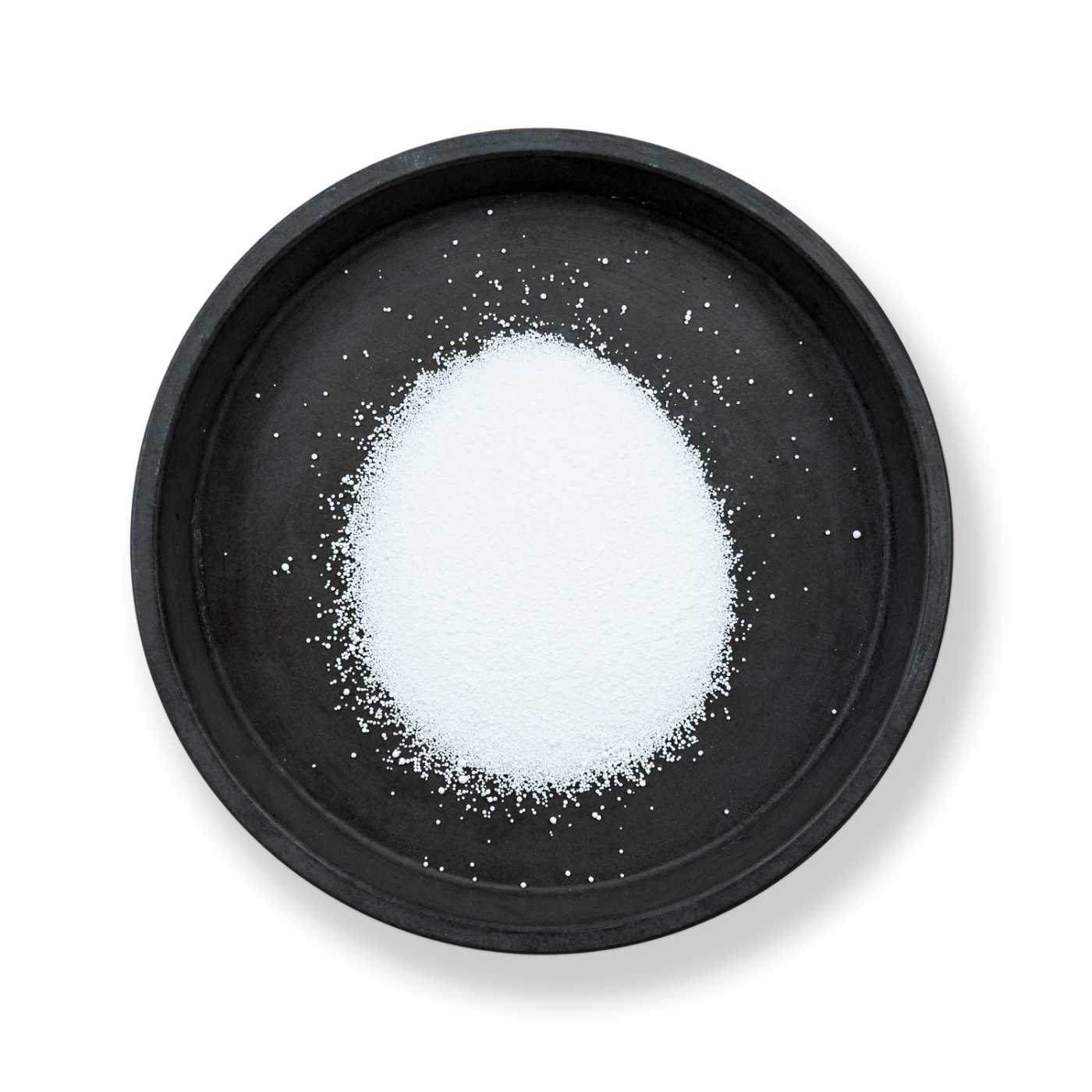
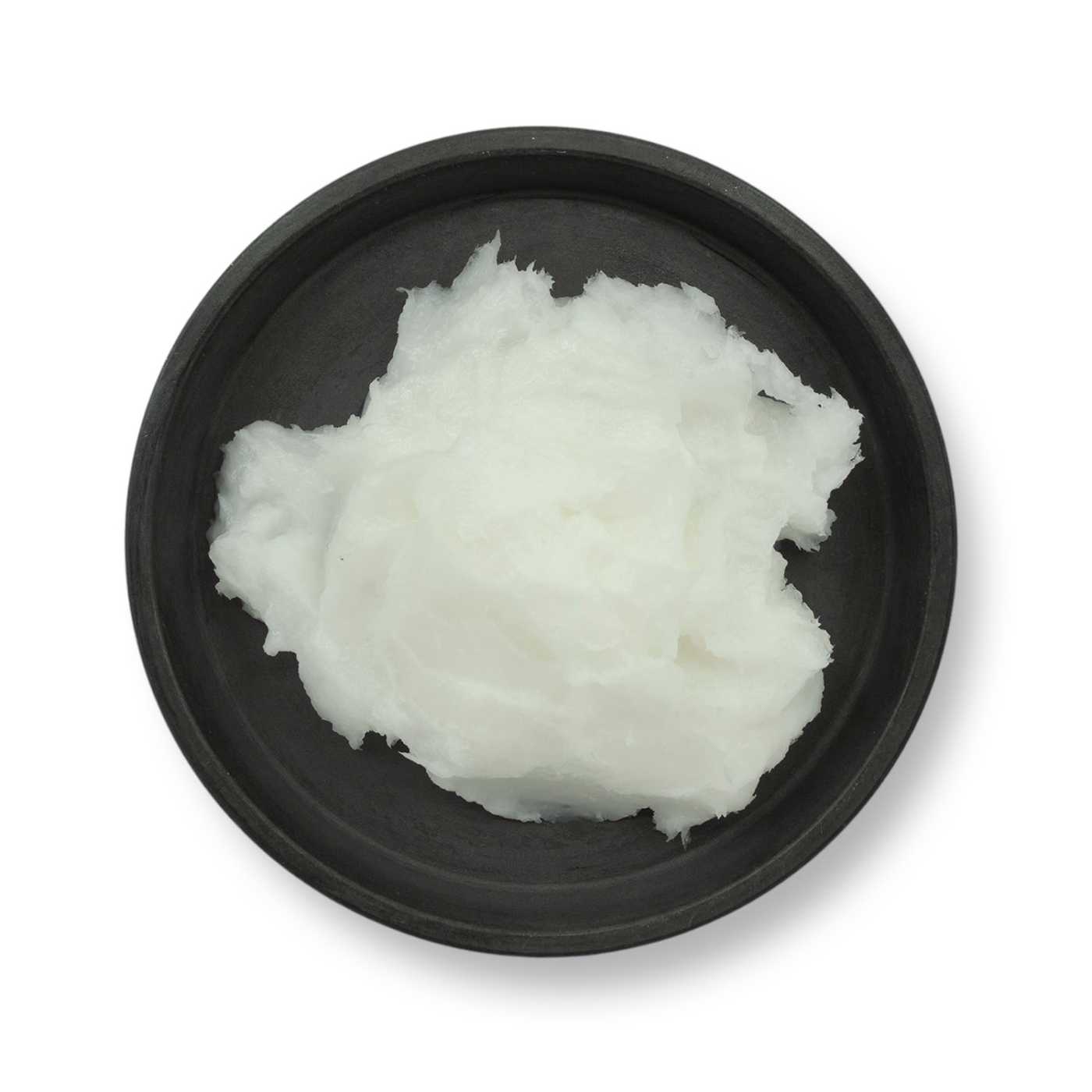
The raw material comes as white, waxy pellets with a faint characteristic odour. It looks almost the same as emulsifying waxes and other fatty alcohols and acids, so label your containers carefully. Mistaking it for a complete emulsifying wax will result in a broken emulsion.
Cetearyl alcohol is not classified as hazardous under the CLP Regulation and does not contain fragrance allergens. It is used in rinse-off and leave-on products, including those intended for sensitive skin. When working with the raw material, avoid contact with eyes and skin.

An excellent fatty alcohol for adding body and structure to creams. Easy to work with and a very useful ingredient for adjusting consistency.
Translated automatically