+421 950 333 113info@handymade.store

Spend over €100 for discounted shipping!

EMOLLIENTS

Isoamyl Laurate, 1 l

Pack size100 ml500 ml1 l5 l

Isoamyl Laurate is a light ester oil of plant origin, added to cosmetics as a fast-spreading emollient and a silicone alternative. full description

AvailabilityIn stock · 23 packs
Product codeEML003_1000
BatchEVI0002824
Best before12/2028
€49.99incl. VAT€49.99/l

Lowest price in the last 30 days: €49.99

Product description

Isoamyl Laurate is a light ester oil of plant origin, added to cosmetics as a fast-spreading emollient and a silicone alternative. It leaves a smooth, dry feel on the skin without a greasy film, so it suits light creams, body lotions and oil serums. In hair care it acts as a conditioning ingredient. It is made by esterifying lauric acid from palm oil with isoamyl alcohol from bacterial fermentation, and its raw material sources are palm oil and sugar cane. The ingredient is 100% from renewable sources, is supplied in RSPO MB quality and meets COSMOS and NATRUE standards.

Besides a pleasant feel on the skin, it also has a technical role. As a polar oil, it dissolves oil-soluble active ingredients and UV filters and improves the wetting of pigments, which disperse in it faster.


Key properties

  • Light, non-greasy feel – it spreads quickly, and the skin feels smooth and dry afterwards, without a greasy film.
  • Silicone alternative – in silicone-free formulations it provides their slip and smoothness, in creams as well as in hair conditioners.
  • Solvent for active ingredients – the polar character of the ester helps to dissolve oil-soluble active ingredients and UV filters in the oil phase.
  • Pigment wetting agent – it makes it easier for the pigment to come into contact with the oil, so pigments disperse faster and more evenly.
  • Hair conditioning – even at a low usage rate it gives hair smoothness without weighing it down. It is suitable for fine, dry, coloured and damaged hair.
  • Stability and neutrality – unlike vegetable oils, it is not prone to oxidation and is practically colourless and odourless, so it does not affect the appearance or fragrance of the finished product and does not go rancid over time.

Use in formulations

It belongs in the oil phase and is miscible with all types of oils and oil ingredients. It cannot be incorporated into the water phase without an emulsifier. In emulsions, add it to the other oil ingredients, mix, and then homogenise the phases in the usual way. It withstands processing up to 80 °C, but it can also be used in cold processing, which applies to oil serums, body oils and products to which it is added afterwards.

In shampoos and conditioners it is added to the finished formulation, where it acts as a conditioning ingredient. In hair oils, it is enough to mix it thoroughly with the other oil ingredients. The ingredient is non-ionic and suitable for rinse-off and leave-on products for the face, body and hair.

As an emollient in face and body care, the usage rate is 1–20%; as a conditioning ingredient in hair cosmetics, it is 0.5–1.5%. After replacing part of a vegetable oil with Isoamyl Laurate, the emulsion is lighter, less sticky and less greasy.

The recommended pH range of the formulation is 4.0–8.0. The manufacturer does not recommend prolonged heating at a pH below 4.0 or above 8.0.


Suitable for products such as

  • light face creams, fluids and body lotions, where the skin should feel dry to the touch after application,
  • oil serums and body oils, in which it lightens heavier vegetable oils,
  • shampoos and conditioners, rinse-off and leave-on, as an ingredient that improves hair smoothness,
  • silicone-free hair oils and serums for the ends,
  • products with UV filters or oil-soluble active ingredients that need to be dissolved in the oil phase,
  • products with pigments, where it speeds up and evens out dispersion.

Good to know

Resistance to oxidation is a property of the ester itself. Vegetable oils with unsaturated fatty acids in the same formulation still need an antioxidant.

Polar esters change the behaviour of the oil phase. If you replace a larger share of an oil with Isoamyl Laurate, the viscosity and texture of the emulsion may change. We recommend checking the stability of the finished product and adjusting the thickener or emulsifier as needed.

The use of Isoamyl Laurate in combination with certain UV filters is described in European patent EP2421614B1. When developing a product with UV filters intended for sale, we recommend taking this into account.

The ingredient contains no silicones, parabens or preservatives, is vegan and readily biodegradable. It is not classified as hazardous under the CLP Regulation.


Difference compared with silicones and vegetable oils

Compared with dimethicone or cyclopentasiloxane, Isoamyl Laurate is an ester of plant origin, accepted in certified natural cosmetics. In the manufacturer’s sensory study, volunteers rated an O/W emulsion with Isoamyl Laurate similarly to emulsions with dimethicone and cyclopentasiloxane, while sunflower oil, a rich emollient, produced significantly different sensations. It differs from silicones in that it behaves like an oil: it mixes with the oil phase and dissolves oil-soluble ingredients.

It does not fully replace vegetable oils, nor does it provide their unsaturated fatty acids or accompanying substances. Its strengths are lightness, fast spreading and stability, so in a formulation it complements vegetable oils and adjusts their sensory profile.


Frequently asked questions

Is Isoamyl Laurate soluble in water?
No, Isoamyl Laurate does not dissolve in water; it mixes only with oils and other oil ingredients. It therefore cannot be added directly to toners, hydrosols or water-based gels. It is incorporated into water-based systems through an emulsion, where it is added to the oil phase together with the other oils.
How much Isoamyl Laurate should I add to a cream and how much to a conditioner?
In face and body emulsions, Isoamyl Laurate is used at 1–20% as an emollient, and in hair conditioners and shampoos at 0.5–1.5%. Lower amounts in a cream soften the feel on the skin and reduce greasiness, while higher amounts replace a larger part of the oil phase and noticeably lighten the texture.
Can I add Isoamyl Laurate to a finished shampoo?
Yes, Isoamyl Laurate is added to the finished shampoo or conditioner formulation and mixed in. In rinse-off products it acts as a conditioning ingredient, and hair feels smoother after washing. After adding it, we recommend checking the appearance and viscosity of the product, as a polar ester may change the behaviour of the formulation slightly.
Can Isoamyl Laurate replace silicones in cosmetics?
Yes, Isoamyl Laurate is used as a plant-based silicone alternative in both skin and hair cosmetics. According to the manufacturer’s sensory study, volunteers rated an emulsion with this ester similarly to emulsions with dimethicone and cyclopentasiloxane. However, it behaves like an oil, belongs in the oil phase and dissolves oil-soluble ingredients.
Is Isoamyl Laurate suitable for certified natural cosmetics?
Yes, Isoamyl Laurate is 100% from renewable plant sources and meets COSMOS and NATRUE standards. It is made from lauric acid from palm oil in RSPO MB quality and isoamyl alcohol from bacterial fermentation, and its raw material sources are palm oil and sugar cane. It is vegan and readily biodegradable.
Will Isoamyl Laurate change the colour or fragrance of a product?
No, Isoamyl Laurate is practically colourless and odourless, so it does not affect the appearance or fragrance of the finished product. It is not prone to oxidation, so unlike vegetable oils it does not go rancid or change colour over time. It is therefore also suitable for products where the fragrance should stay true or the shade of pigments should remain unchanged.

Parameters

Chemical name
Isopentyl laurate
CAS No.
6309-51-9
EC number
228-626-1
Product colour
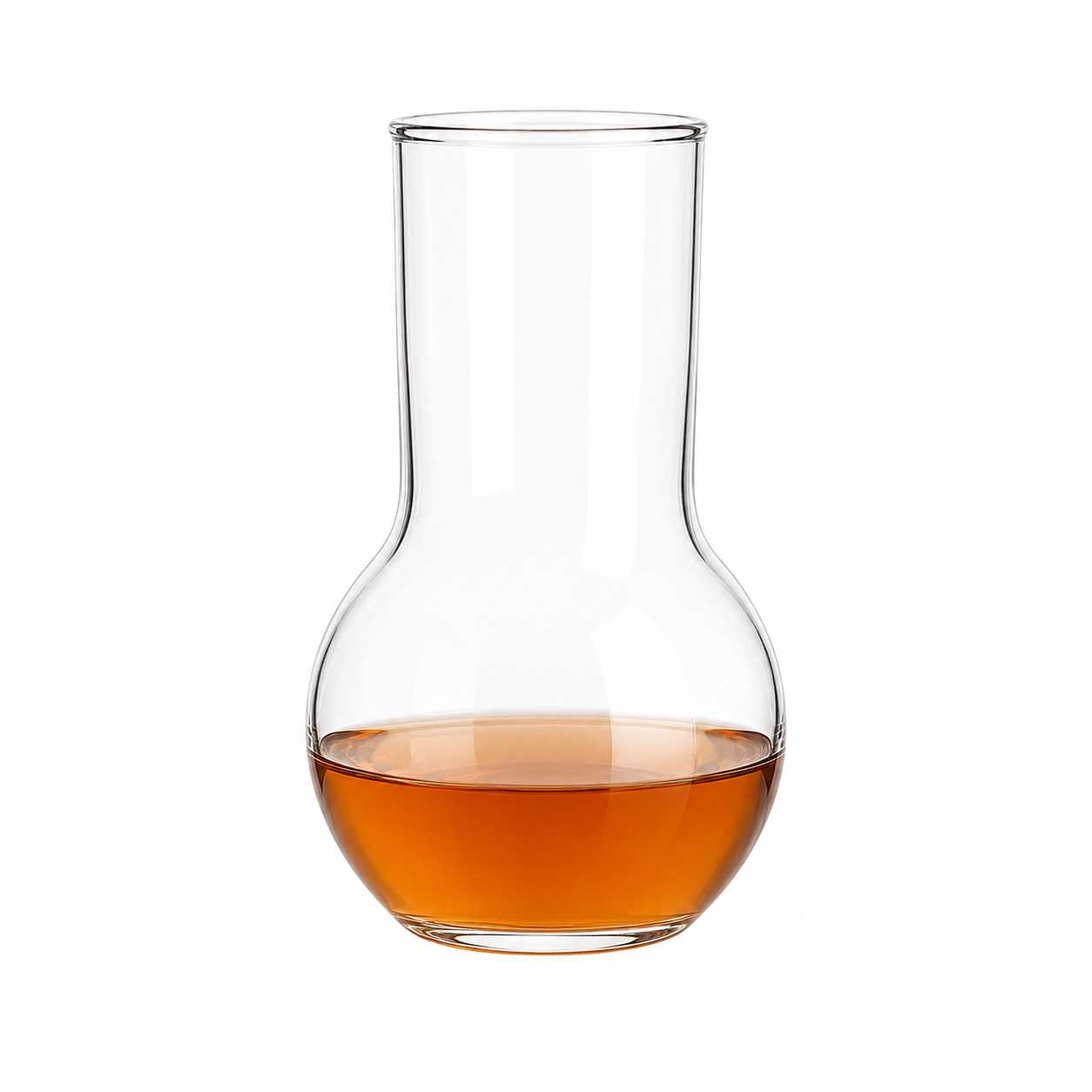
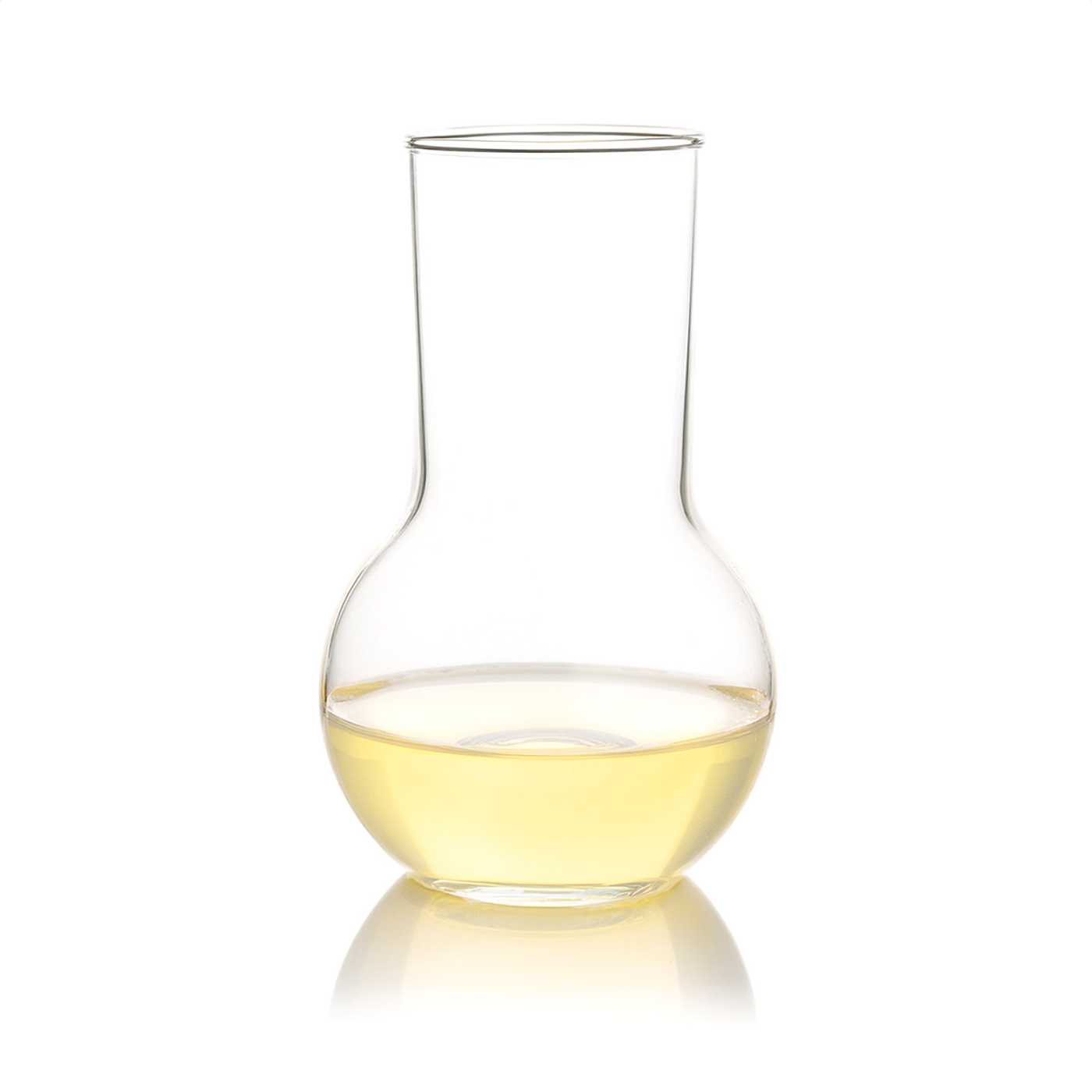
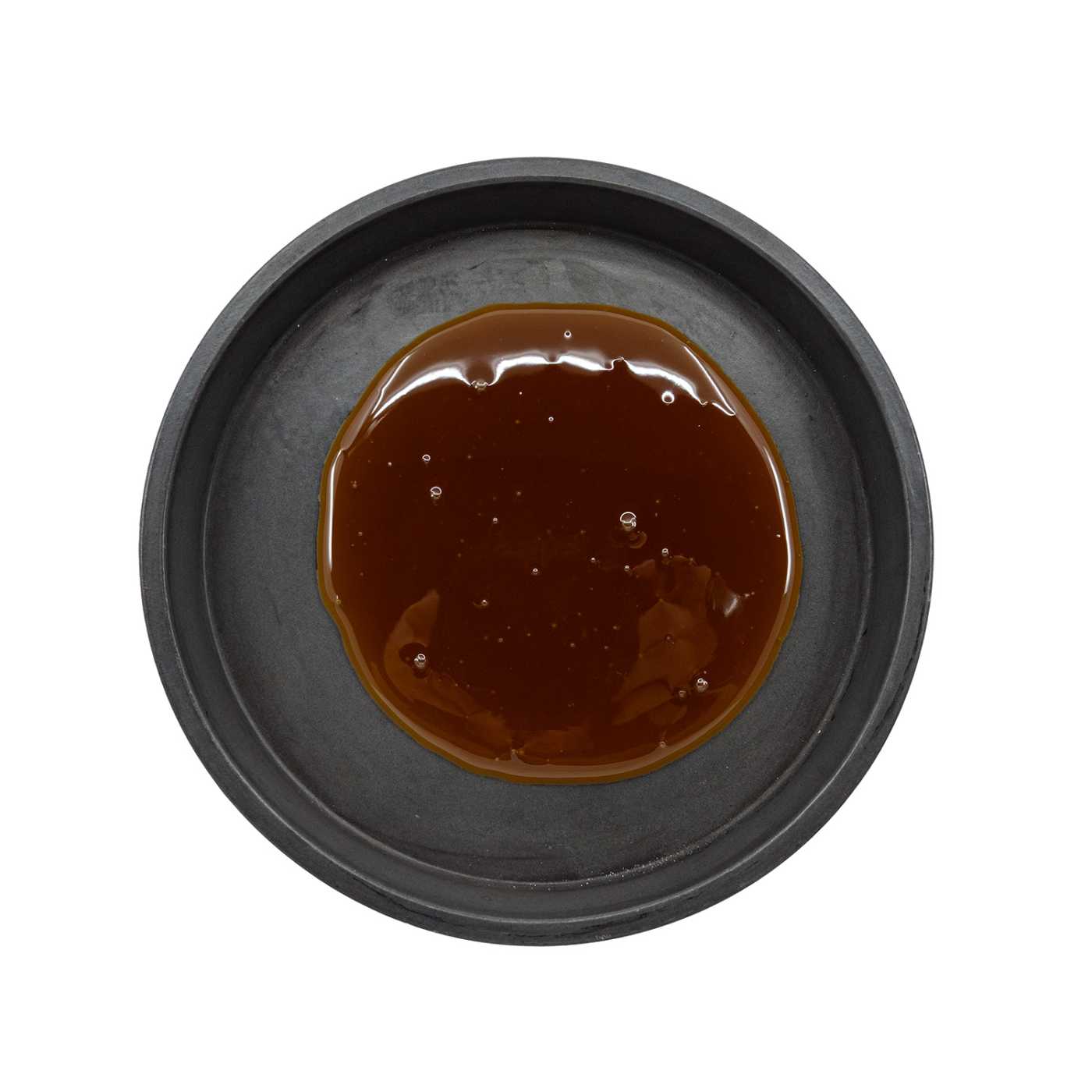
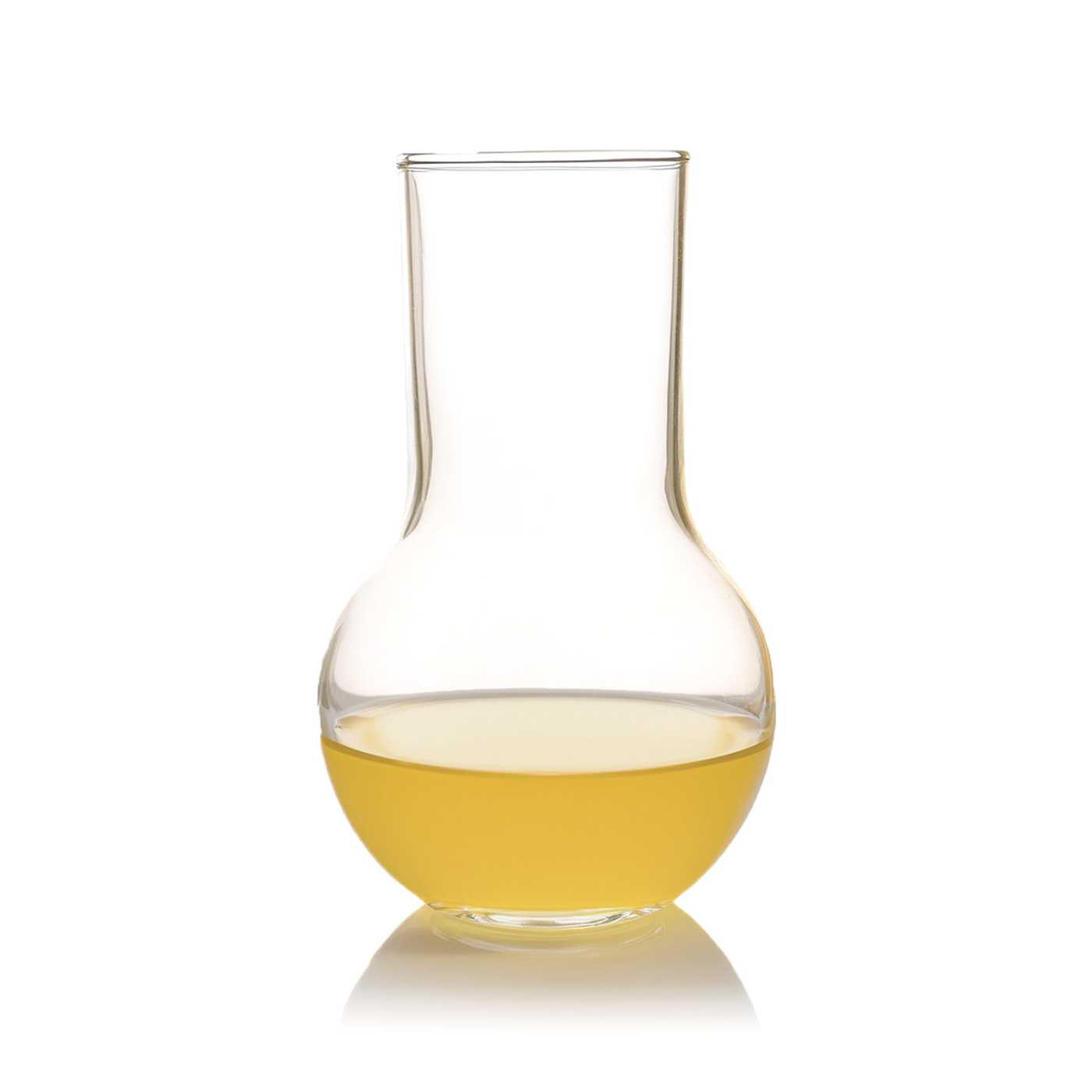
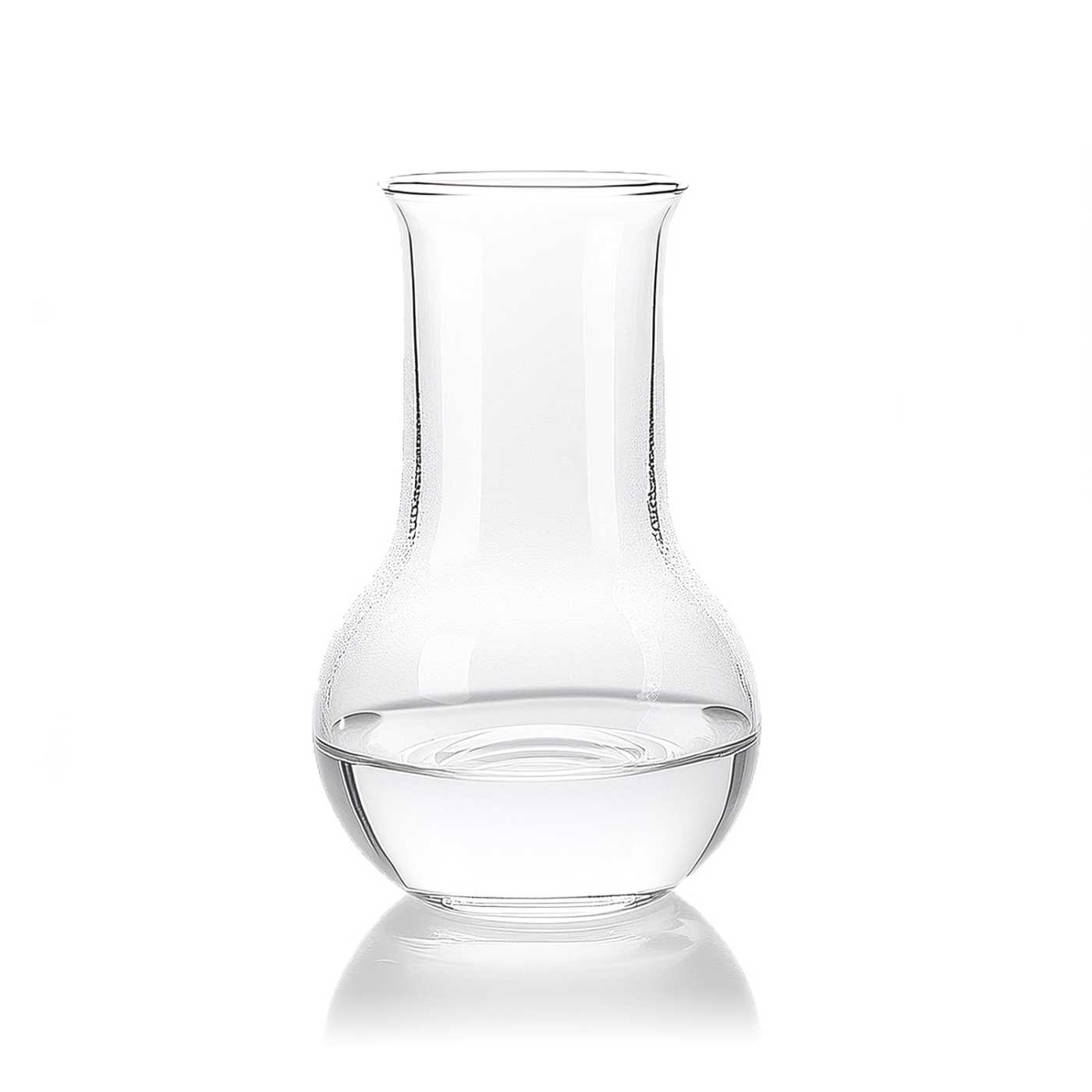
Colourless
Country of origin
South KoreaMalaysia
Processing method
EsterificationFiltration
Appearance
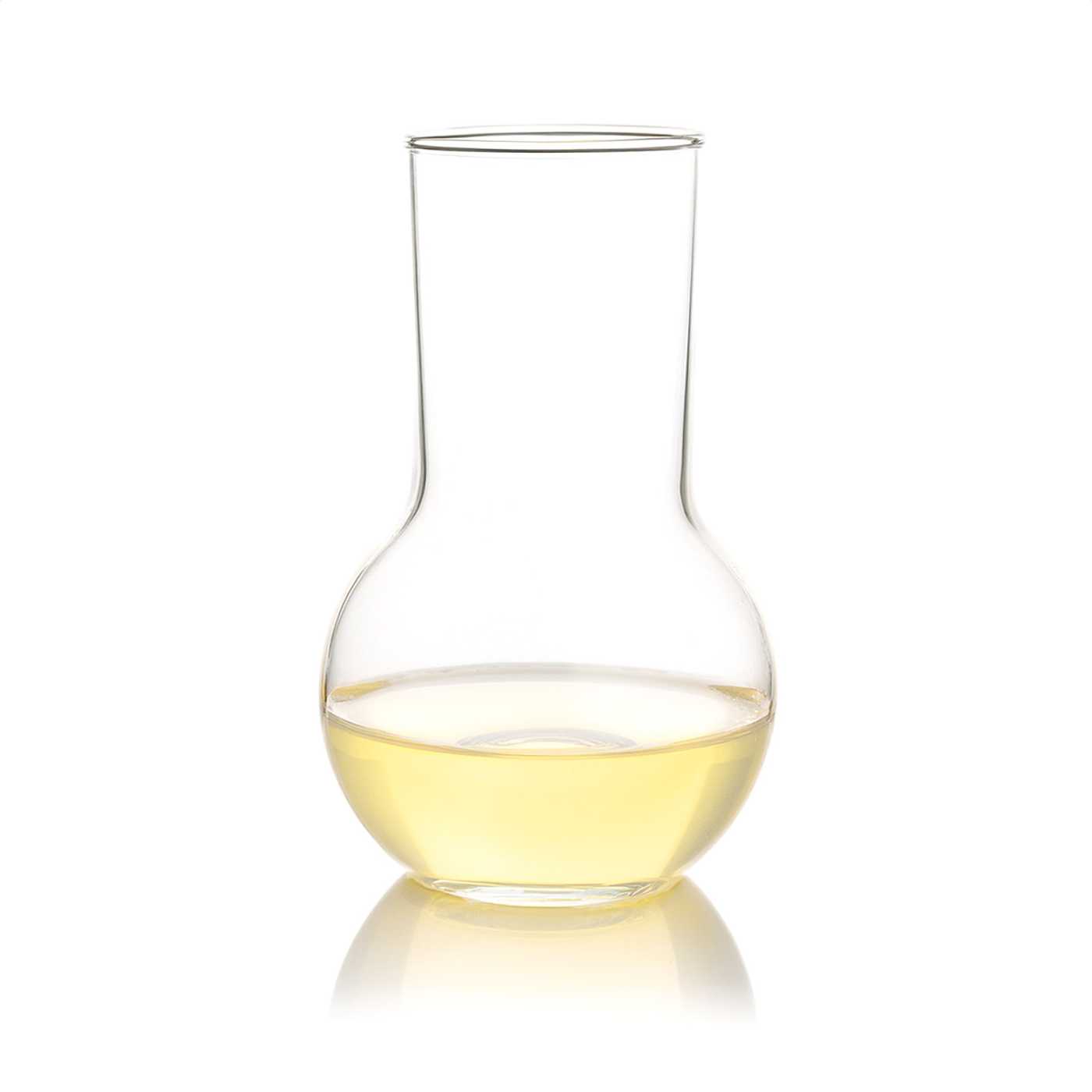
Oily liquid
Formulation phase
Oil phasePost-addition
Function in formulation
EmollientConditioning agentSolvent
Ionic character
Non-ionic
Application area
Hair
Recommended processing temperature
< 80 °C
Recommended usage rate
0,5 – 20 %
Recommended formulation pH range
4,0 – 8,0
Solubility
Oil-miscible
Application type
Leave-onRinse-off
Biodegradability
Readily biodegradable
Certifications
Vegan
Natural Index (NI ISO 16128)
0,00
Natural Origin Index (NOI ISO 16128)
1,00
Renewable Carbon Content (RCC)
100 %
Volume
1000 ml

Product documentation

CoACertificate of Analysis
batch EVI0002824PDF ↓
batch EVI0003021PDF ↓
batch 1969PDF ↓
TDSTechnical Data Sheet
Physical parameters and processingPDF ↓
SDSSafety Data Sheet
Available for purchased products —
Download all (ZIP)

4 PDF files in one archive

Learn how to work with it

From our blog
Nataliya20 Aug 2026DE

Verified purchase

Excellent quality, fast shipping, and outstanding customer service. The products are always carefully made, and whenever I have a question, the seller is very helpful and responsive. Highly recommended!

Translated automatically

Cecile B.4 Nov 2026FR

Verified purchase

Kateřina P.23 Oct 2026CS

Verified purchase

(3 reviews)