+421 950 333 113info@handymade.store

Spend over €100 for discounted shipping!

SURFACTANTS

Coco Glucoside, 20 l

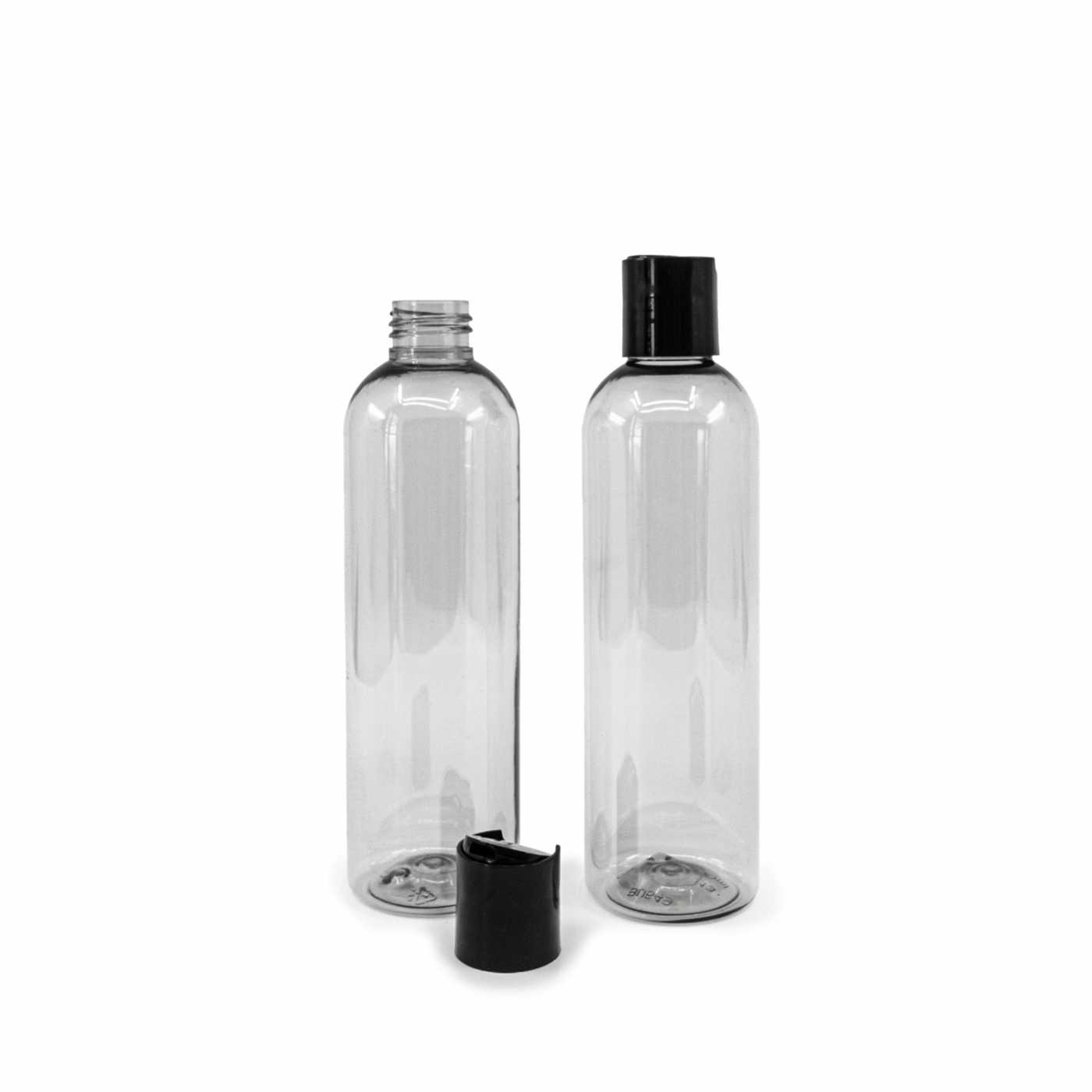
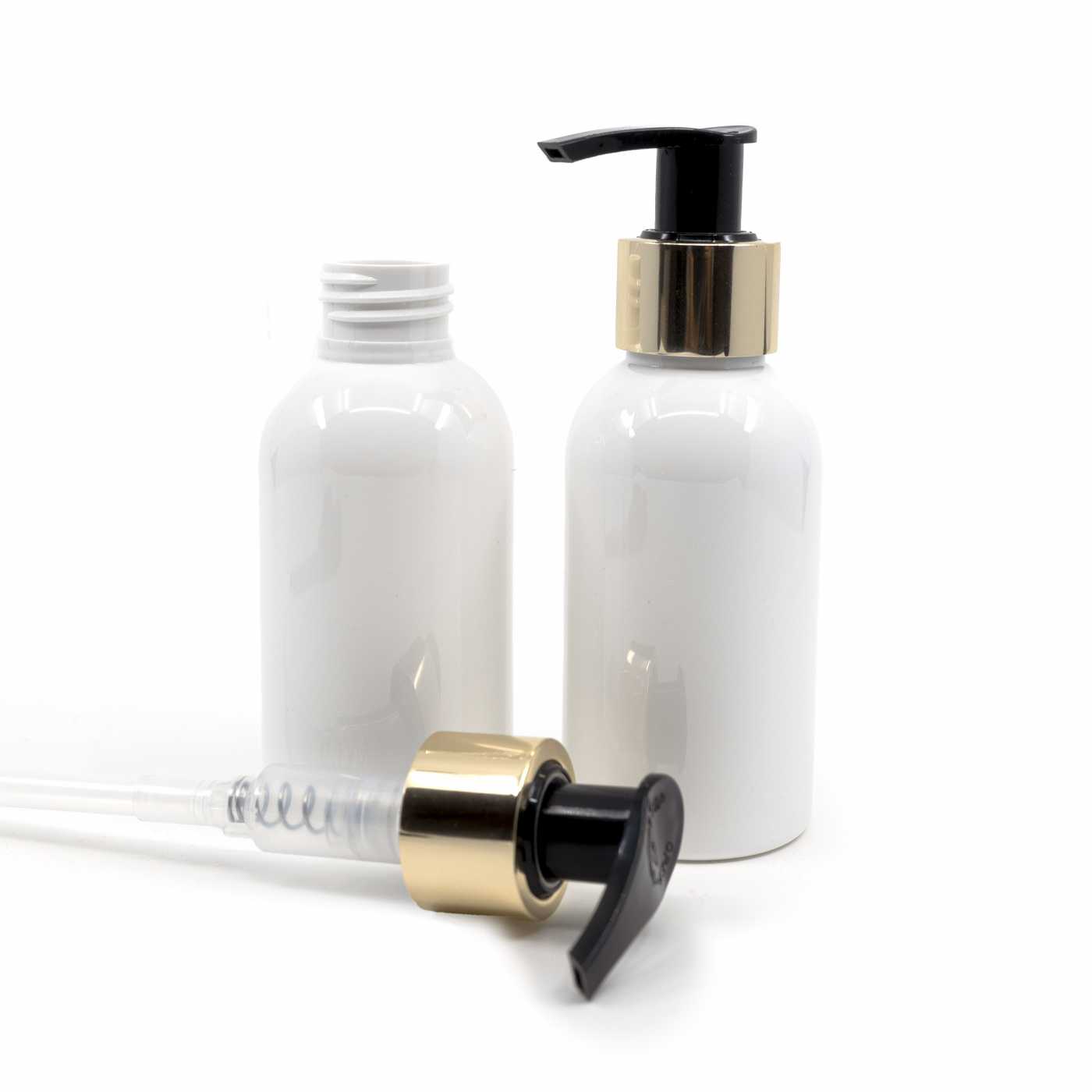
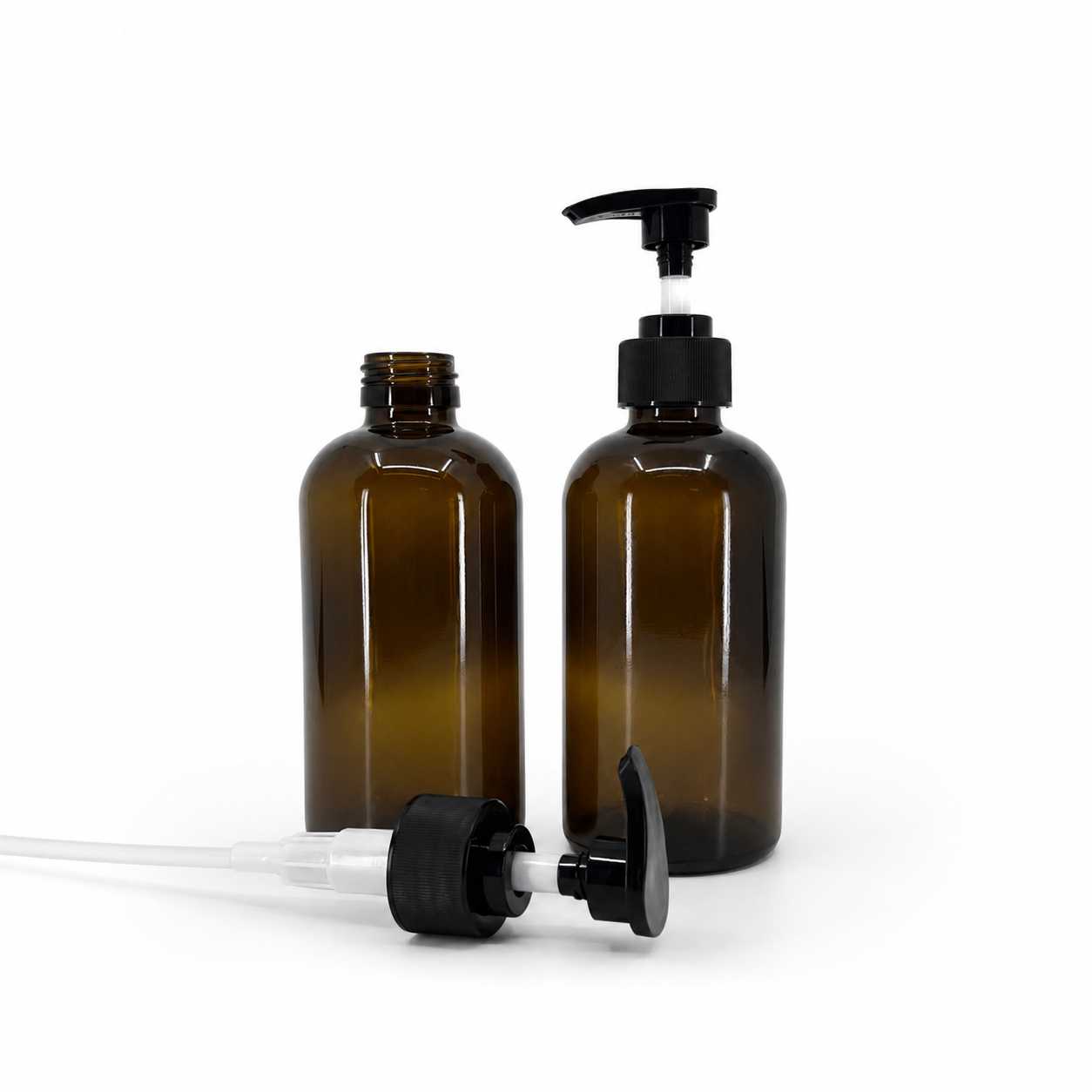
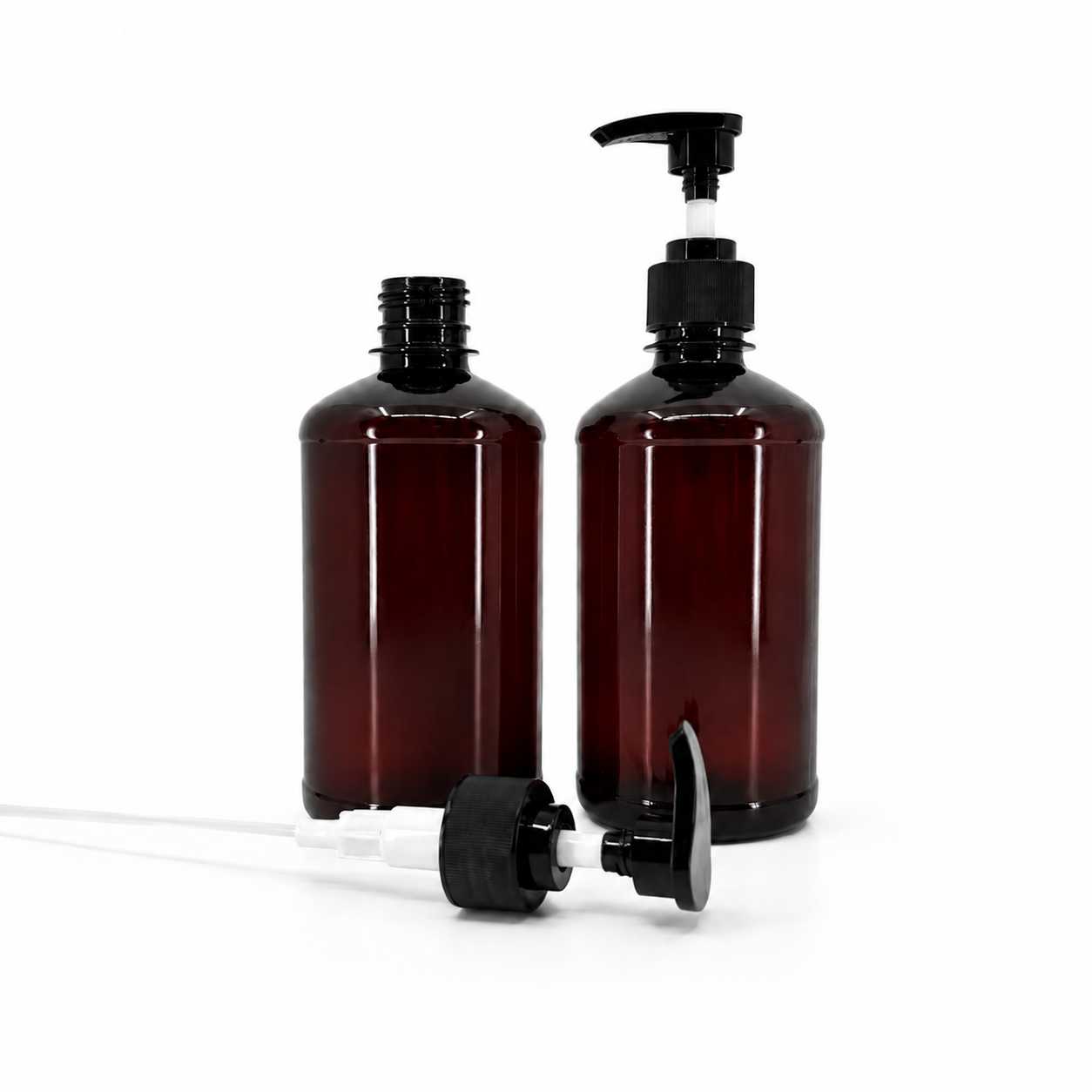
Pack size100 ml500 ml1 l5 l20 l

Coco glucoside (Coco-Glucoside) is a non-ionic surfactant of plant origin that provides cleansing and foam in shampoos, shower gels and facial cleansing gels. full description

AvailabilityIn stock · 20 packs
Product codeTEN010_20
Batch2024-041
Best before07/2027
€149.99incl. VAT€7.50/l

Lowest price in the last 30 days: €149.99

Product description

Coco glucoside (Coco-Glucoside) is a non-ionic surfactant of plant origin that provides cleansing and foam in shampoos, shower gels and facial cleansing gels. It is made from fatty alcohols of coconut and palm kernel oil and from glucose, and it is readily biodegradable. It can form the entire surfactant system of a product or be used to complement other surfactants.


How it works in a cleansing product

Coco glucoside belongs to the alkyl polyglucosides. Its molecule has a part that binds to grease and a sugar part that binds to water. Dirt and sebum are thus released from the skin and hair, and water rinses them away.

The molecule carries no electric charge, so coco glucoside is a non-ionic surfactant. It produces a balanced volume of foam and is well tolerated by the skin.


Key benefits

  • Broad compatibility – compatible with anionic, amphoteric, cationic and non-ionic surfactants and with electrolytes, and works in acidic, neutral and alkaline environments.
  • Vegetable origin – made from vegetable oils and glucose, with the manufacturer’s RSPO MB (Mass Balance) certificate.
  • Free from sulfates, PEG and ethylene oxide – ethylene oxide is not used in production.
  • Suitable for sensitive skin – used in baby cosmetics and in intimate hygiene products.
  • Free from fragrance allergens – does not contain any of the fragrance allergens listed in Annex III of Regulation (EC) No 1223/2009.

Use in a formulation

Coco glucoside belongs in the water phase. It mixes with water and glycols and is insoluble in oil. It is processed at a temperature below 60 °C.

The usage rate is 2–30%. In shampoos and hair and body shampoos, about 7–10% is most commonly used.

The raw material is an aqueous solution with 51–53% active ingredient, the rest being water. When calculating the effective surfactant, count on half of the weighed amount: 10% coco glucoside in a formulation means approximately 5% active surfactant.

After incorporation, the pH needs to be adjusted. The raw material itself is strongly alkaline, with a pH of 11.5–12.5, and the finished product is almost always acidified. Citric acid is commonly used for this, sometimes together with sodium citrate, which stabilises the pH. The recommended formulation pH is 5–12.

The label of the finished product states Coco-Glucoside and Aqua.


Suitable for products such as

  • shampoos and hair and body shampoos,
  • shower gels and bath products,
  • facial and body cleansing gels,
  • liquid hand soaps,
  • baby wash products,
  • intimate hygiene products,
  • leave-on cleansing products.

Good to know

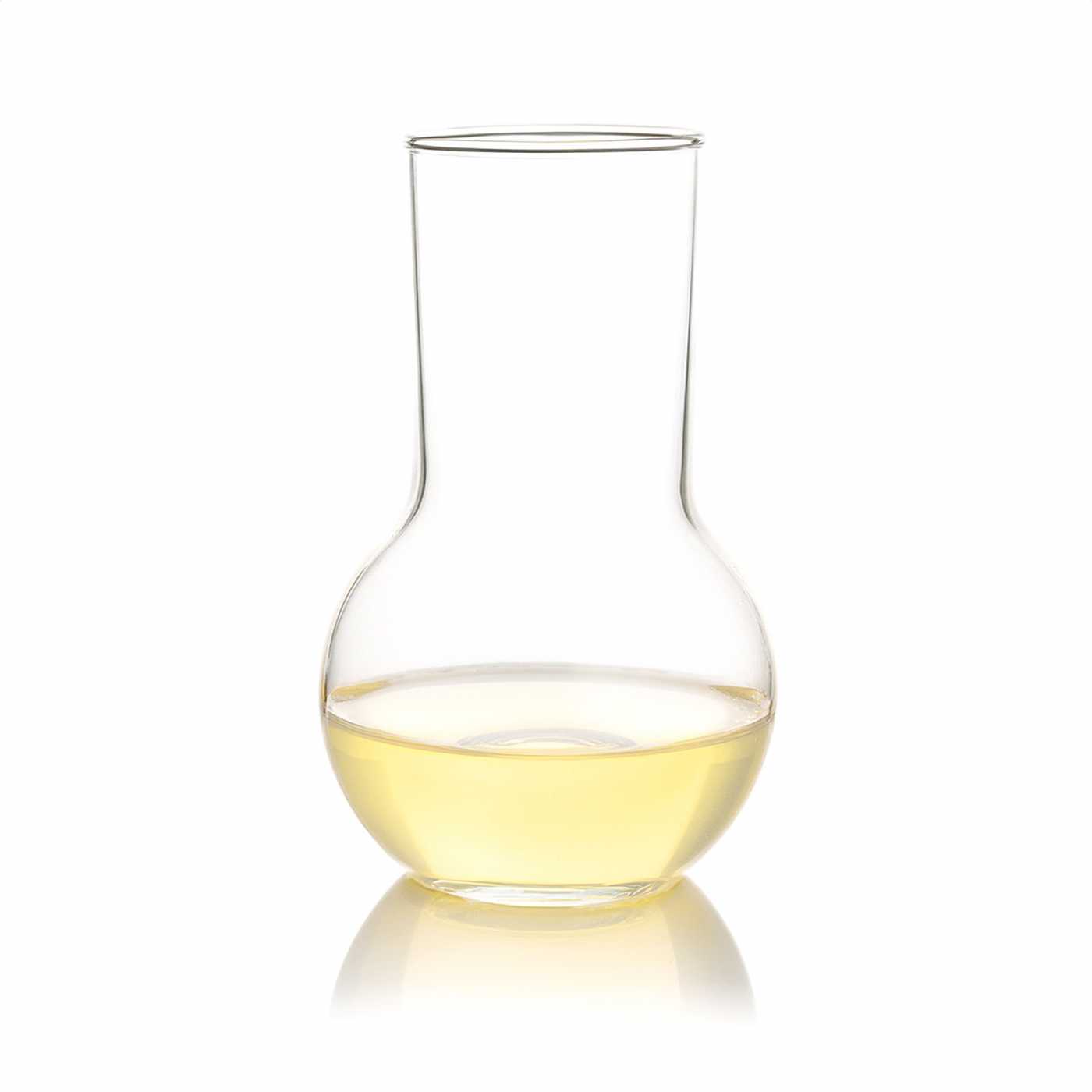
The raw material is supplied as a yellow viscous liquid, and haze is normal for it. It is caused by the content of magnesium oxide together with the high pH and has no effect on the properties of the raw material. After the pH is adjusted below 7, the haze disappears. A clear product is achieved by acidification.

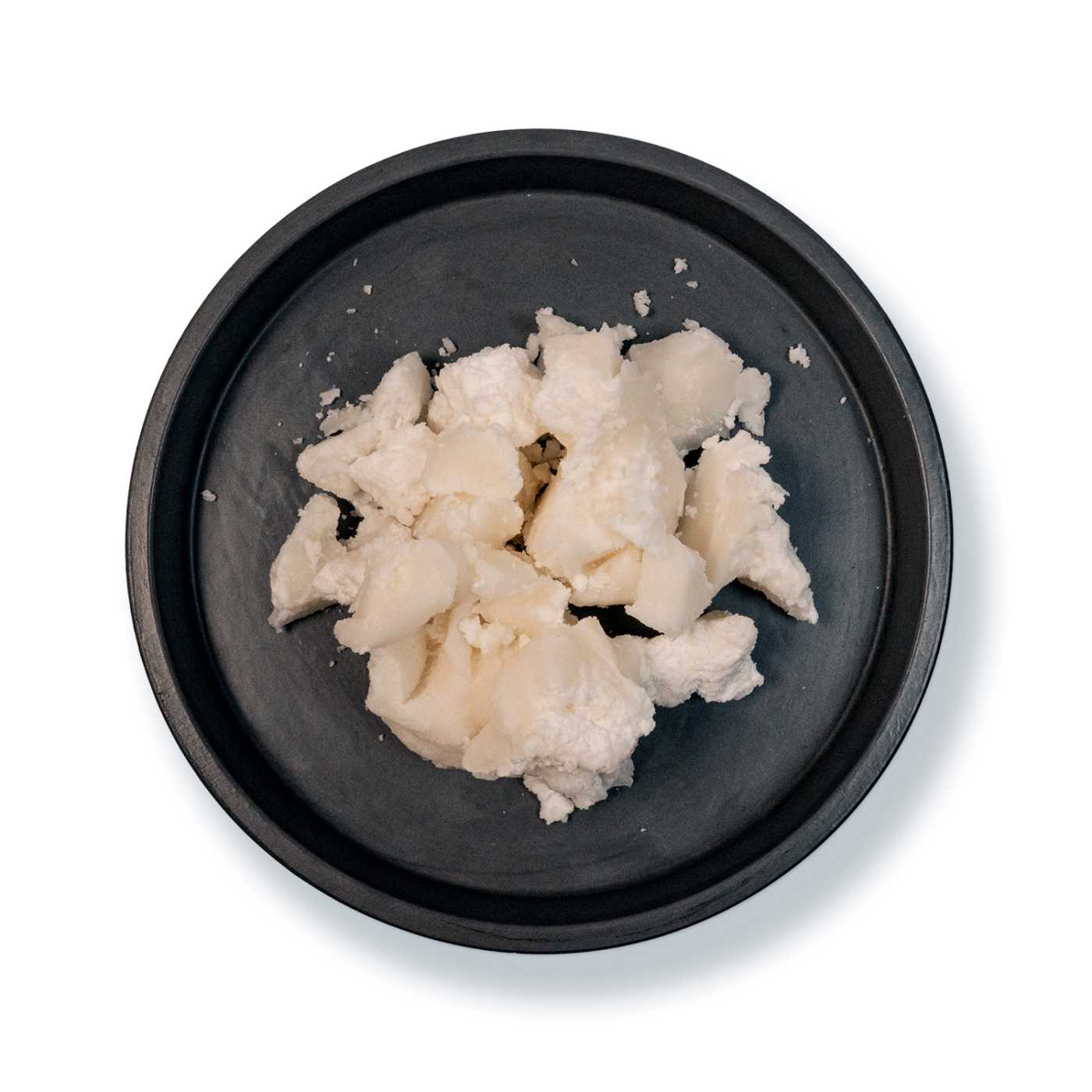
The raw material solidifies in the cold. At a temperature below 15 °C it may crystallise, thicken and stop flowing. The change is reversible: the container is evenly warmed to a temperature below 60 °C and the contents are stirred until they are uniform again. We recommend mixing the contents of the container before each weighing.

The raw material contains no preservatives or antioxidants. Its high pH protects it from microorganisms. In a product where it is diluted and acidified, this protection does not apply and a preservative must be added, for example Potassium Sorbate.

The concentrated raw material is classified under CLP and carries the GHS05 pictogram (corrosive). When working with it, use gloves and eye protection.

Coco glucoside is weak at dissolving essential oils and fragrance compositions in water. A suitable solubiliser is added to a clear fragranced product, otherwise there is a risk of haze or oil separation.

Creamy cleansing products with a higher proportion of glucosides and without an anionic surfactant come out thinner and foam less. Combining it with an anionic surfactant gives a thicker, richer foam. Coco glucoside is also often combined with Lauryl Glucoside, Cocamidopropyl Betaine and glycerine.

When thickening with xanthan gum, it is easier to work with the powder form. The granulated form takes a long time to swell and forms lumps. The finished product is left to stand for 24 hours until the bubbles and haze disappear.

A mixture of coco glucoside with Glyceryl Oleate, initially at a ratio of approximately 60 : 40, serves as a superfatting additive in surfactant products and reduces skin dryness during washing.


Frequently asked questions

Is coco glucoside soluble in water?
Yes, coco glucoside is soluble in water and in glycols, and it does not dissolve in oil. It is added to the water phase of the formulation. However, it is weak at dissolving essential oils and fragrance compositions in water, so a solubiliser must be added to a clear fragranced product.
Why is coco glucoside cloudy?
The cloudiness of coco glucoside is caused by the magnesium oxide content in combination with the high pH of the raw material and is not a sign of reduced quality. It has no effect on the properties of the raw material. When the pH of the product is adjusted below 7, the haze disappears and the product can be clear.
What is the pH of coco glucoside, and does it need to be adjusted in the product?
Coco glucoside has a pH of 11.5–12.5 and is strongly alkaline. The pH of the finished product almost always needs to be lowered. Citric acid is most commonly used for this, optionally together with sodium citrate, which stabilises the pH. The recommended formulation pH is 5–12.
How much coco glucoside goes into a shampoo?
In a shampoo, coco glucoside is most commonly used at about 7–10%. The overall recommended usage rate is 2–30%. The raw material contains 51–53% active ingredient, so the effective surfactant in the product is approximately half of the weighed amount. In a shampoo it can serve as either the main surfactant or a co-surfactant.
Does a product with coco glucoside need to be preserved?
Yes, a product with coco glucoside contains water and needs a preservative. The raw material itself contains no preservative and is protected only by its high pH. After dilution and acidification in the product, this protection ceases. For example, Potassium Sorbate is used in formulations.
What should I do when coco glucoside solidifies?
Solidified coco glucoside only needs to be evenly warmed to a temperature below 60 °C and stirred until it is uniform again. Crystallisation occurs at a temperature below 15 °C, is fully reversible and does not change the quality of the raw material. After stirring, the raw material is used as usual.

Parameters

INCI
Coco-GlucosideCoco-glucoside
CAS No.
110615-47-9, 68515-73-1
EC number
600-975-8, 500-220-1
Product colour
Yellow
Country of origin
Germany
Processing method
Chemical synthesisMelting
Appearance
Thick liquid
Active surfactant matter
50,9050.9 %
Formulation phase
Water phase
Function in formulation
Surfactant
HLB value
11–12
Ionic character
Non-ionic
Recommended processing temperature
< 60 °C
Recommended usage rate
2 – 30 %
Recommended formulation pH range
5 – 12
Application type
Leave-onRinse-off
Effects
Cleansing
Biodegradability
Readily biodegradable
Manufacturer's certificate
RSPO MB (Mass Balance)
Natural Index (NI ISO 16128)
1,00
Natural Origin Index (NOI ISO 16128)
1,00
Volume
20000 ml

Product documentation

CoACertificate of Analysis
batch 8765265PDF ↓
batch 2024-041PDF ↓
TDSTechnical Data Sheet
Physical parameters and processingPDF ↓
SDSSafety Data Sheet
Available for purchased products —
Download all (ZIP)

3 PDF files in one archive

Learn how to work with it

From our blog
Blanka O.8 Oct 2026SK

Verified purchase

Variant: Coco / Koko glukozid, 1 l

It's good to work with. The shampoo is exactly how I imagine it.

Translated automatically

Christian9 Aug 2026DE

Verified purchase

happy to buy again and again! perfect here!

Translated automatically

Jakub A.3 Nov 2026CS

Verified purchase

Franca G.29 Sept 2026IT

Verified purchase

Variant: Coco / Koko glukozid, 500 ml
Drahomíra S.18 Sept 2026CS

Verified purchase

(7 reviews)