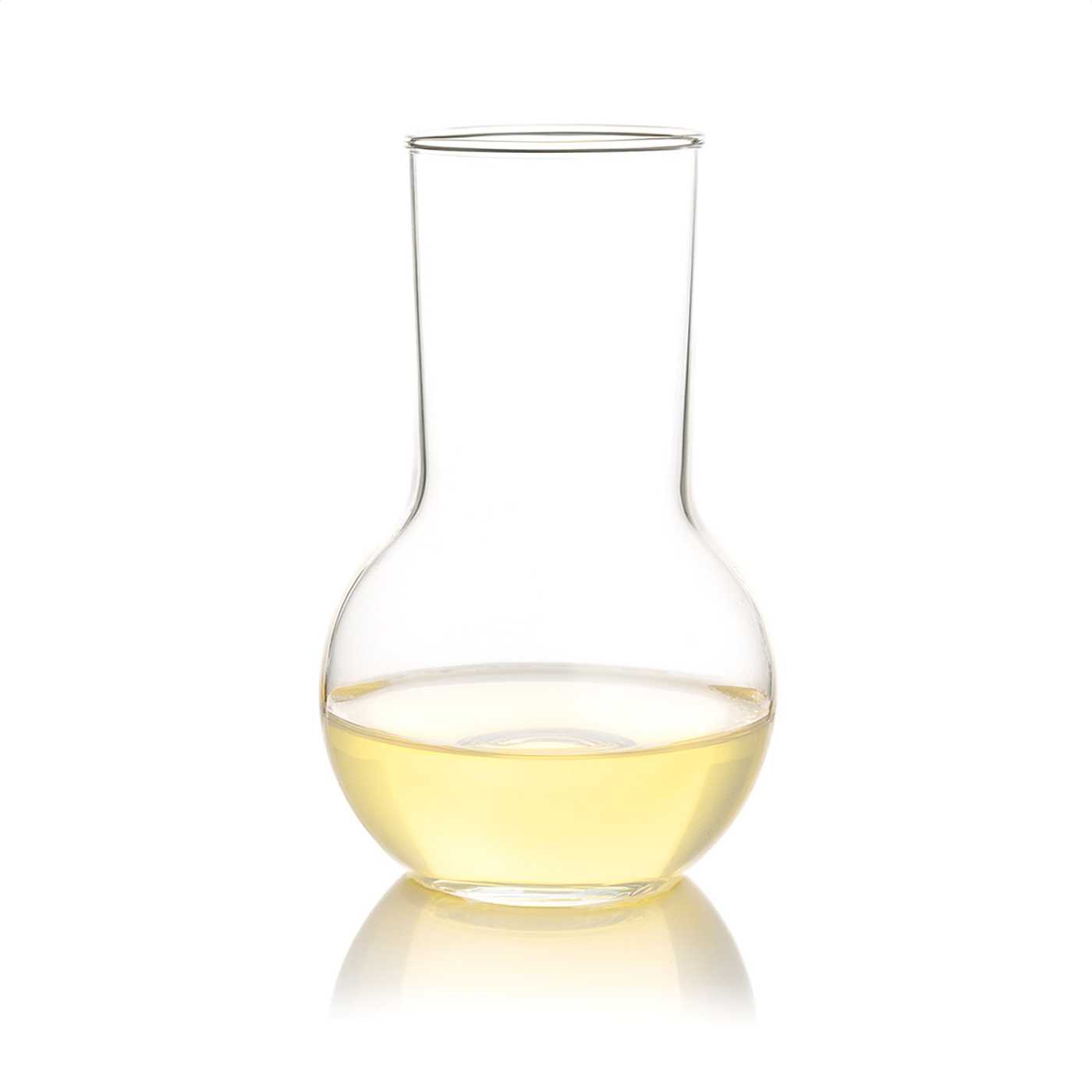
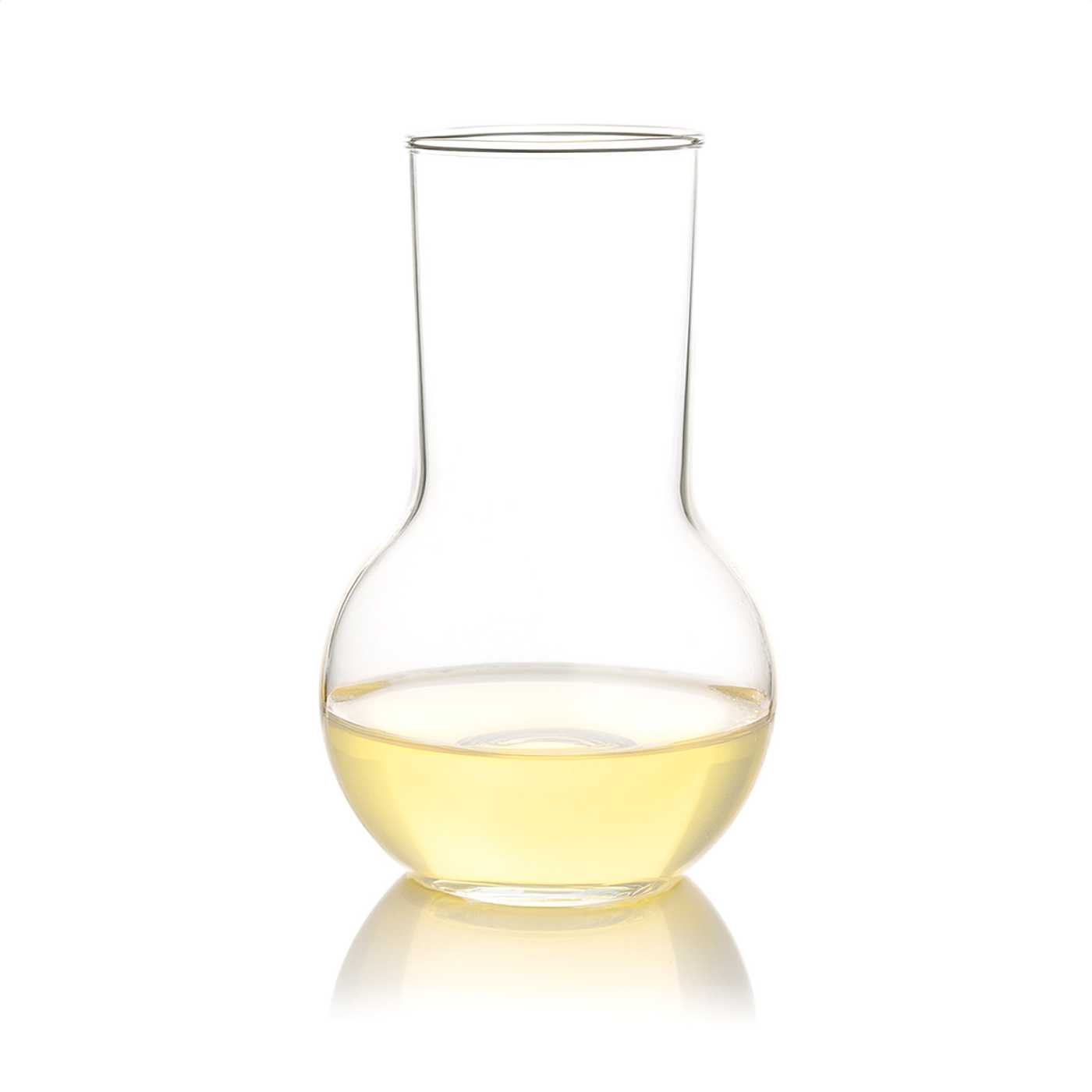
Sodium Cocoamphoacetate is an amphoteric surfactant based on coconut and palm kernel oil, used to make shampoos, shower gels and facial cleansers milder while giving them a richer, more stable foam. In a formulation it works mainly as a secondary surfactant: it softens the action of the main anionic surfactant, boosts foam and helps thicken the finished product.
It suits formulations for sensitive and baby skin, intimate hygiene and sulfate-free concepts. It is processed cold in the water phase, so even a beginner maker can work with it.
What it is good for
- Mild cleansing – in the manufacturer's 24-hour patch test it achieved a very low skin irritation score compared with other surfactants. In a blend it reduces the irritancy of the main surfactant.
- Non-irritating to the eyes – based on the RBC test the manufacturer lists it as non-irritating to the eyes and recommends it for "tear-free" formulations, for example baby shampoos and baths.
- Dense and stable foam – it forms a fine, compact foam. According to the manufacturer's measurements, a blend with an anionic surfactant produces high foam that holds for a long time.
- Viscosity support – combined with anionic surfactants it increases the viscosity of the product.
- Stability across a wide pH range – the recommended range of pH 4 – 11 covers acidic shampoos as well as more alkaline liquid soaps.
- Suitable for natural concepts – COSMOS Approved, vegan, free of sulfates and ethylene oxide, the palm fraction comes from a certified RSPO (Mass Balance) source, readily biodegradable.
Use in formulation
It is added to the water phase, preferably cold. The processing temperature should not exceed 40 °C. It is stirred into water or into the solution of the main surfactant. The recommended dosage is 1 – 10 % of the raw material depending on the product type: lower concentrations for leave-on preparations, higher ones for shampoos and shower gels.
It gives the best results in combination with an anionic surfactant, for example with Sodium Laureth Sulfate or with sulfate-free anionic surfactants. It is compatible with anionic, nonionic, amphoteric and cationic surfactants, so it can also be used in conditioning shampoos with cationic ingredients.
The simplest route to a milder shampoo is to replace part of the anionic surfactant with this raw material. According to the manufacturer's data, it is precisely a blend of an amphoteric and an anionic surfactant that reduces the irritancy of the finished product while also improving foam and viscosity.
The surfactant is intended for rinse-off and leave-on products. For leave-on preparations such as cleansing creams or wet wipes, we recommend verifying the compatibility of the specific formulation.
Suitable for products such as
- Shampoos – both regular and conditioning, including sulfate-free and baby formulations.
- Shower gels and bath foams – for a richer, stable foam and milder cleansing.
- Facial cleansers – oil-free foaming cleansing gels and cleansing creams for sensitive skin.
- Intimate hygiene products – for low irritancy and stability at a more acidic pH.
- Baby cosmetics – wash gels, shampoos and baths with a "tear-free" concept.
- Liquid soaps and wet wipes – compact foam and low irritancy.
Good to know
The undiluted raw material is labelled with the GHS05 pictogram (corrosive) under the CLP classification. When weighing and mixing the concentrate, protect your skin and eyes. Instructions for safe handling can be found in the safety data sheet.
- Clouding in the cold – if the raw material has stood at a temperature below 15 °C, it may become cloudy or partially crystallize. The change is reversible; simply let the contents warm to room temperature and stir.
- Contains sodium chloride – when thickening with salt, therefore also account for the salt that the raw material itself brings into the formulation.
- Preservative-free – the raw material contains no preservative of its own; the finished water-based product needs to be preserved.
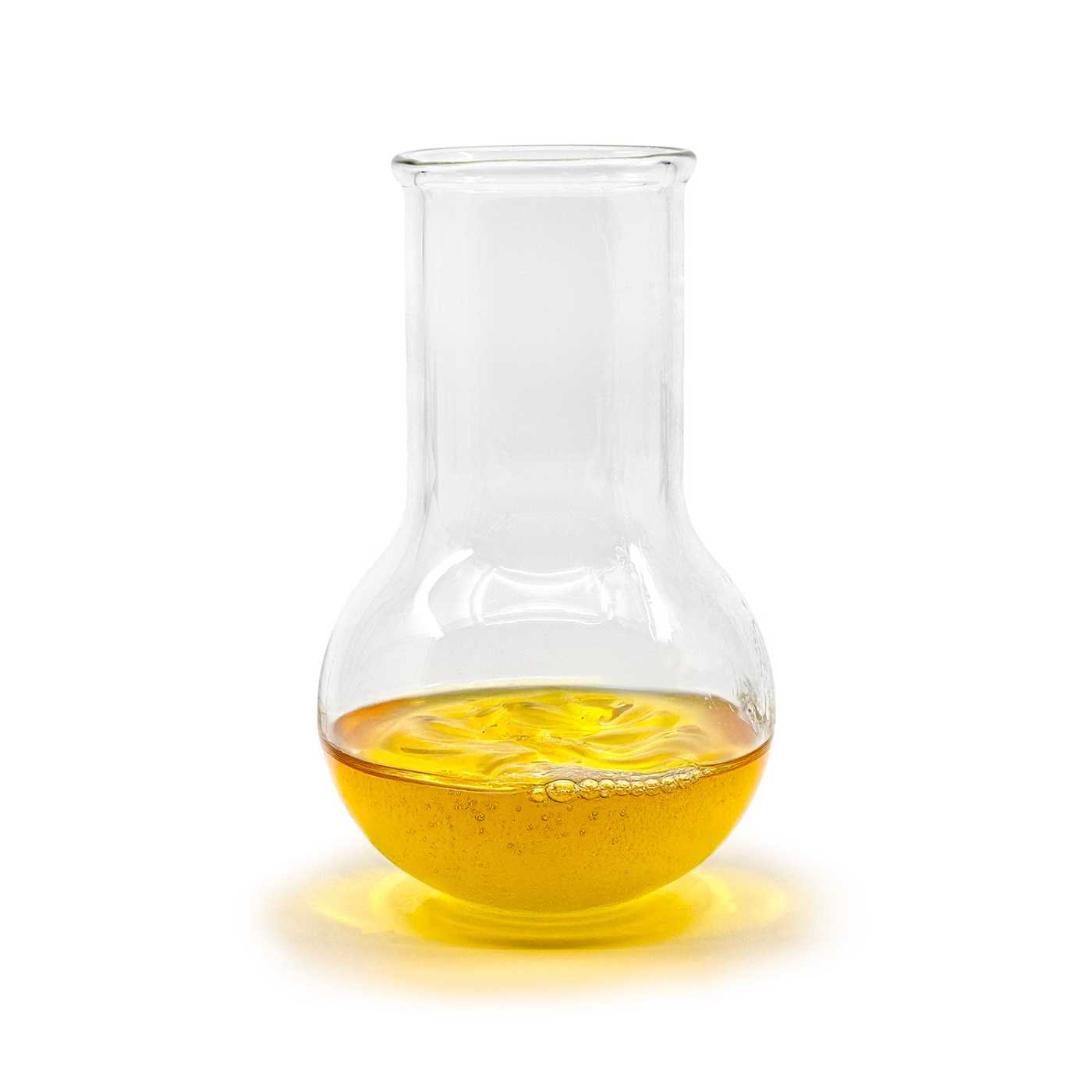
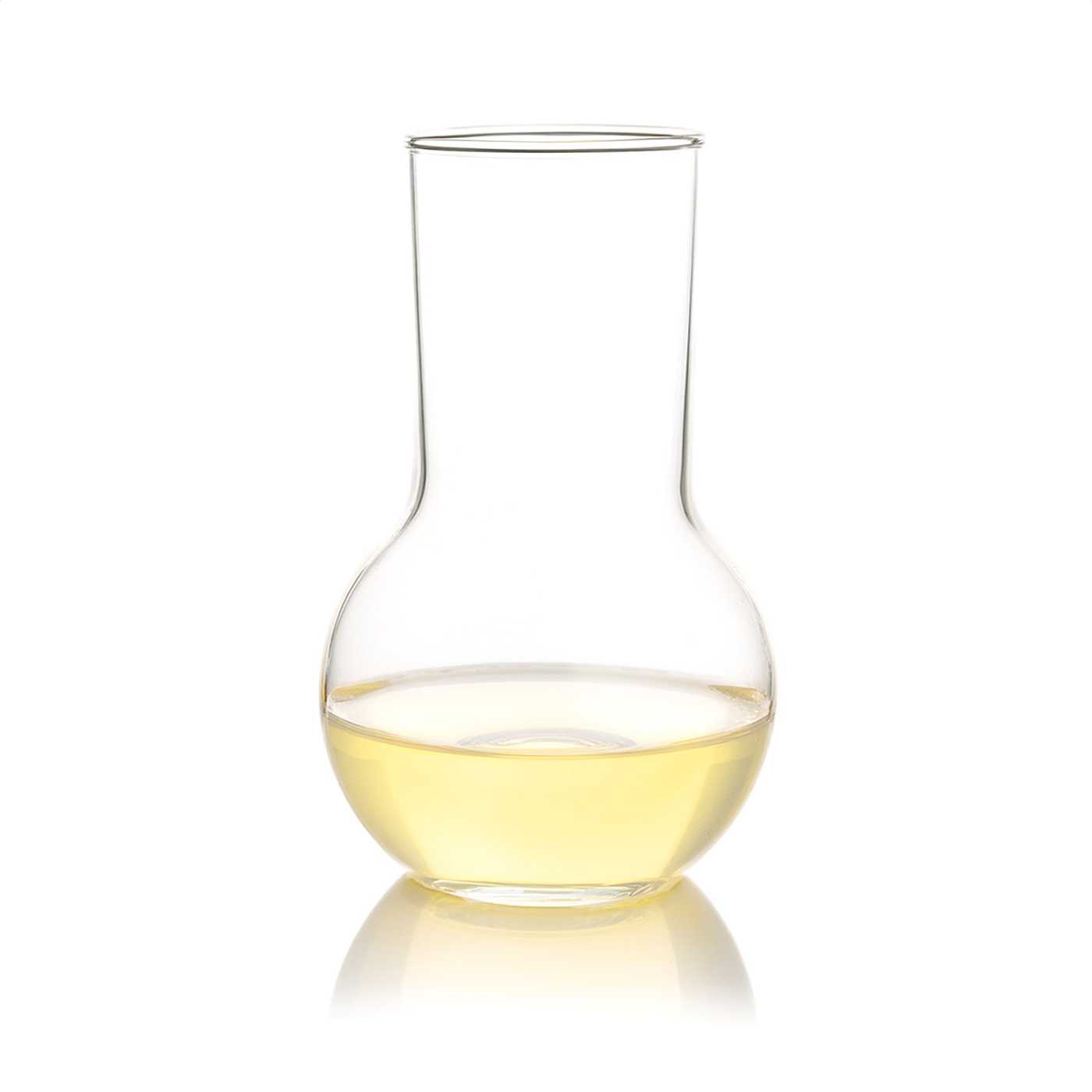
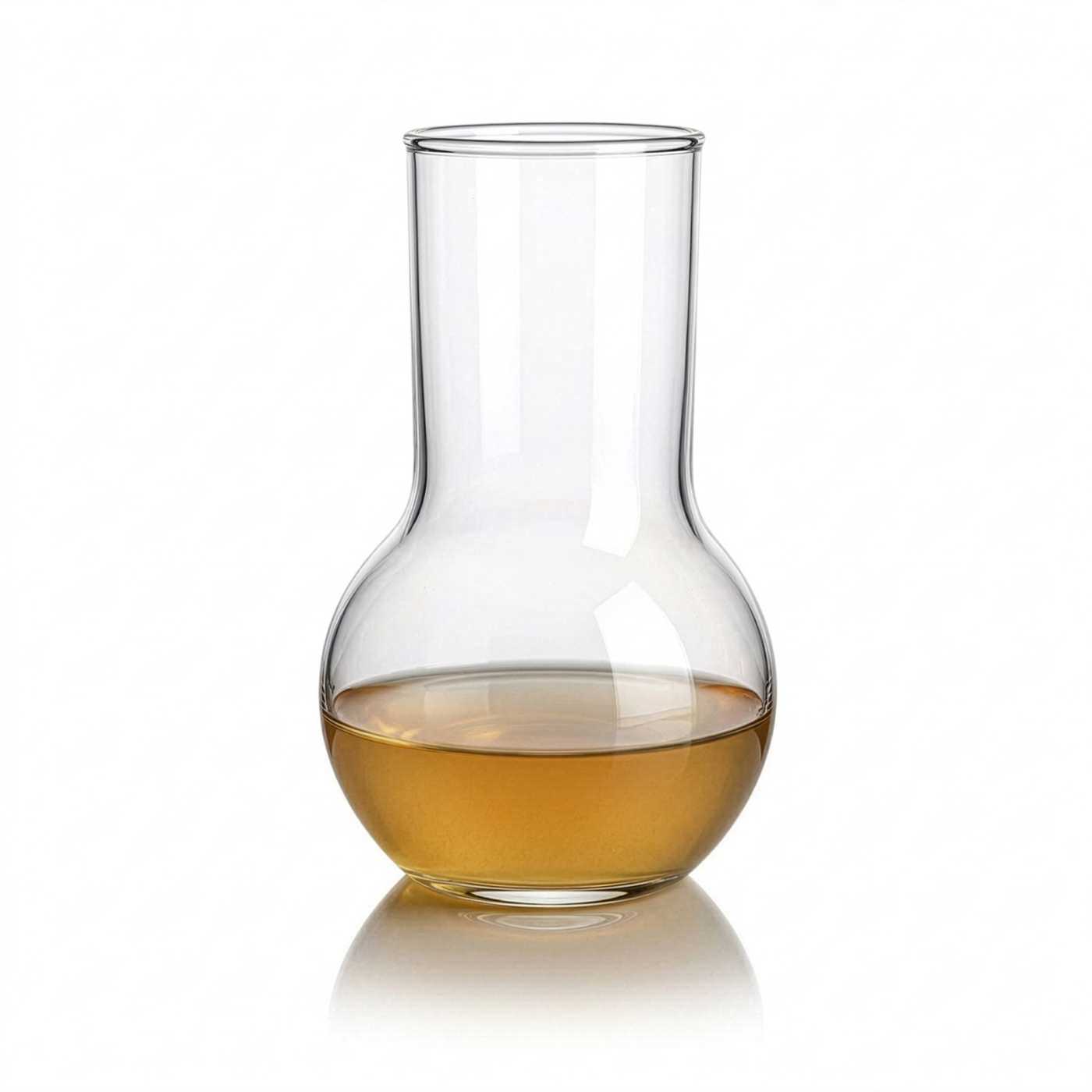
- Colour and odour – the raw material has a yellowish tint and a faint characteristic odour. In colourless and unscented formulations we recommend verifying the result on a trial batch.
Frequently asked questions
Is Sodium Cocoamphoacetate soluble in water?
Yes, Sodium Cocoamphoacetate is very readily soluble in water and is added directly to the water phase while cold. It is practically insoluble in paraffin oil, so it is not suitable for anhydrous oil-based products. In
ethanol it is only partially soluble, which must be taken into account in formulations with a higher proportion of alcohol.
Can Sodium Cocoamphoacetate be used as the only surfactant in a shampoo?
It is used primarily as a secondary surfactant in combination with an anionic one. In such a blend it provides, according to the manufacturer, the best foam, viscosity and dermatological profile. When used on its own, we recommend verifying the foaming and cleansing action on a trial batch within the recommended range of 1 – 10 %.
Both raw materials are amphoteric secondary surfactants that soften the anionic surfactant and support foam. According to the manufacturer's comparison, Sodium Cocoamphoacetate is milder to the skin in the patch test and the manufacturer lists it as non-irritating to the eyes, so it is preferred in "tear-free" formulations and for sensitive skin. Cocamidopropyl Betaine is a more common auxiliary surfactant for standard formulations.
Is Sodium Cocoamphoacetate suitable for a tear-free baby shampoo?
Yes, the manufacturer recommends it precisely for "tear-free" formulations based on the RBC eye irritation test. In baby shampoos and baths it is combined with mild anionic surfactants and dosed in the range of 1 – 10 %. The properties of the finished formulation must always be verified as part of the product safety assessment.
At what pH is Sodium Cocoamphoacetate stable?
The recommended formulation pH range is 4 – 11. The surfactant thus remains functional in acidic shampoos and intimate hygiene preparations as well as in more alkaline liquid soaps. The raw material itself has an alkaline pH, so after adding it to the formulation check and, if necessary, adjust the final pH of the product.