+421 950 333 113info@handymade.store−15 % with code FRI15Shop now

MINERAL MAKE-UP

Titanium Dioxide, Oil Dispersible, 1 kg

Pack size50 g100 g500 g1 kg

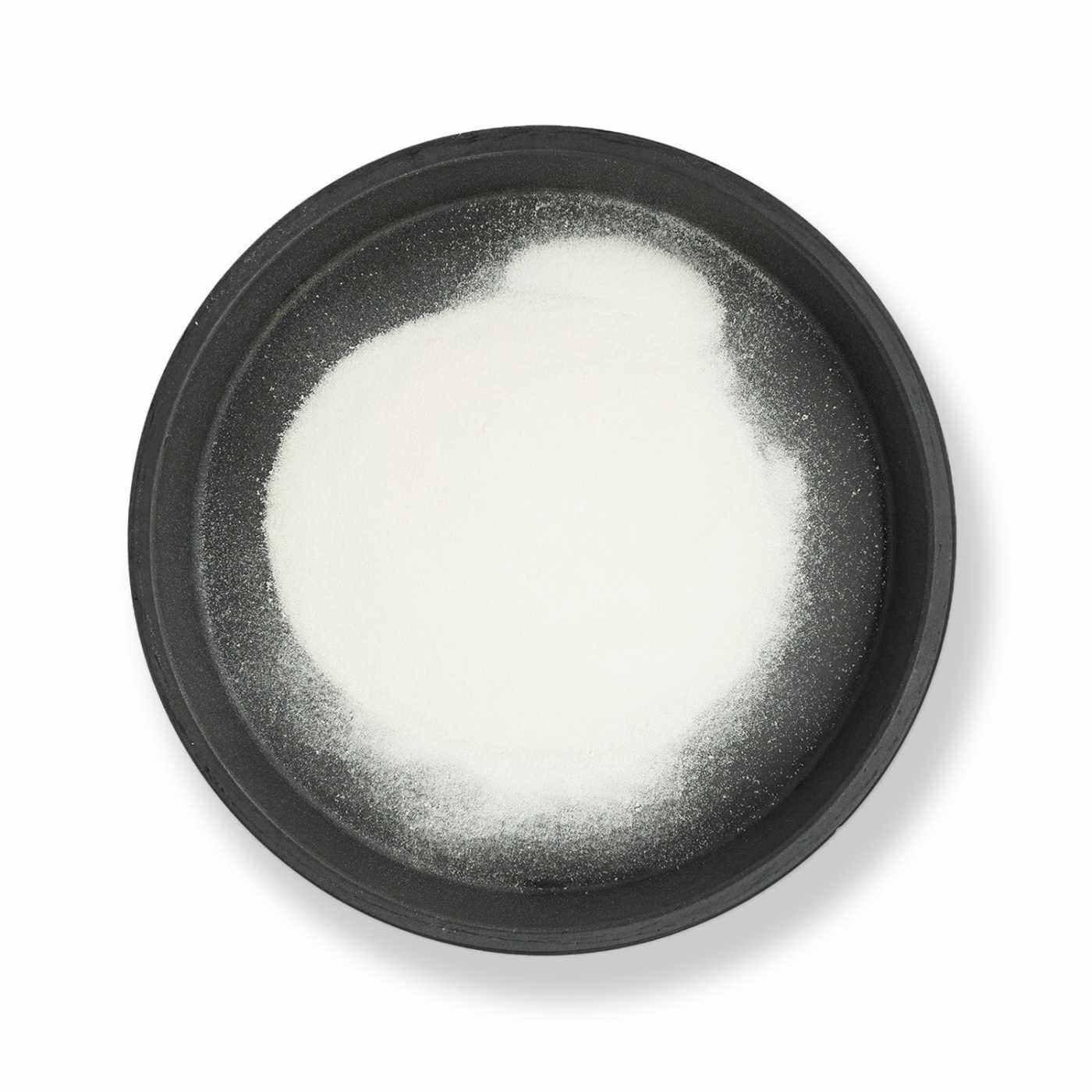
Oil-dispersible titanium dioxide is a white pigment that gives a product its white colour, coverage and opacity. full description

AvailabilityPre-order
Product codePOW260_1000
€32.85incl. VAT€32.85/kg

Lowest price in the last 30 days: €29.56

Expected back in stock: 14 Dec.~5 pkg on the way to us. This variant is currently out of stock — your order will be a pre-order and delivery may take longer.

Product description

Oil-dispersible titanium dioxide is a white pigment that gives a product its white colour, coverage and opacity. This form is intended for the oil phase, that is, for lipsticks, balms, colour sticks, tinted creams and other products in which the pigment is incorporated into oils, waxes and butters.

It is used on its own for whitening and opacifying, or together with coloured pigments, whose shade it lightens.


How it works in a product

Titanium dioxide has two functions: it whitens and it opacifies. Its particles do not dissolve in the base but remain dispersed in it and reflect light. A clear base thus turns white and is no longer see-through.

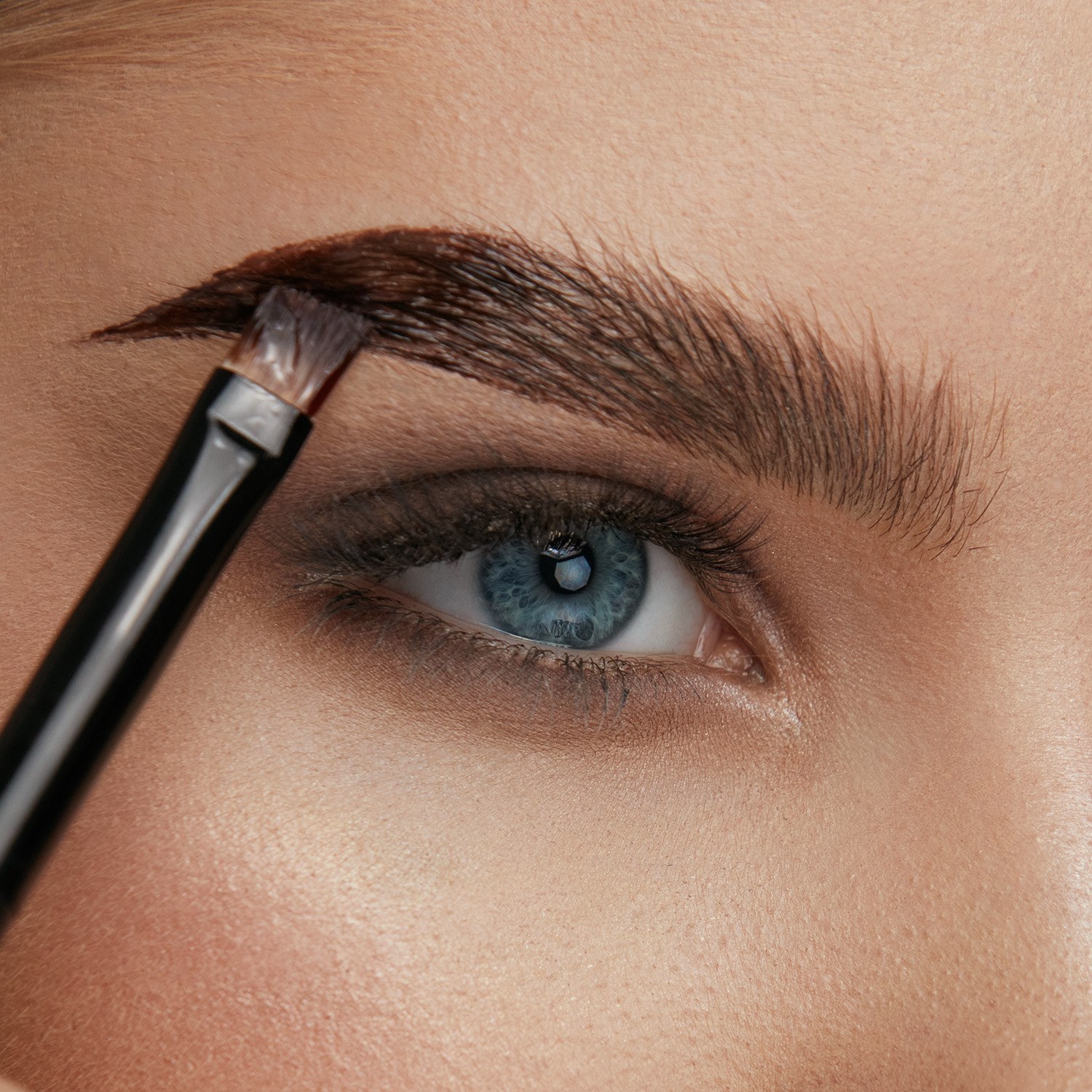
In decorative cosmetics it is usually mixed with coloured pigments. With iron oxides (CI 77491) it gives lighter shades with better coverage.

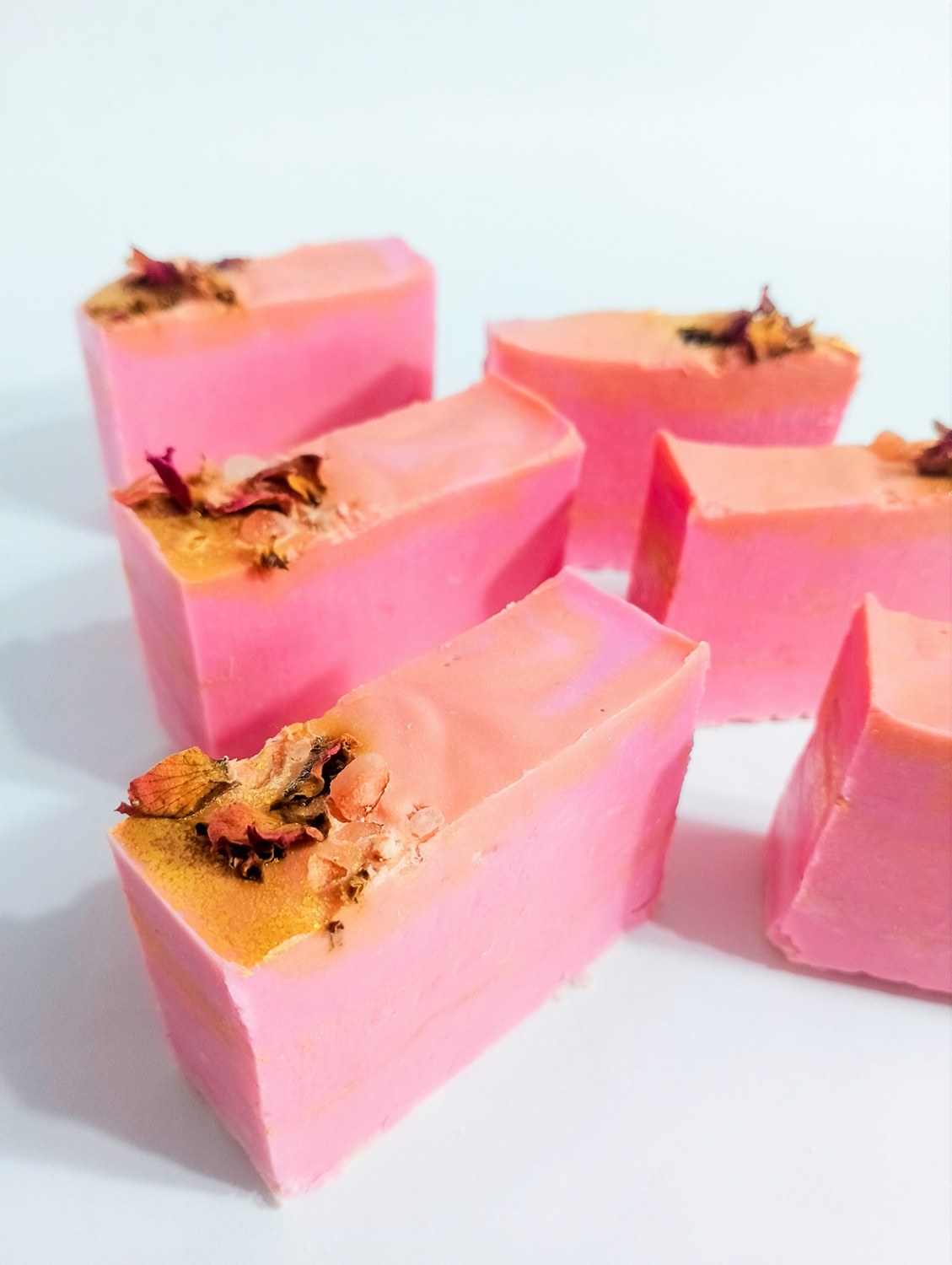
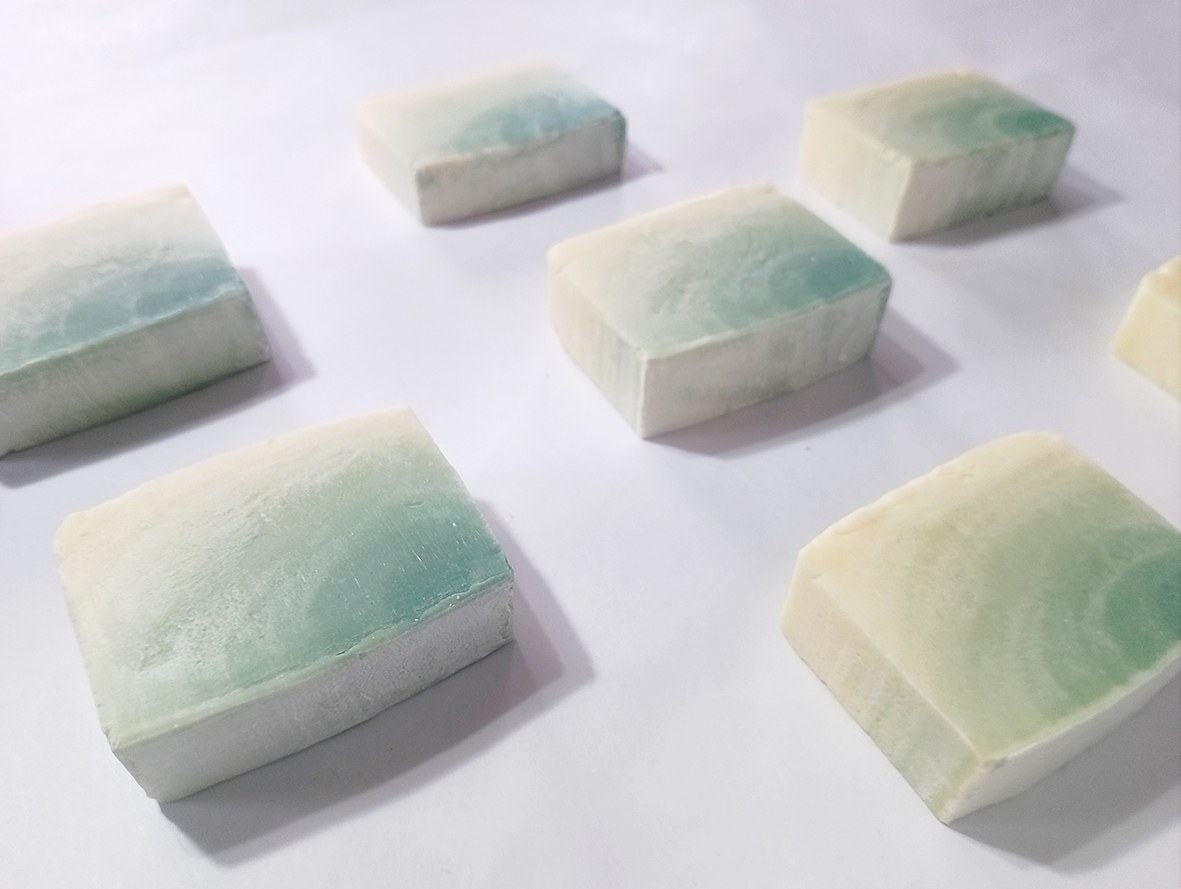
It works the same way in soap. It turns clear glycerine soap (M&P) into an opaque white base. The dye is then added to either a clear or an opacified base, depending on whether the soap is meant to be clear or opaque.


How it differs from the water-dispersible form

Both forms are the same pigment; they differ in the medium in which they can be dispersed evenly. The oil-dispersible form belongs in oils, balms, lipsticks and anhydrous products. The water-dispersible form is suitable for the water phase and water-based gels.

The particle size differs as well. This form has smaller particles, on average 0.1–0.3 µm, while the water-dispersible form has 0.2–0.8 µm. Neither is a nanomaterial.


Use in a formulation

The pigment is most often added in the later phases of a formulation (B, C), to an already prepared oil or emulsion mixture. It is processed at a temperature below 80 °C.

The recommended usage rate is 1–25%. In formulations it appears in the range 0.3–16.8%, most often around 2%:

  • solid soap – 0.3%
  • tinted fluid – 0.6%
  • lip and cheek balm – around 1%
  • multifunctional colour stick – 1%
  • lipstick – 3%
  • cream blush, clay mask stick – 5%

It is suitable for products with a pH of 3–11. The pigment itself has a pH of around 7.5.

Oil absorption is 21 g per 100 g of powder. In formulations it is commonly combined with triglycerides, cetearyl alcohol, glycerine and xanthan gum.


Suitable for products such as

  • Lipsticks, lip balms and colour sticks – lightens coloured pigments and increases coverage
  • Cream blushes, tinted fluids and creams – adjusts shade and opacity
  • Soaps – whitens the soap base and opacifies clear glycerine soap
  • Balms and anhydrous products – whitens and opacifies a base of oils and waxes
  • Bath bombs, candles and hobby products – as a white pigment

Good to know

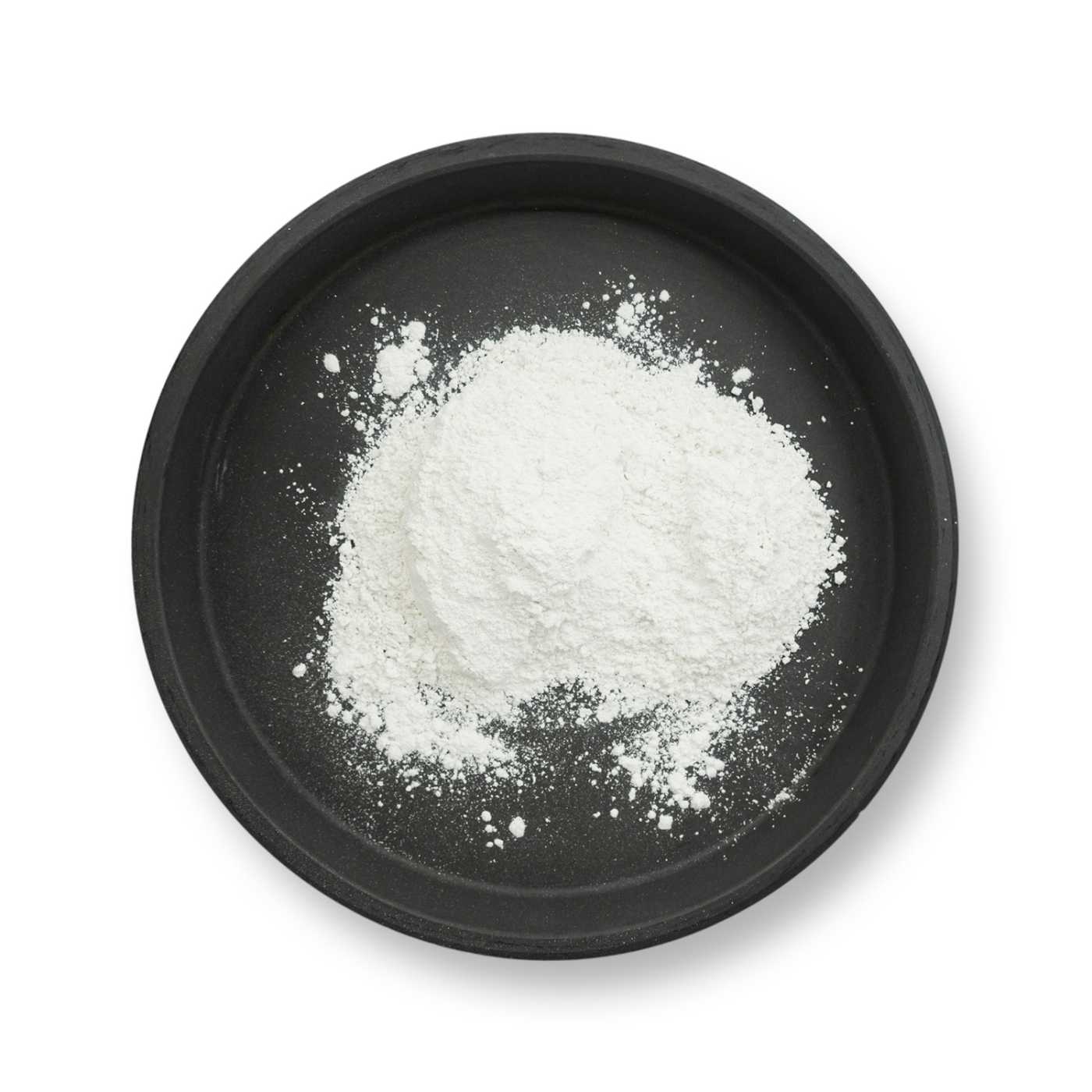
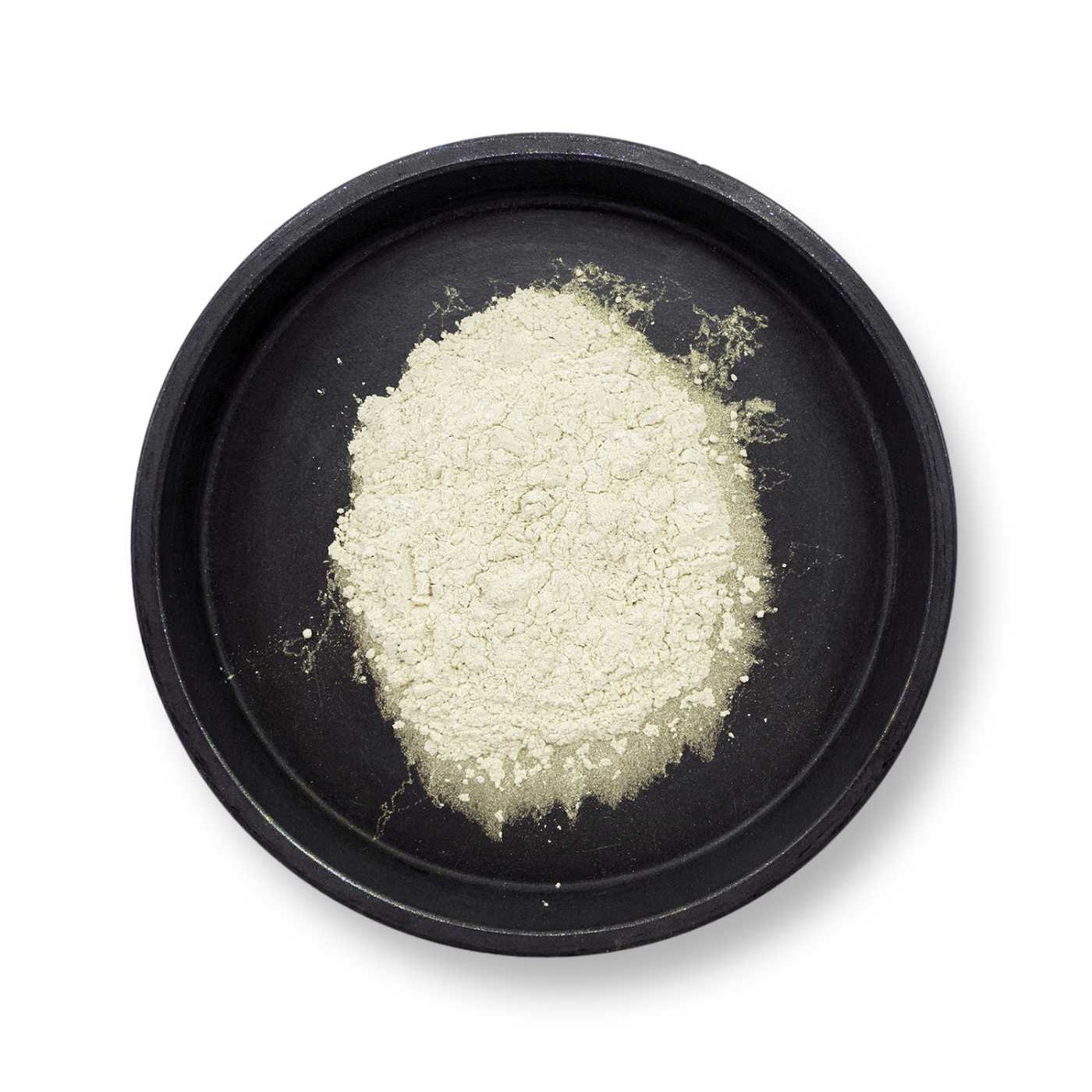
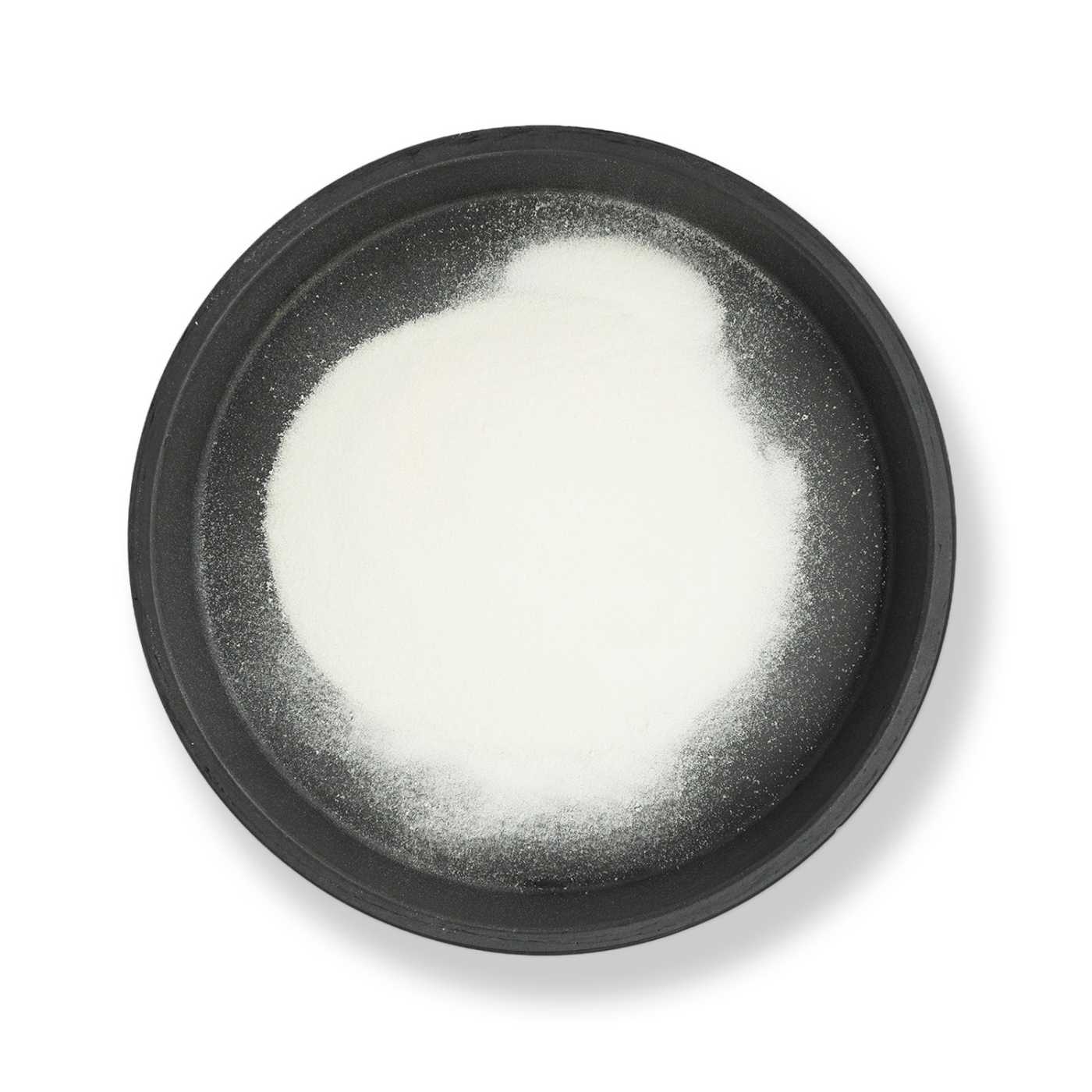
Titanium dioxide is a fine, matte, white, odourless powder. The titanium dioxide content is above 99%. The pigment comes from Spain.

When weighing and mixing, do not inhale the dust; use a respirator and eye protection.

In light it can photocatalytically degrade other ingredients of the product. The surface treatment of the pigment protects only some substances and may not help with others, for example salicylic acid.

When combining it with light-sensitive active ingredients, test the light stability of the finished product.

The usual upper usage limit does not apply to sprays and loose powders. In aerosol hair sprays, the EU scientific committee considers a pigment-grade titanium dioxide content of only up to 1.4% safe, and up to 1.1% for professional use in hairdressing. Products that are sprayed or that release dust therefore require a low usage rate and a safety assessment.

As the colorant CI 77891 it meets the requirements of Annex IV of Regulation (EC) No 1223/2009 and is not classified as hazardous under CLP. The lead content is below 10 mg/kg, and arsenic, cadmium and mercury are below 1 mg/kg. The pigment is suitable for the face, the eye area, the lips and the body, and for products for sensitive skin and children’s skin.

Zinc oxide can replace it only for whitening soap. In other cosmetics where the formulation calls for titanium dioxide, a substitution is not recommended.


Frequently asked questions

Does titanium dioxide dissolve in oil?
No, titanium dioxide does not dissolve in oil; it only disperses in it as fine particles. The oil-dispersible form is incorporated into the oil phase or into an already prepared emulsion mixture, most often in the later phases of a formulation. It is processed at a temperature below 80 °C.
How much titanium dioxide is added to soap and cosmetics?
The recommended usage rate of titanium dioxide is 1–25%, and in formulations around 2% is most often used. Solid soap uses 0.3%, tinted fluid 0.6%, lip balm approximately 1%, lipstick 3% and cream blush 5%. In aerosol hair sprays, a content of only up to 1.4% is considered safe.
What is the difference between oil-dispersible and water-dispersible titanium dioxide?
They differ in the medium in which they can be dispersed evenly. Oil-dispersible titanium dioxide is intended for oils, balms, lipsticks and anhydrous products, while the water-dispersible form is intended for the water phase and water-based gels. The oil form also has smaller particles, on average 0.1–0.3 µm compared with 0.2–0.8 µm.
Can titanium dioxide be replaced with zinc oxide?
Titanium dioxide can be replaced with zinc oxide only for whitening soap. In a soap base, zinc oxide can stand in for titanium dioxide as a white colorant. In decorative and other cosmetics where the formulation calls for titanium dioxide, a substitution is not recommended.
Is oil-dispersible titanium dioxide a nanomaterial?
No, this titanium dioxide (Titanium Dioxide) does not contain nanoparticles and is not a nanomaterial under the EU definition. The average particle size is 0.1–0.3 µm. As the colorant CI 77891 it meets the requirements of Annex IV of the European regulation on cosmetic products. When working with the powder, it is still recommended not to inhale the dust.

Parameters

INCI
Titanium Dioxide
CAS No.
13463-67-7
EC number
236-675-5
CI number
77891
Product colour
White
Country of origin
Spain
Appearance
Powder
Formulation phase
Oil phase
Function in formulation
ColorantOpacifier
Recommended processing temperature
< 80 °C
Recommended usage rate
1 – 25 %
Recommended formulation pH range
3 - 11
Solubility
Oil-dispersible
Application type
Leave-onRinse-off
Biodegradability
Not applicable
Natural Index (NI ISO 16128)
0,00
Natural Origin Index (NOI ISO 16128)
1,00
Organic content
0 %
Renewable Carbon Content (RCC)
0 %

Product documentation

CoACertificate of Analysis
batch 99164PDF ↓
batch 98216PDF ↓
TDSTechnical Data Sheet
Physical parameters and processingPDF ↓
SDSSafety Data Sheet
Available for purchased products —
Download all (ZIP)

3 PDF files in one archive

Learn how to work with it

From our blog
REVIEWS

Verified by customers.

No reviews yet.

Only customers with a delivered order can write reviews.