10% off everything in Base IngredientsStock up

+421 950 333 113info@handymade.store

MINERAL MAKE-UP

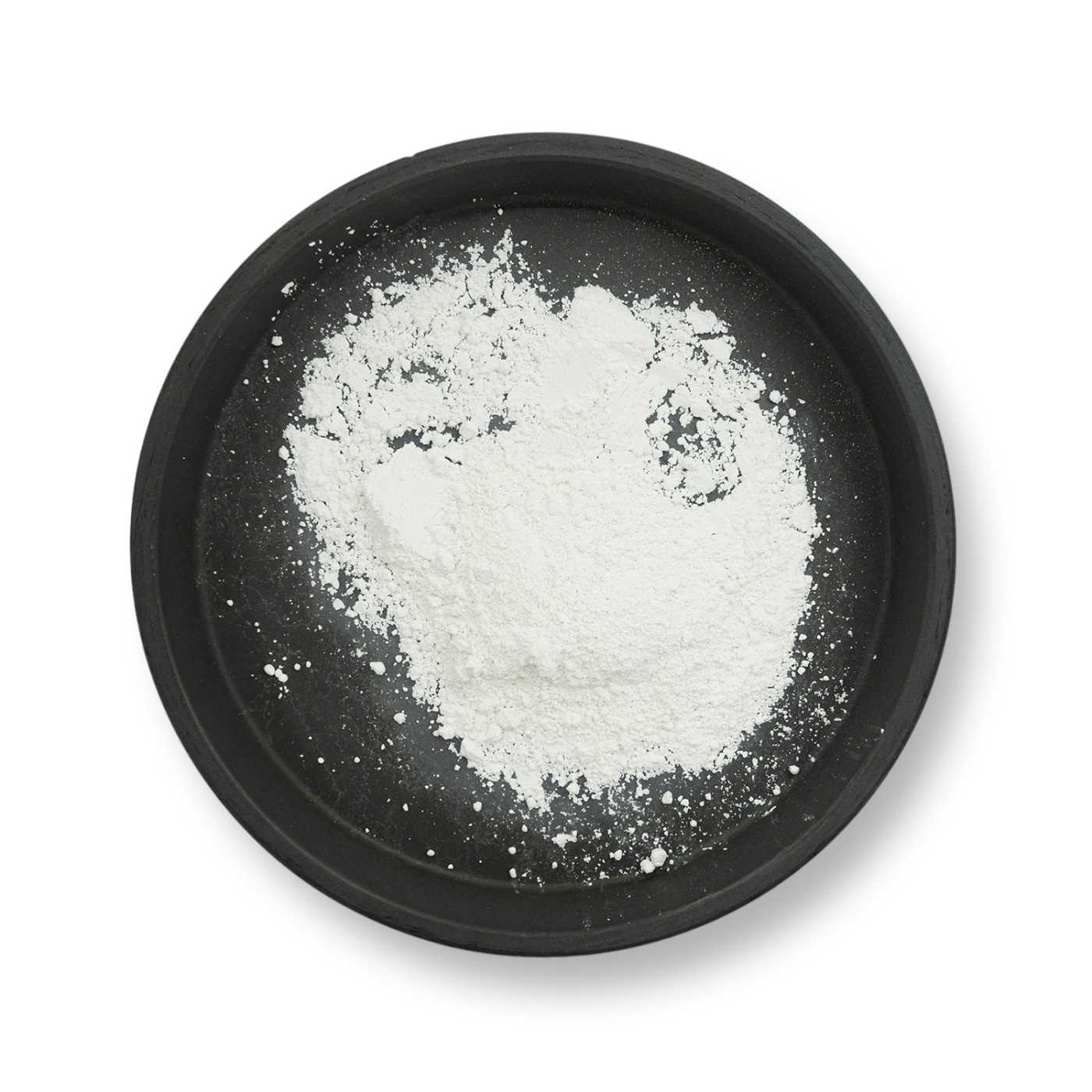
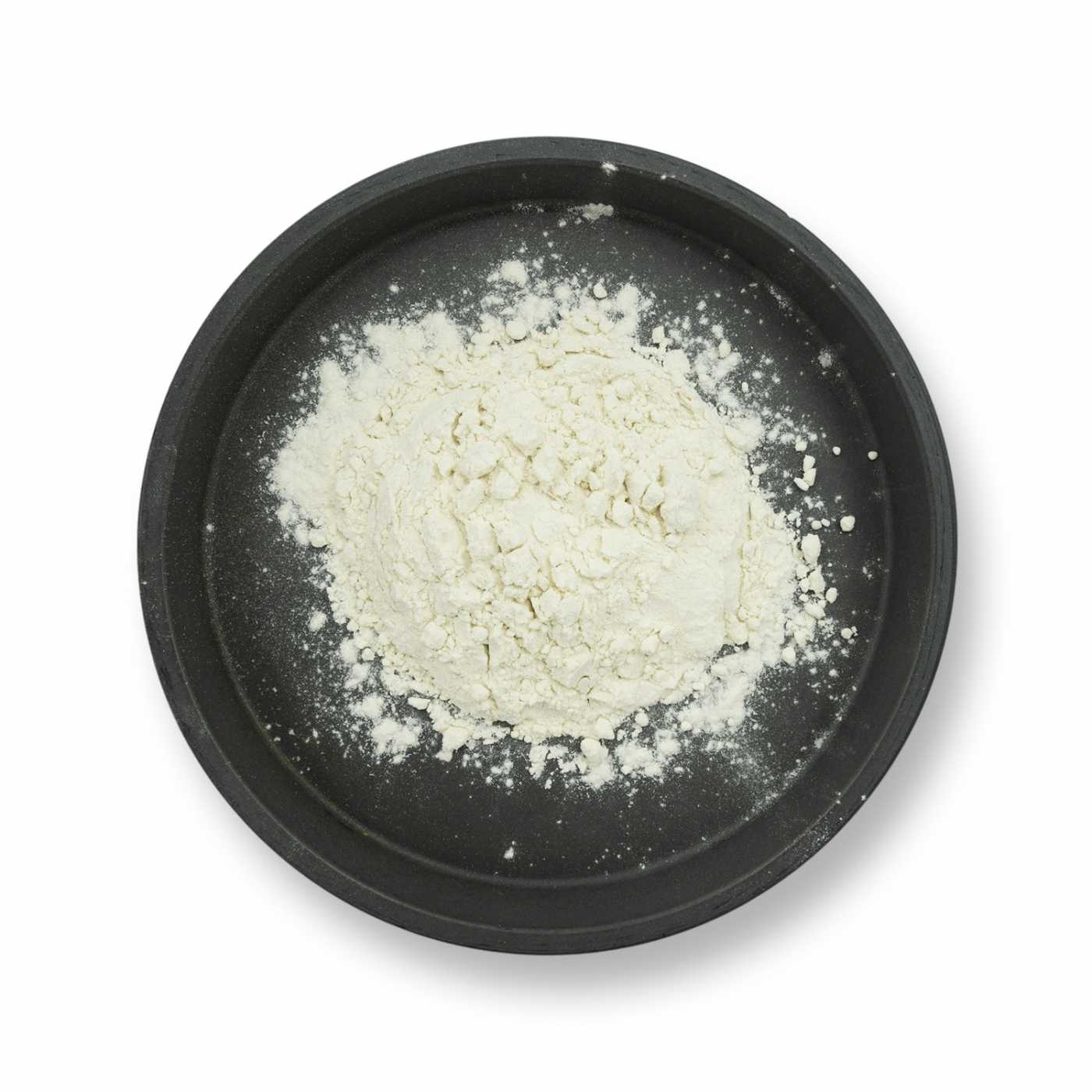
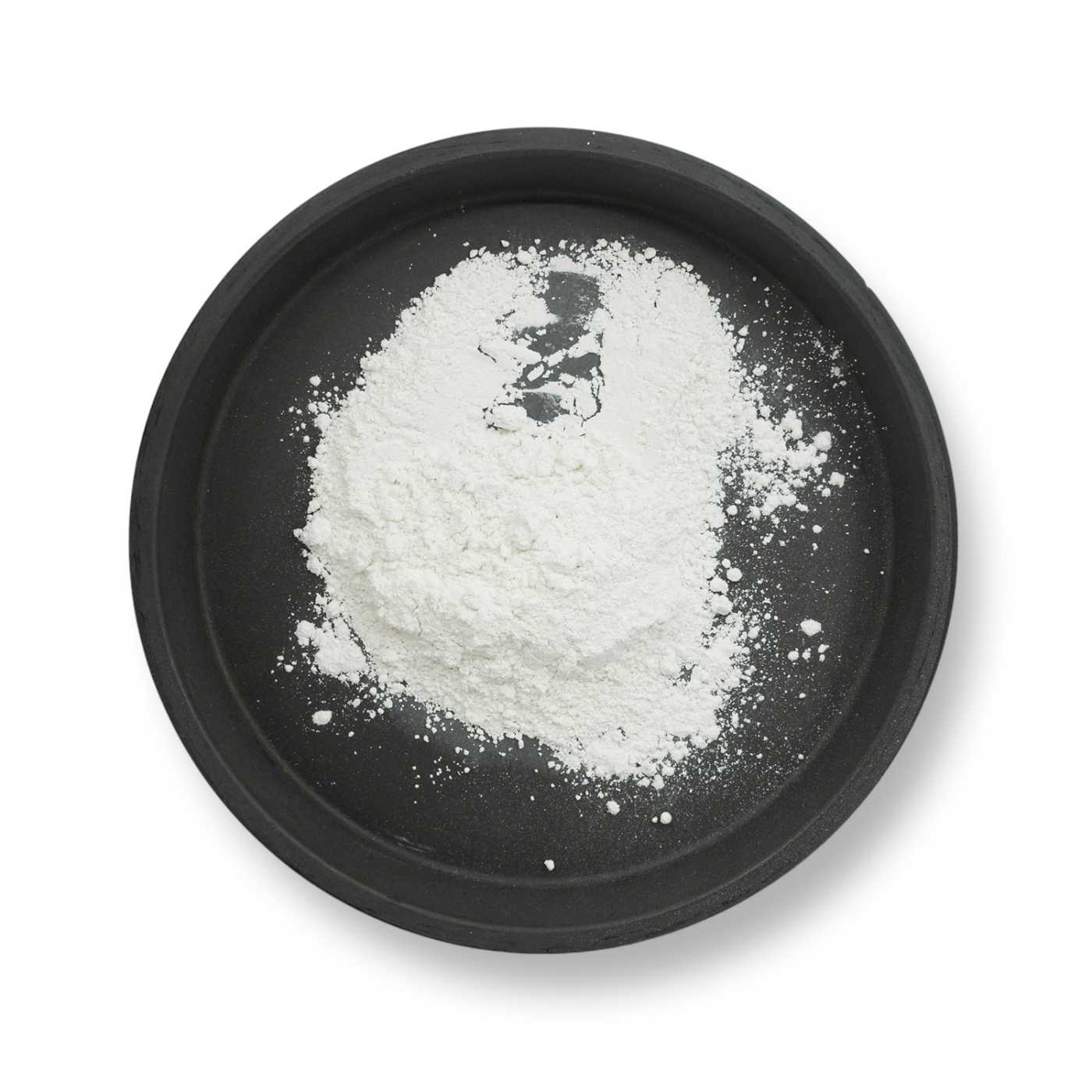
Titanium Dioxide, Water Dispersible, 50 g

Pack size50 g100 g500 g1 kg

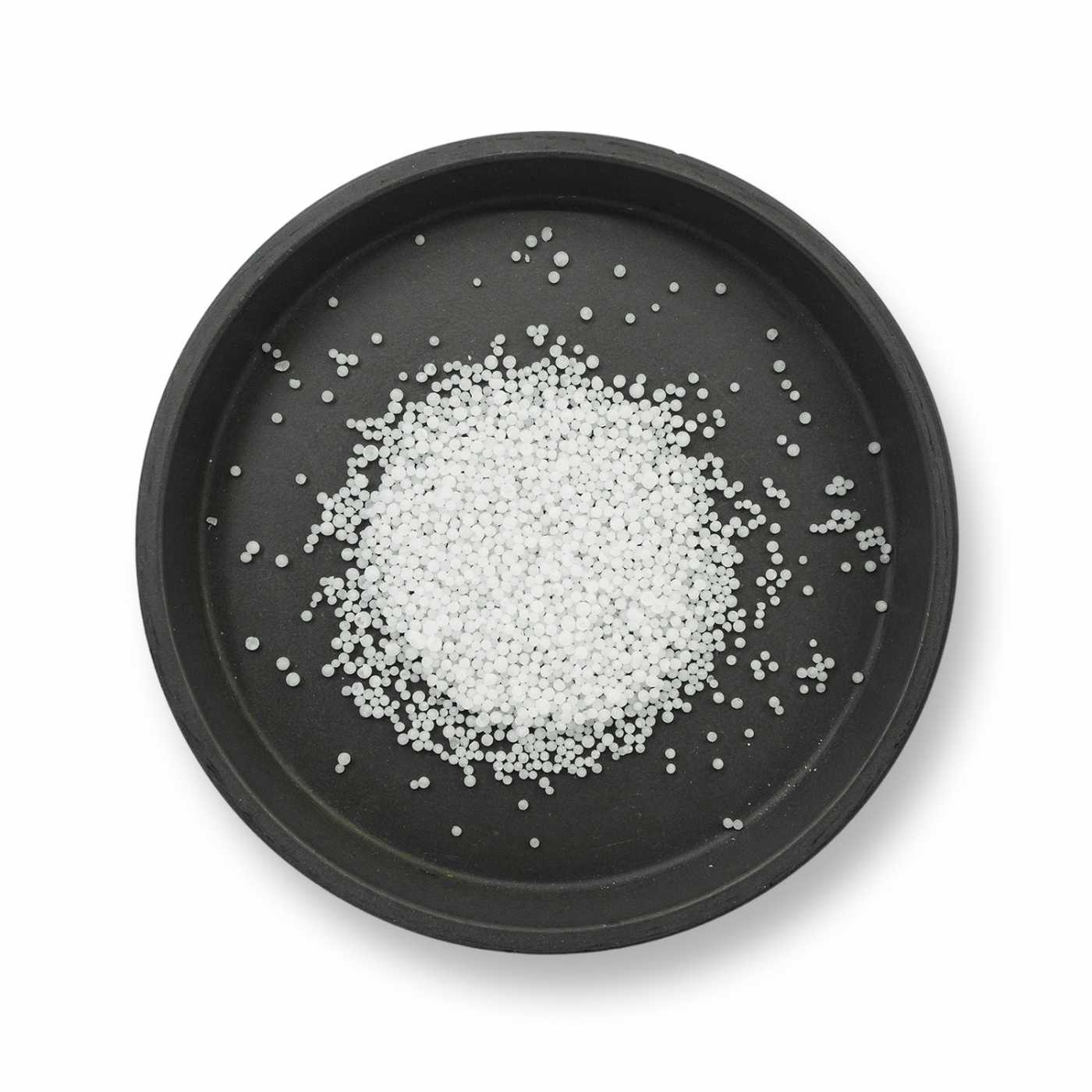
Water-dispersible titanium dioxide Titanium dioxide is a white pigment that serves three purposes in a formulation: it opacifies clear and translucent systems, giving them a milky appearance, it colours products white,… full description

AvailabilityIn stock · 113 packs
Product codePOW250_50
Batch145110
Best before12/2028
€2.07incl. VAT−10 %Original price €2.30€41.40/kg

Lowest price in the 30 days before the discount: €2.30

Promotion DIY Essentials until 13 NovAll promotion items

Product description

Water-dispersible titanium dioxide

Titanium dioxide is a white pigment that serves three purposes in a formulation: it opacifies clear and translucent systems, giving them a milky appearance, it colours products white, and in the finished product it acts as a physical UV filter. This variant disperses in water, so it belongs in the water phase of creams, lotions, shampoos and shower gels.

It is used in both home and professional production wherever a product should be white or opaque: from emulsions and soaps to bath bombs and decorative cosmetics, where it serves as the base white for mixing pastel shades.


Key features

  • Opacifying the formulation – even a low usage rate turns a clear gel, toner or shampoo into a milky white product.
  • White dye – in soaps, bath bombs and decorative cosmetics it gives a pure white and lightens other pigments. When mixing colours, it reduces intensity and creates pastel tones.
  • UV filter – titanium dioxide reflects and scatters UV radiation. The protection factor of the finished product depends on the usage rate, the dispersion of the particles and the whole recipe, so it is verified by testing the finished product.
  • Free of nanoparticles – the average particle size is 0.2–0.8 µm. Nanomaterials are not used, added or formed during production.
  • Purity above 99% – TiO₂ content according to the manufacturer’s technical data sheet.

A particle size of 0.2–0.8 µm without nanomaterials allows use in both rinse-off and leave-on products.


Use in a formulation

The powder does not dissolve in water or in oil; in water it only disperses. In a water-based system it therefore remains as a finely dispersed solid and needs thorough mixing so that it is distributed evenly and does not form lumps or sediment at the bottom.

In emulsions it is added to the water phase before emulsification. First mix the weighed amount into a smaller volume of water or glycerine to form a smooth paste, and only then stir it into the rest of the water phase. At higher usage rates, a stick blender helps to complete the dispersion. In gel and liquid products without a thickener, the pigment may settle over time. In that case, it helps to adjust the viscosity or to plan for shaking before use.

In cold process soap, the powder is mixed into part of the water before it is added to the batter, or into a small amount of the finished batter, and then stirred into the whole. In bath bombs and bath salts it is added directly to the dry mixture, where it disperses well with the baking soda and citric acid. For candles and hobby use, first test its behaviour in the wax or other carrier on a small amount.

The usage rate is approximately in the range of 1–25%. Lower percentages are enough to opacify a clear product, while higher ones are used in decorative cosmetics and wherever the pigment is meant to provide coverage or UV protection. For every new usage rate, check the stability and texture in the finished formulation.


Suitable for products such as

  • Creams, lotions and facial emulsions – opacifying, white colour, or added UV protection.
  • Shampoos, shower gels and toners – giving a clear product a milky appearance.
  • Soaps – white base colour and lightening of coloured layers.
  • Bath bombs and salts – white or pastel colouring of the dry mixture.
  • Decorative cosmetics and lip care – white pigment for balms, tinted creams and eyeshadows.
  • Nail, hand, foot and hair care – wherever opacifying or a white shade is needed.

Good to know

Never pour the weighed powder directly into a large volume of water or into a finished emulsion. It forms lumps on the surface that are difficult to stir in. Premixing in a small amount of liquid solves this problem.

At higher usage rates, the pigment affects the texture: the product feels thicker and may leave a whitish film on the skin, which can be controlled by adjusting the usage rate. In clear packaging, allow for possible settling, which more viscous systems limit.

This variant is intended for the water phase. In purely oil-based and anhydrous recipes it disperses less well, so test its behaviour beforehand.


Frequently asked questions

Is titanium dioxide soluble in water?
No, titanium dioxide does not dissolve in water; it only disperses in it. In the water phase it remains as evenly dispersed solid particles, which may settle over time at low viscosity. That is why it is premixed into a paste in a small amount of water or glycerine, and the viscosity is adjusted in liquid products.
How do you add titanium dioxide to a cream?
Add it to the water phase before emulsification. Mix the weighed amount in a little water or glycerine to form a smooth paste without lumps, stir it into the rest of the water phase, and then carry out the usual emulsification with the oil phase. At higher usage rates, a stick blender helps to distribute the particles evenly.
Is titanium dioxide nano?
No, this titanium dioxide is not a nanomaterial. The average particle size is 0.2–0.8 µm, and nanomaterials are not used, added or formed during production. This makes it suitable for both rinse-off and leave-on products, from shampoos to creams that stay on the skin.
Can you colour cold process soap with titanium dioxide?
Yes, in cold process soap titanium dioxide is used as a white dye and to lighten coloured layers. The powder is mixed into part of the water or into a small amount of soap batter and then stirred into the whole, so that no white specks remain in the soap.
Does titanium dioxide provide a protection factor in creams?
Titanium dioxide works as a physical UV filter, but a specific protection factor cannot be derived from the usage rate. The SPF of the finished product depends on the whole recipe, the dispersion of the particles and the thickness of the applied layer, and it can only be demonstrated by testing the final product.
What is the difference between water-dispersible and oil-dispersible titanium dioxide?
The difference is the phase in which the pigment disperses well. The water-dispersible variant belongs in the water phase of emulsions, gels, shampoos or soap bases. In anhydrous and purely oil-based recipes it disperses less well, and it is advisable to test its behaviour beforehand on a small amount.

Parameters

INCI
Titanium Dioxide
CAS No.
13463-67-7
CI number
CI 7789177891
Product colour
White
Country of origin
Spain
Appearance
Powder
Formulation phase
Water phase
Function in formulation
ColorantOpacifier
Recommended processing temperature
< 80 °C
Recommended usage rate
1 – 25 %
Recommended formulation pH range
3-11
Application type
Leave-onRinse-off
Biodegradability
Not applicable
Natural Index (NI ISO 16128)
0,00
Natural Origin Index (NOI ISO 16128)
1,00
Organic content
0 %
Renewable Carbon Content (RCC)
0 %

Product documentation

CoACertificate of Analysis
batch 145110PDF ↓
batch 156221PDF ↓
TDSTechnical Data Sheet
Physical parameters and processingPDF ↓
SDSSafety Data Sheet
Available for purchased products —
Download all (ZIP)

3 PDF files in one archive

REVIEWS

Verified by customers.

No reviews yet.

Only customers with a delivered order can write reviews.