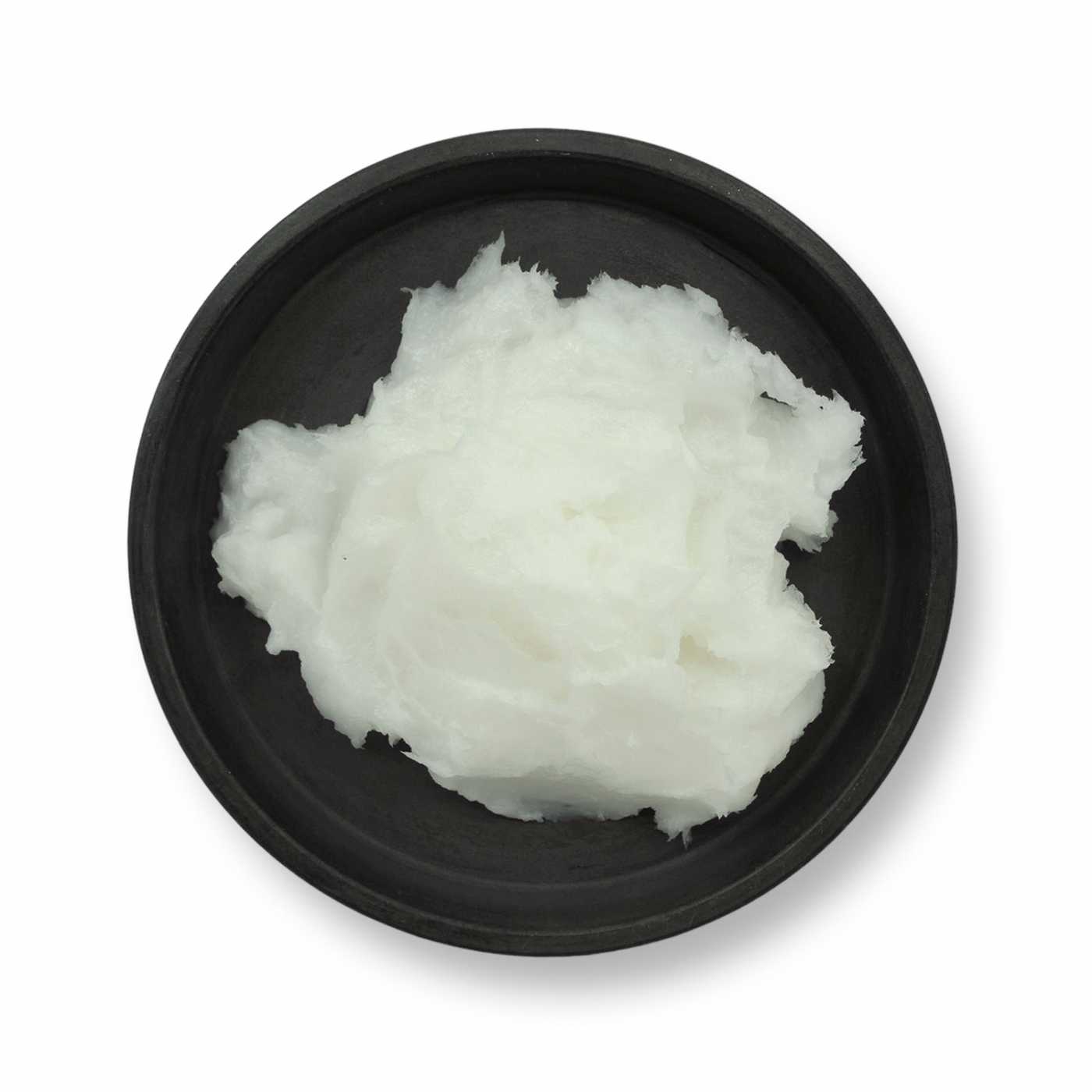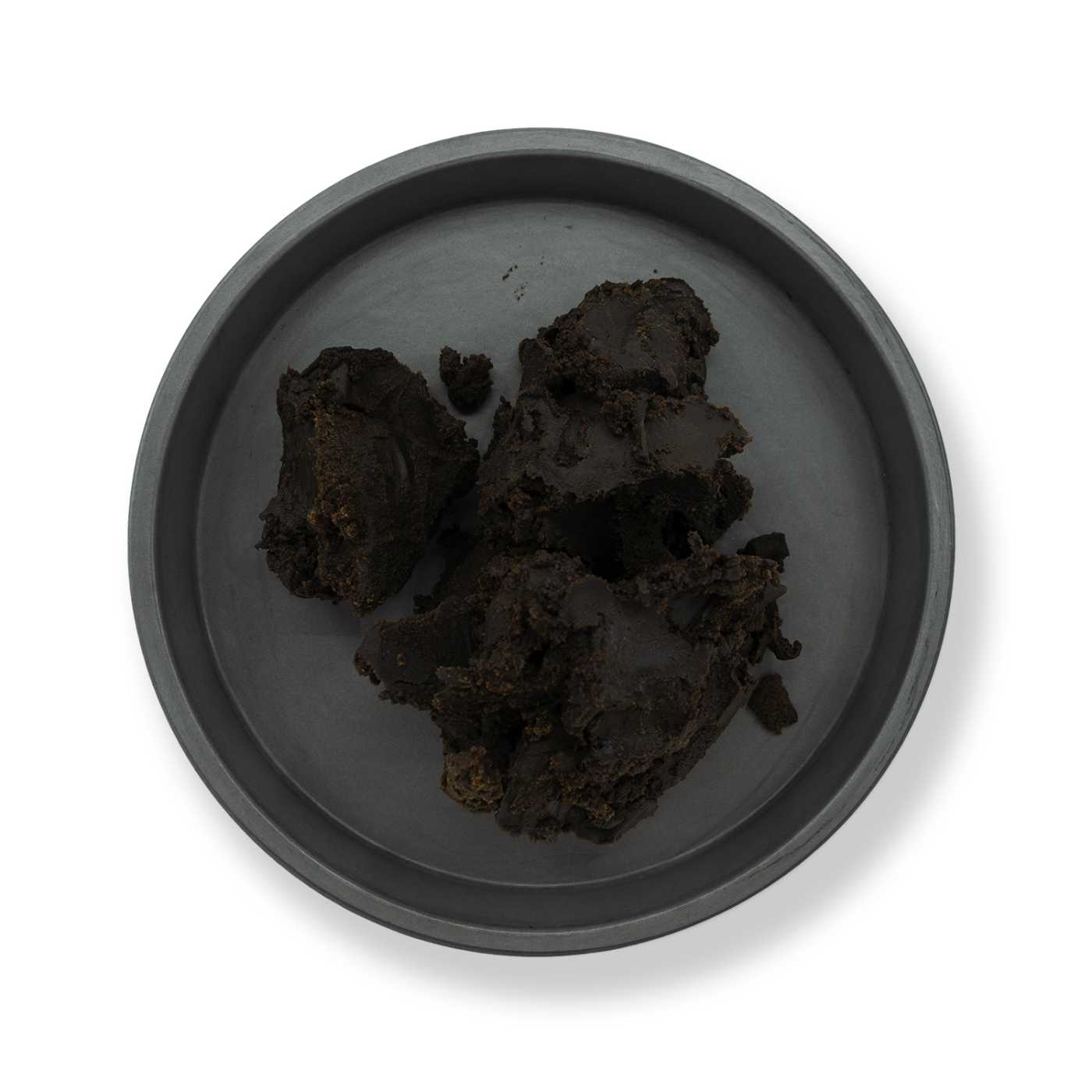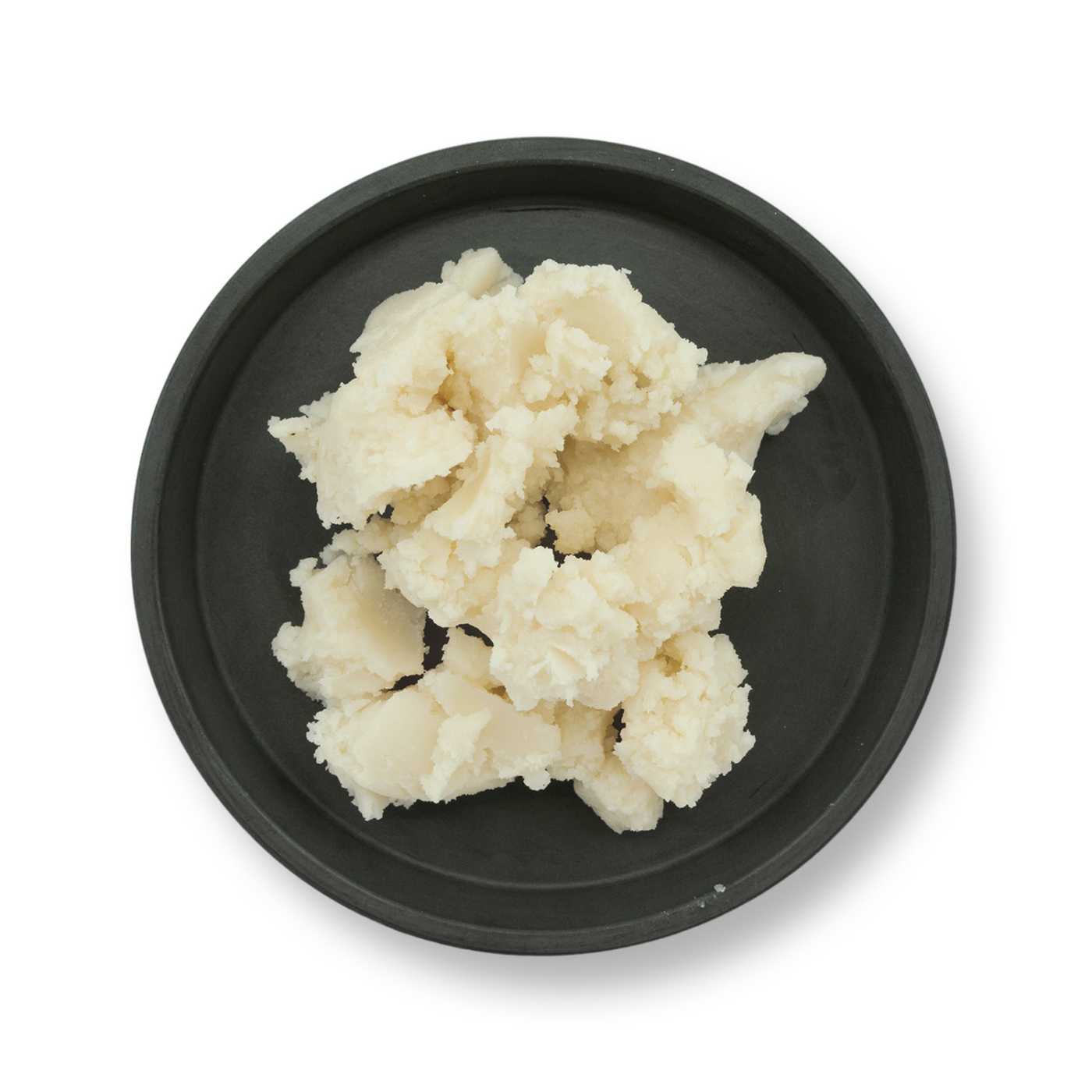
Tucuma Butter, Cold Pressed 50 g
Pre-order€7.89(€157.80/kg)

COSMETIC CLAYS
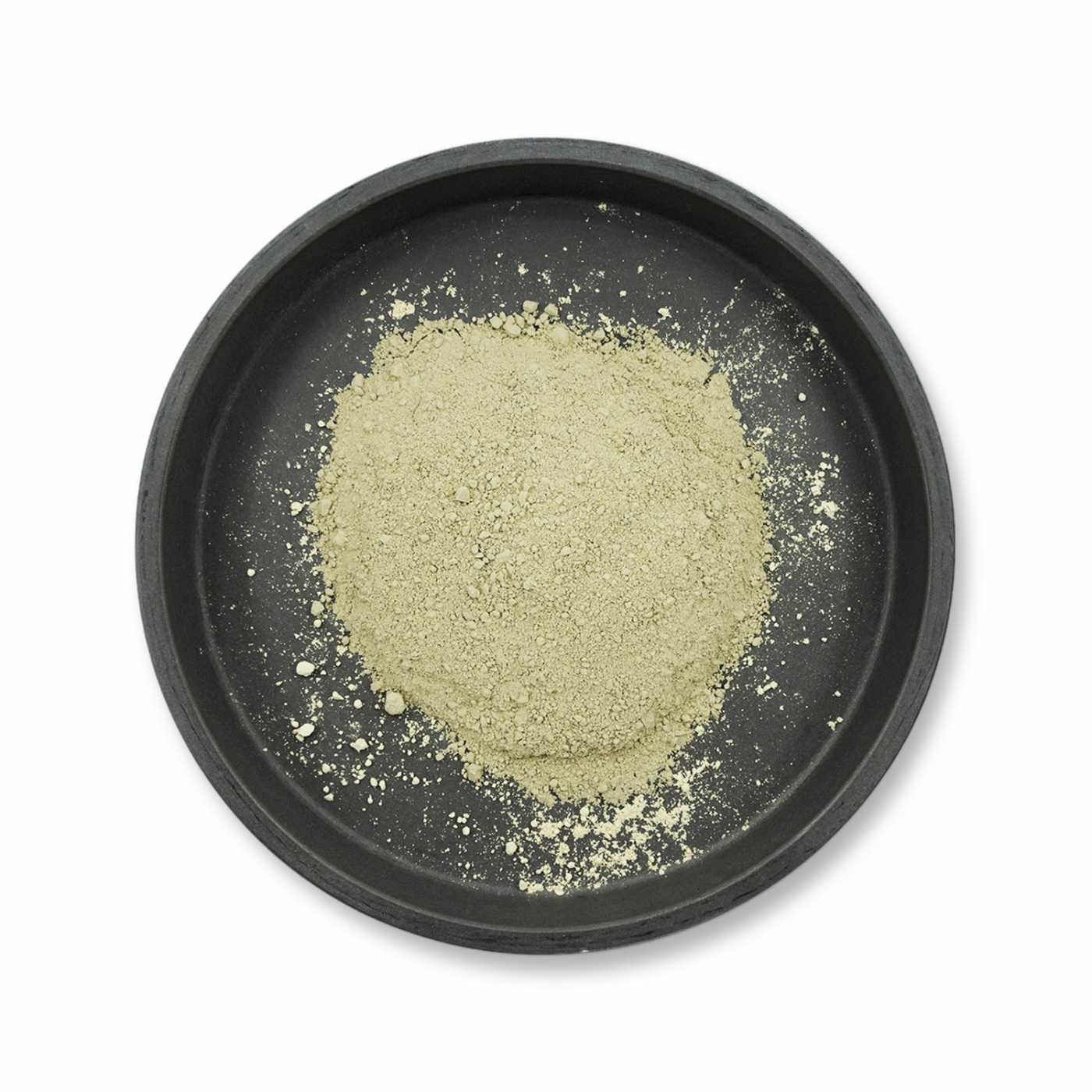
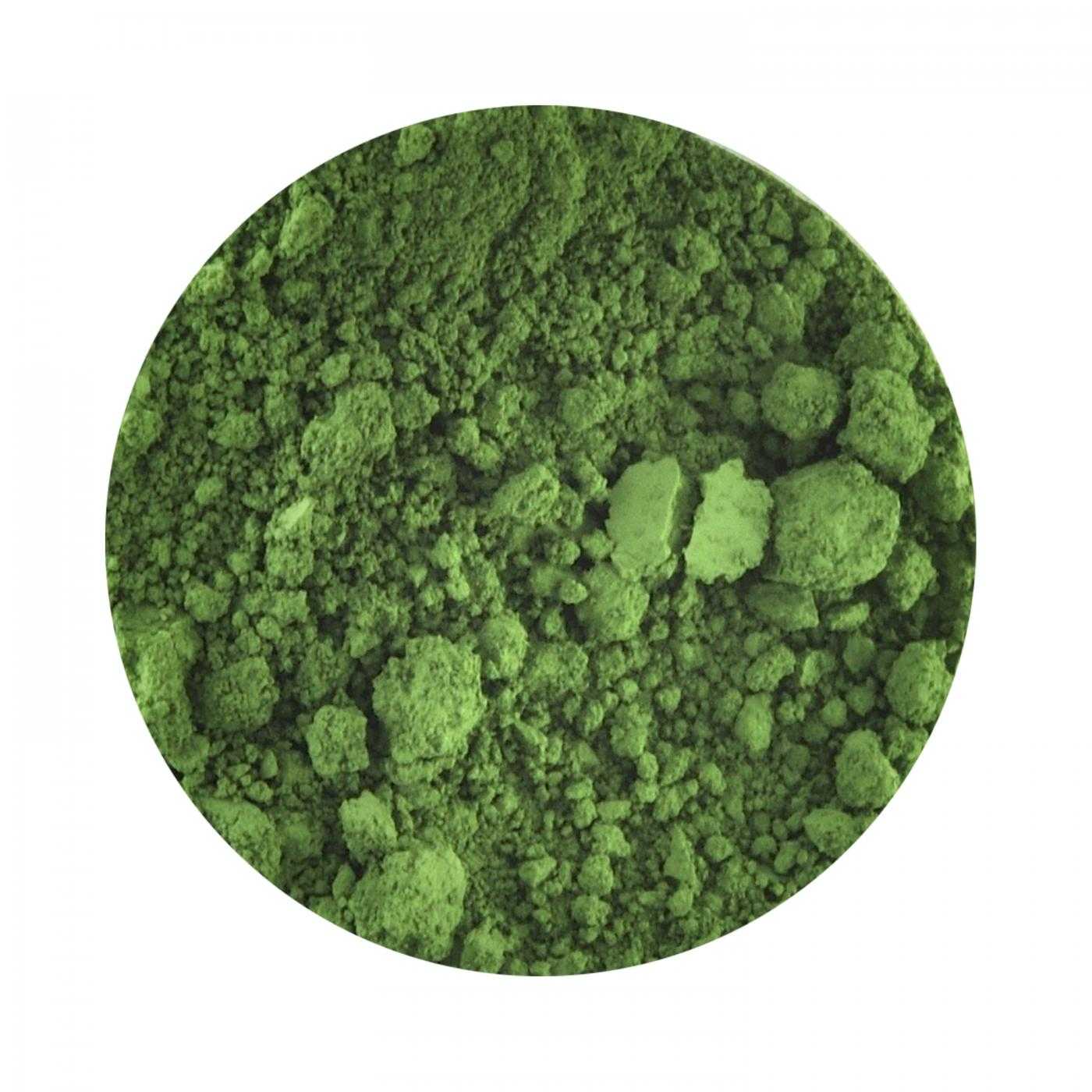
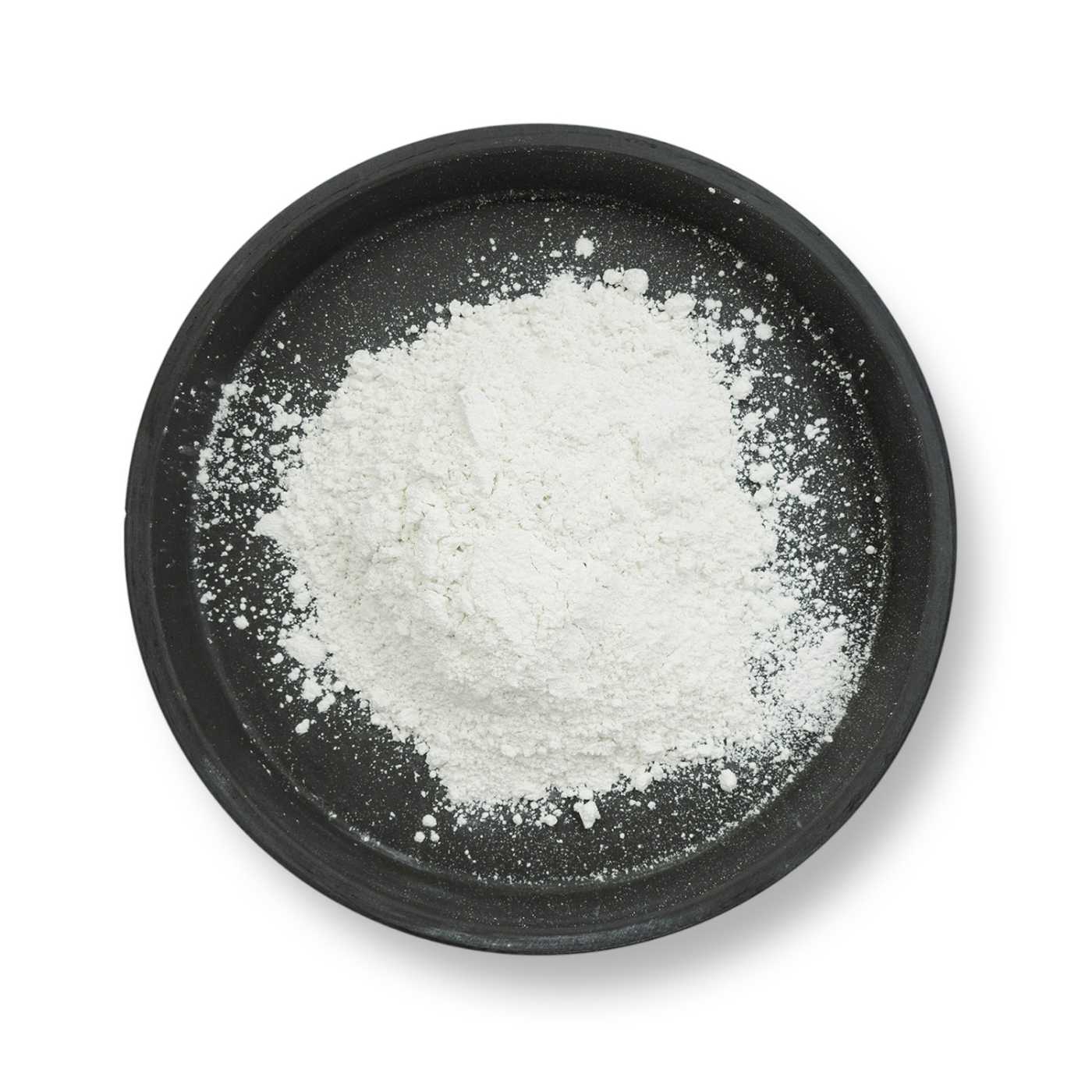
French green clay is a natural mineral clay that binds excess sebum, impurities and odours on the skin and in the hair. It consists mainly of illite, complemented by kaolin and montmorillonite. full description
Lowest price in the last 30 days: €10.38
French green clay is a natural mineral clay that binds excess sebum, impurities and odours on the skin and in the hair. It consists mainly of illite, complemented by kaolin and montmorillonite. It is used mostly in masks, cleansing products and shampoos for oily and problem skin and for hair prone to oiliness.
The ultra ventilated grind grade means a very fine powder that disperses evenly in the product.
Clay works on the surface. Its particles bind both water and oil, so they draw sebum, and with it impurities, from the skin. After the mask is rinsed off, the skin looks more matte and cleaner. It works the same way on the scalp and in hair that gets oily quickly.
Its second property is odour absorption, which is put to use in deodorants.
The designation describes particle size. In this clay, 90% of particles are smaller than 30 µm, which places it among the fine fractions.
The fineness shows in the texture. A mask or cream made with finely ground clay is smooth, free of grains, and spreads evenly. The abrasive effect is mild.
The clay is processed mechanically only, by drying, grinding and classifying, with no chemical treatment. It contains no quartz and holds COSMOS Approved and NATRUE Approved certificates.
Clay does not dissolve in water or in oil. In water and in glycols it disperses, meaning it forms a suspension of fine particles. It is added to the water phase, during the cooling phase, or afterwards to the finished product, at a temperature below 40 °C. The powder is odourless, so it does not change the fragrance of the product.
The usage rate is 1–30%. In formulations where clay only complements the other ingredients, around 1.5% is used and it is added in a later phase. Higher rates belong in masks and pastes, where clay is the main ingredient.
As the rate increases, so does the effect on the product. The clay makes it opaque, colours it beige-green and thickens it. On average it binds about 80% water and 58% oil, with a deviation of ± 10 depending on grain size. In formulations it is often combined with kaolin and bentonite, with xanthan gum and with glycerine.
The clay itself has an alkaline pH of 8–9, and the recommended pH range of the finished product is 7–9. Once incorporated, the pH shifts upwards, so always measure it. Clay is not suitable for acidic products without pH adjustment.
It can be used in both rinse-off and leave-on products.
Every product that contains clay and water must be preserved. Clay has no antibacterial effect of its own, and a water-based clay paste without a preservative spoils microbially within a few days. Formulations with clay use, for example, Phenoxyethanol in combination with Ethylhexylglycerin.
Chemically, the clay is stable and inert. It does not oxidise, does not burn and combines with cosmetic ingredients without restrictions.
The fine powder creates dust during weighing and pouring. Work in a ventilated room, protect your eyes and, if ventilation is insufficient, use an FFP3 respirator. Spilled clay that becomes damp is slippery on the floor.
Only customers with a delivered order can write reviews.