Pre-orderSold out
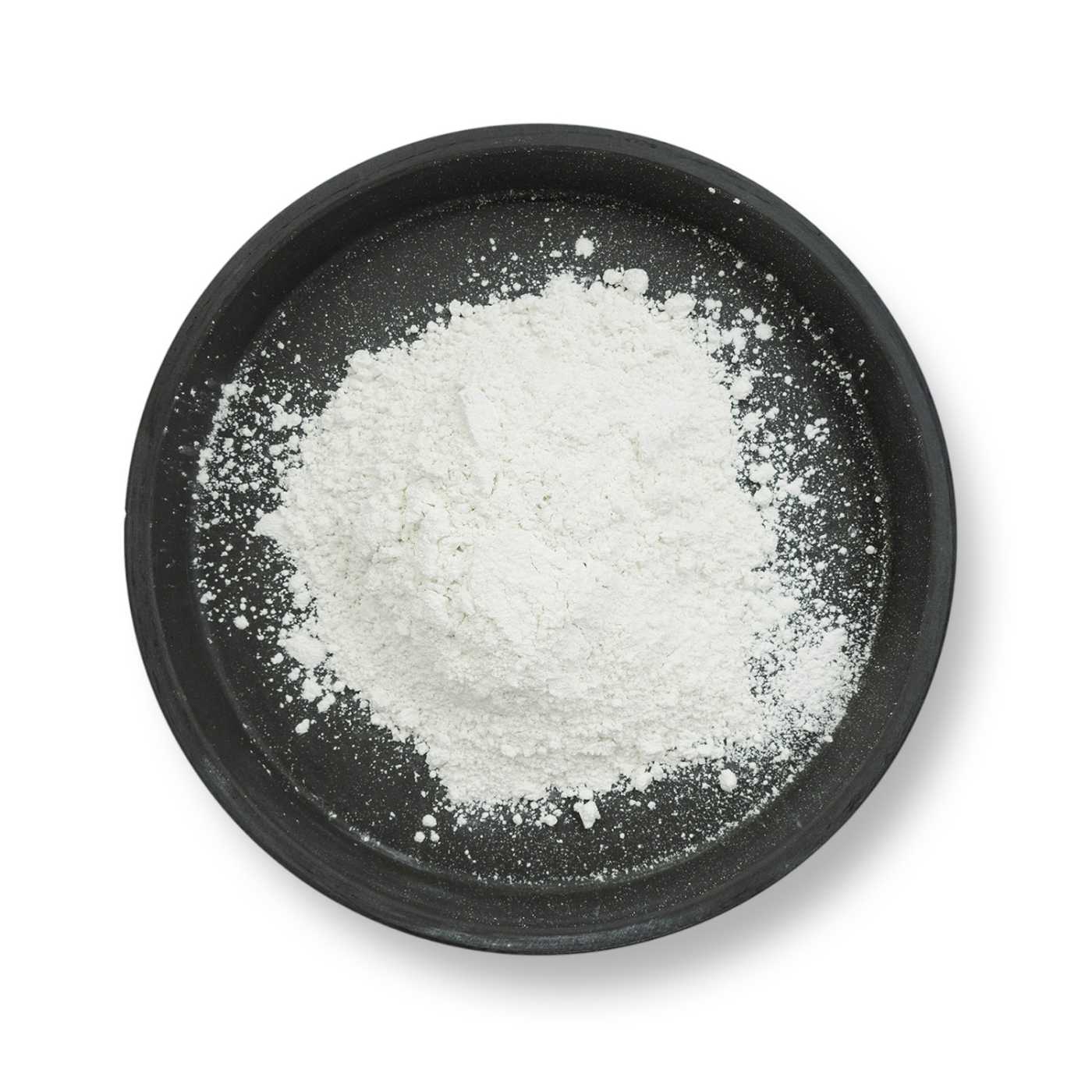
Glyceryl Stearate Citrate, GSC, 100 g
€3.66(€36.60/kg)

ACTIVE INGREDIENTS
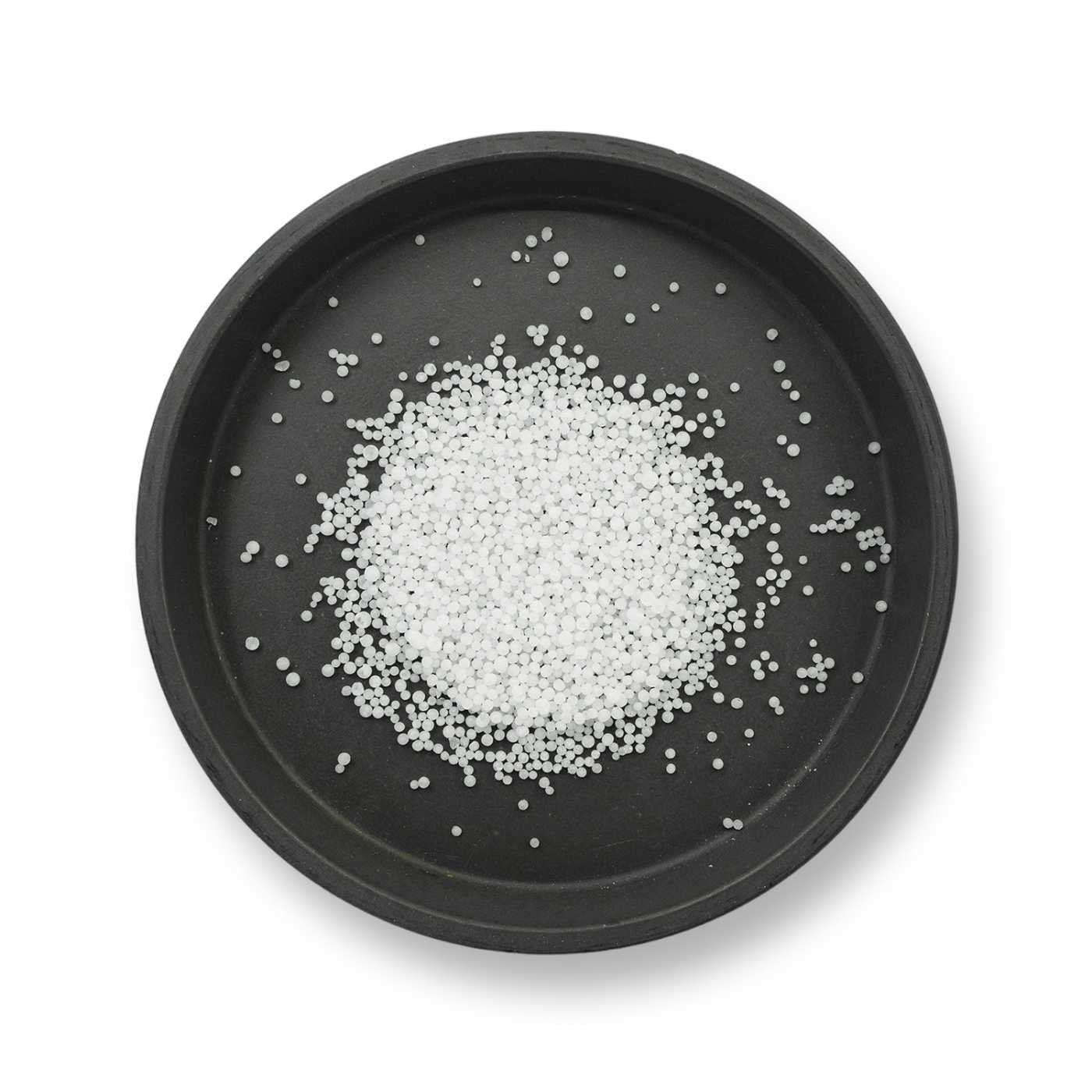
Urea USP (also known as carbamide) is a humectant that binds water in the skin and, at a higher usage rate, softens hardened skin . full description
Lowest price in the last 30 days: €8.39
Urea USP (also known as carbamide) is a humectant that binds water in the skin and, at a higher usage rate, softens hardened skin. It belongs in foot creams, body lotions and creams for dry skin, and it is also used in hair products. It is added to the formulation dissolved in water and without heating.
It is supplied in pharmaceutical grade according to the USP pharmacopoeia. It is of synthetic origin, contains no added preservatives or antioxidants, and is readily biodegradable.
Urea is a component of the skin’s natural moisturising factor. In a cosmetic product it does the same thing as in the skin: it binds water and helps to keep it in the stratum corneum. Dry skin feels more supple after using it.
The second effect is keratolytic. Urea softens hardened, thickened skin. This effect increases with the usage rate, which is why urea is used mainly on heels, elbows and knees.
In hair products it works differently. It makes the hair fibre swell, an effect used in smoothing products.
Urea dissolves in water (approximately 1000 g/l at 20 °C), in glycols and in alcohol. It is added to an emulsion dissolved in water and only after cooling, at a late stage of production. It is not heated with the water phase.
The reason is decomposition. In water, urea slowly decomposes into ammonia and carbon dioxide, and heat speeds this process up sharply: at 40 °C it proceeds about ten times faster and at 60 °C about two hundred times faster than at 25 °C.
Stability is also determined by pH. A 10% solution on its own has a pH of around 9, but the finished product needs a lower one. Urea is most stable at a pH of approximately 6–7.5, it is relatively stable within a pH range of 4–8, and outside this range it decomposes faster.
A buffer set at around pH 6 helps to maintain the pH. In the study, the lactate buffer gave the lowest rate of decomposition, while the citrate and phosphate buffers were comparable.
In anhydrous solvents such as propylene glycol, glycerine, pentylene glycol or ethanol, decomposition is slower than in water. An anhydrous carrier is therefore an option for higher concentrations or when a longer shelf life of the product is required.
The recommended usage rate is 3–10%. Foot creams, protective creams and depilatory creams most often use a rate of around 5%, and smoothing hair products approximately 2%. In formulations, urea also appears in a wider range of 2–40%, with the highest rates used in sun care and after-sun products.
In formulations it is almost always combined with glycerine, and often also with fatty alcohols and xanthan gum.
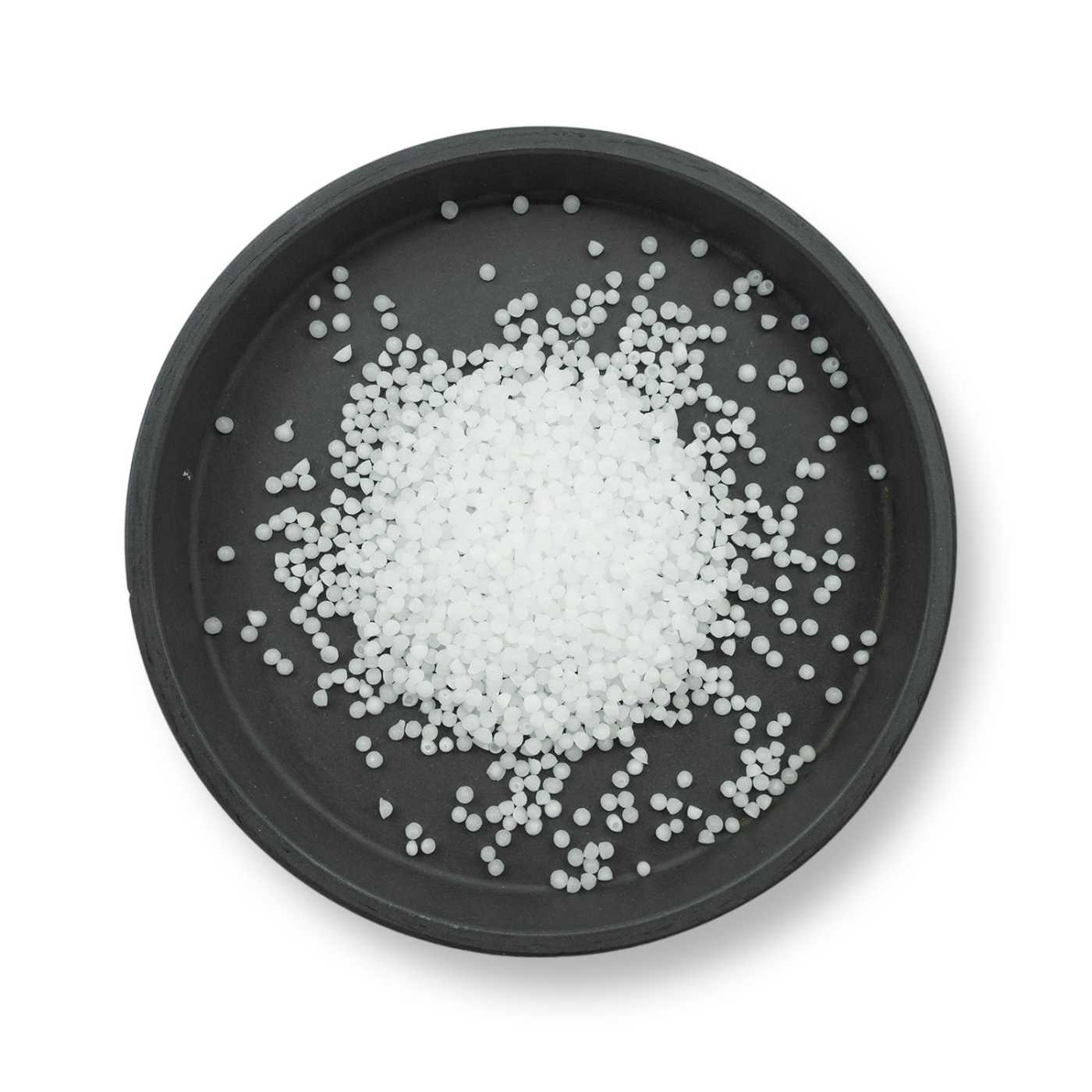
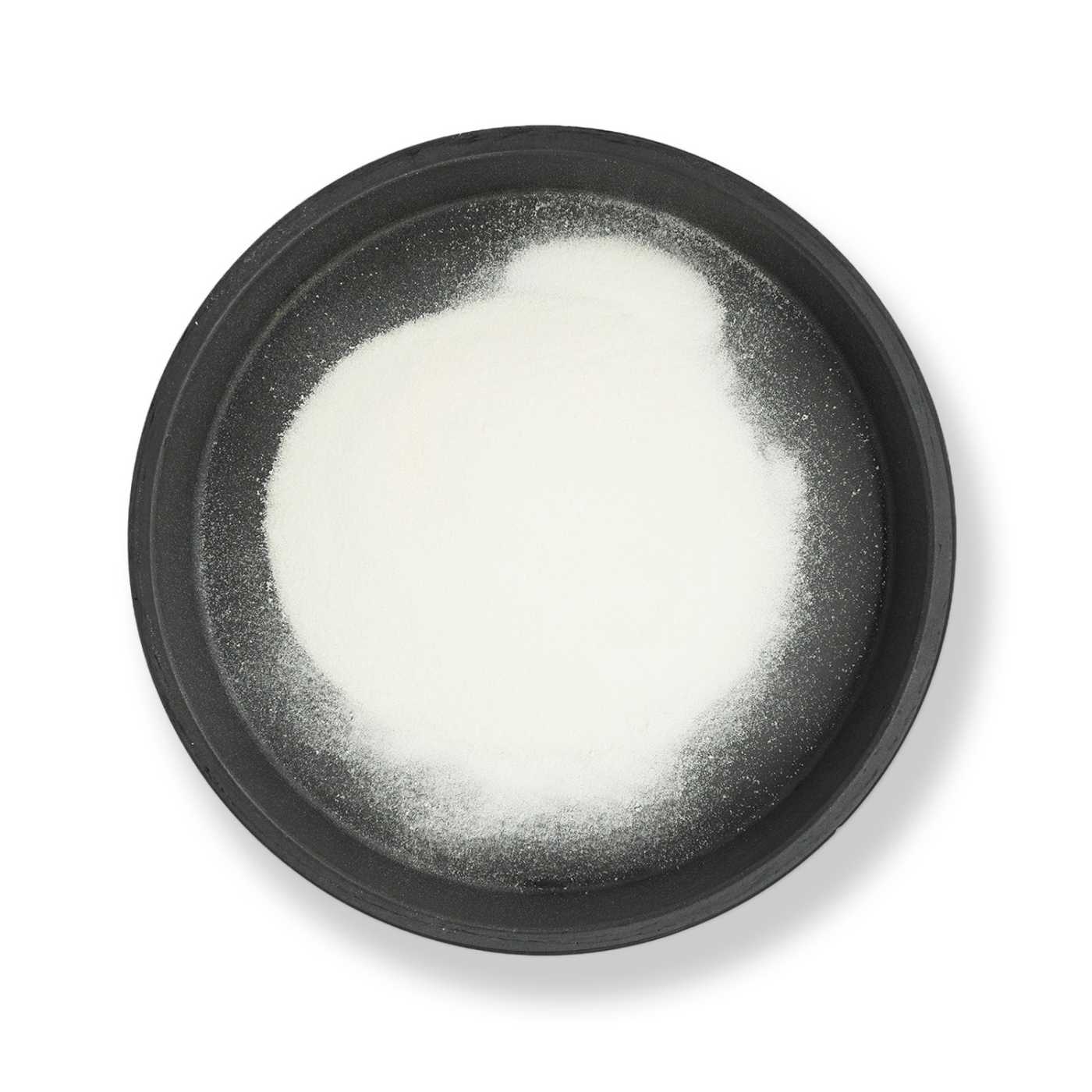
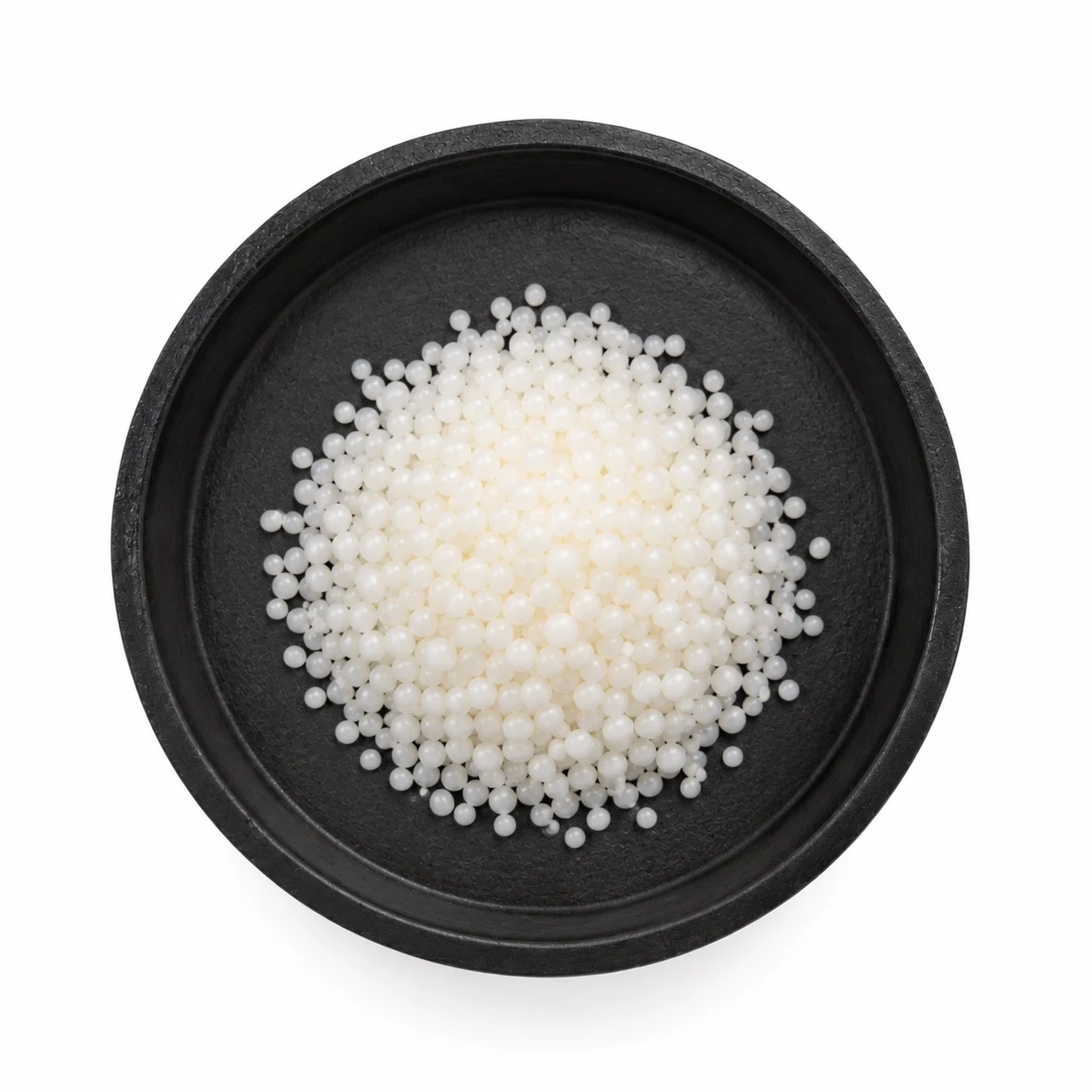
The raw material comes in the form of white granules with a urea content of 99.0–100.5% and may smell slightly of ammonia. A strong, pungent smell in the finished product, however, is a sign of decomposition. The released ammonia also raises the pH. The cause is usually heat during production or a pH outside the stable range.
The surface of the granules is treated with methylene diurea, which improves storability. The raw material therefore contains approximately 100–150 ppm of chemically bound formaldehyde. Free formaldehyde is not detectable in it (detection limit 1 ppm). This figure is important for products that are meant to be declared formaldehyde-free.
The risk of microbial contamination of the raw material itself is very low. A finished product that contains water must be preserved like any other.
Never combine urea with hypochlorites (bleaches, chlorine) or with nitrites, as this risks an explosion or a violent reaction. It is also incompatible with strong oxidising agents and alkalis.