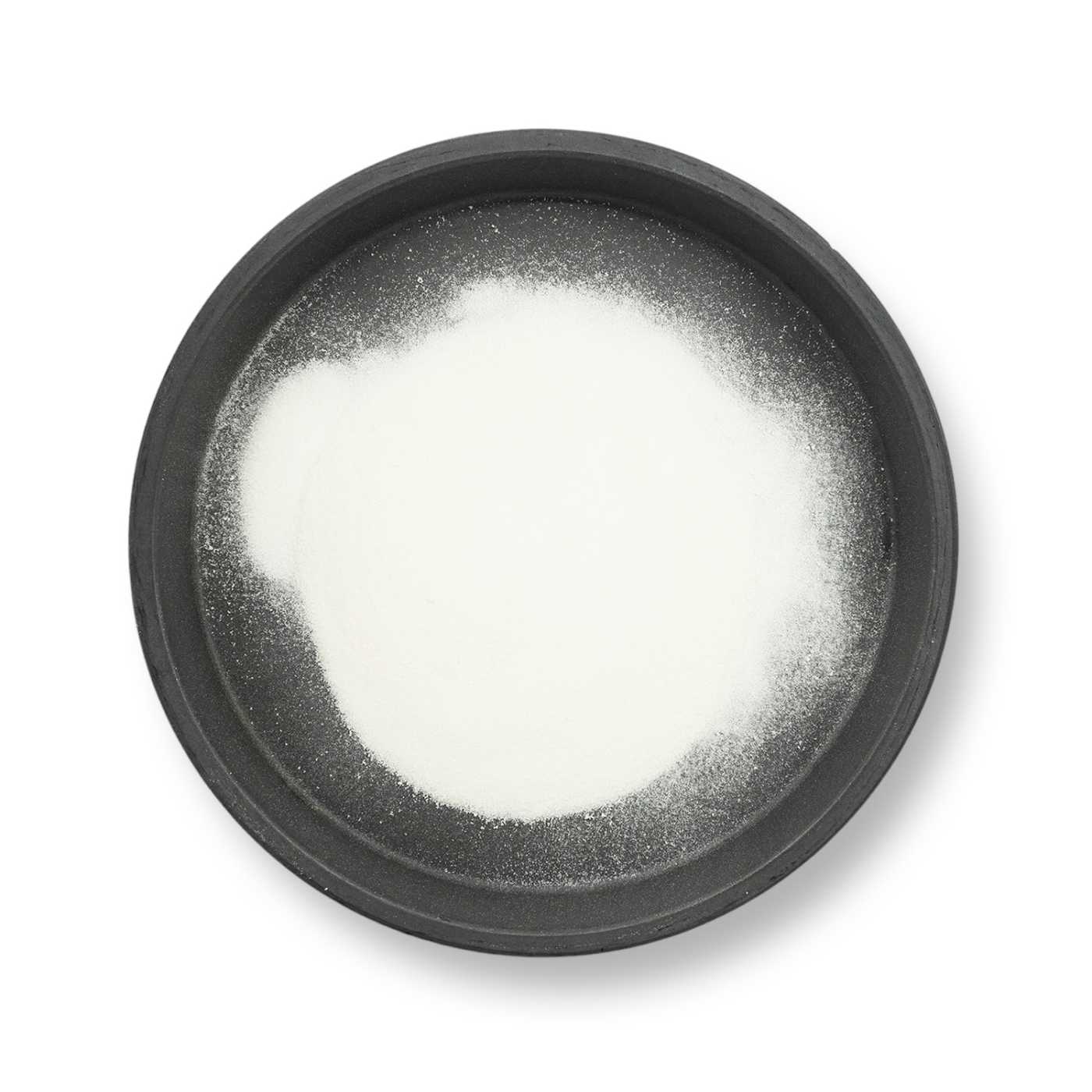
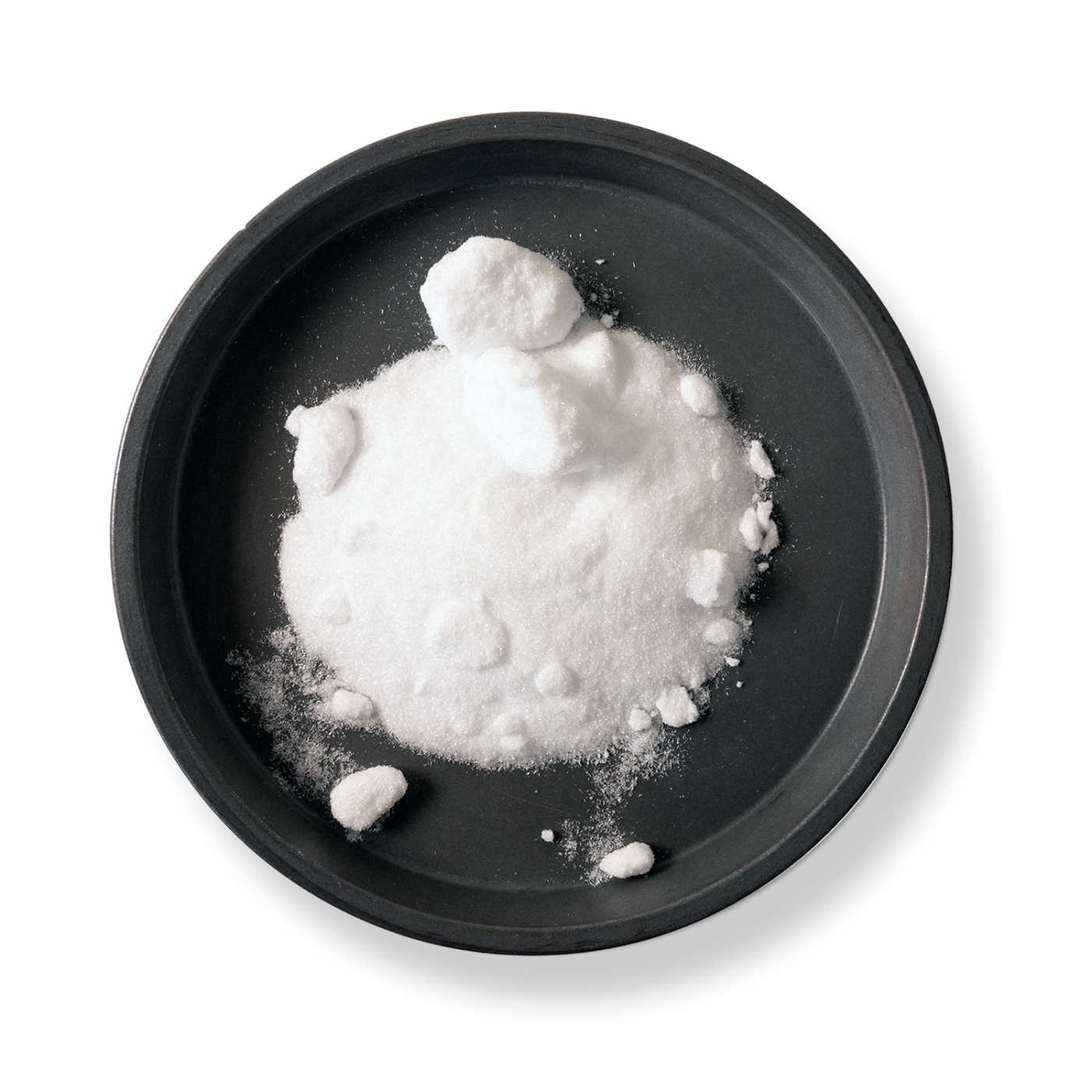
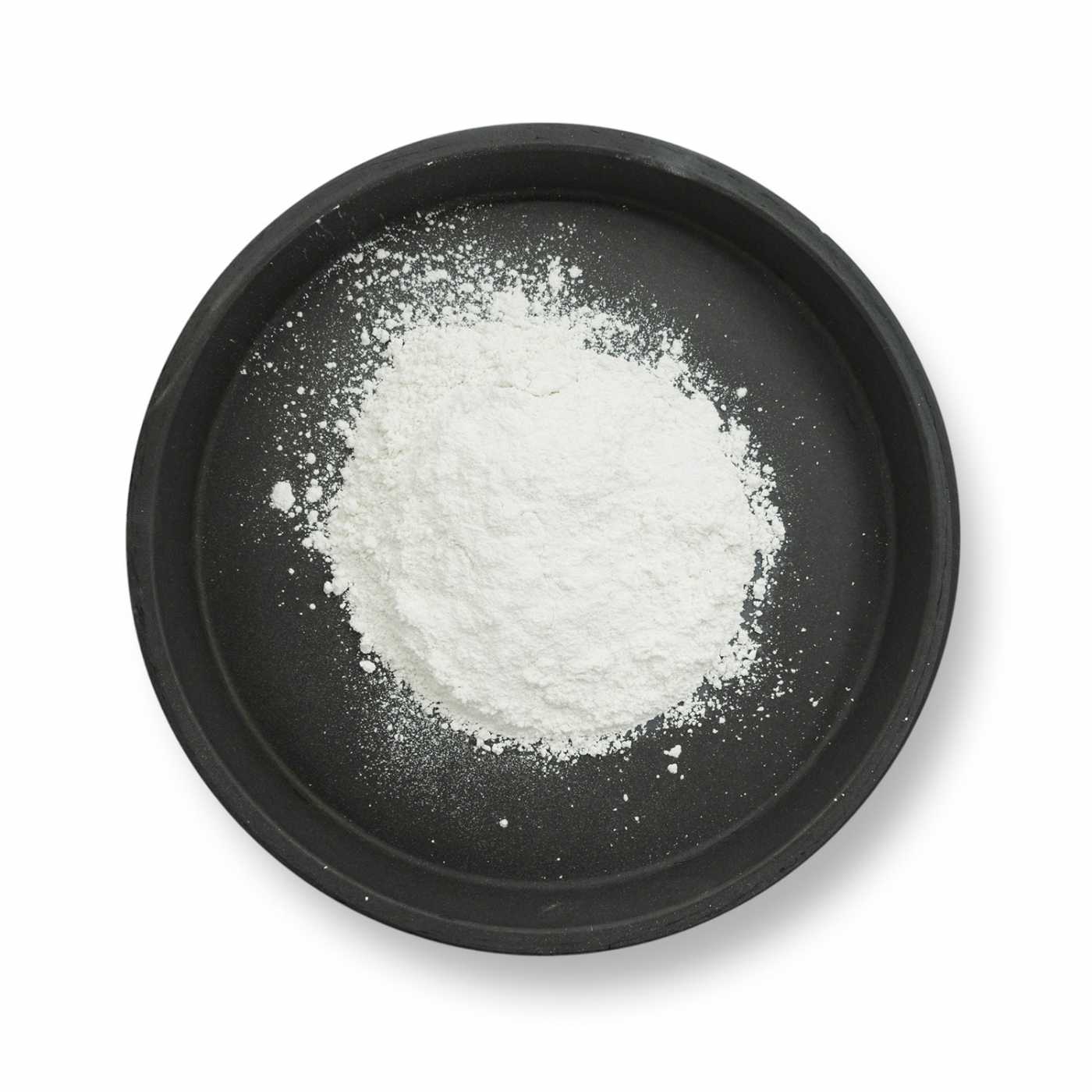
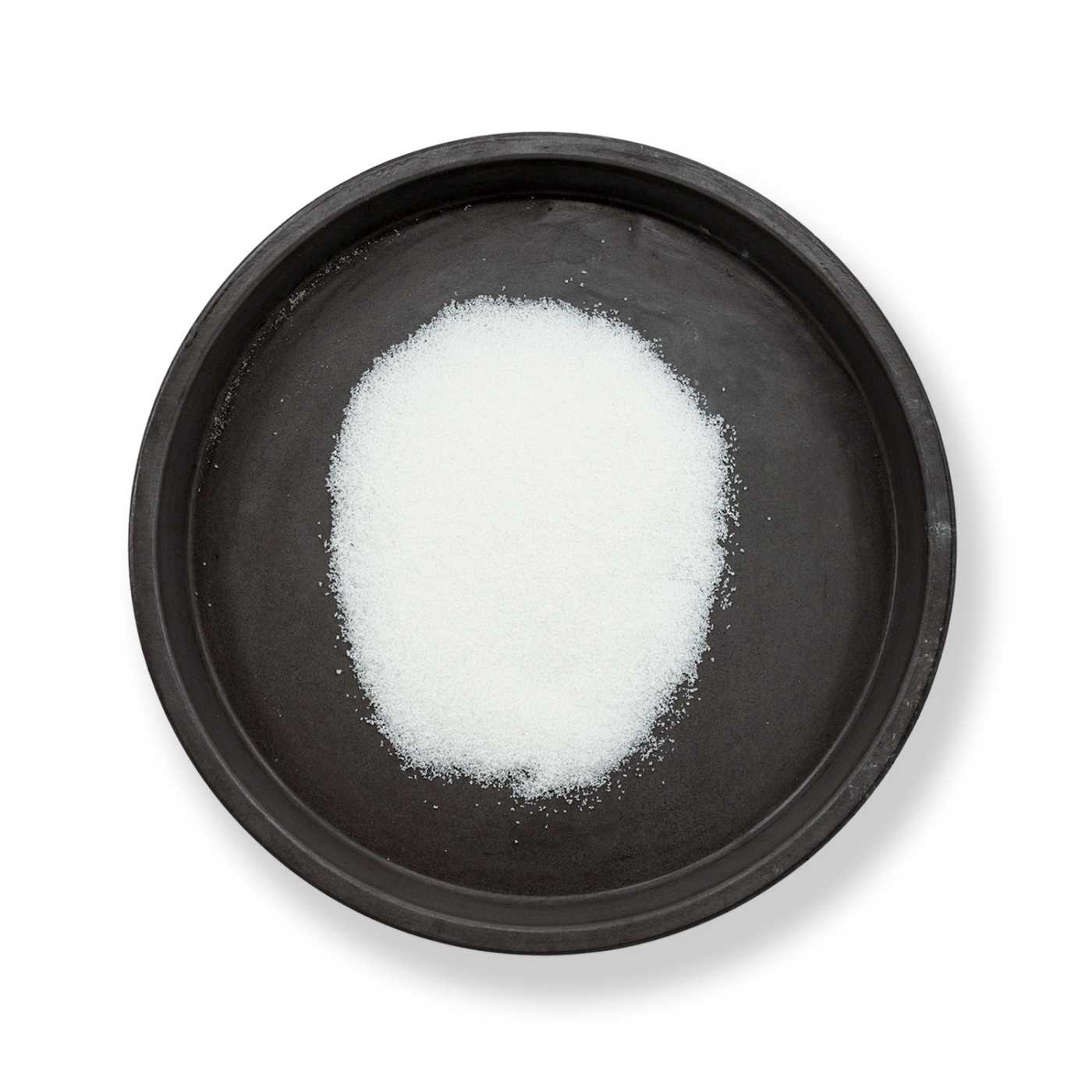
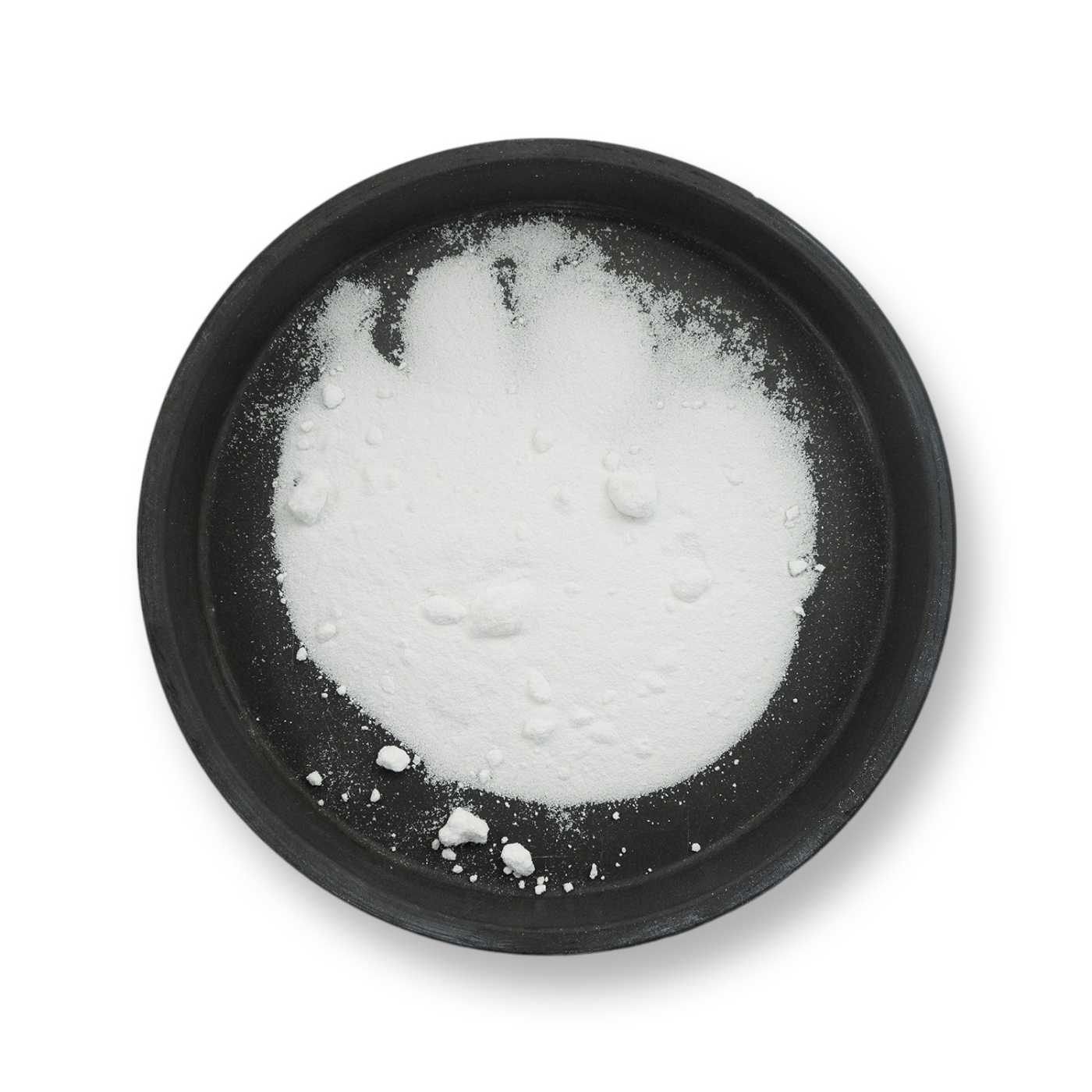
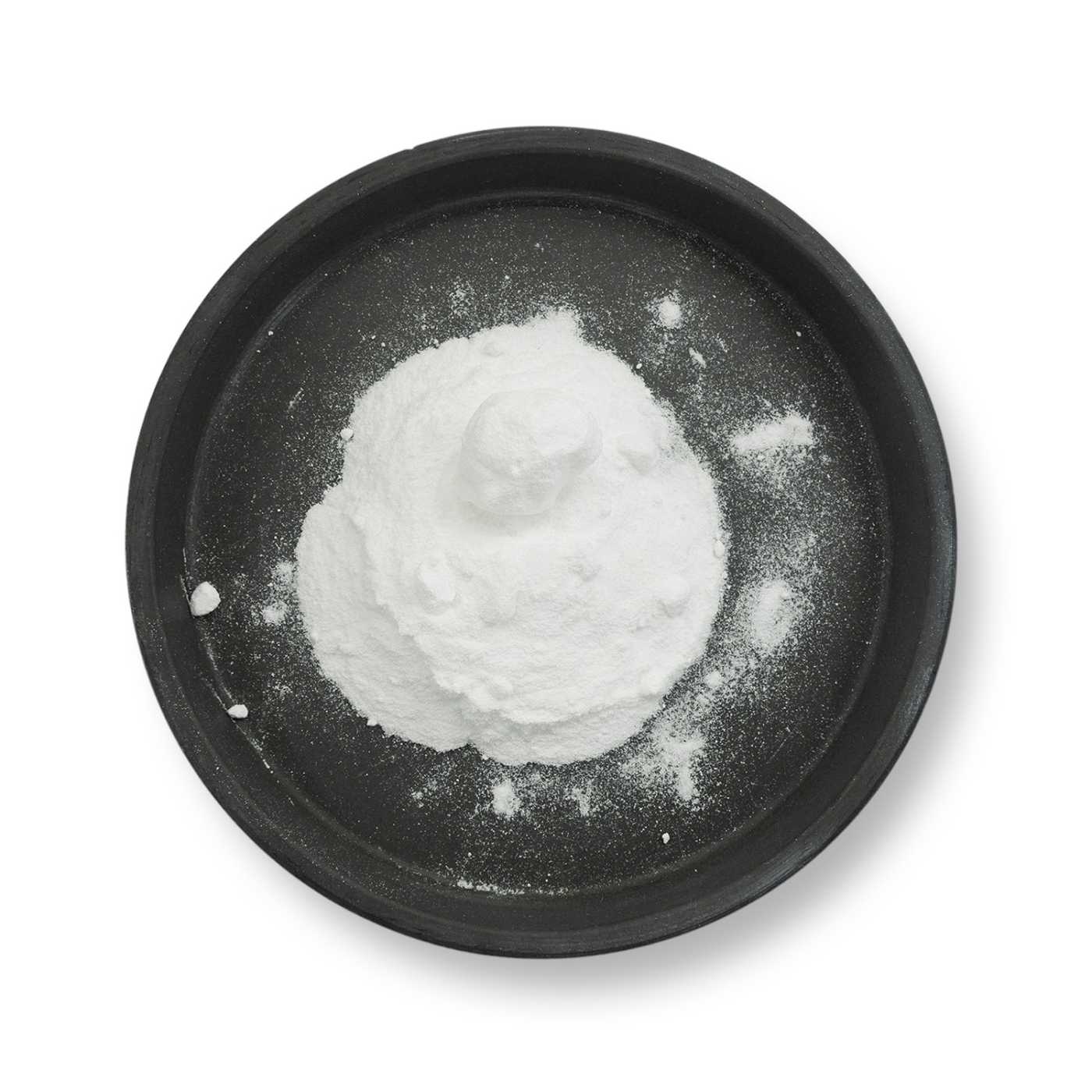
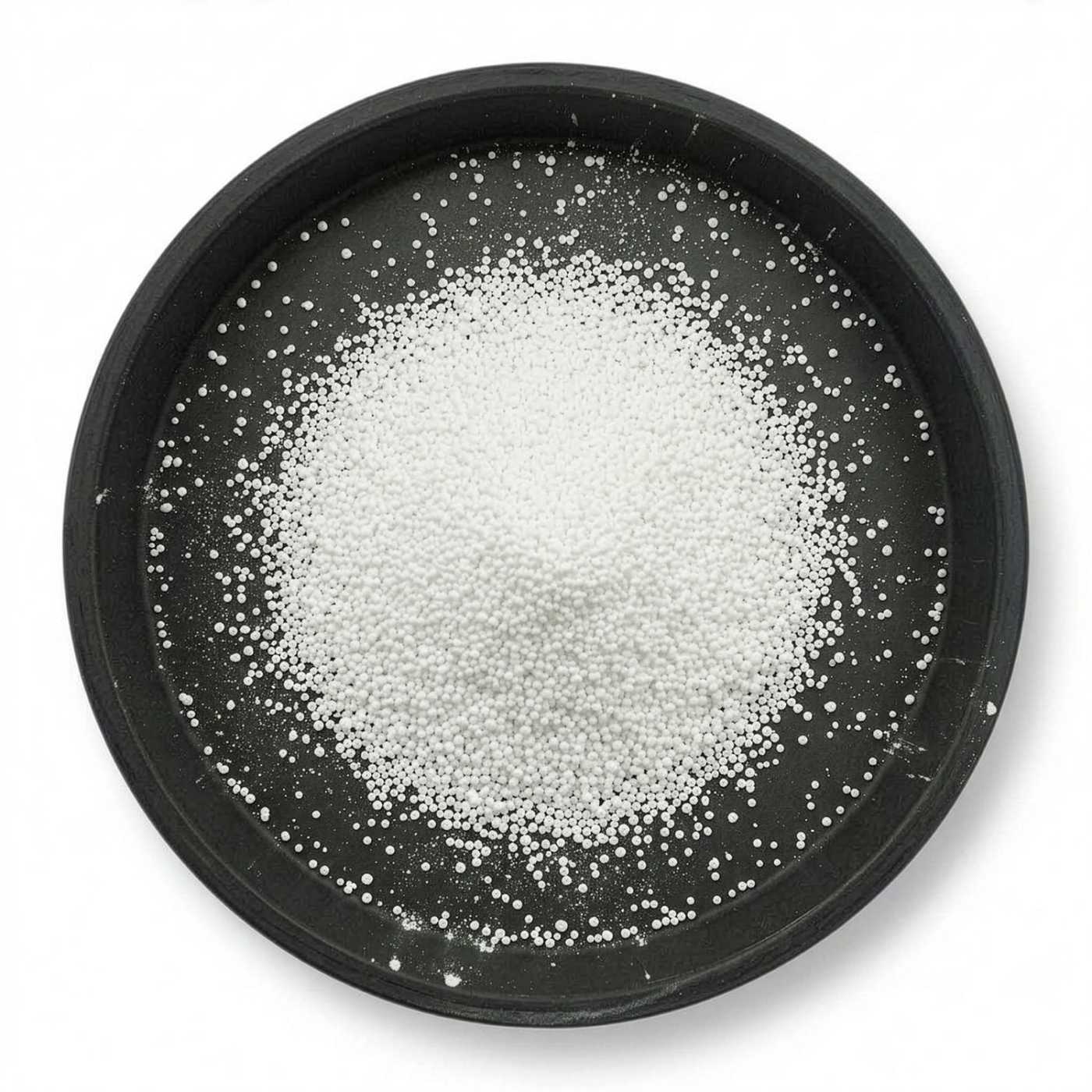
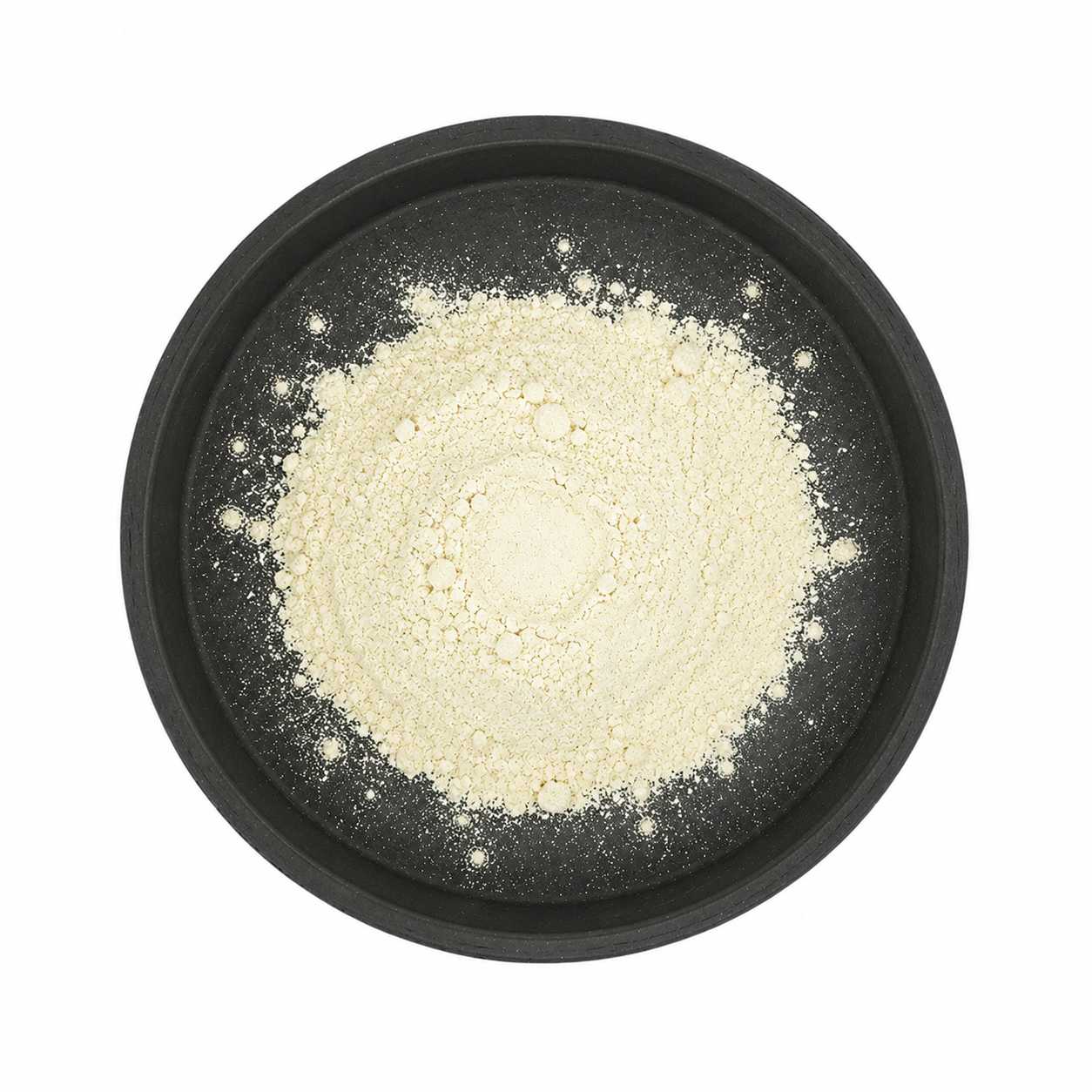
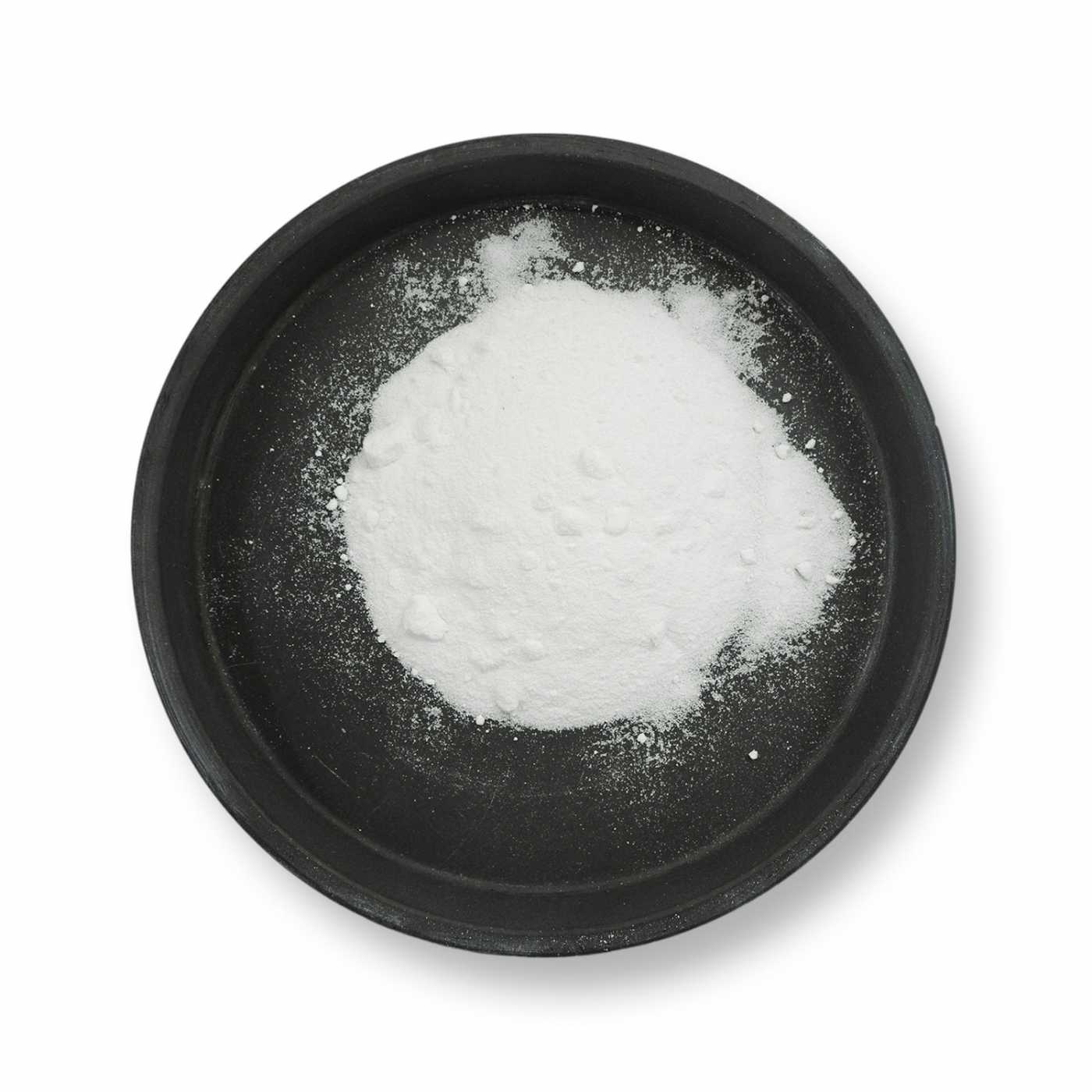
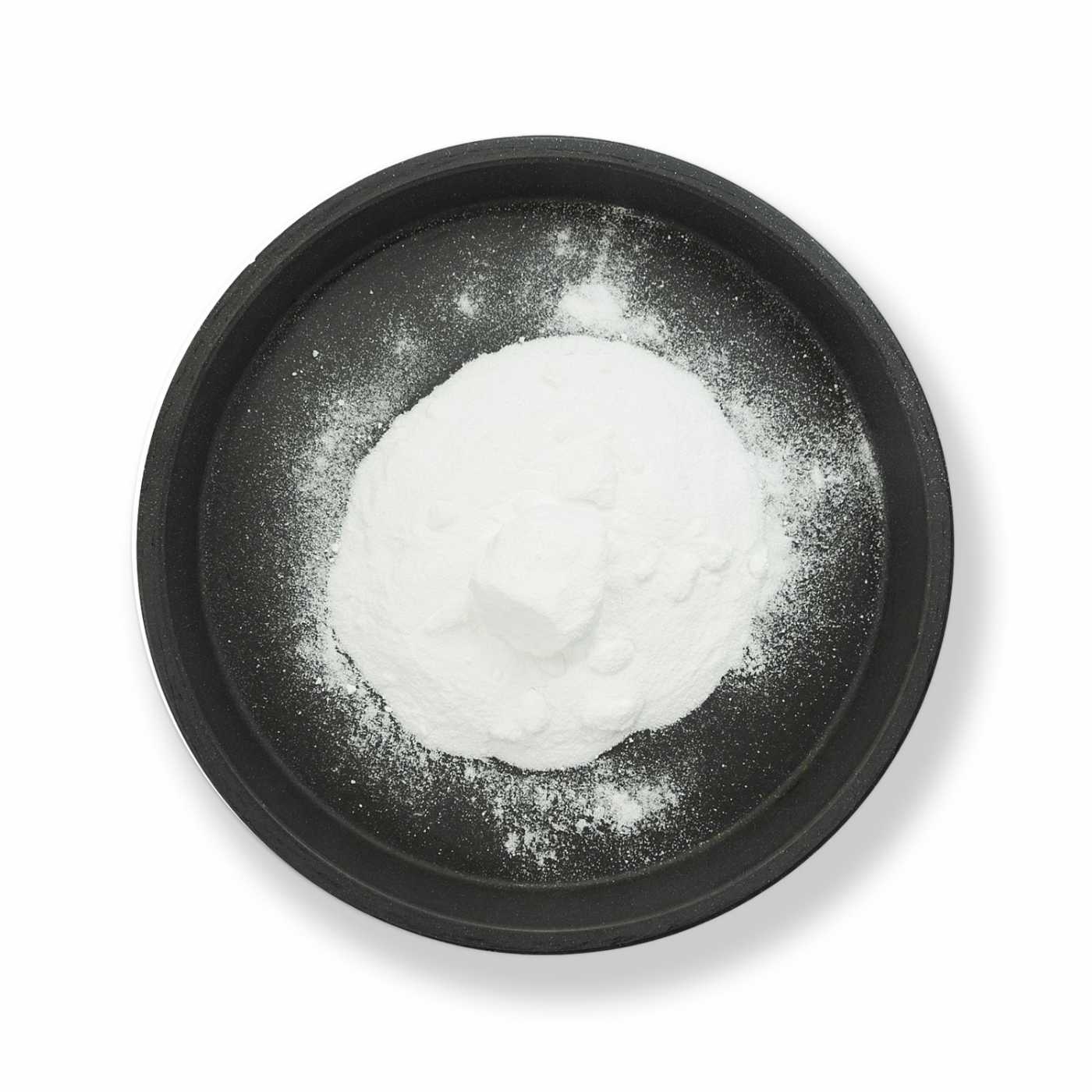
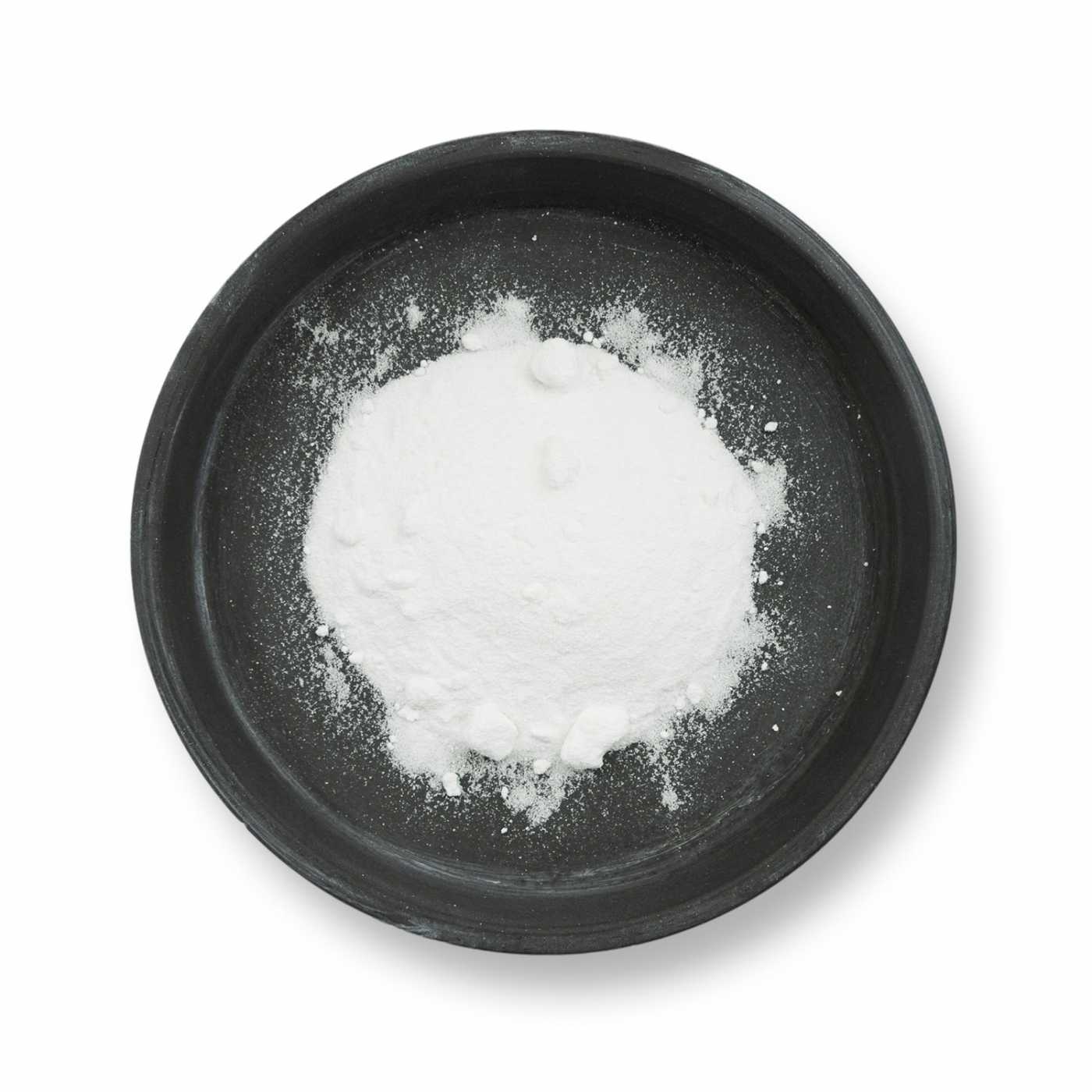
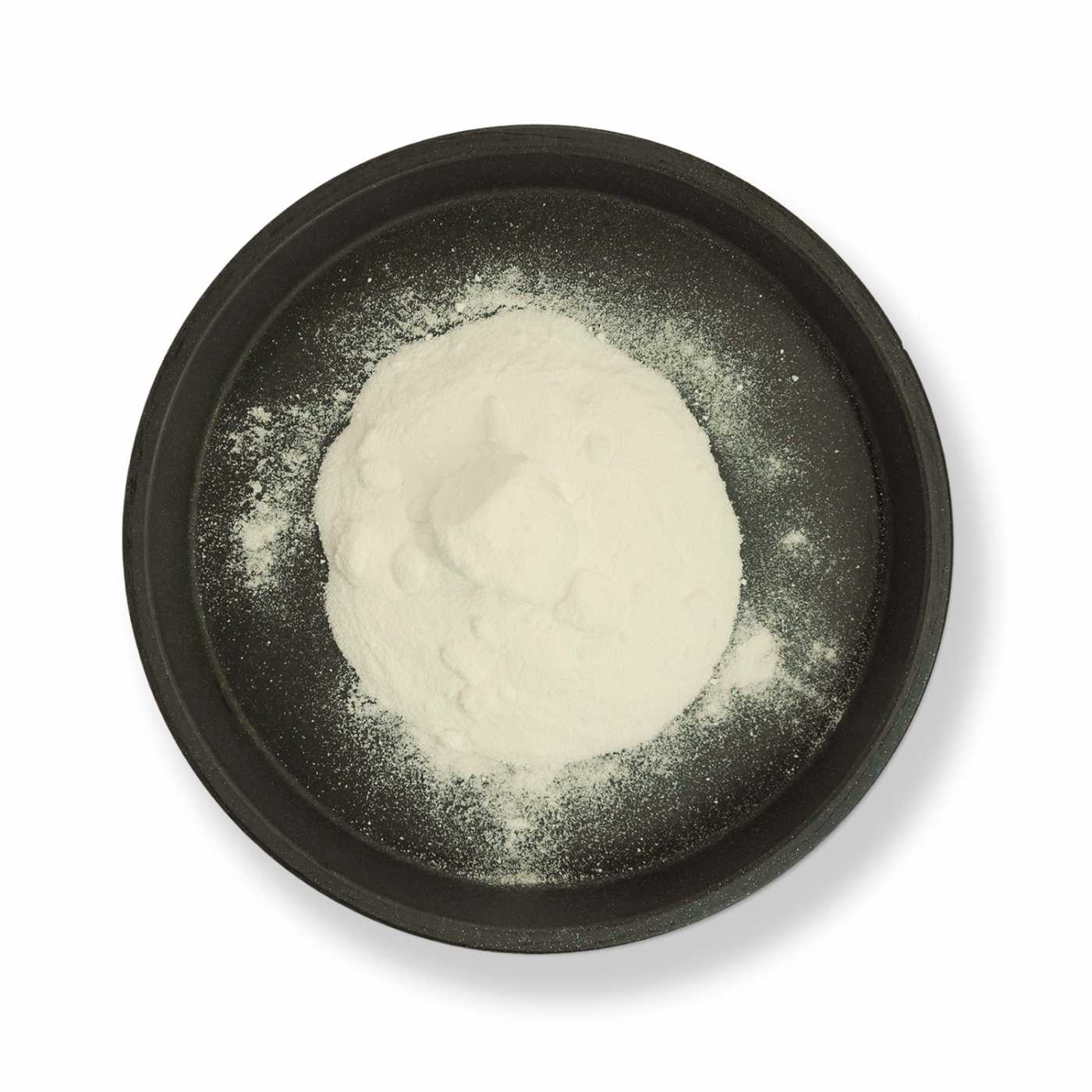
Vitamin B3/PP, known in cosmetics as niacinamide (nicotinamide), is one of the most widely used active ingredients in skincare. It is added to serums, creams and tonics when a formulation is intended to support the skin barrier, even out skin tone and reduce the appearance of enlarged pores. It is equally at home in shampoos and scalp preparations, where it functions as a conditioning ingredient.
It dissolves in water quickly and completely, does not colour the product or alter its scent. It can therefore be incorporated into almost any formulation with a water phase. Typical usage levels range from 2 to 10 % depending on the intended effect.
Effects on the skin
- Skin barrier support – niacinamide promotes the formation of ceramides and other lipids in the skin. The result is reduced water loss and a more resilient complexion that reacts less to external stimuli. The effect builds gradually with regular use.
- Evening out skin tone – it limits the transfer of pigment to the upper layers of the skin, which is why it is used in formulations targeting uneven tone and pigmentation spots. Results are typically visible after several weeks.
- Oily and acne-prone skin – it helps regulate sebum production and visually reduces enlarged pores. It suits lightweight fluids and gel creams.
- Soothing – it reduces redness and irritation, which is why it also appears in products for sensitive skin and in baby cosmetics.
- Hair and scalp – in shampoos and hair tonics it acts as a conditioning ingredient and helps calm the scalp.
Use in formulation
The powder dissolves directly in the water phase: in water, a hydrolat or in a portion of the water phase set aside separately. It dissolves at room temperature; heating is not required. If you heat the formulation, add the solution only during the cooling phase, at a temperature below 40 °C. For emulsions, it is good practice to dissolve the niacinamide in a small amount of water and stir it into the finished, cooled emulsion.
For daily care 2 – 5 % is sufficient; targeted serums work with concentrations of 5 – 10 %. Higher dosages do not yield proportionally better results and may cause transient flushing in some users, so we recommend starting at the lower end of the range.
At dosages above 5 %, dissolve the powder in a sufficient amount of water to obtain a clear, lump-free solution. This can then be conveniently mixed into the rest of the formulation.
The recommended pH range of the finished product is 5 – 7. At strongly acidic or alkaline pH and at elevated temperature, part of the niacinamide may gradually convert to nicotinic acid, which causes flushing and a sensation of warmth on the skin. It therefore makes sense to verify the pH value again a few weeks after production.
Niacinamide is compatible with AHA and BHA acids, but a product containing them typically has a pH below the range suitable for niacinamide. In such a formulation, expect gradual conversion to nicotinic acid and verify stability. The safer approach is to keep the acids and niacinamide in separate products.
It is compatible with all surfactant types – anionic, cationic, non-ionic and amphoteric – as well as with alcohol and common preservatives. It can therefore be used in shampoos, shower gels and intimate hygiene products. It is only partially soluble in alcohol. For alcoholic tonics, dissolve it in the water portion first and add the alcohol afterwards.
Suitable for products such as
- Serums and essences at targeted concentrations of 5 – 10 %
- Day and night creams, fluids and gel creams for all skin types
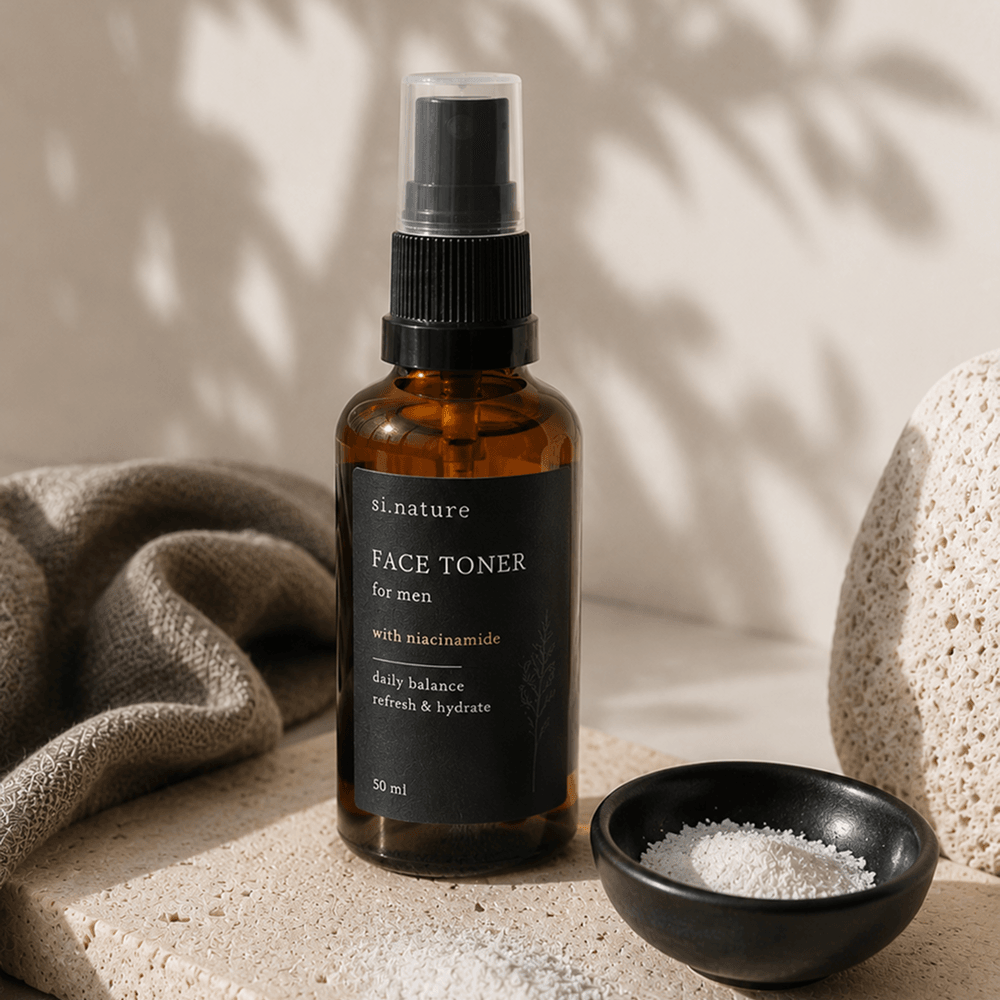
- Tonics and facial mists on a water base
- Eye creams and serums at lower dosages
- Shampoos, hair tonics and scalp preparations
- Shower gels, intimate hygiene products and baby cosmetics
- Water-based colour cosmetics, for example tinted and BB creams
Useful to know
- It does not dissolve in oil. It therefore does not belong in anhydrous products such as oil serums, balms or facial butters.
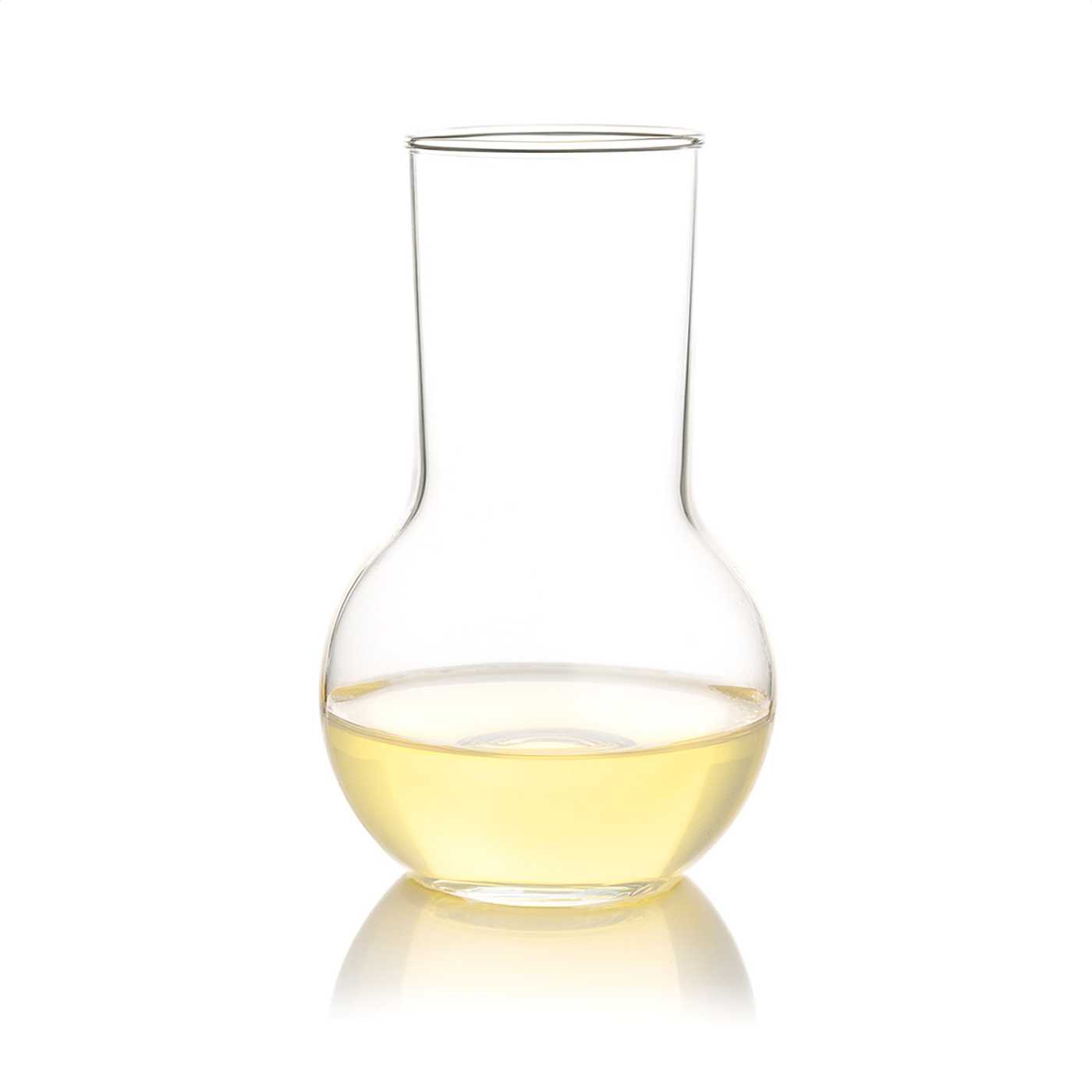
- The solution is colourless and odourless, so it does not affect the colour or fragrance of the product.
- It works in both rinse-off and leave-on formulations. In rinse-off products the skin contact is brief, so the conditioning effect is more relevant than the tone-evening effect.
- When handling the powder, wear gloves and protect your eyes and respiratory tract; the raw material is classified as irritant. The classification applies to the pure raw material in powder form.
- At high dosages, we recommend a patch test on a smaller group of users before launching the formulation.
Niacinamide and nicotinic acid
Both substances belong to vitamin B3, but they behave differently on the skin. Nicotinic acid (niacin) dilates blood vessels and causes flushing with a sensation of warmth, making it undesirable in cosmetics. Niacinamide does not produce this effect, provided it does not break down in the formulation. It is enough to maintain a pH in the range of 5 – 7 and to process it without unnecessary heating.
Frequently asked questions
Is niacinamide water-soluble?
Yes, niacinamide dissolves in water quickly and completely at room temperature. It also dissolves in hydrolats and in the water phase of emulsions. It is only partially soluble in alcohol, so in alcoholic tonics it is first dissolved in water. It does not dissolve in oils or butters at all.
At what temperature is niacinamide added to a cream?
Niacinamide is added at a temperature below 40 °C, preferably during the cooling phase or into the finished, cooled emulsion. It is dissolved in a small amount of water and stirred into the cream; viscosity is practically unaffected. Heating is not required for dissolution, and unnecessary heating increases the risk of conversion to nicotinic acid.
Can niacinamide be combined with vitamin C?
Yes, at room temperature and a pH of around 5 – 6, niacinamide and vitamin C are compatible in a single product. Earlier warnings were based on experiments conducted at high temperatures and low pH. Problems may arise with pure ascorbic acid, which requires a strongly acidic pH lower than what is suitable for niacinamide. Stable vitamin C derivatives, such as Sodium Ascorbyl Phosphate, are a more suitable partner for a combined formulation.
What niacinamide dosage is suitable for sensitive skin?
For sensitive skin, it is recommended to start at the lower end of the range, around 2 % niacinamide in the finished product. Higher concentrations above 5 % may cause transient flushing or a burning sensation in more sensitive users. The barrier and soothing effects are present at lower dosages too; they simply build more slowly.
Is niacinamide suitable for an oil serum or anhydrous balm?
No, niacinamide does not dissolve in oil and does not function as intended in an anhydrous product. It works only in dissolved form, so it belongs in formulations with a water phase: serums, creams, tonics or gels. Oil-soluble actives are better suited to an oil serum.
What pH should a product with niacinamide have?
A product containing niacinamide should have a pH in the range of 5 – 7. Within this range the ingredient remains stable and does not convert to nicotinic acid, which causes skin flushing. Outside this range, at strongly acidic or alkaline pH, conversion accelerates, especially in combination with elevated temperatures during manufacturing or storage.