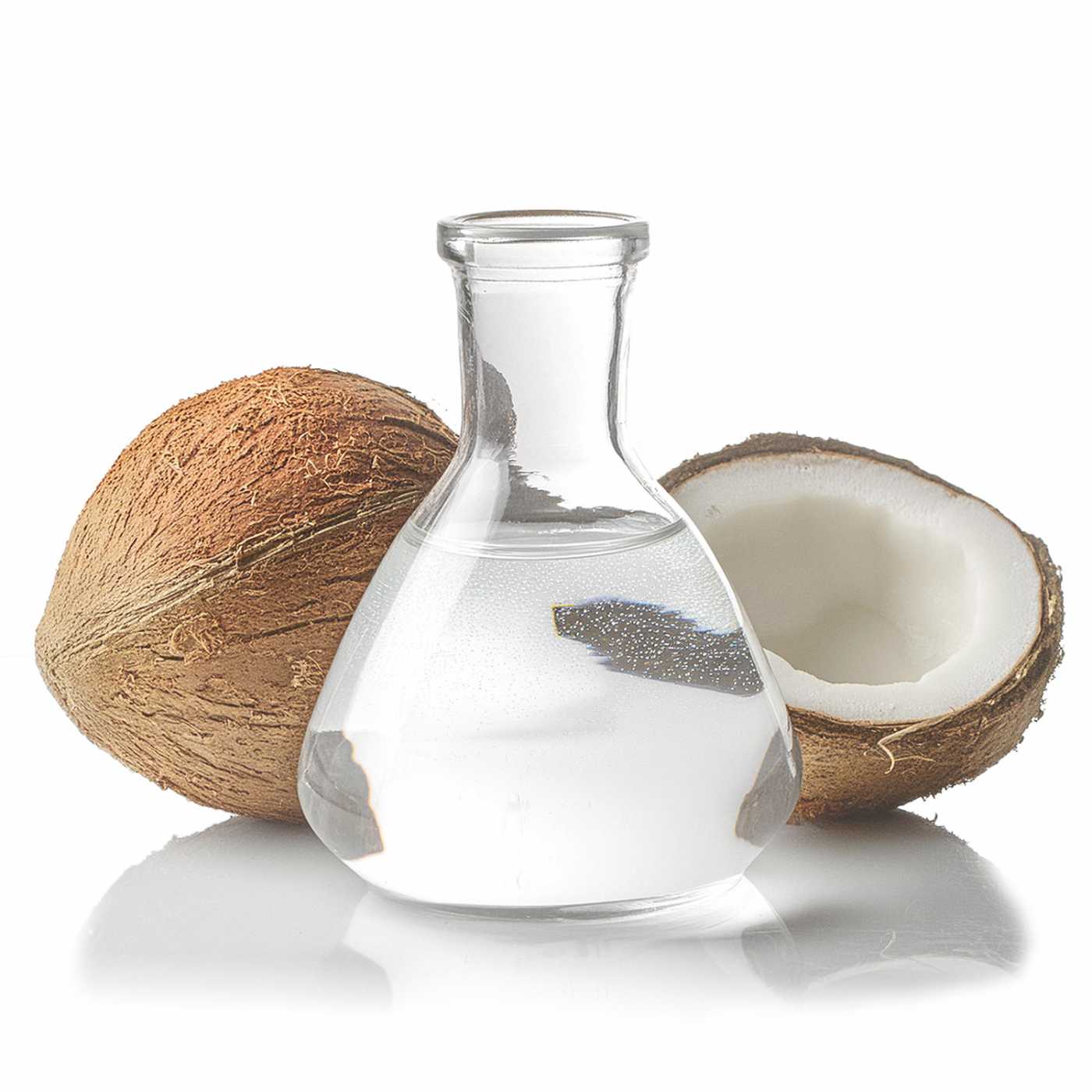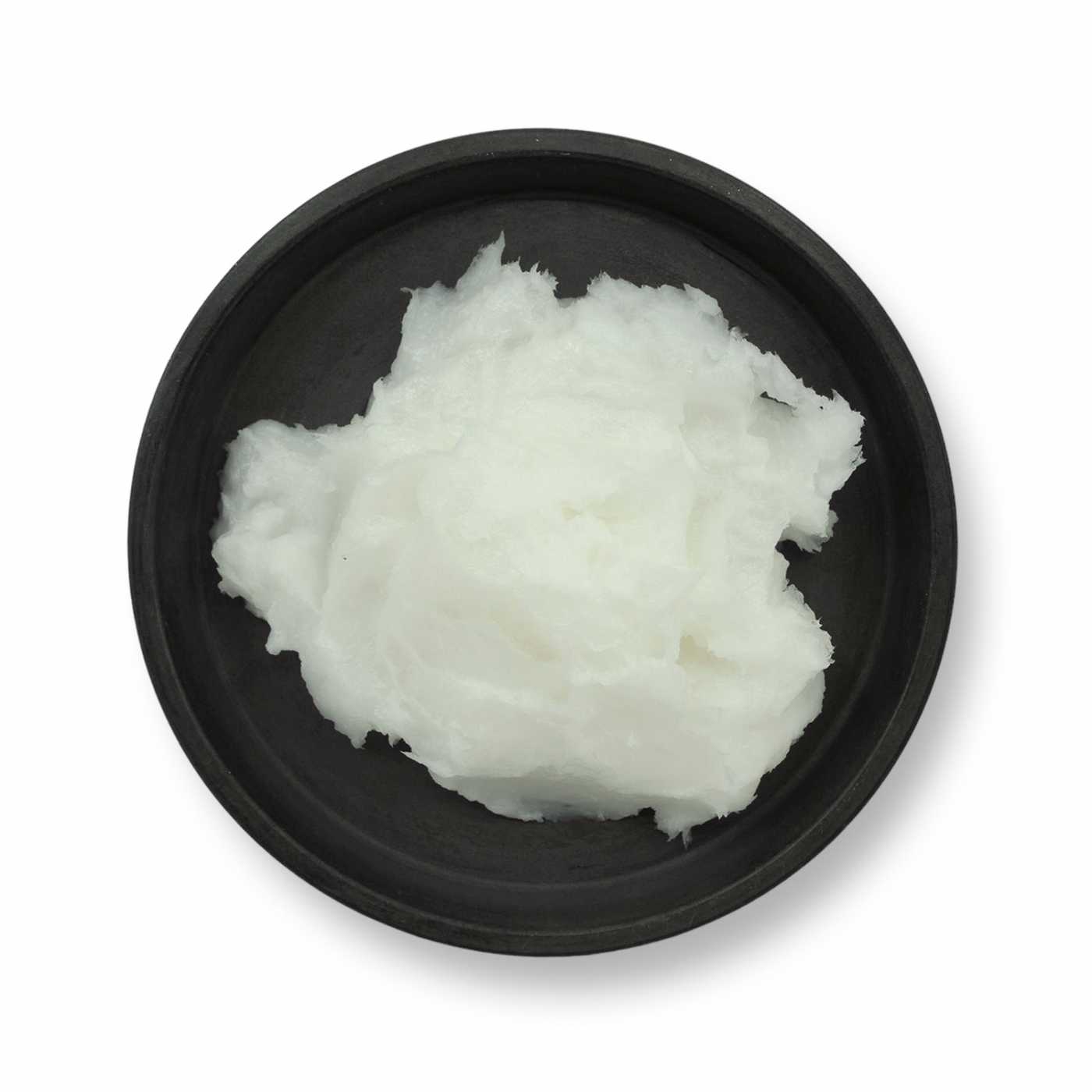
Coconut Oil, Refined, 5 l
Pre-order€37.41Original price €41.57(€7.48/l)

Candle fragrance oils

Warm evening fragrance oil adds fragrance to cosmetics, soaps, candles and household products. full description
Lowest price in the last 30 days: €62.99
Warm evening fragrance oil adds fragrance to cosmetics, soaps, candles and household products. It is a synthetic fragrance composition of cosmetic grade and European origin, and in a formulation it has a single role: to scent the product. It is mixed into the finished base at the end of production at a temperature below 40 °C, with no further preparation.
The composition withstands acidic, neutral and alkaline environments, all common types of surfactants, and alcohol. You can therefore carry the same fragrance into a shampoo, a soap bar, a bath bomb, a deodorant or a hydroalcoholic perfume. It is suitable for rinse-off and leave-on products, including facial and children’s cosmetics, always within the IFRA limit for the given category.
In emulsions, the fragrance oil is added only after the finished cream or milk has cooled below 40 °C, while stirring constantly. It does not belong in the oil phase before heating. For body butters, balms and massage oils, it is enough to mix it into the oil or into a mixture that is beginning to set. In shampoos, shower gels and liquid soaps, it is mixed directly into the finished surfactant blend. For clear products, check that the base stays clear.
Toners, air fresheners and other products without an oil phase need a solubiliser, for example Polysorbate 20. The fragrance oil is first mixed with the solubiliser and only then added to the water phase. The ratio is adjusted on a trial sample and depends on both the fragrance usage rate and the chosen solubiliser.
Soap bars, liquid soaps, bath bombs and bath salts are among the listed uses. Its behaviour in cold process soap (faster trace, colour change of the mass) has not yet been verified by a practical test, so we recommend a small trial batch first. For bath salts and bath bombs, the oil is mixed with the oil component before it is combined with the dry mixture.
Candles are a separate category, IFRA 12. The fragrance oil is added to the melted wax before pouring, and the usage rate is kept within the limit for this category. A trial candle shows how well the wax holds the fragrance and how the wick burns. The same composition can also be used in diffusers, household cleaning products and dishwashing products.
The maximum usage rate differs by product type. A different limit applies to a soap bar, to a facial cream and to a candle. The limits for the individual IFRA categories are given in the product parameters.
The fragrance in the bottle and the fragrance in the finished product differ. Surfactants, soap base and wax all shift it, so its character is judged only on the finished product: for soap after curing, for a candle after a trial burn.
Fragrance oil is a synthetic composition and differs from an essential oil. It adds fragrance and no aromatherapeutic or skin-care effects are attributed to it. In diffusers and aroma lamps, it is used purely to scent a room.
The composition contains fragrance allergens listed in Annex III of Regulation (EC) No 1223/2009, as amended by Regulation (EU) 2023/1545. For a cosmetic product, they are therefore taken into account in the ingredient list. The product as a whole is not classified as CMR, but it contains one or more components with such a classification. Their list is in the parameters and in the safety data sheet.
The fragrance oil is subject to CLP classification and carries the GHS07 (irritant, sensitisation) and GHS09 (hazardous to the environment) pictograms. Handle the concentrate with gloves and in a ventilated room, and do not pour it down the drain. For your own products outside cosmetics (candles, air fresheners, cleaning products), follow the labelling rules under CLP. The UFI number of the composition is in the parameters.
Only customers with a delivered order can write reviews.