+421 950 333 113info@handymade.store−10 %Shop now

Candle fragrance oils

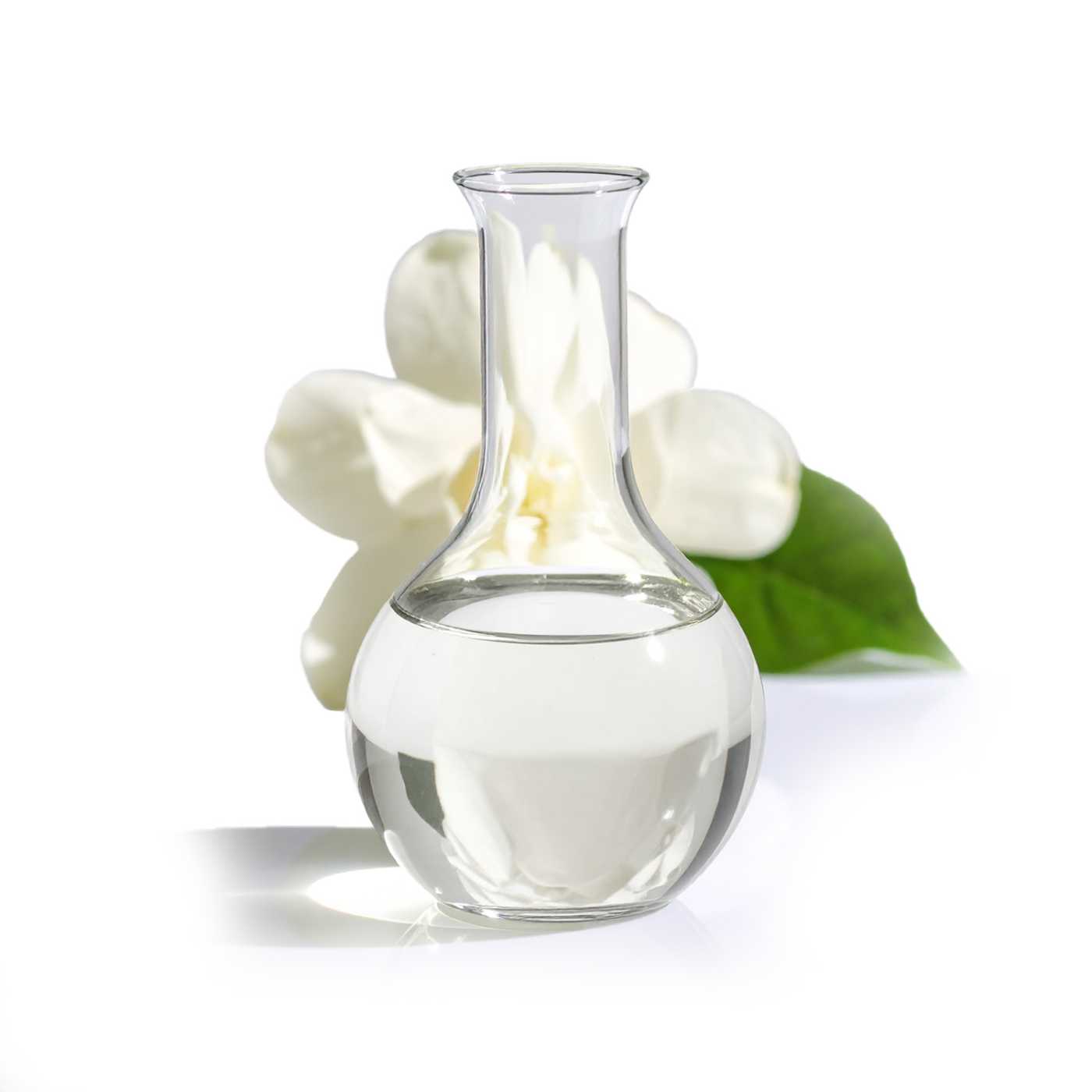
White Gardenia Fragrance Oil, 1 l

Pack size10 ml100 ml500 ml1 l

White gardenia fragrance oil is a synthetic fragrance composition with a floral gardenia scent, intended for scenting cosmetics, soaps, candles and household products. full description

AvailabilityPre-order
Product codeVO203_1000
€94.49incl. VAT€94.49/l

Lowest price in the last 30 days: €94.49

Pre-orderThis variant is currently out of stock — your order will be a pre-order and delivery may take longer.

Product description

White gardenia fragrance oil is a synthetic fragrance composition with a floral gardenia scent, intended for scenting cosmetics, soaps, candles and household products. It is added to the product at the end of production and serves exclusively as a fragrance ingredient.

Makers will appreciate its versatility in particular. The same fragrance can be worked into a cream, a shampoo, a bath bomb and a candle, so you can match an entire range of products without searching for further compositions.


Key features

  • One fragrance for the whole range – a single composition covers face, body and hair care products, soaps, bath salts, candles and cleaning products.
  • Solubility in oil and alcohol – it does not dissolve in water, so it is added directly to oil-based and anhydrous products, and to water-based systems via an emulsion or a solubiliser.
  • No effect on the colour of the product – the composition is colourless and clear, so it should not tint white creams or clear gels.
  • Synthetic origin – the composition is not derived from gardenia plant material, does not require CITES certification and contains no materials of animal origin.

Use in a formulation

The fragrance is added during the cooling phase or as a final addition to a finished base, at a temperature below 40 °C. In emulsions, it is added after the oil phase and water phase have been combined, once the cream or lotion has cooled and is still being stirred. In oils, balms and butters, it is mixed in directly. Water-based toners and sprays require a solubiliser, otherwise the composition separates and the product turns cloudy.

There is no single universal usage rate. The manufacturer does not state a recommended range, and the maximum permitted amount in the finished product is determined by the IFRA limit for the given product category. Lip products fall under category 1, face creams and toners under category 5B, soaps, shampoos and shower gels under category 9, and candles and wax melts under category 12.

Each category has a different ceiling. Before setting your recipe, check the IFRA certificate in the Product documentation section and verify the limit for the exact type of product you are making.

In a soap maker’s practical test in cold process soap, the composition did not accelerate trace, so there is time left for layering and patterns. The soap took on a very faint pink tint. Keep this in mind for white soap; for coloured soap it makes no difference. The fragrance is added to the soap mixture in the usual way once light trace is reached, and there is no need to work at a faster pace.


Suitable for products such as

  • Soaps – cold process bar soaps, liquid soaps and shower gels.
  • Body and face cosmetics – body lotions, oils, butters, hand creams, face creams and toners, with the appropriate limit for each category.
  • Hair care – shampoos, conditioners and leave-in hair styling products.
  • Bath bombs and salts – the fragrance is added to the oil component or mixed into the salt.
  • Decorative and children’s cosmetics – always check the IFRA limit for the relevant category; for children’s creams and oils, 5D.
  • Candles, diffusers and aromatherapy – container candles and tealights, wax melts and diffuser refills.
  • Cleaning products and dishwashing – household products and hand dishwashing products according to category 10A.

Good to know

The composition is subject to classification under the CLP Regulation and contains hazardous substances. The packaging carries the GHS07, GHS08 and GHS09 pictograms. The product contains ingredients classified as carcinogenic, mutagenic or toxic for reproduction, specifically Anisaldehyde, Methyl Salicylate, Lemon Oil Terpenes and Methyl benzoate. Detailed information on the composition, classification and safe handling is provided in the safety data sheet for the product.

The product contains one or more fragrance allergens listed in Annex III to Regulation (EC) No 1223/2009, including Commission Regulation (EU) 2023/1545. For a cosmetic product intended for sale, these allergens must therefore be stated in the ingredient list on the packaging.

Wear gloves and work in a ventilated space when handling the concentrated fragrance. Never apply it undiluted to the skin. Add it to the product only in the amount permitted by the IFRA limit for the given category.

Thanks to its solubility in alcohol, the composition is also suitable for alcohol-based eaux de parfum (IFRA category 4). It is advisable to check on a small sample how a specific base behaves after the fragrance is added, in particular the stability of the emulsion and any cloudiness in a gel.


Frequently asked questions

Is white gardenia fragrance oil suitable for cold process soap?
Yes. In a practical test in cold process soap, the composition did not accelerate trace and the soap took on only a very faint pink tint. The mixture stays fluid long enough for layering and patterns, and the fragrance is added in the usual way once light trace is reached. For pure white soap, allow for a slight pink shade.
How much white gardenia fragrance oil should I add to a cream or soap?
There is no single usage rate; the maximum amount is determined by the IFRA limit for the category of the finished product. Face creams fall under category 5B, soaps and shampoos under category 9, and lip products under category 1. The values for all categories are given in the IFRA certificate in the Product documentation section.
Does white gardenia fragrance oil dissolve in water?
No, the composition is insoluble in water and dissolves in oil and in alcohol. For water-based toners, sprays or gels, it is therefore incorporated using a solubiliser or via an emulsion. Without one, the fragrance separates and the product turns cloudy.
At what temperature should white gardenia fragrance oil be added to a product?
The recommended processing temperature is below 40 °C. In emulsions, it is added during the cooling phase after the two phases have been combined, and in oils and balms to a cooled base. It can also be worked into a finished base afterwards, with constant stirring.
Will white gardenia fragrance oil tint a cream or soap?
The composition is colourless and clear, so it should not tint white creams or clear gels. In cold process soap, the soap took on a very faint pink tint in a practical test. It is advisable to check the behaviour in your specific base on a small sample.
Do I have to list the allergens of white gardenia fragrance oil on the label?
Yes, the product contains one or more fragrance allergens under Annex III to Regulation (EC) No 1223/2009, including Regulation (EU) 2023/1545. For a cosmetic product intended for sale, these allergens are stated in the ingredient list on the packaging. The composition is also classified under CLP; details are provided in the safety data sheet for the product.

Parameters

INCI
Parfum/ FragranceParfum
Product colour
ColourlessClear
Country of origin
European Union
Processing method
Blending
Appearance
Liquid
Function in formulation
Fragrance component
Recommended processing temperature
< 40 °C
Application type
Leave-onRinse-off
Suitable for
All skin types
Volume
1000 ml

Product documentation

CoACertificate of Analysis
batch 20260115SFPDF ↓
TDSTechnical Data Sheet
Physical parameters and processingPDF ↓
SDSSafety Data Sheet
Available for purchased products —
Download all (ZIP)

2 PDF files in one archive

Learn how to work with it

From our blog
Nóra S.17 Sept 2026HU

Verified purchase

Variant: Vonný olej biela gardénia, 10 ml