Spend over €100 for discounted shipping!

+421 950 333 113[email protected]

Wooden wicks

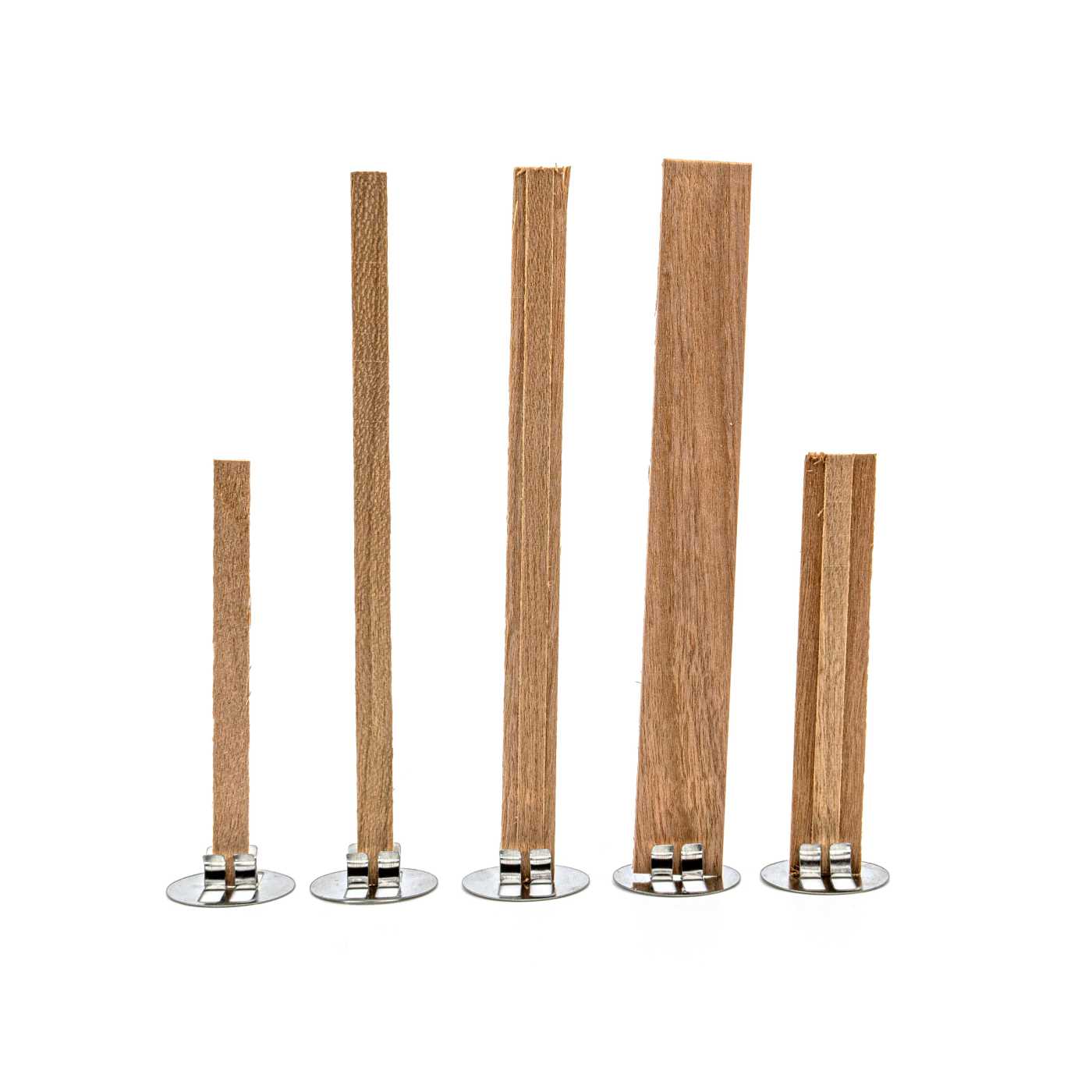
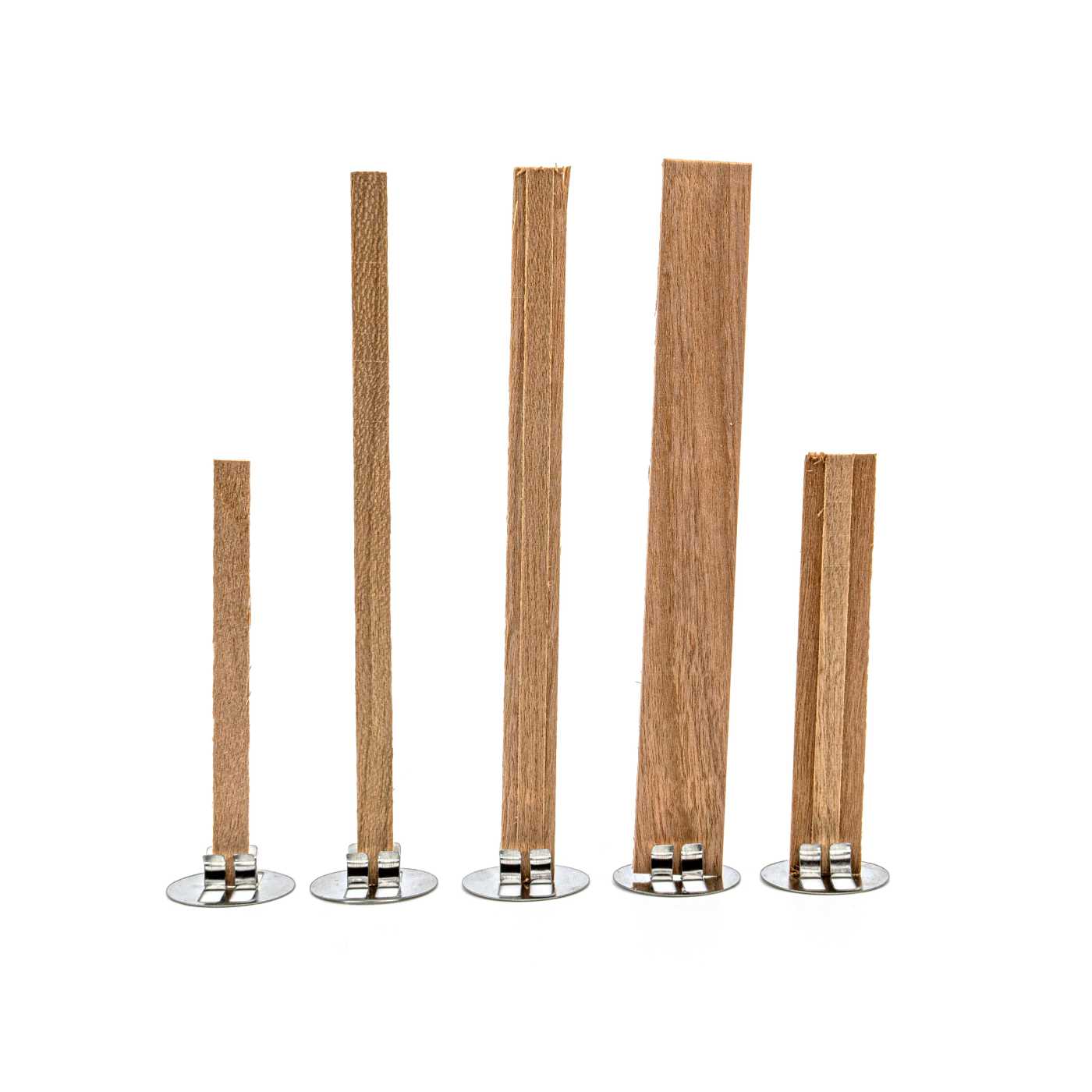
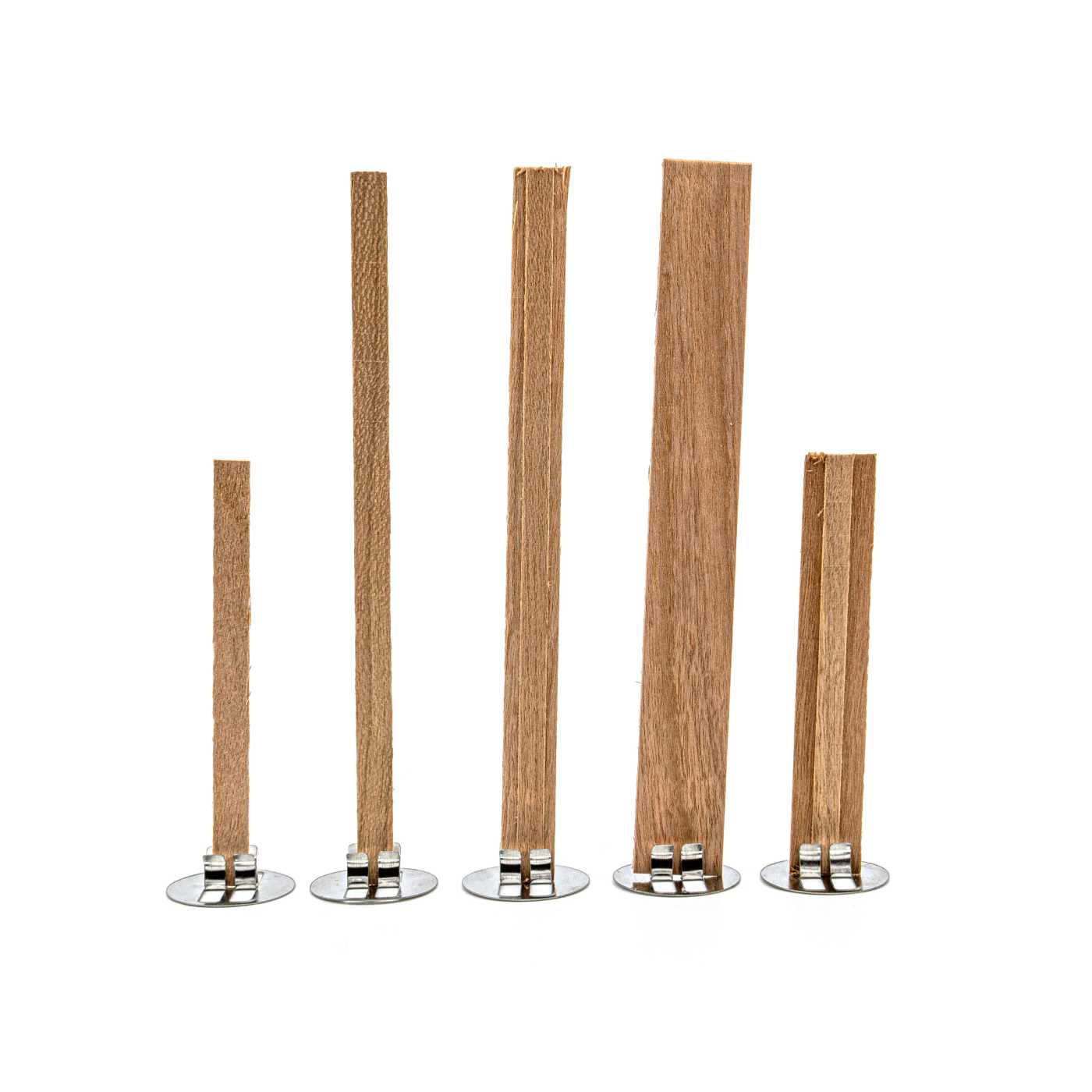
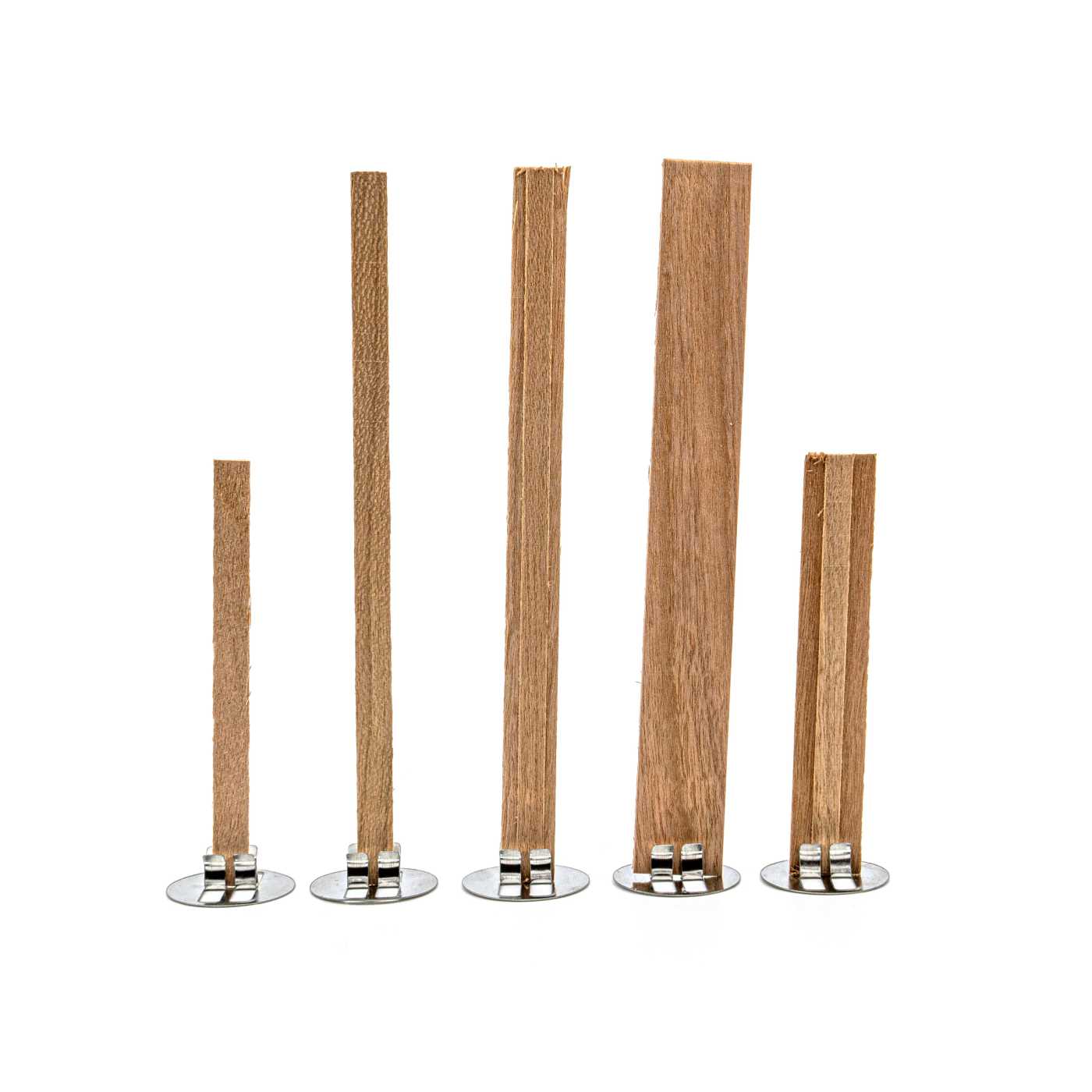
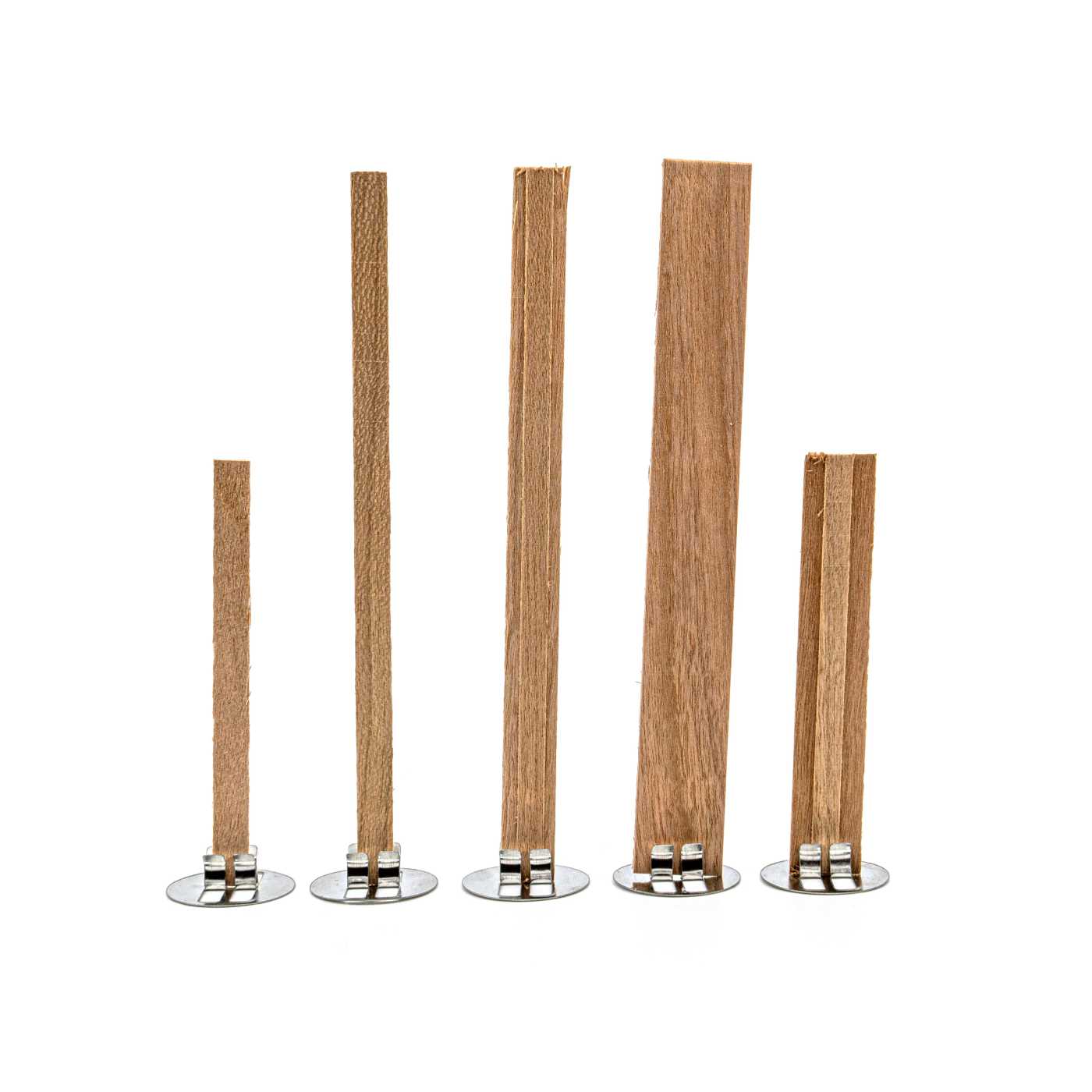
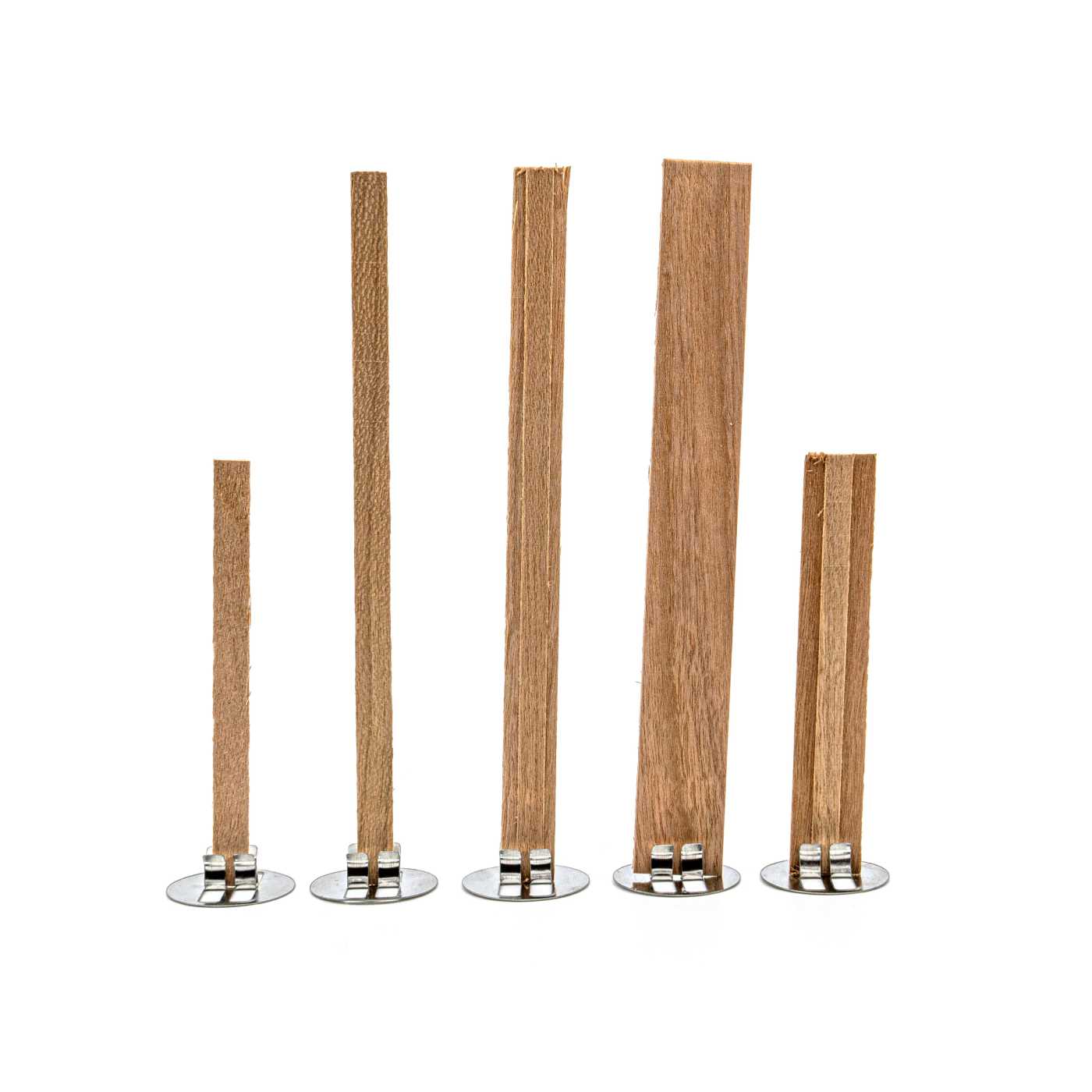
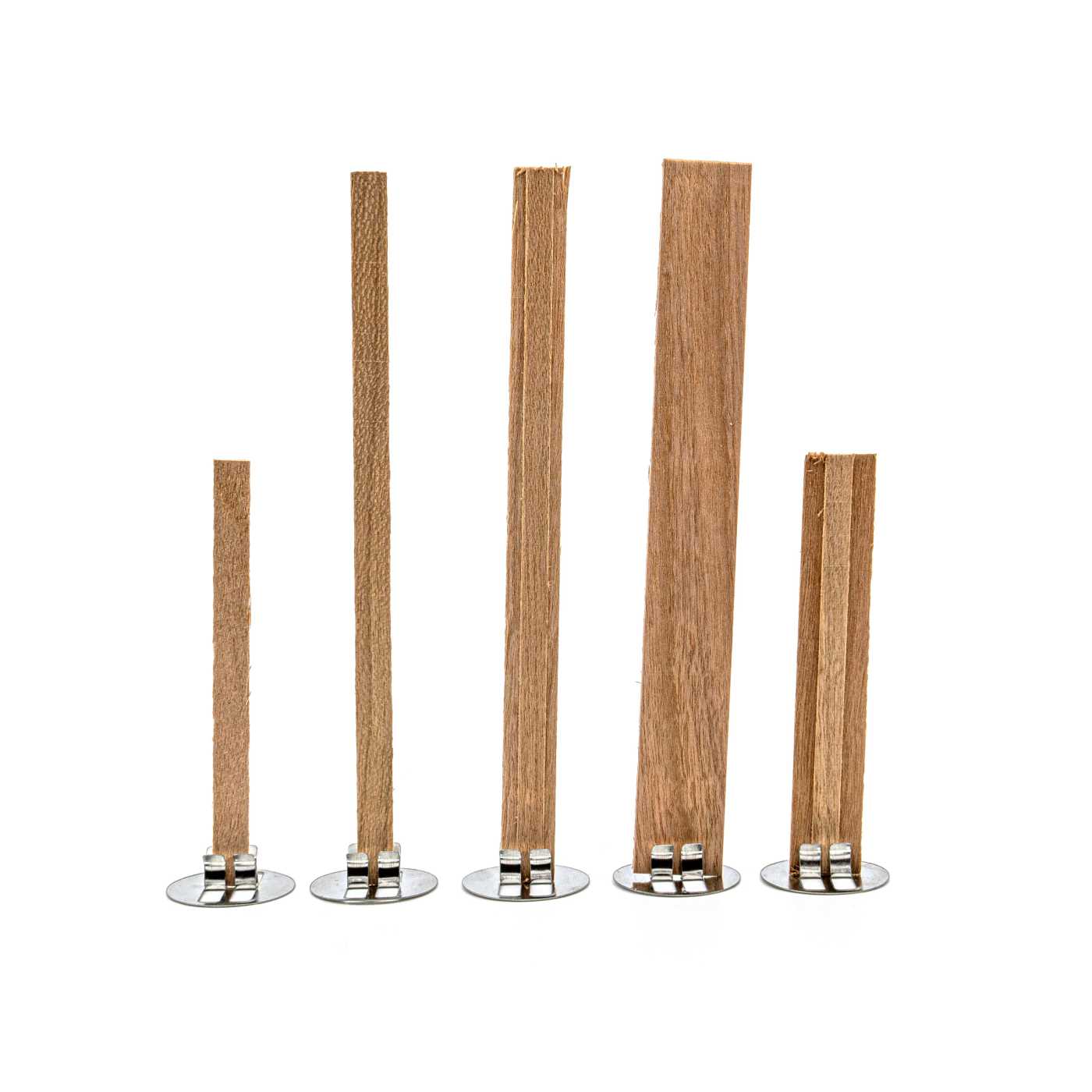
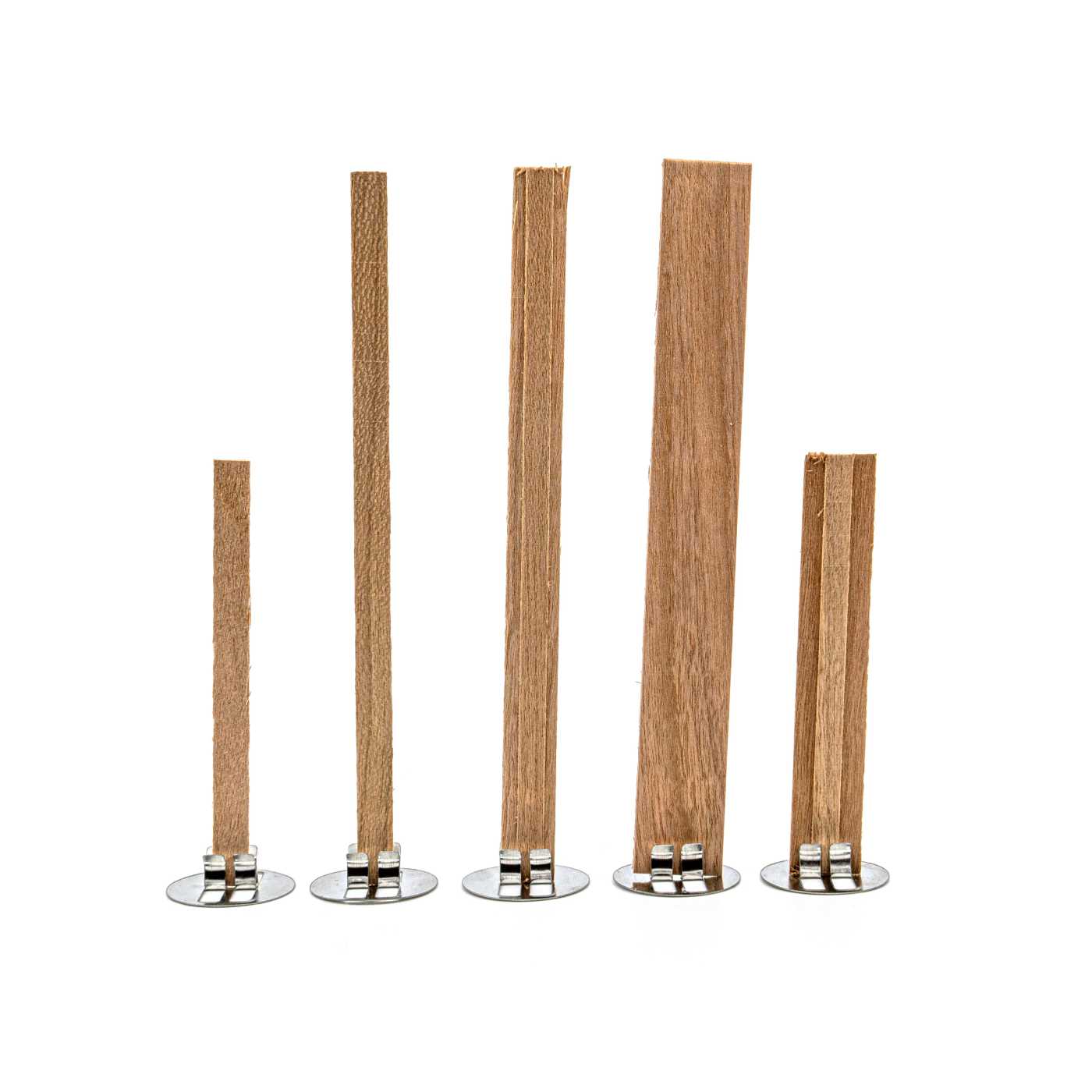
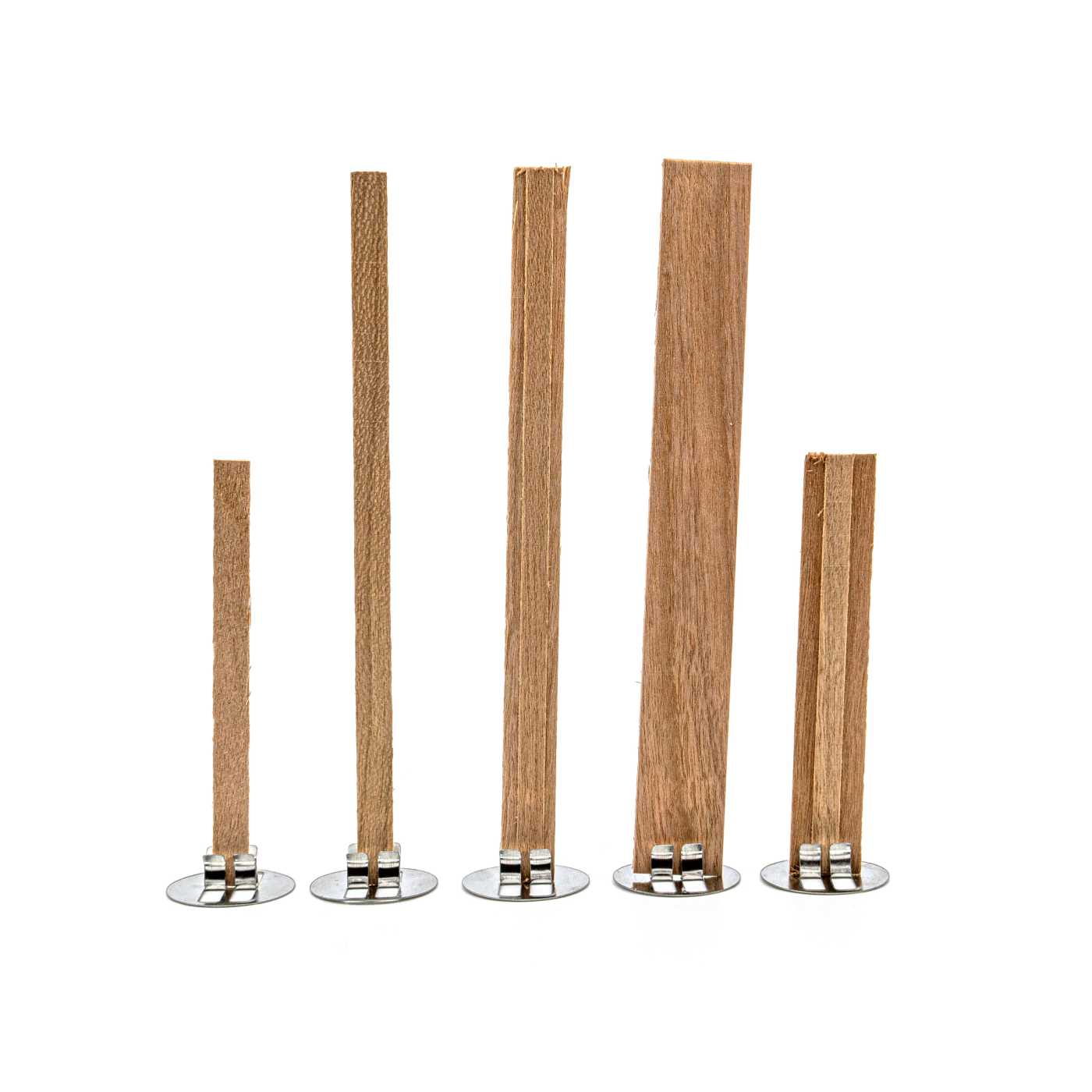
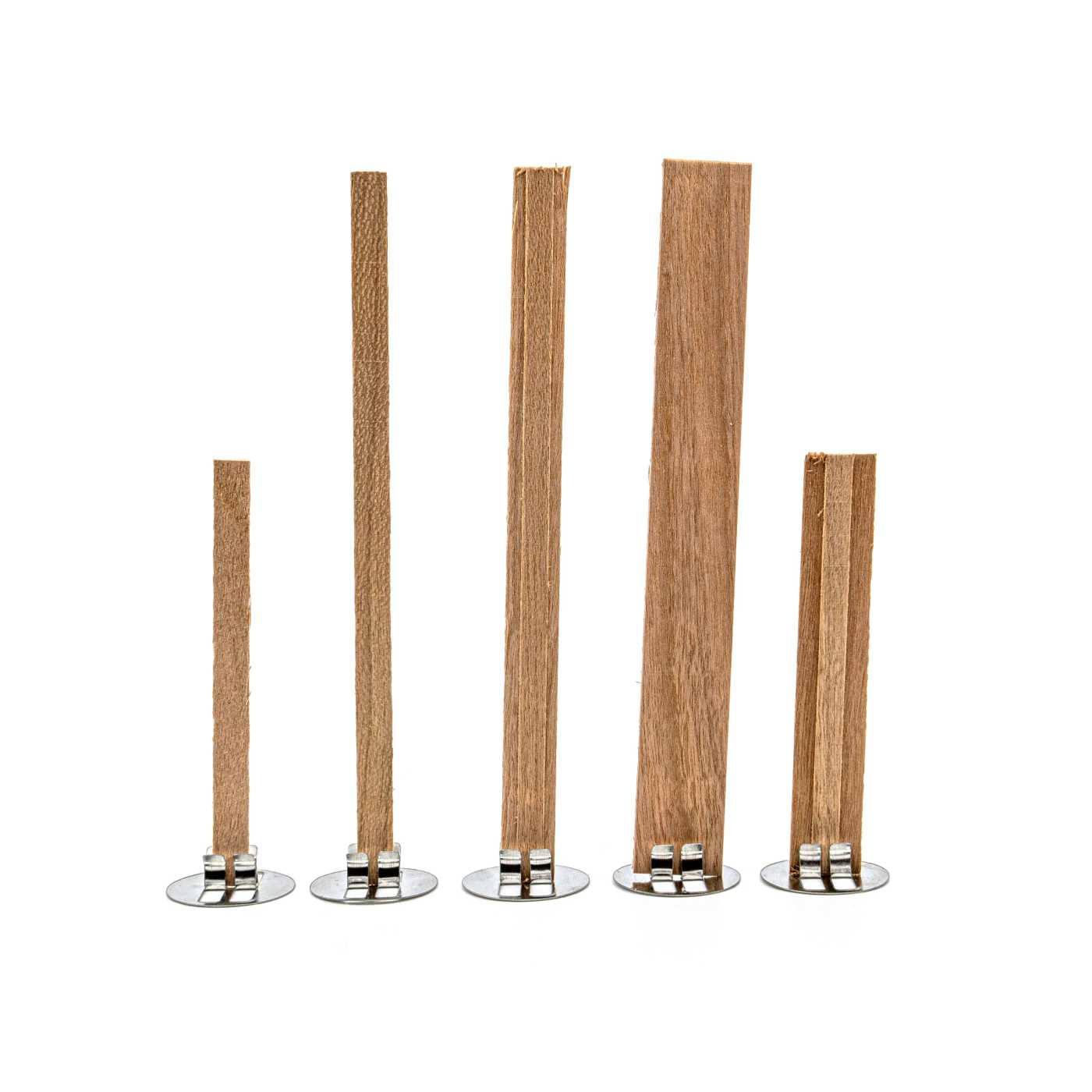
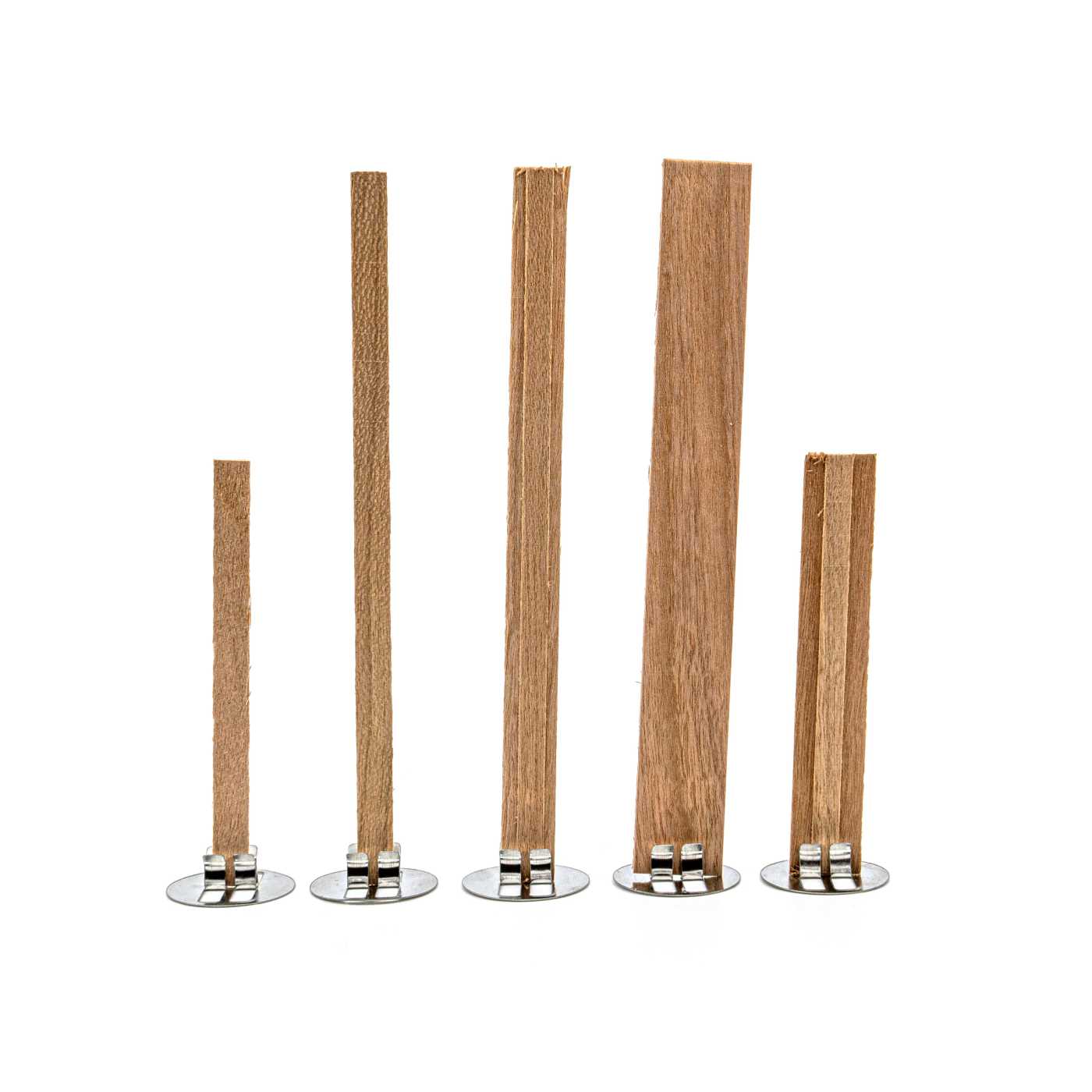
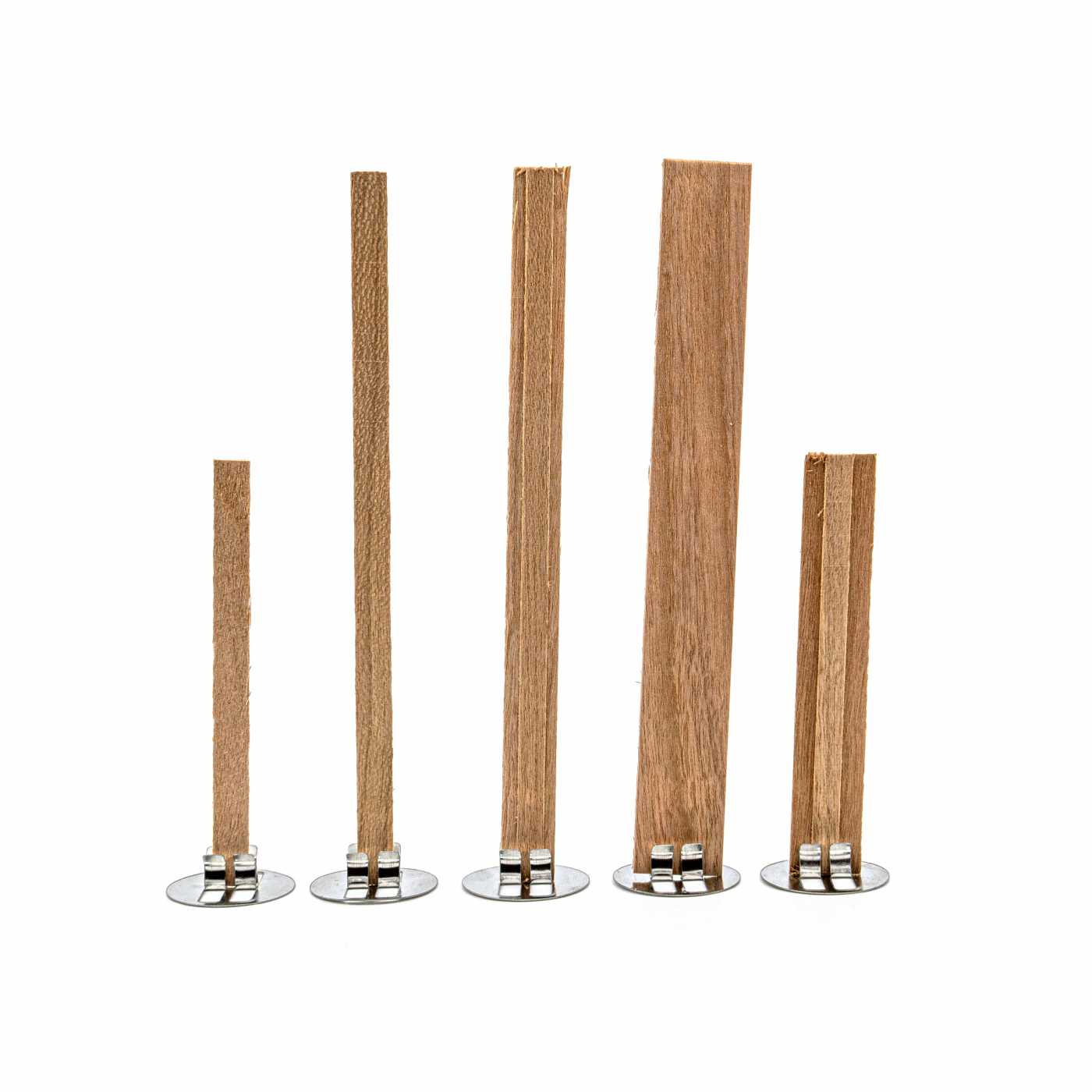
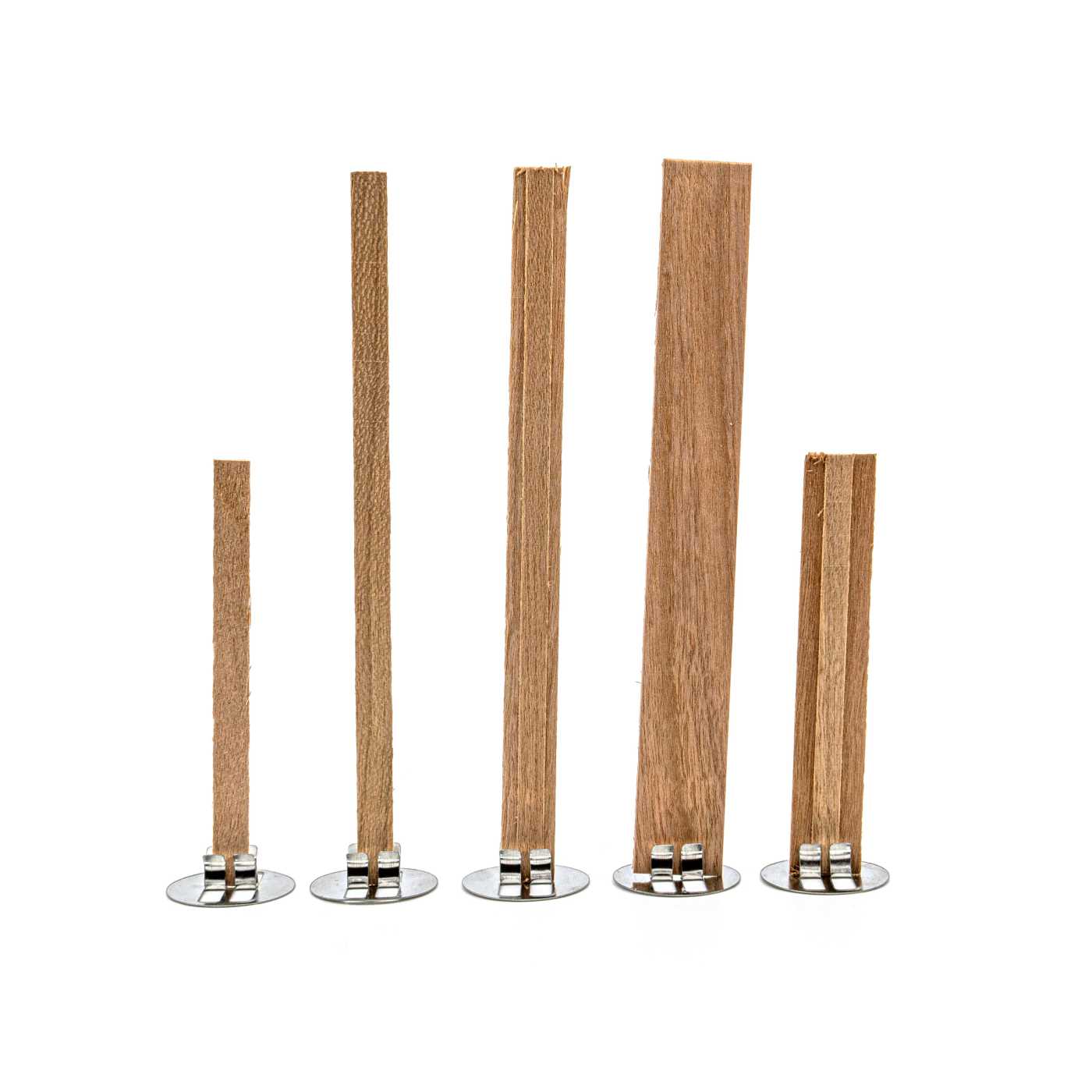
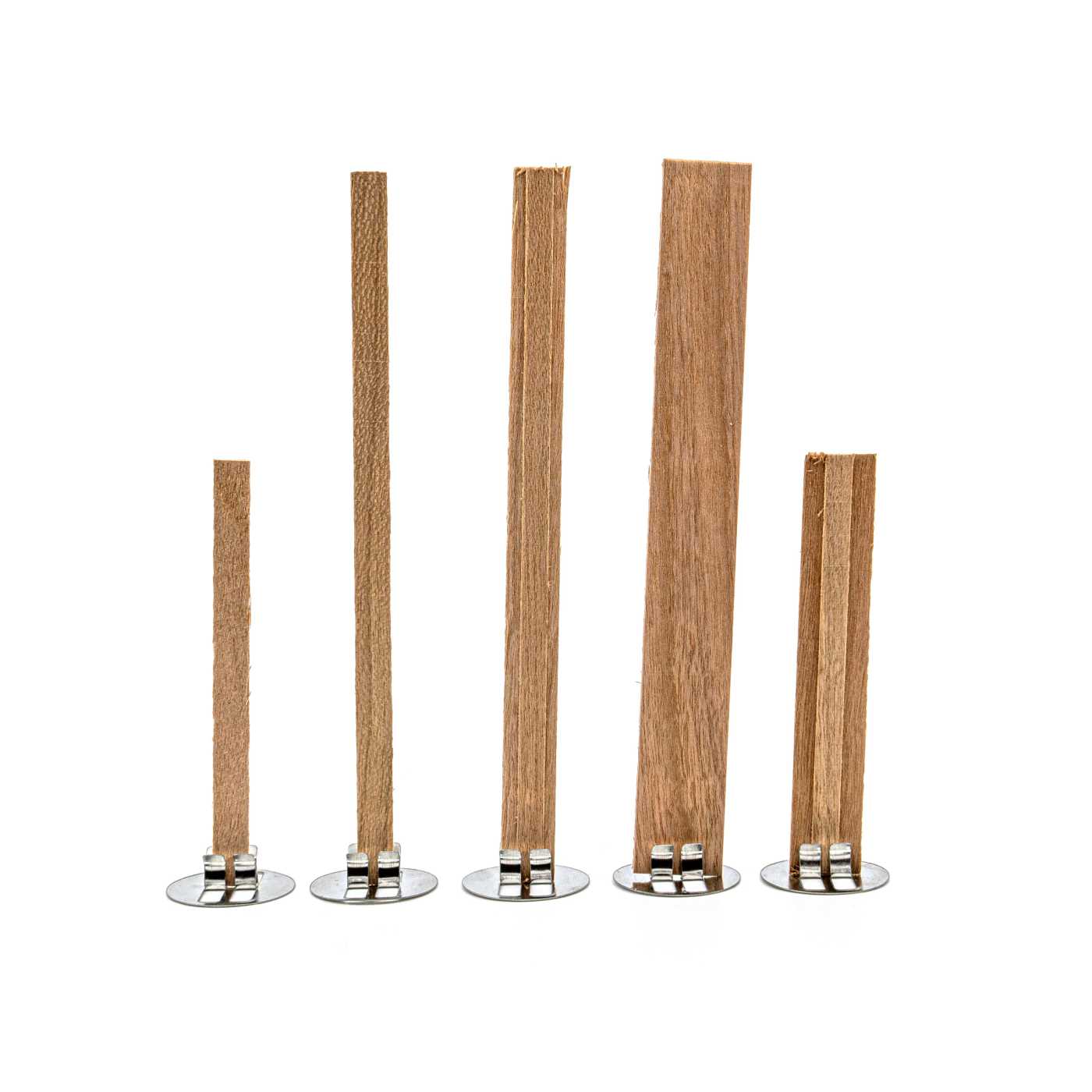
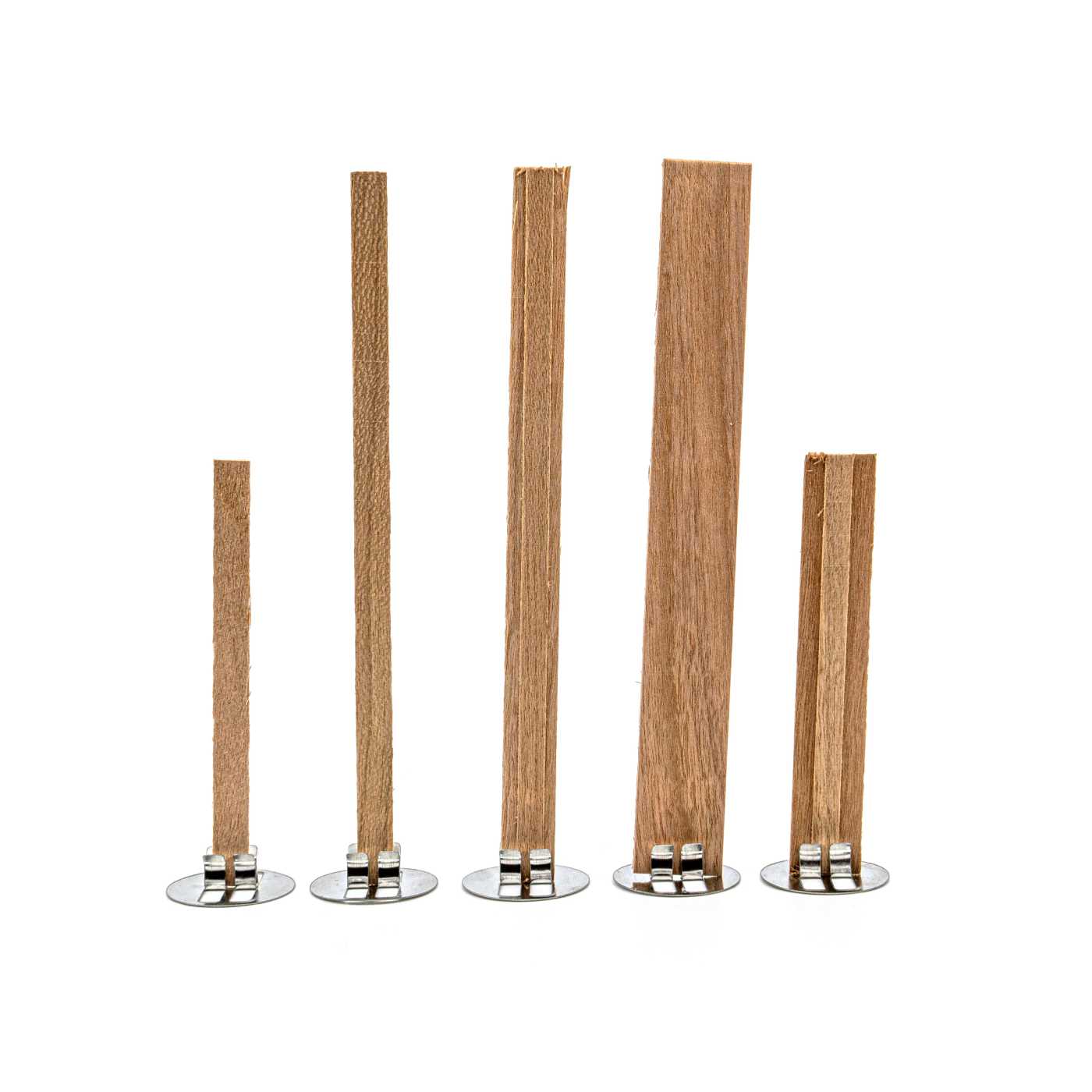
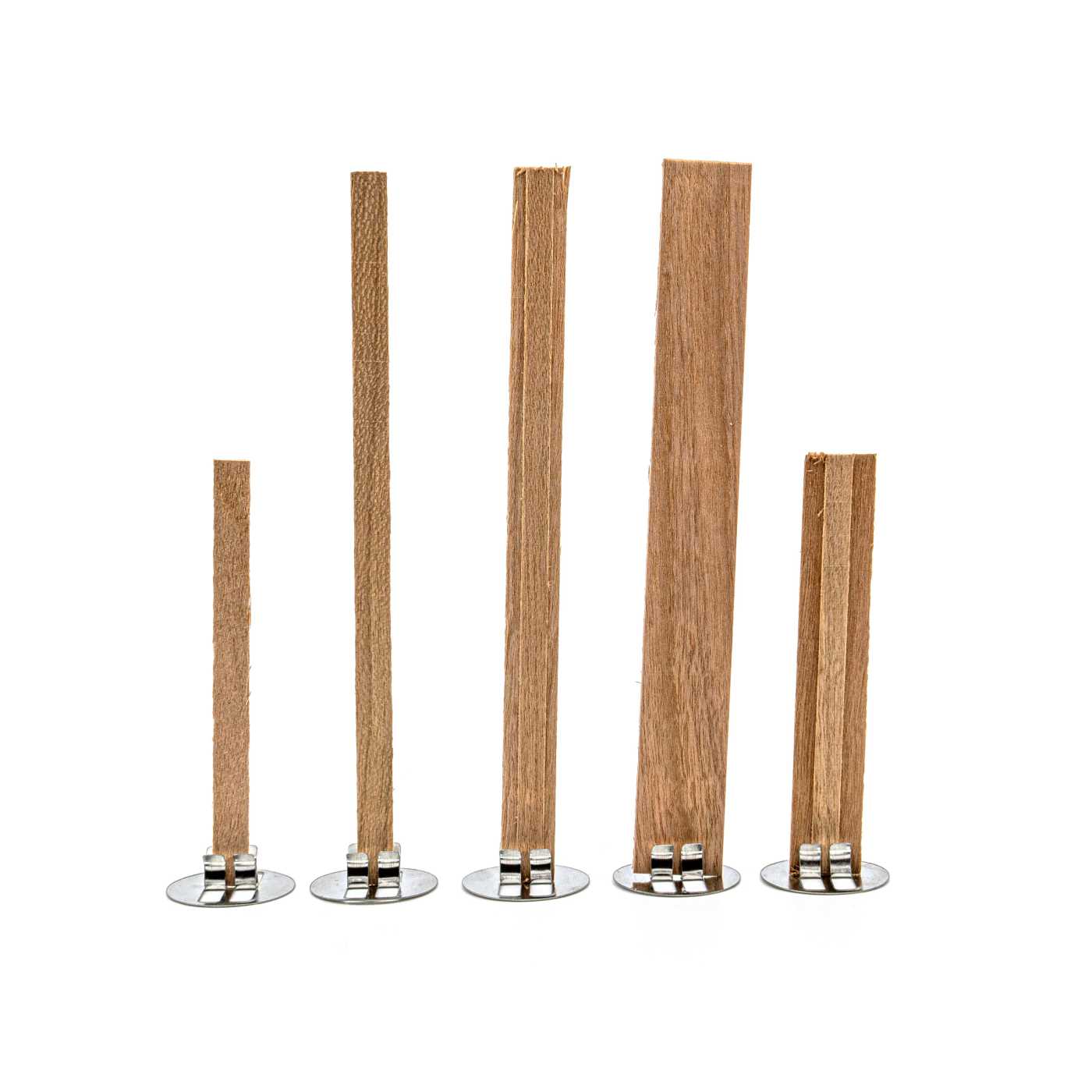
Wooden wick, .03 crackling, 6.4 mm

A wooden wick with gentle crackling when burning and a metal stand that holds it upright at the bottom of the container. full description

AvailabilityIn stock · 1 pcs
Product codeSVKW1-SVKP1
€0.79incl. VAT

Lowest price in the last 30 days: €0.79

Save €0.16 with this set
What's in the set

Product description

A wooden wick with gentle crackling when burning and a metal stand that holds it upright at the bottom of the container. The set is intended for candle makers who want a wider, calm flame and a sound reminiscent of a fireplace instead of a cotton wick. It is particularly suitable for container candles made from natural and blended waxes, where the wick needs to stand straight during both pouring and burning.

The base is a wick made from a single wooden veneer with a width of 6.4 mm and a thickness designation of .03. The thickness number is a manufacturer designation; a higher number means a thicker veneer. The wick is made from certified wood in the USA and the manufacturer describes it as natural, allergen-free and biodegradable.


What the set contains

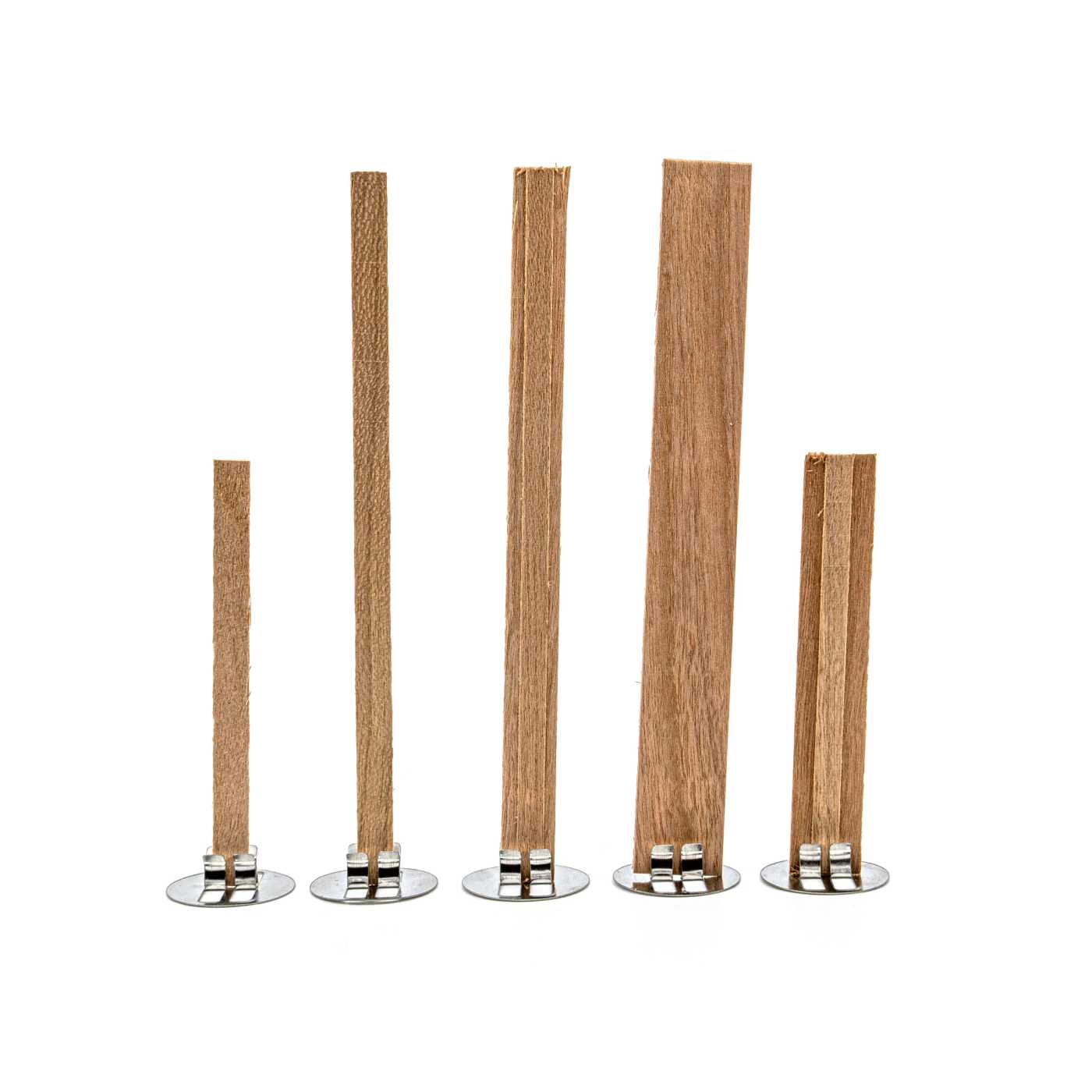
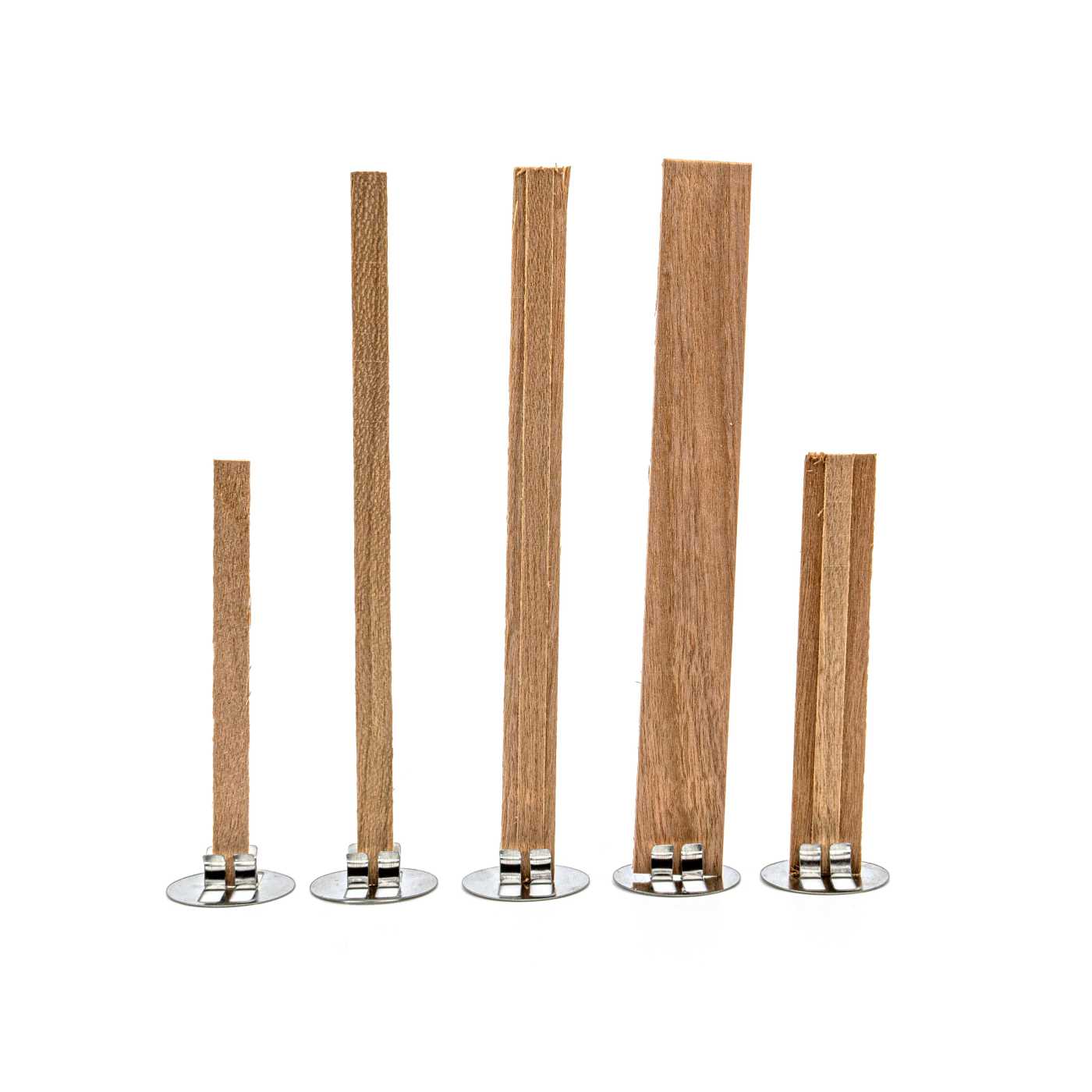
  • Wooden wick – a flat single-layer veneer from the crackling wick series, thickness .03, width 6.4 mm. The length is approximately 127 mm; it is trimmed to the height of the container before use.
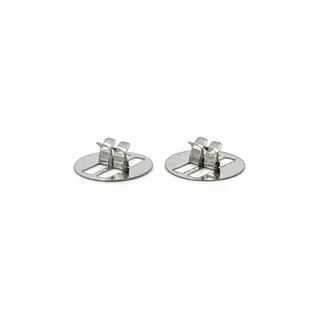
  • Metal stand – a round metal base with a slot into which the wick is inserted. It holds the veneer upright at the bottom of the container so it does not tilt during pouring and remains centred after the wax has set.

How a wooden wick burns

A wooden veneer burns differently from a cotton wick. The flame runs along the edge of the veneer, is wider and lower, and the wax melts into a flatter pool.

The crackling occurs when the wooden fibres saturated with wax burn. Its intensity depends on the type of wax, its viscosity once melted, the proportion of fragrance oil, and how well the wick is saturated. The same wick therefore behaves differently in soy wax than in a coconut blend or paraffin. The wick manufacturer does not provide recommendations for specific waxes; the behaviour must be verified by a test burn.

Before larger production, make a test candle in the same container, with the same wax and the same proportion of fragrance oil that you plan to use. Check whether the melted wax layer reaches the container walls and whether the flame is not too high or does not produce smoke.


Candle-making process

The wick is inserted into the slot of the metal stand and the stand is secured to the centre of the container bottom, most commonly with a drop of melted wax or wick adhesive. It must hold firmly so it does not shift when hot wax is poured. The wax is then poured at the temperature suitable for that wax type and left to set completely.

After setting, the wick is trimmed to a few millimetres above the wax surface. It is cut with pliers or sharp scissors, not snapped, so that a straight edge remains. A wick that is too long is difficult to light, the flame is unstable and may produce smoke. One that is too short may drown in the melted wax.

When lighting, the flame is held to the edge of the veneer for slightly longer than with a cotton wick, until the wood has absorbed the wax. The first burn should last until the melted wax reaches the container walls. The candle will then not tunnel on subsequent burns.

The wooden wick is trimmed and cleaned of the charred layer before each lighting. If carbon accumulates on the edge, the flame will grow larger and the candle will start to produce smoke.


Good to know

  • Veneer thickness and container – a higher thickness number means a thicker veneer. If the melted layer does not reach the walls with a wider container or denser wax, a thicker veneer or a different wick type may be needed.
  • Fragrance oil – a higher proportion of fragrance oils changes the viscosity of the melted wax and may reduce the flame. If the candle does not achieve full diameter during a test burn, try a lower fragrance load or a different wick.
  • Wax saturation – the veneer can be dipped in melted wax before use and left to set. This makes the first lighting easier.
  • Stand and container – the metal stand is suitable for a flat bottom. With containers that have a noticeably convex bottom, check that the stand holds and that the wick is centred.
  • Use – the set is intended for candle making. Neither the wood nor the metal stand is declared for contact with food or cosmetics.

Frequently asked questions

Why does a wooden wick crackle?
A wooden wick crackles because the wooden fibres saturated with wax pop as they burn. The volume is not always the same; it depends on the type of wax, its viscosity once melted, the proportion of fragrance oil, and how well the wick is saturated. In some waxes the crackling is more pronounced, in others quieter, so it is recommended to verify it with a test burn in the specific container.
How is a wooden wick secured in the container?
The wooden wick is inserted into the slot of the metal stand and the stand is glued to the centre of the container bottom with a drop of melted wax or wick adhesive. The attachment must be firm so the wick does not shift or tilt when wax is poured. After the wax has set, the stand holds the wick upright throughout the burn.
To what length should a wooden wick be trimmed?
A wooden wick is trimmed to a few millimetres above the wax surface, generally shorter than a cotton wick. A veneer that is too long is difficult to light, the flame is unstable and produces smoke; one that is too short may drown in the melted wax. It is trimmed with pliers or sharp scissors before each lighting to remove the charred layer.
Which wax is a .03 wooden wick suitable for?
A .03 wooden wick can be used in common candle waxes, but its behaviour varies depending on the wax type and container diameter. The manufacturer does not provide a binding table for individual waxes, so each wax, container and fragrance proportion must be tested with a test burn. The flame height, smoke production and whether the melted wax reaches the container walls are all monitored.
Why is a wooden wick harder to light?
A wooden wick lights more slowly than a cotton wick because the wood must first absorb the wax. The flame is held to the edge of the veneer for slightly longer, and it may sometimes need to be lit twice. Lighting is made easier by a correctly trimmed wick and optionally pre-dipping the veneer in melted wax beforehand.

Parameters

Packaging as a whole

Height
127,0 mm
Product material
SteelWood
Dimensions
šírka 6,4 mm (.25"), výška 127,0 mm (5"), hrúbka .03

Round Metal Sustainer for Wooden Wicks

Country of origin
USA
Dimensions
20 × 20 mm (kruhová základňa SM/2)
Product material
Steel

Wooden wick, .03 crackling, 6.4 mm

Country of origin
USA
Height
127,0 mm
Dimensions
šírka 6,4 mm (.25"), výška 127,0 mm (5"), hrúbka .03
Product material
Wood
REVIEWS

Verified by customers.

No reviews yet.

Only customers with a delivered order can write reviews.