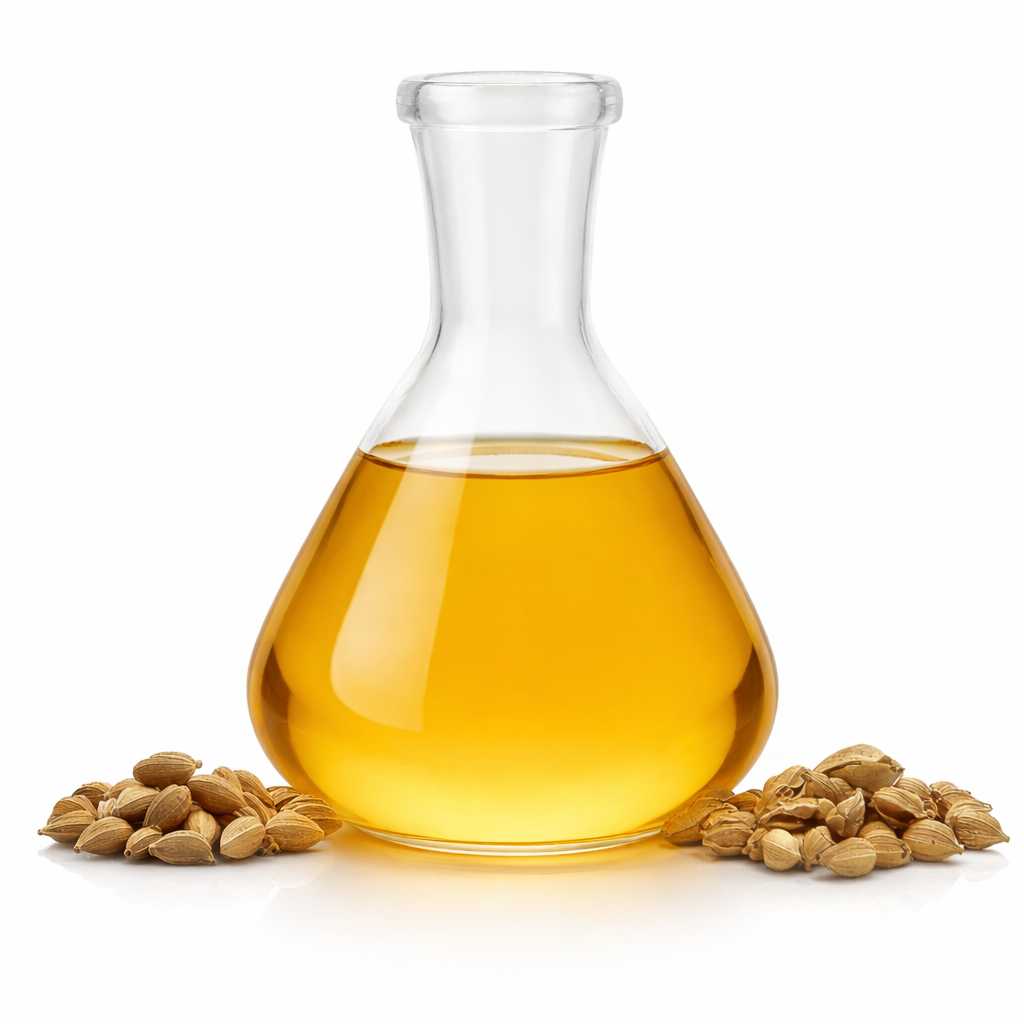
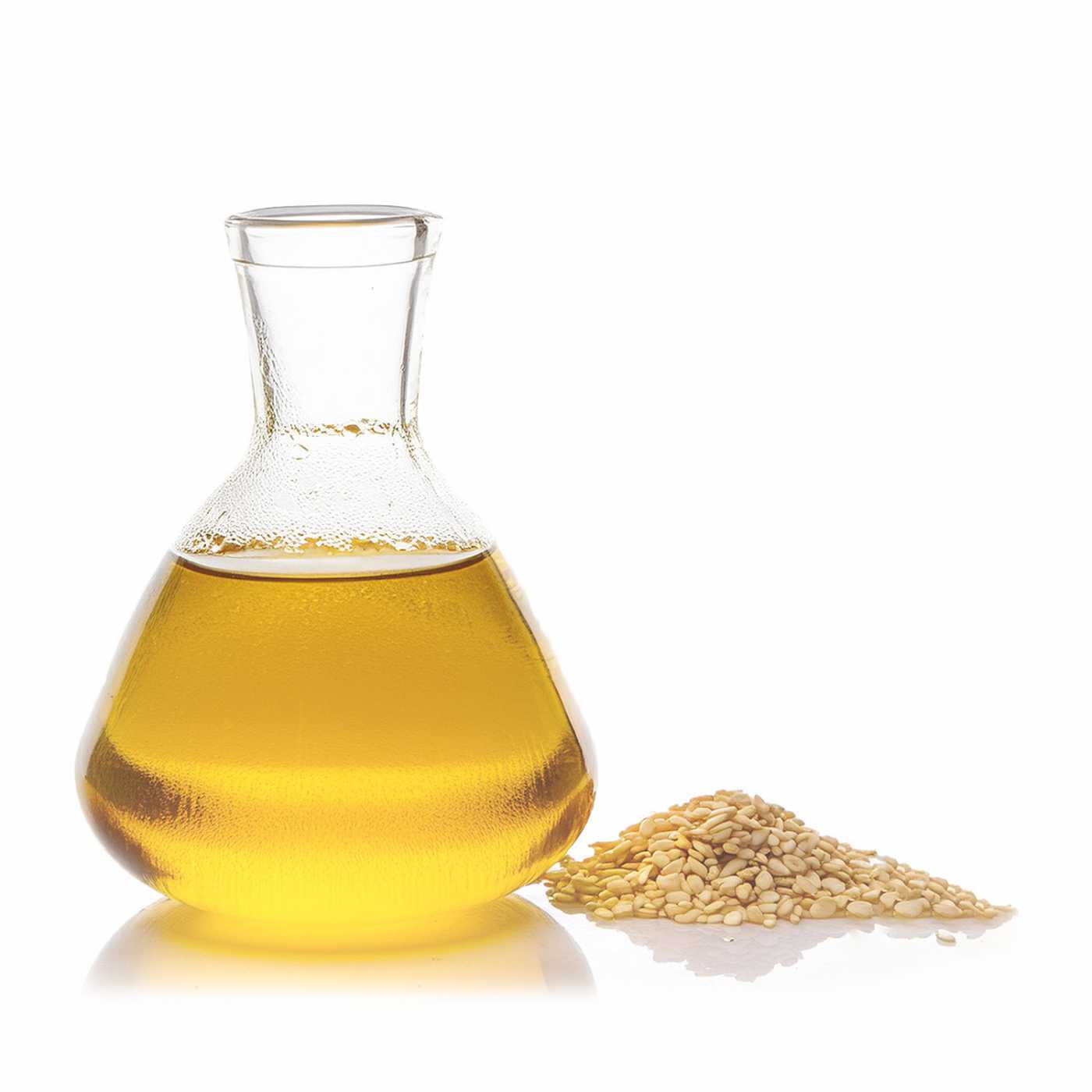
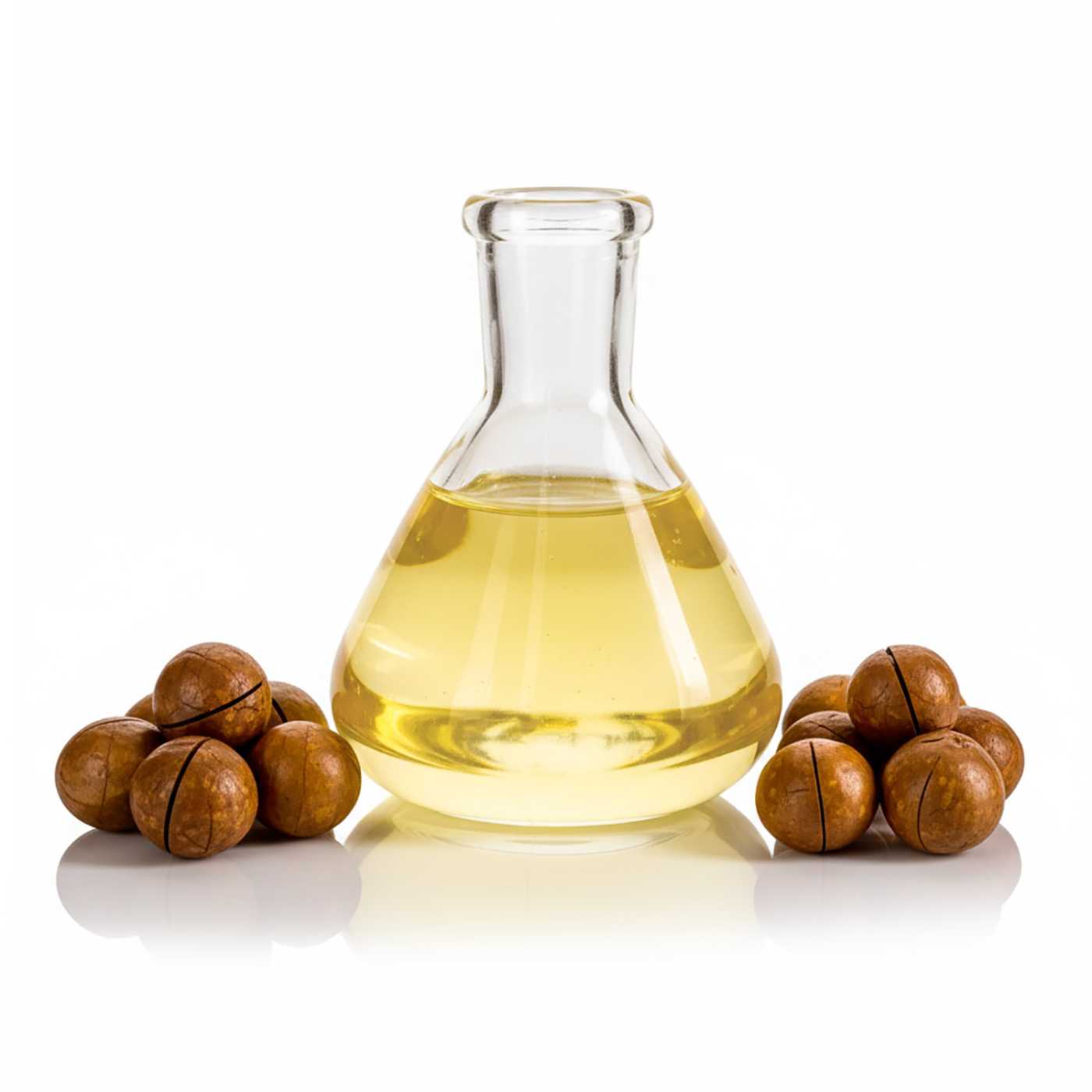
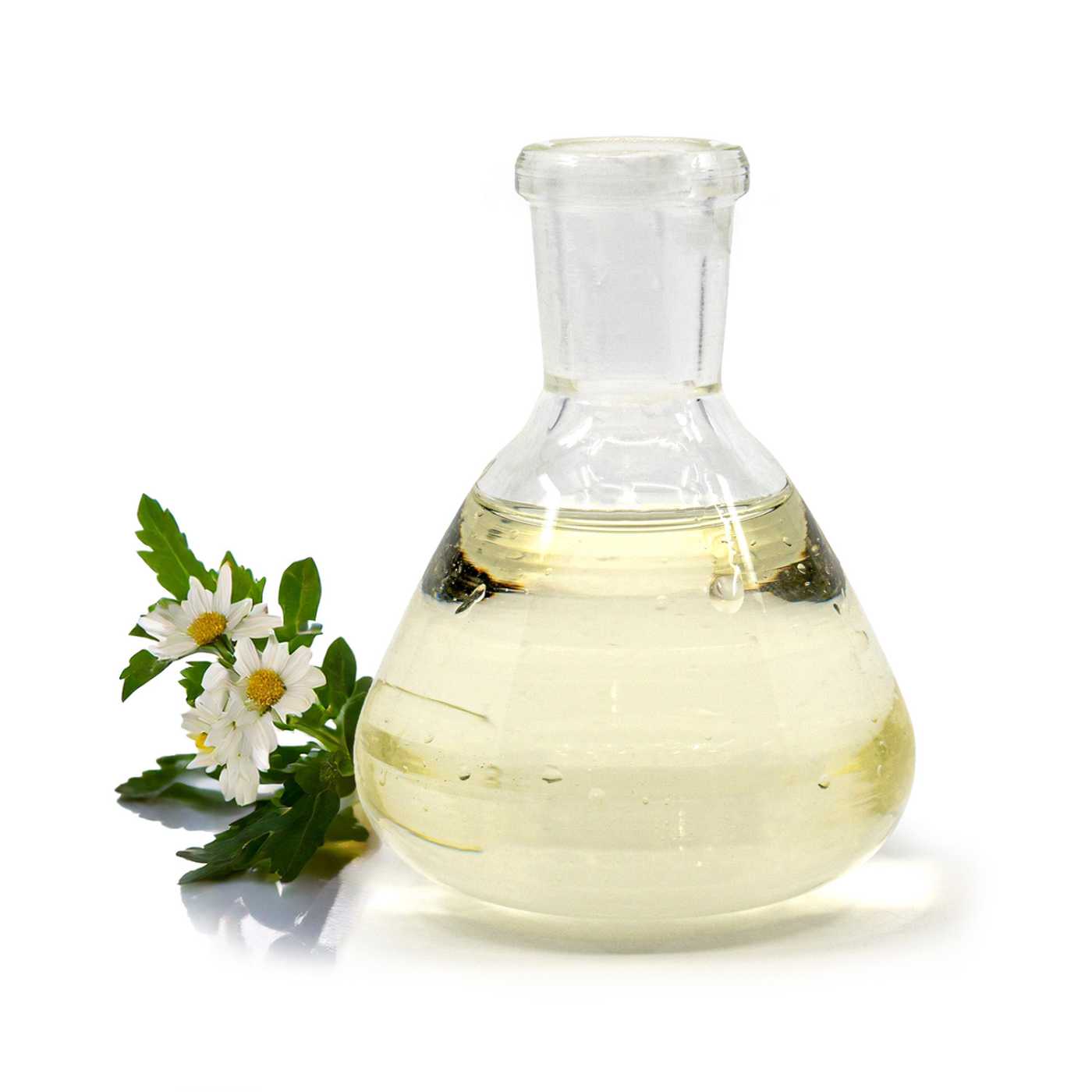
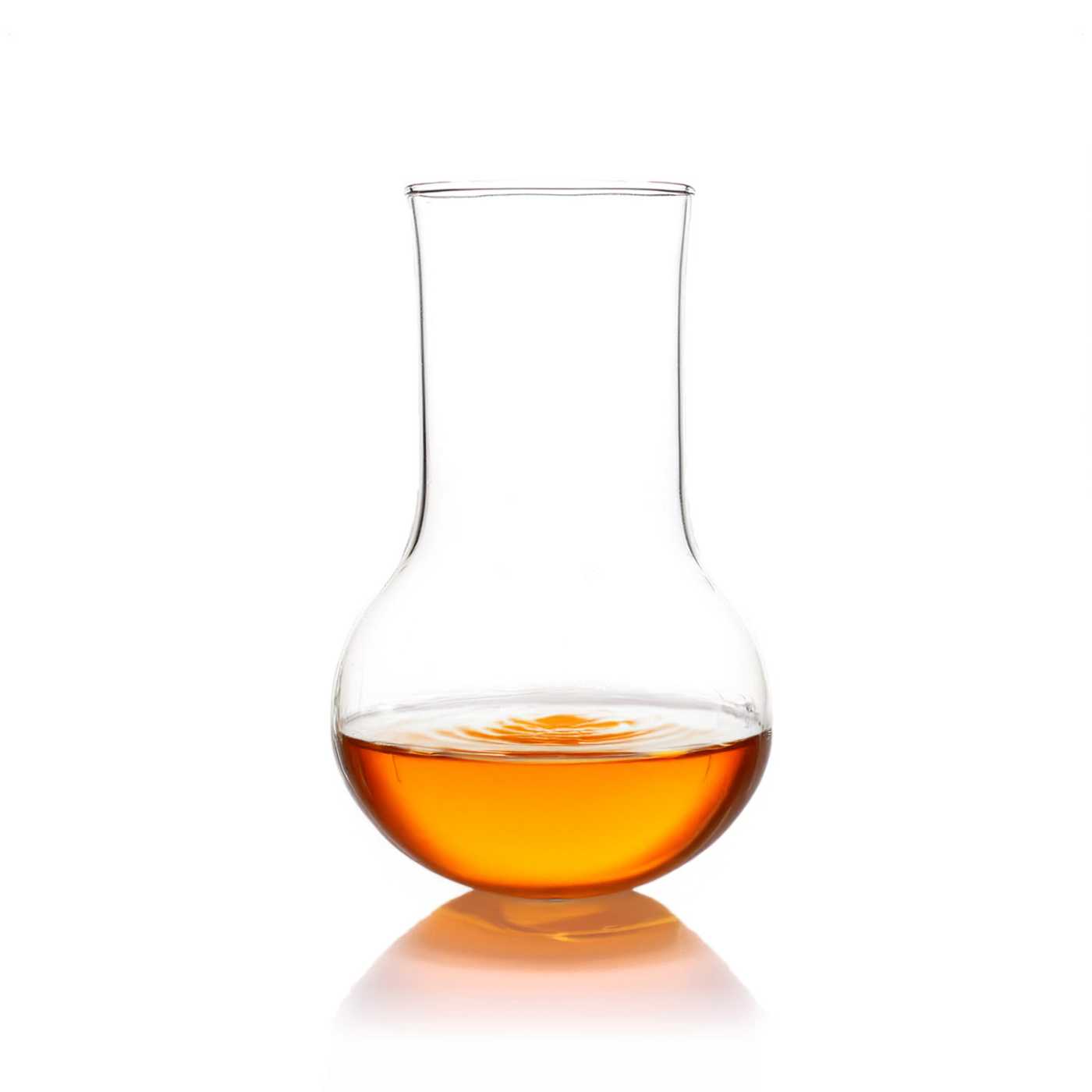
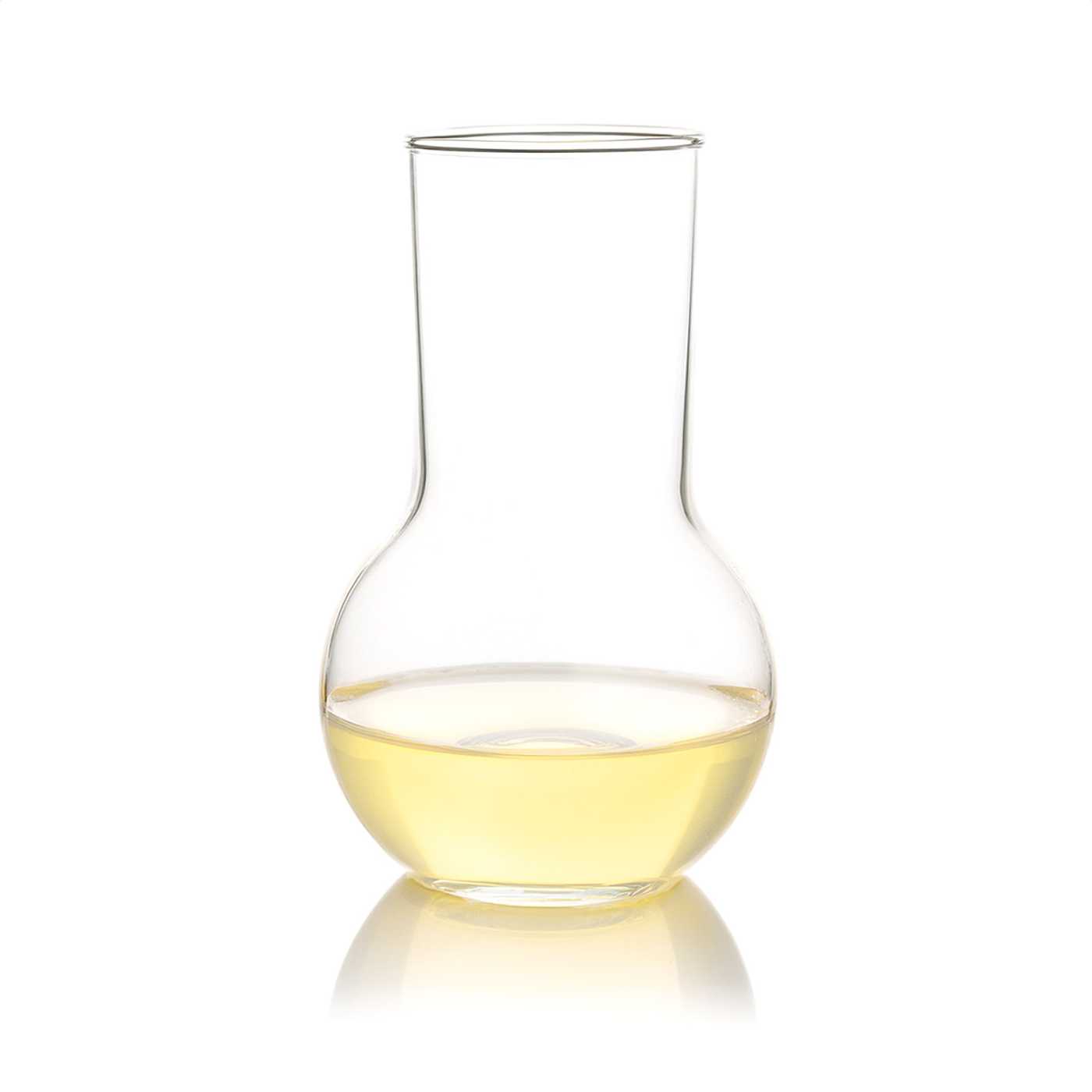
Argan oil from lightly roasted kernels softens and nourishes the skin and gives hair shine and manageability. It is used on its own as a face, body or hair oil, and as part of the oil phase of creams, balms and hair care products. It is cold-pressed from the kernels of the Moroccan argan tree and has organic certification.
How it works on skin and hair
- Softening and nourishing the skin – about 80% of the oil consists of unsaturated fatty acids, mainly oleic and linoleic acid. On the skin it acts as an emollient: it softens and smooths the skin and slows the evaporation of water from its surface. It suits products for dry, sensitive and mature skin.
- Natural tocopherol content – gamma-tocopherol predominates. Tocopherols protect the oil itself against oxidation and add antioxidant care for the skin in the finished product.
- Skin elasticity – the oil supports the renewal of the skin’s protective barrier and its elasticity. It is added to creams and serums for mature skin and to products for the eye area.
- Hair shine and conditioning – on the hair it leaves a thin film that smooths the surface. It works well for dry, damaged, coloured, curly and fine hair.
How it differs from oil made from unroasted kernels
The two oils differ in fragrance and stability.
The first difference is noticeable immediately after opening. The oil from lightly roasted kernels has a nutty fragrance with roasted notes, which form during roasting through the Maillard reaction.
The second difference is stability. The oil from roasted kernels resists oxidation better than cosmetic oil from unroasted kernels. It has a lower moisture content and contains phospholipids and antioxidants that form during roasting.
Use in formulations
Argan oil belongs in the oil phase. It does not dissolve in water or glycols, and it mixes freely with other oils and butters. When calculating the emulsifier, use a required HLB of 11.
Test a mixture with alcohol first in a small amount. The oil may not dissolve completely in ethanol.
Process it at a temperature below 40 °C. Long and intense heating promotes the oxidation of unsaturated fatty acids.
Add argan oil to an emulsion only in the cooling phase, or to the oil phase as late as possible.
The usage rate is 1–100%. As a guide, 4–6% is used in creams and leave-in hair emulsions, and around 15% in hair serums. For shampoos and cleansing balms, 0.2–1% is enough.
In formulations it is often combined with tocopherol, which protects the oil phase against oxidation. It is combined with jojoba, rosehip and almond oil, with shea butter and with the emollient Coco-Caprylate/Caprate. In emulsions it is found together with cetearyl alcohol, glycerine and xanthan gum. It is compatible with other ingredients without restrictions.
In soaps, a saponification value of 189–199 mg KOH/g is used as a guide when calculating the lye solution.
Suitable for products such as
- face oils and oil serums, including for the eye area
- creams and body lotions for dry, sensitive and mature skin
- hair oils, serums for hair ends and leave-in conditioners
- lip balms and body butters
- nail and cuticle oils, hand and foot creams
- make-up
- soaps, shower and bath products, bath bombs and bath salts
Good to know
At a higher usage rate, the roasted notes carry over into the fragrance of the finished product. It is worth tuning the fragrance to match them. In unscented products, a lower usage rate is more suitable.
The oil reacts with acids, alkalis and strong oxidising agents. It does not contain the fragrance allergens listed in Annex III to Regulation (EC) No 1223/2009 and is not classified as hazardous under the CLP Regulation.
Frequently asked questions
Can argan oil be used on its own, undiluted?
Yes, argan oil can be used on its own as a face, body or hair oil. It is applied to the face, including the eye area, and to the body, hands, feet, lips, nails, hair and scalp. In pure oil, the nutty fragrance with roasted notes is most pronounced, which you should keep in mind especially when using it on the face.
What is the difference between roasted and unroasted argan oil?
Roasted argan oil has a nutty fragrance with roasted notes and resists oxidation better than cosmetic oil from unroasted kernels. Both are pressed from the kernels of the argan tree. The choice mainly depends on whether the roasted fragrance suits the finished product, because at a higher usage rate it carries over into it.
Can argan oil be heated?
We recommend processing argan oil at a temperature below 40 °C. Long or intense heating promotes the oxidation of unsaturated fatty acids, which make up about 80% of the oil. In creams and body lotions it is added only in the cooling phase, or to the oil phase as late as possible.
Is argan oil soluble in water?
No, argan oil does not dissolve in water or glycols. In products with a water phase, it can only be incorporated with an emulsifier as part of the oil phase of the emulsion. It mixes freely with vegetable oils and butters, and it also suits anhydrous serums and balms. We recommend testing a mixture with alcohol first in a small amount.
How much argan oil goes into a cream and into hair care products?
In creams and leave-in hair emulsions, argan oil is most often used at 4–6%. Hair serums contain around 15%, and shampoos and cleansing balms 0.2–1%. The overall usage rate range is 1–100%. At a higher usage rate, the roasted notes of the oil carry over into the fragrance of the finished product.
Is argan oil suitable for soap?
Yes, argan oil is suitable for soaps, bath bombs and bath salts. When calculating the lye solution, a saponification value of 189–199 mg KOH/g is used as a guide. This value is based on the Moroccan standard for argan oil.