Pre-orderSold out
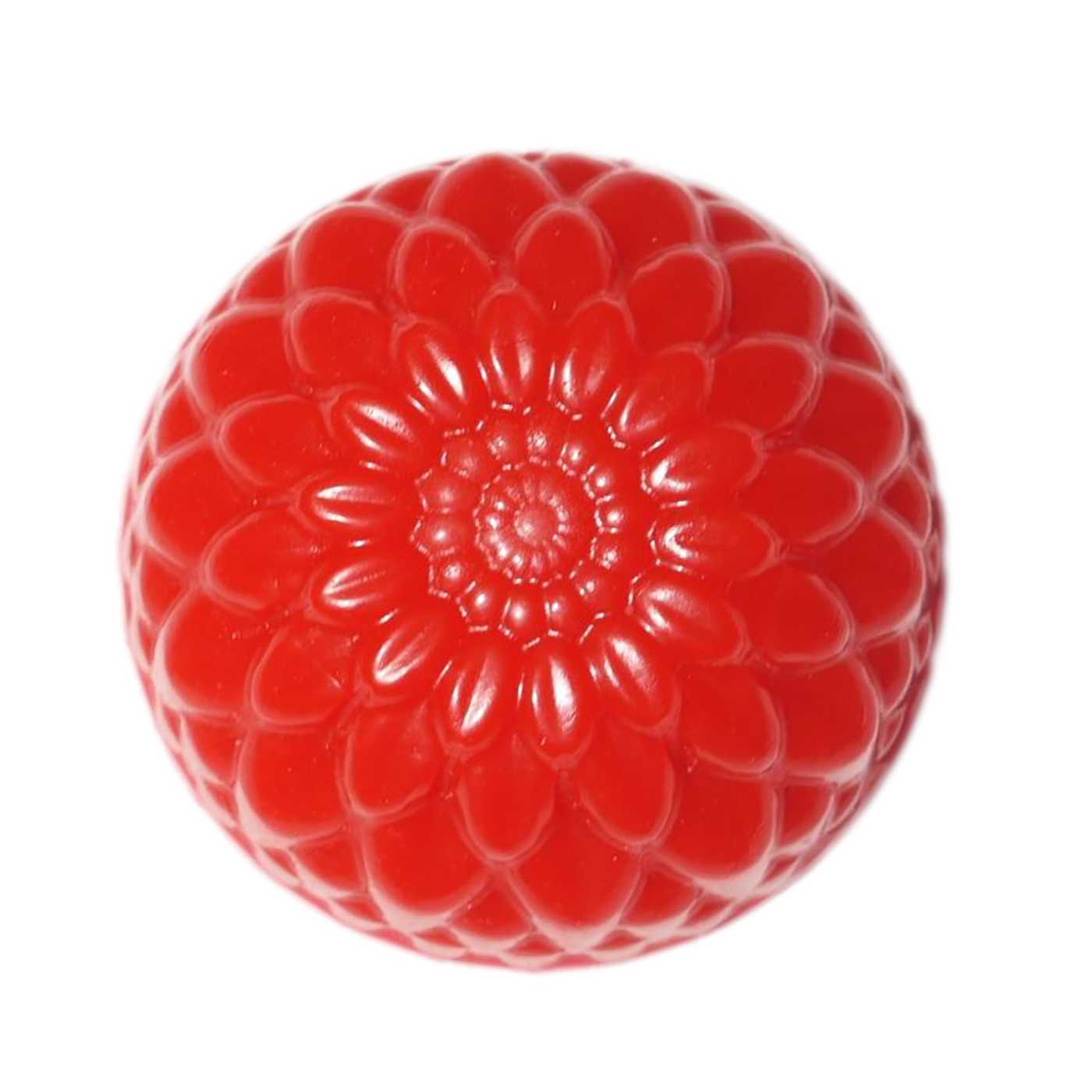
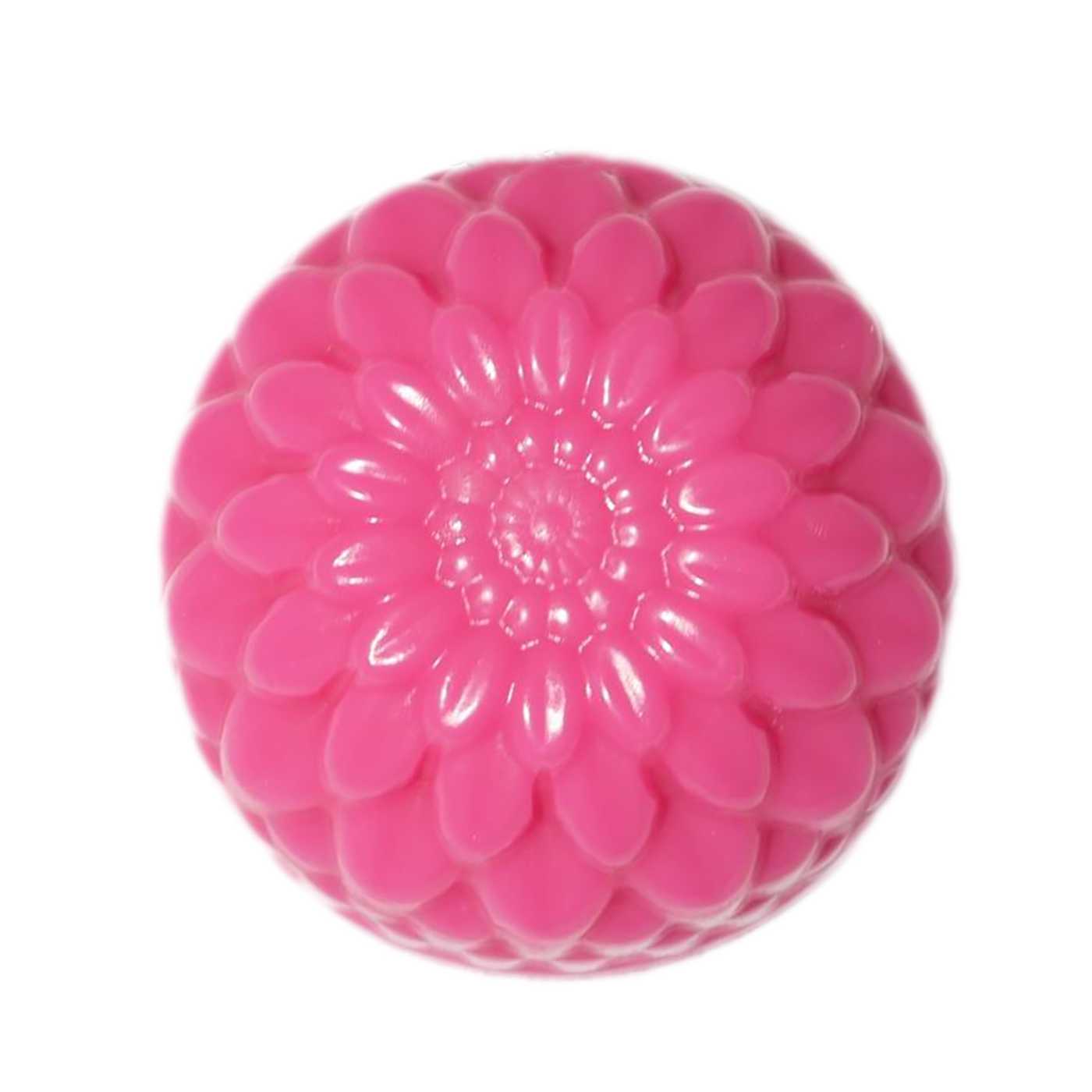
Glycerine Liquid Dye, Extra, Strawberry, 10 ml
€2.99(€299.00/l)

ZENICOLOR dyes
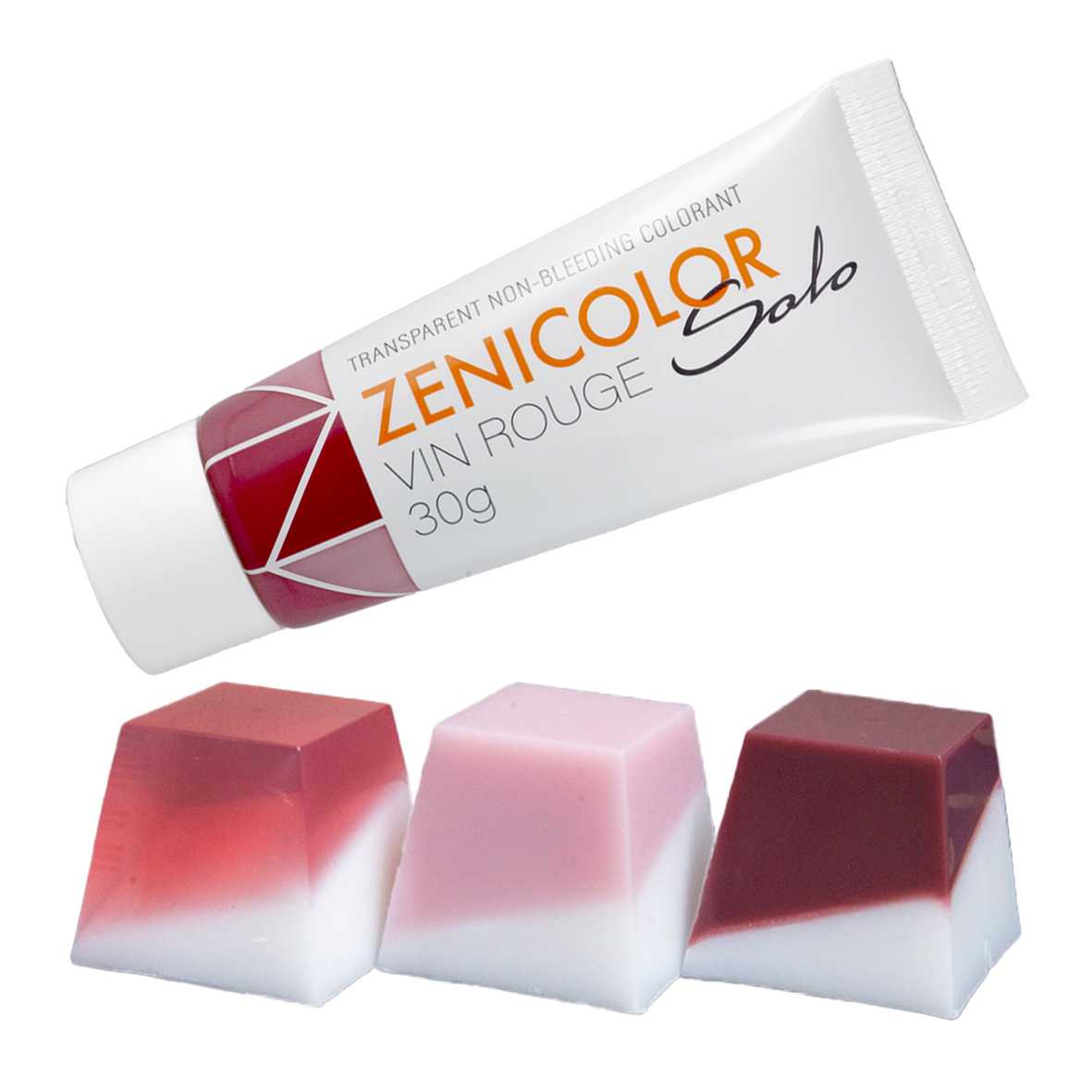
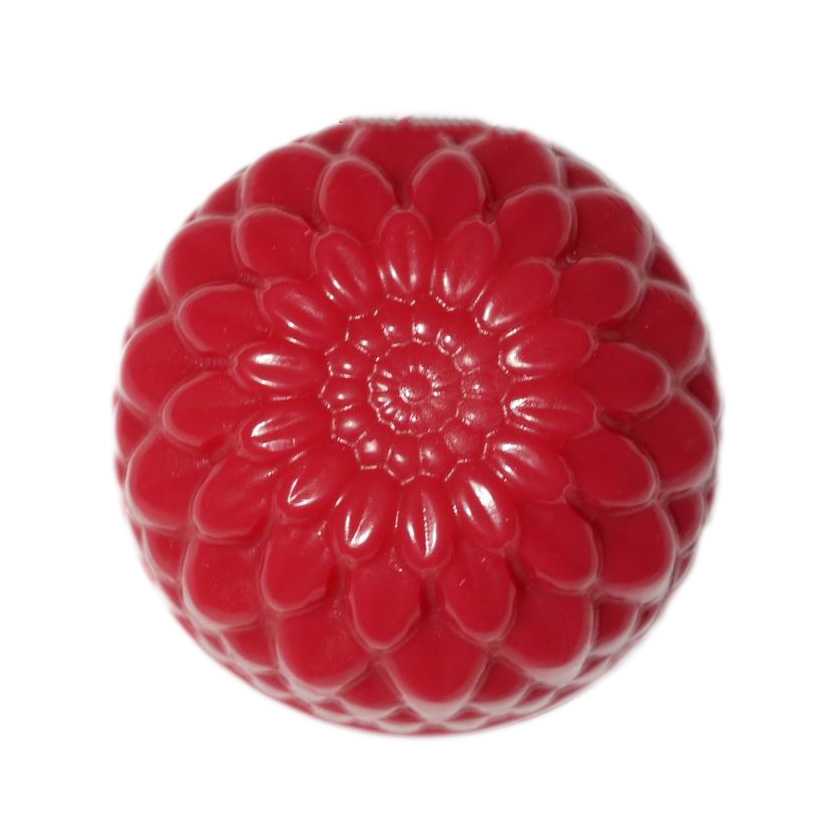
ZENICOLOR SOLO Vin Rouge soap dye gives soap a wine-red shade . It is supplied as a ready-to-use colour paste that you simply mix into the soap base. It is intended for body and hand soaps . full description
Lowest price in the last 30 days: €2.59
ZENICOLOR SOLO Vin Rouge soap dye gives soap a wine-red shade. It is supplied as a ready-to-use colour paste that you simply mix into the soap base. It is intended for body and hand soaps.
Wine red is a blended shade. It is created by combining red pigment CI 73915, yellow dye CI 21108 and blue CI 74160 (copper phthalocyanine).
The colour components are carried by a base of water, glycerine and Propylene Glycol. It also contains a soap component and surfactants (Sodium Laureth Sulfate, Sodium Stearate and Sodium Laurate). These substances cause no problems when worked into soap.
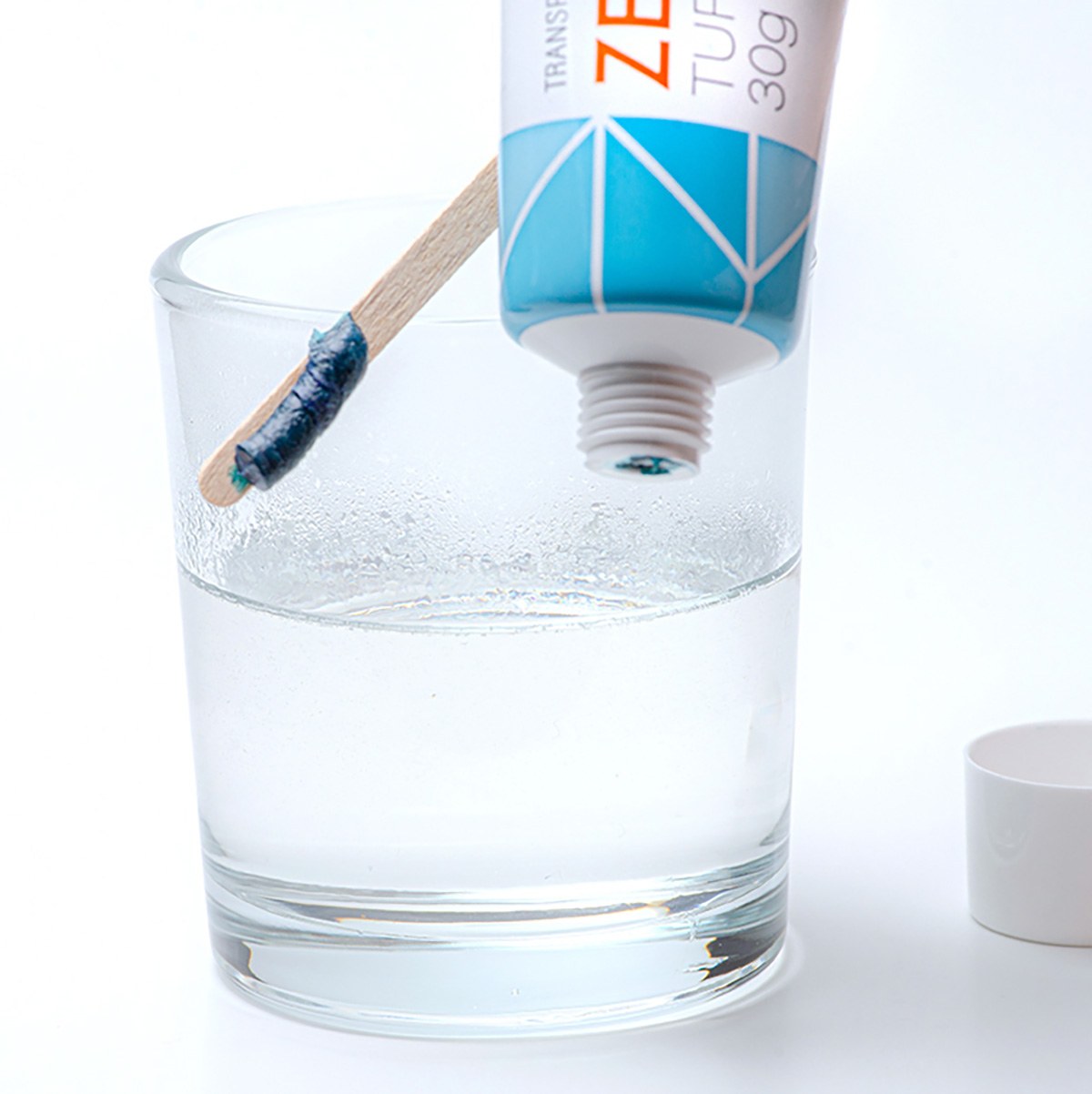
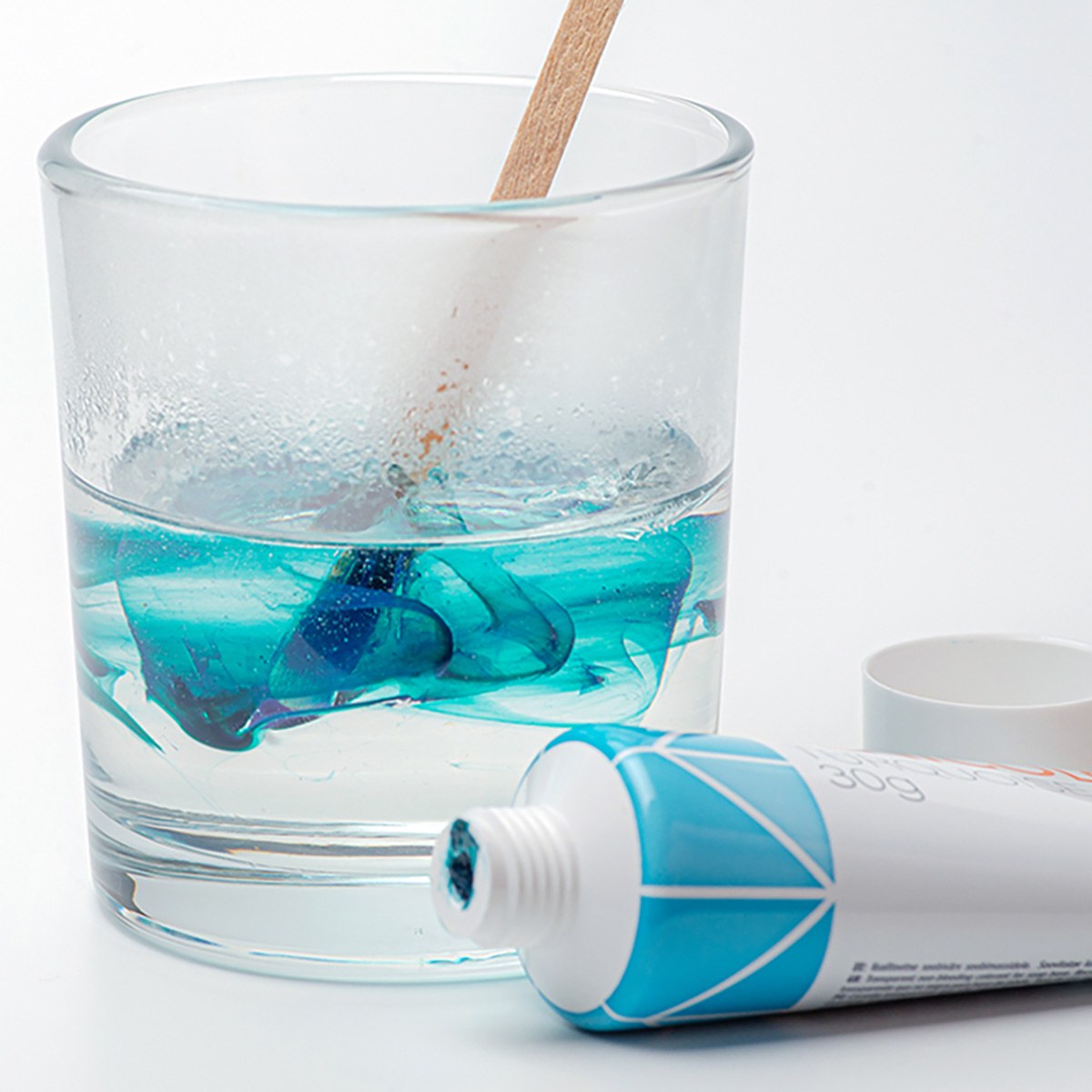
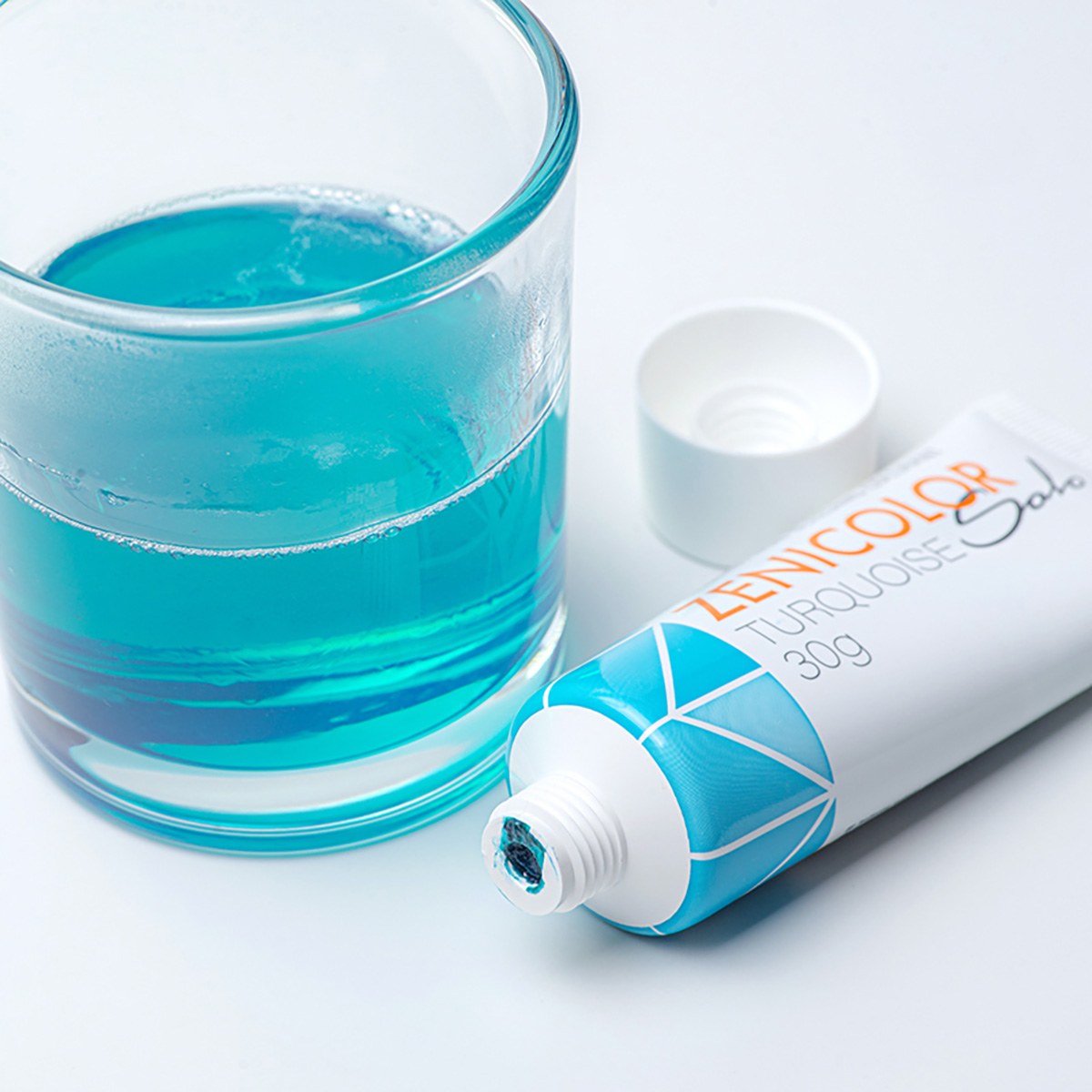
The dye is added in the final stage of production. Mix it into the soap base and keep stirring until the colour is evenly dispersed. The paste is water-based and water-soluble.
The intensity of the shade depends on the amount of dye used. The base itself also has an effect: in a clear base the colour comes out deeper, while in a white base it is lighter and opaque.
The dye is intended for rinse-off products only. Under the Cosmetics Regulation, pigment CI 73915 and dye CI 21108 are permitted only in these products. The dye is not suitable for leave-on cosmetics, lip products or eye products.
The mixture is not classified as hazardous under the CLP Regulation, and a safety data sheet is not required for it. It is paraben-free, contains no fragrance allergens from Annex III of the Cosmetics Regulation and no intentionally added microplastics, and it is not tested on animals.
Ethylene oxide is used in production. As a technological impurity, the dye contains traces of 1,4-dioxane below 0.1%, which is below the classification threshold of the mixture.
Only customers with a delivered order can write reviews.