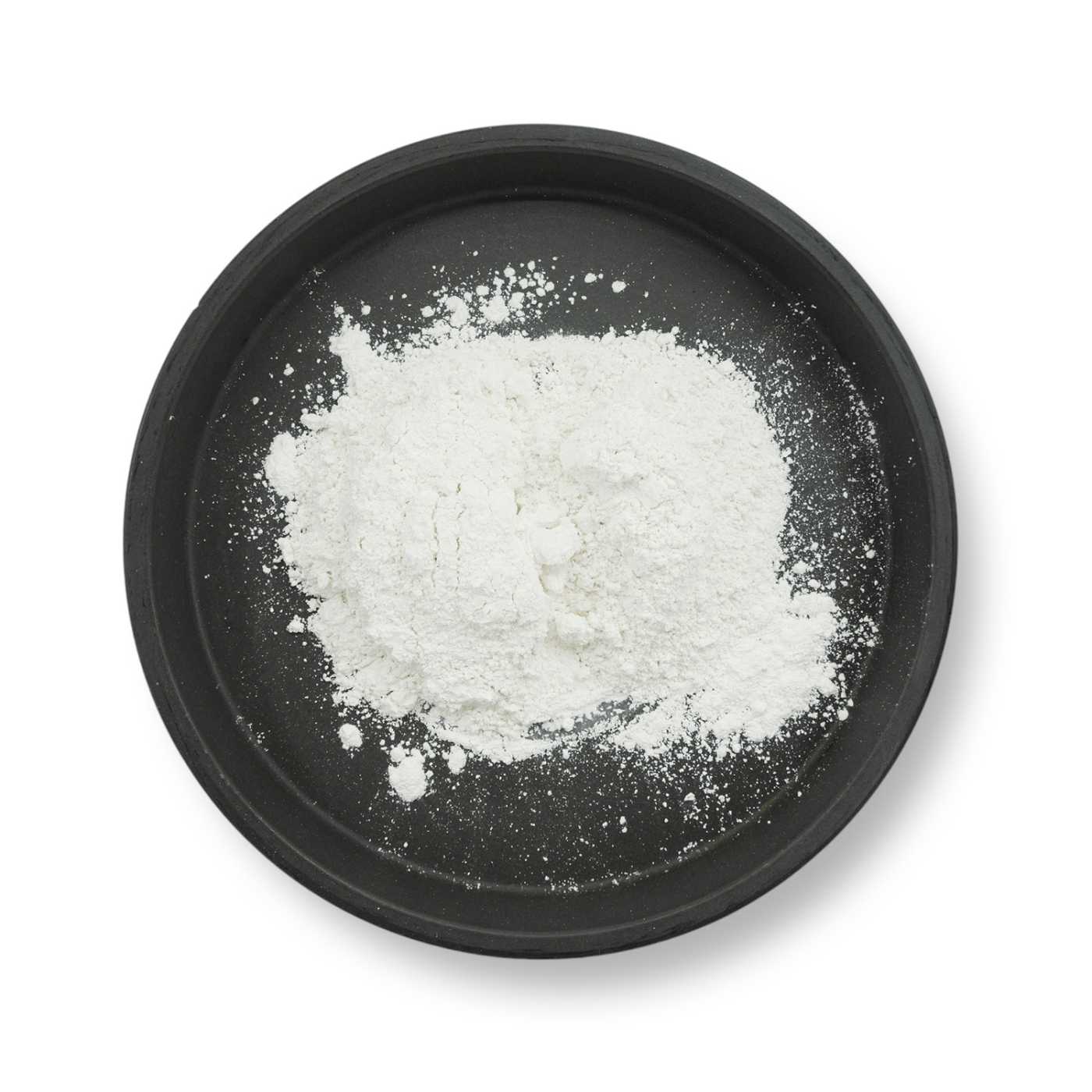
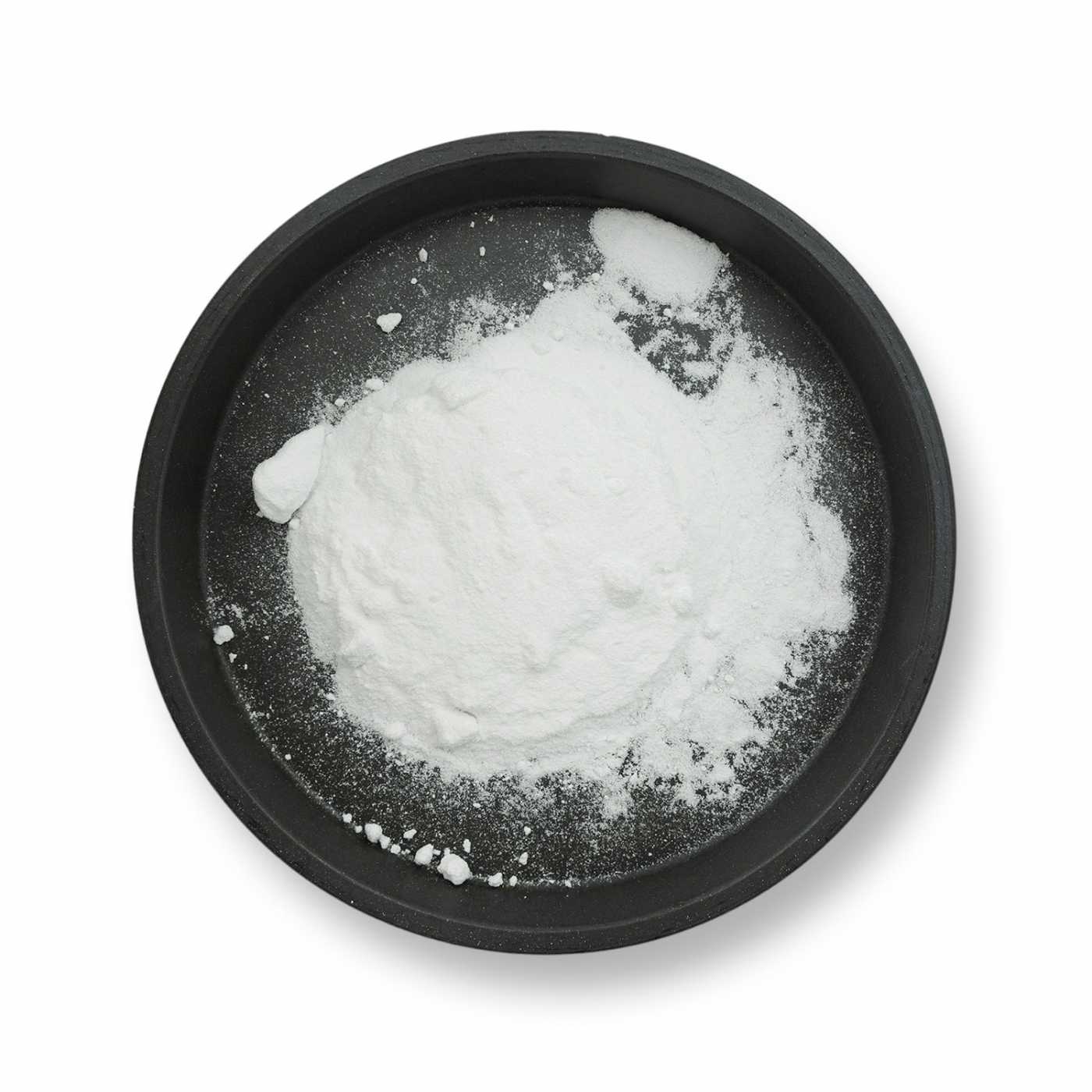
Allantoin is added to creams, lotions and gels to soothe the skin and support its regeneration. It is used in rinse-off and leave-on products for the face, body, hands and lips, in hair care and baby care products, and in oral hygiene products.
It is produced synthetically and contains no materials of animal origin. It is incorporated into the formulation through the water phase, which makes it particularly suitable for emulsions, gels, toners and cleansing products.
Effects on the skin
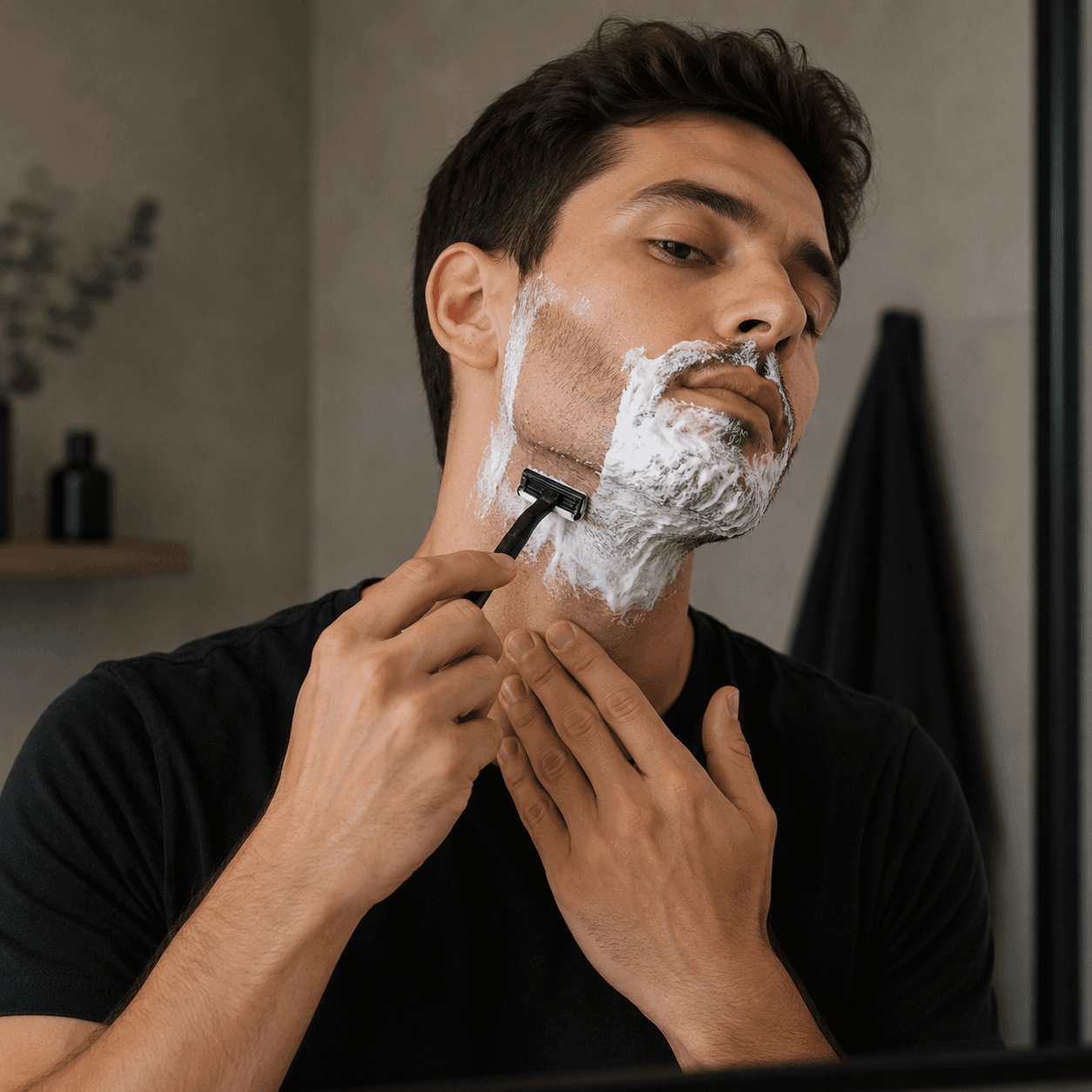
- Soothing the skin – it is used in products for irritated skin, such as aftershave and after-sun products.
- Supporting regeneration – it is used in products for cracked skin on the hands and lips.
- Smooth skin appearance – according to the manufacturer’s data, allantoin gives intact skin a smooth and healthy appearance even at a low usage rate. It therefore also has its place in everyday creams and body lotions.
- Sensitive and baby skin – the ingredient contains no known skin allergens or fragrance allergens. It is also intended for use in baby care products and in products for sensitive skin.
Use in a formulation
The powder is added to the water phase or in the cooling phase, at a temperature below 80 °C. Allantoin is only partially soluble in water, while in an alkaline environment it dissolves easily.
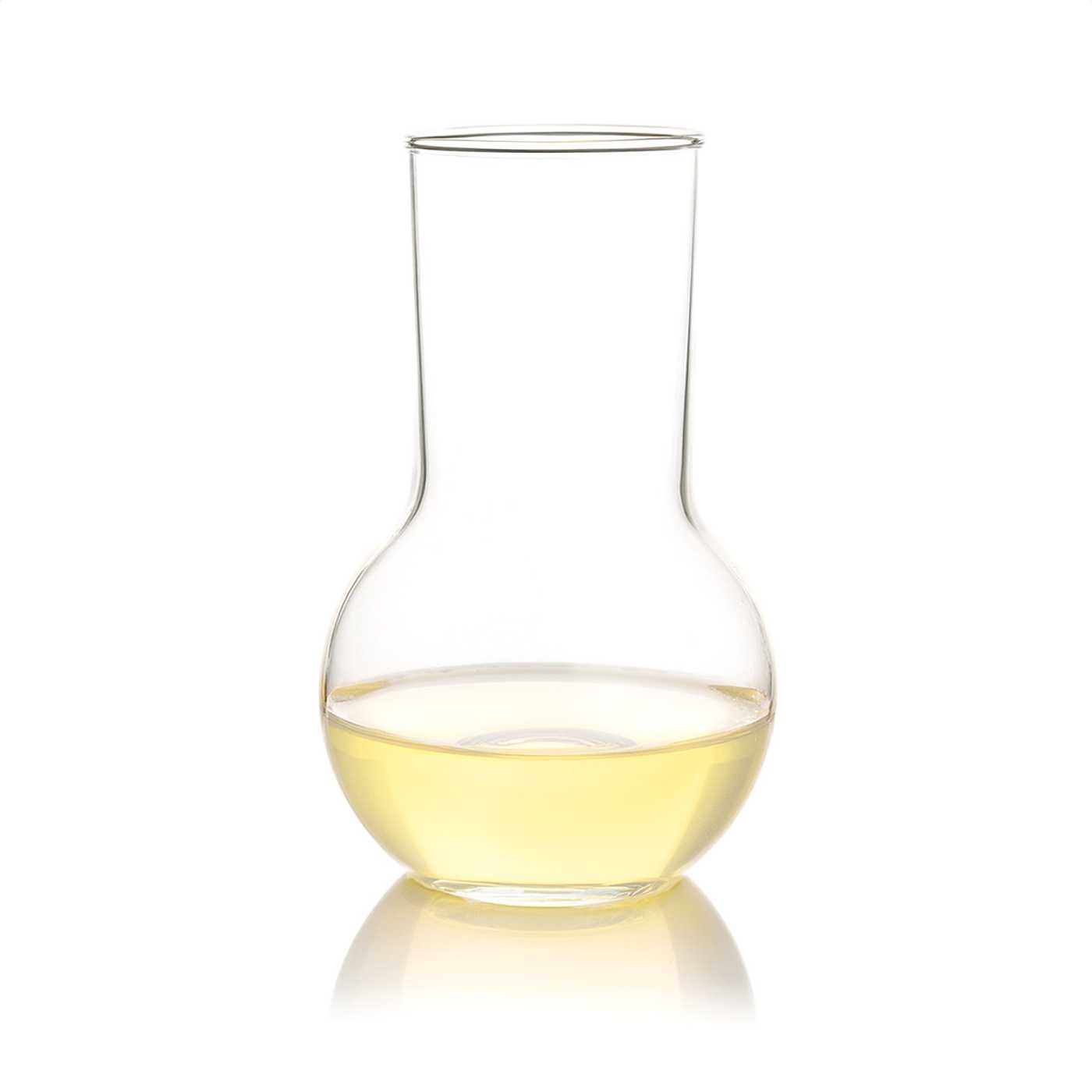
Dissolve allantoin in the heated water phase before emulsification. At 70 °C, a 2% solution in distilled water is clear.
The recommended usage rate is 0.1–2%. For the finished formulation, a pH of 4.0–6.0 is recommended, which is also the pH range of an aqueous allantoin solution. Easier solubility in an alkaline environment does not change the recommended pH range of the product.
Suitable for products such as
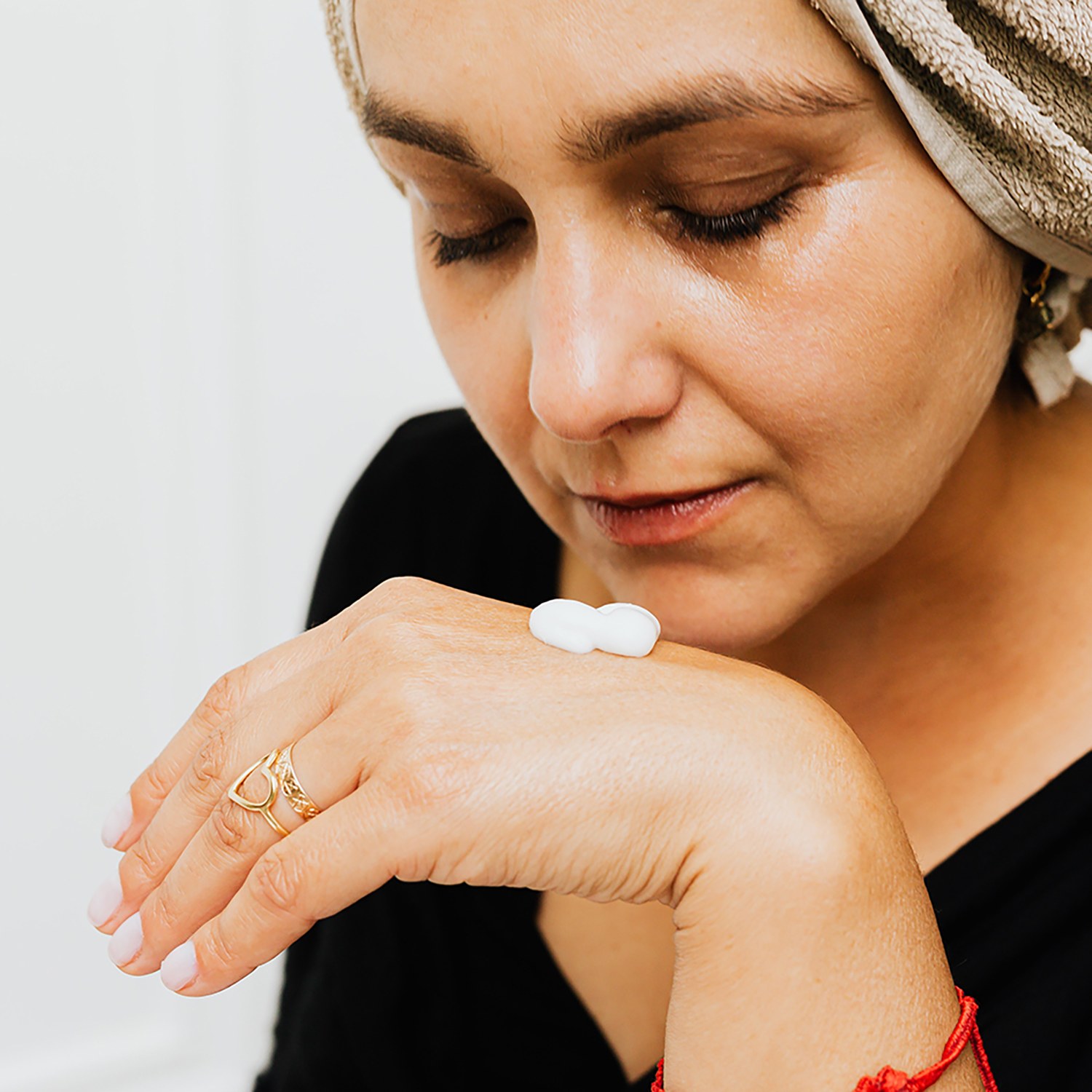
- Face and body creams and lotions – allantoin is dissolved in the water phase of the emulsion.
- Toners and gels – water-based products to which it is added directly when preparing the water phase.
- Hand creams, lotions and gels – products for cracked skin.
- Baby care products – creams, lotions, bath products and wet wipes.
- Aftershave and after-sun products – aftershave lotions, gels and milks in which the soothing effect is used.
- Shampoos, shower gels and bath foams – rinse-off products, including intimate hygiene products.
- Toothpastes and mouthwashes – use in oral hygiene.
- Lip care – creams and sticks.
Good to know
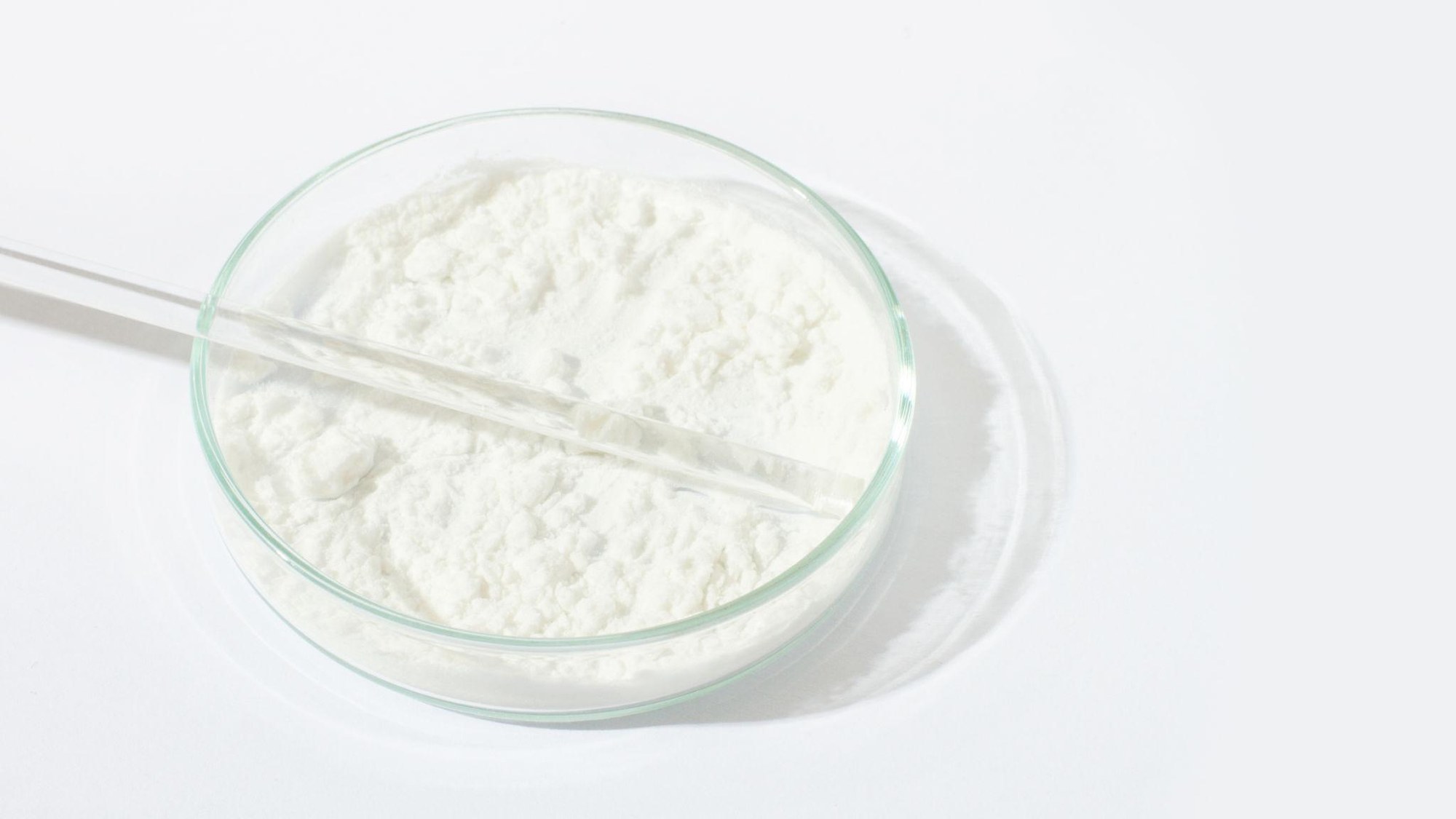
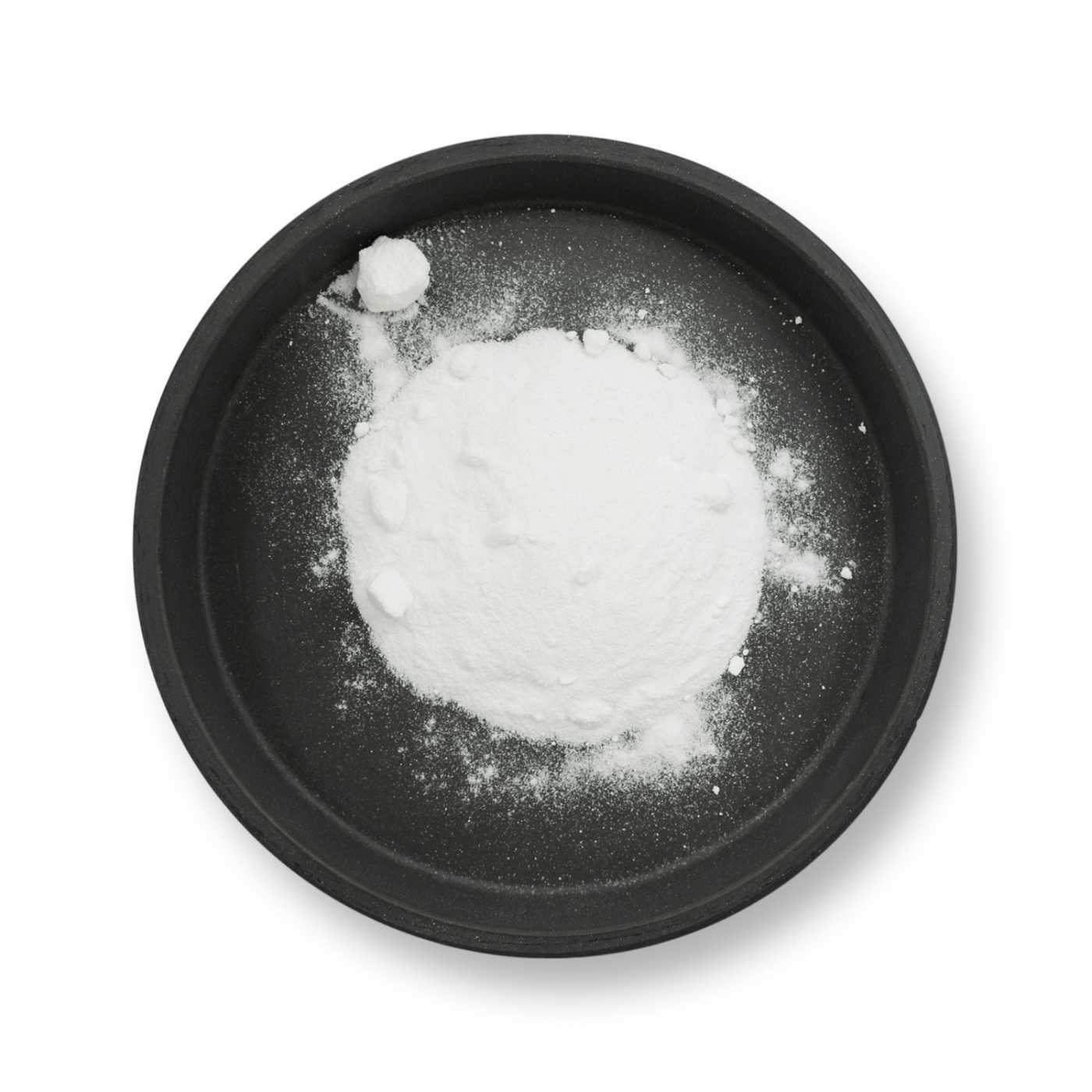
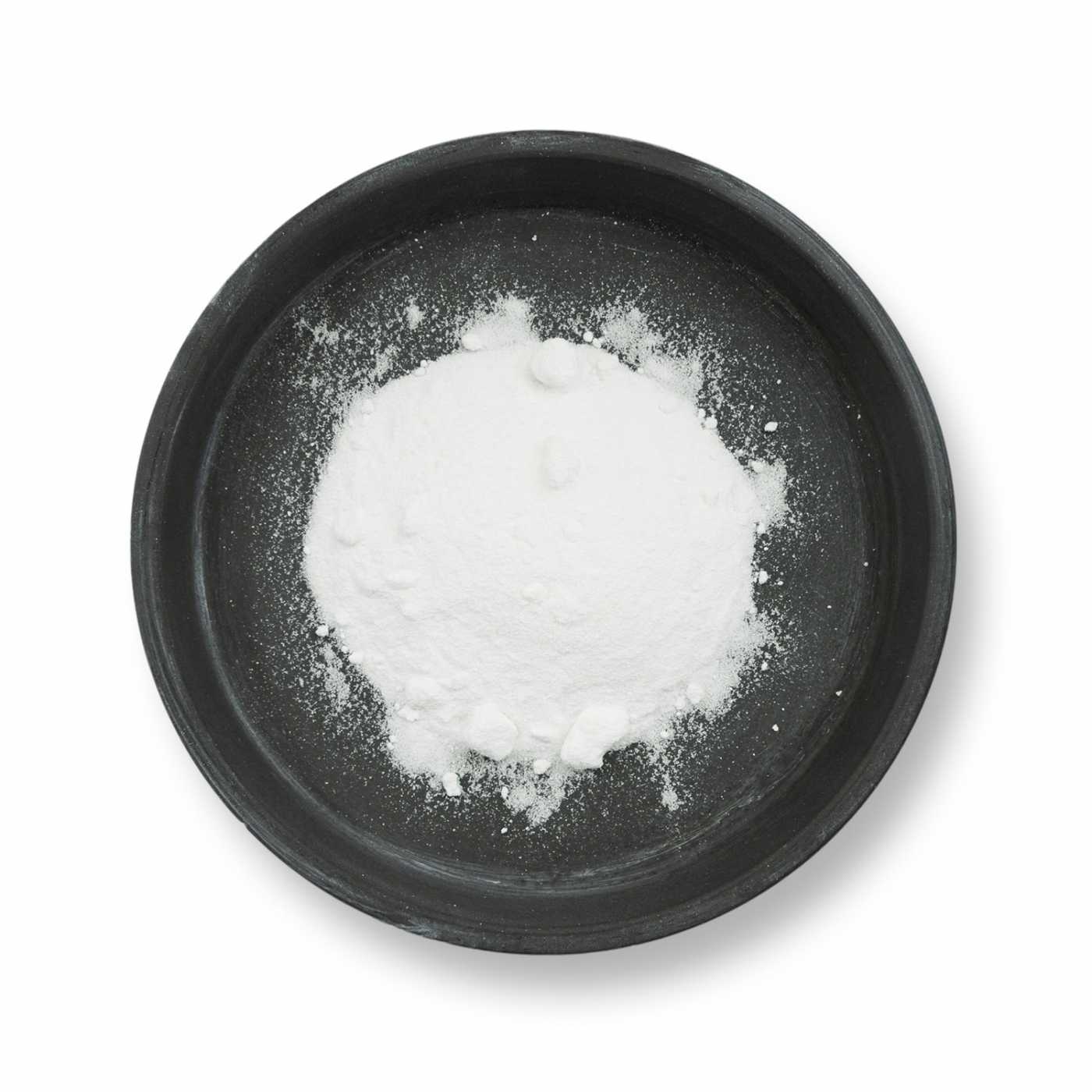
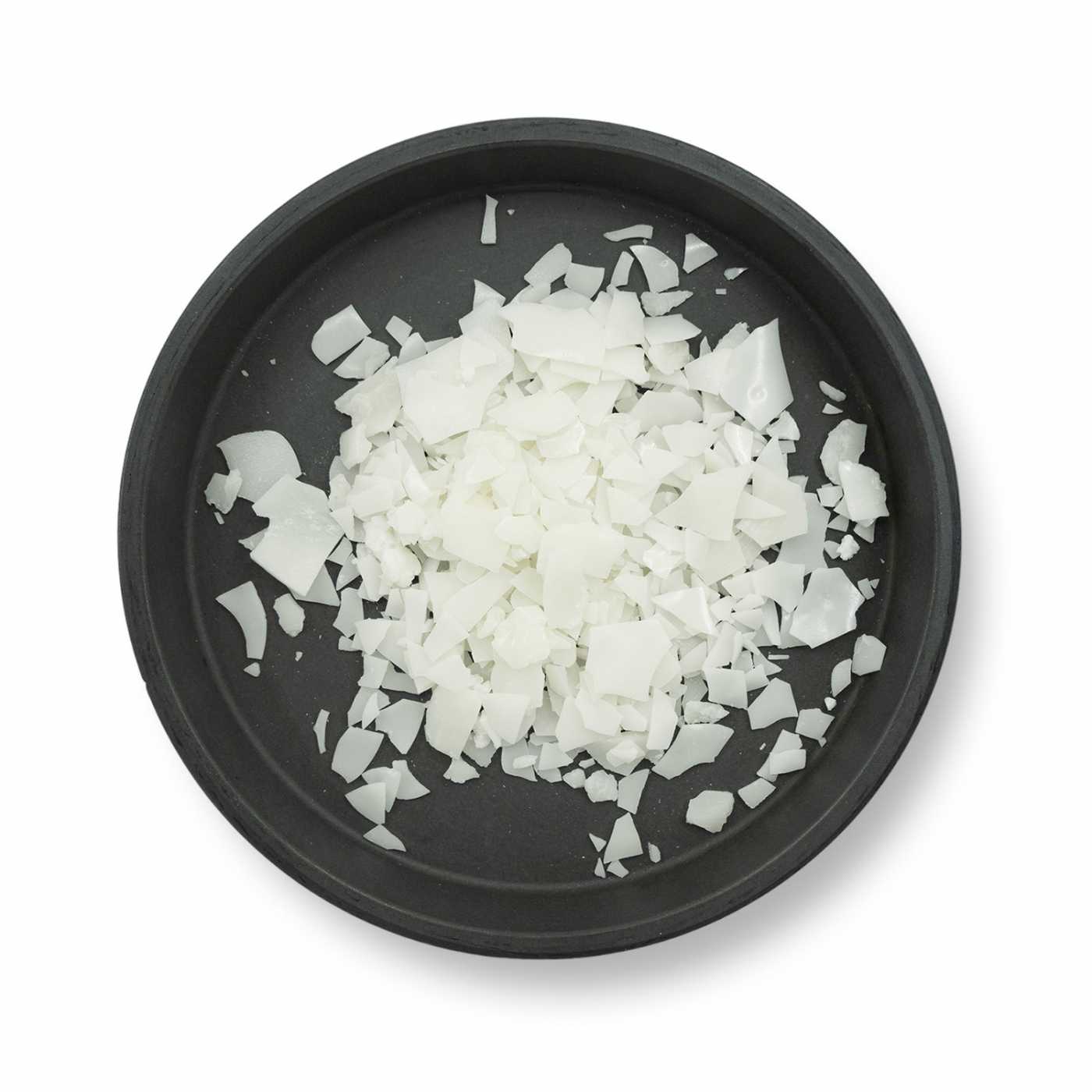
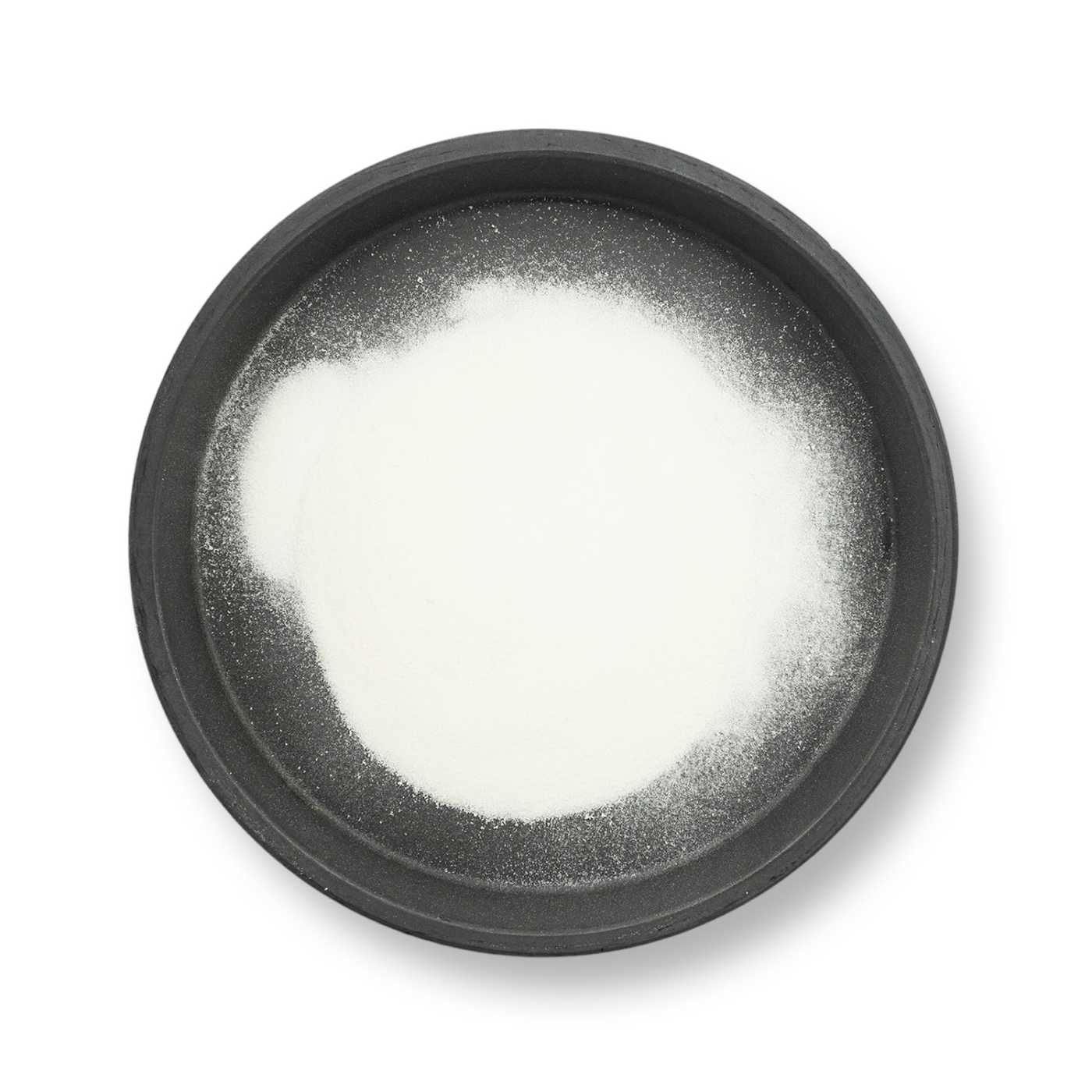
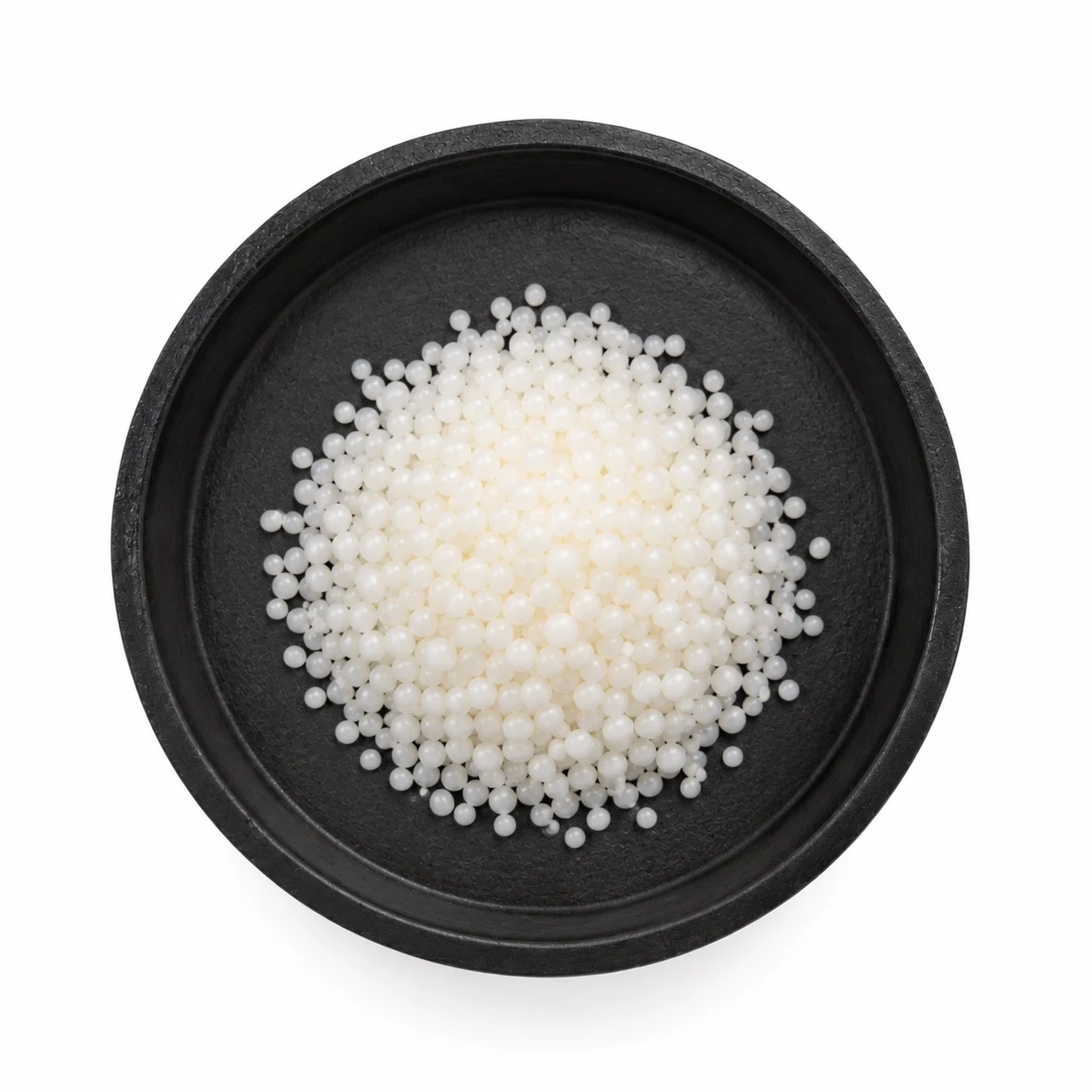
- It is supplied as a white powder of cosmetic and pharmaceutical grade with an allantoin content of 99–101%.
- It is not classified as a hazardous substance under Regulation (EC) No 1272/2008 (CLP).
- It is readily biodegradable (OECD 301).
- It contains no preservatives, parabens, phthalates, formaldehyde or formaldehyde donors, and no ingredients derived from palm oil.
Frequently asked questions
How do you dissolve allantoin when making a cream?
When making a cream, allantoin is dissolved in the heated water phase, because it is only partially soluble in water. A 2% solution in distilled water is clear at 70 °C. It can also be added in the cooling phase. The processing temperature should stay below 80 °C.
What is the usage rate of allantoin in a cream?
Allantoin is used in creams and other cosmetic products at a rate of 0.1–2%. According to the manufacturer’s data, it gives intact skin a smooth appearance even at a low usage rate. At the upper limit, that is 2%, the solution in distilled water is clear at 70 °C, which is why allantoin is dissolved in the heated water phase.
At what pH is allantoin used?
A pH of 4.0–6.0 is recommended for products containing allantoin. The pH of its aqueous solution lies in the same range. Although allantoin dissolves easily in an alkaline environment, the recommendation for the finished product remains in the slightly acidic range.
Is allantoin suitable for sensitive and baby skin?
Yes, allantoin is intended for use in products for sensitive and baby skin. In a formulation it has a soothing function and contains no known skin allergens or fragrance allergens. In baby care products it is used in creams, lotions, bath products, powders and wet wipes.
Is allantoin of natural origin?
No, this allantoin is of synthetic origin. It is produced by chemical synthesis and crystallisation, without the use of genetically modified organisms and without materials of animal origin. The manufacturer has not tested it on animals for cosmetic purposes. In formulations where the share of ingredients of natural origin is monitored, it is counted as a synthetic ingredient.