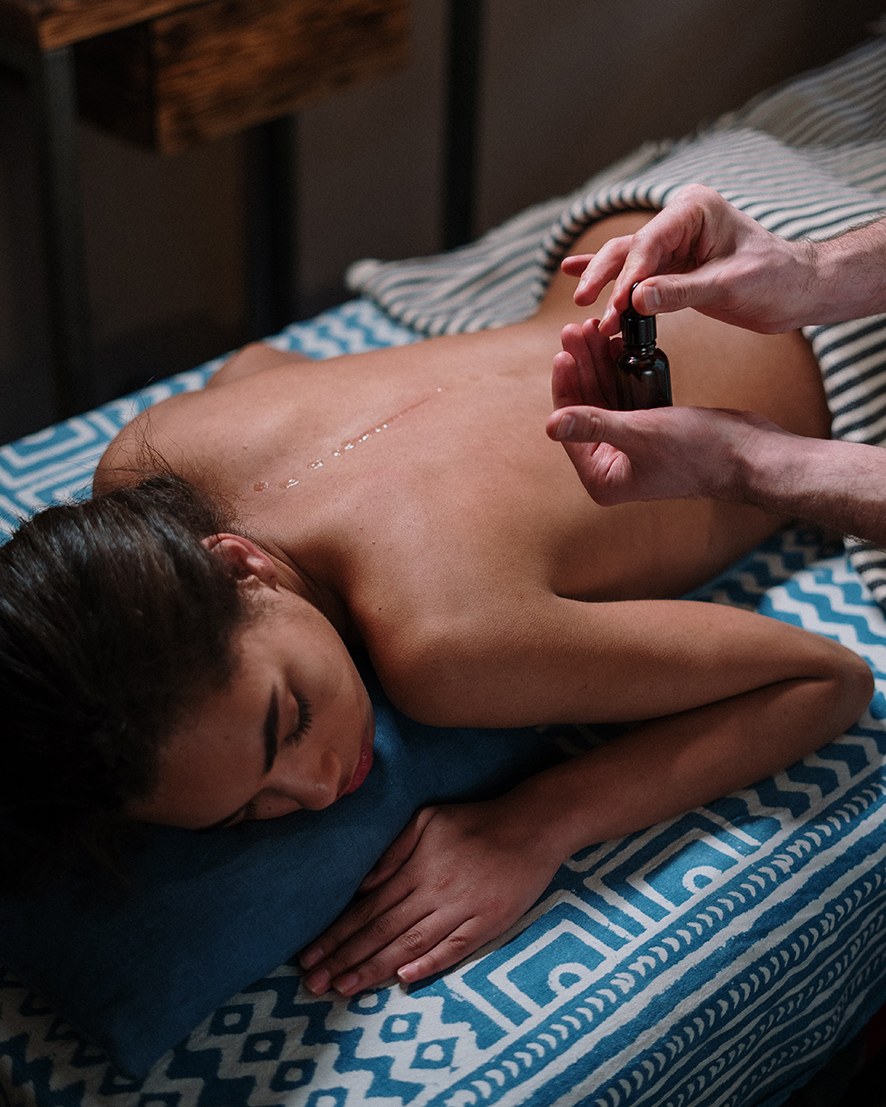
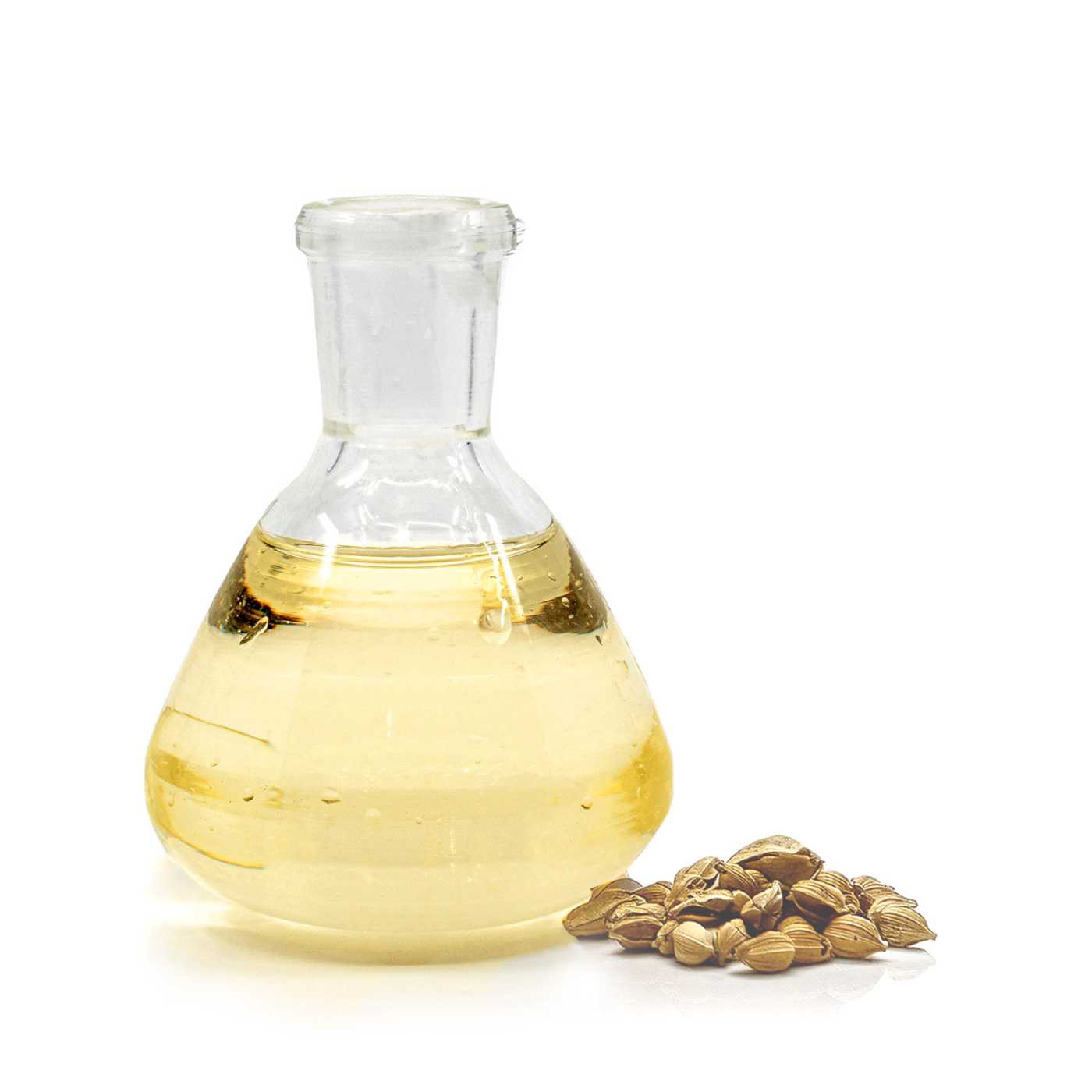
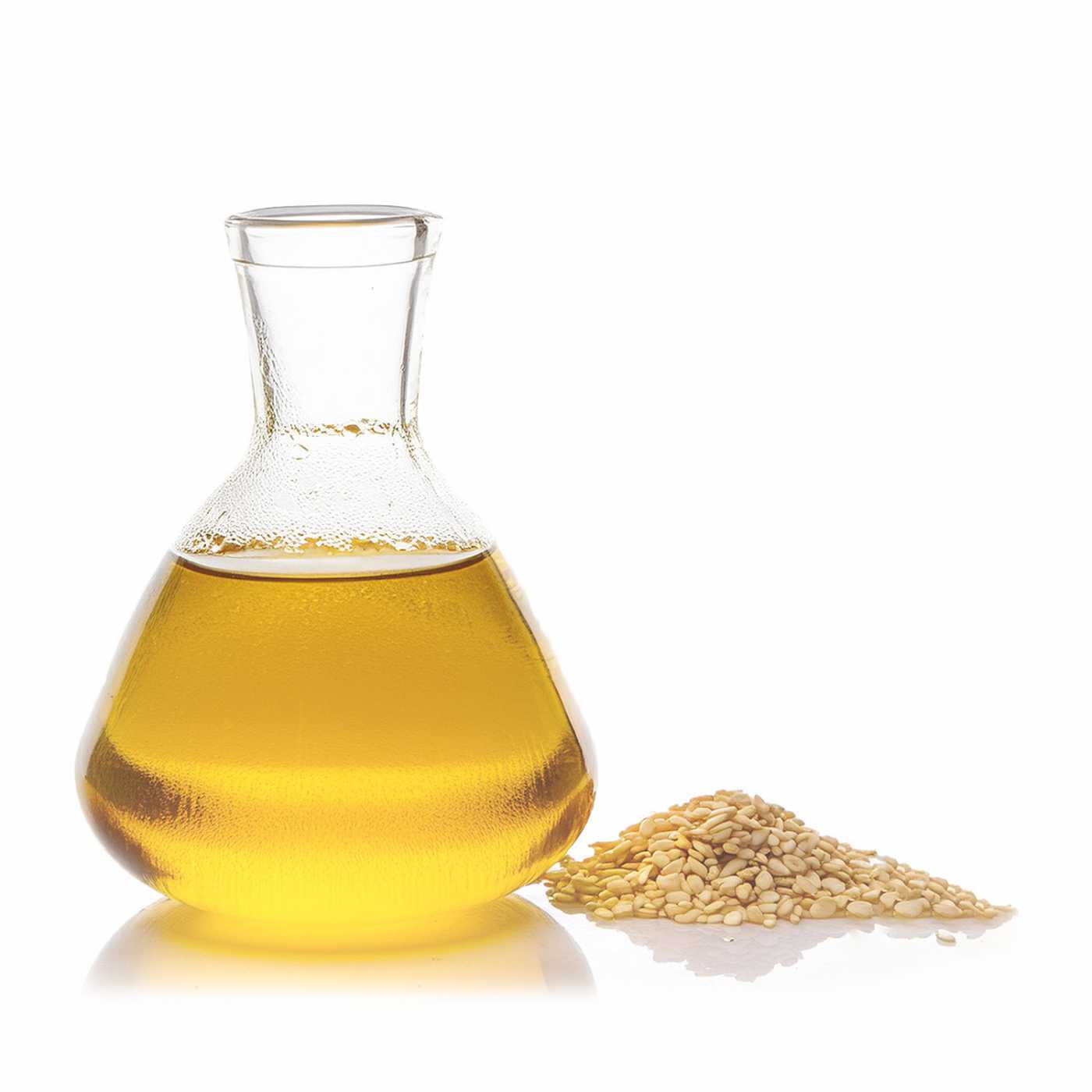
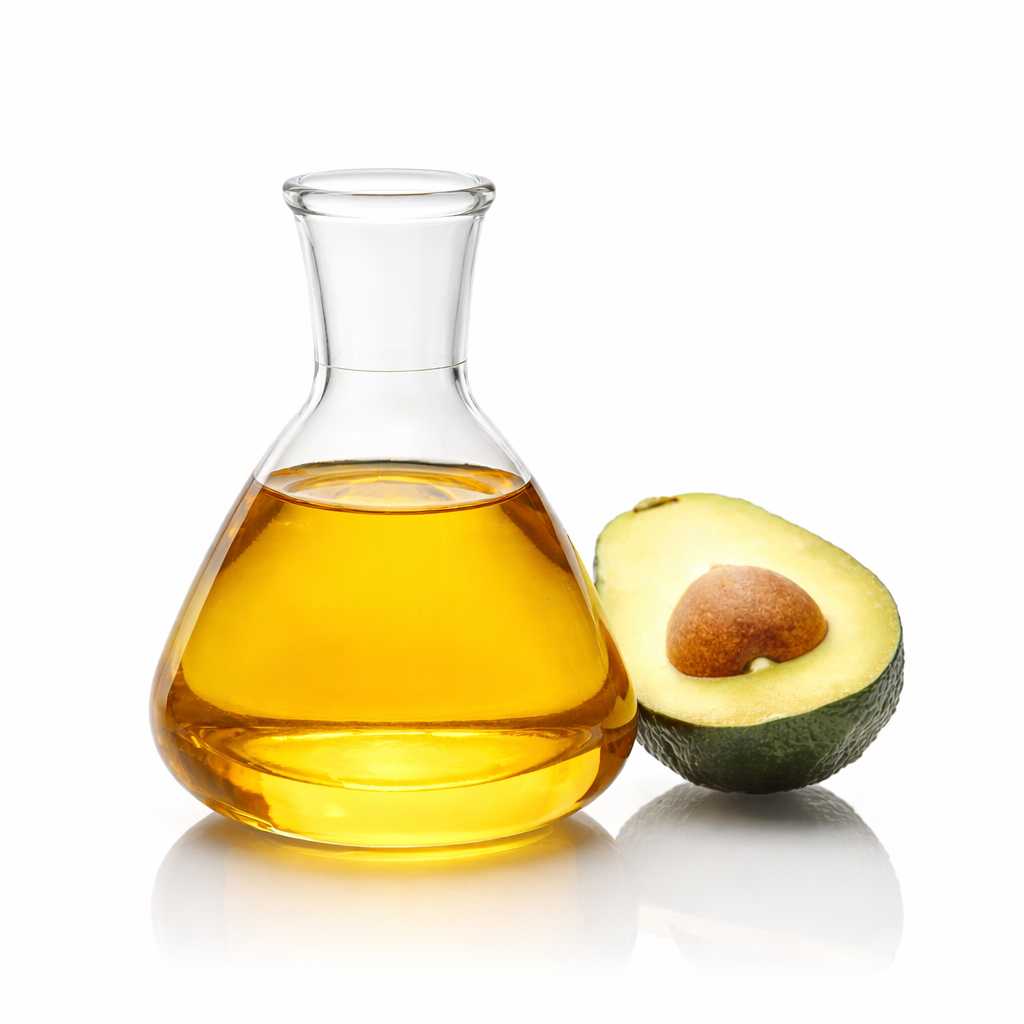
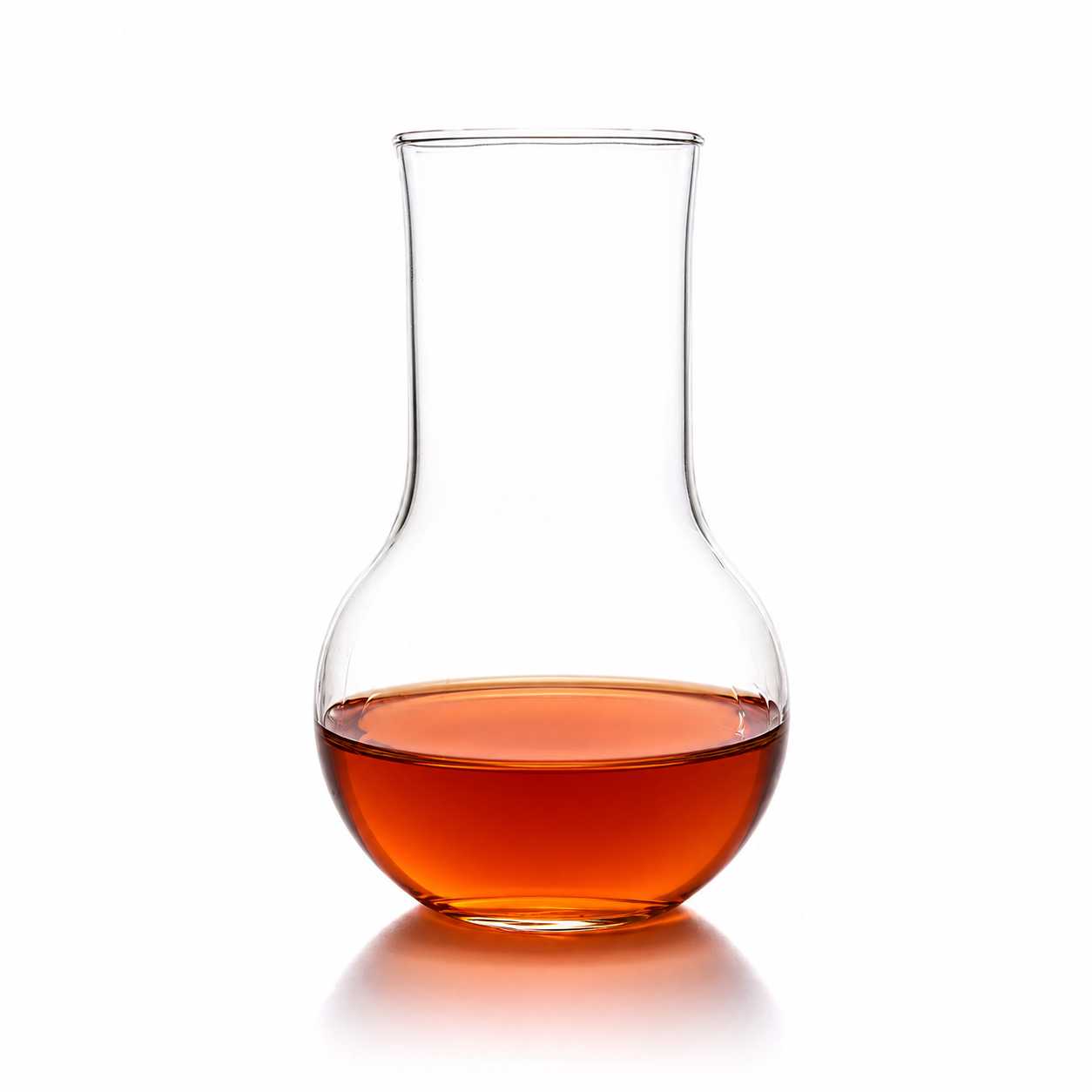
Cold-pressed argan oil from argan tree fruit kernels softens the skin and conditions the hair. In a formulation it works as an emollient and conditioning agent. It comes from certified organic production in Morocco and, after pressing, it has been filtered and deodorised. It therefore has only a faint characteristic scent and will not mask the fragrance or essential oils in your formulation. Use it on its own as a facial or hair oil, or as part of the oil phase in creams, serums, balms and soap.
What the oil does for skin and hair
The fatty acid profile is mainly oleic-linoleic, with linoleic acid making up roughly a third. The liquid oil spreads more easily than solid butters. On the skin it softens and smooths the surface, and the thin film it forms slows the evaporation of water. It naturally contains tocopherols, mainly gamma-tocopherol.
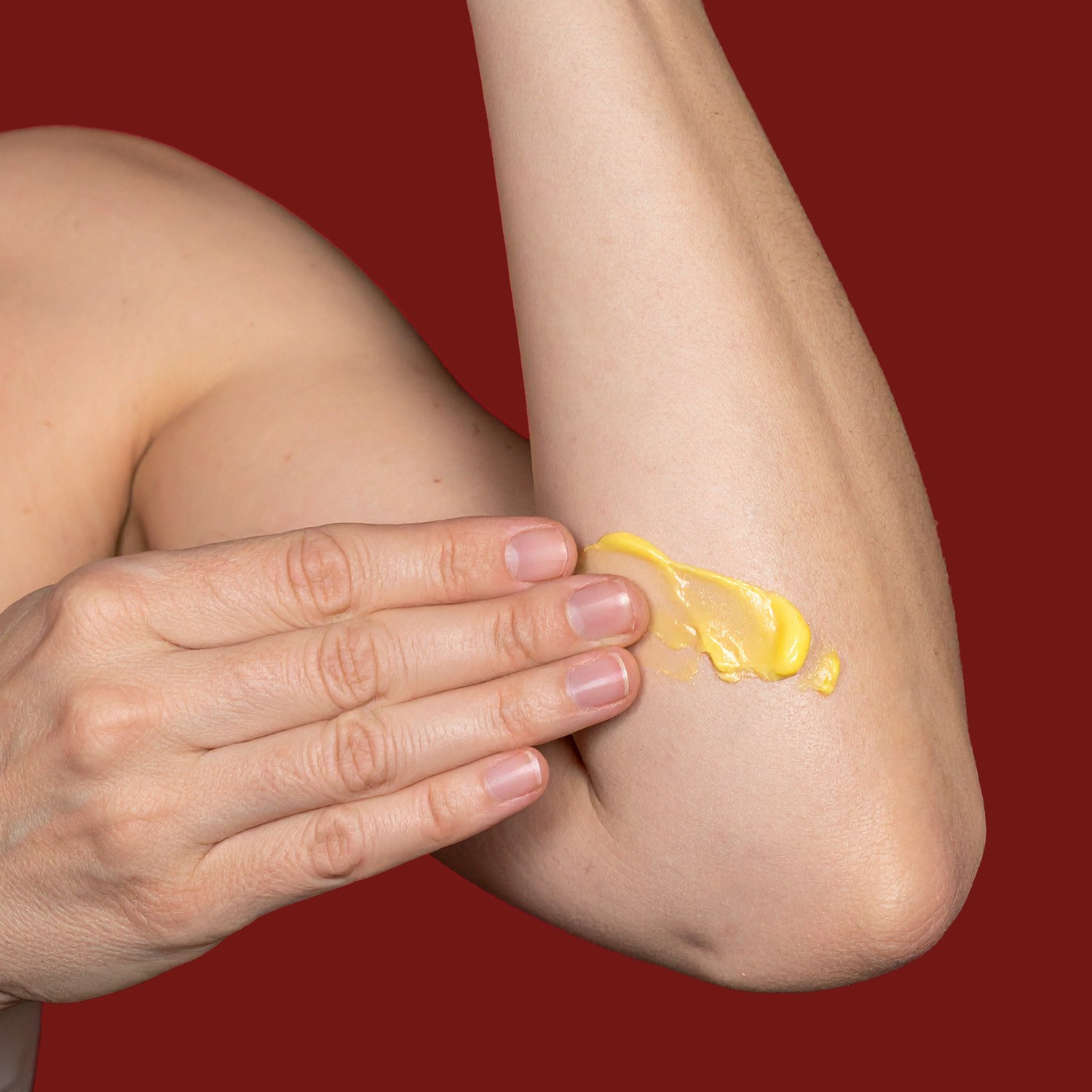
- Softening the skin – as an emollient, it fills in tiny irregularities on the surface so the skin feels smoother and more supple. It is used in facial and body products, on the hands, feet and around the nails.
- Supporting hydration – the oil film reduces water loss from the skin. For dry and mature skin it is therefore combined with humectants in the water phase of the emulsion, for example glycerine.
- Conditioning the hair – in oils, serums and rinse-off conditioners it helps smooth the hair surface, makes combing easier and adds shine. The supplier recommends it for fine, dry, damaged, coloured and curly hair and for a sensitive scalp.
- Subtle scent – after deodorisation only a faint characteristic odour remains, so you control the fragrance of your product yourself.
- Use around the eyes and on the lips too – according to the supplier, the areas of application include the face, including the eye area, lips, scalp, body, hands, feet and nails, in both leave-on and rinse-off products.
Use in a formulation
The oil belongs in the oil phase. When heating it with other fats and waxes, we recommend not exceeding 80 °C; when making products without heating, it is mixed in with the other oils. It dissolves in vegetable oils and in ethanol and is insoluble in water. For toners, gels and other water-based products it therefore needs an emulsifier or solubiliser. When calculating the emulsifying system, use a required HLB of 11.
The supplier states a usage rate of 1–100%, which includes using the oil on its own. In finished formulations it appears from 0.2 to 36.5%, most often around 5%. Creams usually contain 5–6%, hair milks and leave-on hair emulsions around 4%, hair serums approximately 15%, cleansing balms 1%, and shampoos only a trace amount of around 0.2% as a supplement to the conditioning agents.
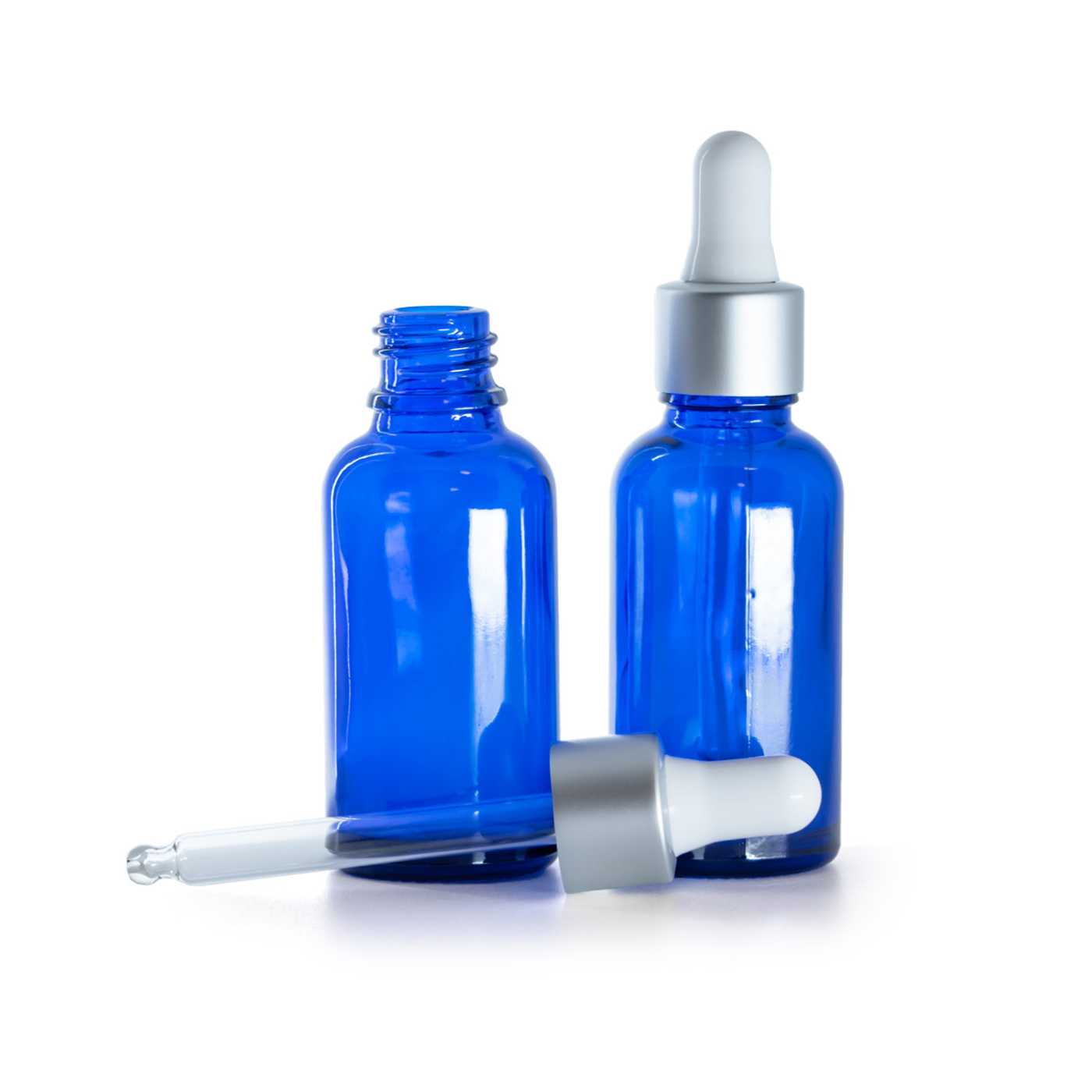
The oxidative stability of the oil is medium, and the natural tocopherols are usually not enough to protect the finished product for longer. It is worth adding another antioxidant to the formulation, most often Tocopherol, even when the oil is used on its own in a bottle with a dropper.
In formulations it is complemented by jojoba oil, shea butter, rosehip and almond oils, and by the ester Coco-Caprylate/Caprate, which lightens the overall feel on the skin. In emulsions it is commonly accompanied by glycerine, Cetearyl Alcohol and xanthan gum. The supplier does not state any compatibility restrictions.
In cold process soap, use a saponification value of approximately 189–199 mg KOH/g. Considering the price of the oil and its linoleic acid content, it is better to add it as a superfat oil after trace than to saponify it all in the base fat blend.
Suitable for products such as
- Facial and body oils – on their own or blended with other oils.
- Creams and lotions – in the oil phase of O/W emulsions it softens the skin without a heavy feel and is also suitable for eye-area creams.
- Hair serums and oils for the ends – at a higher usage rate it smooths and adds shine; in spray oils it is diluted with lighter esters.
- Conditioners and masks – as a conditioning agent in rinse-off products with a cationic emulsifier.
- Lip balms and nail oils – anhydrous formulations with waxes and butters, where its spreadability is an advantage.
- Cold process soap – as a superfat oil after trace, which softens the feel after washing.
- Decorative cosmetics – oil components of tinted creams, liquid lipsticks and primer bases.
Good to know
Argan oil is one of the more expensive raw materials and is occasionally diluted with cheaper oils on the market. If the price is unusually low or the colour or scent differs, it is sensible to check the documentation, because a blend of oils must also be labelled as a blend.
The oil reacts with strong acids, alkalis and oxidising agents, and prolonged overheating produces decomposition products. Keep rags and cloths soaked in oil damp or dispose of them, as dry soaked textiles may self-ignite.
The substance is not classified as hazardous under the CLP Regulation, so a safety data sheet is not required. Its flash point is above 300 °C. It does not contain the fragrance allergens listed in Annex III of the Cosmetic Products Regulation, palm oil derived ingredients or silicones.
Frequently asked questions
Is argan oil soluble in water?
No, argan oil is insoluble in water. It dissolves in vegetable oils and in ethanol, so it mixes without problems with the other components of the oil phase. It can be incorporated into a water-based serum, toner or gel only with an emulsifier (for emulsions, use a required HLB of 11) or, in a small amount, with a solubiliser that disperses it into a clear water-based formulation.
What is the difference between deodorised and non-deodorised argan oil?
Deodorised argan oil has only a faint characteristic scent, while non-deodorised argan oil retains a stronger natural scent. Deodorisation removes most of the odour compounds from the oil, and the emollient function remains. The deodorised version is chosen for products in which the scent is determined by a fragrance composition or essential oils, or for fragrance-free formulations for sensitive skin, where the natural odour of the oil could interfere.
How much argan oil is added to a cream?
In creams, argan oil is usually added at 5–6% of the total weight of the formulation. The supplier allows a range of 1–100%, so a higher proportion is possible. The oil is added to the oil phase, and when heating it, 80 °C should not be exceeded.
Can argan oil be used in cold process soap?
Yes, argan oil can be added to cold process soap; when calculating the lye, use a saponification value of approximately 189–199 mg KOH/g. It is one of the more expensive raw materials and has a higher linoleic acid content, so it is better to add it as a superfat oil after trace in a smaller amount than to saponify it as the main fat component.
Is argan oil suitable for oily skin?
Yes, the supplier lists argan oil as suitable for oily and problem skin as well. The oleic-linoleic composition spreads easily and does not leave a heavy greasy film. In products for oily skin it is used at a lower proportion in a light O/W emulsion, or in a blend with lighter esters. We always recommend testing how the particular skin reacts.
Does argan oil need a preservative?
Argan oil on its own does not need a preservative: it contains no water and microorganisms do not multiply in it. It needs protection against oxidation, not against microbes. Its oxidative stability is medium, so an antioxidant, typically Tocopherol, is added to it. A preservative is necessary only in products with a water phase, that is, in creams, lotions and conditioners to which the oil is added.