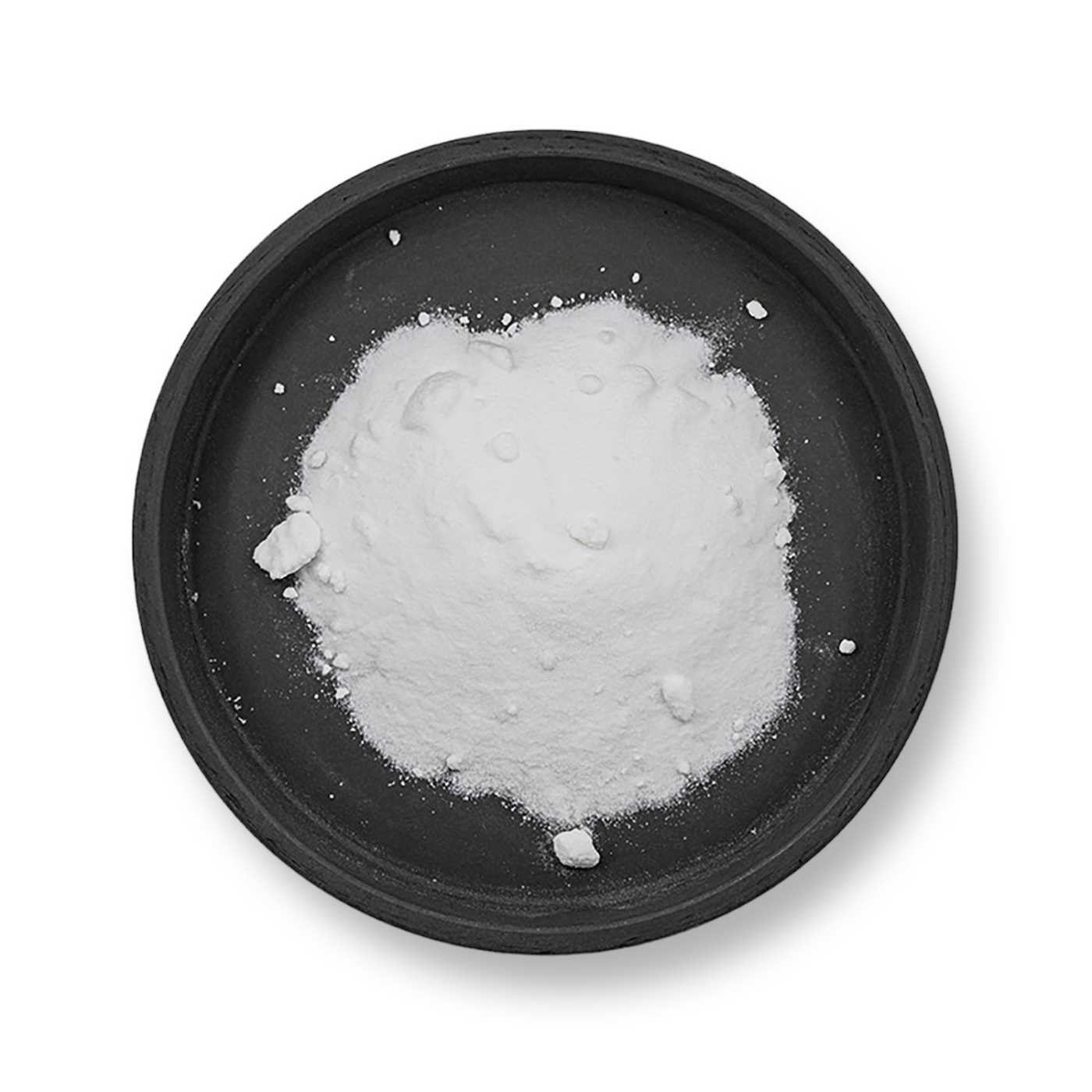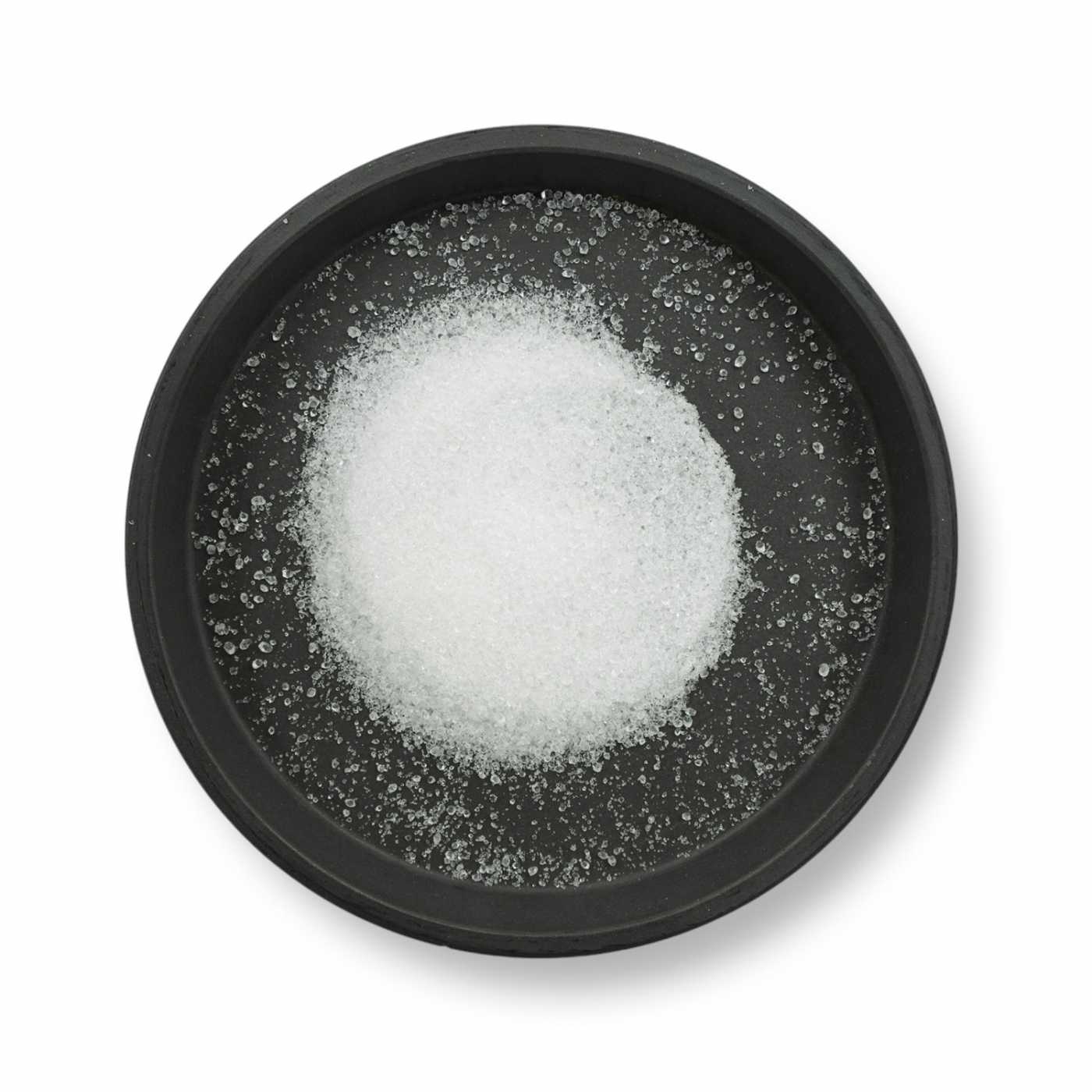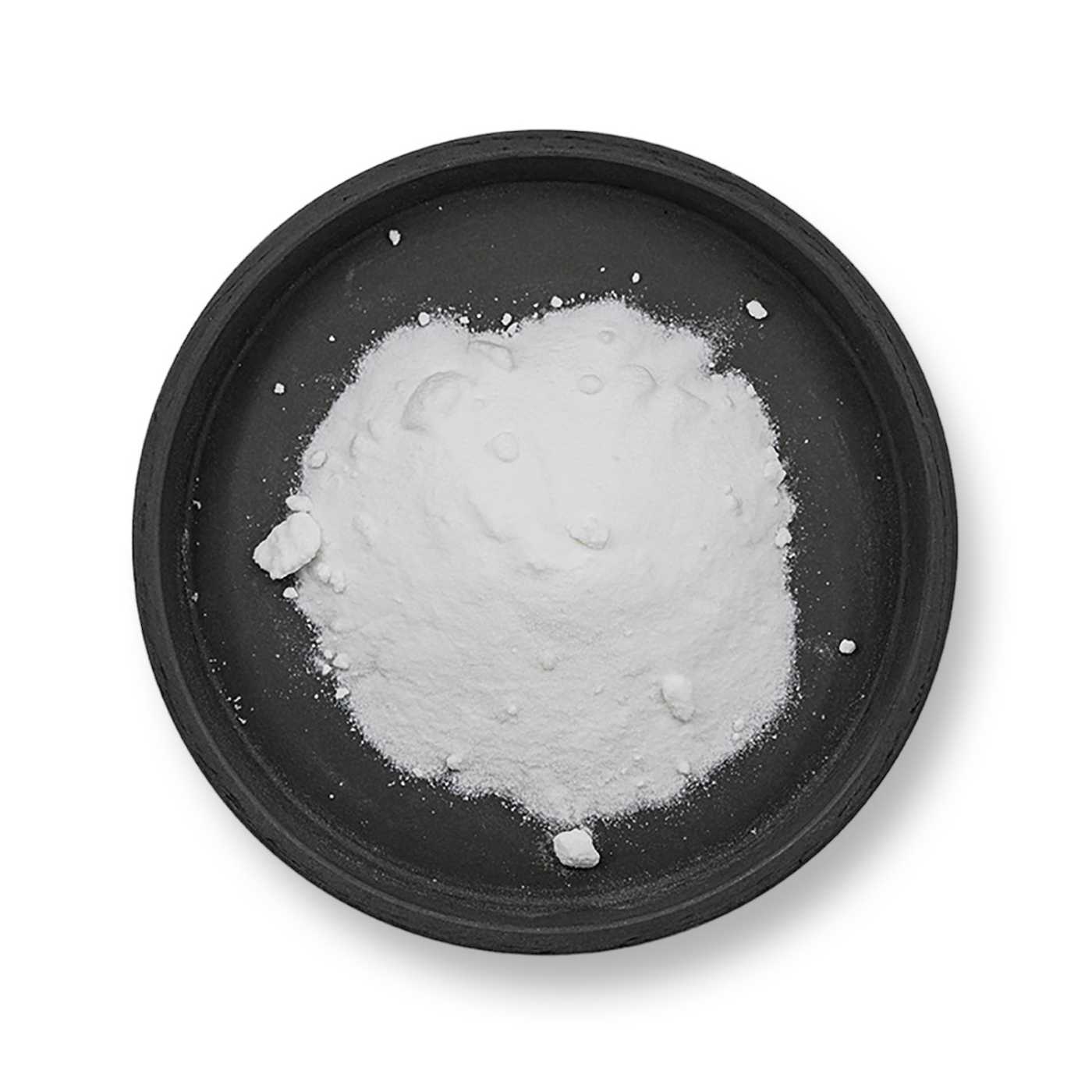
Baking soda, Sodium Bicarbonate, 1 kg
Pre-order€2.99(€2.99/kg)

9 in stock now
4.9 out of 5 · 661 ratings
Documentation for every product
9 products in this category
Showing 9 of 9 products
A bath bomb is simple chemistry at heart: alkaline bicarbonate of soda and citric acid sit together quite happily while dry, but as soon as the bath water brings them together, the reaction releases carbon dioxide — and the bomb fizzes and bubbles. In this category you will find both reactive ingredients in packs from 1 kg to 25 kg sacks.
The proven base is roughly 2:1 — two parts bicarbonate of soda to one part citric acid. Add the third ingredient, corn starch from the sugars and starches section, to firm the mix and refine the texture; it also binds the oils you enrich the blend with. Essential oils provide the scent, mica powders the colour, and finely ground salt the minerals — sprinkle a coarse grain into the bottom of the mould as surface decoration. We carry citric acid both anhydrous and as a monohydrate: the monohydrate dissolves faster, so the bomb breaks up more briskly, while the anhydrous form is less hygroscopic; in a formulation they are interchangeable.
Weigh the ingredients precisely, mix thoroughly, press firmly into the mould and leave to harden. Work in gloves and in a ventilated room — powdered ingredients raise dust, and for larger batches reach for a respirator. Store finished bath bombs somewhere dry so moisture does not set off the reaction early. Then all that is left is to drop the bomb into the bath and let it do its work.
The fizzing comes from an acid–base reaction: citric acid reacts with bicarbonate of soda and releases carbon dioxide, which forms the bubbles. Nothing happens in the dry mix — the reaction only starts with the bath water. That is exactly why the most important rule is to store bath bombs and their ingredients strictly dry.
The proven base is roughly 2:1, i.e. two parts bicarbonate of soda to one part citric acid, topped up with starch to firm the mix and refine the texture. Always weigh the ingredients precisely — the ratio decides how eagerly the bomb fizzes and how well it holds together.
Both forms are safe for bath bombs and interchangeable; they differ in water content. The monohydrate dissolves faster in water, so the bomb breaks up more briskly. The anhydrous form is less hygroscopic and suits formulations where you want to keep the water content to a minimum. Try both and see which one works for you.
They have met moisture — soda and citric acid react with every drop of water, including humidity in the air. Store finished bombs and opened ingredients in a dry place in tightly closed containers, and do not scoop the powders with wet hands. A prematurely activated bomb will not fizz properly in the bath.