+421 950 333 113info@handymade.storeHandymade Days: −10 % on all ready-made productsShop now

CLEANING & WASHING

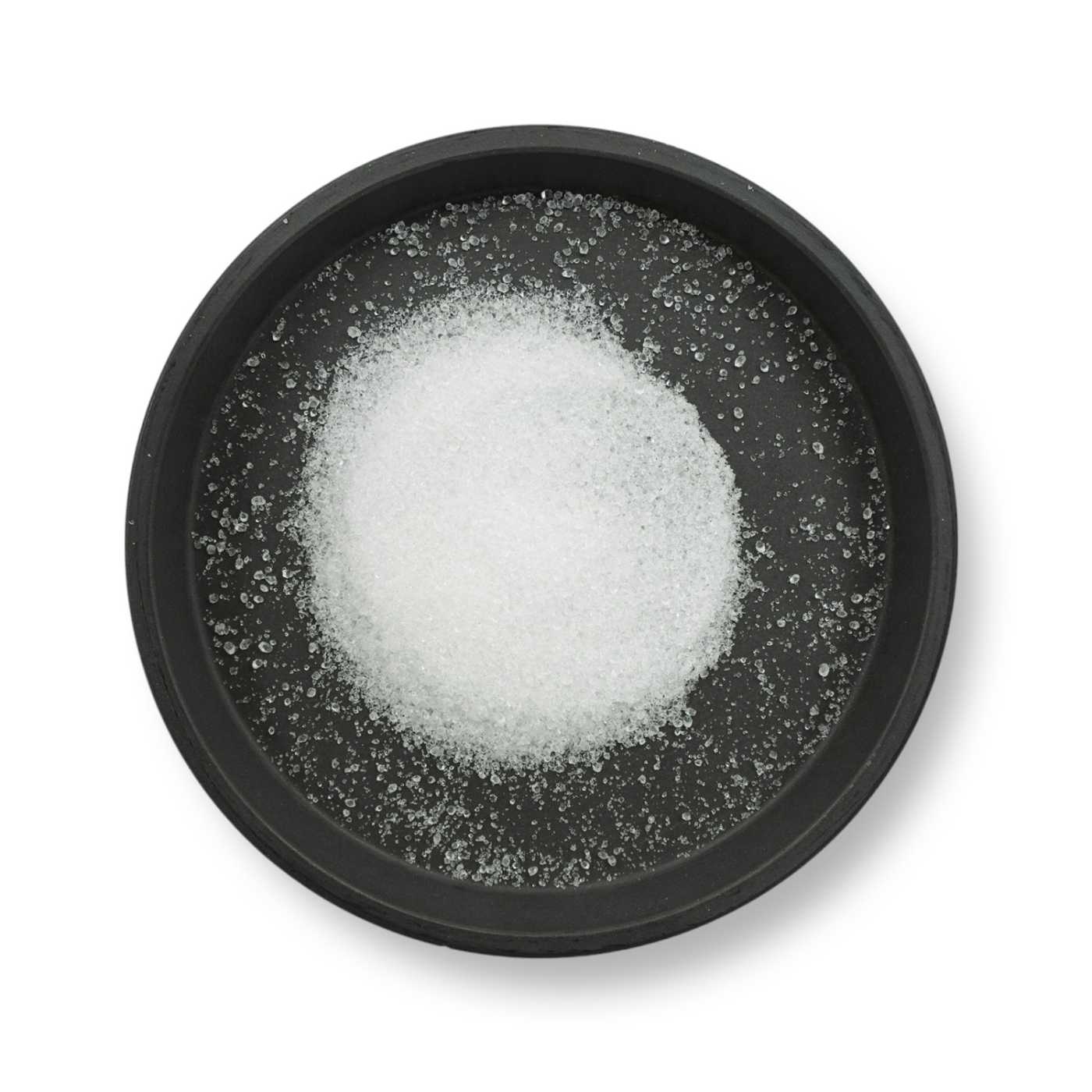
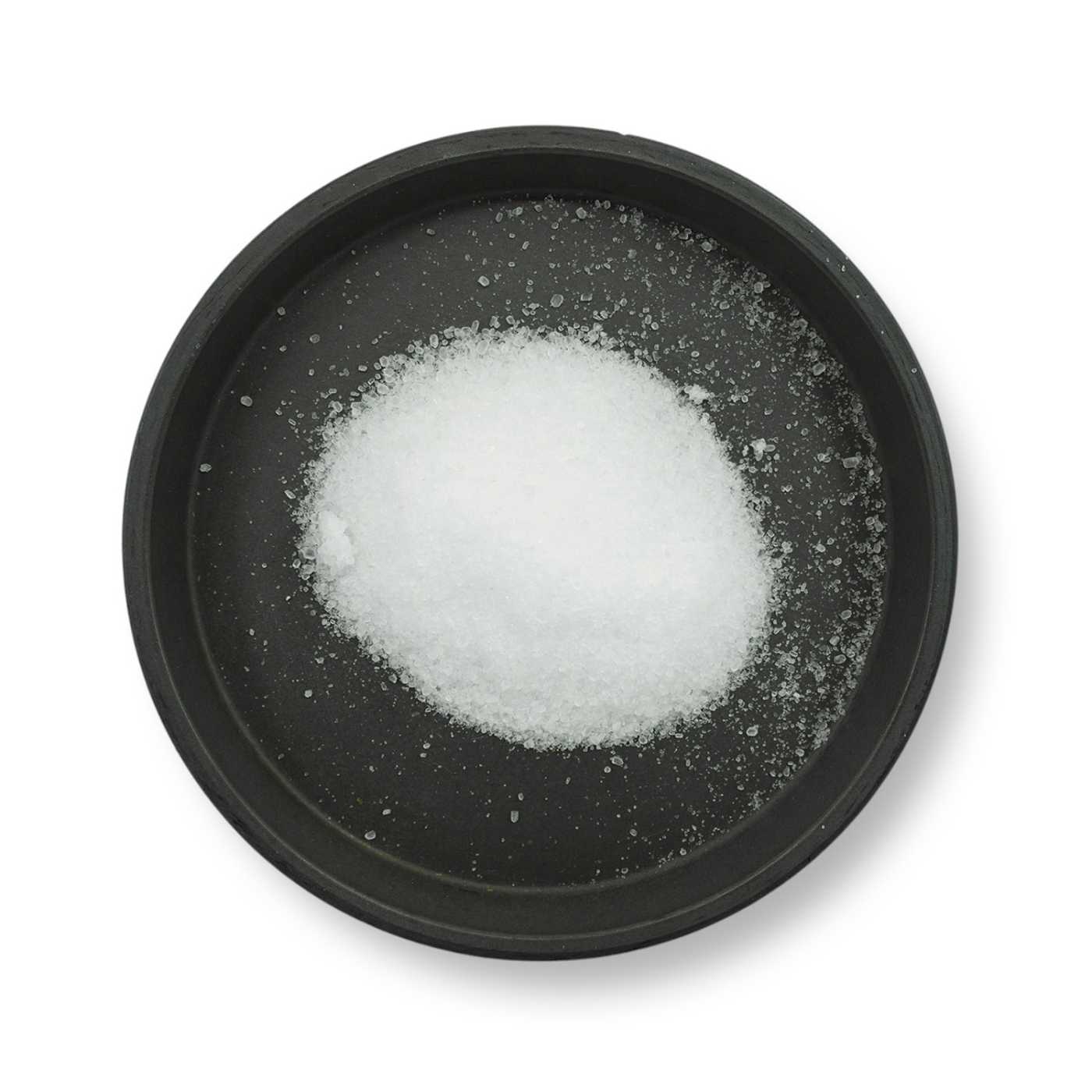
Citric Acid, Anhydrous, 25 kg

Pack size1 kg5 kg25 kg

Citric acid, anhydrous is a basic cosmetic raw material for lowering the pH of a finished formulation. full description

AvailabilityIn stock · 25 packs
Product codeKYS002_25
BatchA32504053
Best before04/2028
€86.26incl. VAT€3.45/kg

Lowest price in the last 30 days: €77.63

Product description

Citric acid, anhydrous is a basic cosmetic raw material for lowering the pH of a finished formulation. A few drops of its aqueous solution will bring a toner, shampoo or emulsion into the slightly acidic range that suits the skin. It also binds metal ions from water and raw materials and is one of the AHA acids, so at a higher usage rate it also supports gentle exfoliation of dead skin cells.

It is produced by fermentation followed by crystallisation, so the raw material is biotechnological in origin. The same raw material is of both cosmetic and food grade, corresponds to the food additive E330 and meets the requirements of the Ph. Eur., USP and FCC pharmacopoeias. It is therefore suitable for making cosmetics and bath products, for the kitchen and for household cleaning.


What it does in a formulation

  • pH regulator – lowers the pH of aqueous and emulsion products to the recommended range of 3–6. The amount needed depends on how alkaline the formulation turns out, so the pH is measured continuously during adjustment.
  • Chelating agent – binds calcium, iron and other metal ions that get into the product from water and raw materials. Free metal ions speed up oxidation and put a strain on the preservative system; binding them stabilises the product.
  • Gentle exfoliation – as an alpha hydroxy acid it supports the shedding of dead skin cells. With ordinary pH adjustment at the lower end of the usage rate this is a supplementary effect; it comes fully into play in specifically acidic exfoliating products.
  • Antioxidant synergist – in antioxidant blends it boosts the effect of the main antioxidant by sequestering the metal ions that speed up oxidation.
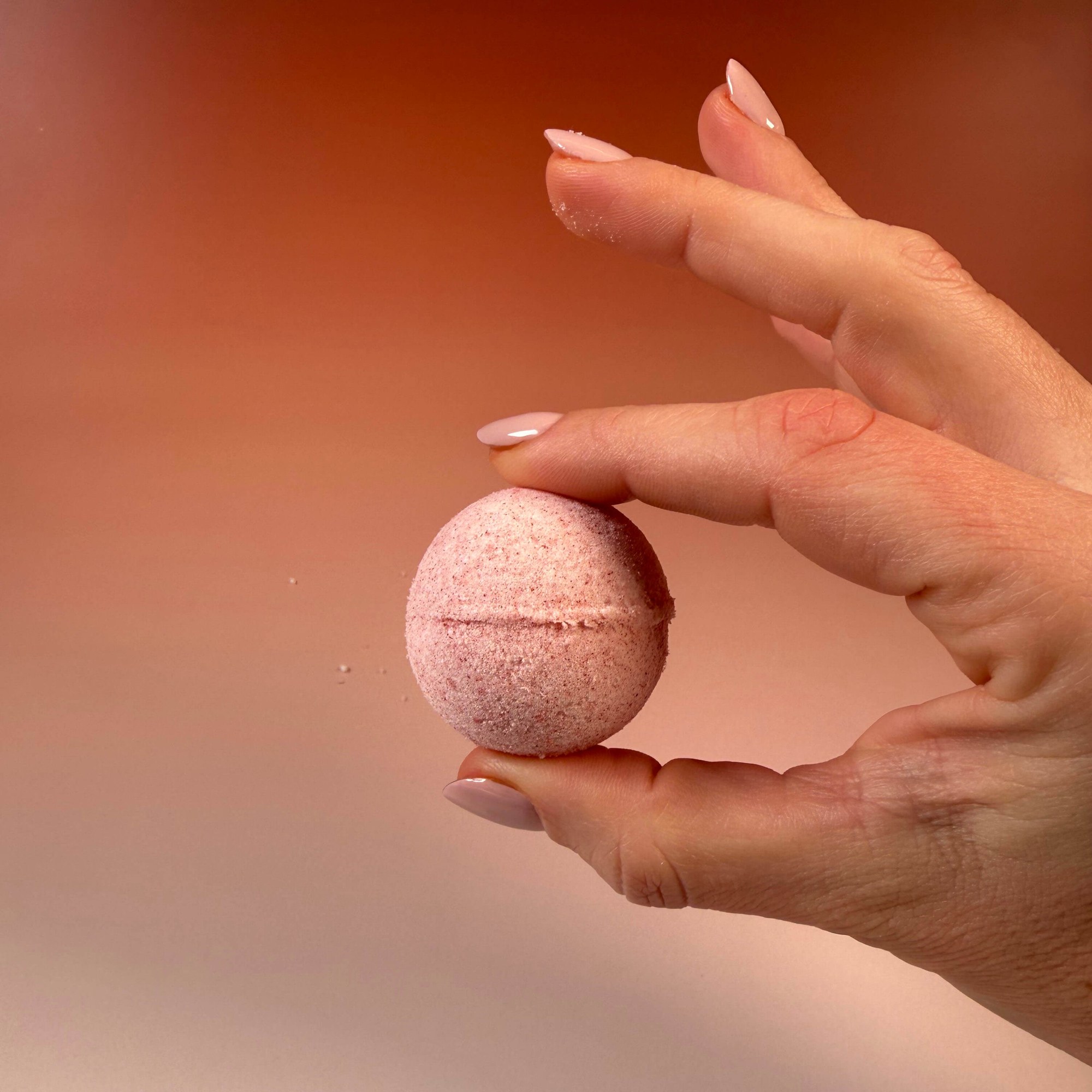
  • Source of fizzing – in bath bombs and fizzing bath salts it reacts with baking soda (Sodium Bicarbonate) in water and releases carbon dioxide.

Use in a formulation

It dissolves very well in water, up to 600 g/l at 20 °C, and is also soluble in ethanol. It does not dissolve in oils, so it belongs in the water phase or in products with a water content. Do not add it to anhydrous oil serums, balms and butters. It would remain in them as crystals that feel scratchy on the skin, and without water there is nothing for it to acidify. The raw material itself is strongly acidic, with a stated pH of 1.6, so a diluted solution is used when adjusting the pH.

In emulsions the pH is adjusted only in the cooling phase or afterwards, once the product is finished and has cooled below 40 °C. Only then is the value stable and the measurement matches what the customer will get in the jar. In toners, gel cleansers and shampoos the solution is stirred into the finished water-based mixture at the end, after all the active ingredients have been added.

The recommended usage rate is 0.1–2%. For ordinary pH adjustment the lower part of the range is enough; the upper limit is for exfoliating or specifically acidic products. The raw material is compatible with anionic, amphoteric and non-ionic surfactants, so it can be used without problems in shampoos and shower gels based on Sodium Coco-Sulfate, Cocamidopropyl Betaine or Decyl Glucoside. It is suitable for rinse-off and leave-on products for all skin types, in facial, body and hair cosmetics.

Prepare a 50% solution: stir equal parts by weight of citric acid and distilled water until you have a clear solution. Add it to the formulation drop by drop and check the pH after each addition. Then record the finished formulation in percentages so that you can repeat it.


Bath bombs and fizzing bath salts

In fizzing products you work directly with the powder, which is mixed with baking soda and the other dry ingredients. The raw material is anhydrous, with a water content of up to 0.5%, so the mixture stays dry during mixing and pressing and only starts to fizz in the bath water. Test the ratio of acid to soda with the specific oils, dyes and fragrances that you add to the mixture.


Food and household use

Food grade quality means the same pack can also be used in the kitchen as an acidifier and flavour regulator in syrups, preserves or drinks. In the home it dissolves calcium deposits, so the solution is suitable for removing limescale from kettles, coffee machines and taps. The raw material is readily biodegradable.


Good to know

According to the CLP classification the powder is an irritant (GHS07 pictogram). When weighing and mixing, avoid inhaling the dust, contact with the eyes and prolonged contact with the skin. When working with larger amounts, use gloves and eye protection.

If a product is to have a stable pH in the range of around 5–6, citric acid is combined with Sodium Citrate. The pair forms a buffer system that holds the pH even after further ingredients are added. If the formulation turns out too acidic, the pH is raised with an alkaline solution, for example Sodium Hydroxide or Arginine, never with another acid.


Frequently asked questions

Is citric acid soluble in water?
Yes, citric acid, anhydrous is very soluble in water; at 20 °C up to 600 g dissolves in 1 l. It also dissolves in ethanol, but not in oils and butters. For this reason it is added to formulations as an aqueous solution and used in aqueous and emulsion products, not in anhydrous oil-based products.
How do you add citric acid to a cream to adjust the pH?
It is added to the cream as a diluted aqueous solution, most often 50%, drop by drop, once the emulsion is finished and has cooled below 40 °C. The pH is measured after each addition so that the formulation does not become too acidic. The total amount is usually in the lower part of the 0.1–2% range and is recorded in the formulation as a percentage.
Is citric acid suitable for bath bombs?
Yes, citric acid, anhydrous is, together with baking soda, a basic ingredient of bath bombs and fizzing bath salts. In water they react together and release carbon dioxide, which creates the fizzing. It is added to the mixture as a powder with the other dry ingredients, and the anhydrous form with a water content of up to 0.5% keeps the mixture dry and stable until use.
Does citric acid help preserve cosmetics?
Citric acid is not a preservative itself, but it supports the preservative system in two ways. It lowers the pH to the 3–6 range, in which most common preservatives work best, and as a chelating agent it binds metal ions that would otherwise put a strain on the preservative and speed up oxidation. A product with a water content still needs a proper preservative.
Can cosmetic citric acid also be used in the kitchen?
Yes, this citric acid is of food grade and corresponds to the requirements for the food additive E330. The same pack can be used to acidify syrups, preserves or drinks and to remove limescale in the home. The same rules apply in the kitchen as in cosmetics: do not inhale the powder and protect your eyes.

Parameters

INCI
Citric Acid
CAS No.
77-92-9
EC number
201-069-1
Product colour
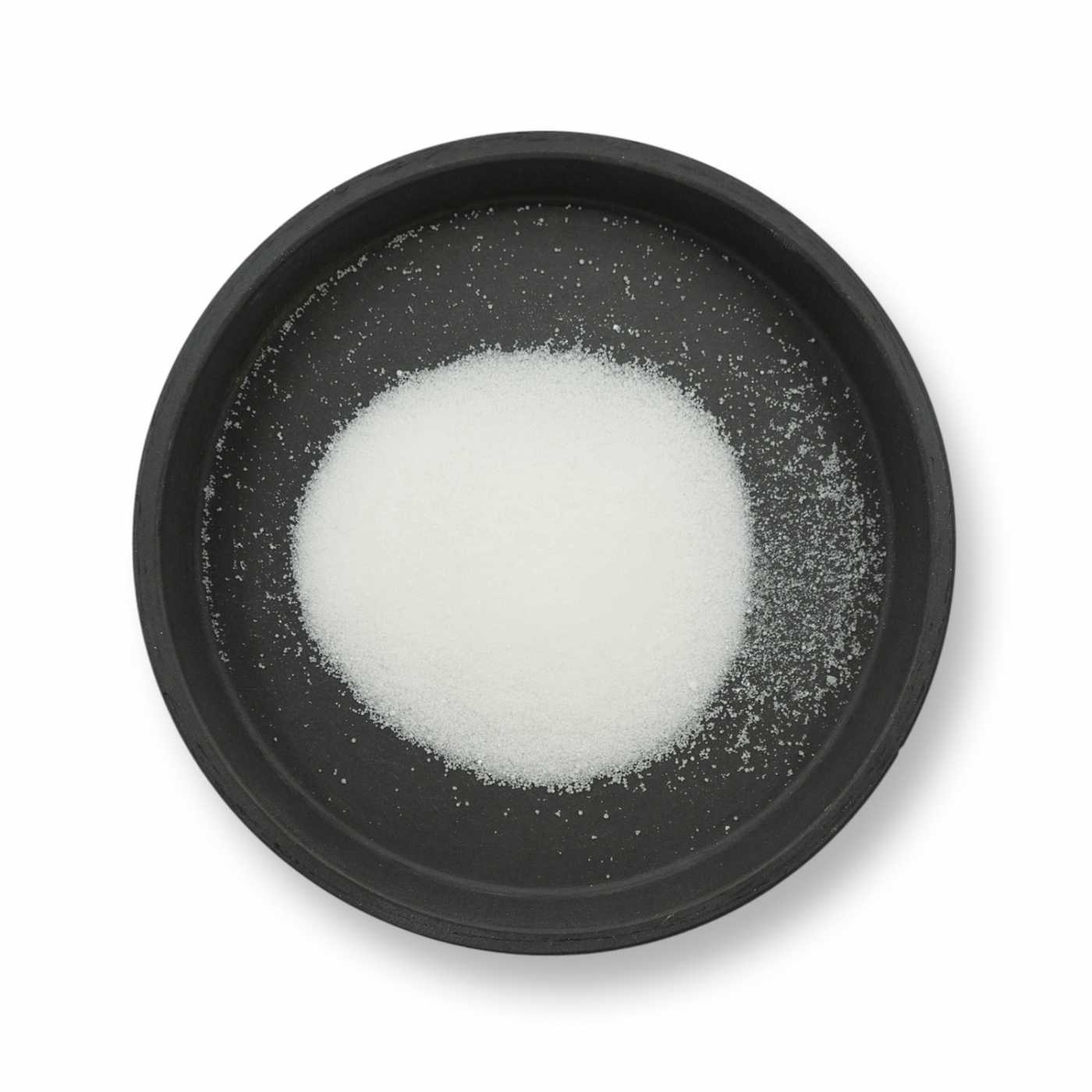
White
Country of origin
China
Appearance
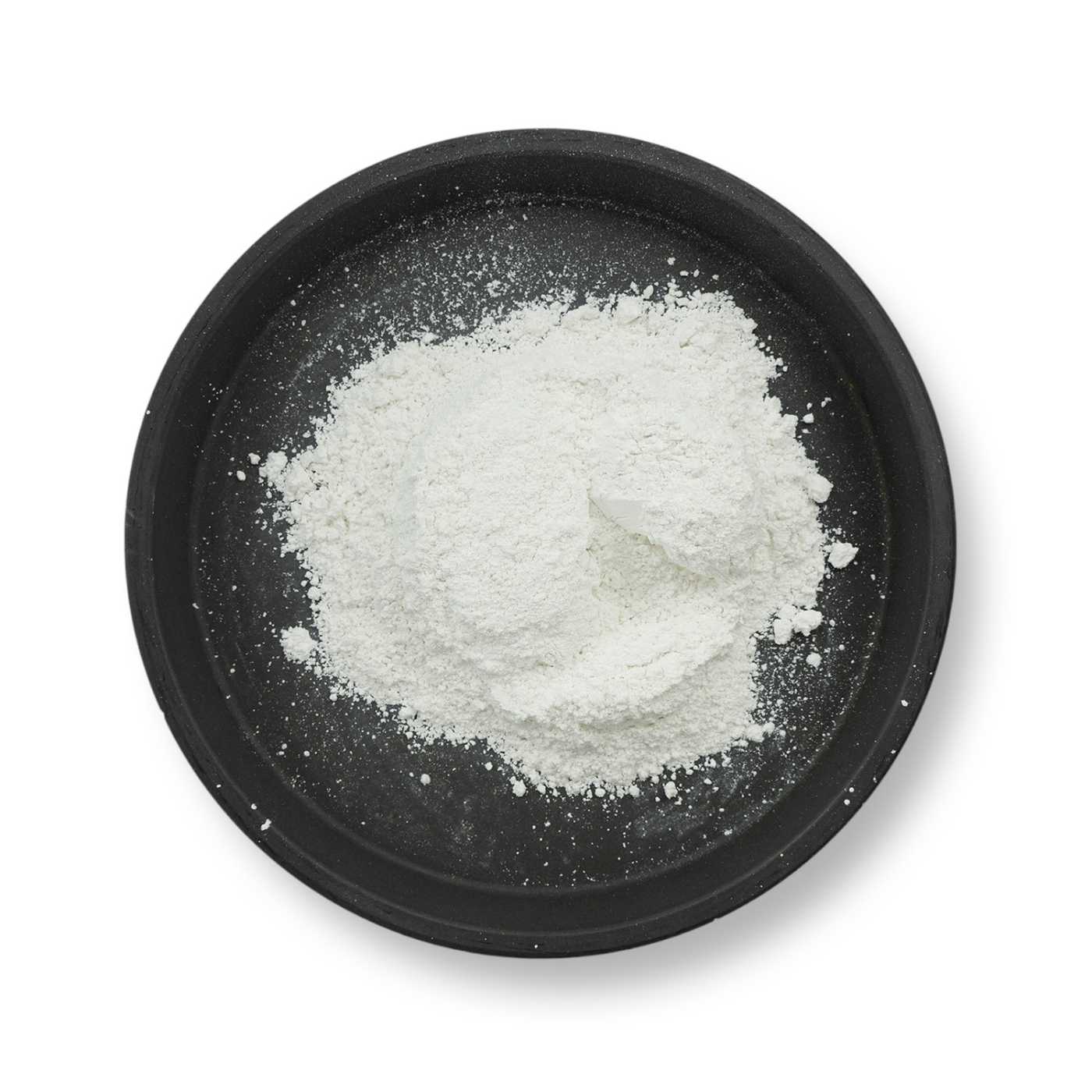
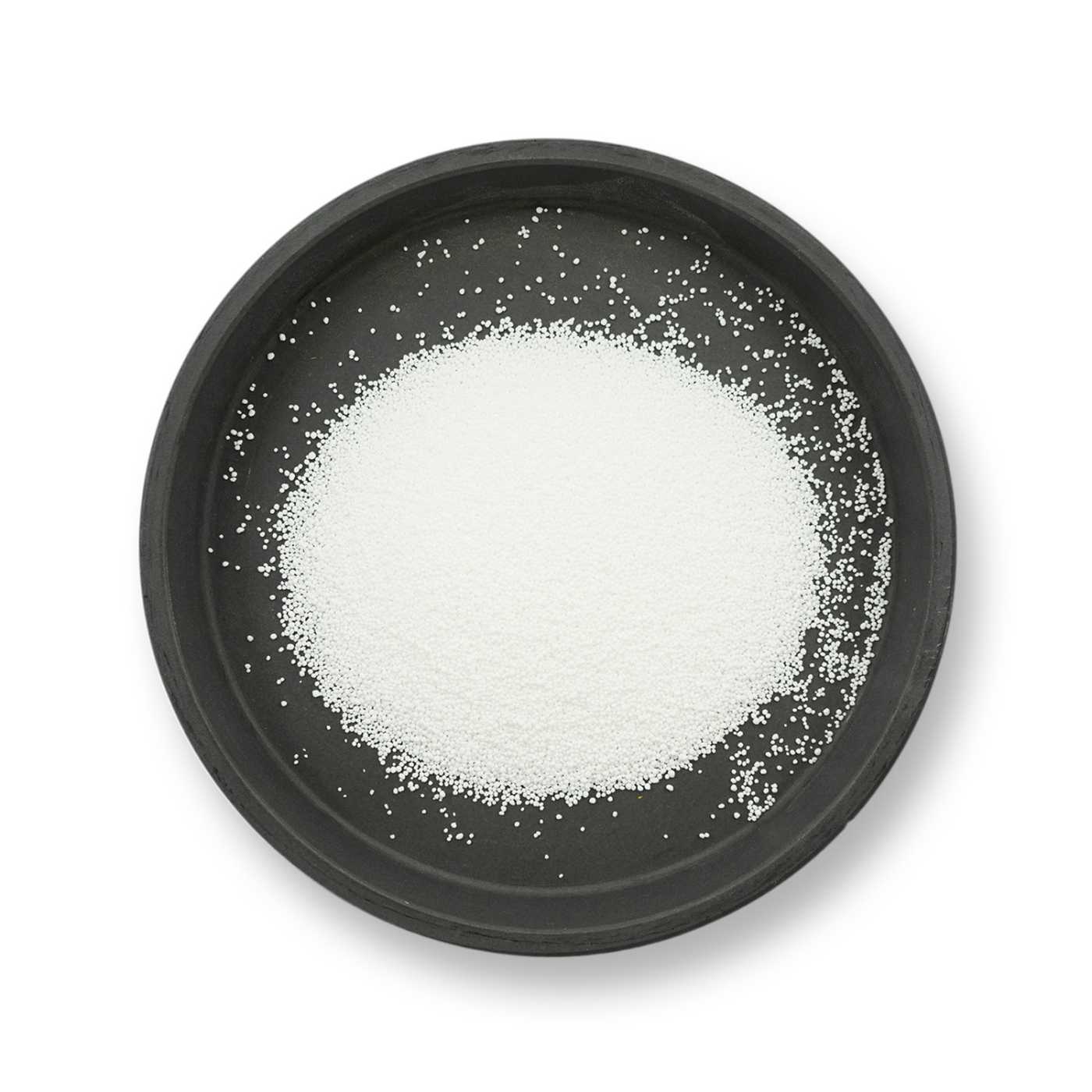
Powder
Recommended processing temperature
< 40 °C
Recommended usage rate
0,1 – 2 %
Recommended formulation pH range
3 – 6
Application type
Rinse-offLeave-on
Suitable for
All skin types
Biodegradability
Readily biodegradable
Natural Index (NI ISO 16128)
1,00
Natural Origin Index (NOI ISO 16128)
1,00

Product documentation

TDSTechnical Data Sheet
Physical parameters and processingPDF ↓
SDSSafety Data Sheet
Available for purchased products —
Download all (ZIP)

1 PDF file in one archive

Learn how to work with it

From our blog
Gábor P.2 Nov 2026HU

Verified purchase

Totally good!

Translated automatically

Katarína G.17 Nov 2026SK

Verified purchase

Šárka N.19 Oct 2026CS

Verified purchase

Nóra S.17 Sept 2026HU

Verified purchase

Variant: Kyselina citrónová, bezvodá 1 kg
(4 reviews)