
+421 950 333 113info@handymade.storeHandymade Days: −10 % on all ready-made productsShop now

CLEANING & WASHING

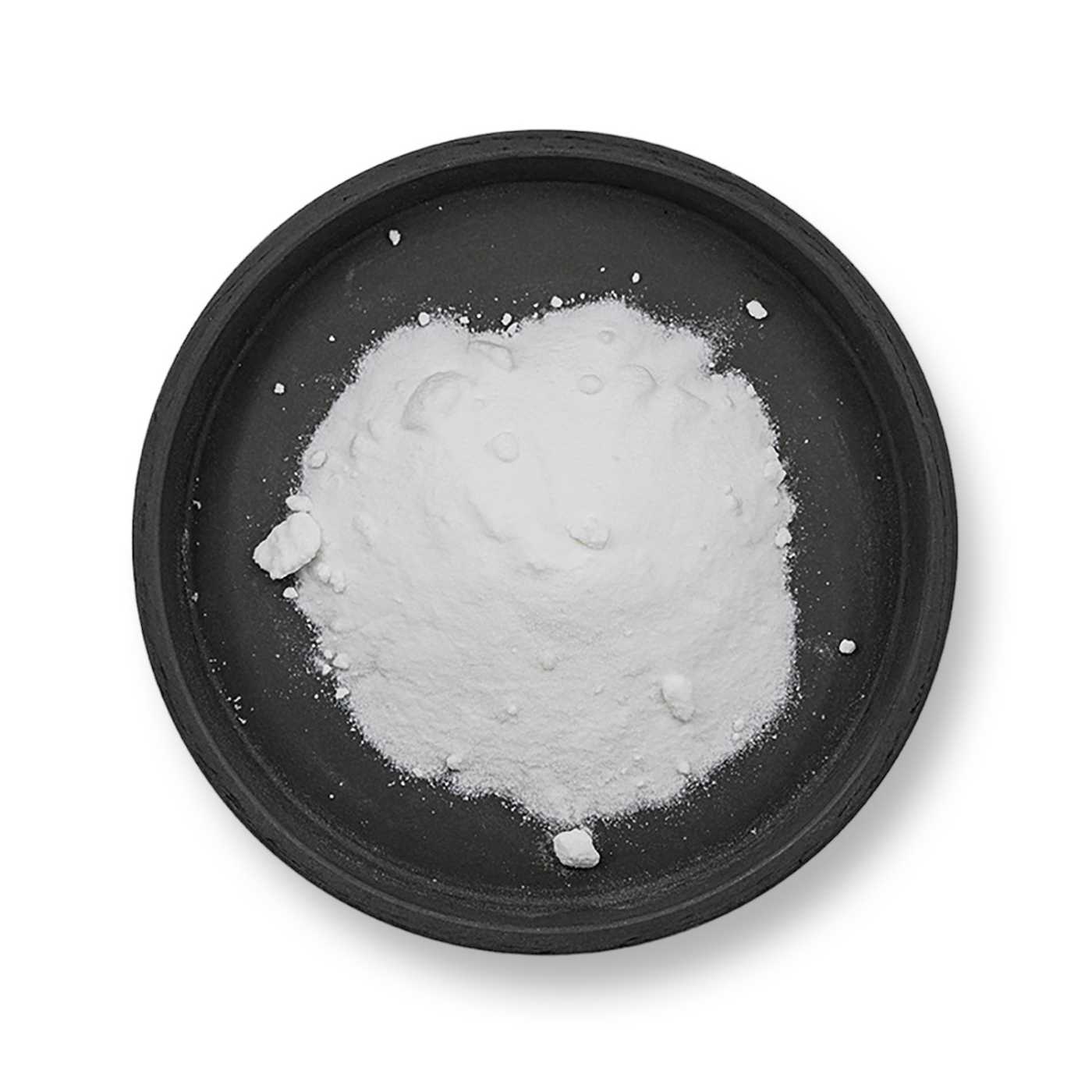
Baking soda, Sodium Bicarbonate, 25 kg

Pack size1 kg5 kg25 kg

Baking soda (sodium bicarbonate) is a mildly alkaline salt that fizzes with citric acid in bath bombs, absorbs odours in deodorants and increases alkalinity in cleaning products. full description

AvailabilityIn stock · 11 packs
Product codeSODA02_25
Batch072025
Best before07/2027
€54.81incl. VAT€2.19/kg

Lowest price in the last 30 days: €49.32

Product description

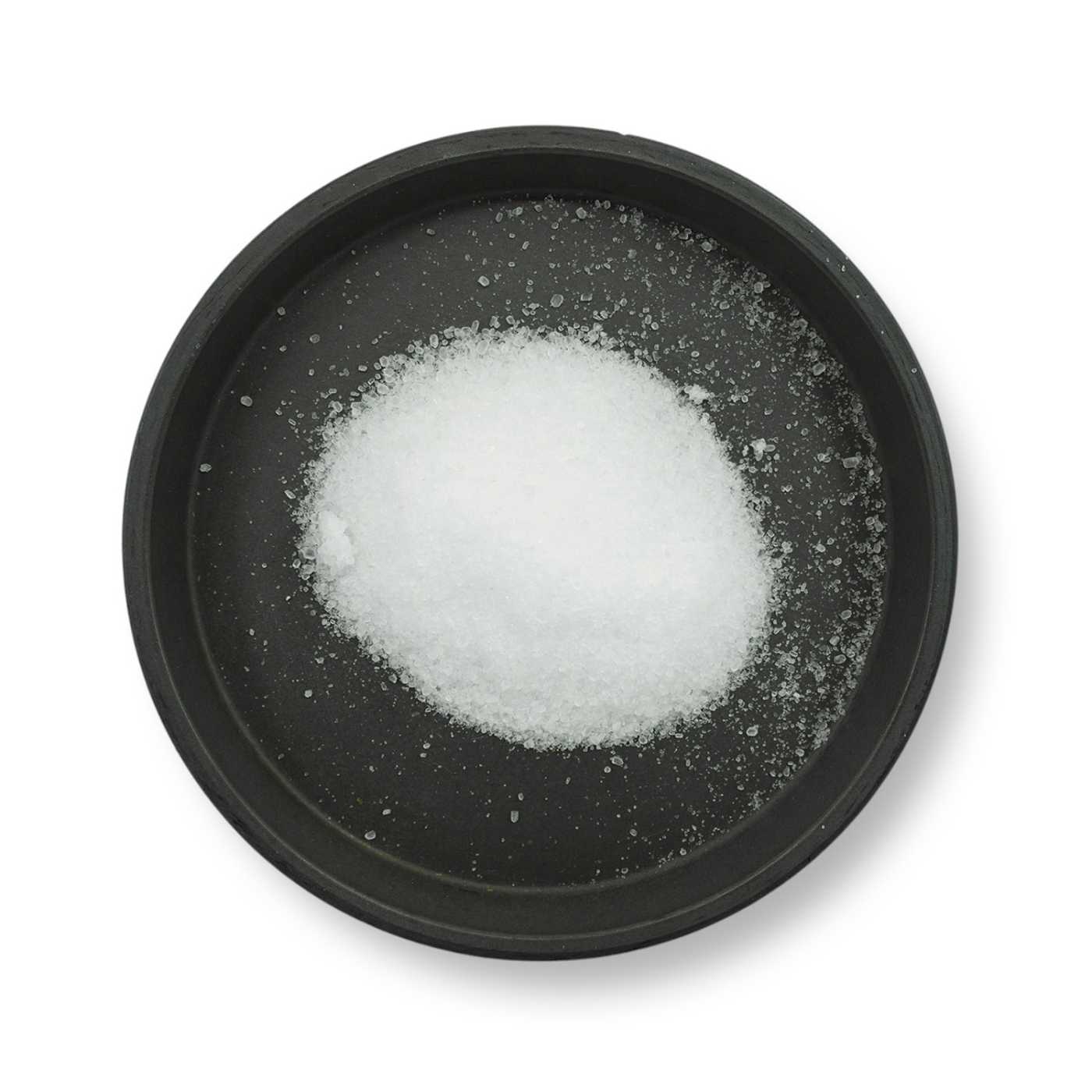
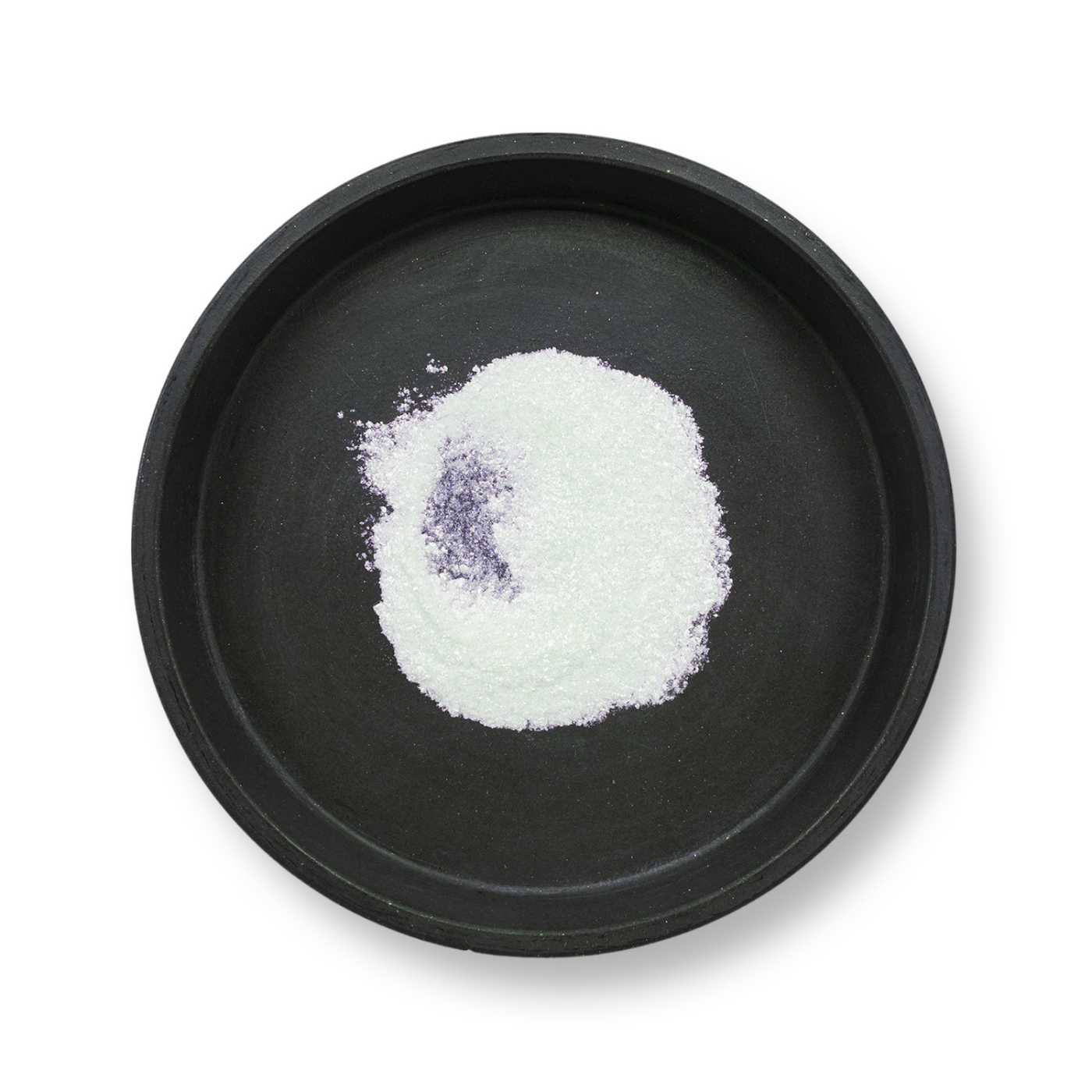
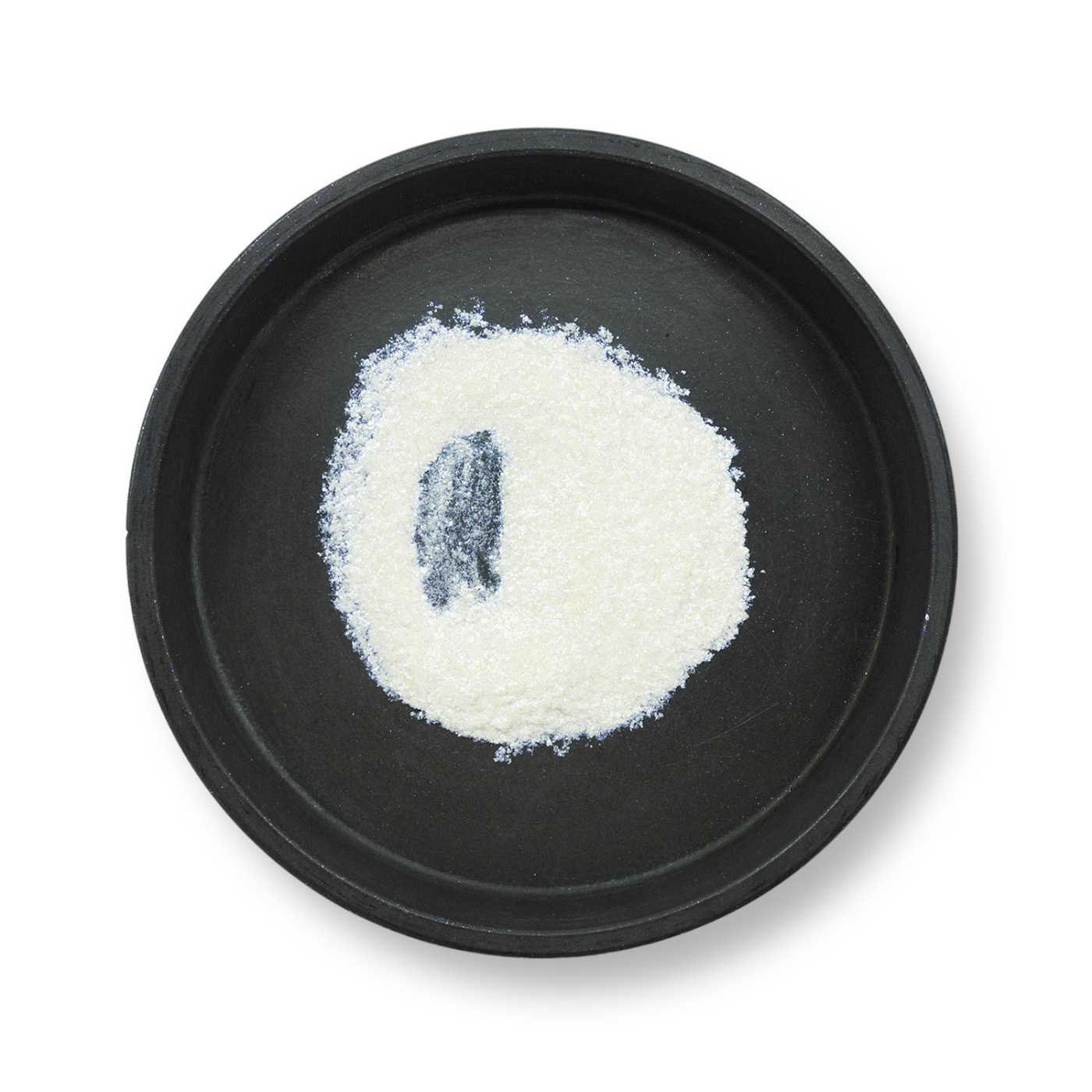
Baking soda (sodium bicarbonate) is a mildly alkaline salt that fizzes with citric acid in bath bombs, absorbs odours in deodorants and increases alkalinity in cleaning products. We supply it in cosmetic grade and food grade (E 500(ii)).


How it works in a product

Fizzing is a chemical reaction with an acid. When baking soda meets citric acid in water, carbon dioxide is released and the bath bomb breaks apart in a burst of bubbles. Bath bombs and fizzy bath salts both rely on this reaction.

In deodorants it absorbs odours. A balm or powder deodorant containing it works noticeably better than the same formulation without it. However, it can irritate sensitive skin, so only a small amount is used in leave-on products.

In cleaning products and washing powders it increases alkalinity and acts as a buffer, that is, it helps keep the pH of the solution stable. Undissolved crystals also scrub mechanically, which is used in rinse-off scrubs.


Key properties

  • Fizzing ingredient – reacts with citric acid and other acids, releasing CO₂.
  • Odour absorption – absorbs odours in balm and powder deodorants.
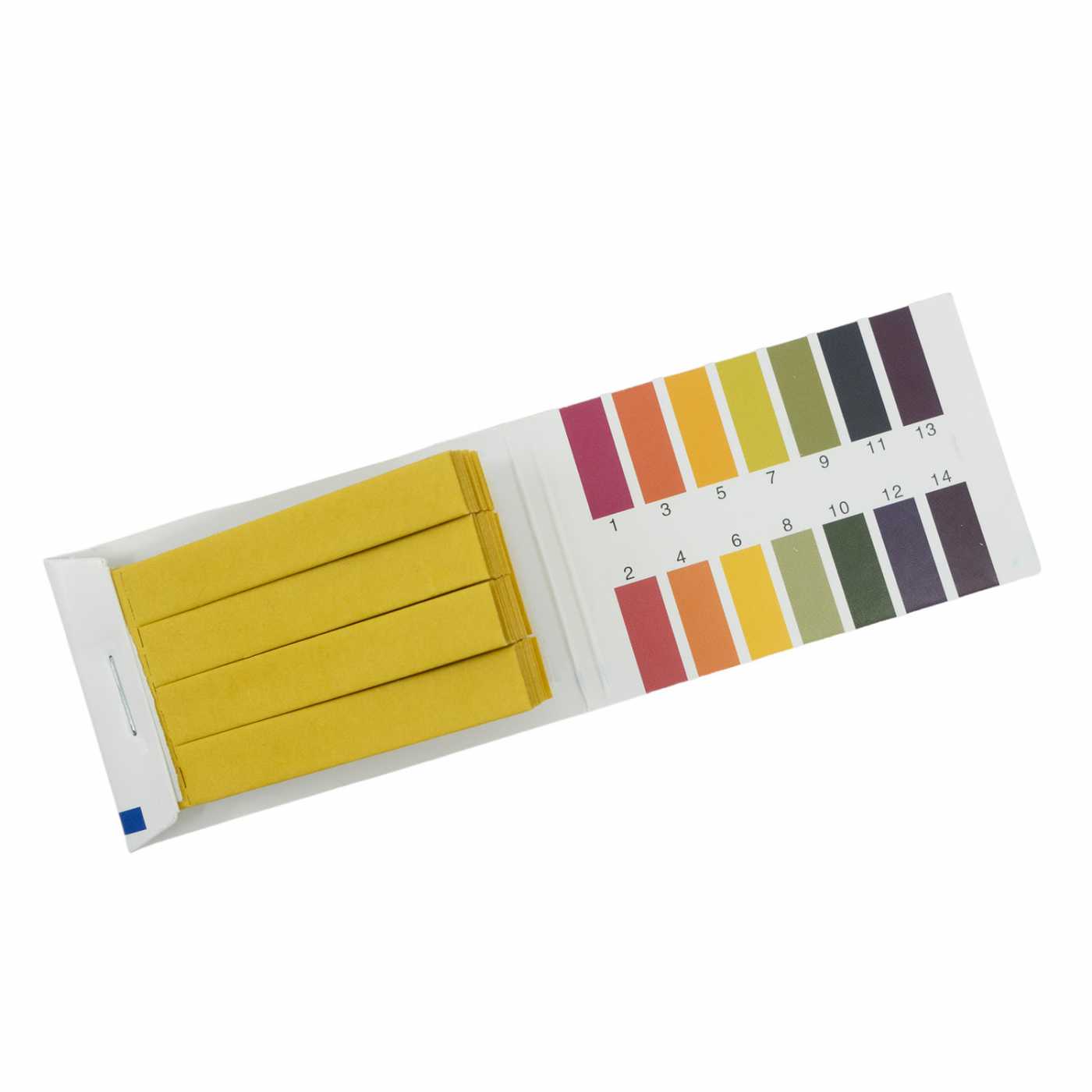
  • pH regulator and buffer – a 1% solution has a pH of 8.5 at most; the recommended formulation pH is around 8.3.
  • Abrasive ingredient – undissolved particles scrub surfaces and skin.
  • Purity – contains at least 99.3% sodium bicarbonate and at most 0.5% magnesium stearate of vegetable origin, which improves flowability. It is suitable for vegans.

Use in formulations

Solubility determines how the raw material is handled. It dissolves in water at approximately 96 g per litre at 20 °C and does not dissolve in oil or in ethanol. In water-based cleaners, add it to the water and stir until fully dissolved. In anhydrous balms and powder mixes it remains dispersed as a powder.

The aqueous solution is not completely clear. Magnesium stearate does not dissolve in water, so the solution is slightly cloudy and a thin oily film may appear on the surface. This is not a defect of the raw material, but you need to allow for it in products that are meant to be clear.

Process it at a temperature of up to 50 °C. At higher temperatures it begins to decompose into sodium carbonate, carbon dioxide and water. The alkalinity of the product then rises and fizzing declines.

Mix baking soda into a balm deodorant only once the mixture has cooled, just before pouring. For a powder deodorant, we recommend grinding it finely beforehand so that it is less abrasive on the skin.

The usage rate ranges from 0.1 to 50% depending on the type of product. As a guide:

  • surface, window and shower cleaners – 0.3–3%
  • balm deodorant – around 2%
  • powder deodorant – around 20%
  • washing powder – around 21%
  • powder shampoo – around 42%

In cleaning products it is most often combined with sodium gluconate, sodium carbonate, sodium citrate, sodium chloride and potassium hydroxide.


Suitable for products such as

  • bath bombs and fizzy bath salts
  • balm deodorants and powder deodorants
  • powder shampoos
  • oral care products
  • rinse-off body scrubs and foot baths
  • washing powders and surface, window and shower cleaners

Good to know

A fizzing mixture reacts even to humidity in the air. A bomb that absorbs moisture during production or drying starts to react prematurely, swells and then fizzes less in the bath. Keep the mixture as dry as possible and pack finished products airtight.

In liquid products containing an acidic ingredient, baking soda reacts directly in the packaging. The product foams, the packaging swells and the solution loses its alkalinity.

The pH of an aqueous solution changes even when it is left to stand for a longer time. We recommend checking it after preparation and again before filling.

Caution is needed on the face. Alkalinity combined with scrubbing can disrupt the skin barrier and cause irritation with frequent use. In facial care it is therefore better suited to rinse-off products and low usage rates.

The raw material is not classified as hazardous under the CLP Regulation. When handling it, avoid raising dust and avoid contact with eyes and skin.


Frequently asked questions

Is baking soda soluble in water?
Yes, baking soda dissolves in water, at approximately 96 g per litre at 20 °C. It does not dissolve in oil or in ethanol. A solution of this raw material is slightly cloudy and may have a thin oily film on the surface, because it contains at most 0.5% magnesium stearate to improve flowability.
How much baking soda goes into a deodorant?
A balm deodorant contains approximately 2% baking soda and a powder deodorant around 20%. In leave-on products a low usage rate is chosen, because baking soda can irritate sensitive skin. In a balm it is added only after the mixture has cooled, and for a powder deodorant we recommend grinding it finely beforehand.
Why does a bath bomb with baking soda swell or fizz weakly?
A bath bomb swells when the baking soda starts to react with citric acid before it reaches the water. Even humidity in the air can start the reaction. Part of the carbon dioxide is then released prematurely and the bomb fizzes less in the bath. It helps to keep the mixture as dry as possible during production and to pack finished bombs airtight.
What is the difference between baking soda and sodium carbonate?
Baking soda is sodium bicarbonate and is a milder alkali than sodium carbonate, known as washing soda. A 1% solution of baking soda has a pH of 8.5 at most, whereas sodium carbonate gives considerably more alkaline solutions. Baking soda is also used in cosmetics and fizzy products, while sodium carbonate is used mainly in washing and cleaning products. In cleaner formulations they are often combined.
Is baking soda suitable for facial skin?
Baking soda is suitable for facial skin only to a limited extent, at low usage rates and mainly in rinse-off products. It is alkaline and its crystals are abrasive, so with frequent use it can disrupt the skin barrier and cause irritation. For the same reason, only a small amount is used in leave-on products such as deodorants.

Parameters

INCI
Sodium Bicarbonate
CAS No.
144-55-8
EC number
205-633-8
Product colour
White
Country of origin
Bosnia and Herzegovina
Appearance
Powder
Formulation phase
Water phasePost-addition
Recommended processing temperature
< 50 °C
Recommended usage rate
0,1 – 50 %
Recommended formulation pH range
8,3
Application type
Leave-onRinse-off
Suitable for
All skin types
Biodegradability
Not applicable
Natural Index (NI ISO 16128)
1,00
Natural Origin Index (NOI ISO 16128)
1,00

Product documentation

CoACertificate of Analysis
batch 072025PDF ↓
TDSTechnical Data Sheet
Physical parameters and processingPDF ↓
SDSSafety Data Sheet
Available for purchased products —
Download all (ZIP)

2 PDF files in one archive

Learn how to work with it

From our blog
Gábor P.2 Nov 2026HU

Verified purchase

flawless!

Translated automatically

Dana H.1 Nov 2026SK

Verified purchase

Dóra V.28 Sept 2026HU

Verified purchase

Variant: Sóda bikarbóna, hydrogénuhličitan sodný, 1 kg
Nóra S.17 Sept 2026HU

Verified purchase

Variant: Sóda bikarbóna, hydrogénuhličitan sodný, 1 kg
(4 reviews)