Pre-orderSold out
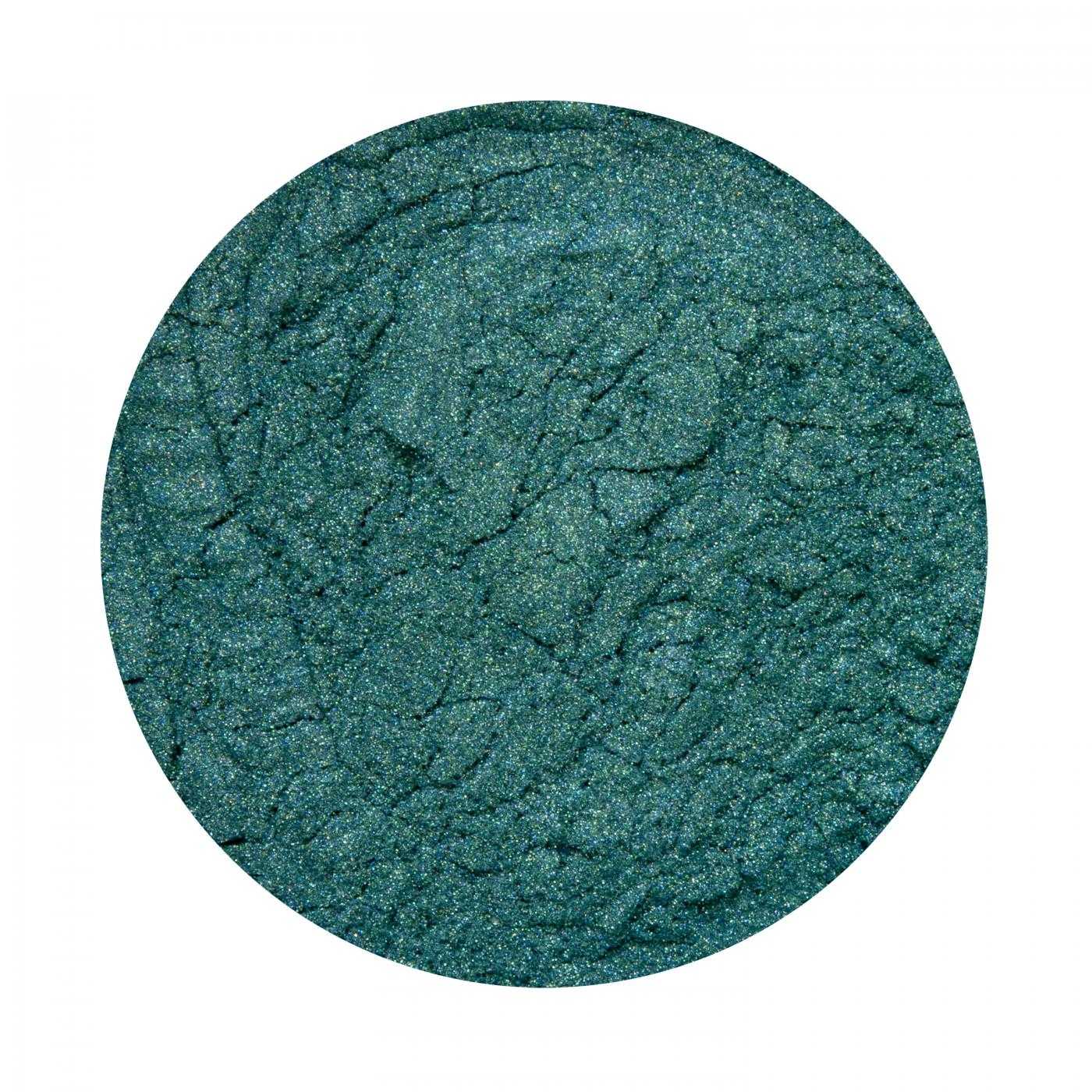
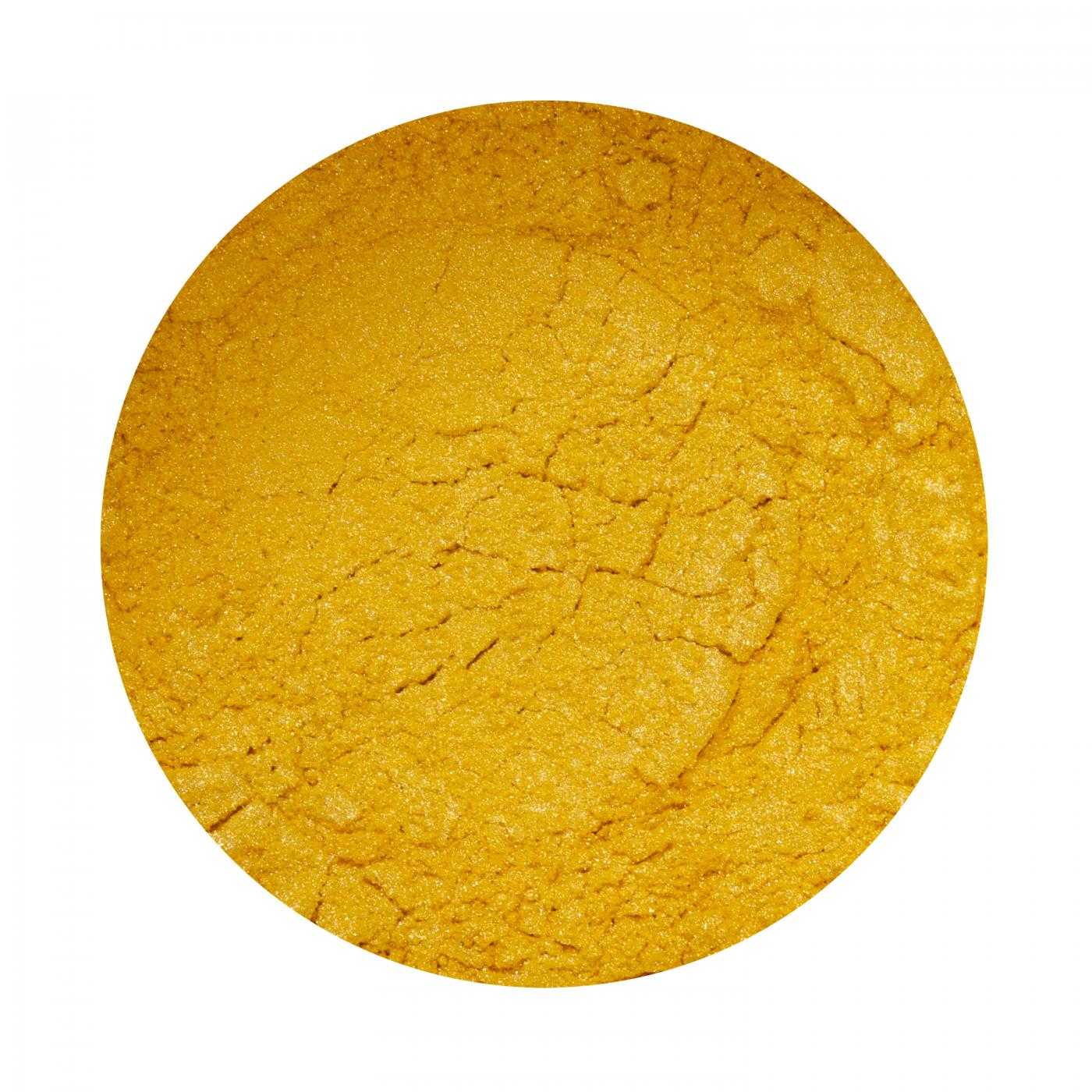
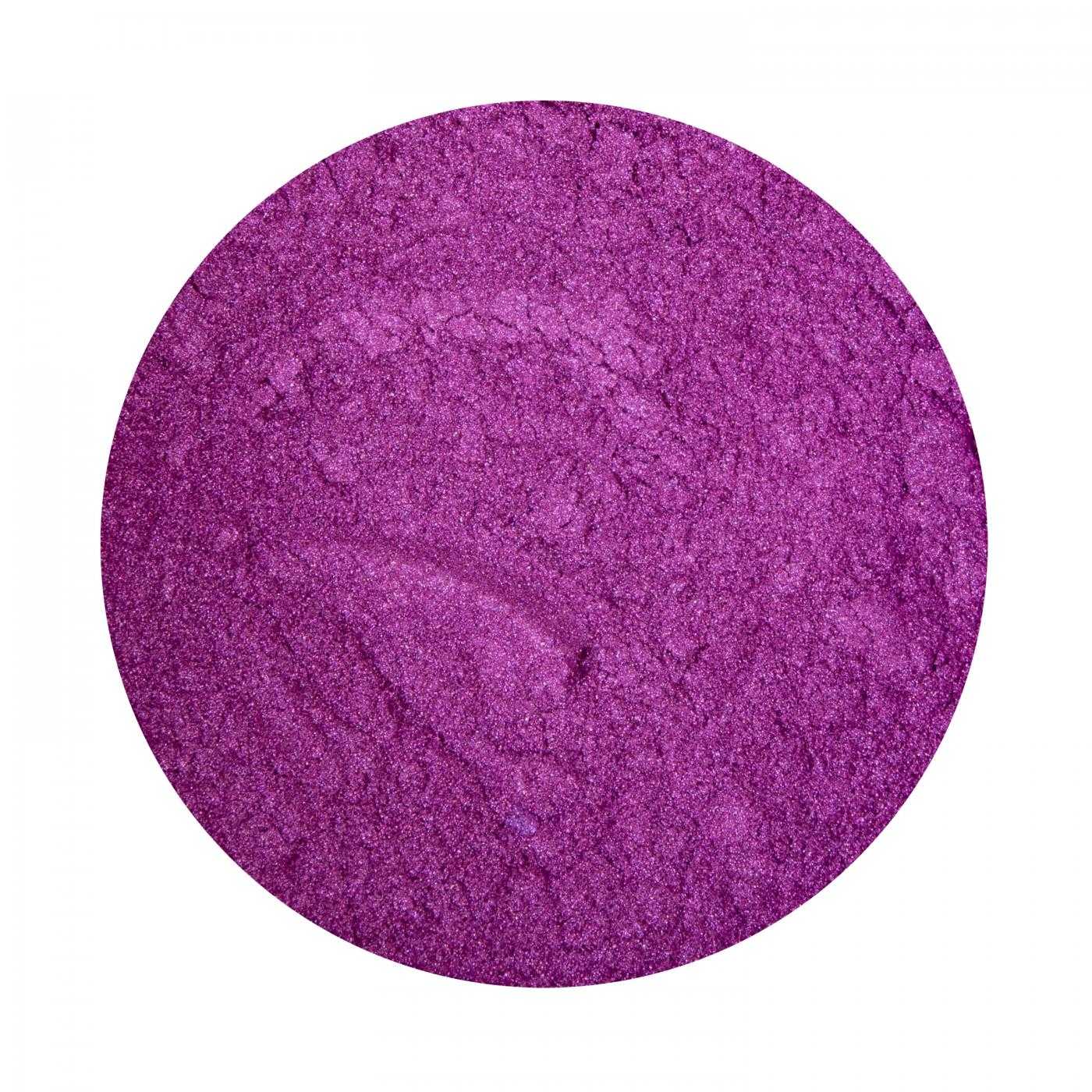
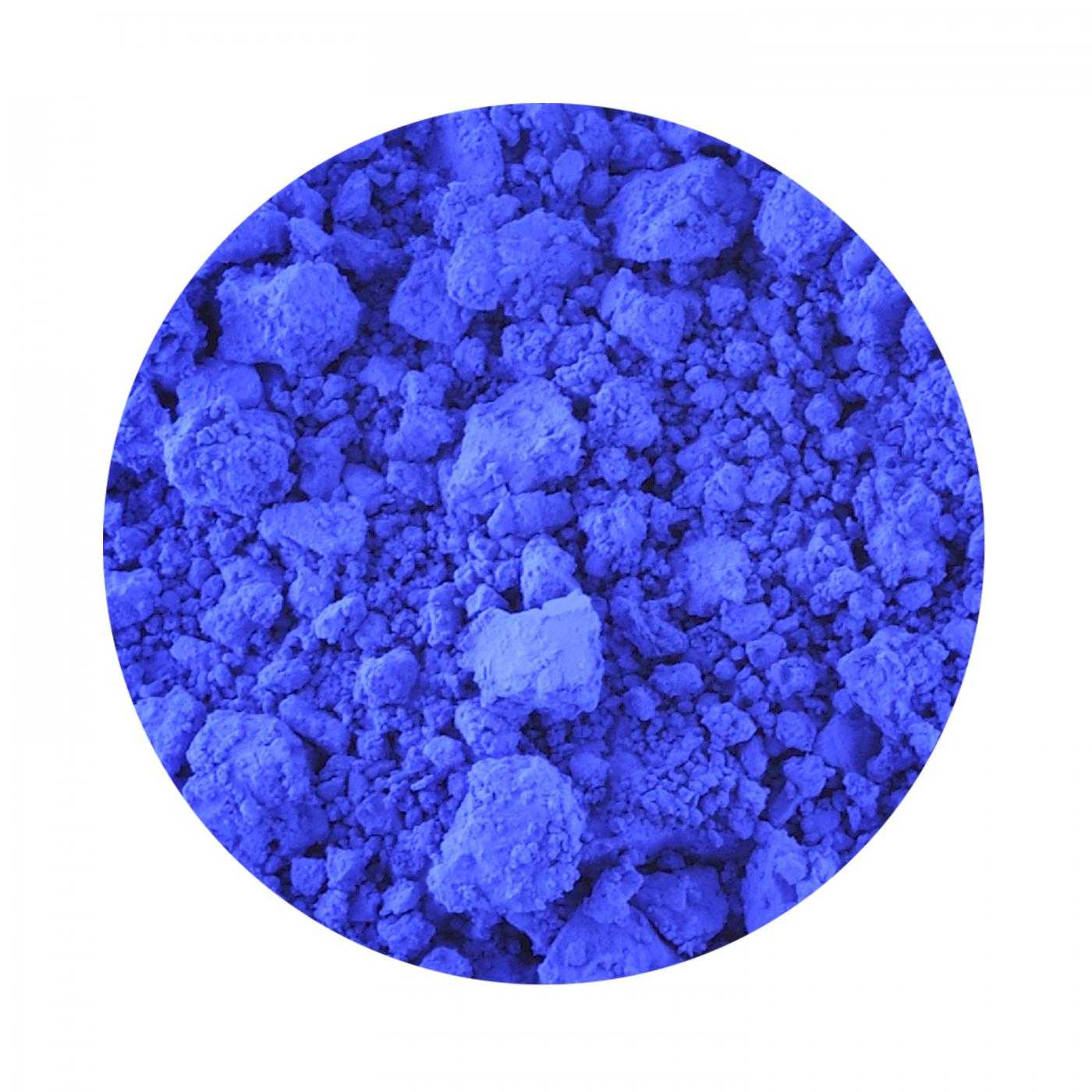
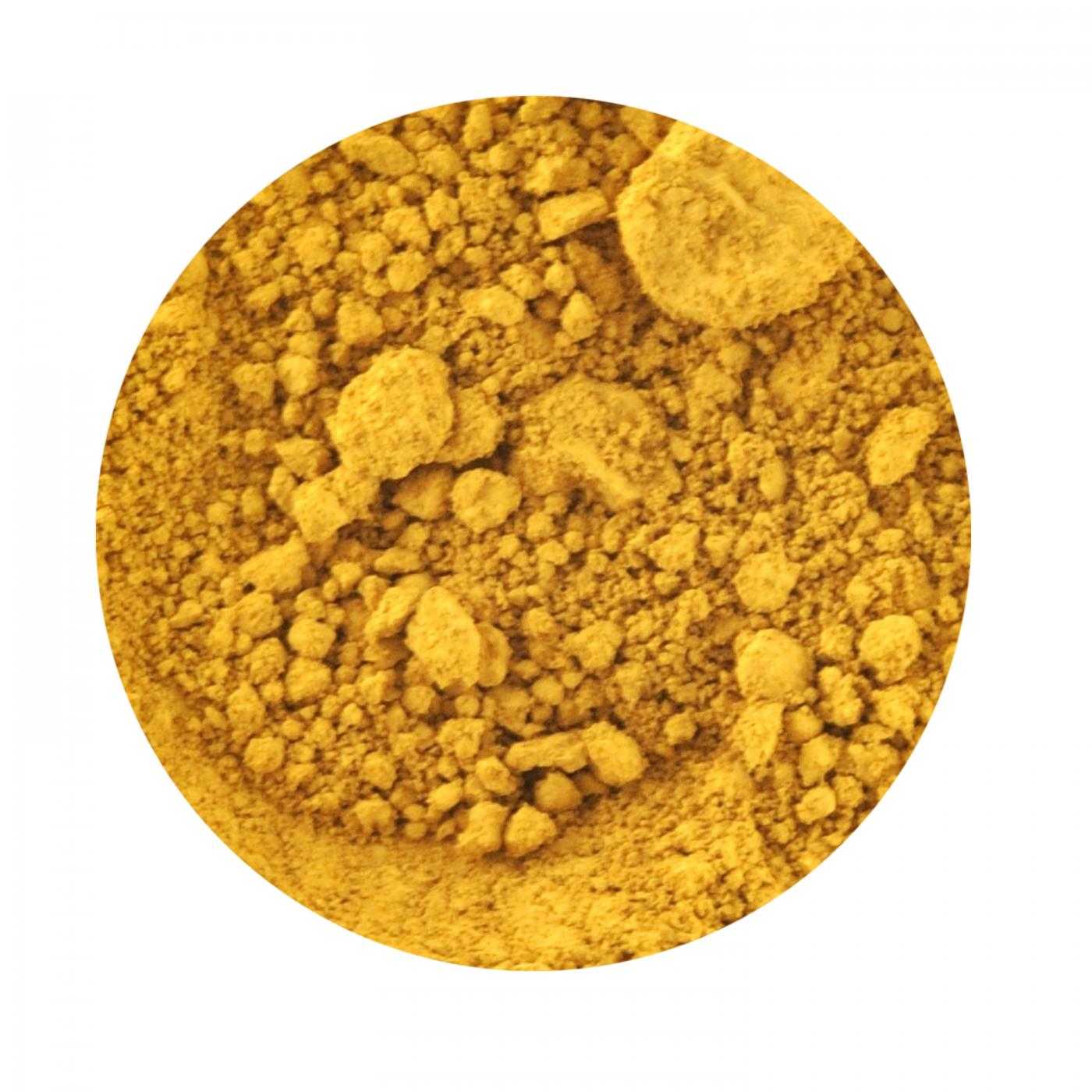
Bath Bombs Powdered Colorant, Hibiscus, 10 g
€2.09(€209.00/kg)

CLEANING & WASHING
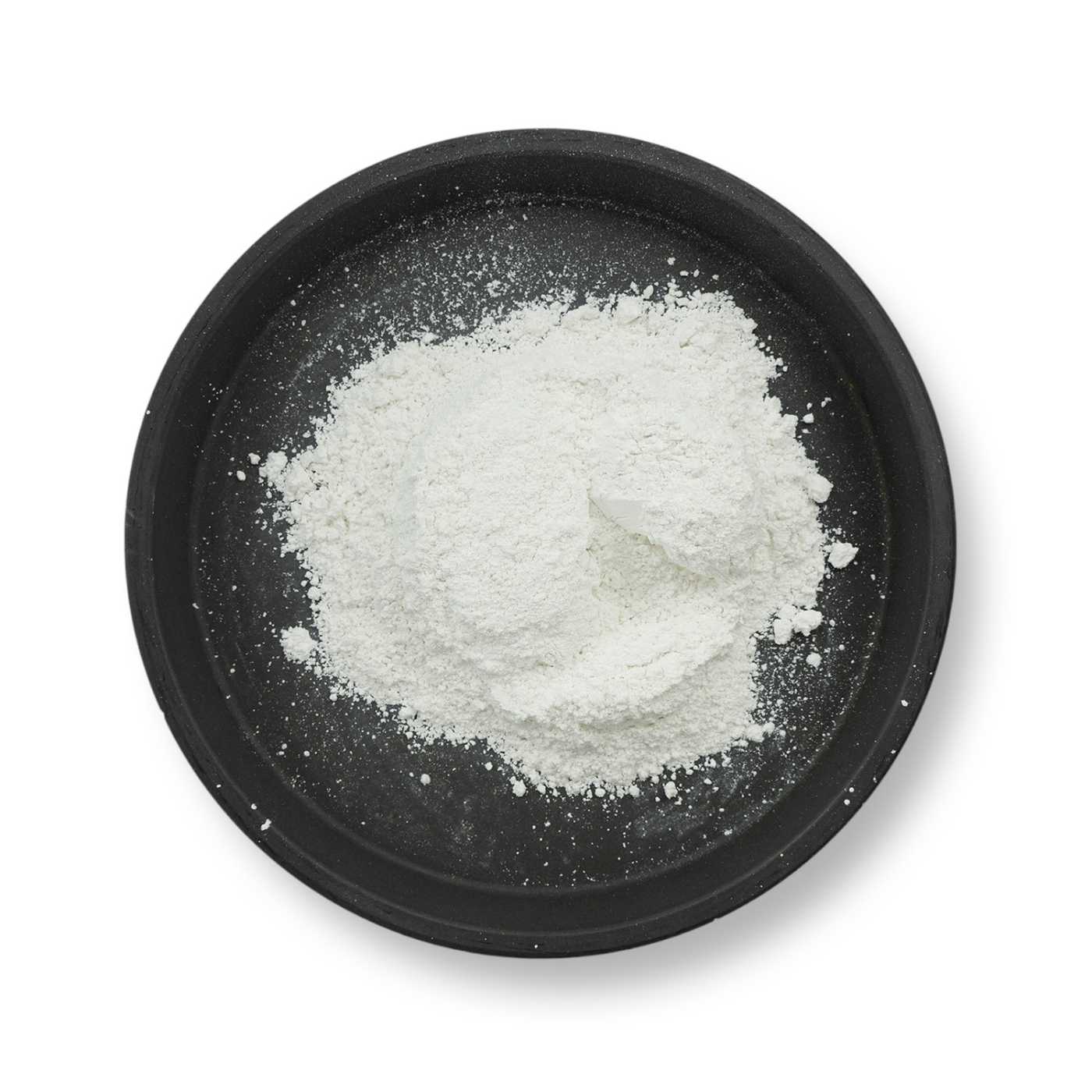
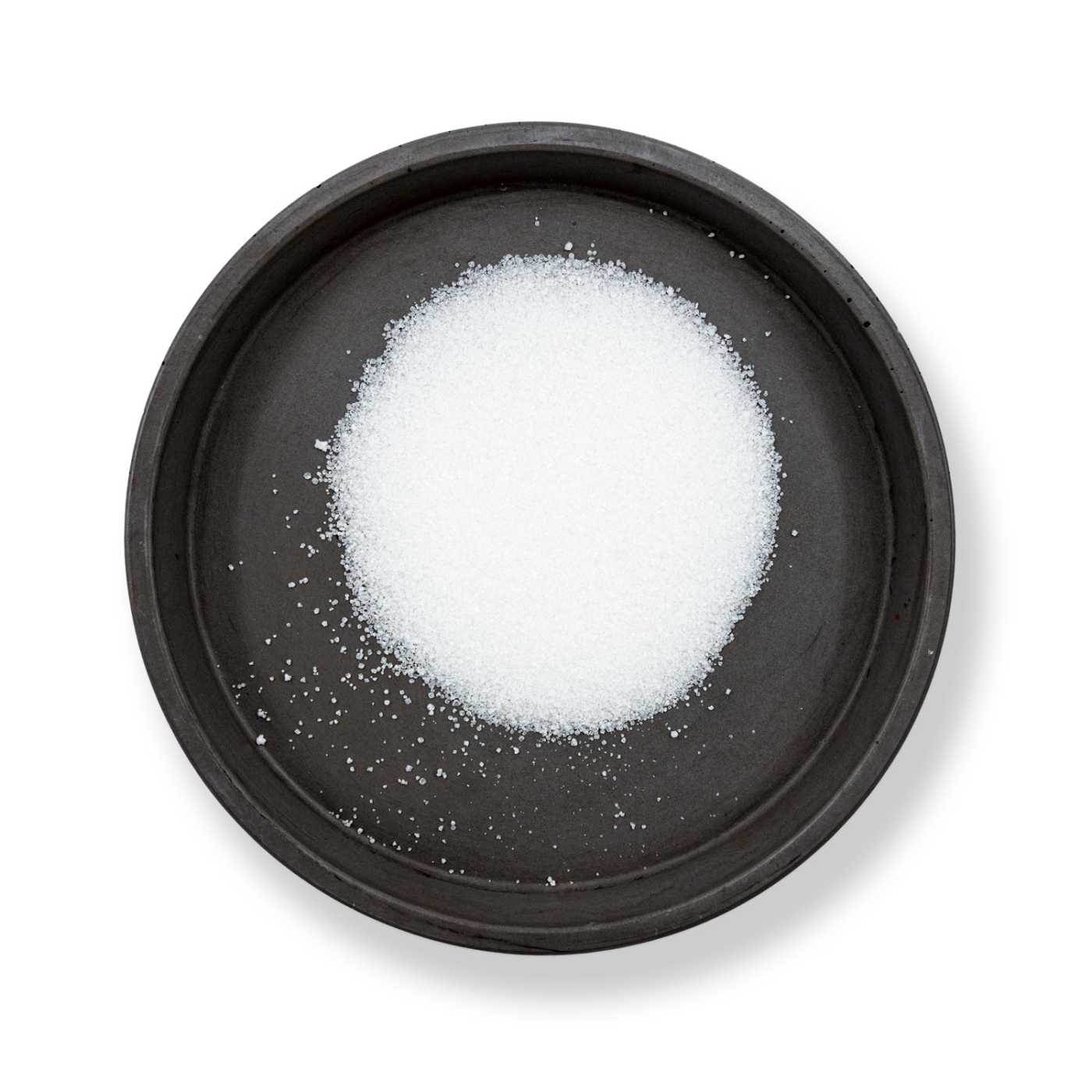
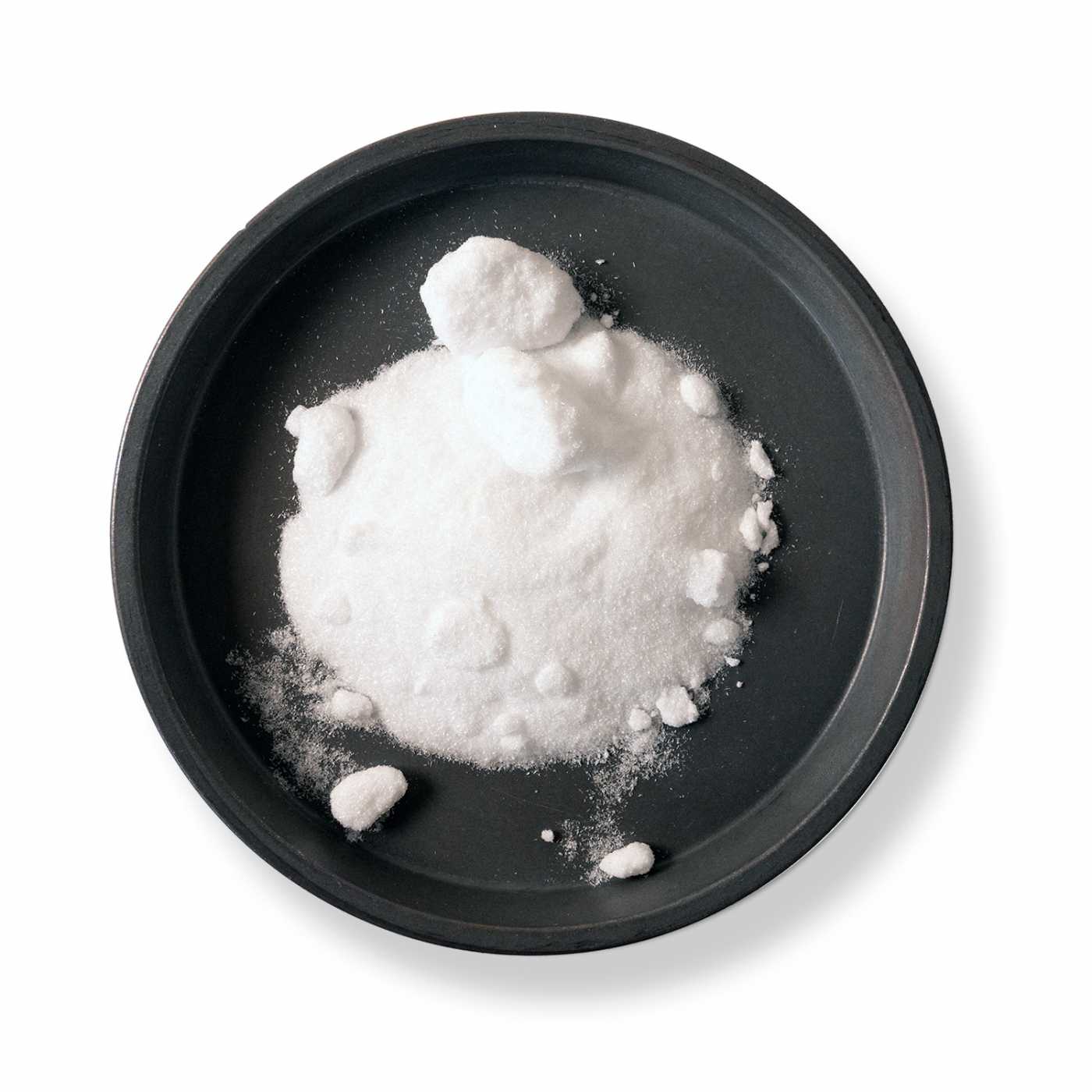
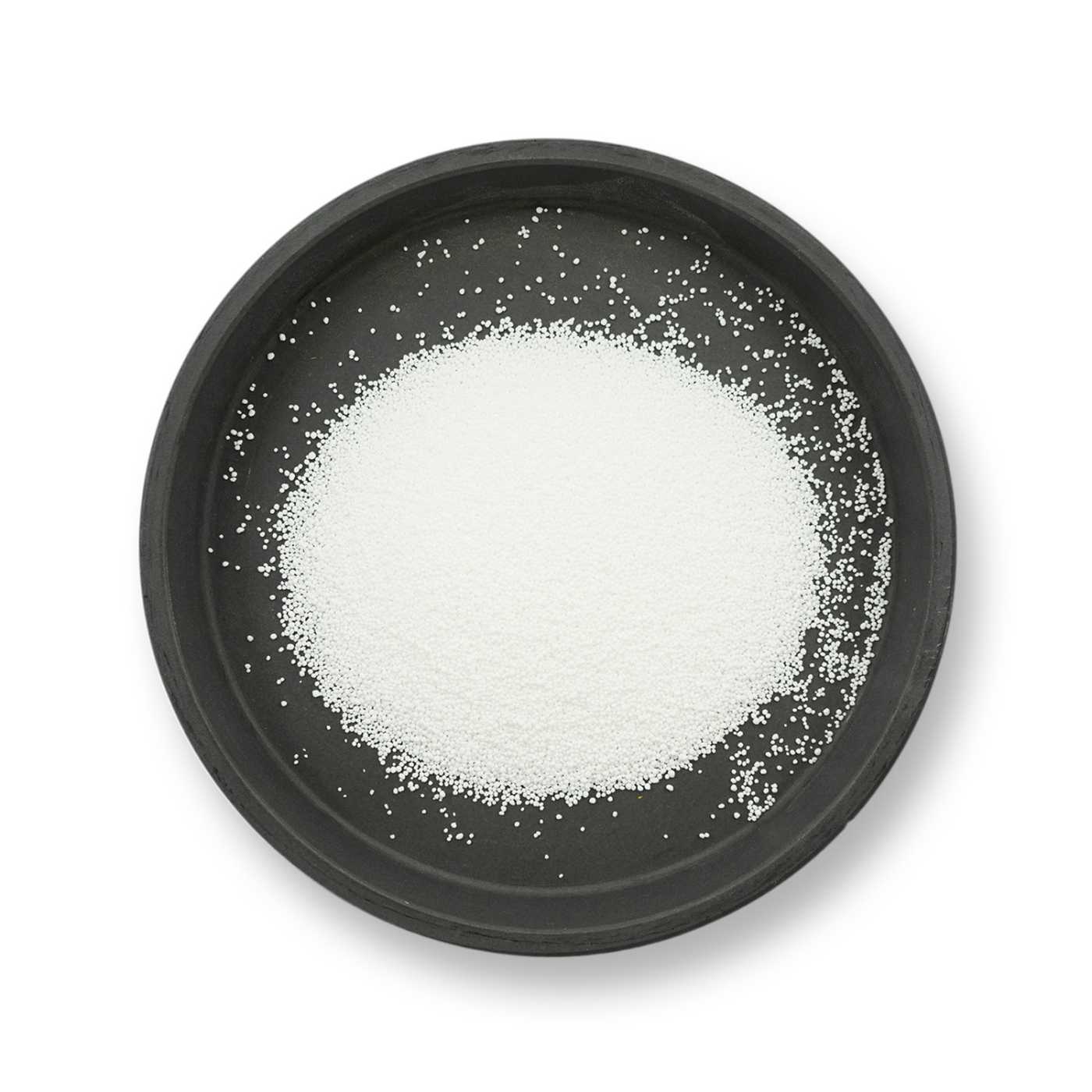
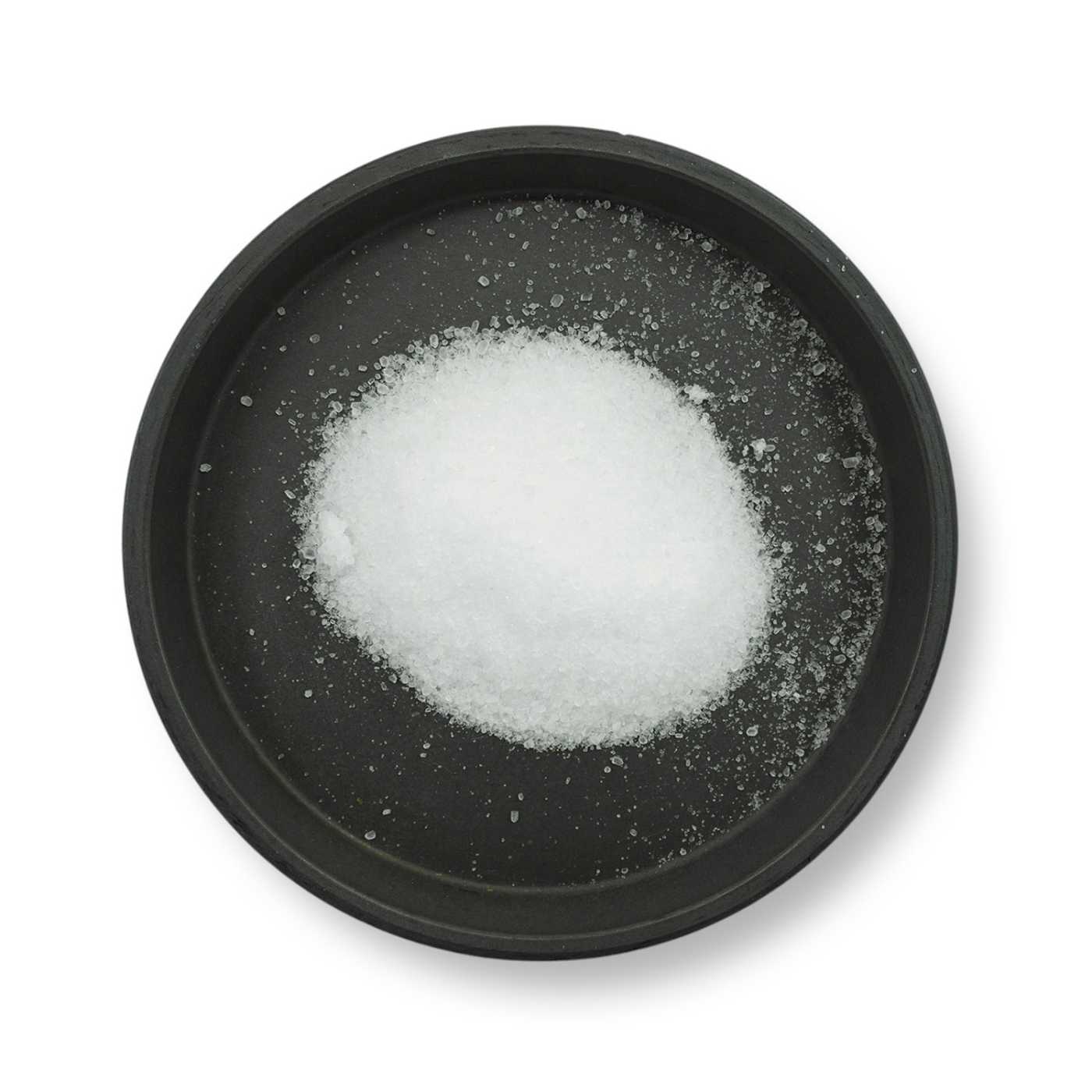
Citric acid in the form of the monohydrate is a basic agent in cosmetic making for lowering and stabilising pH . full description
Lowest price in the last 30 days: €17.99
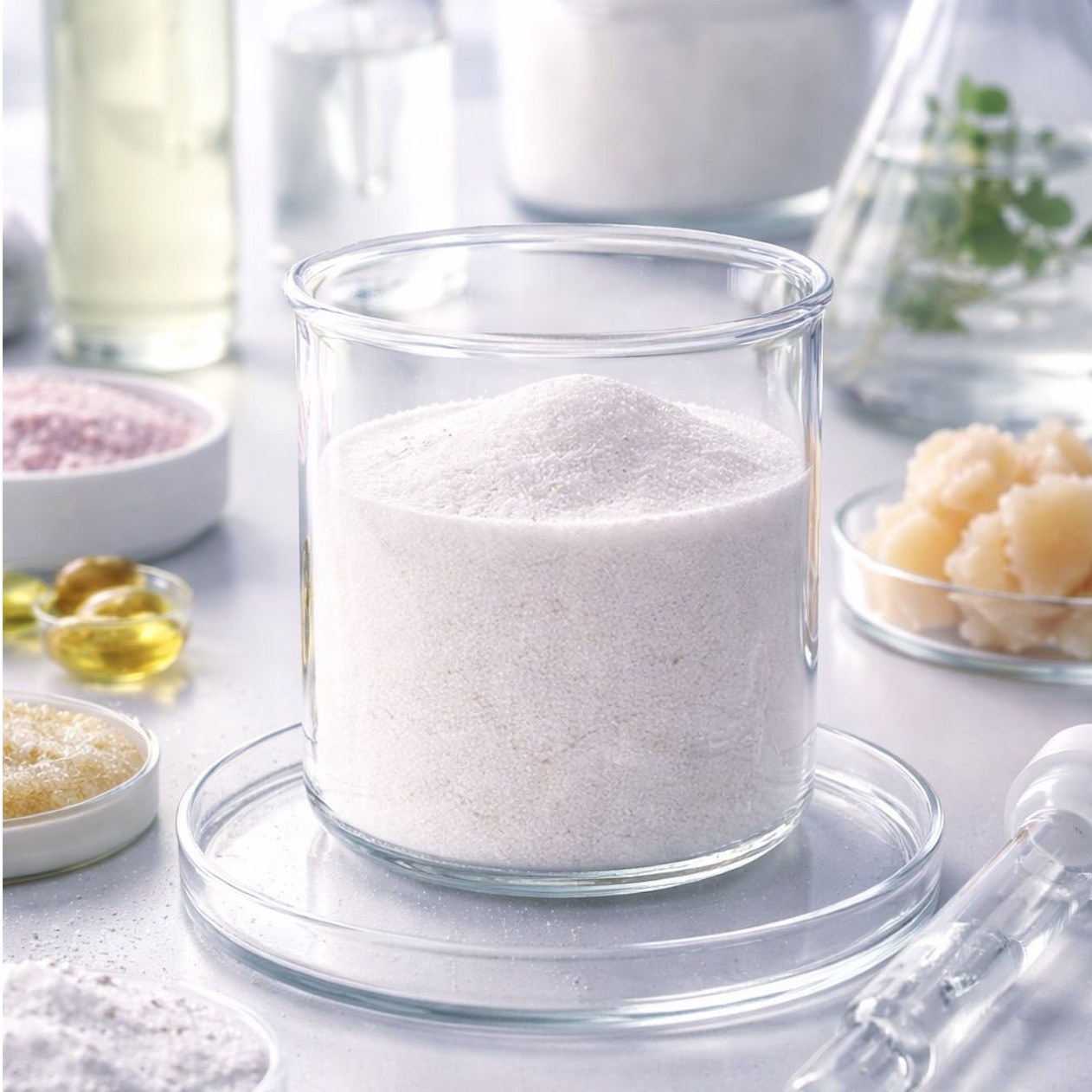
Citric acid in the form of the monohydrate is a basic agent in cosmetic making for lowering and stabilising pH. It dissolves quickly, and even a small amount shifts the pH of a cream, serum, shampoo or toner into the range in which both preservatives and active ingredients work properly. It also binds metal ions from water and raw materials, thereby slowing oxidative changes in the product. In powder products, especially bath bombs, it forms the acid component of the fizzing reaction.
The ingredient is obtained by fermentation from corn, followed by crystallisation and filtration. It is supplied in cosmetic and food grade (additive E 330), is of vegetable origin and is readily biodegradable.
It dissolves very well in water, up to 592 g/l at 20 °C, and also dissolves easily in ethanol. It does not dissolve in oils, so it belongs exclusively in the water phase or is incorporated afterwards during the cooling phase, when the emulsion is already finished and its pH is being fine-tuned. It is processed at a temperature below 80 °C.
The recommended usage rate is 0.1–2%. For routine pH adjustment of a cream or shampoo, the lower part of the range is usually enough. Higher rates are used in exfoliating products, acidic hair rinses or where the pH of a strongly alkaline system needs to be lowered. The final pH of the formulation should be within the range of 3.0–6.0. The exact value depends on the type of product and the preservatives and active ingredients used.
For precise fine-tuning of pH, prepare a 50% solution: equal weights of powder and distilled water, for example 5 g and 5 g. Add the solution drop by drop while stirring constantly, and measure the pH after each addition. Powder sprinkled directly into a finished emulsion dissolves slowly and the pH is easily overshot.
In cold process soap it works as a chelating ingredient. It is dissolved in the water before the sodium hydroxide is added and reacts with it to form sodium citrate. In the finished soap this binds minerals from hard water and limits the formation of soap scum. In this procedure part of the hydroxide is consumed, so its amount in the recipe must be recalculated, otherwise the soap will be more superfatted than you planned.
The monohydrate contains one molecule of bound water, 7.5–8.8% of the weight according to the specification. When converting a recipe from the anhydrous form, a slightly larger amount is therefore needed for the same effect. With small usage rates for pH adjustment, the difference is usually evened out by checking with a pH meter.
Thickeners sensitive to pH and electrolytes, especially carbomers and some natural gums, lose viscosity after the acid is added. The gel is therefore thickened only after the pH has been adjusted, or the acid is added very gradually and the final consistency is checked continuously.
In anhydrous powder products the acid remains in solid form and reacts only with water. Bath bombs and fizzing bath salts should therefore be mixed in a dry environment. Air humidity triggers the reaction prematurely and the mixture starts to swell even before pressing.
The substance is marked with the GHS07 pictogram as an irritant. When weighing and dissolving the powder, do not inhale the dust and protect your eyes. The concentrated solution must not come into contact with skin or eyes.
For products intended for the skin, we recommend checking the pH of the finished product and its stability over time. The pH value may still shift slightly for several days after production.

the only thing I didn't like was that it doesn't come in a bucket, but since I have a few of my own, all good!
Translated automatically

Variant: Kyselina citrónová, monohydrát 5 kg
Variant: Kyselina citrónová, monohydrát, 1 kg